
Seasonal Care
June Is Make-or-Break Month for Newly Planted Trees in Middletown
The first summer is the hardest your new tree will ever face. Here’s how to keep it alive through June heat and Middletown’s clay soils.
The first summer is the hardest your new tree will ever face. Here’s how to keep it alive through June heat and Middletown’s clay soils.

A dead branch over your roof isn’t always an emergency — but it can be. Here’s how to assess tree limb risk before summer storms hit Middletown.
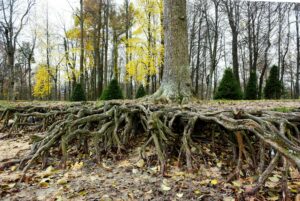
Most homeowners picture tree roots as a deep mirror of the canopy. That picture is almost entirely wrong — and the gap costs real money. Here’s the truth.

Deep root fertilization can meaningfully extend the life of stressed trees in Middletown’s clay-loam soils — but not every tree needs it. Here’s how to know.
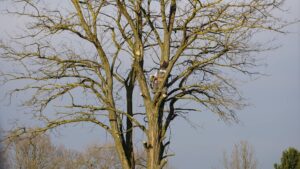
A certified arborist assessment goes far beyond a glance at the canopy — here’s what a trained professional actually evaluates on your Middletown property, and why it matters before summer.

Once Middletown’s trees fully leaf out in late May, it’s the best window to spot problems before storm season. Here’s how to read your trees right now.
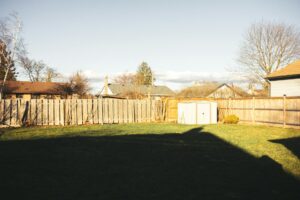
When a neighbor’s oak arches over your roof or a dying elm looms past your fence, NJ law gives you rights — but also real responsibilities. Here’s what every Middletown homeowner should understand.

Your sprinkler system is watering your lawn, not your trees. Learn how Middletown’s clay-loam soils require deep, slow watering to keep shade trees healthy through summer.
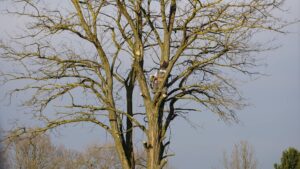
Tree topping is one of the most damaging things you can do to your trees — and it’s alarmingly common. Here’s why it causes long-term harm and what proper crown reduction actually looks like.

An ISA-certified arborist’s guide to planting a memorial tree in your Middletown NJ yard this Memorial Day — species, site, and how to do it right.