
Middletown's #1 Tree Expert Company
FREE Inspection & Estimate | Certified Arborists | Trimming, Pruning, Removal, More!
Sponsored
August Is a Quiet Month for Trees — Until It Isn't
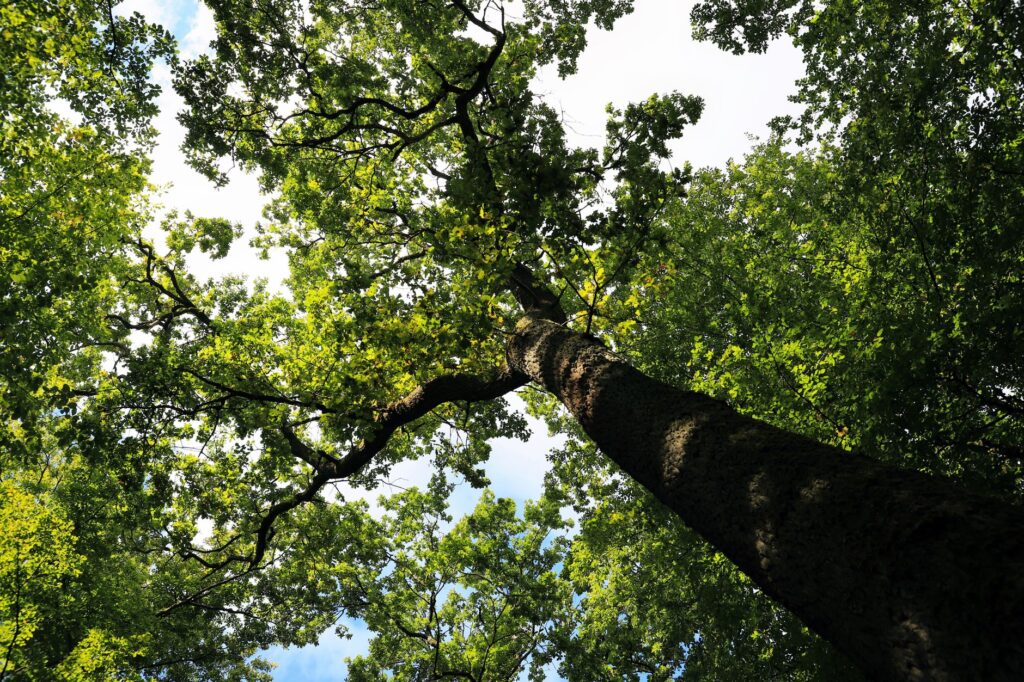
By the time we hit the last week of July, most of my calls have settled into a rhythm: scorched leaf margins, a client wondering if their maple is dying, a limb that finally gave up after three weeks without rain. August in Middletown Township is a strange in-between month. The spring growth flush is long over, the trees have hardened off whatever wood they’re going to harden off this year, and yet the work isn’t done — it’s just quieter, more observational.
That’s actually the point of this checklist. August isn’t a month for big interventions. It’s a month for watching closely, correcting a few specific things, and getting ready for what’s coming in September. Middletown’s clay-loam soils — heavy, slow to drain, quick to crack when they dry out — make this a particularly important stretch. A soil that was saturated after a July thunderstorm can be concrete-hard two weeks later, and a lot of homeowners misread what that does to their trees.
I also get more storm-anxiety calls in August than almost any other month, which makes sense — we’re heading into the most active stretch of Atlantic hurricane season, and everyone remembers the nor’easter that took out half the canopy on their street. So here’s what I actually tell clients to do this month, in order, and just as importantly, what to leave alone.
Check Soil Moisture Before You Water Anything
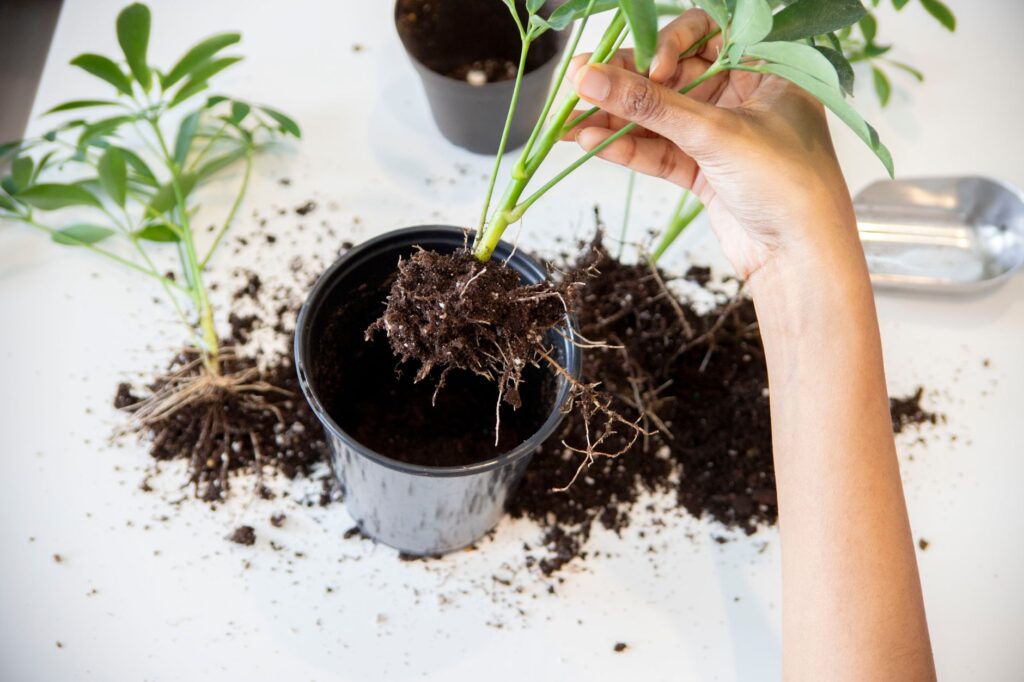
The single most common mistake I see in August is watering by calendar instead of by soil. A homeowner waters every other evening for ten minutes because that’s what they did in June, and meanwhile the top two inches of clay-loam look damp while the root zone eight inches down is bone dry. Shallow, frequent watering trains roots to stay near the surface, which is exactly the opposite of what a tree needs to get through a real dry spell.
Push a screwdriver or a long soil probe into the ground at the edge of the canopy — not against the trunk. If it goes in easily to six or eight inches, you’re fine. If it stops well short of that, it’s time for a slow, deep soak: a hose set to a trickle at the drip line for 30 to 45 minutes, moved around the root zone, rather than a sprinkler blast. This is especially critical for anything planted in the last two to three years — established trees have root systems that can chase moisture much further than a new transplant can.
Rutgers Cooperative Extension’s tree and landscape care resources are a good reference if you want to get more precise about watering volumes for your particular species and soil type — clay-loam behaves differently than the sandy pockets you’ll find closer to the Bayshore, and it’s worth knowing which one you’re dealing with.
Put the Pruning Saw Away — With Two Exceptions
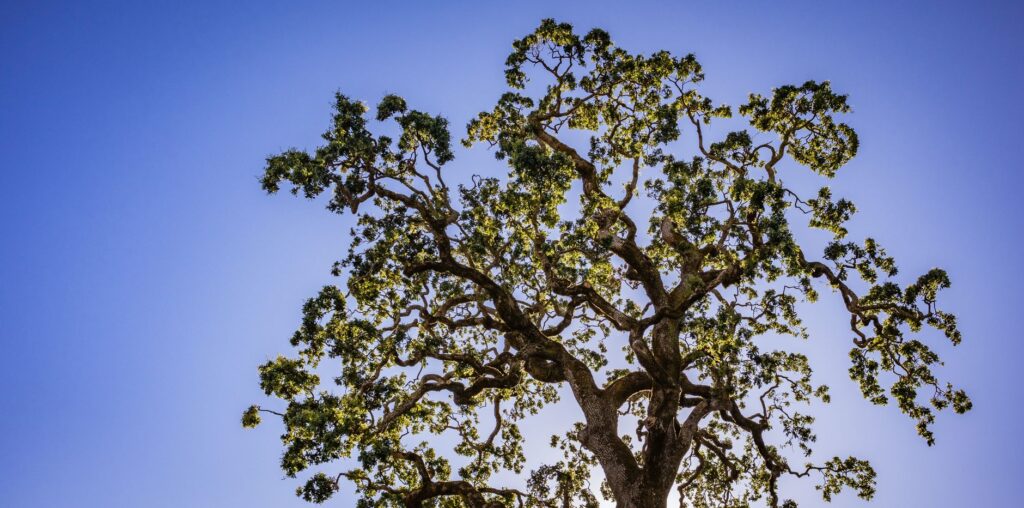
August is one of the worst months to do significant pruning on most Middletown shade trees, and I say this every year because the instinct to “clean things up” before storm season is strong. The problem is that heavy pruning in high heat forces a stressed tree to spend energy compartmentalizing wounds and pushing new growth at exactly the moment it should be conserving resources. On oaks in particular, fresh pruning wounds in summer can also attract sap-feeding beetles that carry oak wilt spores — a risk that essentially disappears once the tree goes dormant.
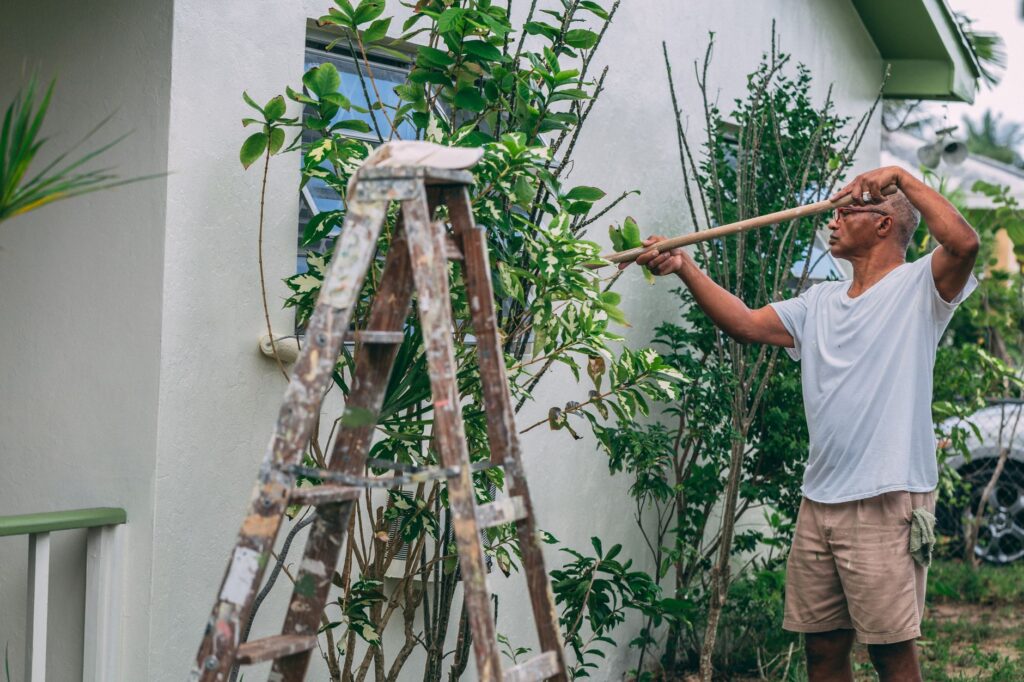
The two exceptions are dead wood and hazard limbs. If you can see a branch that’s clearly dead — no leaves, brittle, bark sloughing — removing it doesn’t carry the same stress penalty, because the tree has already walled that tissue off. Same goes for anything cracked, hanging, or obviously at risk of dropping on a driveway or roof. That work shouldn’t wait for a better season.
Everything else — thinning a canopy, reducing height, correcting structure on a young tree — should wait for the dormant window in late fall or winter. The International Society of Arboriculture’s pruning guidance is a solid plain-language explanation of why timing matters as much as technique.
Middletown's #1 Tree Expert Company
FREE Inspection & Estimate | Certified Arborists | Trimming, Pruning, Removal, More!
Sponsored
Walk Your Canopy With Hurricane Season in Mind
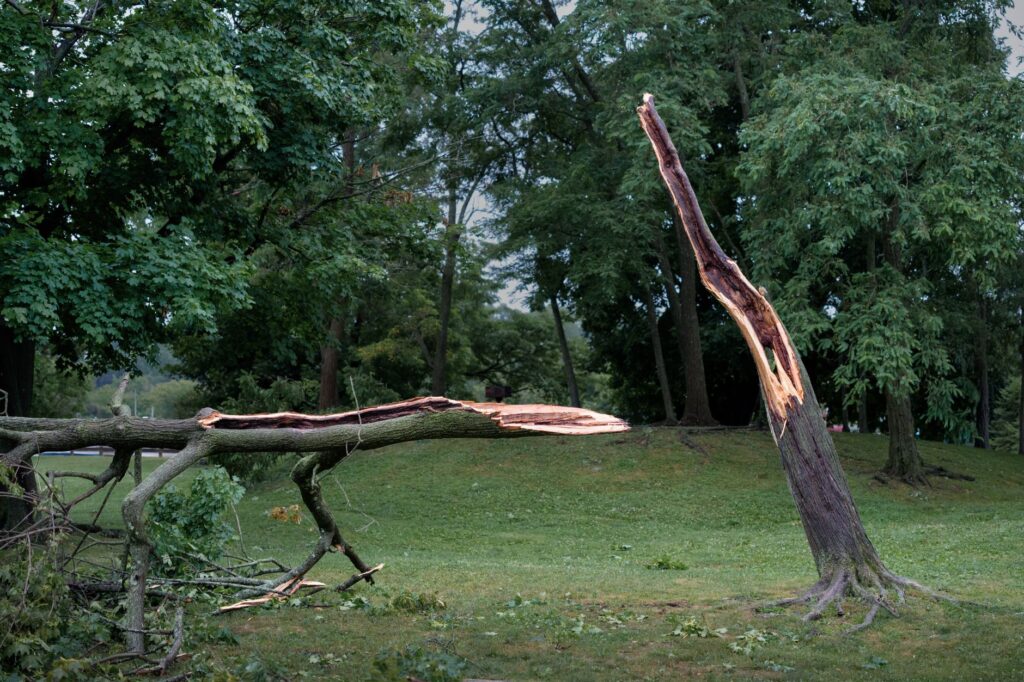
Late August through October is the statistical peak of Atlantic hurricane season, and Middletown — sitting right on the Bayshore with a lot of exposed, mature canopy — tends to feel it. You don’t need a professional risk assessment to do a basic visual walk-around, though I’d recommend one if anything below gives you pause.
Stand back from each significant tree and look for:
- Codominant stems — two trunks of similar size splitting low and growing upward, often with included bark in the union, which is a classic failure point in high wind
- Cavities or fungal conks (shelf-like growths) at the base or along the trunk, which can indicate internal decay
- Large dead limbs still attached in the upper canopy
- Lean that’s new or has visibly worsened since last year, especially paired with soil heaving on one side of the root flare
None of these mean a tree is coming down tomorrow, but they’re the things I flag during a formal assessment, and they’re worth knowing about before a storm is bearing down on the forecast. The USDA Forest Service’s urban forestry program has good general background on what makes a tree structurally vulnerable if you want to read further before deciding whether to call someone.
Start Planning Your Fall Planting Now
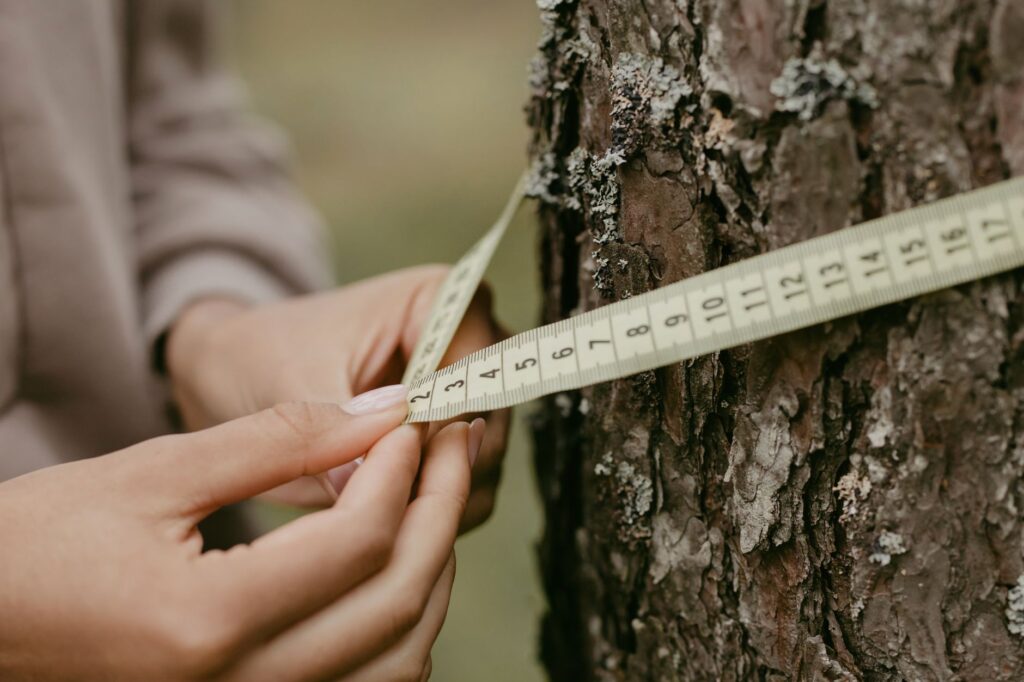
Here’s the one piece of proactive work I do recommend in August: if you’re thinking about planting a tree this fall, now is when the planning happens, even though the planting itself should wait until the weather cools in October. Fall is genuinely the better planting window for most species in our area — the soil is still warm enough for root establishment, but the tree isn’t fighting summer heat stress while it’s trying to settle in.
Use August to pick your site and get a sense of what you’re working with. Look at mature tree height and spread before you fall in love with a spot near the house or under a utility line. Check drainage — Middletown’s clay-loam holds water longer than you’d think, and a low spot that seems fine in August can sit wet all winter. If you’ve never had the soil tested, this is a good month to send a sample to Rutgers’ soil testing lab — results typically take a couple of weeks, which lines up well if you’re aiming to plant in October.
If you’re near the Bayshore or anywhere that gets road salt spray in winter, factor that into species selection now rather than after you’ve already dug the hole.
Learn to Tell Normal August Stress From Real Trouble

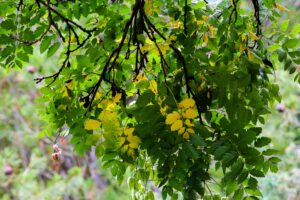
Almost every tree in Middletown looks a little rough by late August, and most of it is completely normal. Marginal leaf scorch — a thin brown or yellow band along the outer edge of the leaf — is common on maples, especially street trees and anything in a hot, reflective spot near pavement. It looks alarming and is rarely the sign of a dying tree; it’s usually just a water-stress response.
What’s worth a closer look:
- Wilting that doesn’t recover overnight, even after watering
- Leaf drop concentrated on one side or one section of the canopy rather than spread evenly
- New cracks in bark, especially with sap or dark staining below them
- Sudden, significant color change on a tree that isn’t a naturally early-turning species
One-sided symptoms are the biggest tell. A tree responding to general heat and drought stress tends to show it evenly across the canopy. A tree with a root problem, a girdling root, or damage on one side of the trunk tends to show it asymmetrically — and that pattern is usually what tips me off that something mechanical or biological is going on rather than simple weather stress.
Middletown's #1 Tree Expert Company
FREE Inspection & Estimate | Certified Arborists | Trimming, Pruning, Removal, More!
Sponsored
The Short Version — and When to Call a Pro
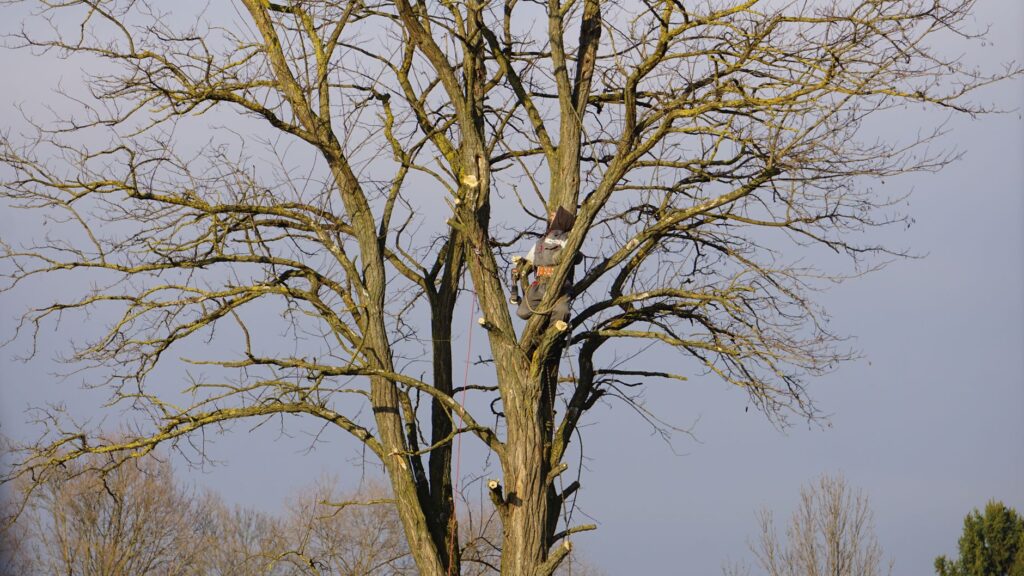
If you only do three things this month: check soil moisture before you water instead of watering on autopilot, remove dead or hazardous wood but leave structural pruning for dormant season, and walk your canopy once with hurricane season in mind. Use any extra energy on planning where you’ll plant this fall, not on planting itself yet.
Call a certified arborist if you spot asymmetric canopy dieback, a lean that’s new or worsening, cavities or conks at the base of a tree, or if you’re simply not sure whether a limb over the driveway is a hazard or just ugly. An assessment is a low-cost way to get a professional read before storm season, rather than after a limb is already on the ground. Trees are remarkably good at telling you what they need — August is just a matter of slowing down enough in the yard to actually notice.
Photo credits: Featured image by Craig Adderley on Pexels; Section 1 by Christina & Peter on Pexels; Section 2 by Prathyusha Mettupalle on Pexels; Section 3 by Robert So on Pexels; Section 4 by David Kanigan on Pexels; Section 5 by cottonbro studio on Pexels; Section 6 by Colin Fearing on Pexels; Section 7 by Dmytro Glazunov on Pexels.