Middletown's #1 Tree Expert Company
FREE Inspection & Estimate | Certified Arborists | Trimming, Pruning, Removal, More!
Sponsored
The Morning After the Break
Most Middletown homeowners meet the same scene after a nor’easter or an early wet snow. A big limb is down, the jagged stub is still on the tree, and the rest of the crown looks lopsided. The first question is always the same: is this tree finished, or can it be brought back?
In my experience the answer is yes more often than people expect, and no more often than they hope. A tree that has lost a third of its crown can recover if the trunk is sound, the roots are intact, and the remaining branches are well attached. What it needs is not a quick tidy-up but a plan. That plan is called restoration pruning, and it plays out over several seasons rather than in one afternoon.
This article walks through what restoration pruning actually is, how an arborist decides whether a tree qualifies, and what honest expectations look like for the oaks, maples, and sweetgums that fill the Bayshore neighborhoods around Lincroft, Leonardo, and Port Monmouth.
What Restoration Pruning Really Means
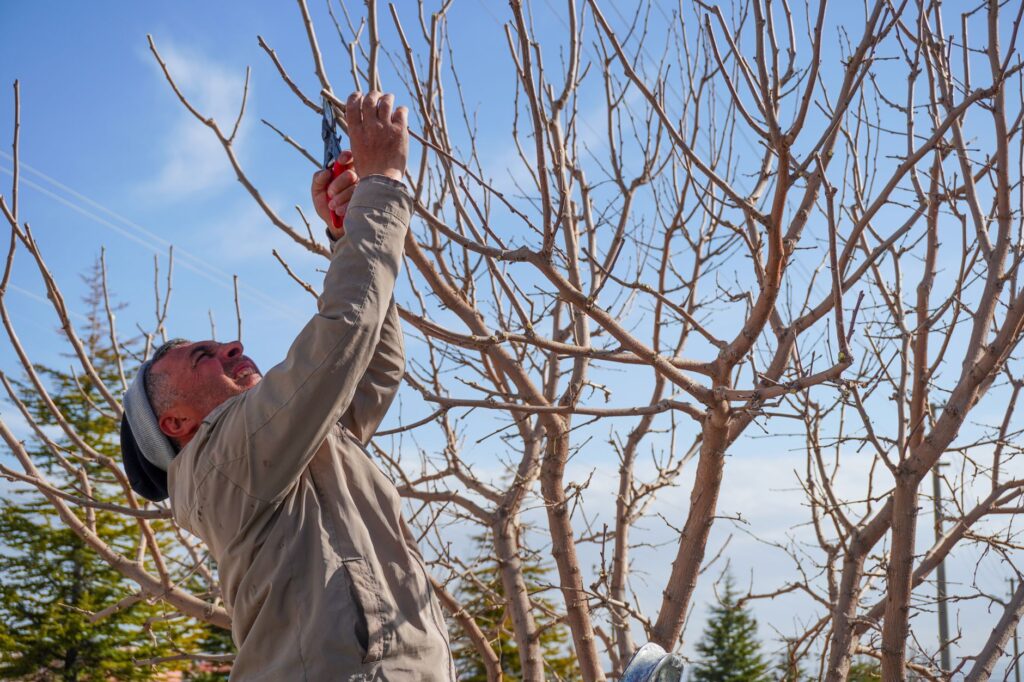
Restoration pruning is the careful, staged repair of a tree’s structure after storm, vandalism, or earlier bad pruning. The goal is to reestablish a single dominant leader or a balanced set of main limbs, remove broken tissue cleanly, and encourage the tree to grow a new, well attached framework. It is a different job from topping, which cuts large limbs back to stubs and leaves the tree weaker than before.
The work follows a few basic ideas that the International Society of Arboriculture’s guidance on storm-damaged trees lays out clearly:
- Torn and splintered wood is cut back to a proper branch collar or to a lateral branch large enough to take over.
- Cuts are made once, cleanly, and not repeated every year.
- No more than a modest share of live crown is removed in a single visit.
- New shoots that sprout from the wound area are selected and spaced over the following years, not stripped all at once.
The idea of spreading the work out surprises people. They expect a single visit to fix everything. But a tree that loses too much foliage at once draws down the stored sugars it needs to seal wounds and push new growth, so patience is part of the treatment.
First Questions an Arborist Asks
Before anyone picks up a saw, a certified arborist sorts the tree into one of three groups: keep and repair, keep and monitor, or remove. The sorting rests on a handful of observations that you can partly check yourself from the ground.
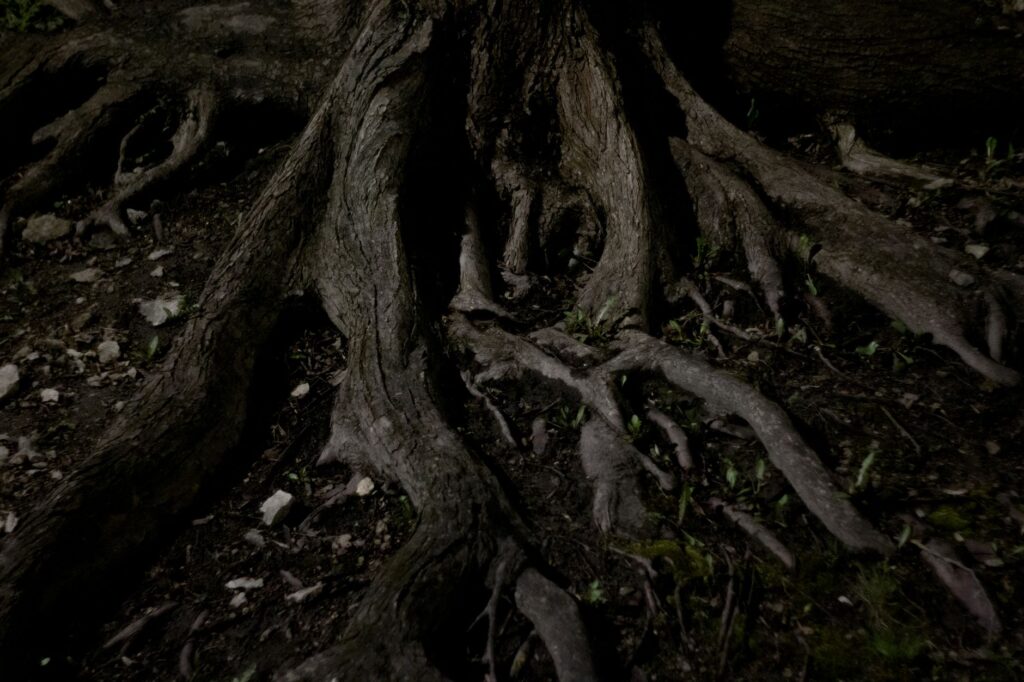
Start with the trunk and the root flare. A trunk crack that runs down toward the ground, a heaved root plate, or fungal conks at the base are warning signs that no amount of pruning can fix. Next look at the wound. A clean break through sound wood heals very differently from a tear that opened a hollow column or split a weak union where two stems join. Then consider the species. White oak (Quercus alba) and black tupelo (Nyssa sylvatica) compartmentalize wounds well and often bounce back. Silver maple and Bradford pear tend to keep dropping wood and are poor candidates for heavy investment.
Finally, think about targets. A damaged tree over a shed or a bedroom is a different decision than the same tree at the back of a lot. The ISA’s advice on hiring an arborist is a useful reference for what a proper assessment should cover and how to confirm credentials before you agree to any work.
Middletown's #1 Tree Expert Company
FREE Inspection & Estimate | Certified Arborists | Trimming, Pruning, Removal, More!
Sponsored
What Pruning Can and Cannot Fix
It helps to be straight about limits. Restoration pruning is very good at some things and useless at others.
It can remove hanging and torn wood, which is a safety problem and an open door for decay fungi. It can reduce the weight on a long, overextended limb so that it is less likely to fail in the next storm. It can reshape a lopsided crown gradually, and it can choose the best of the new sprouts to become tomorrow’s scaffold branches. On a young or middle aged tree with a healthy trunk, this can produce a handsome, safe crown within five to ten years.
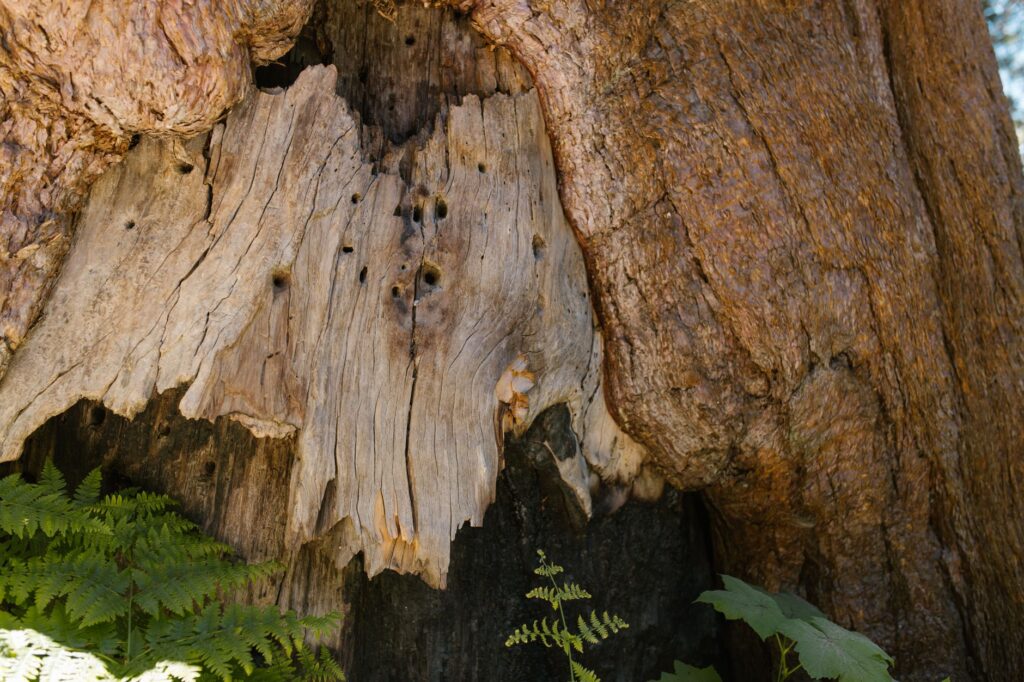
It cannot mend internal decay, reverse a split trunk, or restore roots that were cut by trenching or smothered by fill. It also cannot make a tree grow back to its old shape overnight. A crown lost in one storm often takes a decade to rebuild, and some trees never regain the symmetry they had.
Cables and braces are sometimes added when a tree has a weak union worth saving, but they are a supplement, not a substitute for good structure. If the trunk itself is compromised, the honest recommendation is removal and replanting, which is covered in the USDA Forest Service urban forest resources as part of why replacement of declining trees keeps a neighborhood canopy healthy.
A Realistic Timeline for Middletown Yards
Here is how a typical recovery plays out for a mature oak in a Monmouth County yard that lost one major limb.
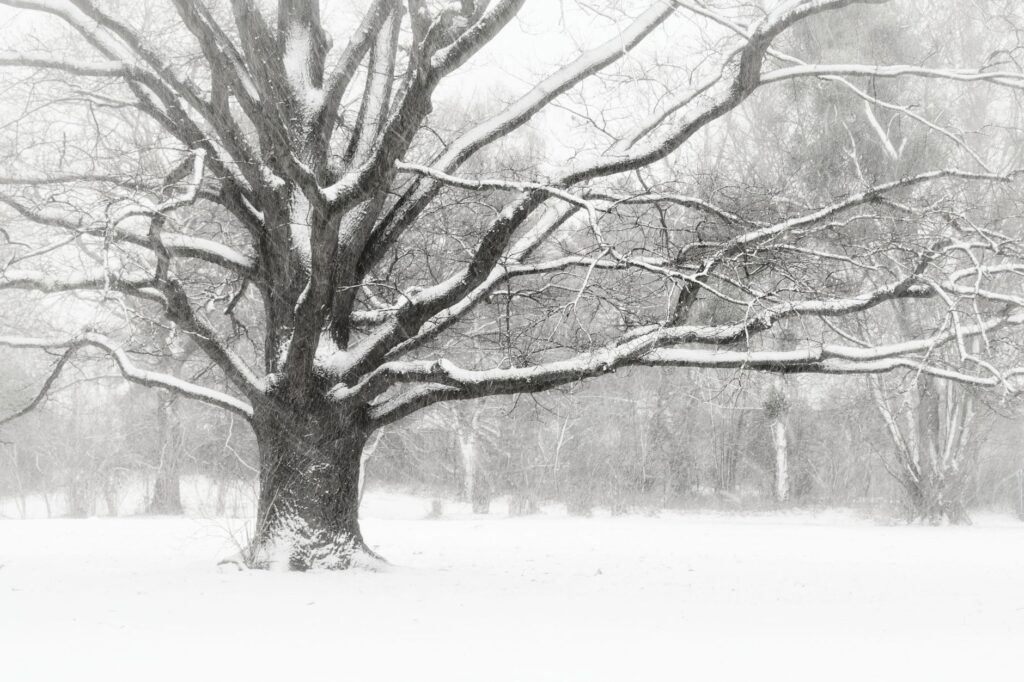
In the first week, the hanging and torn wood is removed for safety and the wound is cut back to a proper collar. In late winter, while the tree is dormant and the structure is easy to read without leaves, the arborist returns to look at the whole crown and decide what, if anything, else should go. Dormant pruning is the preferred window for most species in New Jersey because cuts are easier to place and sap flow and disease pressure are low.
During the first and second growing seasons, the tree puts out vigorous water sprouts around the wound. That is a normal stress response. The arborist thins them gradually, keeping the best placed few. By year three to five, the framework starts to read as intentional, and the tree can go on a regular inspection cycle every year or two.
Along the Bayshore, wind and salt spray add stress, so leaving a little extra foliage on the windward side during early recovery is often wise. A tree needs leaves to feed itself, and a conservative approach protects that engine.
Helping the Tree Along Between Visits
Between arborist visits, there is real value in simple, steady care at the base of the tree. None of it is exotic.
- Keep a wide ring of mulch two to three inches deep, pulled back from the trunk so the flare stays visible.
- Water deeply during dry spells in the first two summers, since a stressed tree with a reduced crown still needs steady moisture.
- Leave wound dressings and pruning paint on the shelf. Research has shown trees seal wounds better on their own.
- Avoid heavy fertilizer. Too much nitrogen pushes soft, fast growth that is more prone to breaking.
- Keep mowers, trimmers, and vehicles away from the root zone.
Photograph the tree each season from the same spot. A simple record shows you how the crown is filling in and gives an arborist something concrete to compare against. It also helps if you ever need to show an insurer what the tree looked like before and after a storm.
Middletown's #1 Tree Expert Company
FREE Inspection & Estimate | Certified Arborists | Trimming, Pruning, Removal, More!
Sponsored
When to Call a Pro
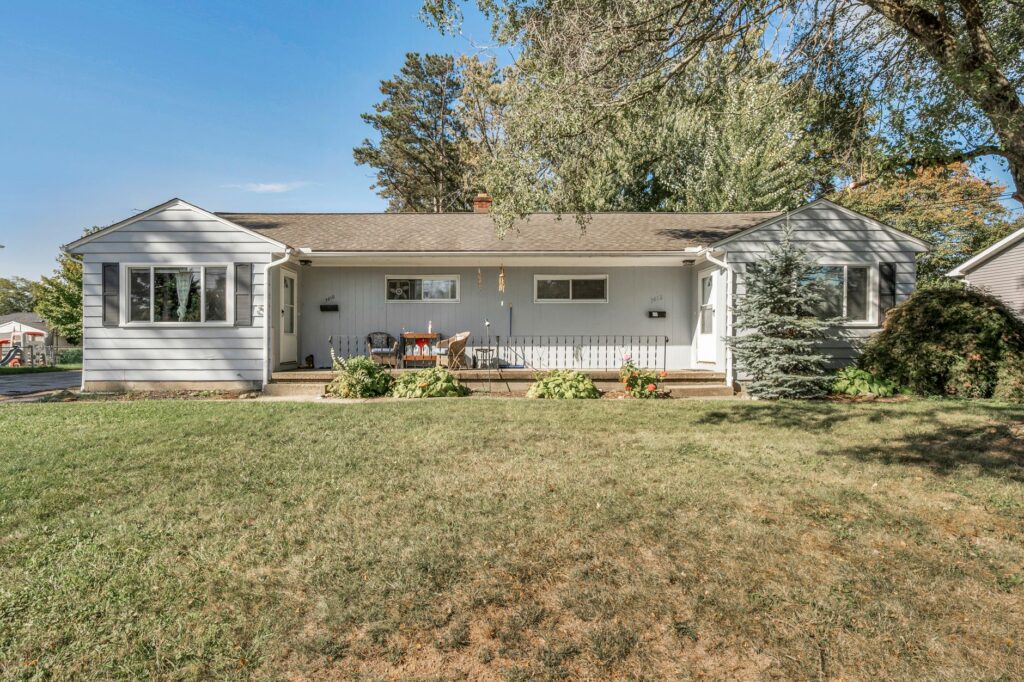
Any limb that is hanging, any crack at a major union, any lean that is new, and any tree near a house, wire, or play area deserves a professional look before you do anything else. Climbing a ladder with a chainsaw under a broken limb is how homeowners end up in the emergency room, and the tree rarely benefits from the improvisation.
Ask for an ISA certified arborist, request that the proposal describe restoration pruning in plain terms, and be wary of anyone who proposes topping or removing most of the crown in a single visit. In New Jersey, tree work should also be handled by a licensed tree expert, so confirm that before you sign.
A storm-broken tree is not automatically a lost tree. With sound roots, a sound trunk, and patient, staged pruning, many Middletown trees come back as strong and good looking as they were. A careful assessment now is the cheapest way to find out which kind of tree you have.
Photo credits: Featured image by Castorly Stock on Pexels; Section 1 by Yunus Emre Ilıca on Pexels; Section 2 by mehmetography on Pexels; Section 3 by Plato Terentev on Pexels; Section 4 by RDNE Stock project on Pexels; Section 5 by ArWeltAtty Attila on Pexels; Section 6 by Anastasiia on Pexels; Section 7 by Josh (PleaseLinkToOurWebsite) on Pexels.