
Middletown's #1 Tree Expert Company
FREE Inspection & Estimate | Certified Arborists | Trimming, Pruning, Removal, More!
Sponsored
Why the First Years Decide Everything
Every fall I walk yards in Lincroft, Port Monmouth and out along the Bayshore where a tree went into the ground one or two seasons back, and the owner asks the same thing: is it going to make it? There is no single answer on the day it is planted, because a new tree does not announce success. It simply keeps leafing out, year after year, until one day it stops being a transplant and starts being a tree.
That changeover is called establishment, and it happens when the roots have grown back out past the original root ball into the surrounding Middletown soil. Until then the tree is living on the water and reserves it carried from the nursery. Guidance from the International Society of Arboriculture’s new tree care pages notes that establishment takes roughly a year for every inch of trunk diameter, so a two inch maple can need two full growing seasons of attention.
The good news is that you do not need special equipment to judge progress. A few simple checks, done on a calm weekend, tell you most of what a professional would learn on a first visit.
The Gentle Tug Test
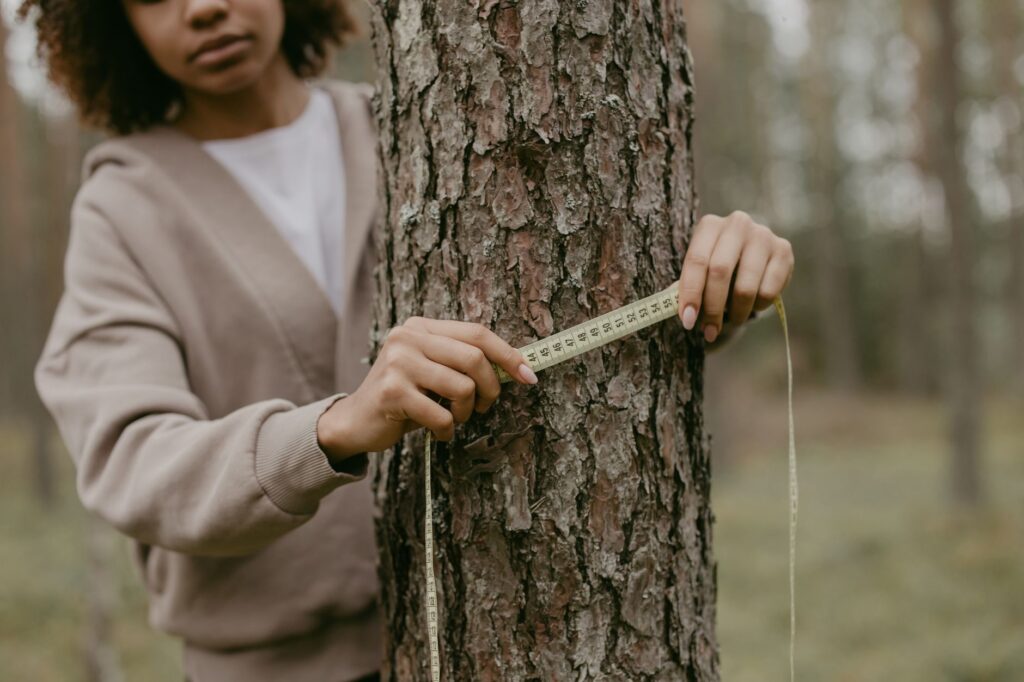
The oldest check in the book is also the easiest. Stand at the trunk, take hold of it at about waist height, and give it a slow, firm push, then a pull. You are not trying to rip it out of the ground. You are feeling for whether the root ball moves independently of the soil around it.
A tree that wobbles at the base, with the soil visibly shifting or a gap opening up, has not rooted in yet. A tree that sways at the top but stays planted at the ground is behaving normally, since young trunks are supposed to flex. If you do feel movement at the base, a stake can help for a season, though it should be loose enough to let the trunk move a little and be removed within a year.
Wait until the soil is neither frozen nor soaked. After a Bayshore nor’easter the clay-loam under many Middletown yards turns to paste, and a tug test then tells you about the mud, not the roots. A dry stretch in November is ideal.
Reading the Twigs and Buds
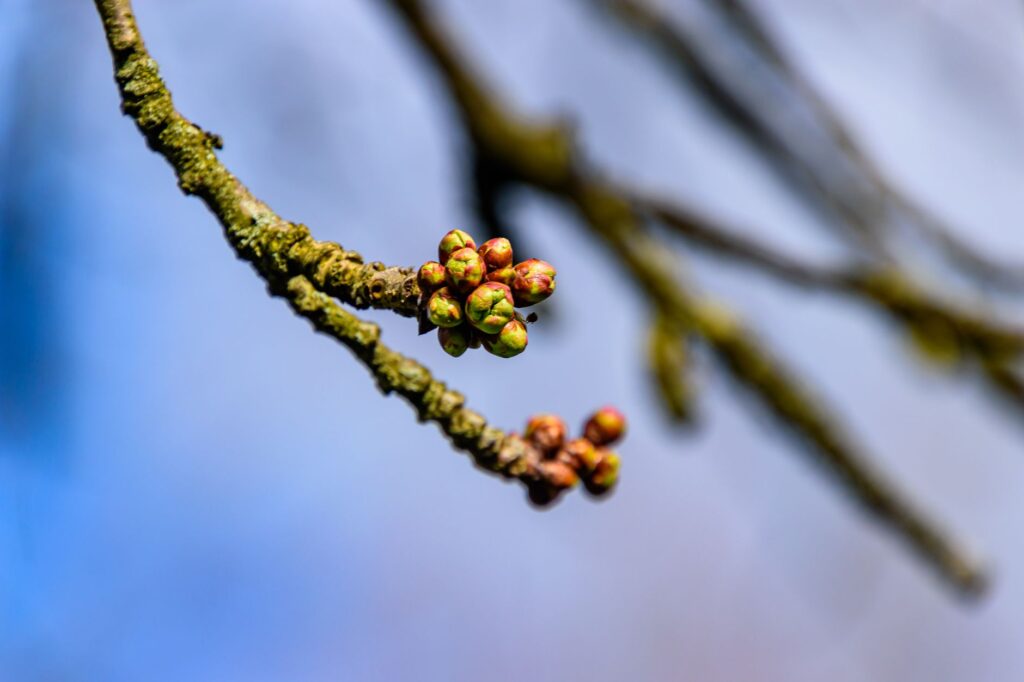
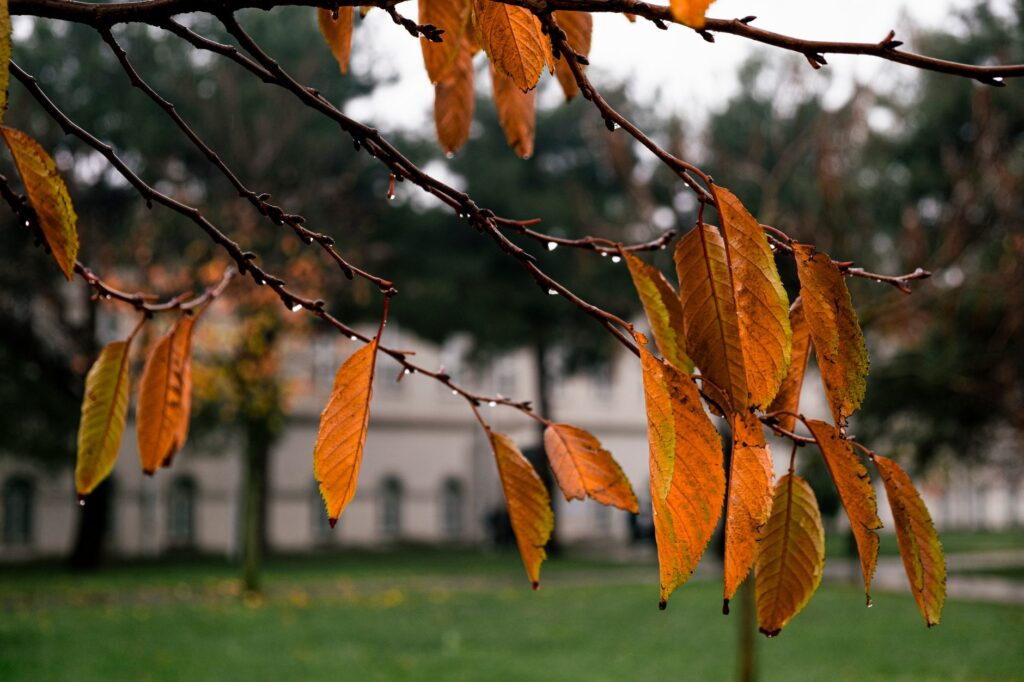
Even in late fall, with leaves dropping, the branches carry good information. Look at the length of the twig growth from this past season. On a healthy establishing tree, the newest shoots are usually several inches long or more, and the distance between the last set of bud scale scars and the terminal bud is generous. A tree that puts on only an inch or two of new growth, year after year, is spending its energy on survival rather than expansion.
Next, look at the buds themselves. Plump, firm buds at the tips mean the tree set up for next spring. Shriveled, dark or papery buds point to stress, whether from drought, a girdled trunk or a root problem below. You can also scratch a tiny patch of bark on a twig with a thumbnail. Green and moist underneath means alive. Brown and dry means that twig is dead, and if the dieback extends well into the main branches, it is worth a closer look.
Do not panic over a single dead twig, and do not be fooled by leaves that hang on. Some young oaks and beeches hold their brown leaves all winter as a normal habit. What matters is the pattern across the whole crown, not one branch.
Middletown's #1 Tree Expert Company
FREE Inspection & Estimate | Certified Arborists | Trimming, Pruning, Removal, More!
Sponsored
Checking the Root Zone Without Digging
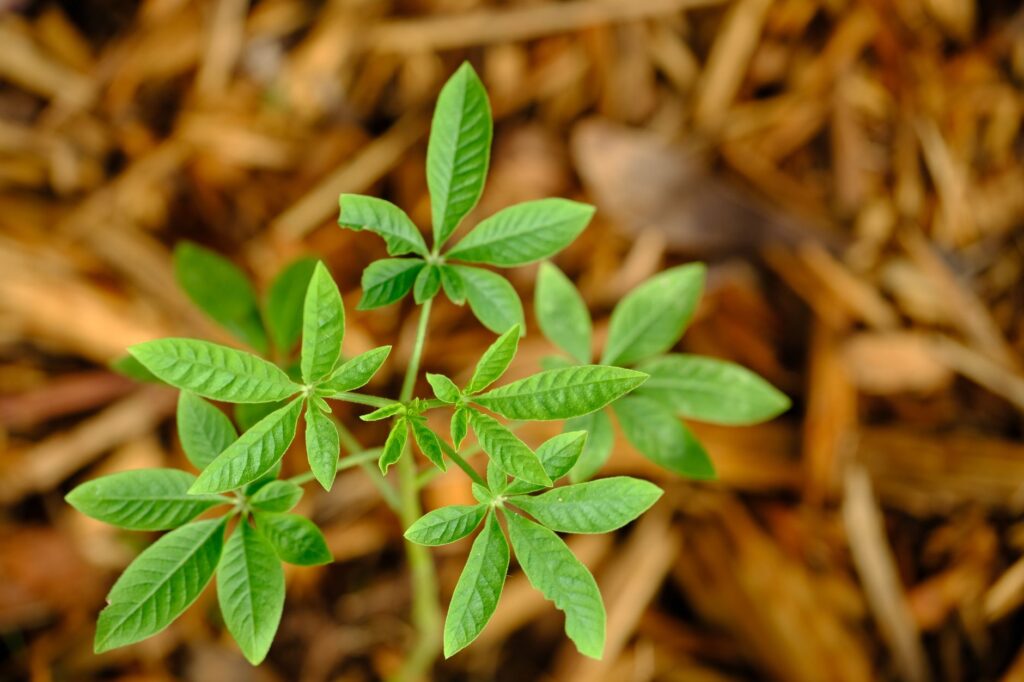
You can learn a lot about the roots without ever picking up a shovel. Start with the base of the trunk. The trunk should widen as it meets the ground, a feature called the root flare. If the trunk goes straight into the soil like a fence post, the tree was probably planted too deep, which is among the most common problems I see locally. The tree planting guidance from Trees Are Good explains why the flare should sit at or just above the soil line.
Then check the mulch. A ring of mulch two to three inches deep, pulled back a few inches from the bark, helps the roots establish by holding moisture and moderating temperature. Mulch piled against the trunk does the opposite, because it keeps the bark wet and invites rot and rodents.
Finally, push a finger or a thin screwdriver into the soil a few inches from the trunk. It should slide in without a fight and come out slightly damp. Rock hard soil in a new lawn is common after construction, and it limits the roots just as much as drought does.
Water Habits That Show the Tree Is Settling In
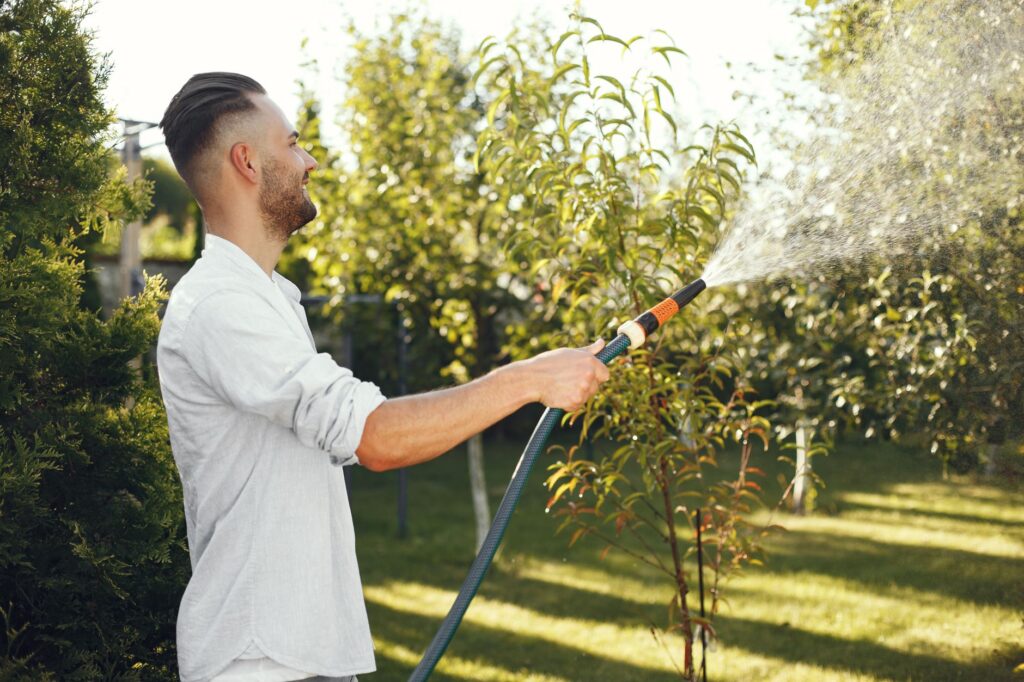
A tree that is establishing well gradually needs less babying. In the first season you may water deeply every week during dry weather, then taper as the roots spread. Watch how the soil behaves between waterings. If a spot a few inches deep is still wet four or five days after a soak, the tree is not drinking much, and you may be overwatering. If it is bone dry after two days, the roots are thirsty or the water is running off instead of soaking in.
Leaf behavior in the growing season tells the other half of the story. Wilting in the afternoon that recovers by evening is a sign of normal stress. Leaves that stay limp in the morning, brown at the edges or drop early are signs the tree wants attention. Because most of this plays out in summer, I tell homeowners to make a few notes on the calendar so that by fall they can look back and see the trend.
Before the ground freezes, one last deep soak is worth giving a young tree, especially evergreens. Roots keep taking up water into early winter as long as the soil is unfrozen, and trees that go into winter dry are more likely to show tip burn in spring.
Warning Signs That Mean More Than Slow Growth
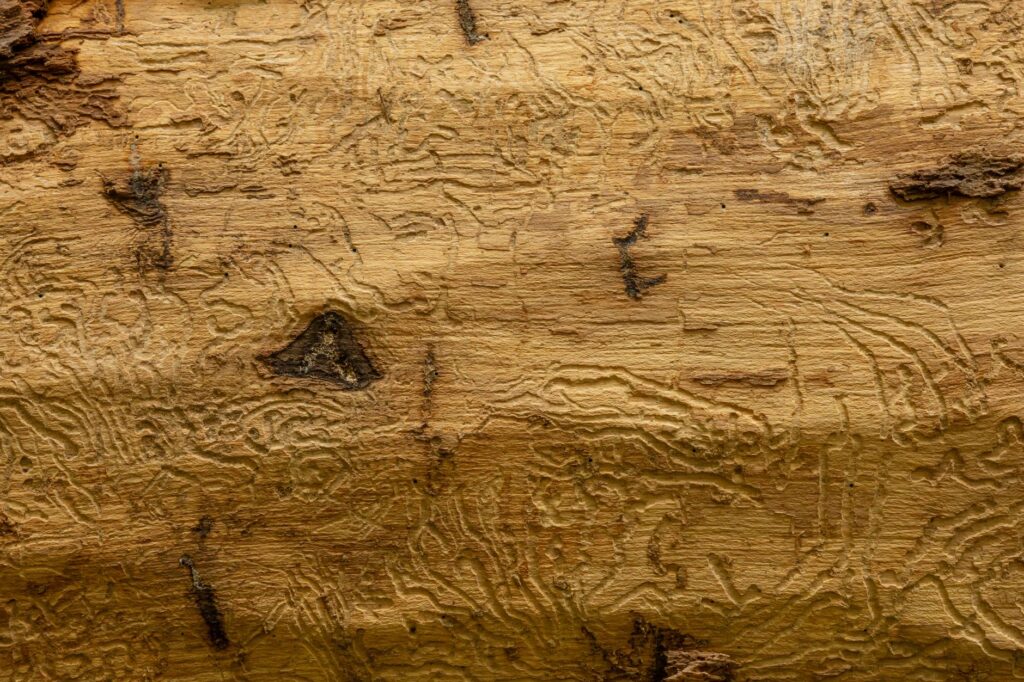
Some symptoms are not part of the normal settling in. Bark that is splitting vertically, a trunk wrapped by a string, wire or nursery tag that was left on, or a stem with a flattened side where something has been rubbing are all things you can fix. Take off any wire basket or twine you can reach, and cut away anything that is cinching the trunk, since a girdled trunk gets worse each year as the tree grows.
Pay attention to a crown that is thin on one side only, to oozing or dark staining on the bark, and to leaves that turn color weeks ahead of the neighbors’ trees. Any of these can have causes ranging from a lawn mower strike to a disease. Take a few clear photographs now and compare them in spring. A visible change, or no change in a bad sign, is your cue to get a second opinion.
The International Society of Arboriculture keeps a directory of certified arborists, and the Monmouth County Park System is a good place to see mature, well established native trees to compare against your own young one.
Middletown's #1 Tree Expert Company
FREE Inspection & Estimate | Certified Arborists | Trimming, Pruning, Removal, More!
Sponsored
When to Bring in a Certified Arborist

Most of what we covered here is yours to do, with no ladder and no chainsaw. A tug test, a look at the twigs and buds, a check of the root flare and mulch and a few weeks of paying attention to the water cover most of the questions a worried owner has. If those checks come back clean, take heart. The tree is probably doing fine and simply needs time.
If the tree rocks at the base after a season of staking, if the trunk seems buried, if more than a third of the crown is bare, or if you find signs of rot or insect activity, that is the point to call a certified arborist and have it looked at in person. A short visit costs far less than replacing a tree and waiting years to get back to the same size.
In the meantime, enjoy the fact that you planted something that will outlast the house paint. Check on it every autumn, write down what you see, and let the tree show you in its own slow way that it has taken hold.
Photo credits: Featured image by Nur Demirbaş on Pexels; Section 1 by Kurt Smith on Pexels; Section 2 by cottonbro studio on Pexels; Section 3 by Sergej ***** on Pexels; Section 4 by Steven May on Pexels; Section 5 by Gustavo Fring on Pexels; Section 6 by Gábor Jambrik on Pexels; Section 7 by patrice schoefolt on Pexels.