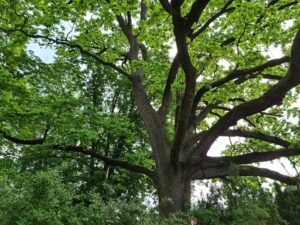
Two-Lined Chestnut Borer: The Threat Hiding in Middletown’s Stressed Oaks
Adult two-lined chestnut borers emerge in May and target already-stressed oaks — exactly the trees Middletown has plenty of after years of spongy moth defoliation.

Welcome to the Middletown Tree Service Blog, your local source for tree care news, seasonal advice, and homeowner resources in Middletown Township.
From storm recovery updates to practical pruning tips, our articles highlight the issues that matter most to residents across neighborhoods like River Plaza, Belford, Chapel Hill, and Lincroft. We cover the latest stories affecting trees in Monmouth County, explain how state and township rules apply to homeowners, and share expert insights from certified arborists. Whether you’re looking to prevent storm damage, understand liability laws, or simply keep your property’s trees healthy and beautiful, this blog brings you timely, trustworthy information right from the heart of Middletown.

Adult two-lined chestnut borers emerge in May and target already-stressed oaks — exactly the trees Middletown has plenty of after years of spongy moth defoliation.


One maple branch bare while the rest of your tree leafs out? Nectria canker could be the culprit — here’s how to find it and stop it in May.

Drooping tips on your Middletown white pines this May signal white pine weevil damage. Here’s how to identify it, prune correctly, and prevent it next season.

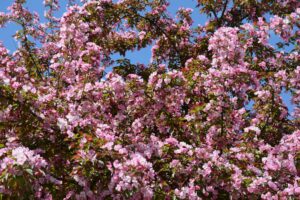
A wet April has set up near-perfect apple scab conditions across Monmouth County. Here’s what the spots on your crabapple mean — and what to do now.

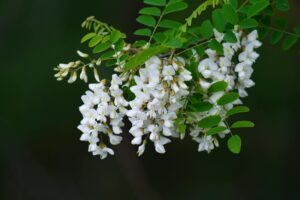
Black locust is perfuming Middletown’s roadsides and yards right now with white flower clusters. Here’s why that beautiful bloom signals a serious management problem.

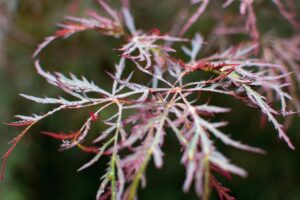
That sticky drip on your patio isn’t sap — it’s honeydew from scale insects quietly feeding on Middletown’s Japanese maples, arborvitae, and flowering cherries. May is the only window to stop them.

Verticillium wilt is a soil-borne fungal disease that kills red maples from the inside out — and May is when Monmouth County homeowners first notice the damage.

Oak galls alarm Middletown homeowners every May, but most are harmless. Here’s how to tell a benign leaf gall from a twig gall that could hurt your oak.

If your ornamental pear or crabapple looks scorched in early May, fire blight is the likely culprit. Here’s what Middletown homeowners need to know right now.

That sorry-looking sycamore likely isn’t dying—it’s battling anthracnose, a spring fungal disease that cycles through Monmouth County every cool, wet season.