Middletown's #1 Tree Expert Company
FREE Inspection & Estimate | Certified Arborists | Trimming, Pruning, Removal, More!
Sponsored
When Branches Don't Leaf Out, Start Asking Questions
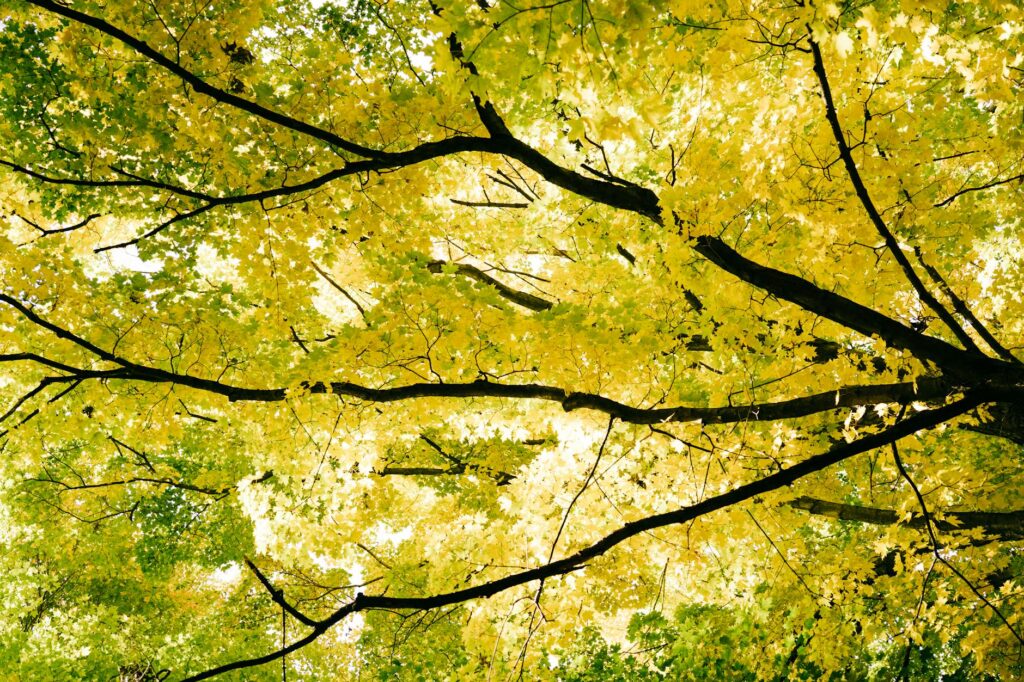
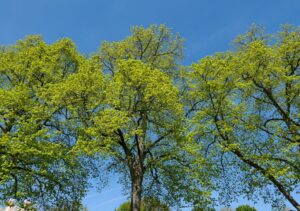
Spring arrives in Middletown Township and most of your yard bursts back to life — red maples flush red-orange, birches unfurl in pale green, and the canopy fills in almost overnight. But sometimes one branch stays bare while everything around it thrives. Or you spot a sunken, darkened patch on your maple’s bark that wasn’t there last fall. These are the quiet early warnings of nectria canker, one of the most common and most overlooked fungal diseases affecting hardwood trees throughout Middletown and Monmouth County.
Nectria canker — caused primarily by Nectria cinnabarina and related species in the Neonectria genus — is a wound-and-stress pathogen. It doesn’t attack trees in peak condition; it exploits entry points. Poorly healed pruning cuts, frost cracks from February cold snaps along the Bayshore, mechanical wounds from lawn equipment, the stubs left after ice storm cleanup — all of these are open doors. By the time most homeowners notice symptoms in May, the infection has often been active for months.
The encouraging news: nectria canker caught early is manageable. Left unchecked, it can girdle branches or work its way toward the main trunk, slowly strangling the tree from the inside out. May, when the contrast between a dead branch and a leafed-out canopy is impossible to miss, is genuinely the best month to find it.
The Fungus Behind the Problem: Understanding Nectria
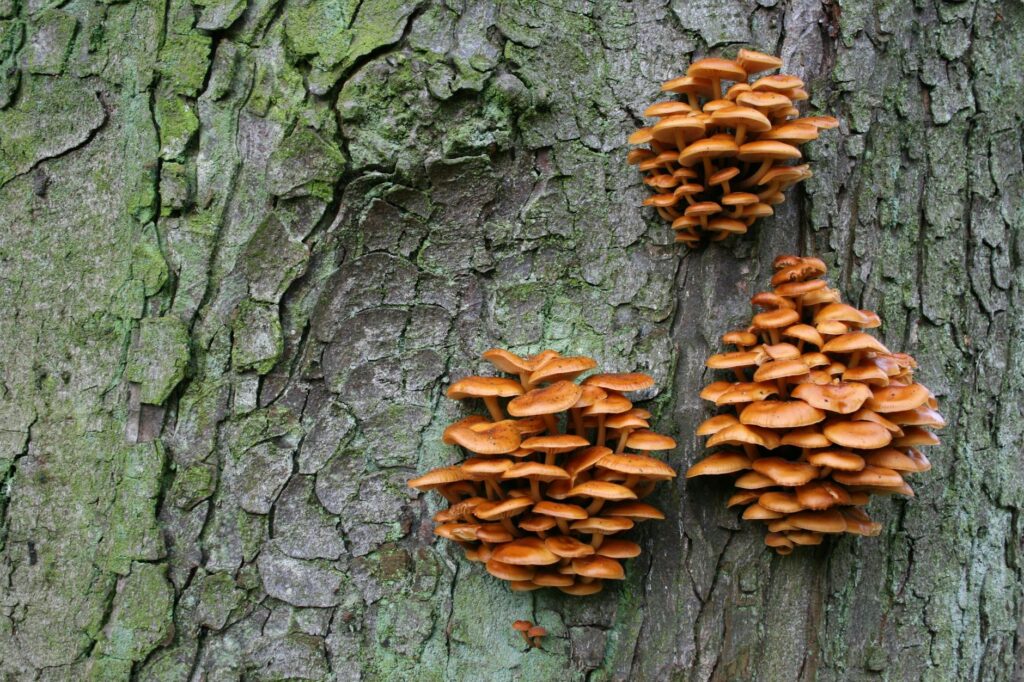
Nectria cinnabarina and Neonectria ditissima — the two species most commonly causing canker problems in our region — are ascomycete fungi that infect through wounds and bark injuries. They produce distinctive fruiting bodies called sporodochia: small, cushion-like pustules that appear in salmon-pink to bright orange clusters on infected bark, most visible in wet spring weather. In fall and winter, these same spots darken to brownish-red or near-black perithecia, the sexual spore-producing structures that spread the disease to new hosts.
What makes nectria canker particularly deceptive is the way it expands. The fungus grows in the cambium and inner bark, killing tissue in a roughly elliptical pattern. The tree responds by forming callus tissue around the infection, creating the characteristic sunken, target-like canker shape — alternating rings of attempted healing and re-infection. On smooth-barked trees like young red maple and river birch, these cankers are often visible from across the yard. On shaggy-barked older trees, they’re much harder to find until significant damage has occurred.
The Rutgers Plant & Pest Advisory monitors canker-type diseases across New Jersey’s hardwood populations each season. Cool, wet springs — exactly the conditions Monmouth County has experienced in recent years — significantly favor nectria spore dispersal and new infections, making May scouting especially worthwhile after a moist April.
Red Maples, River Birches, and More: Who's at Risk in Middletown
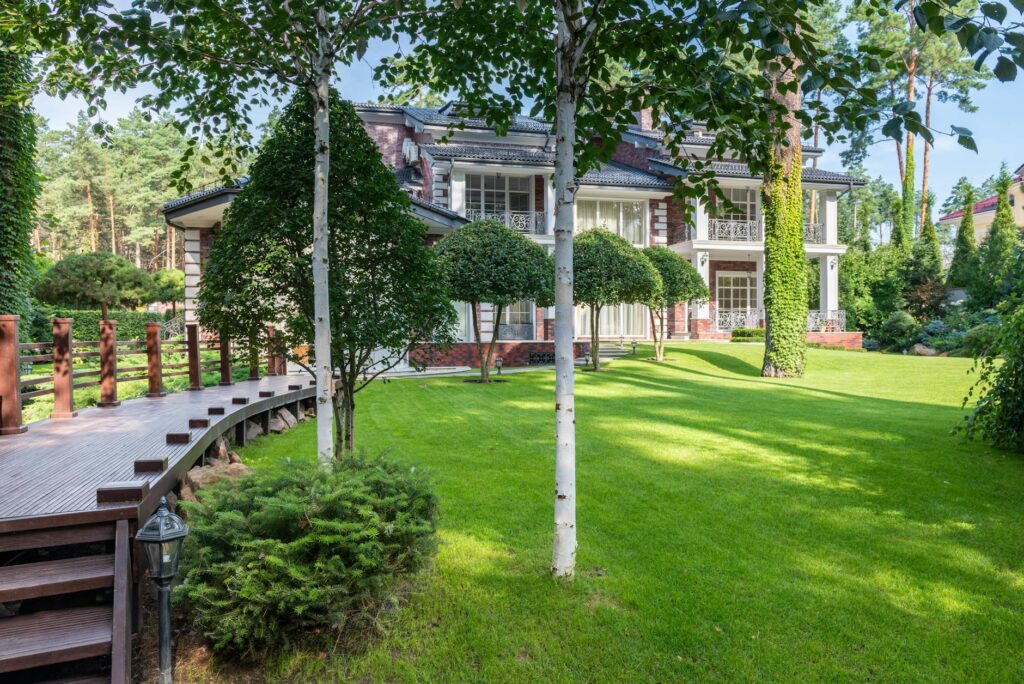
Nectria canker isn’t picky, but it does have preferences. In Middletown Township specifically, the trees most commonly affected are:
- Red maple (Acer rubrum) — by far the most planted street and yard tree in Monmouth County and unfortunately one of nectria’s preferred hosts. Thin bark on young specimens and frequent minor pruning wounds make them especially susceptible.
- River birch (Betula nigra) — widely planted in low-lying Bayshore yards and along drainage corridors near Poricy Brook. The exfoliating bark makes inspection easier, but infections can still advance into structural branches before they’re caught.
- American elm (Ulmus americana) and hybrid elms — nectria produces localized dieback that is often mistaken for Dutch elm disease; knowing the difference matters for how you respond.
- Crabapple (Malus spp.) — ornamental crabapples throughout Middletown’s neighborhoods are prone to both nectria and the closely related European canker. If your crabapple lost branches over winter without a clear ice or snow event, this is worth investigating.
- Ash (Fraxinus spp.) — already weakened by emerald ash borer pressure, Middletown’s remaining ash trees are particularly vulnerable to secondary canker infections layered on top of EAB damage.
The USDA Forest Service’s forest health resources provide species-specific disease information for these hosts. The common thread: any tree under stress — from drought, soil compaction, repeated defoliation, or accumulated storm damage — is a candidate regardless of species.
Middletown's #1 Tree Expert Company
FREE Inspection & Estimate | Certified Arborists | Trimming, Pruning, Removal, More!
Sponsored
What to Look For Right Now: Identifying Active Cankers in May
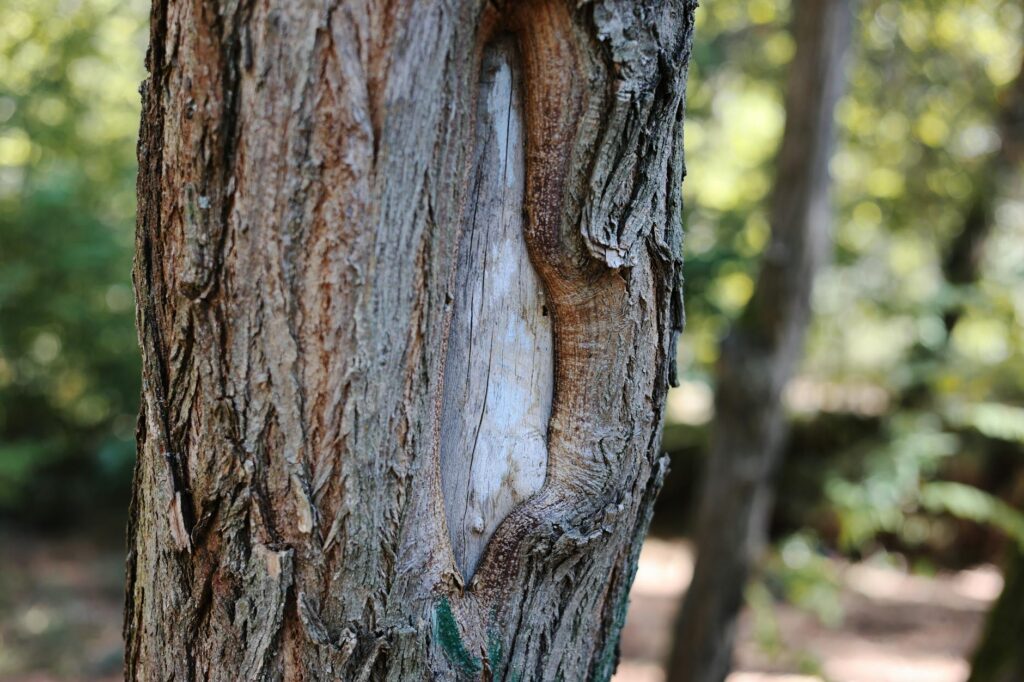
May is one of the best months to scout for nectria canker. The cooler, wetter weather that often persists through early spring in Monmouth County keeps fruiting bodies active and visible, while new leaf-out makes dead branches obvious against the living canopy. Walk around your trees slowly and look for:
- Single branches that haven’t leafed out while the rest of the tree looks normal — the classic dead-arm symptom of a canker that has girdled a branch
- Sunken, discolored patches of bark — usually darker than surrounding tissue, often with a slightly cracked or wet-looking surface
- Pink, orange, or salmon-colored pustules on the bark surface, roughly the size of a pinhead to a lentil — these are the sporodochia, and their presence is diagnostic for nectria
- Target-shaped cankers with concentric rings of callus tissue, most easily seen on smoother-barked trees like young maple and birch
- Sudden dieback progressing back toward the trunk from a branch tip over the course of a few weeks
The orange fruiting bodies are most visible after rain. If you’re unsure what you’re seeing, carefully scrape a small section of discolored bark away with a pocketknife. Healthy cambium is bright green. Infected cambium is brown to tan, sometimes with a faintly sour smell. If that discoloration extends all the way around a branch’s circumference, that branch has already been girdled and will not recover regardless of treatment.
Stress and Wounds: The Root Causes You Can Actually Control
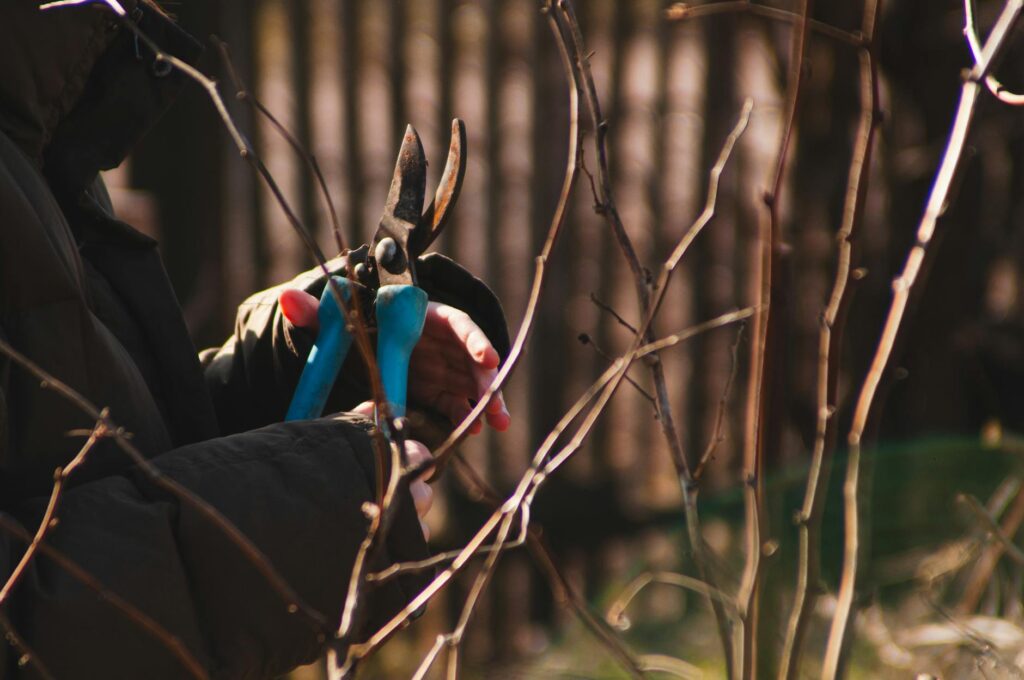
Nectria canker is almost never a surprise when you know a tree’s history. It follows stress like a shadow. Trees I find with active cankers in Middletown typically have at least one of these in their recent past:
Poor pruning cuts. Stubs left behind — even small ones — are open invitations. The flush-cut advice that used to appear in old landscaping guides is wrong; the correct cut is just outside the branch collar, which preserves the tree’s natural wound-sealing chemistry. Stubs rot inward and invite canker fungi as well as decay organisms like Ganoderma and Phellinus.
Winter injury. The Bayshore corridor sees genuine cold, and frost cracking is a real phenomenon on thin-barked maples and birch. A frost crack barely visible in February can be harboring an active nectria infection by April.
Mechanical damage. Lawnmower strikes, weed-whacker abrasion at the base of the trunk, even repeated deer rub in neighborhoods bordering Hartshorne Woods or Tatum Park — any bark wound is a potential infection site, especially during wet weather when spores are airborne.
Drought stress. Trees that spent last summer without adequate moisture have suppressed wound-sealing chemistry and weakened cambium. The compacted soils common in Middletown’s older residential neighborhoods amplify this effect significantly. Deep, infrequent watering — a slow, thorough soak once a week during dry stretches — does far more good than frequent light sprinklings that wet only the top inch of soil.
Management: What to Do If You Find Cankers This Spring
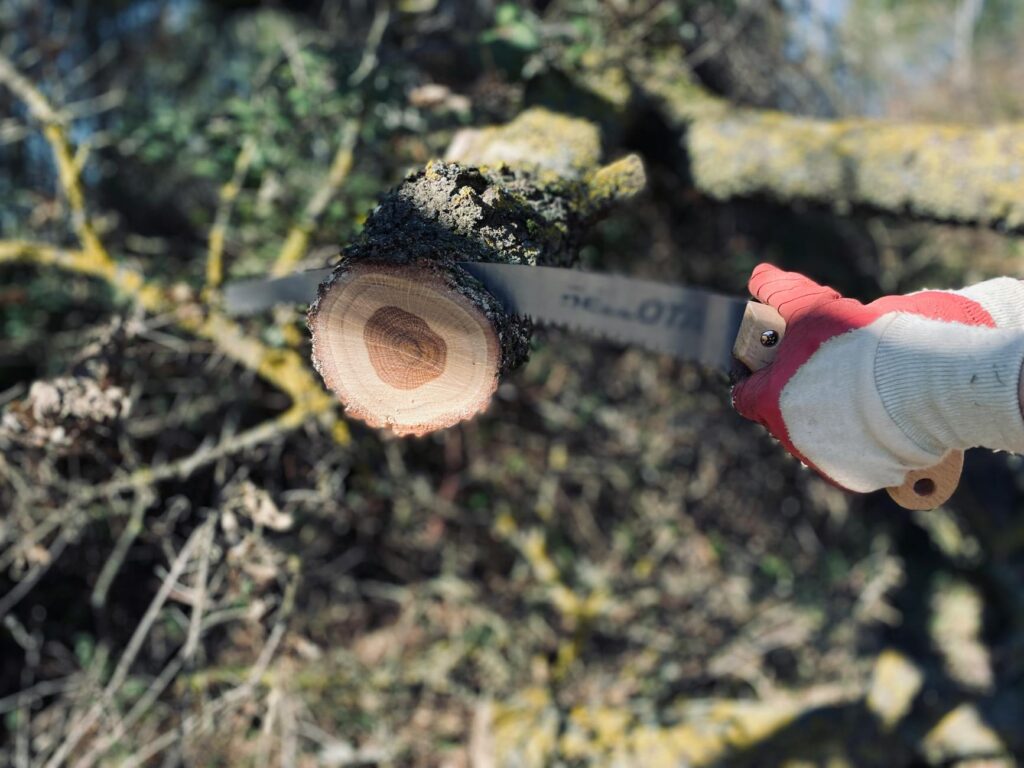
Here is the honest answer that not every homeowner wants to hear: there are no fungicide sprays that cure an established nectria canker. The infection is inside the bark, in the cambium and wood, and surface applications cannot reach it. Fungicides can suppress new infections when applied preventively to high-risk trees in early spring, but they will not reverse existing damage. The primary response is physical removal of infected wood.
Prune out infected branches by cutting back to clean, healthy wood — at least six to eight inches below any visible discoloration in the bark. Sterilize your pruning tools between every cut using a 70% isopropyl alcohol solution or a 10% bleach dilution. This is not optional: nectria spores on a contaminated blade can infect a fresh cut immediately.
Time your pruning carefully. In Middletown’s climate, do canker removal work during dry weather with low humidity when spore dispersal is minimal. A rainy May afternoon is not the right time. Early morning on a dry, breezy day is better.
Support the tree’s recovery. Soil aeration to address compaction, consistent deep watering through the summer months, and a proper mulch ring (three to four inches deep, never piled against the trunk) all support the tree’s own wound-sealing capacity — which is the real long-term defense. The International Society of Arboriculture’s homeowner tree care resources cover proper mulching and watering in accessible detail.
Monitor annually. Once nectria has been active in a landscape, check susceptible trees each spring and prune aggressively at the first sign of new cankers. Early intervention consistently produces better outcomes than a wait-and-see approach.
Middletown's #1 Tree Expert Company
FREE Inspection & Estimate | Certified Arborists | Trimming, Pruning, Removal, More!
Sponsored
Summary: When to Call a Certified Arborist About Canker
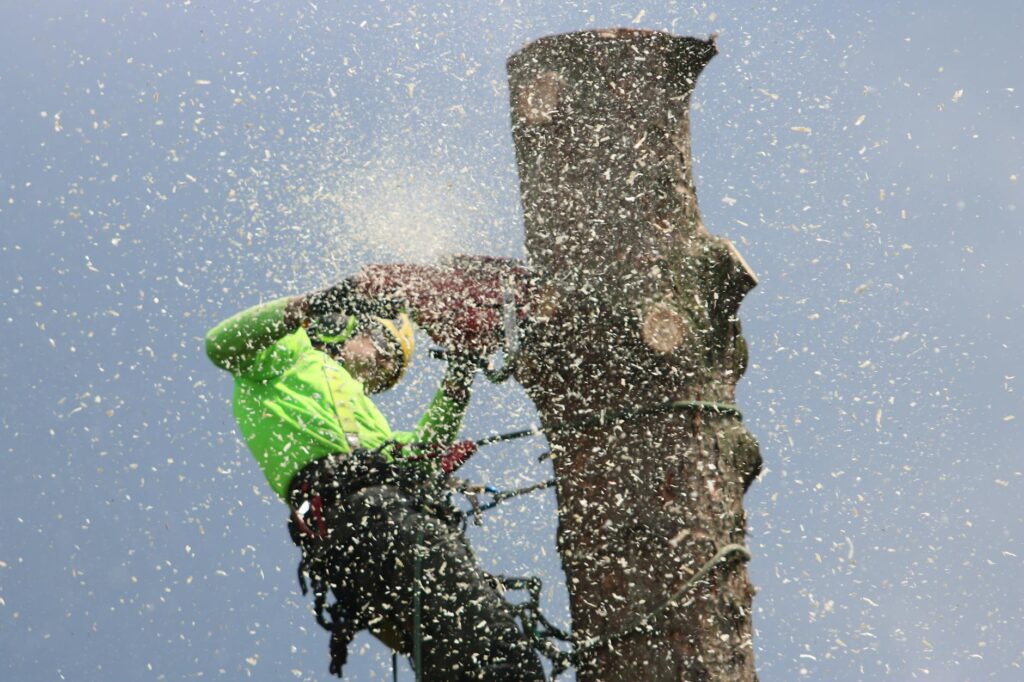
Nectria canker is manageable when caught early and addressed correctly. A homeowner who scouts their trees each May, knows the difference between healthy callus tissue and an expanding canker, and makes proper pruning cuts can stay well ahead of it on small to medium trees. But there are situations where I would strongly recommend calling a certified arborist rather than attempting DIY management:
- The canker is on the main trunk rather than a side branch — trunk cankers that have girdled more than 30 to 40 percent of the circumference represent a genuine structural hazard
- The infection appears to be advancing toward the primary scaffold branches
- The tree is large enough that safe pruning requires climbing or aerial equipment
- You are not certain whether what you are seeing is nectria, bacterial canker, or another disease — misidentification leads to the wrong response
- The tree is near a structure, driveway, or property line where a failed canker-weakened branch could cause damage or liability
ISA-certified arborists are trained to distinguish canker types, assess structural integrity, and advise whether selective pruning, crown reduction, or full removal is the right path forward. If you’re in Middletown or anywhere in Monmouth County and you’re seeing that tell-tale bare branch against a fully leafed-out canopy — now, in May, is exactly the right time to act. Canker diseases do not improve on their own, and the scouting window is open right now.
Photo credits: Featured image by Arti Kh on Pexels; Section 1 by Jessica Lewis 🦋 thepaintedsquare on Pexels; Section 2 by Ludo Van den Nouweland on Pexels; Section 3 by Max Vakhtbovych on Pexels; Section 4 by Ivan Georgiev on Pexels; Section 5 by Boryslav Shoot on Pexels; Section 6 by susana MaRo on Pexels; Section 7 by Henk Schuurmans on Pexels.