
Middletown's #1 Tree Expert Company
FREE Inspection & Estimate | Certified Arborists | Trimming, Pruning, Removal, More!
Sponsored
The Sticky Drip You Can't Quite Explain
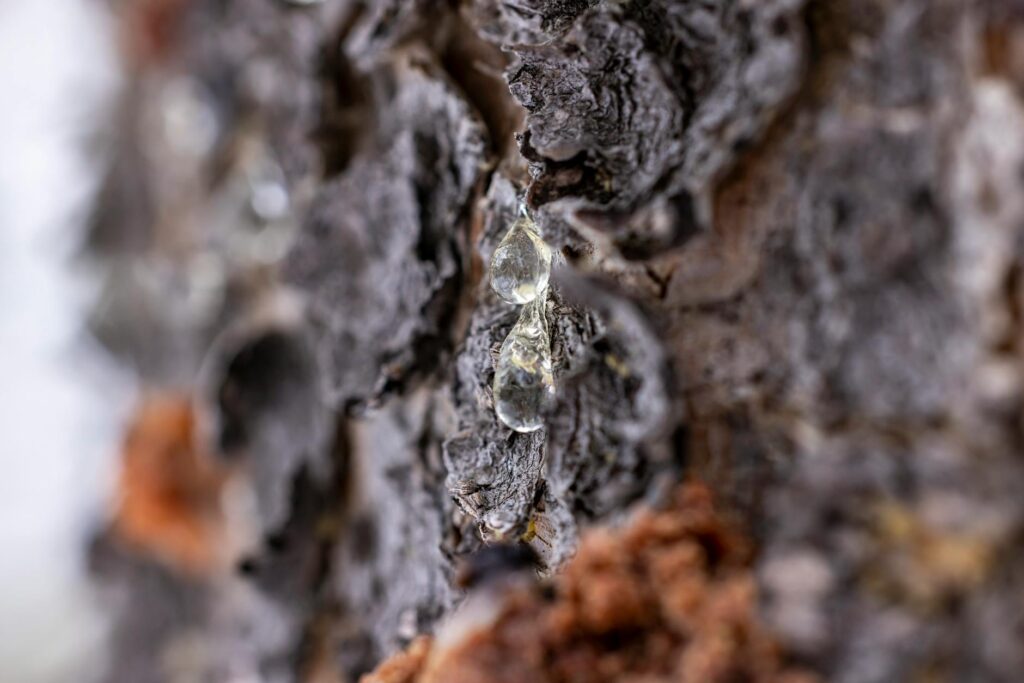
If you’ve walked out to your porch on a warm May morning and found your patio table, car windshield, or flagstone path coated in a faintly sticky film, you’re not imagining things — and it’s not tree sap. It’s honeydew: the sugary excrement of scale insects quietly working their way through the ornamental trees in your yard.
By the time the drip becomes noticeable, the infestation is usually well established. Scale insects are masters of concealment. They look like bark, like lichen, like nothing at all. They don’t buzz, flutter, or scurry. They attach to a branch and spend their adult lives doing one thing: piercing the phloem and siphoning plant sugars. Thousands of them on a single Japanese maple can weaken the canopy significantly before a homeowner realizes anything is wrong.
May is the month this problem becomes visible — and, not coincidentally, the only month when treatment is truly effective. Eggs are hatching right now across Monmouth County, releasing a generation of microscopic crawlers that will be mobile for a narrow window before they settle, harden their waxy armor, and become nearly impervious to contact treatments.
Across Middletown Township, particularly in neighborhoods with heavy ornamental plantings — the mature Japanese maples on Lincroft side streets, the arborvitae privacy hedges lining Bayshore properties, the flowering cherries near Port Monmouth — scale insect pressure has climbed noticeably in recent seasons. Here’s what you should know.
Soft Scales, Armored Scales, and Why the Difference Matters
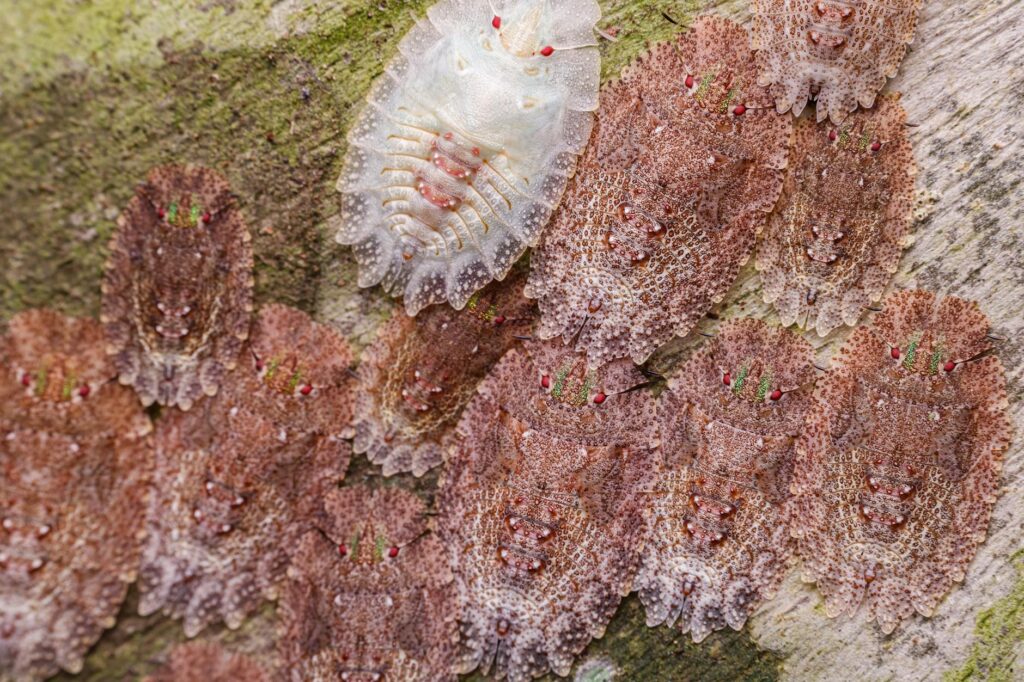
Scale insects fall into two broad categories, and the distinction matters for treatment planning.
Soft scales — including European fruit lecanium (Parthenolecanium corni), Fletcher scale (Parthenolecanium fletcheri), and cottony maple scale (Pulvinaria innumerabilis) — remain relatively pliant throughout their lives and produce large quantities of honeydew. They prefer woody stems and branches. Cottony maple scale, in particular, produces conspicuous white egg sacs along branches in late spring; many Middletown homeowners mistake these for a fungal problem or insulation fluff from nearby cattails.
Armored scales — oystershell scale (Lepidosaphes ulmi), San Jose scale, and pine needle scale — cover themselves in a hard, flattened shield constructed from molted skins and wax. They produce little honeydew but cause direct feeding injury that yellows foliage and triggers dieback.
Both types spend winter as eggs tucked beneath the dead female’s body or beneath loose bark. In New Jersey, hatch timing varies by species and by accumulated heat units. European fruit lecanium crawlers traditionally emerge when black locust is in bloom — a phenological cue experienced arborists use to time applications. With our warm start to May, emergence this year may be running slightly ahead of historical averages. The Rutgers Plant & Pest Advisory publishes timely scale emergence updates through the growing season and is worth bookmarking if you manage ornamental plantings.
Reading the Signs Before the Sooty Mold Arrives
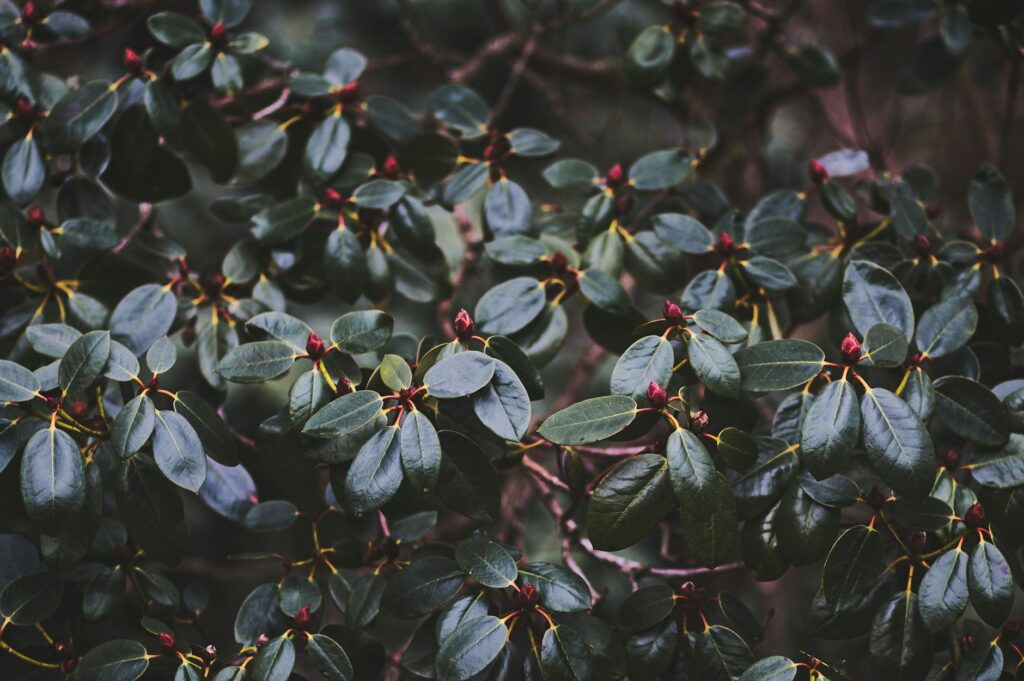
Scale infestations are easy to miss until secondary symptoms show up. Here’s what to look for on your ornamental trees this month:
- Sticky surfaces below the canopy: Honeydew is a reliable indicator of soft scales. Look for a shiny, tacky coating on leaves, patio furniture, pavers, and parked cars underneath affected trees.
- Sooty mold: A black, powdery or crusty coating on leaves and bark follows sustained honeydew production. It’s a fungus that colonizes the sugary residue. While it doesn’t infect the tree directly, heavy coverage blocks photosynthesis and stresses the canopy.
- Bumps or crusts on stems and twigs: Run a thumbnail along a branch. If you feel and dislodge small, waxy or crusty bumps, you may be looking at scale. On flowering cherries, oystershell scale can encrust stems so densely the bark appears lumpy.
- Tip dieback and canopy thinning: Heavy infestations cause branch-tip dieback starting at the outer canopy. This is easily confused with drought stress, verticillium wilt, or other vascular problems — diagnosis matters before treatment begins.
- Yellowing or premature leaf drop: Sustained feeding stress manifests as chlorotic foliage and leaves that drop before fall arrives.
If you’re seeing sooty mold for the first time this spring, the scale infestation behind it likely began last year or the season before. These infestations build gradually before they become obvious.
Middletown's #1 Tree Expert Company
FREE Inspection & Estimate | Certified Arborists | Trimming, Pruning, Removal, More!
Sponsored
Which Middletown Ornamental Trees Are Most Vulnerable

Certain species in Middletown’s ornamental landscape are particularly scale-susceptible, and knowing which ones to monitor first saves time during the brief treatment window.
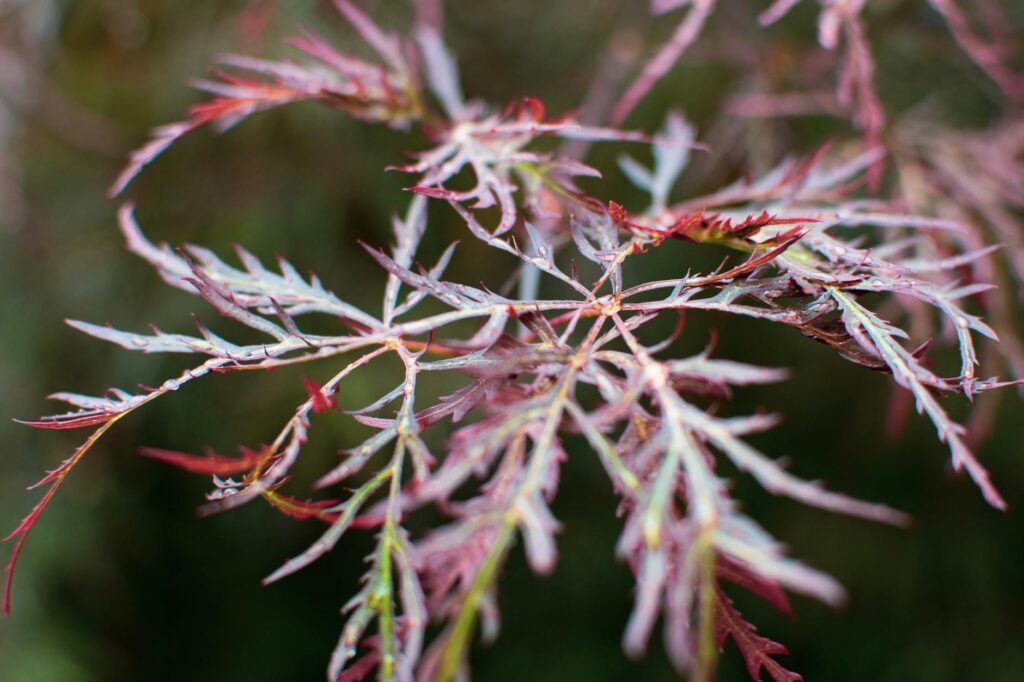
Japanese maple (Acer palmatum): Fletcher scale and lecanium scale both favor Japanese maples. Heavily planted in residential gardens throughout Lincroft and the Chapel Hill corridor, these trees frequently arrive from nurseries harboring low-level scale populations that explode under the stress of establishment.
Arborvitae (Thuja occidentalis): Fletcher scale is the primary pest of arborvitae hedges along the Bayshore and throughout Middletown’s residential neighborhoods. A heavily infested hedge shows interior dieback, yellowing fronds, and significant branch death before most homeowners trace it to an insect problem.
Flowering cherry and crabapple: Oystershell scale and lecanium scale are common on both. Heavily infested stems can look almost barnacle-encrusted by late spring.
Oak (Quercus spp.): Lecanium scale targets young oaks and can be significant on established trees during stress years. It’s worth inspecting the undersides of branches on oaks still recovering from recent drought pressure.
Holly (Ilex spp.): Pine needle scale and lecanium scale are both recorded on hollies across Monmouth County.
Eastern hemlock (Tsuga canadensis): Already under pressure from hemlock woolly adelgid in Middletown, hemlocks face a compounding threat from elongate hemlock scale (Fiorinia externa), which causes needle yellowing and drop independent of adelgid activity.
The May Treatment Window — and Why It Closes Fast
May is not just a good time to treat scale insects — in most years, it is the only time to treat them with contact-based products and achieve meaningful control. The reason is the crawler stage.
Newly hatched scale crawlers are soft, mobile, and exposed. They’re searching for a feeding site and haven’t yet secreted their protective covering. During this window — typically two to three weeks in New Jersey — horticultural oil, insecticidal soap, and other contact treatments can reach and kill them effectively. Once crawlers settle and begin building their waxy or armored shell, contact sprays have little to no effect. The window closes quickly, often by late June in our climate.
Horticultural oil at summer rate (1–2%) is the primary contact tool for crawlers. It smothers eggs and early instars without leaving persistent chemical residues. Timing matters: apply during the active hatch, not before eggs have opened or well after crawlers have settled.
Systemic insecticides — specifically soil-injected imidacloprid — are effective against soft scales when applied in early spring with enough lead time for the tree to translocate the compound into the canopy. However, because imidacloprid is taken up into nectar and pollen, it must never be applied to trees in bloom or while pollinators are active. On flowering trees, wait until petals have fully fallen. The USDA Forest Service’s integrated pest management resources offer useful context on weighing systemic versus contact approaches in landscape tree settings.
What a Proper Scale Diagnosis Actually Looks Like

The do-it-yourself instinct with scale insects usually leads to one of two errors: using the wrong product at the wrong time, or applying broad-spectrum insecticides that kill the scale’s natural enemies and trigger a worse population rebound the following season.
A certified arborist brings several things a homeowner can’t easily replicate. First, species identification — not every bump on a branch is scale, and not all scales are treated the same way. Armored scales and soft scales require different approaches, and some species have distinct timing requirements. Second, timing precision. Rutgers Cooperative Extension maintains degree-day accumulation models that predict crawler emergence based on accumulated heat units; an arborist familiar with these tools can advise on exactly when to treat your specific trees in the current season rather than applying a generic calendar date.
Third — and often overlooked — is understanding the biological control picture. Scale insects have a robust suite of natural enemies. Parasitic wasps in the family Encyrtidae are particularly effective against soft scales; predatory beetles and lacewing larvae consume armored scales. A targeted, well-timed treatment preserves these allies. A reactive, heavy spray program destroys them and leaves next year’s scale population with no natural checks.
The International Society of Arboriculture’s consumer resources at TreesAreGood.org explain what a professional consultation covers and how to locate ISA-certified arborists in your area — useful if you’ve never worked with a credentialed tree care professional before.
Middletown's #1 Tree Expert Company
FREE Inspection & Estimate | Certified Arborists | Trimming, Pruning, Removal, More!
Sponsored
Summary / When to Call a Pro
Scale insects are a slow, quiet drain on your ornamental trees. The sticky drip on your porch, the sooty mold coating your leaves, the progressive branch dieback from the tips inward — these aren’t cosmetic inconveniences. Left untreated through multiple seasons, a heavy scale infestation can kill a mature Japanese maple, hollow out an arborvitae privacy hedge, or push an already-stressed hemlock past the point of recovery.
The good news is that May gives you a clear intervention window. The crawler stage is open now, treatments are effective, and the cost of a targeted application is a fraction of what removal or replacement costs later. If you’ve noticed honeydew drips, sooty mold, or unexplained dieback on your ornamental trees this spring, the time to act is this month — not July, when the crawlers have settled and your options have narrowed considerably.
A certified arborist can confirm the scale species, assess whether the crawler window is currently open based on degree-day accumulation in your specific microclimate, and recommend a treatment protocol calibrated to your trees. They can also determine whether natural predator populations are active and worth protecting — which influences whether a targeted oil application or a systemic approach makes more sense for your landscape.
If you’re not sure what you’re looking at, bring a branch sample to your county’s cooperative extension office or have an ISA-certified arborist come take a look. Getting the timing right is the whole game with scale insects, and May doesn’t wait.
Photo credits: Featured image by Brett Sayles on Pexels; Section 1 by Stephen Leonardi on Pexels; Section 2 by cassius cardoso on Pexels; Section 3 by Justin Wolfert on Pexels; Section 4 by Yz ZZZ on Pexels; Section 5 by Peter Xie on Pexels; Section 6 by Clement Nivesse on Pexels; Section 7 by Enrique on Pexels.