Middletown's #1 Tree Expert Company
FREE Inspection & Estimate | Certified Arborists | Trimming, Pruning, Removal, More!
Sponsored
The Phone Calls Start Every May
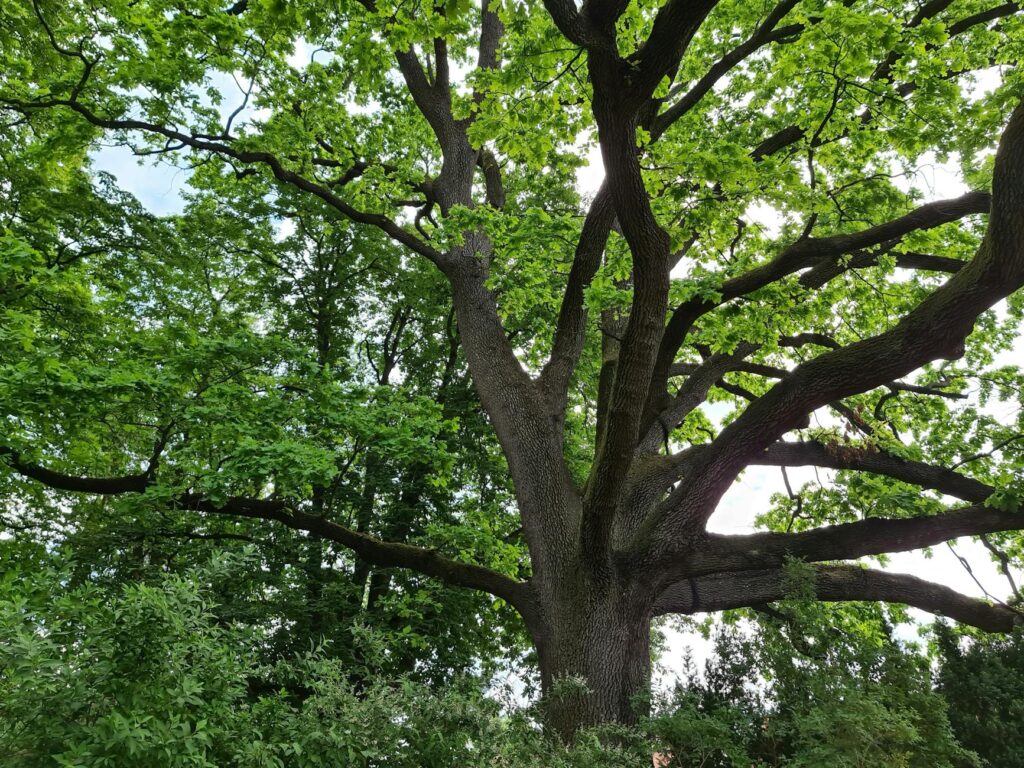
Every May in Middletown Township, my phone starts ringing with the same question: “There are these weird balls hanging off my oak tree — is it dying?” Sometimes the caller has found something that looks like a small green apple dangling from a branch. Other times it’s a white, cottony mass nestled among the first leaves. Occasionally it’s a row of hard little knobs erupting along new twigs. The short answer I give is almost always the same: your tree is probably fine. The longer answer is far more interesting.
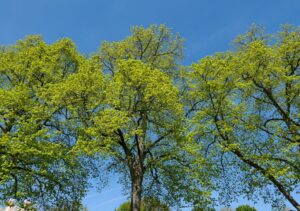
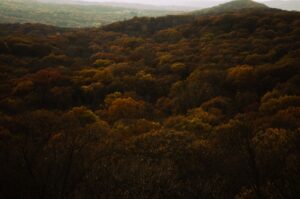
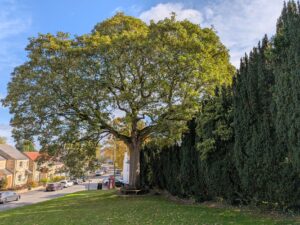
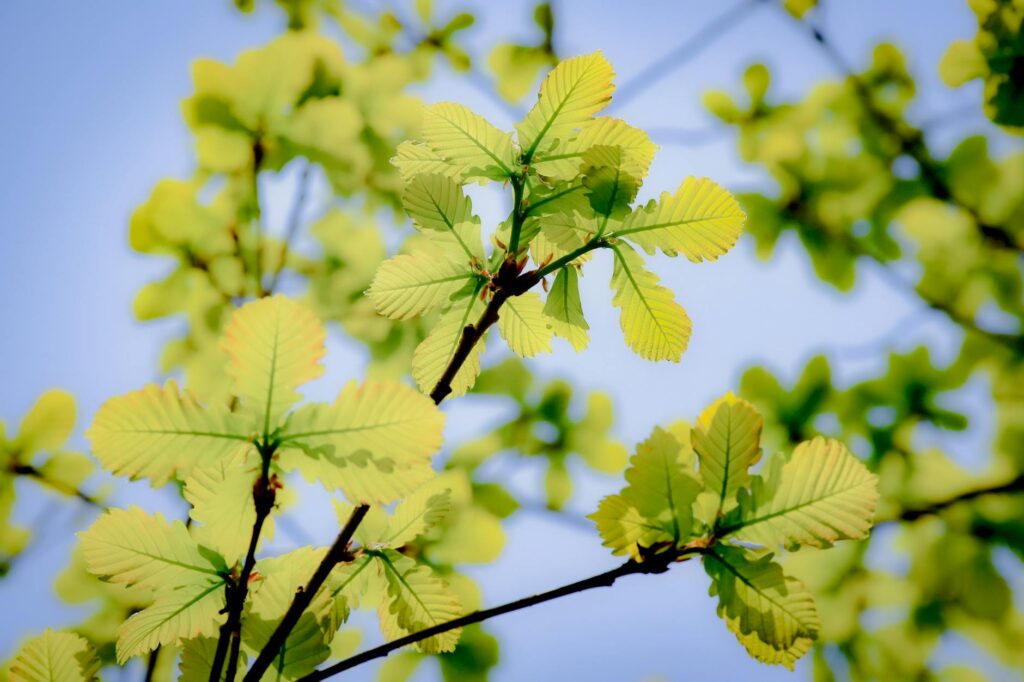
Monmouth County is oak country. Drive through Lincroft, Navesink, or along any wooded road toward Hartshorne Woods Park and you’re threading through a canopy dominated by northern red oak (Quercus rubra), white oak (Quercus alba), and pin oak (Quercus palustris). With hundreds of oaks in practically every Middletown neighborhood, May is when the gall show begins — right as leaf-out is in full swing and homeowners are finally getting a good look at their trees after winter.
Oak galls are one of nature’s stranger pieces of engineering. They’re not a disease, not a fungus, and almost never a sign your tree is in serious trouble. But they can be alarming if you don’t know what you’re looking at — and a handful of gall types do deserve your attention. Here’s how to tell the difference.
Galls Are Not a Disease — They're a Biological Takeover
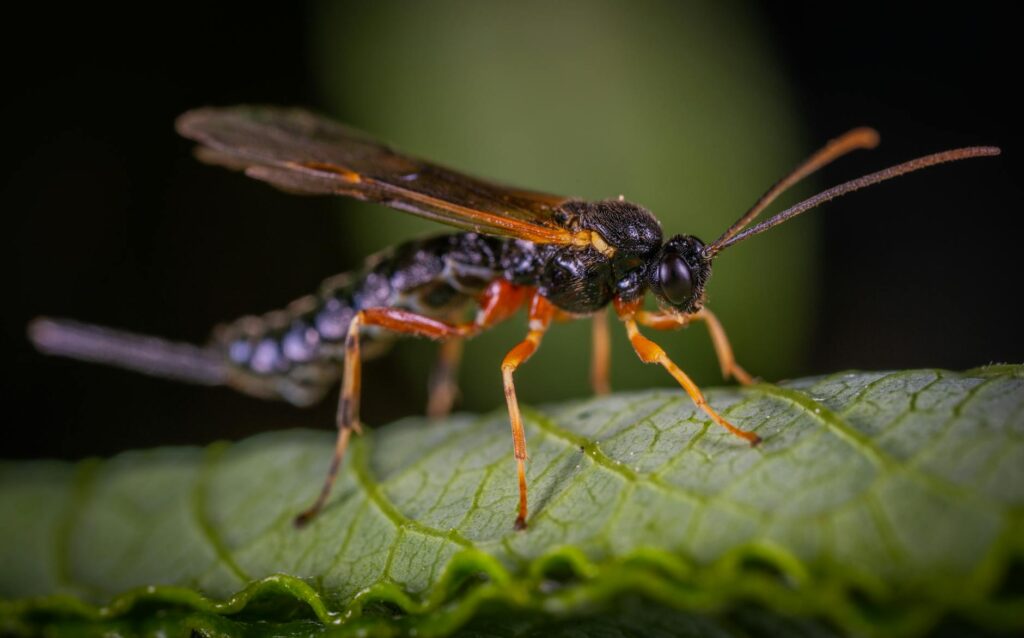
A gall is, at its core, a structure the tree builds on behalf of someone else. Gall wasps — tiny insects in the family Cynipidae — are the primary culprits on oaks. There are hundreds of species in eastern North America, and Rutgers NJAES notes that northern red oak alone hosts larvae from roughly 180 insect species, including a striking number of gall-makers. Each species produces a gall with a characteristic shape, size, and location on the tree.
The mechanism is elegant and a little unsettling. A female wasp lays her egg in leaf tissue, a twig, or a bud. In response to chemicals injected along with the egg — or produced by the hatching larva — the tree redirects its own growth hormones, essentially sculpting a protective chamber around the developing insect. The larva feeds on nutrient-rich tissue inside the gall while remaining shielded from most predators and sprays. When it matures, the adult wasp chews its way out, leaving a tiny exit hole behind.
Many cynipid wasps have a two-stage life cycle: an asexual generation that produces one type of gall on one part of the tree, and a sexual generation that makes a completely different-looking gall elsewhere. This led early entomologists to classify them as separate species entirely. It took decades of careful observation to sort out. It’s the kind of biology that makes even veteran arborists appreciate how little we fully understand about the communities living in a mature oak canopy.
The Most Common Oak Galls in Monmouth County
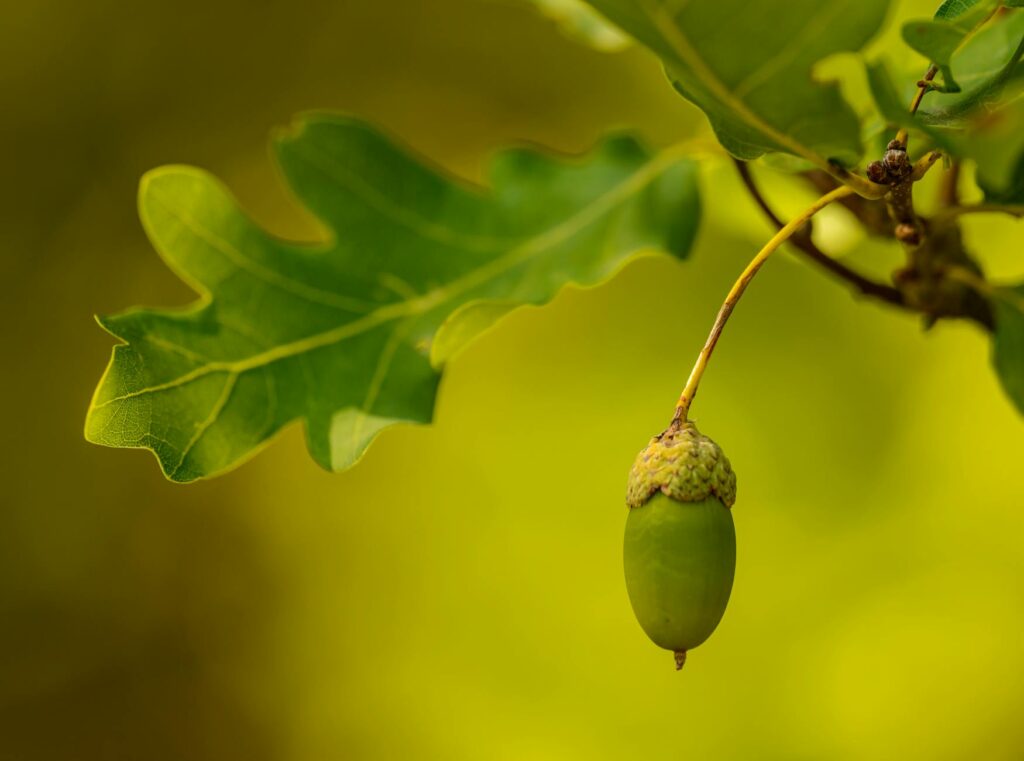
Walk Middletown’s wooded neighborhoods in May and you’ll encounter several common types. The wool sower gall (Callirhytis seminator) is one of the most dramatic — a white, spongy, seed-studded mass clinging to white oak twigs in early spring. Up close it looks like something between a sea urchin and a cotton ball. It’s entirely harmless, appears only on white oak, and is gone by early summer as adults emerge and disperse.
Oak apple galls prompt the majority of “ball hanging from my tree” calls. Caused by various Amphibolips species, these can reach the size of a golf ball or larger. They start firm and greenish, hanging from a thin stalk attached to a leaf vein, and dry to a papery brown by midsummer. Each one contains a single larva at its center, cushioned by a web of fibers. Trees shed them by fall with no lasting harm to the canopy.
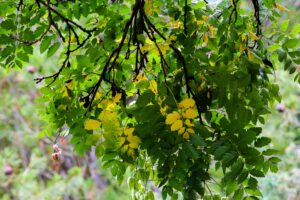
Leaf surface galls come in astonishing variety — raised blister galls, spiny hedgehog galls, small pinhead-sized clusters covering entire leaf lobes. Most are the work of different cynipid wasp species and most cause zero measurable health impact. A heavily galled leaf may photosynthesize slightly less efficiently, but a mature oak with a canopy of millions of leaves doesn’t notice a few hundred galled ones. These trees evolved alongside gall wasps and have for millions of years.
Bullet galls and round twig galls are a step up in concern. These hard, marble-sized growths appear on new twig growth, sometimes in dense clusters. A single twig may carry a dozen or more. One season of moderate twig galling is rarely a problem on a healthy tree, but heavy infestations building over multiple years can begin to affect branch structure — and that’s when the conversation gets more serious.
Middletown's #1 Tree Expert Company
FREE Inspection & Estimate | Certified Arborists | Trimming, Pruning, Removal, More!
Sponsored
When Oak Galls Become a Real Problem: Twig and Branch Galls
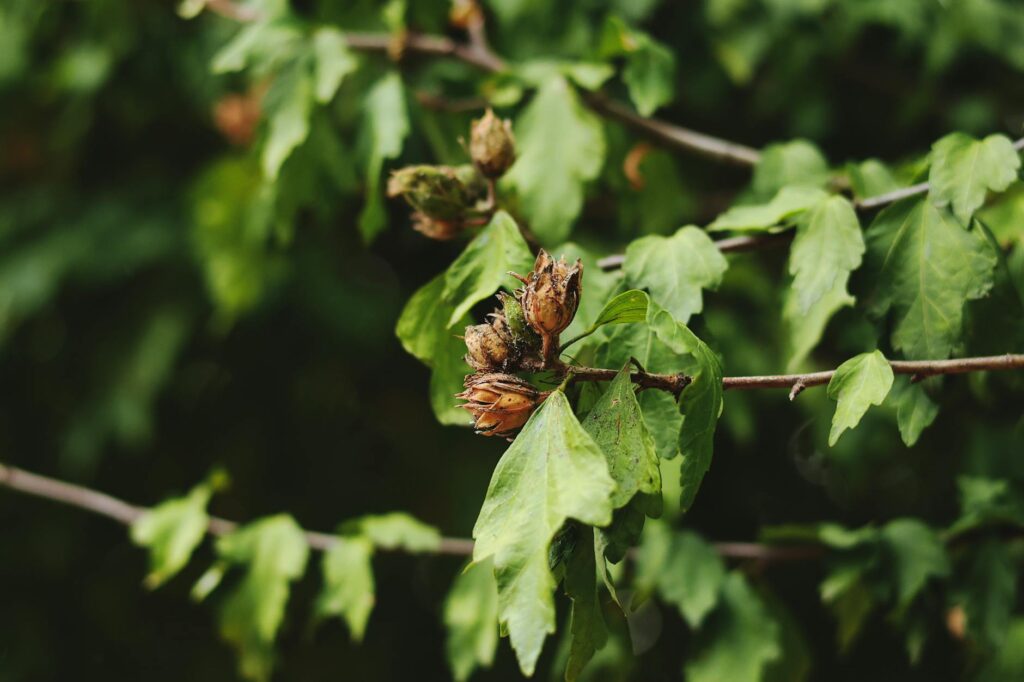
Not all oak galls are benign. The horned oak gall wasp (Callirhytis cornigera) and the closely related gouty oak gall wasp (Callirhytis quercuspunctata) produce the most damaging galls commonly seen in Monmouth County. Both are twig gall-makers, and their work can kill branches — or entire trees — if the infestation is severe and sustained over several growing seasons.
Horned oak gall targets pin, scrub, black, blackjack, and water oaks. Gouty oak gall attacks pin, scarlet, red, and black oaks. Pin oaks — widely planted as street and yard trees throughout Middletown’s residential neighborhoods — are particularly vulnerable. The galls begin as small swellings on new twigs, then expand into hard, warty masses over a multi-year cycle. Research published in the ISA journal Arboriculture & Urban Forestry documents how severe infestations can girdle branches completely, cutting off water and nutrient flow above the gall site.
What makes twig galls particularly insidious is the timeline. By the time a homeowner notices a serious problem — a limb dying back, bark cracking around swollen woody masses — the infestation may have been building for three or four years. I’ve assessed pin oaks in Lincroft and Leonardo that looked acceptable from the street until you got within 20 feet and saw that the twig structure was 40 percent galled wood. By that point, the realistic treatment options narrow considerably.
If you have a pin oak or red oak and you’re seeing hard woody swellings on multiple twigs — not just leaf galls, but actual twig thickening that persists through winter — that’s worth a closer professional look. Early documentation of spread makes a real difference in what can be done.
Why Calling the Spray Truck Won't Help Most Galls
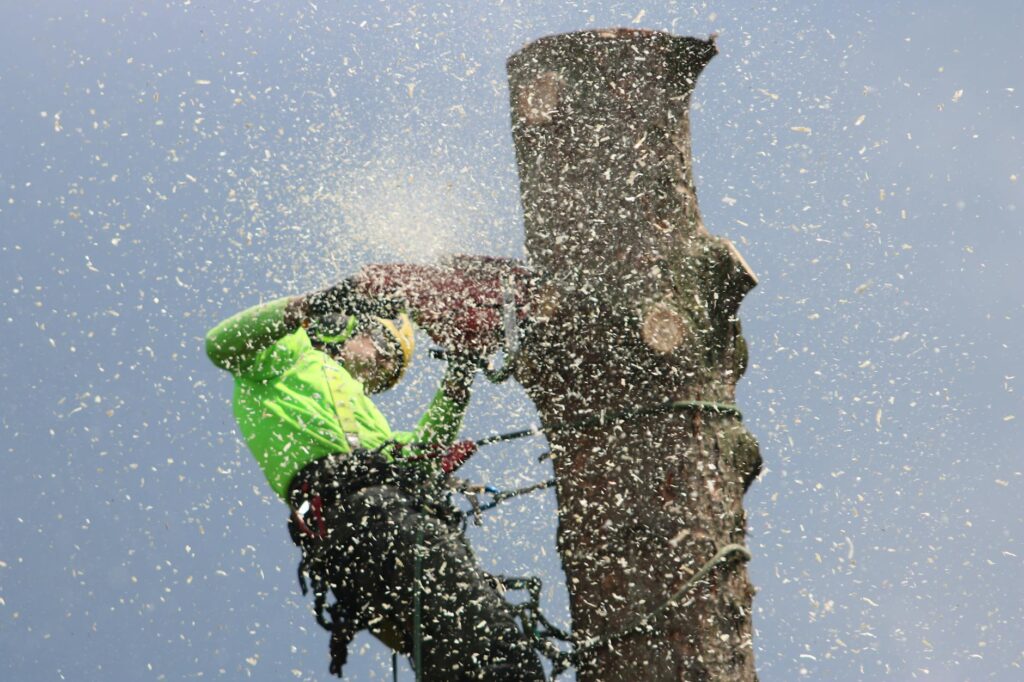
The most common mistake homeowners make after identifying gall wasps is reaching for a pesticide — or calling a company that offers to spray the tree. For the vast majority of oak galls, this approach wastes money and does nothing for the tree. The larvae are inside the gall, insulated from contact with any surface-applied spray. The window for targeting the adult wasps as they emerge is extremely brief and varies by species — making accurate timing practically impossible without monitoring the specific insect.
Systemic insecticides applied via soil injection have shown some effectiveness against twig gall wasps, particularly horned oak gall, but the research results are mixed. Some peer-reviewed studies report moderate reduction in new gall formation in the year following treatment; others show minimal results. Even in the best cases, treatment doesn’t eliminate existing galls — the woody masses already present will remain. A heavily galled pin oak won’t look noticeably better the season it’s treated.
For leaf galls, the answer is almost always to do nothing. The tree’s long-term health is not meaningfully affected. Raking and removing heavily galled leaves in fall can modestly reduce the local population, but it won’t solve the problem — gall wasps are mobile and recolonize readily. Spending money on tree sprays for oak apple galls or wool sower galls is almost never the right call. Focus energy on overall tree health, not chasing individual gall wasps.
What Actually Helps Your Oak Through a Gall Year
If there’s one principle that applies to nearly every gall situation, it’s this: a healthy, unstressed tree handles gall pressure far better than one already weakened by drought, compacted soil, or root damage. Stress from galls rarely kills a tree on its own — but it can be the tipping point that lets secondary problems take hold. Armillaria root rot and two-lined chestnut borers both tend to accelerate in oaks that have been carrying heavy pest loads for multiple seasons.
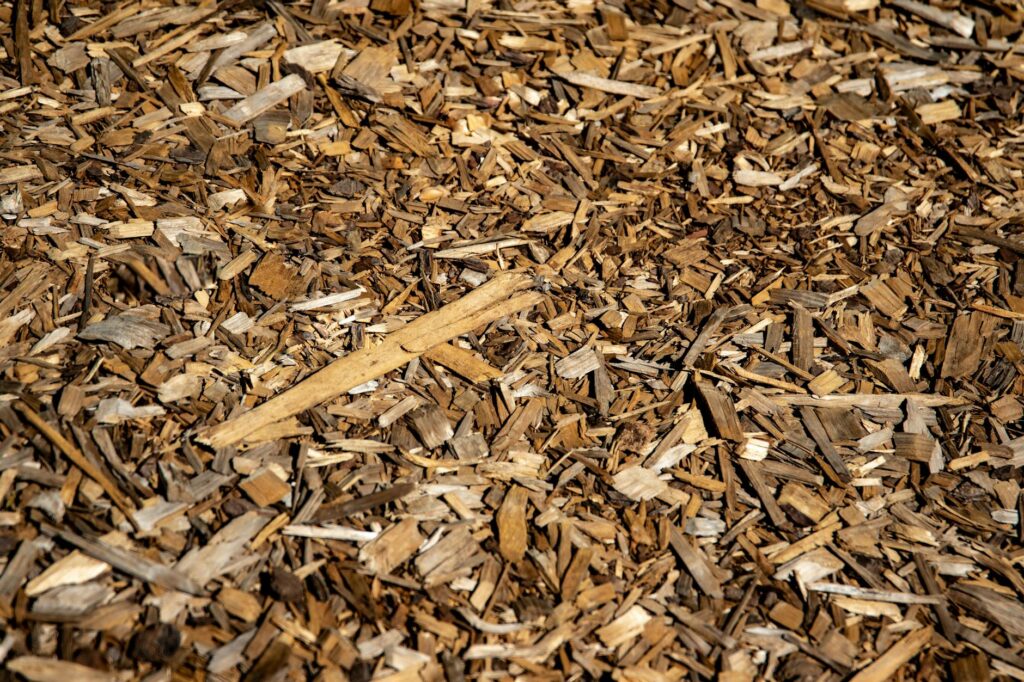
Practical steps for this spring: make sure oaks are receiving deep, infrequent watering during dry stretches, especially trees planted within the last decade or any tree growing in compacted lawn soil. Apply a 3-inch ring of wood chip mulch out to the drip line — this is the single most effective thing most Middletown homeowners can do for their oaks. Avoid high-nitrogen fertilizer in late summer, which pushes soft new growth that can actually be more attractive to gall wasps.
If you have a pin oak or red oak with visible twig galls expanding year over year, the dormant pruning window — December through February in Monmouth County, before new growth begins — is the right time to remove and dispose of heavily galled branches. Never compost gall-bearing wood; bag it for municipal pickup. For pruning cuts above the oak wilt safety window, work during true dormancy when the tree has fully hardened off. For professional help locating a certified arborist in New Jersey, ISA’s Find an Arborist directory is the most reliable place to start.
Middletown's #1 Tree Expert Company
FREE Inspection & Estimate | Certified Arborists | Trimming, Pruning, Removal, More!
Sponsored
Summary: When to Watch, When to Call a Pro
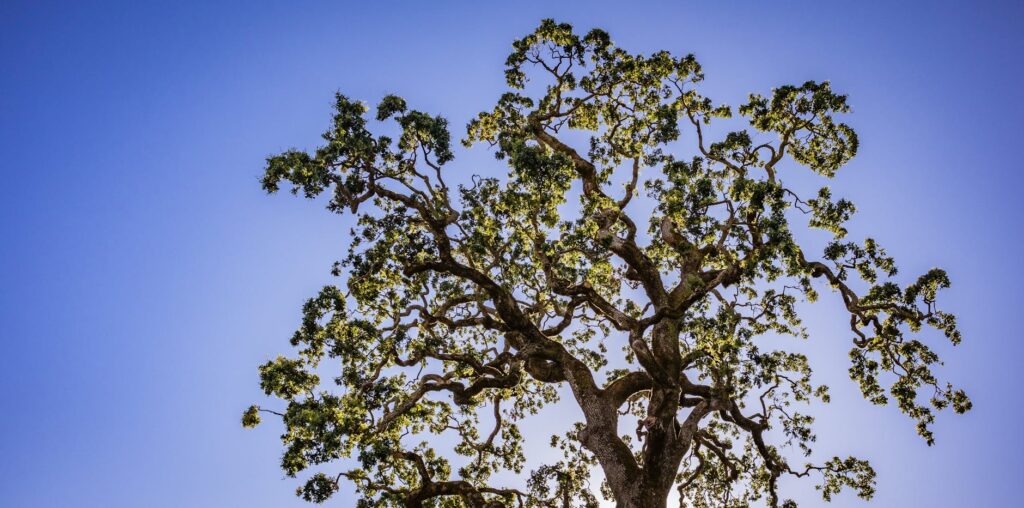
Most of the May oak galls you’re seeing in Middletown — leaf galls, oak apple galls, wool sower galls — require nothing from you except a moment to appreciate the biology at work. Your oak is almost certainly not dying. These galls are the work of tiny wasps that have been living in New Jersey’s oak canopy since long before Hartshorne Woods or Poricy Park had names.
The situations that warrant a call to a certified arborist are more specific: twig or branch galls (horned oak gall, gouty oak gall) that are expanding on multiple limbs year after year; branches dying back above swollen, woody gall masses; or any pin oak that has lost noticeable crown density over the past two to three seasons. These are the cases where a professional assessment — identifying the specific gall species, evaluating tree structure, and discussing realistic management options — genuinely changes what happens next.
A single arborist consultation is a low-cost way to get certainty about what you’re dealing with. Bring photos of the galls you’ve noticed, note where on the tree they’re located (leaf, twig, branch), and describe how long you’ve been seeing them. That information helps an arborist quickly determine whether you have a curiosity on your hands or a problem worth managing before it compounds. In most cases, the answer is the one you want to hear: your old oak is doing just fine.
Photo credits: Featured image by 袁 勇博 on Pexels; Section 1 by Usman Younas on Pexels; Section 2 by Egor Kamelev on Pexels; Section 3 by Petr Ganaj on Pexels; Section 4 by Ivan Georgiev on Pexels; Section 5 by Henk Schuurmans on Pexels; Section 6 by Magda Ehlers on Pexels; Section 7 by Robert So on Pexels.