

Middletown's #1 Tree Expert Company
FREE Inspection & Estimate | Certified Arborists | Trimming, Pruning, Removal, More!
Sponsored
When the Tip of Your White Pine Starts to Droop in May
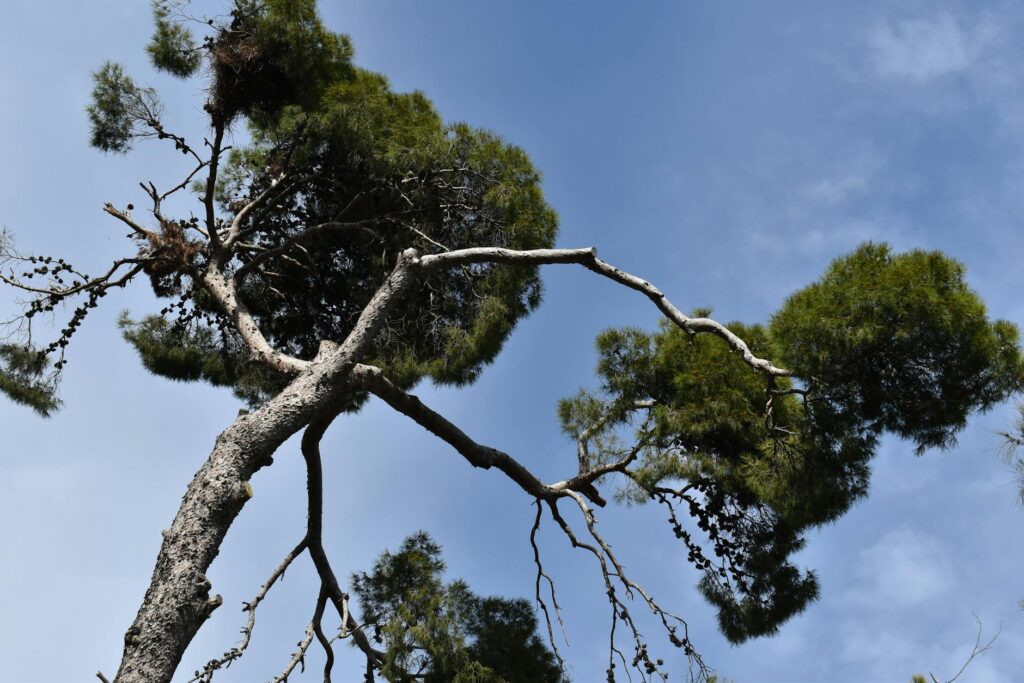
Every May, I walk a few Lincroft properties and see the same thing: a beautiful eastern white pine (Pinus strobus), ten or fifteen feet tall, with its central leader hanging limply like a shepherd’s crook. The tip that was upright and green just a month ago now droops and fades — from the top down, turning from dark green to pale yellow to rust. Homeowners usually blame the weather. Sometimes they wonder if they applied fertilizer wrong. But in almost every case I’ve seen across Middletown Township, the culprit is a small, brown, long-snouted beetle called the white pine weevil.
The white pine weevil (Pissodes strobi) is one of the most damaging insects affecting eastern white pines in New Jersey. It doesn’t kill the whole tree immediately — but it disfigures trees year after year, robbing them of their central leader and leaving behind a multi-stemmed, crooked silhouette that makes the tree structurally weaker and far less attractive. Left unchecked on a young specimen, it can turn a straight, majestic pine into a bushy, gnarled mess within five or ten years.
If you have white pines on your Middletown property, the second week of May is exactly the right moment to go look at them. The damage is becoming visible right now — and understanding what you’re dealing with will help you decide whether to act this season or prepare for next year.
Pissodes strobi: A Small Insect with a Big Impact on White Pines
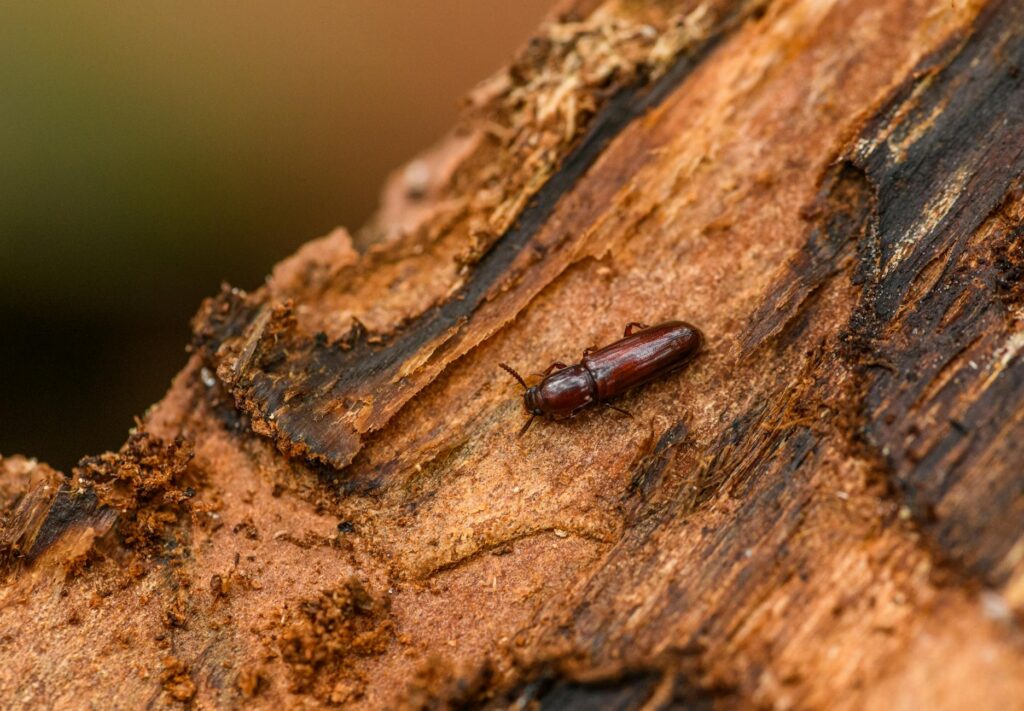
The white pine weevil (Pissodes strobi) is a native North American beetle in the family Curculionidae — the true weevils, identifiable by their characteristic elongated snout. The adult is roughly a quarter-inch long, reddish-brown with irregular white patches on its wing covers. You wouldn’t notice it at a glance. But its impact on eastern white pine plantings across Monmouth County is significant, and its biology is exquisitely timed to the spring phenology of the trees it attacks.
Adults overwinter in the leaf litter and loose bark at the base of pine trees, emerging in late February or early March as temperatures begin to climb. Their first priority is feeding on bark in the upper canopy — specifically the terminal leader and upper lateral shoots of susceptible hosts, which include eastern white pine, Norway spruce, and occasionally other conifers. In New Jersey, feeding and egg-laying typically peak from mid-March through late April, well before most homeowners are paying close attention to their trees.
Each female deposits eggs inside the bark of the terminal leader, and she can lay dozens over her adult lifetime. Rutgers NJAES extension resources note that the white pine weevil is considered one of the most serious insect pests of eastern white pine in the northeastern United States. By the time most people notice the shepherd’s crook symptom in May, the larvae have already been at work inside the leader for weeks.
The Shepherd's Crook: How Larval Tunneling Kills the Leader
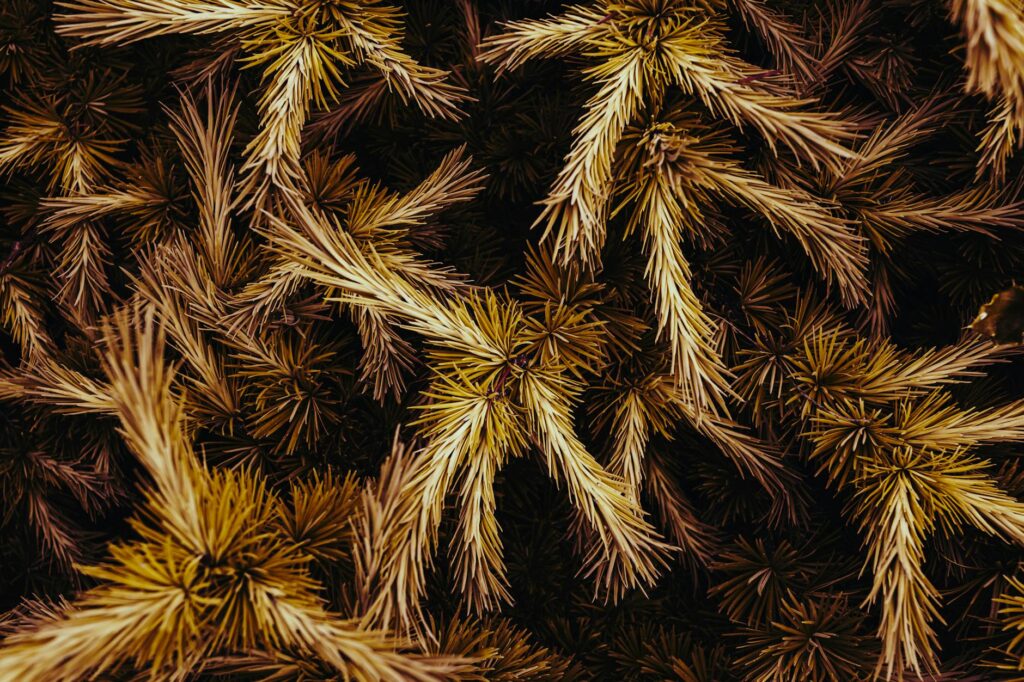
Once eggs hatch — typically within two to three weeks of being laid — the larvae begin feeding inside the bark tissue of the terminal leader, tunneling downward as they go. This girdling action cuts off the flow of nutrients and water to the tip of the shoot. The first visible sign is usually a slight wilting or color change at the very tip, which is easy to miss if you’re not looking for it. Within a few weeks, the entire leader wilts and bends downward into the classic shepherd’s crook shape.
By late May and early June, the affected tip turns from pale yellow to rust-colored. The larvae complete their development inside the dead leader and pupate. Adult weevils emerge from tiny exit holes in the dead wood, typically by late July or August, then disperse to overwinter at the base of nearby trees — beginning the cycle again the following spring. The USDA Forest Service identifies this predictable single-generation life cycle as both a challenge and an advantage: the narrow window for egg-laying means that properly timed preventive treatments can be very effective.
What makes the damage especially problematic for white pines is how the tree responds. When the central leader dies, the tree doesn’t simply grow a new straight one. Instead, one or more of the upper lateral branches begin to curve upward to take over as a replacement leader. The result is a forked, curved crown — and if the weevil returns the following spring and attacks the new leader again, the process repeats. Over time, trees can develop multiple competing stems, creating structural weaknesses and significantly reducing their long-term value and aesthetics.
Middletown's #1 Tree Expert Company
FREE Inspection & Estimate | Certified Arborists | Trimming, Pruning, Removal, More!
Sponsored
Scouting Your Middletown White Pines: What to Look for Right Now
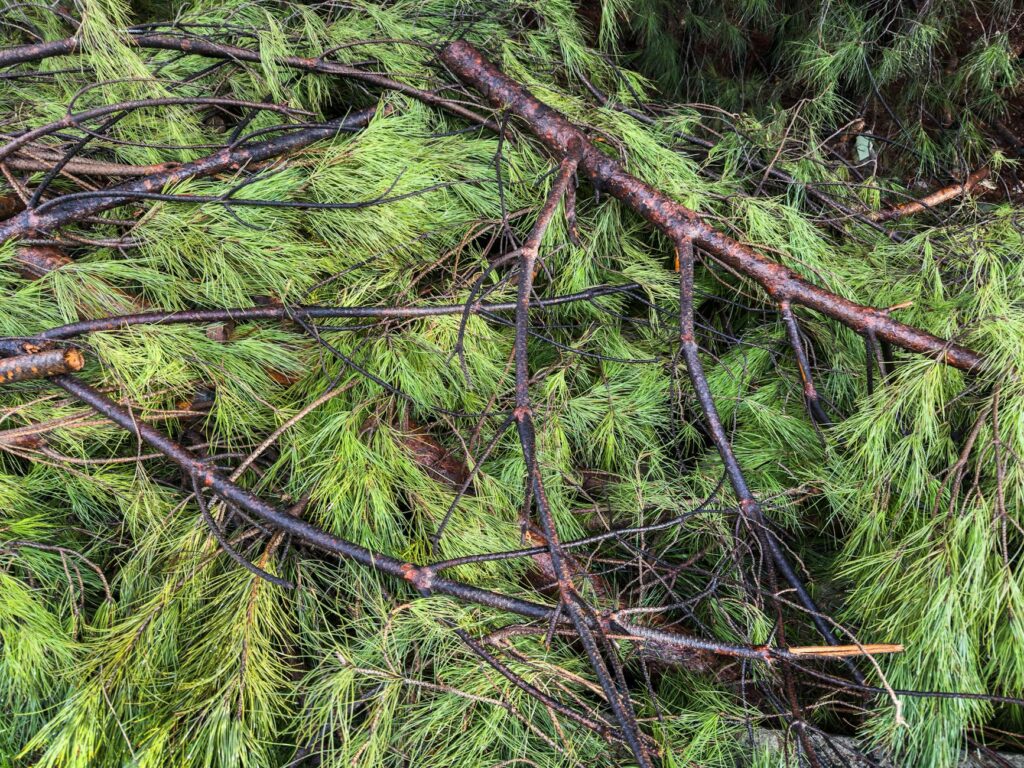
May is the prime time to scout white pines in Middletown Township for weevil damage. Here’s what to look for when you walk your property:
- Shepherd’s crook tip: The terminal leader or one of the upper laterals is bent downward, wilting, or beginning to turn yellow-green. This is the most reliable indicator in May.
- Pitch tubes: Small hardened globules of resin on the surface of the terminal leader are an early sign, forming at egg-laying and feeding sites. Scouting for these in March and April gives you the earliest warning.
- Frass and exit holes: Fine sawdust-like material packed into small pockets beneath the bark. As summer approaches, tiny round exit holes become visible in the dead section of the leader.
White pine weevil most aggressively attacks young, vigorously growing trees — typically those between four and thirty feet in height. Older, taller pines are attacked less often because the weevil prefers terminal leaders at a height reachable from surrounding vegetation. Trees in open, sunny, exposed settings tend to be hit harder than those growing in partial shade, likely because adults prefer warm, sunlit bark for egg-laying and feeding.
In Middletown Township, eastern white pines are common in residential yards across Lincroft, Navesink, and the hillier terrain inland from the Bayshore. They’ve been widely planted as privacy screens and windbreaks. A long row of white pines used as a property screen is particularly vulnerable — the weevil can work systematically down the row year after year, disfiguring one tree after another before most homeowners catch on.
Timing and Treatment: What You Can Do This Season and Next
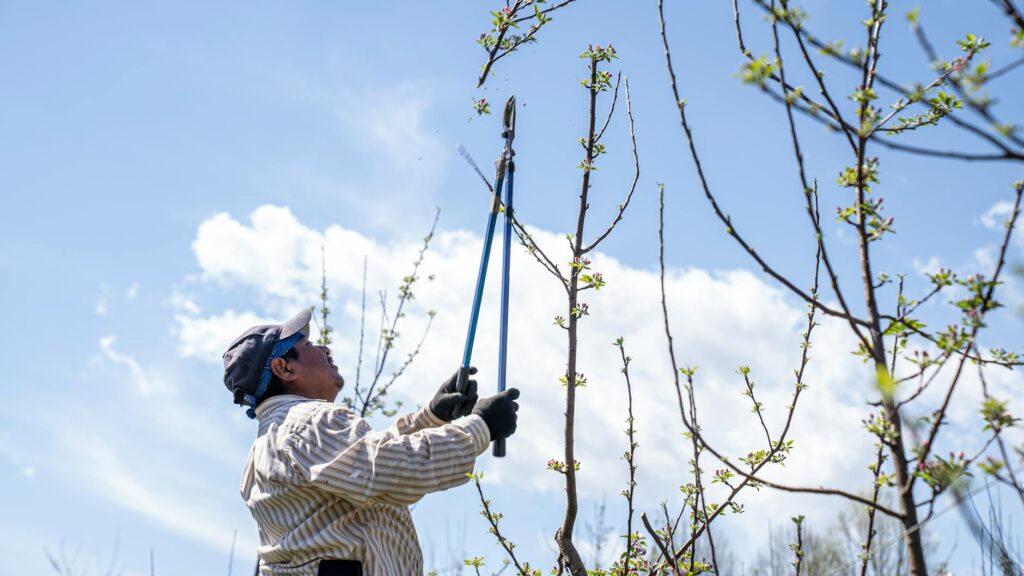
White pine weevil management falls into two categories: preventive spray treatments timed before egg-laying, and corrective pruning after the shepherd’s crook appears. Once you’re seeing the drooping tip in May, the egg-laying has already occurred — so the priority shifts to managing the current damage and setting up prevention for next year.
This season — corrective pruning: Cut out the infested leader as soon as you confirm the damage. The goal is to remove the larvae before adult weevils emerge and disperse to new trees. Prune 6 to 8 inches below the lowest pitch tube or entry point on the dead section. Bag and dispose of the clipped material away from the site — do not compost it, as larvae inside may still complete development. After removing the dead leader, select the strongest, most upright lateral branch just below the cut and gently tie it to a straight stake or bamboo cane to encourage it to grow upright as a replacement leader. This training a new leader step is critical for preserving the tree’s form over the long term.
Next season — preventive bark spray: The most effective window for preventive control is late March to mid-April, when adults are actively feeding on bark before and during egg-laying. A bark spray of a registered insecticide applied to the terminal leader and upper crown can significantly reduce egg-laying success. The International Society of Arboriculture (ISA) recommends that pesticide applications for tree pests be applied by or under the supervision of a licensed professional — and the timing window for white pine weevil is narrow enough that it genuinely pays to schedule this in advance, before you see any symptoms.
Keeping White Pines Healthy and Weevil-Resistant in Middletown's Landscape
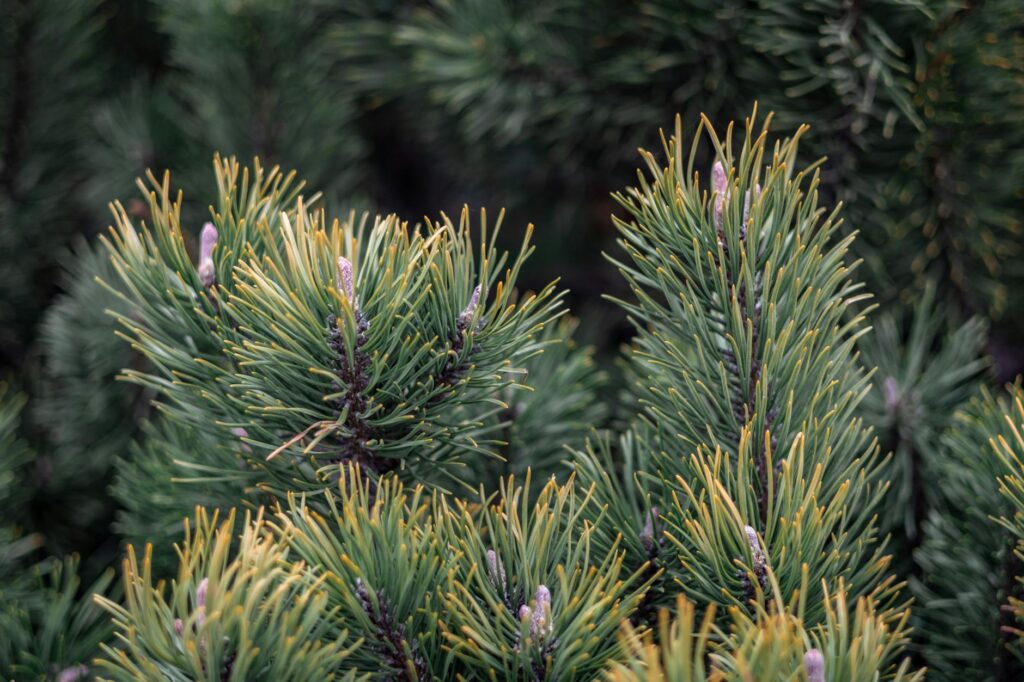
Vigorous trees resist weevil attack better than stressed ones. A pine growing in compacted soil, one that was poorly planted, or one that went through repeated drought stress without supplemental water is a more appealing target. The fundamentals of tree health go a long way here:
- Maintain a 3-to-4-inch layer of organic mulch over the root zone, keeping it away from the trunk — no volcano mounding against the bark.
- Water during dry spells, particularly in the first three years after planting and during summer drought stretches.
- Avoid injuring bark with lawn mowers and string trimmers — even small wounds stress pines and invite secondary problems.
- Avoid high-nitrogen fertilizers that push flush, succulent growth, which can actually attract more feeding pressure from weevil and other insects.
Site selection also matters considerably. Eastern white pine prefers well-drained, slightly acidic soils — the kind of sandy, acidic ground found in parts of Middletown near Cheesequake State Park. These are places where white pines genuinely thrive. But on heavy clay soils or wet, poorly drained sites, pines struggle, and stressed trees are far more susceptible to both weevil and root diseases. If you’re planning a new privacy screen or specimen planting, think carefully about whether eastern white pine is the right fit for that specific spot — or whether a mix of native evergreens, such as eastern red cedar (Juniperus virginiana) or American holly (Ilex opaca), might offer similar privacy with less pest vulnerability.
Planting a diversity of species rather than a monoculture row also limits the weevil’s ability to work through your property systematically. A screen of all white pines is an open invitation; a mixed planting of pines, hollies, and native shrubs provides comparable screening with far less concentrated pest pressure.
Middletown's #1 Tree Expert Company
FREE Inspection & Estimate | Certified Arborists | Trimming, Pruning, Removal, More!
Sponsored
When to Call a Certified Arborist About Your White Pines
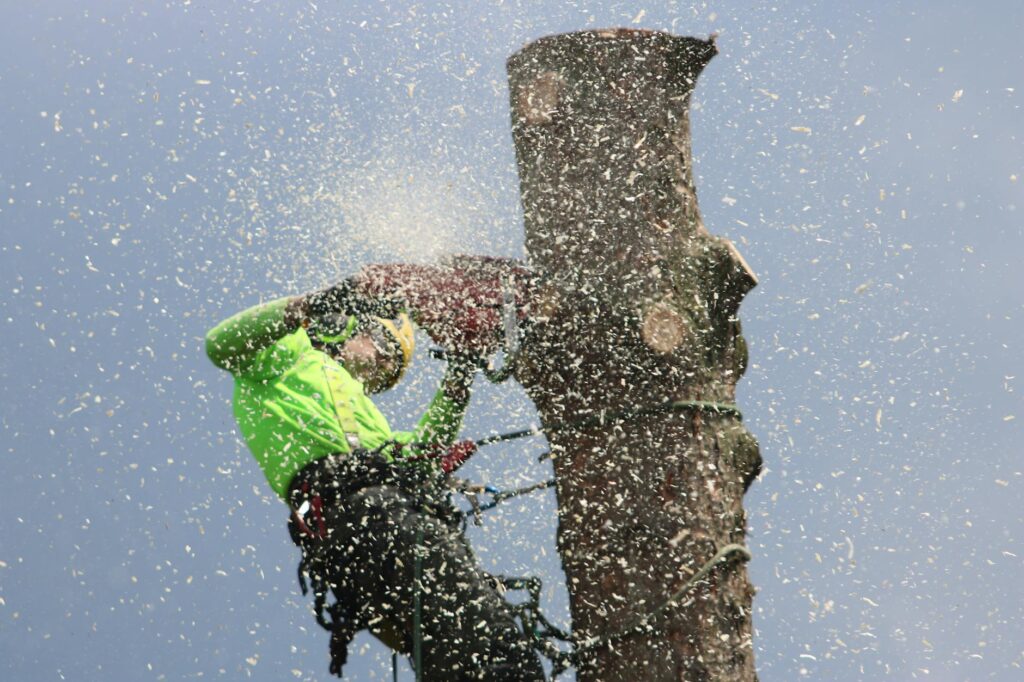
If you’ve spotted shepherd’s crook symptoms on one or more of your Middletown white pines this May, there are good reasons to bring in an ISA-certified arborist rather than going it alone. Correctly identifying white pine weevil versus other potential causes — white pine blister rust, Diplodia tip blight, drought dieback — requires knowing exactly what you’re looking at. Treating the wrong problem wastes time and money, and the right treatment window for weevil is tight enough that a misdiagnosis can cost you another full season.
An arborist can also help you think through the broader strategy: Is the affected tree recoverable? How many years has the weevil been working on it? Is the replacement leader strong enough, or does the tree need corrective pruning to improve its structure? For trees being used as privacy screens or windbreaks — common on Bayshore and inland Middletown properties — cumulative disfigurement from several years of unchecked weevil damage can compromise both aesthetics and structural integrity of the entire row.
The NJ DEP Forest Service and Rutgers Cooperative Extension both maintain resources on common pine pests in New Jersey if you’d like to read further. But when you’re ready to move from reading to acting, a certified arborist with local knowledge of Monmouth County soils and species is your best resource. The right call made in May, before the adult weevils disperse to new trees, can make the difference between one bad year and five.
Photo credits: Featured image by Lisá Yakurím on Pexels; Section 1 by Soare Emi on Pexels; Section 2 by Petr Ganaj on Pexels; Section 3 by Aedrian Salazar on Pexels; Section 4 by Doğan Alpaslan Demir on Pexels; Section 5 by Mark Stebnicki on Pexels; Section 6 by Vish Pix on Pexels; Section 7 by Henk Schuurmans on Pexels.