Tree Health & Pests
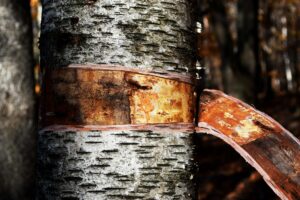
Bronze Birch Borer Is Killing Middletown’s Birch Trees This May
Adults are emerging now and targeting stressed birch trees across Monmouth County. Here’s how to spot the damage and what you can still do about it.
Adults are emerging now and targeting stressed birch trees across Monmouth County. Here’s how to spot the damage and what you can still do about it.

That thinning maple in your Middletown yard may not be diseased — it could be slowly strangled by its own roots. Here’s how to spot girdling roots before it’s too late.
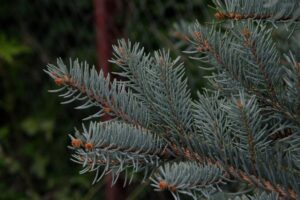
Rhizosphaera needle cast is killing blue spruces across Middletown. Spot it, treat it, and choose conifers that actually thrive in Monmouth County.

Bagworm larvae are hatching in Middletown right now — and the next few weeks are your only real window to stop them before permanent damage hits your arborvitae.
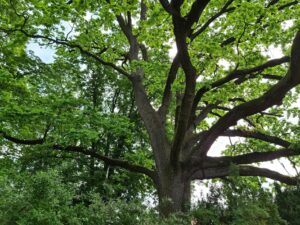
Adult two-lined chestnut borers emerge in May and target already-stressed oaks — exactly the trees Middletown has plenty of after years of spongy moth defoliation.

One maple branch bare while the rest of your tree leafs out? Nectria canker could be the culprit — here’s how to find it and stop it in May.

Drooping tips on your Middletown white pines this May signal white pine weevil damage. Here’s how to identify it, prune correctly, and prevent it next season.
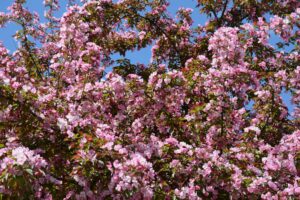
A wet April has set up near-perfect apple scab conditions across Monmouth County. Here’s what the spots on your crabapple mean — and what to do now.
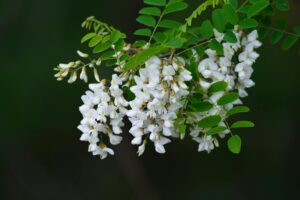
Black locust is perfuming Middletown’s roadsides and yards right now with white flower clusters. Here’s why that beautiful bloom signals a serious management problem.
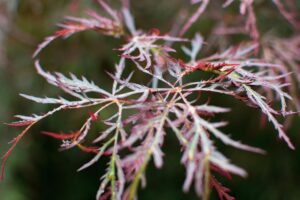
That sticky drip on your patio isn’t sap — it’s honeydew from scale insects quietly feeding on Middletown’s Japanese maples, arborvitae, and flowering cherries. May is the only window to stop them.