
Middletown's #1 Tree Expert Company
FREE Inspection & Estimate | Certified Arborists | Trimming, Pruning, Removal, More!
Sponsored
The July Phone Call Every Middletown Arborist Dreads
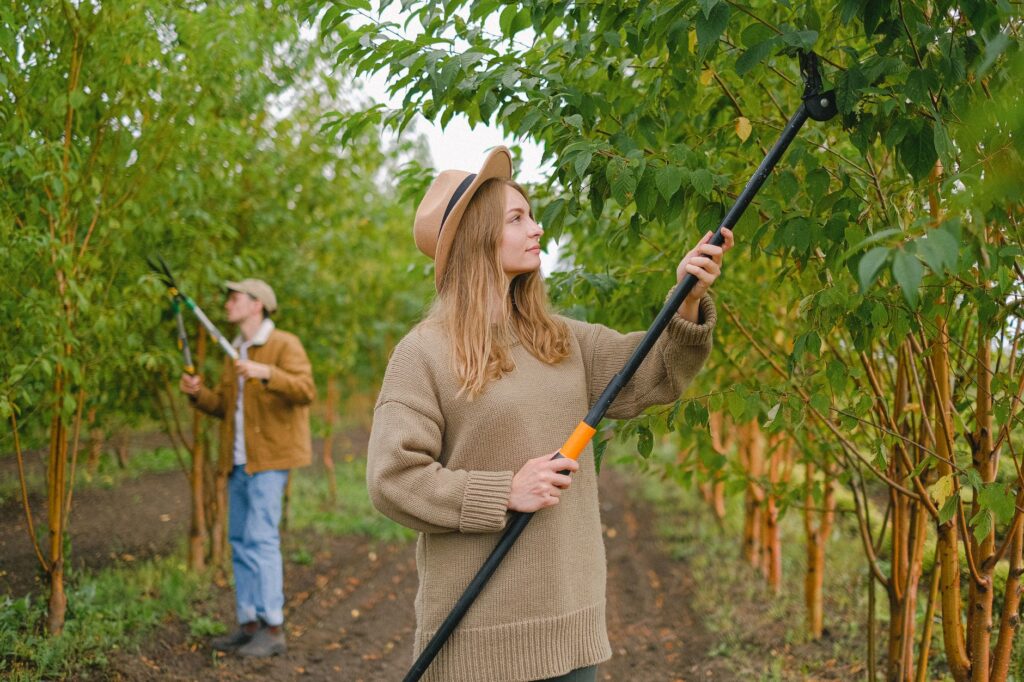
Every July I get a version of the same call. A homeowner in Lincroft or Port Monmouth looked at a red maple (Acer rubrum) that seemed a little thin on top, grabbed a pole saw over a weekend, and took off a third of the live canopy to “clean it up.” By mid-August the tree is dropping leaves early, the remaining foliage is scorched at the margins, and the cuts are weeping instead of sealing over. The instinct to fix a tree that looks stressed is a good one. The timing is the problem.
Here on the Bayshore, July and August bring exactly the conditions that make a tree least able to absorb a hard pruning job: heat, humidity, salt-tinged wind off Raritan Bay, and soil moisture that’s already been drawn down since Memorial Day. Pruning itself isn’t the enemy. Pruning a stressed tree hard, in the hottest and driest stretch of the year, is what turns a cosmetic fix into a real setback.
Why Summer Heat Turns a Routine Cut Into a Setback
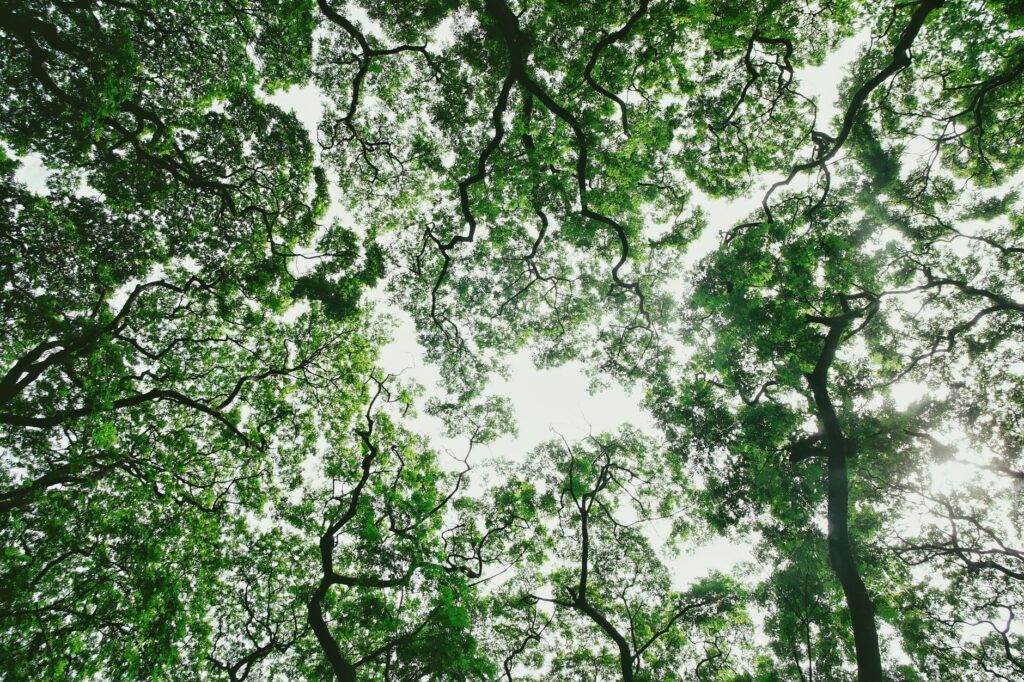
Right now, in the heart of the growing season, a healthy tree’s canopy is running at full capacity — pulling in sunlight, manufacturing the sugars that get stored in the roots and trunk for next spring’s growth, and producing the compounds it uses to fight off decay and insects. Every leaf you remove in July is a small manufacturing plant taken offline at the exact moment the tree needs it running hardest.
Rutgers Cooperative Extension has long recommended timing structural pruning around dormancy rather than peak growing season for this reason — Rutgers’ guidance on pruning timing lets a tree direct its full summer energy budget into growth and defense rather than wound response. A tree that’s already coping with drought stress or heat stress has even less reserve to spare. Take a large limb off a tree that’s already fighting for water and you’re asking it to seal a wound and cope with moisture loss at the same time.
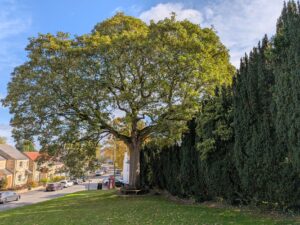
This is especially true for anything mature enough to have a real canopy — a 40-year-old white oak (Quercus alba) on a Middletown Township lot doesn’t recover from a heavy cut the way a young ornamental does. The bigger the tree, the more that math matters.
Fresh Cuts, Fresh Targets: The Insect Problem With July Pruning
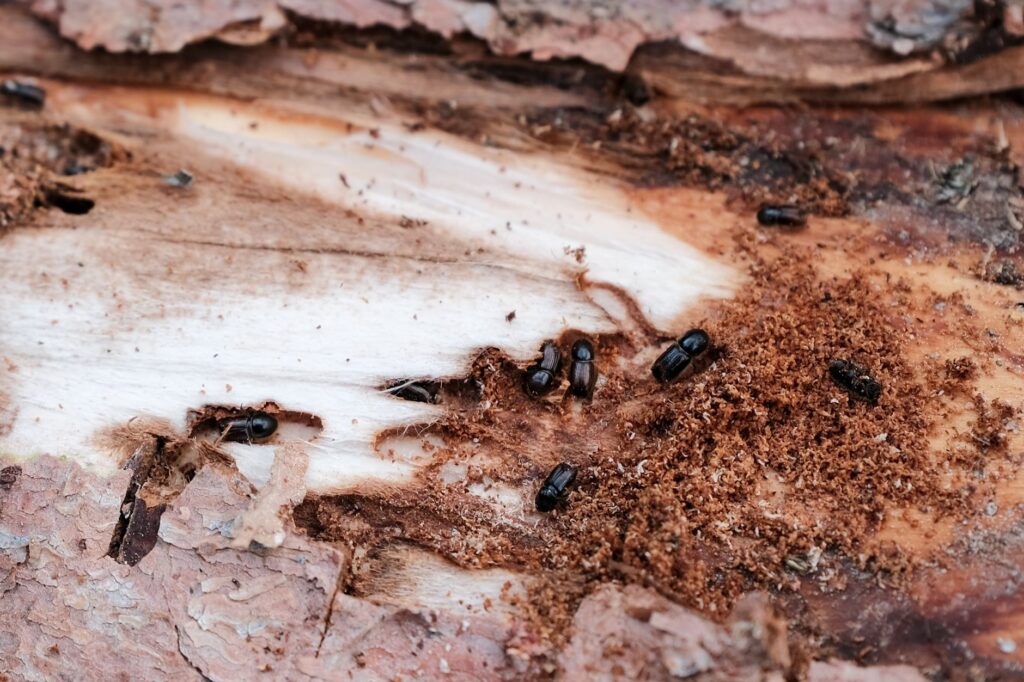
A fresh pruning wound in July doesn’t just cost the tree energy — it can actively attract trouble. Many wood-boring insects key in on the volatile compounds released by a new cut and on the stress signals given off by a tree that’s already struggling. Freshly cut sapwood on species like birch, ash, or stressed maples is a magnet during the exact weeks when borer populations are most active and searching for a place to lay eggs.
The USDA Forest Service’s forest health research notes that trees under combined stresses — heat, drought, and physical wounding — are disproportionately represented in insect and disease outbreaks. A cut that would close over cleanly in November can sit open and vulnerable for weeks in July heat, giving pests and decay fungi a foothold they wouldn’t otherwise get.
None of this means you should ignore a genuinely hazardous limb because of the calendar. It means the bar for “does this need to come off today” should be higher in summer than the bar for “this would look tidier.”
Middletown's #1 Tree Expert Company
FREE Inspection & Estimate | Certified Arborists | Trimming, Pruning, Removal, More!
Sponsored
What's Actually Safe to Cut Right Now
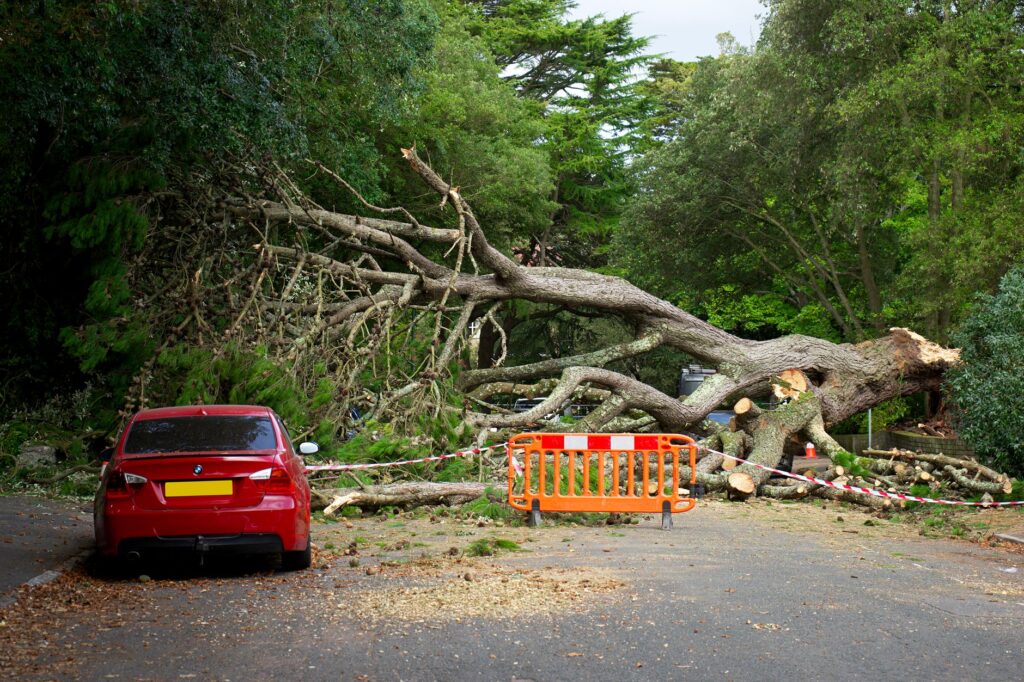
Timing rules have exceptions, and they matter. Dead, broken, or clearly hazardous wood should come off any month of the year — a dead limb over the driveway doesn’t get safer because it’s summer. Storm-damaged branches from a passing thunderstorm, torn limbs, and anything actively posing a risk to a roof, a fence, or a person walking underneath should be addressed promptly regardless of season.
- Deadwood removal — safe any time, and often urgent
- Storm-torn or cracked limbs — should be handled promptly
- Small corrective cuts on young trees (removing a crossing branch, a double leader) — low-impact and generally fine
- Light structural touch-ups that remove only a small fraction of live tissue
What should wait is the bigger work: crown reduction, canopy thinning for light or view, and any pruning job that would remove a meaningful percentage of live foliage from a mature tree. Those jobs are exactly the ones best saved for the dormant season, when the tree can absorb them without the added burden of summer heat.
If You Must Prune This Month, Do It Right
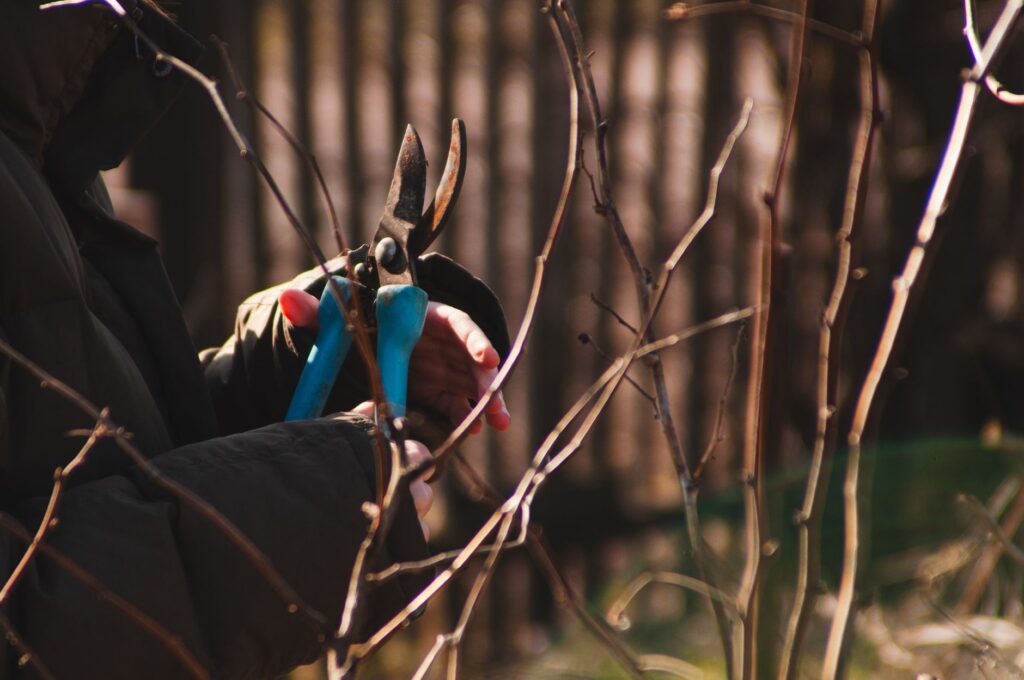
Sometimes a cut genuinely can’t wait. If you’re removing a small branch yourself this summer, a few adjustments make a real difference. Water the tree well in the days before you prune if the soil has been dry — a well-hydrated tree responds to wounding far better than one already running a moisture deficit. Work during the cooler morning hours rather than in afternoon heat, and keep the cut as small as the job allows.
Use the three-cut method on anything larger than a finger’s width to avoid tearing bark down the trunk, and make your final cut just outside the branch collar — not flush with the trunk — so the tree’s natural compartmentalization process can wall off the wound. Clean your tools between cuts, especially if you’re working on more than one tree, since sap and debris on a blade can carry disease from one wound to the next.
And resist the urge to “finish the job” once you’ve started. If a small corrective cut reveals a bigger structural issue, that’s a sign to stop and call in a professional rather than keep cutting into July heat.
The Better Window Is Coming: Why Late Winter Wins
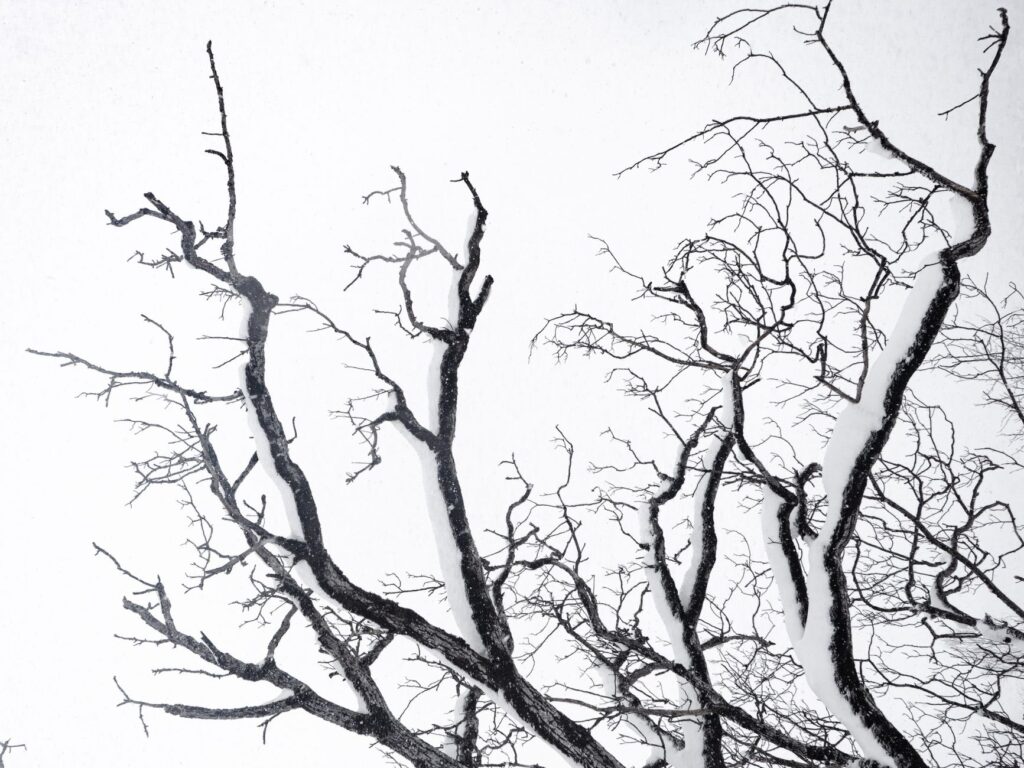
The reason arborists push most structural work toward late winter isn’t tradition — it’s biology. With no leaves in the way, you can actually see a tree’s branch architecture: where limbs cross, where included bark is forming a weak union, where the real structural problems are hiding behind a summer’s worth of foliage. Many species aren’t moving sap heavily during dormancy, which means less bleeding and a cleaner cut. And a wound made in late winter gets a head start healing the moment spring growth kicks in, rather than sitting open through the hottest, buggiest months of the year.
The International Society of Arboriculture’s pruning guide for mature trees reflects this same logic — timing recommendations exist because the tree’s own physiology cooperates better at certain points in the year than others. If your July inspection turns up a tree that needs real structural work, the right move is often to flag it, monitor it, and schedule the bigger cuts for the dormant season rather than tackle them in the heat.
Middletown's #1 Tree Expert Company
FREE Inspection & Estimate | Certified Arborists | Trimming, Pruning, Removal, More!
Sponsored
When in Doubt, Let a Certified Arborist Make the Call
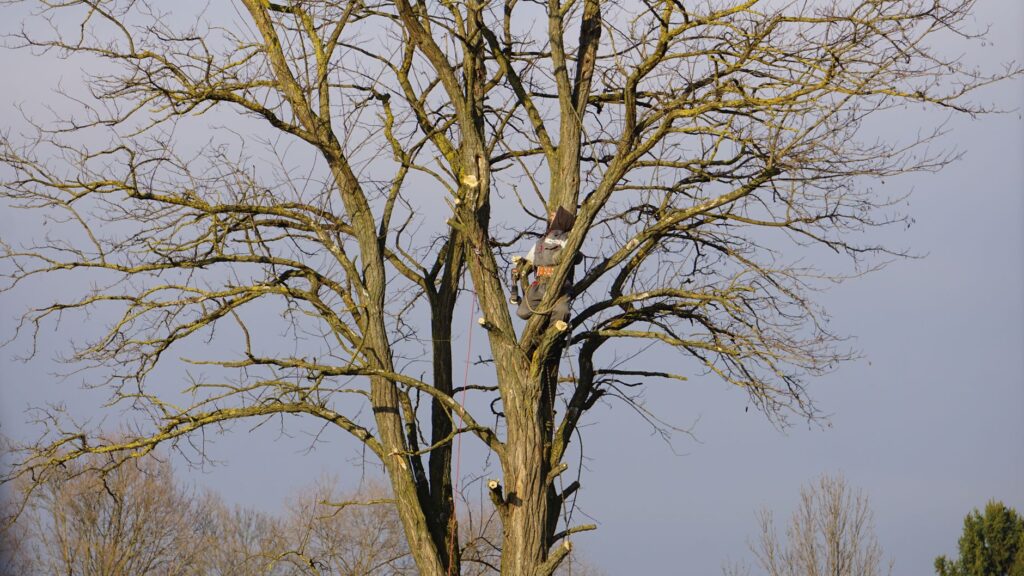
The hardest part of all this for a homeowner is telling the difference between a tree that looks a little rough because it’s mid-summer and a tree that’s genuinely declining and needs intervention now. Leaf scorch from heat stress and the early signs of real trouble can look similar from the ground, and the consequences of guessing wrong — either an unnecessary hard prune in the worst possible month, or ignoring a real hazard — both cut against you.
A certified arborist can look at the same tree you’re worried about and tell you, often in a five-minute walk-around, whether what you’re seeing is normal summer stress that will resolve on its own, a hazard that needs immediate attention, or a structural issue best scheduled for the dormant season. The Tree Care Industry Association maintains a directory of accredited companies for exactly this kind of assessment work. If your Middletown tree has you reaching for the pole saw this July, it’s worth a call before the first cut — not after.
Photo credits: Featured image by Dmytro Glazunov on Pexels; Section 1 by Anna Shvets on Pexels; Section 2 by Mico Medel on Pexels; Section 3 by Andreas Schnabl on Pexels; Section 4 by Mike Bird on Pexels; Section 5 by Boryslav Shoot on Pexels; Section 6 by Nurullah Degri on Pexels; Section 7 by Dmytro Glazunov on Pexels.