Middletown's #1 Tree Expert Company
FREE Inspection & Estimate | Certified Arborists | Trimming, Pruning, Removal, More!
Sponsored
The Storm Passed. Now What?
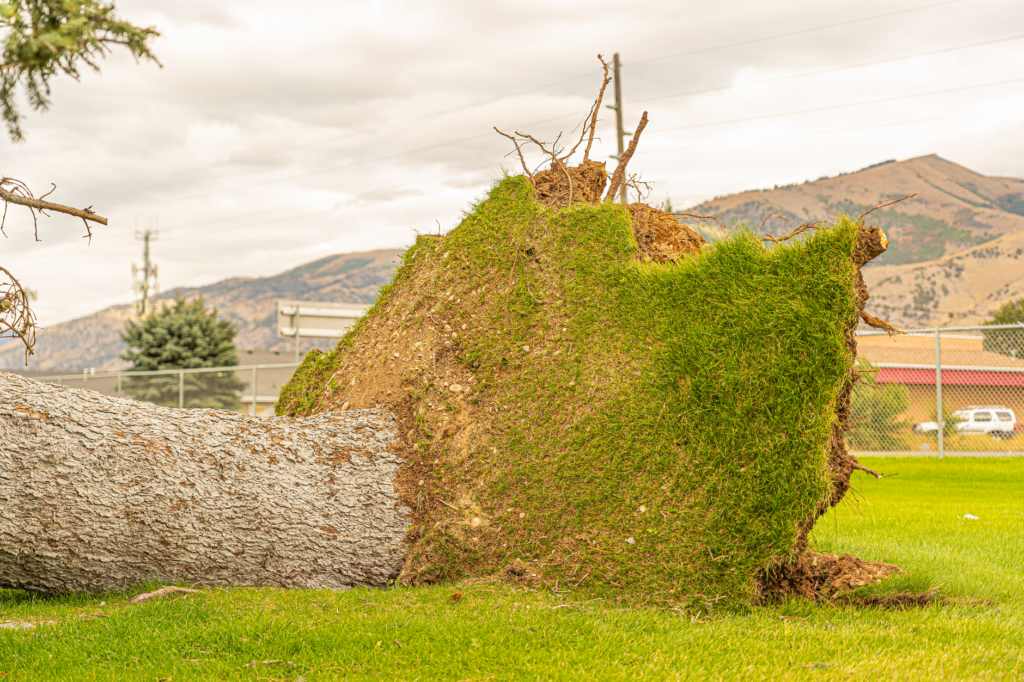
Every July, the same phone calls start rolling in. A line of thunderstorms rakes across the Bayshore, a downed limb takes out half a canopy on a red maple (Acer rubrum) in Port Monmouth, and the homeowner wants one question answered fast: is this tree going to make it, or is it firewood?
It’s a fair question, and it’s rarely a simple one. A tree that looks devastated in the driveway on Tuesday morning can leaf out fine by August if the damage is superficial. Another tree that looks mostly intact can be dead within two years because the storm did its real damage somewhere you couldn’t see — underground, at the root plate, or deep inside the trunk. After twenty-some years walking Middletown yards after nor’easters and summer squalls alike, I can tell you the eye test alone gets it wrong more often than homeowners expect.
This time of year, with Atlantic storm season ramping up and the ground still soft from spring rain, Middletown Township sees more storm-stressed trees than almost any other season. Knowing how to actually evaluate recovery odds — rather than just guessing — saves homeowners money, saves good trees from an unnecessary chainsaw, and catches the ones that need to come down before they become a much bigger problem.
What Storm Damage Really Does to a Tree
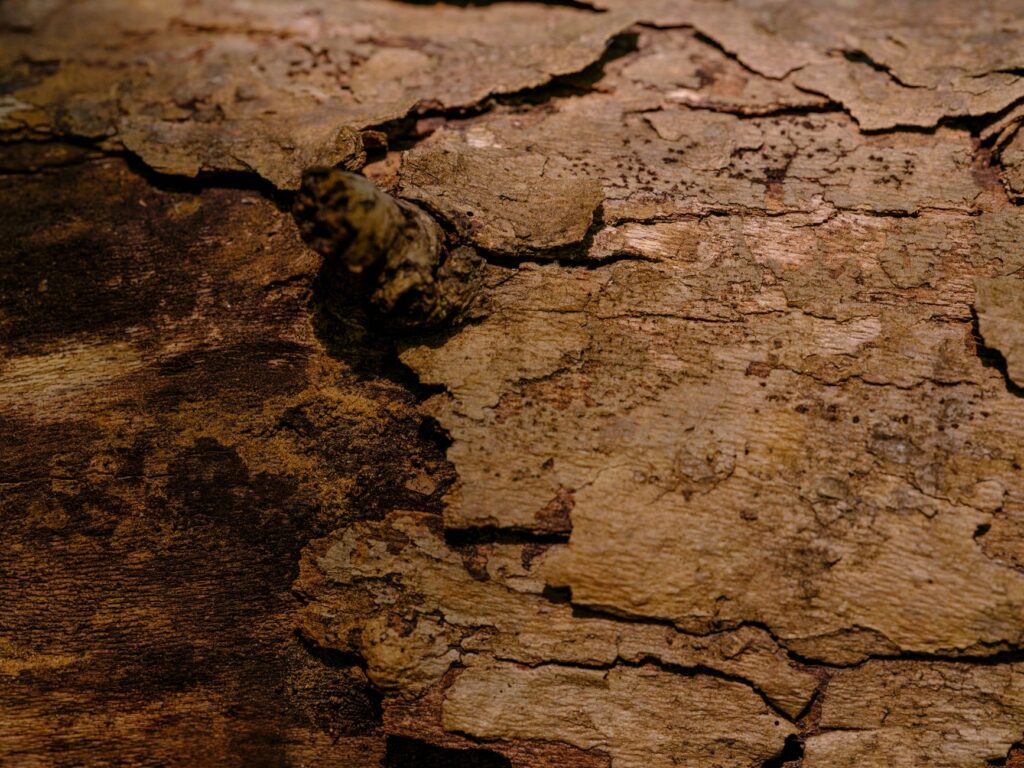
A tree doesn’t heal a wound the way skin does. There’s no scar tissue that reunites with what was there before. Instead, a tree seals off the damaged area through a process called compartmentalization — it walls off the injury with layers of chemically altered wood to slow the spread of decay, then grows new wood around the wound site over subsequent seasons. USDA Forest Service research on tree biology describes this as the tree’s primary defense against pathogens entering through broken bark or torn wood.
The trouble is that compartmentalization takes energy the tree would otherwise spend on growth, and it isn’t always successful. A clean break at a branch collar seals fairly well. A ripped, jagged tear that strips bark down the trunk — the kind you get when a limb rips free in high wind instead of snapping cleanly — gives decay fungi a much wider doorway, and those wounds often never fully close.
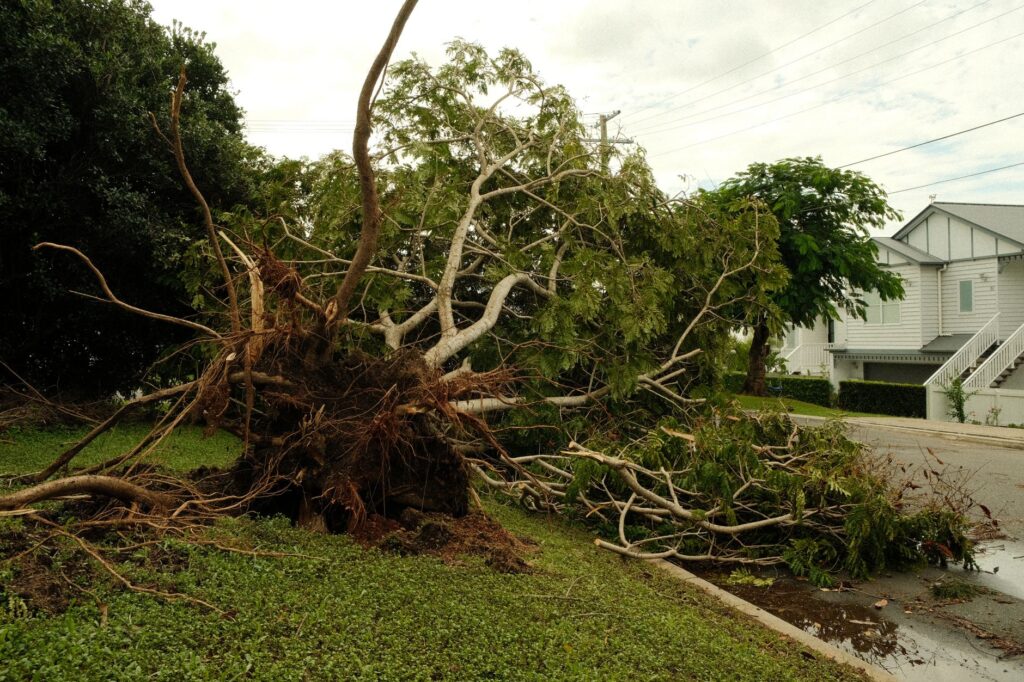
Below ground, the damage that worries me more doesn’t show up right away. Saturated soil plus sustained wind load can shift a tree’s root plate slightly, tearing fine feeder roots the tree depends on for water uptake. You won’t see it in July. You’ll see it in a tree that struggles through next summer’s heat for reasons that don’t seem to make sense.
Reading the Damage: Recoverable vs. Lost Cause
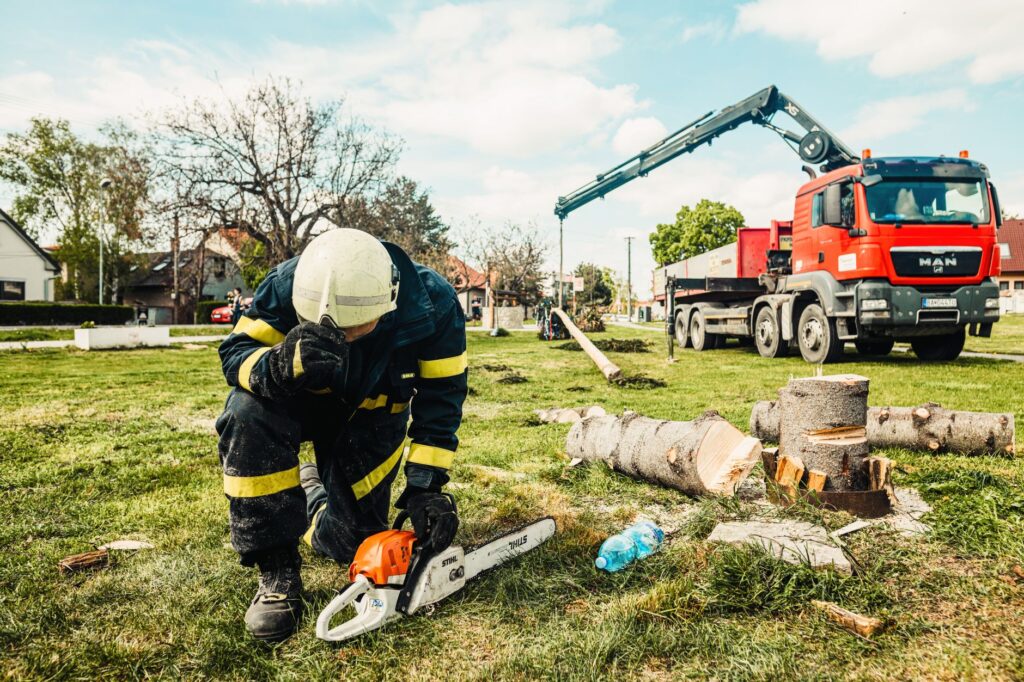
The single best predictor of recovery is the percentage of live canopy lost. Research summarized by the International Society of Arboriculture generally holds that a tree can recover reasonably well from losing up to about a quarter of its crown. Once you’re past a third to a half, especially on a mature tree, the odds tilt hard against it — there simply isn’t enough leaf surface left to fuel the repair work the tree needs to do while also surviving a Monmouth County summer.
Beyond raw percentage, a few specific signs push my assessment one way or the other:
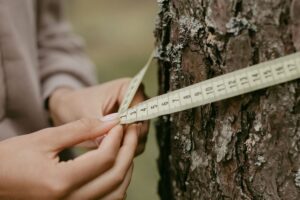
- Trunk wounds: A vertical bark wound under about a third of the trunk’s circumference usually closes over time. Wider than that, especially if it wraps most of the way around, and the tree is fighting for its life.
- Leader loss: Losing the central leader on a young tree is often recoverable with training. Losing it on a mature oak or tulip poplar usually leaves a permanent structural weak point.
- Root plate movement: Any visible lifting or cracking of soil at the base, even slight, is one of the more serious signs I look for — it suggests the tree is no longer solidly anchored, storm or no storm.
- Species vigor: Fast-growing species tolerate damage and regrow better than slow, brittle ones.
None of these signs work in isolation. I’ve seen trees with ugly canopy loss and a clean root plate come back strong within two seasons, and I’ve seen trees that looked fine from the driveway get flagged for removal because of what was happening at the base.
Middletown's #1 Tree Expert Company
FREE Inspection & Estimate | Certified Arborists | Trimming, Pruning, Removal, More!
Sponsored
The Restoration Toolkit: What Arborists Actually Do
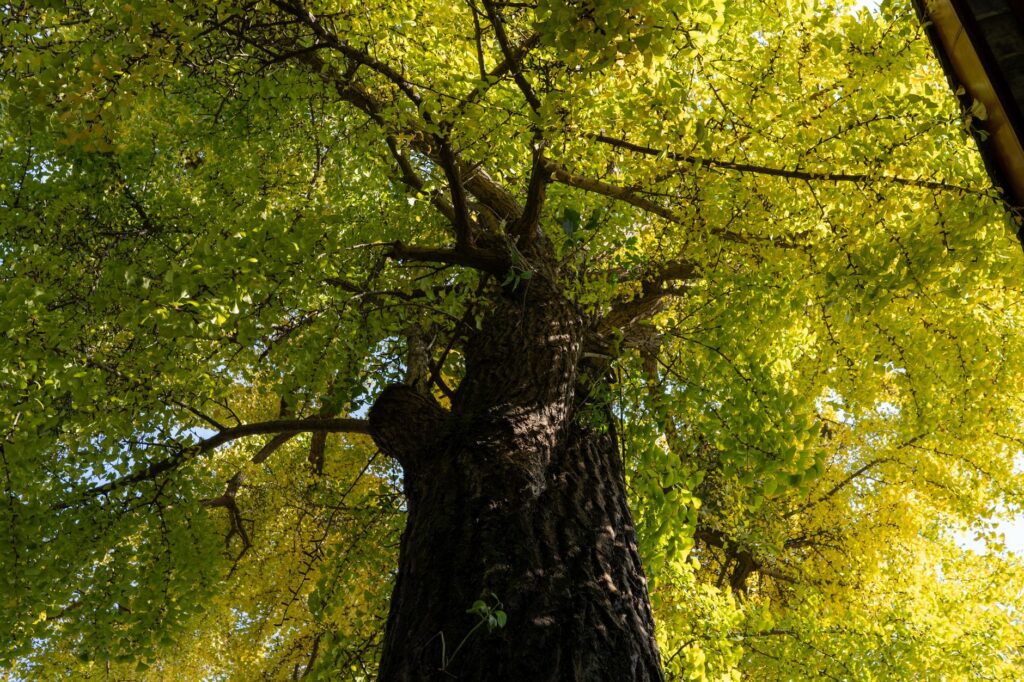
When a tree is a legitimate recovery candidate, the work isn’t dramatic — it’s careful. The first step is corrective structural pruning: cleaning up torn and jagged wounds into smooth cuts the tree can seal properly, and removing any remaining hangers or split limbs that pose an ongoing hazard before they fail on their own schedule. This is exactly the kind of work the Tree Care Industry Association trains arborists to perform with proper equipment and rigging, since storm-damaged limbs under tension behave unpredictably.
If the root zone took the hit rather than the canopy, the fix looks different. Aerating and decompacting the soil around the root plate, correcting drainage so water doesn’t pool against a tree that’s already root-stressed, and holding off on any fertilization until the tree shows it’s stabilizing all matter more than people expect. A stressed tree pushed to grow too fast, too soon, often burns through reserves it needs for basic survival.
For trees with real structural risk but genuine value — a mature shade tree worth saving — cabling and bracing can redistribute load away from a weakened union and buy the tree years, sometimes decades, of safe life. It’s not a fix for every situation, and it’s not cheap, but for the right tree in the right spot, it’s often the difference between removal and another generation of shade over the patio.
Time Matters More Than People Think
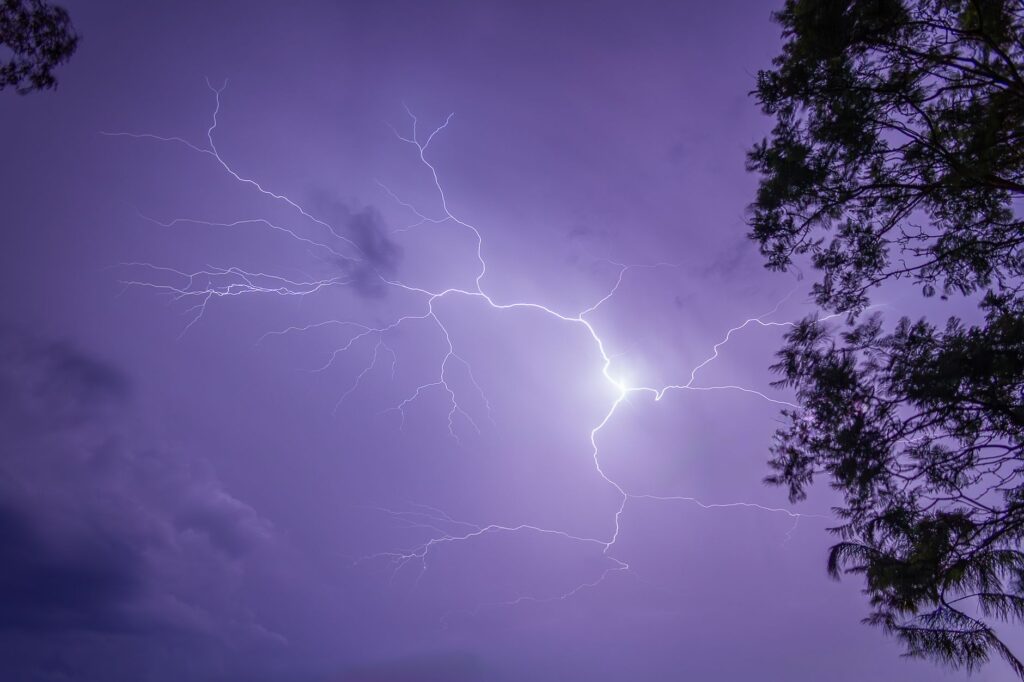
One of the most common mistakes I see after a storm is doing nothing and hoping the tree sorts itself out. Open wounds left ragged instead of cleaned up become an entry point for decay fungi and opportunistic insects well before any visible symptoms show up. By the time you notice a problem — usually a year or two later, in the form of dieback or a soft spot at the base — the window to intervene cheaply and effectively has often closed.
The opposite mistake happens too: rushing to remove a tree that had a real shot at recovery, usually out of an understandable urge to just be done with the mess. I get it. A torn-up tree in the yard is stressful to look at every day. But a professional assessment within the first week or two after a storm — while damage is fresh and evaluable, and before decay sets in — gives you the clearest possible picture of what you’re actually working with. Waiting a season to decide often means deciding with worse information, not better.
The NJ DEP Forest Service recommends exactly this kind of prompt post-storm evaluation for both public and private trees, since early intervention consistently produces better outcomes than a wait-and-see approach.
Some Middletown Trees Bounce Back. Others Don't.
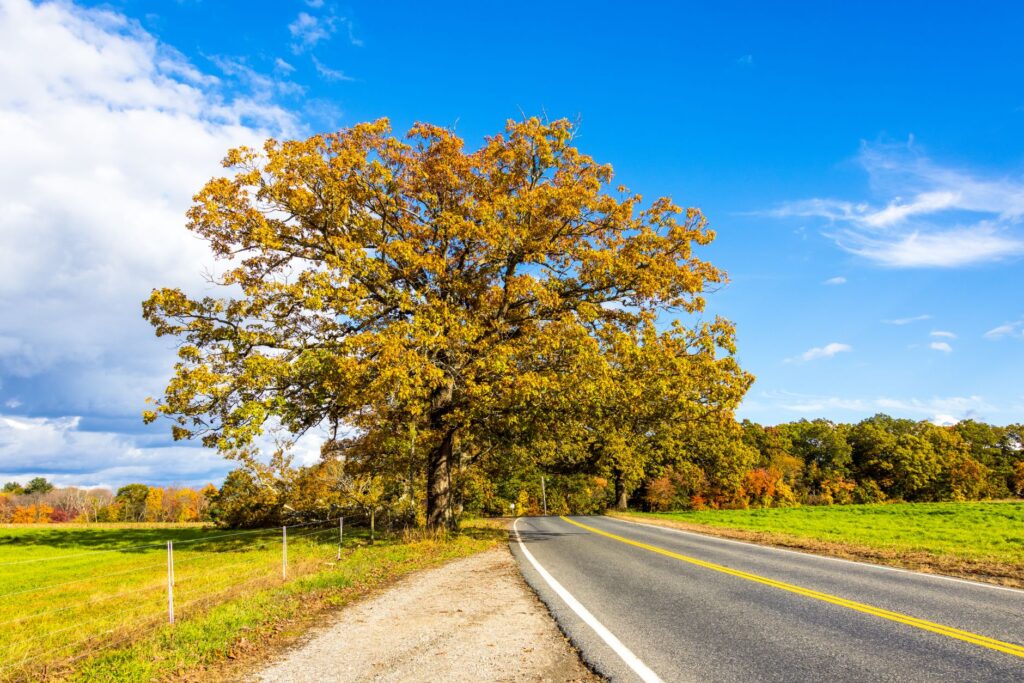
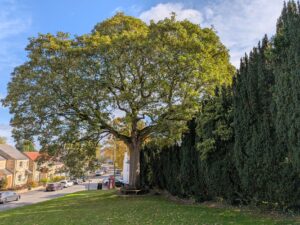
Species matters more in a recovery decision than most homeowners assume. White oaks (Quercus alba), a Middletown mainstay from Lincroft to Chapel Hill, are slow to grow but remarkably good at sealing wounds and tolerating moderate canopy loss if given a season to recover — one reason so many century-old oaks around Middletown have storm scars from decades past and are still standing. Red maples and tulip poplars grow fast and often push out vigorous new growth after damage, but that fast wood is also weaker and more prone to failure at old wound sites down the road.
On the other end, ornamental pears and other brittle, fast-growing species that split easily in storms to begin with tend to be poor recovery candidates — the same wood weakness that caused the initial failure usually shows up again at the repair site. For these, replacement is often the more honest recommendation than restoration, even when a homeowner is emotionally attached to the tree.
None of this is a reason to skip a professional look. It’s a reason to get one, because the right call genuinely depends on the specific tree, the specific damage, and what’s underneath the soil that a driveway glance can’t tell you.
Middletown's #1 Tree Expert Company
FREE Inspection & Estimate | Certified Arborists | Trimming, Pruning, Removal, More!
Sponsored
When to Call a Pro
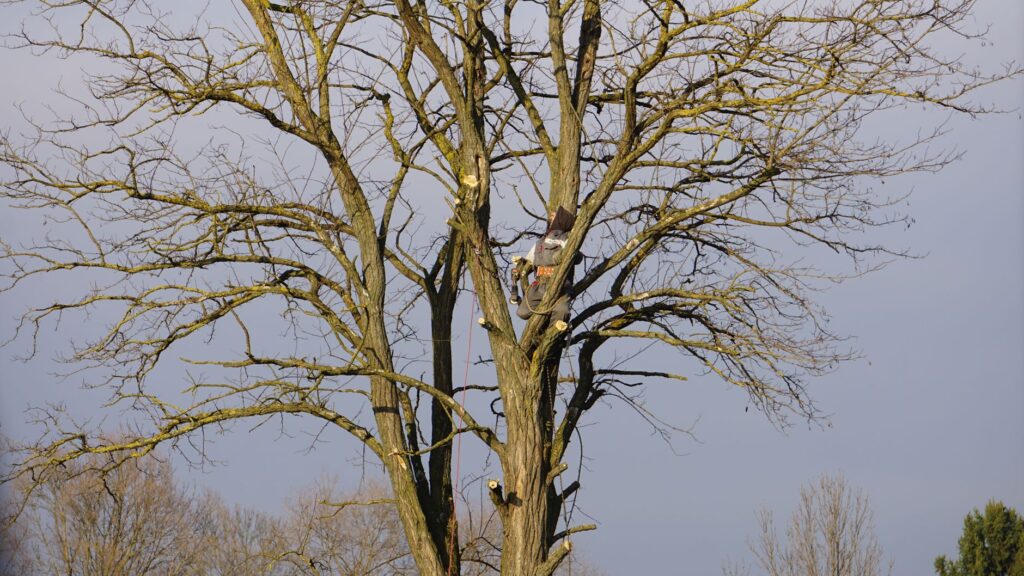
If a summer storm has left a tree in your yard torn up, leaning, or missing a significant chunk of canopy, the smartest move is a hands-on assessment within the first week or two — not a guess based on how bad it looks from the porch. A certified arborist can check the root plate, evaluate the real percentage of canopy lost, and tell you honestly whether you’re looking at a pruning job, a multi-season recovery plan, or a removal that’s better handled now than after the next storm finishes the job.
Trees are resilient in ways that surprise people, and Middletown’s oaks in particular have outlasted more storms than any of us have been alive to see. But resilience has limits, and knowing which side of that line your tree is on is worth a phone call before you decide anything permanent. When in doubt, get it looked at — it’s a lot easier to save a tree in week one than in year two.
Photo credits: Featured image by April Yang on Pexels; Section 1 by Castorly Stock on Pexels; Section 2 by Engin Akyurt on Pexels; Section 3 by Helena Jankovičová Kováčová on Pexels; Section 4 by Peter Xie on Pexels; Section 5 by Stuart Robinson on Pexels; Section 6 by Mohan Nannapaneni on Pexels; Section 7 by Dmytro Glazunov on Pexels.