Middletown's #1 Tree Expert Company
FREE Inspection & Estimate | Certified Arborists | Trimming, Pruning, Removal, More!
Sponsored
What's Under Your Middletown Lawn May Surprise You
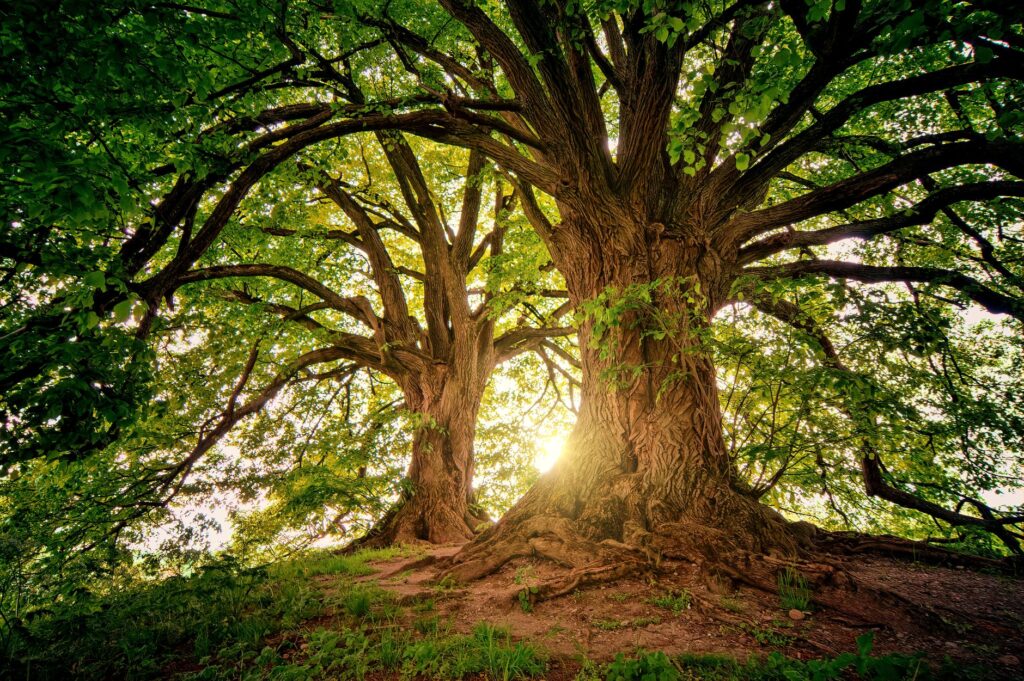
One of the most common situations I encounter in Middletown involves a homeowner who did everything right. They planted a healthy, balled-and-burlapped tree — good species, correct location for sunlight, watered consistently through the first summer. Two or three years later, the crown is thin, leaves come in undersized, and a branch or two dies back each July. They’re baffled. What went wrong?
The answer is often under their feet.
Middletown Township sits on New Jersey’s Atlantic Coastal Plain, where the dominant soil material across most residential neighborhoods is clay-loam — a soil texture that holds water and nutrients well but also drains slowly, compacts under foot traffic and equipment, and creates conditions that tree roots must actively navigate. It is neither the free-draining sandy soil you find at the Shore nor the deep loam of a river valley. It is something in between, with specific strengths and real limitations.
Understanding your soil is not gardening trivia. It is the foundation — literally — on which every tree on your property grows. The good news is that once you understand what clay-loam does and doesn’t do well, you can make decisions that work with it instead of against it. Middletown’s oldest white oaks, sycamores, and red maples are all growing in this same material, and they are thriving. What they have in common is a root environment that was never disturbed in ways that made an already-challenging soil worse.
What Clay-Loam Actually Is — and Why It's Neither All Good nor All Bad
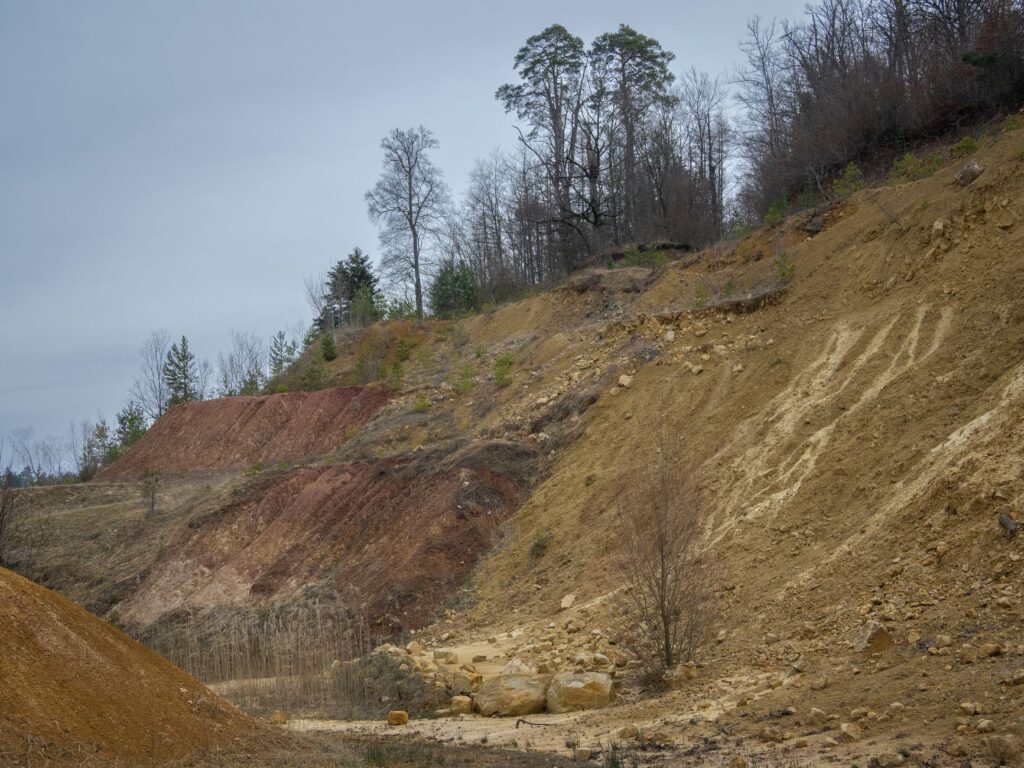
Soil scientists classify texture by the proportion of three particle sizes: sand (coarsest), silt (middle), and clay (finest). Clay particles are microscopic, flat, and carry a negative electrical charge that binds positively charged nutrient ions — calcium, magnesium, potassium — to the soil. This is one reason clay-loam soils are often quite fertile. They hold onto the nutrients that sandy soils lose to leaching.
Clay also holds water. A handful of clay-loam from a Middletown backyard holds more moisture per cubic inch than nearly any other soil type. In a dry August, that’s a real advantage. After three days of hard April rain, it becomes a liability: drainage slows to a crawl, and air — oxygen — is pushed out of the soil pores that tree roots depend on.
The soil series that dominate inland Middletown and much of Monmouth County tend to have a loamier surface layer that transitions within the first one to two feet to a heavier subsoil with a higher clay fraction. You can dig a planting hole and feel the texture change noticeably. That subsoil layer is where drainage slows most dramatically, where summer heat bakes the earth toward something hard and nearly impermeable, and where spring saturation can last for weeks after the last rain. Rutgers NJAES Extension’s soil testing program offers a basic soil analysis — texture, pH, and nutrient levels — for around twenty dollars. It’s one of the most useful investments a homeowner can make before planting any significant tree.
The take-away on clay-loam: it is fertile and moisture-retentive, but slow-draining and prone to compaction. Both qualities have significant consequences for tree root health.
How Clay-Loam Shapes Tree Root Architecture in Middletown

Tree roots grow where conditions allow them to. That sounds simple, but the implications in a clay-loam landscape are significant and often run counter to what homeowners expect.
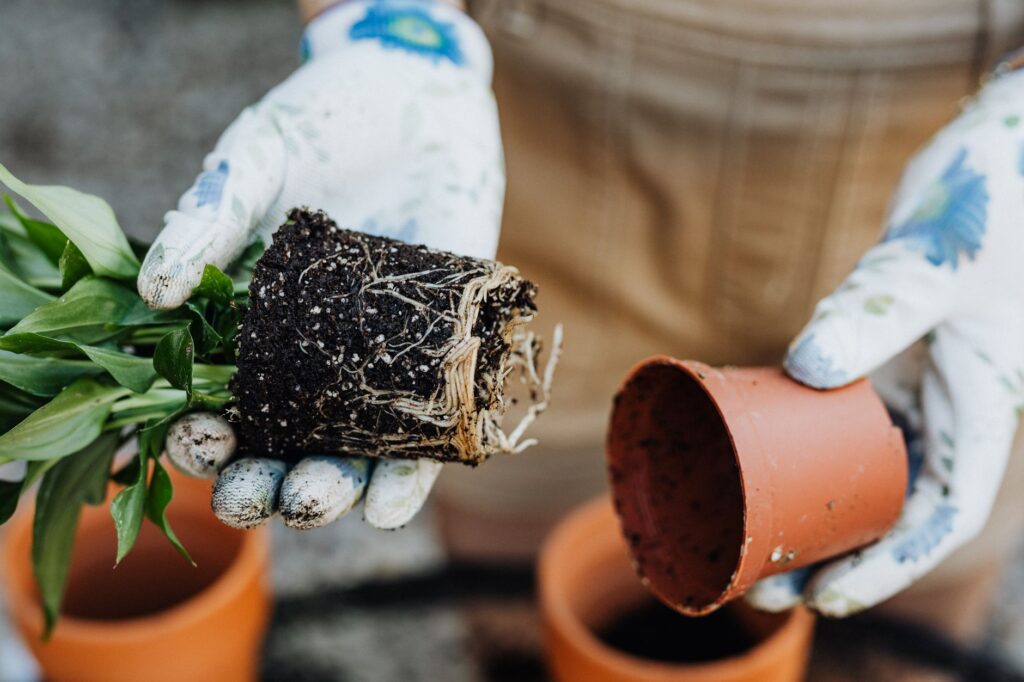
Roots need three things in the soil environment: water, dissolved nutrients, and oxygen. In well-drained sandy soil, roots dive deep, following moisture downward. In clay-loam, moisture is abundant in the upper layers — but oxygen is not. Clay particles pack tightly, leaving limited pore space for air. After rain events, that pore space fills with water. The result is that the vast majority of a tree’s active feeder roots in Middletown yards stay concentrated in the top 12 to 18 inches of soil, where gas exchange with the atmosphere can actually occur.
This explains several puzzling things Middletown homeowners notice. Surface roots that seem to appear out of nowhere near a mature tree are not growing upward — those roots were always shallow, and the soil grade above them has compacted or eroded over time. Trees that crack sidewalks and lift driveways do so partly because root systems, confined to the upper soil zone, spread horizontally across enormous areas rather than diving beneath hardscape. The roots you cannot see routinely extend two to three times the canopy width.
It also means that anything disturbing that upper 12- to 18-inch zone within the tree’s root area — construction equipment, grading, soil fill, chronic foot traffic — has an outsized effect on tree health compared to the same disturbance in a well-drained sandy soil. The root system is larger, and more of it lives exactly where people want to stand, park, and build.
Middletown's #1 Tree Expert Company
FREE Inspection & Estimate | Certified Arborists | Trimming, Pruning, Removal, More!
Sponsored
Reading Soil-Related Tree Stress in July
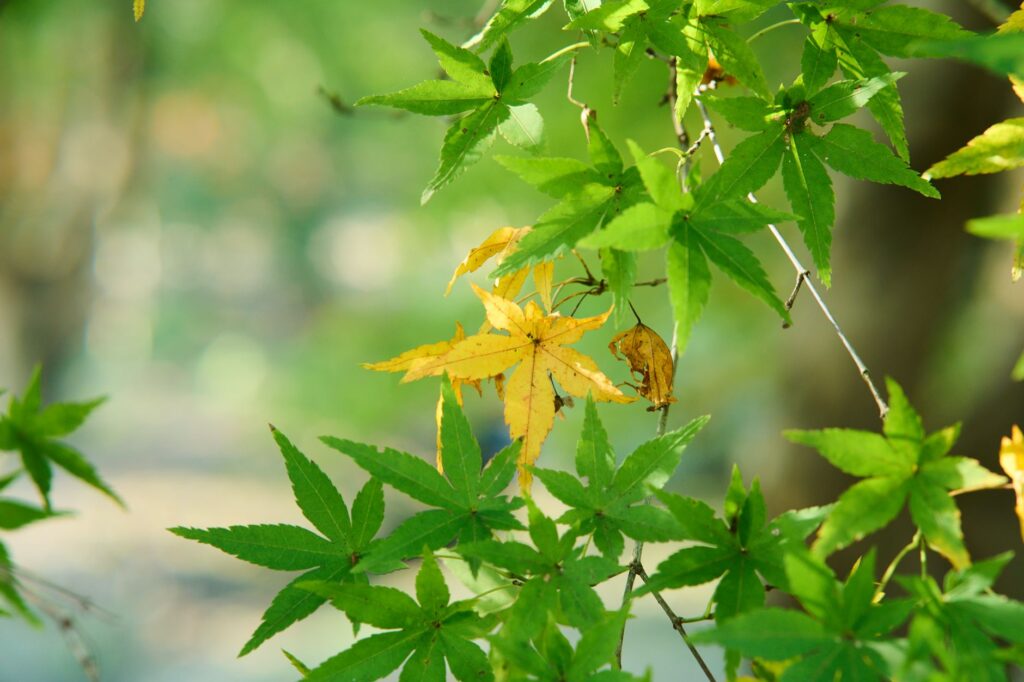
Midsummer is when Middletown’s clay-loam soil makes its worst effects most visible — though the root causes were usually set in motion months earlier.
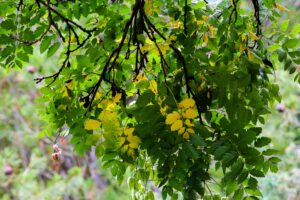
Here is a pattern I see regularly in July: a homeowner notices their tree has yellowing interior leaves, some branch-tip dieback, and early leaf drop. They assume drought stress and start watering more heavily. But what actually happened is that the tree experienced waterlogging during April and May — classic in clay-loam after a wet spring — and the fine feeder roots were damaged or killed during that period. By July, those damaged roots cannot move adequate water and nutrients through the canopy under summer heat, and the tree exhibits drought-like symptoms even if the soil is currently moist enough.
Signs that suggest soil conditions (not simple drought) are behind your tree’s July symptoms include: yellowing that starts in the interior canopy and moves outward rather than beginning at leaf margins; soil that stays moist at four inches down even during dry spells; mushrooms or white mycelial mats at the tree’s base; soil cracking and pulling away from the trunk; and a pattern of consistently weak spring growth over multiple years. The International Society of Arboriculture describes root health as the foundation of all above-ground tree health — a principle that becomes especially clear in clay-heavy soils where roots spend part of every year under oxygen stress.
The misdiagnosis of waterlogging damage as drought stress is one of the most common errors I see, and it matters because overwatering a tree that has already been damaged by too much water is not a neutral act — it compounds the problem.
Which Trees Handle Clay-Loam Well — and Which Ones Struggle
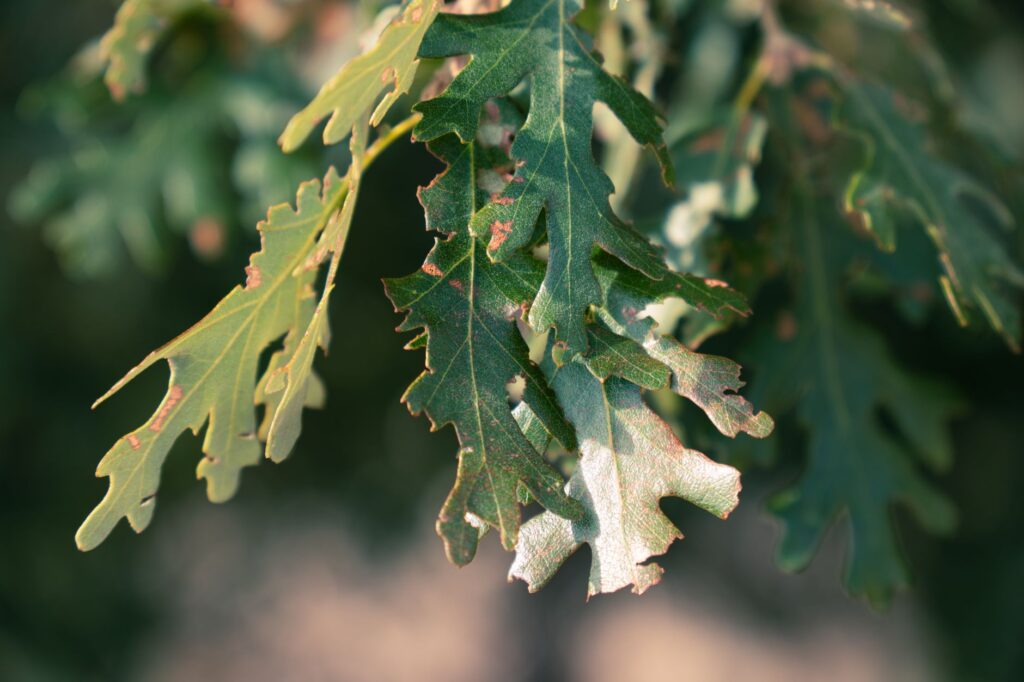
Decades of watching trees grow and fail in Monmouth County has reinforced one lesson repeatedly: matching the right tree to the actual soil conditions on a property is at least as important as species selection based on aesthetics or mature size.
Trees that consistently perform well in Middletown’s clay-loam soils are overwhelmingly native species that evolved on the Atlantic Coastal Plain. White oak (Quercus alba) and red oak (Quercus rubra) are excellent performers across a wide range of Middletown’s soil conditions. Swamp white oak (Quercus bicolor) is exceptional in sites where clay holds moisture into early summer — it tolerates both seasonal wet periods and summer drought far better than most ornamental alternatives. American sycamore (Platanus occidentalis), sweetgum (Liquidambar styraciflua), hackberry (Celtis occidentalis), and river birch (Betula nigra) are reliably adapted to heavier soils. These are trees whose root systems have, over thousands of years, developed strategies to navigate what our soils offer.
Trees that struggle in Middletown clay-loam are often the ones most heavily marketed at local nurseries. Japanese maple (Acer palmatum) wants well-drained, humus-rich, acidic soil with consistent moisture but never wet feet — clay-loam rarely delivers that combination. Ornamental cherries and weeping plum are prone to root disease in poorly drained sites. Most fruit trees, including peach, pear, and apricot, demand drainage that Middletown’s heavier subsoil often cannot provide, particularly in low-lying areas closer to the bayshore. Rutgers Cooperative Extension’s landscape resources provide regionally tested guidance on species selection for New Jersey soils and climate — worth consulting before any significant planting decision.
Working With Middletown's Soil Instead of Fighting It
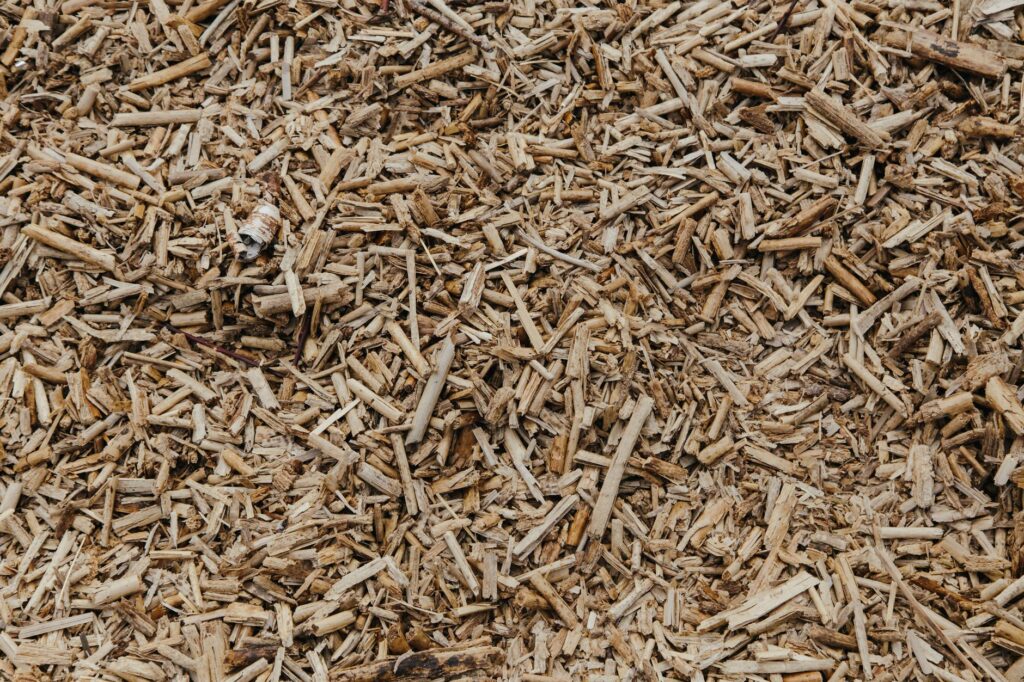
You cannot replace your soil, but you can manage the environment around your tree’s roots to buffer its worst effects. The practices that make the biggest difference are simpler than most homeowners expect.
For established trees, the highest-return investment is consistent, deep organic mulch applied in a four-inch layer from six inches out from the trunk to the drip line or beyond. Wood chip mulch — not dyed bark nuggets — insulates the soil against July’s baking temperatures, moderates moisture swings between wet and dry periods, and as it decomposes feeds the mycorrhizal fungi that help tree roots access nutrients through clay. The USDA Forest Service’s urban forestry resources consistently rank proper mulching as one of the highest-return practices for tree health in residential settings.
For new plantings in clay-loam, plant slightly high — two to three inches above surrounding grade — to compensate for settling and to keep the root flare above the chronically moist soil zone. Critically, never backfill with amended soil or potting mix. Fill the planting hole with the same clay-loam you excavated. Backfilling with richer material creates a pocket of different texture surrounded by native clay, and water moves toward that pocket and pools exactly where you do not want it — directly around the root ball.
For compacted sites under established trees, fall core aeration within the root zone can open channels for oxygen exchange that clay’s tight structure otherwise prevents. Hand-tool aeration to minimize root damage is preferable to mechanical aerators in areas with significant surface roots. Even modest improvement in oxygen penetration makes a measurable difference in root health over time.
Middletown's #1 Tree Expert Company
FREE Inspection & Estimate | Certified Arborists | Trimming, Pruning, Removal, More!
Sponsored
When to Call a Certified Arborist About Your Soil
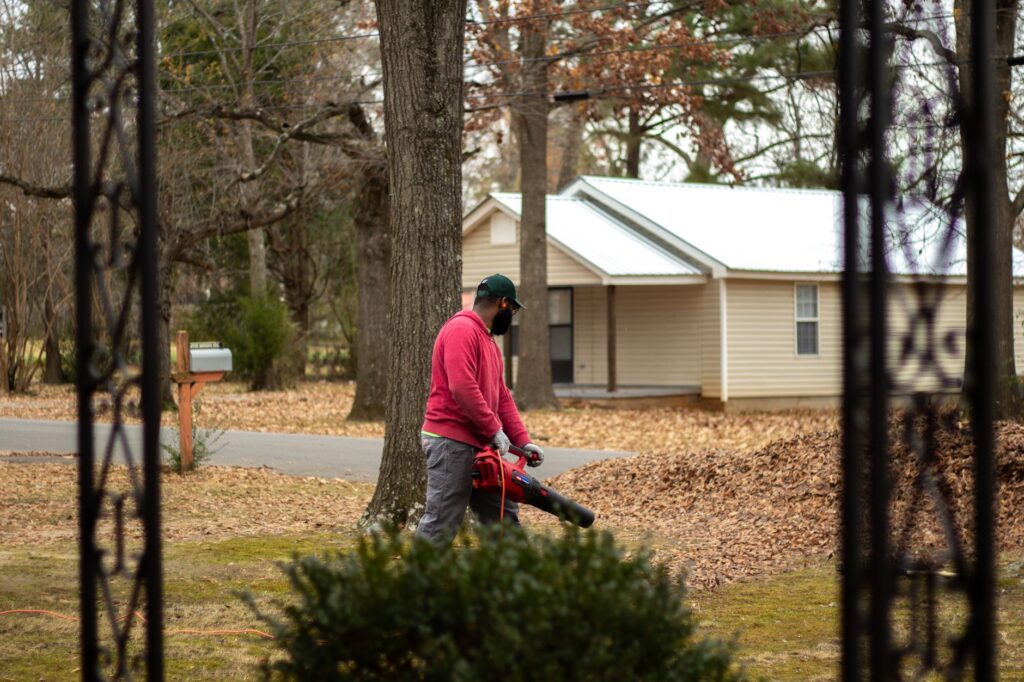
Most of what I’ve described in this article a homeowner can observe and act on without professional help. But there are situations where a certified arborist’s assessment is the right call — and soil conditions are often what’s driving them.
If you’ve lost multiple trees in the same area of the property, if trees repeatedly show crown dieback despite appropriate care, or if you’re about to invest in a significant planting and want the site properly evaluated first, a professional assessment is worth every penny. An arborist can evaluate soil drainage during or after a rain event, probe moisture at depth to understand the full soil profile, and identify root flare issues that waterlogging may have caused. In some cases, air spading — directing compressed air to expose and examine tree roots directly — reveals conditions in the top 18 inches of clay-loam that no surface inspection can detect.
Clay-loam is not a death sentence for Middletown trees. The township’s most magnificent oaks, sycamores, and maples are growing in exactly this material right now, some of them for a century or more. But soil awareness is what separates a homeowner who loses tree after tree from one who watches the same plantings thrive for generations. When you understand what’s under your lawn, you make better decisions about which trees to plant, how deep to plant them, how much to water and when, and what symptoms warrant concern versus patience.
If a summer of reading your trees has left you with more questions than answers, a conversation with a certified arborist is the fastest way to get grounded in what’s actually happening beneath the surface.
Photo credits: Featured image by www.kaboompics.com on Pexels; Section 1 by Johannes Plenio on Pexels; Section 2 by Thomas P on Pexels; Section 3 by Maria Luiza Melo on Pexels; Section 4 by 开 心 on Pexels; Section 5 by Cafer SEVİNÇ on Pexels; Section 6 by Ron Lach on Pexels; Section 7 by Paris Lopez on Pexels.