Middletown's #1 Tree Expert Company
FREE Inspection & Estimate | Certified Arborists | Trimming, Pruning, Removal, More!
Sponsored
The Tree in the Front Yard Is an Appraisal Line Item
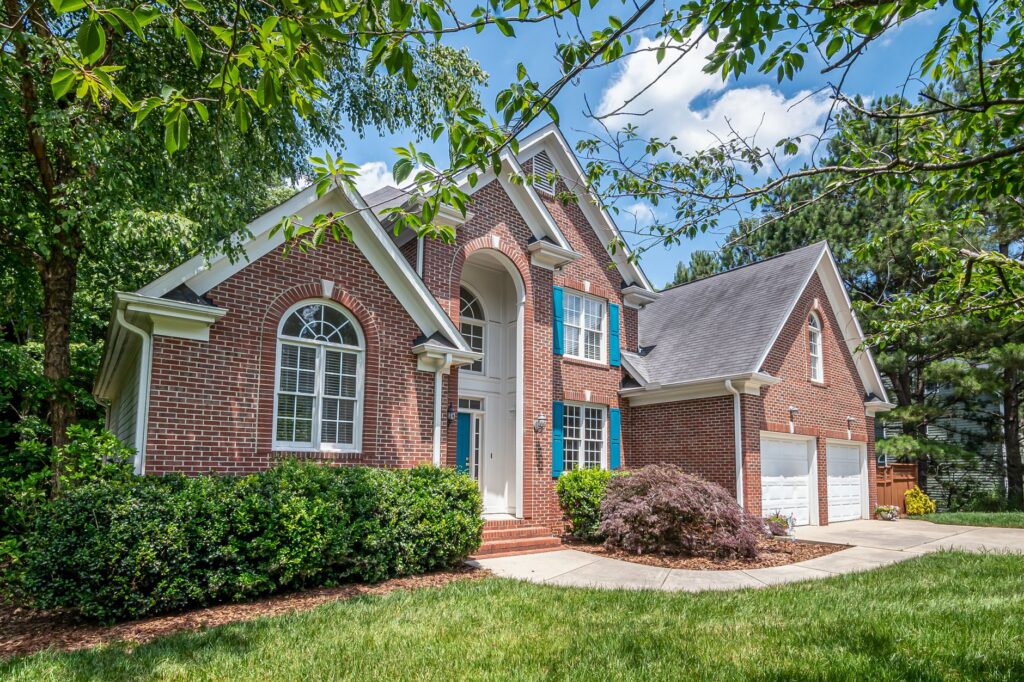
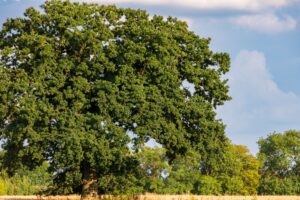
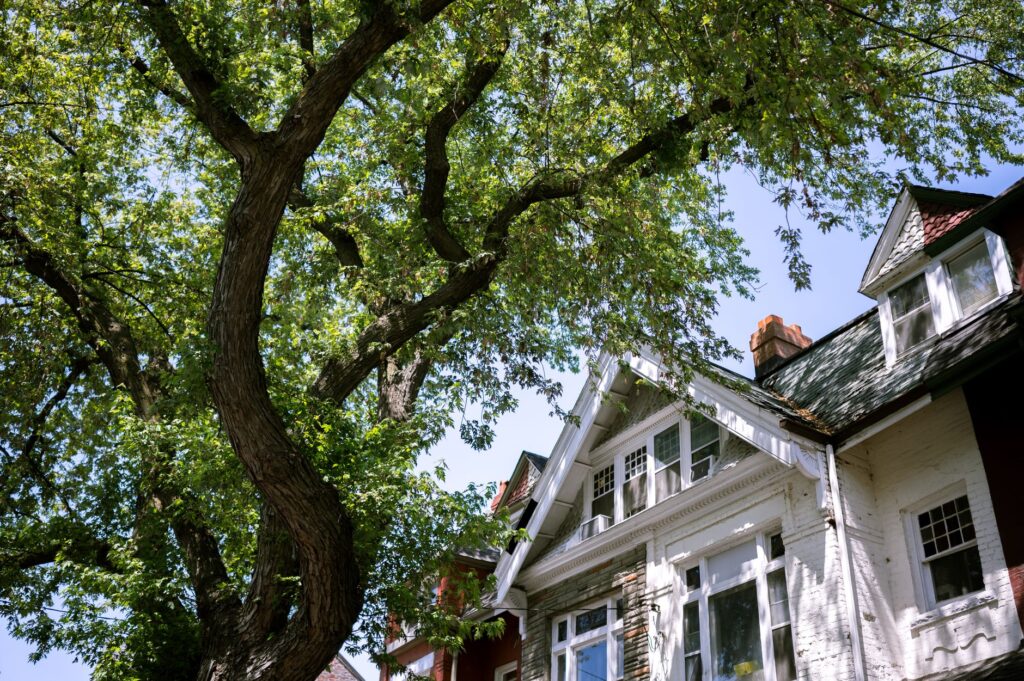
Every summer I get some version of the same call from a Middletown homeowner who’s listing their house: should I take down the big maple by the driveway before the photos go up, or does it help the sale? Almost always, the tree is worth more standing than it would be as a stump and a mulch pile. A mature white oak (Quercus alba) shading a colonial off Route 35 isn’t just scenery — it’s an asset with a number attached to it, and that number is bigger than most homeowners assume.
Real estate agents in Lincroft and Locust have known this for decades on instinct — the listings with big shade canopies photograph better and sell faster. What’s changed is that the economics are no longer just a hunch. The USDA Forest Service has pooled decades of hedonic pricing studies — the same statistical method appraisers use to isolate what a single feature adds to a sale price — into a national picture of what tree canopy is actually worth at closing.
This matters more in Middletown than in a lot of towns, because our housing stock skews older. Sections of Belford, Port Monmouth, and Navesink still have the 60- to 100-year-old shade trees that postwar development elsewhere clear-cut decades ago. That canopy is a competitive advantage in the local market, whether or not the seller realizes it.
What the Research Actually Says
The Forest Service’s meta-analysis pooled more than 150 property value observations across dozens of studies and found that homes with mature tree cover consistently sell for a premium over comparable homes without it — commonly cited in the range of 3 to 15 percent, depending on the market, the size and species of the trees, and how visible the canopy is from the street. In practical terms for a Middletown Township home, that’s often a five-figure swing tied directly to the trees on the lot.
The premium isn’t just about the tree itself — it’s about what the tree signals and what it does. A large, healthy shade tree lowers cooling costs by blocking western sun on a roof and siding through the hottest months, and buyers register that even if they can’t put a dollar figure on it during a walkthrough. It also softens stormwater runoff, muffles road noise from Route 35 and Route 36, and reads as “established neighborhood” rather than “new development,” which carries its own premium in a town where a lot of buyers are specifically shopping for character over newness.
Species and condition matter enormously here, though. A stressed, storm-damaged, or poorly structured tree doesn’t carry the same premium — in some cases it’s a liability line item instead, something a home inspector or buyer’s agent flags as a future removal cost. The value is in a healthy, well-placed, structurally sound tree, not just any tree that happens to be tall.
Where the Value Actually Comes From
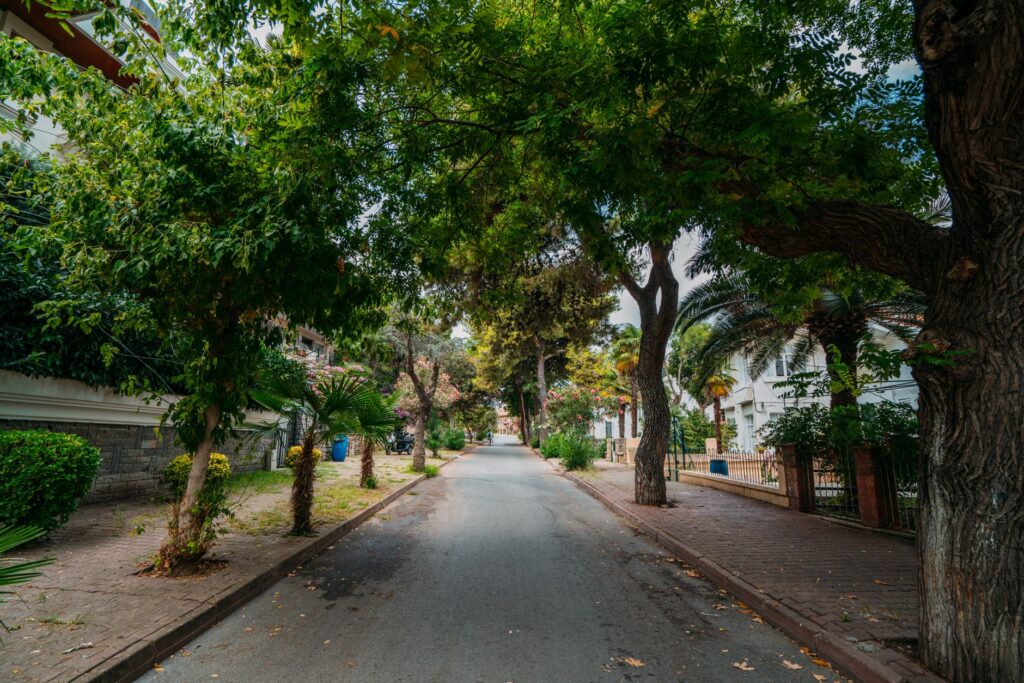
It helps to break down what buyers and appraisers are actually responding to, because it’s rarely just “bigger tree, more money.” A few factors do most of the work:
- Canopy visible from the street. A mature tree in the front yard or framing the house does more for perceived value than the same tree in a fenced backyard, simply because it’s part of the first impression.
- Species longevity and reputation. Long-lived natives — white oak, American beech (Fagus grandifolia), tulip poplar — read as an investment. Fast-growing, weak-wooded species like Bradford pear or silver maple are often viewed as a future expense rather than an asset, especially once buyers know their storm history.
- Structural condition. Included bark, large deadwood, or an obvious lean subtracts value fast — buyers and inspectors both notice a tree that looks like a liability.
- Proximity to the house and utilities. A gorgeous oak that’s clearly too close to the foundation or tangled in overhead lines reads as future cost, not present value.
This is why two houses with visually similar trees can appraise very differently. It’s not the silhouette that matters to a buyer’s agent walking the property with an inspector — it’s the health and structure behind it.
Middletown's #1 Tree Expert Company
FREE Inspection & Estimate | Certified Arborists | Trimming, Pruning, Removal, More!
Sponsored
The Trees That Subtract Instead of Add
Not every tree on a Middletown lot is doing the homeowner any favors, and this is the part of the conversation sellers don’t always want to hear. A silver maple with a trunk full of included bark hanging over the roofline isn’t an asset — it’s a repair estimate waiting to happen, and a sharp buyer’s inspector will say so. Norway maple, common in older Middletown plantings and now recognized as invasive by the NJ DEP Forest Service, casts such dense shade that it can kill off the lawn and understory beneath it, which shows up as bare, compacted dirt in listing photos.
Trees planted too close to the foundation are their own category of problem. What looked like reasonable spacing when a Cape Cod on a quarter-acre lot in Middletown was built in 1962 is now a mature tree with roots against the footing and branches scraping the siding. An appraiser or inspector who sees that isn’t thinking “charming mature landscaping” — they’re thinking “line item for the buyer’s contractor.”
The fix is rarely “remove everything.” It’s usually selective — take down the compromised or poorly placed tree, keep and maintain the healthy ones, and let the remaining canopy do its job. A certified arborist can tell you, tree by tree, which ones are assets and which ones are risk sitting on your balance sheet.
Protecting the Value You Already Have
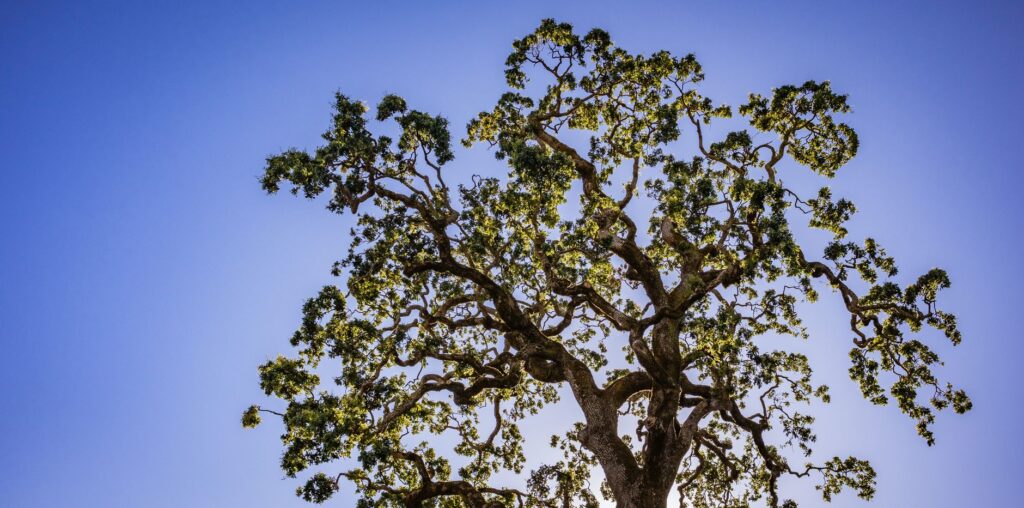
If you already own the mature shade tree, the smartest move isn’t planting something new — it’s protecting what you’ve got. A tree that’s been mulched properly, watered through drought stretches, and had deadwood removed on a normal cycle simply looks and performs better at listing time than one that’s been ignored for a decade. Cabling a co-dominant stem, correcting girdling roots while a tree is still young enough to recover, or having a crown thinned rather than topped are all investments that pay back at resale, not just in curb health.
It’s also worth having documentation. A written condition report from a certified arborist — noting species, approximate age, health, and any risk mitigation performed — is the kind of thing a listing agent can hand to a skeptical buyer or their inspector. It reframes the tree from “unknown liability” to “documented, maintained asset,” the same way service records do for an older car.
None of this needs to happen right before a sale, either. The trees that carry the most value at closing are the ones that have been maintained consistently for years, not touched up the month before the photographer shows up.
Planting for Value, Not Just for Now
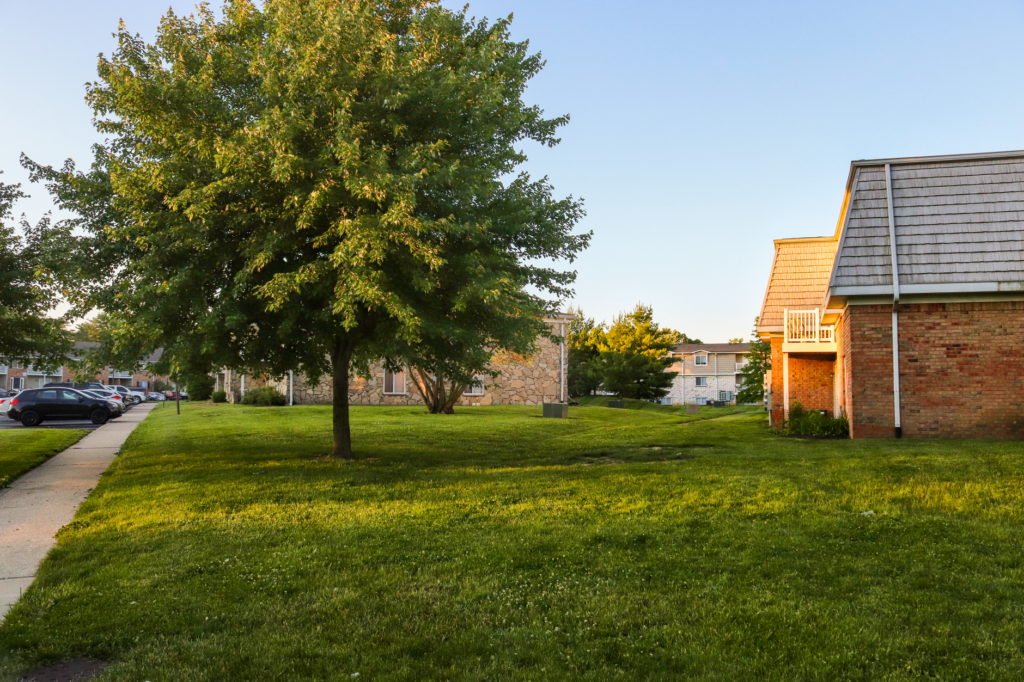
If you’re not selling anytime soon, the more useful question is which trees to plant now that will be assets — not liabilities — for the next owner. This is where right tree, right place pays off decades later. For Middletown’s clay-loam soils and coastal-influenced climate, the Rutgers Cooperative Extension consistently points homeowners toward durable natives: white oak, red maple (Acer rubrum), and American hornbeam for larger lots; serviceberry or eastern redbud for tighter spaces near the house or under wires.
Placement is at least as important as species selection. A shade tree planted 20-plus feet from the foundation, clear of the septic field and driveway, and positioned to block afternoon sun on the west or southwest side of the house will be doing real work — for the electric bill and for resale value — within 10 to 15 years. Plant that same species eight feet from the foundation and you’ve created next decade’s removal estimate instead of an asset.
It’s a long game, admittedly. A homeowner planting a young oak today is investing in a tree that won’t hit its full value-adding size until well after they may have sold the house. But that’s exactly the point — you’re not just landscaping your own yard, you’re setting up whoever owns this house in 2050.
Middletown's #1 Tree Expert Company
FREE Inspection & Estimate | Certified Arborists | Trimming, Pruning, Removal, More!
Sponsored
What This Means If You're Buying or Selling in Middletown

If you’re preparing to list a home in Middletown Township this season, don’t reflexively clear healthy shade trees to “open up the yard” for photos — in most cases that reduces curb appeal and value rather than improving it. Instead, get a quick health assessment on the trees you have. Cabling, deadwood removal, or a modest crown clean can make an aging shade tree look — and appraise — like the asset it is, for a fraction of what removal and stump grinding would cost.
If you’re buying, walk the lot with an eye on tree condition as much as tree size. A large, structurally sound white oak is a genuine selling point. A large, structurally compromised one is a negotiating chip — use it as one, and budget for the work.
Either way, a certified arborist can give you a clear read in one visit: which trees are adding value, which ones need attention, and which ones are quietly costing you money every year they’re left alone.
Photo credits: Featured image by Harrison Haines on Pexels; Section 1 by Curtis Adams on Pexels; Section 2 by Pavel Danilyuk on Pexels; Section 3 by Sami TÜRK on Pexels; Section 4 by Roman Biernacki on Pexels; Section 5 by Robert So on Pexels; Section 6 by Tyler Mascola on Pexels; Section 7 by Kindel Media on Pexels.