
Middletown's #1 Tree Expert Company
FREE Inspection & Estimate | Certified Arborists | Trimming, Pruning, Removal, More!
Sponsored
Your Tree Has Been Through a Lot This Month
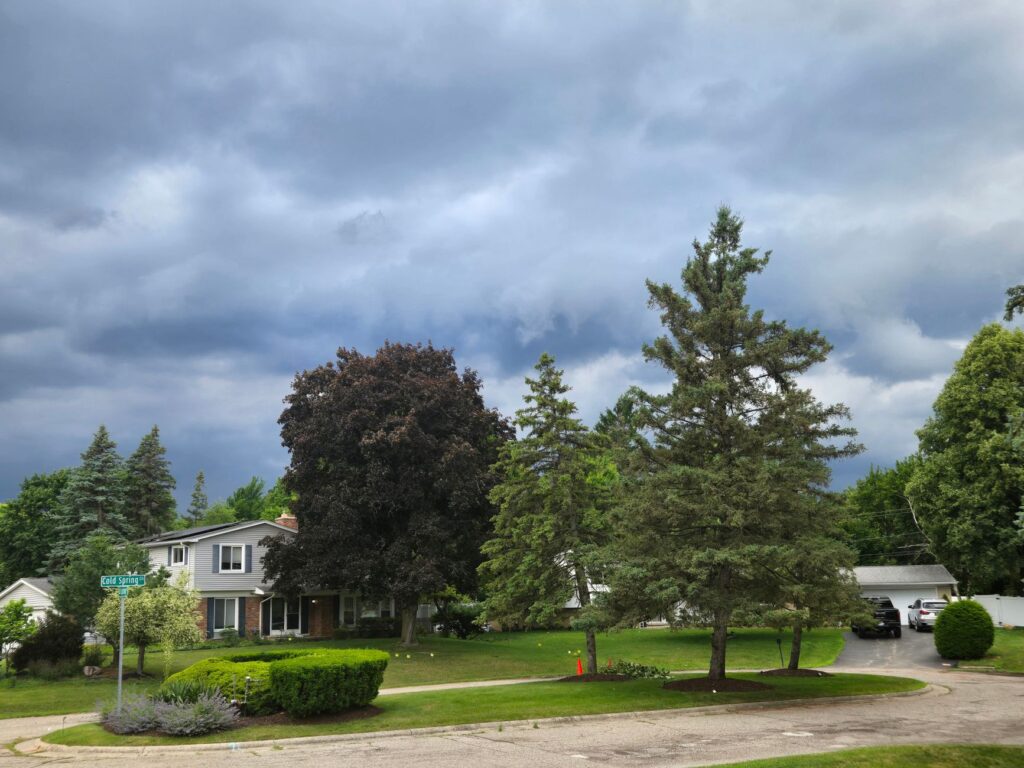
By the second or third stretch of 90-degree days, I start getting the same call from Lincroft to Leonardo: “My tree looked fine in June — what happened?” Usually nothing dramatic happened. The tree simply ran out of runway. A red maple (Acer rubrum) or pin oak (Quercus palustris) that tolerated a wet spring just fine can hit a wall once Middletown Township settles into the flat, humid heat that typically arrives by mid-July, especially on the sandier, faster-draining pockets of soil near the Bayshore.
The good news is that heat and drought stress, caught early, is one of the more recoverable problems a tree can have. It’s not a disease, it’s not an insect, and it doesn’t require a pesticide label. It requires a plan — and most of that plan is work a homeowner can do themselves over the next few weeks. This isn’t a diagnosis guide; it’s the recovery checklist I hand clients once we’ve already confirmed heat stress is the issue. Work through it in order.
Confirm It's Heat Stress Before You Act
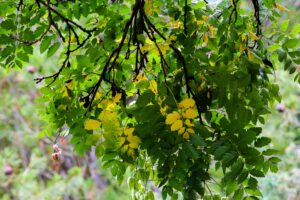
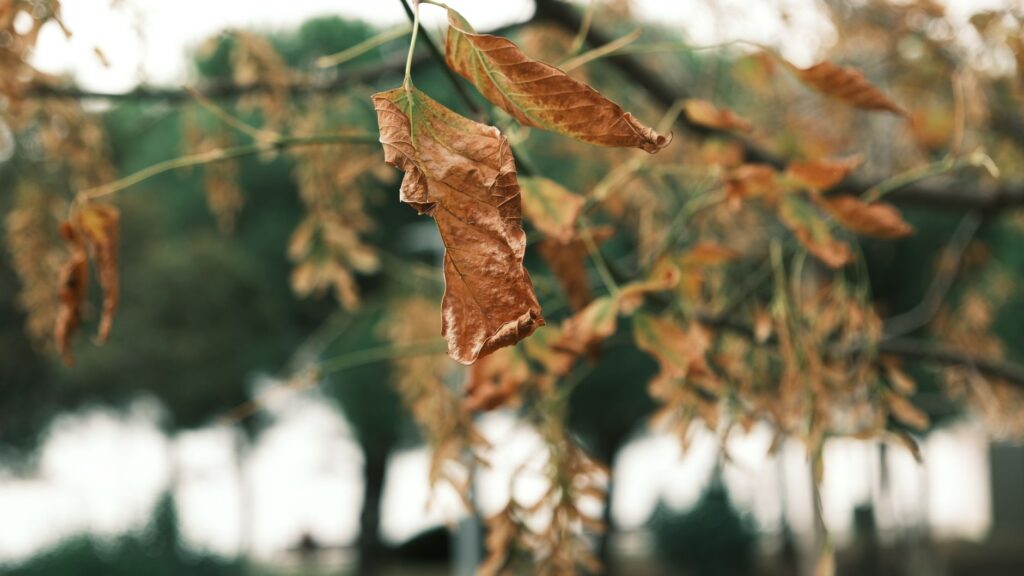
Before starting any recovery plan, rule out the obvious impostors. Heat and drought stress typically show up as leaf curling or drooping in the afternoon that partially recovers overnight, marginal browning (scorch) along the outer edges of leaves, and premature yellow-to-brown leaf drop concentrated on the sun-exposed, south and west sides of the canopy. If you’re instead seeing sudden wilting on just one branch, sawdust-like frass at the base, oozing cankers, or dieback that doesn’t correlate with sun exposure, you’re likely looking at something else — a borer, a canker disease, or a root-zone injury — and the steps below won’t fix it.
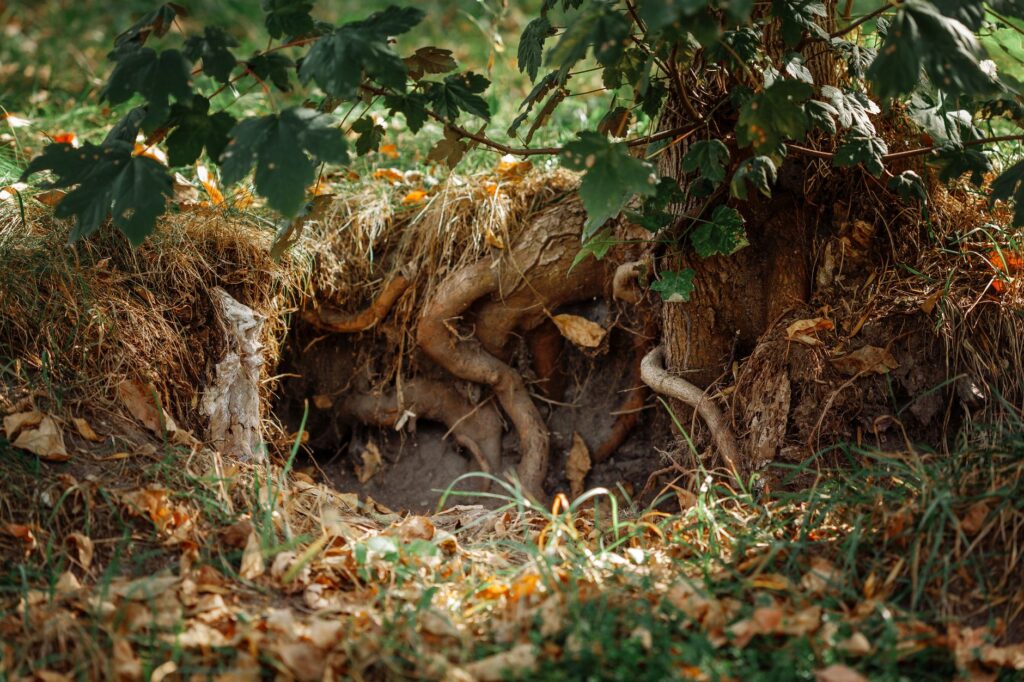
One quick field test: push a soil probe or long screwdriver into the root zone, roughly out at the drip line rather than right against the trunk. If it meets resistance within the top 6 inches on a day that hasn’t seen rain in a week or more, dry soil is very likely a contributing factor. Rutgers Cooperative Extension has good baseline guidance on diagnosing plant stress symptoms if you want a second opinion before committing to the watering schedule below.
Step 1: Fix the Watering — Depth Over Frequency
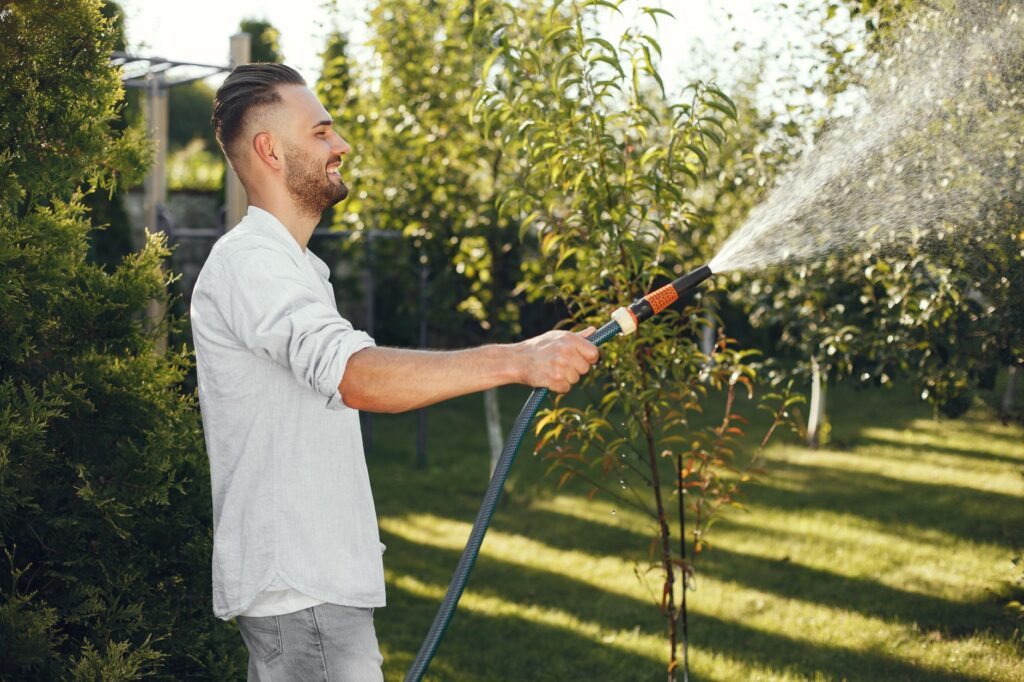
This is where most well-intentioned homeowners go wrong, and it’s the single highest-leverage fix. A quick daily sprinkle wets the top inch of soil and trains roots to stay shallow, which makes the next heat wave worse, not better. What a stressed tree actually needs is a slow, deep soak that reaches 10-12 inches down, where the active feeder roots are working.
For a mature shade tree, that means running a soaker hose or a slow-trickling garden hose at the drip line — not against the trunk — for 45 minutes to an hour, once or twice a week, rather than every day. For a newly planted or young tree (under 3 years in the ground), 15-20 gallons delivered slowly, two to three times a week during a heat wave, is a reasonable target. The USDA Forest Service publishes general urban tree care guidance that backs up the same principle: infrequent, deep watering builds drought resilience; frequent, shallow watering doesn’t.
If your property is on Middletown’s heavier clay-loam soils, water more slowly to avoid runoff before it infiltrates — a five-gallon bucket with a few small nail holes drilled near the bottom, set at the drip line and refilled, works better than a hose on high.
Middletown's #1 Tree Expert Company
FREE Inspection & Estimate | Certified Arborists | Trimming, Pruning, Removal, More!
Sponsored
Step 2: Adjust the Mulch, Skip the Fertilizer
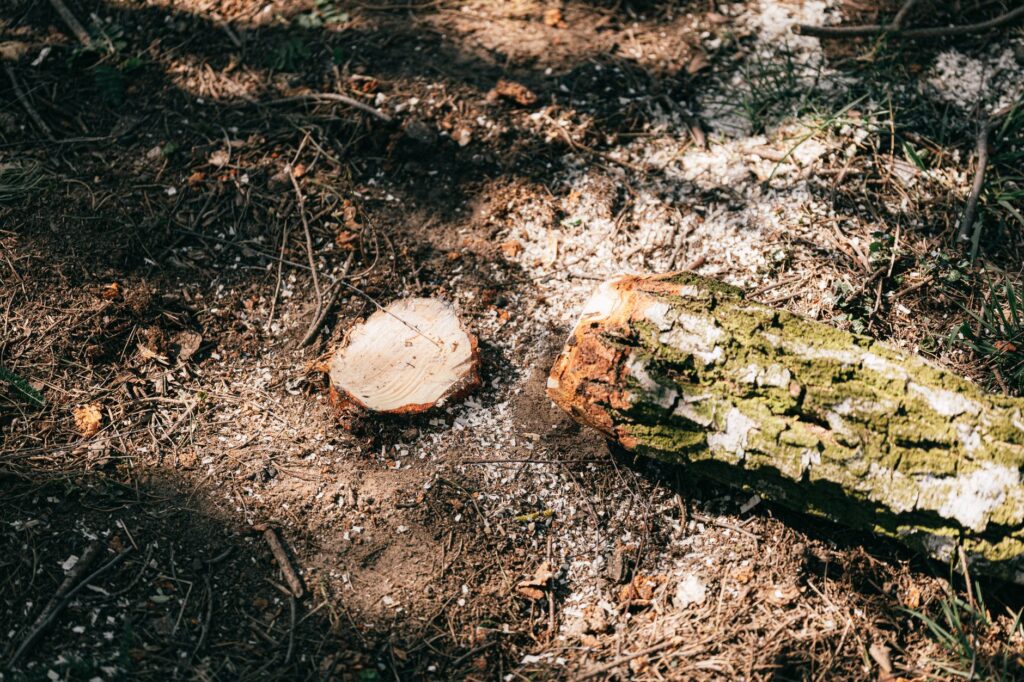
Check your mulch ring while you’re out there watering. It should be about 2-3 inches deep and pulled back a few inches from the trunk flare — not mounded against the bark. If it’s thin, worn down, or compacted, refresh it; a proper mulch ring moderates soil temperature and slows moisture loss dramatically compared to bare soil or turf right up to the trunk.
What you should not do right now is fertilize. It’s a common instinct to want to “feed” a struggling tree, but pushing new growth during heat stress asks a tree that’s already short on water to spend more energy supporting new leaf tissue it can’t support. The International Society of Arboriculture’s tree watering resources cover this same principle — water and shade first, feeding later, once the tree has stabilized. If you were planning fall fertilization anyway, hold that thought for cooler weather.
Step 3: Hands Off the Pruning Shears (Mostly)
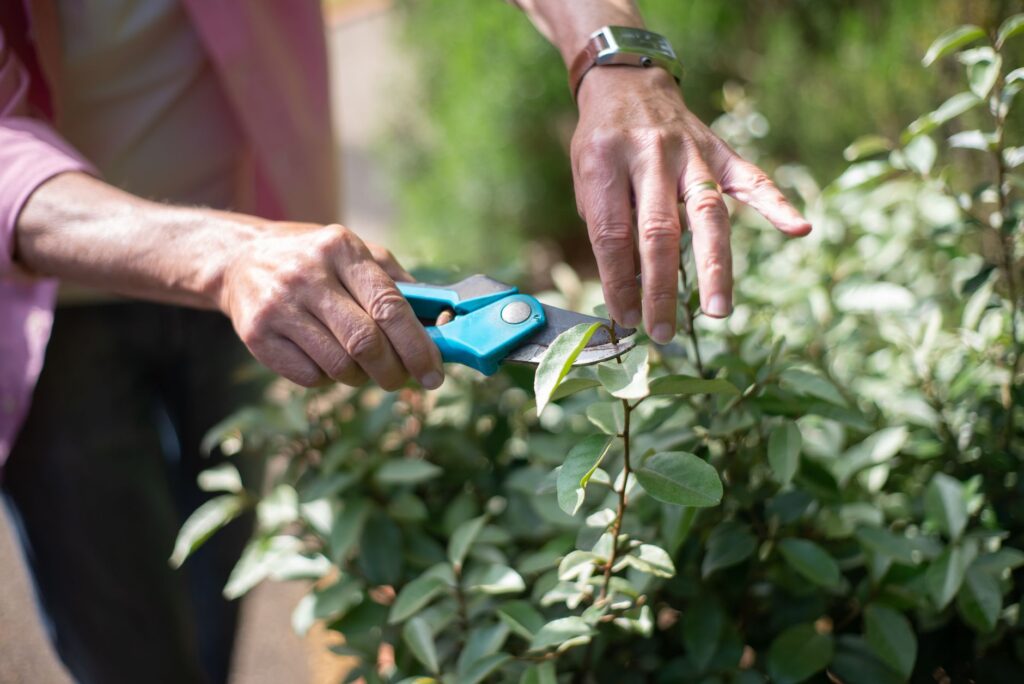
Heat stress is not the time for a general cleanup pruning. Removing healthy foliage reduces the tree’s ability to photosynthesize and recover, and fresh pruning wounds in high heat close more slowly. The exception is genuine hazards: a limb that’s already dead, cracked, or clearly failing structurally should still come down for safety reasons regardless of season — that’s a liability call, not an aesthetics call.
If you’re tempted to prune back scorched leaf margins because they look bad, resist it. Scorched tissue on an otherwise attached, living leaf is still contributing some photosynthesis, and the leaf will do its job until it drops naturally. Save the shaping and deadwood cleanup for the dormant season, when the tree isn’t also fighting drought stress.
- Do: remove obviously dead or hazardous limbs
- Don’t: thin the canopy or shape for appearance
- Don’t: top or heavily reduce a stressed tree
- Wait on: routine structural pruning until cooler, wetter weather returns
If you’re unsure whether a limb qualifies as hazardous versus just unattractive, that’s a good reason to get a second set of eyes rather than guess with a saw.
What Recovery Looks Like — and the Timeline to Expect
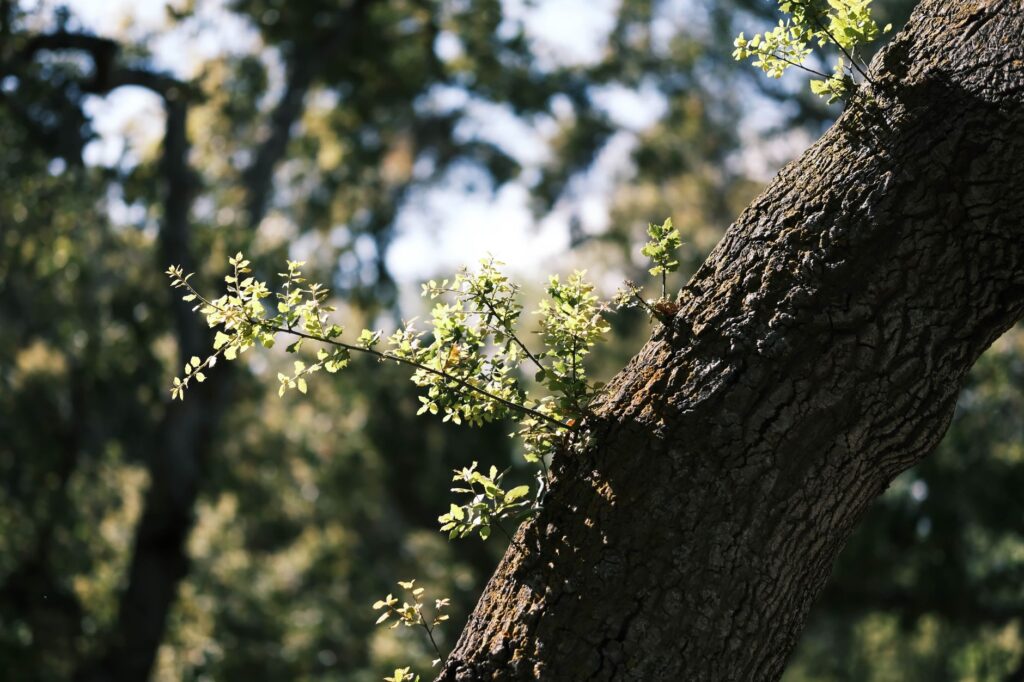
Once you’ve corrected the watering, checked the mulch, and left the pruning shears in the garage, give it time. Trees don’t recover on a homeowner’s schedule. Expect new leaf color to stay muted for the rest of this season — a heat-stressed tree isn’t going to look lush again until next spring’s flush. What you’re watching for in the next 2-4 weeks is stabilization, not a full comeback: afternoon wilting that used to look severe should look milder, leaf drop should slow down, and the canopy shouldn’t be losing more foliage than it already has.
Keep the deep-watering schedule going through any dry stretch for the rest of summer, not just this one heat wave — one good recovery week doesn’t undo weeks of deficit. If Middletown gets a genuinely wet stretch, you can back off the supplemental watering and let rainfall do the work; just keep checking that soil probe periodically so you’re reacting to actual conditions rather than the calendar.
Middletown's #1 Tree Expert Company
FREE Inspection & Estimate | Certified Arborists | Trimming, Pruning, Removal, More!
Sponsored
When to Call a Certified Arborist Instead
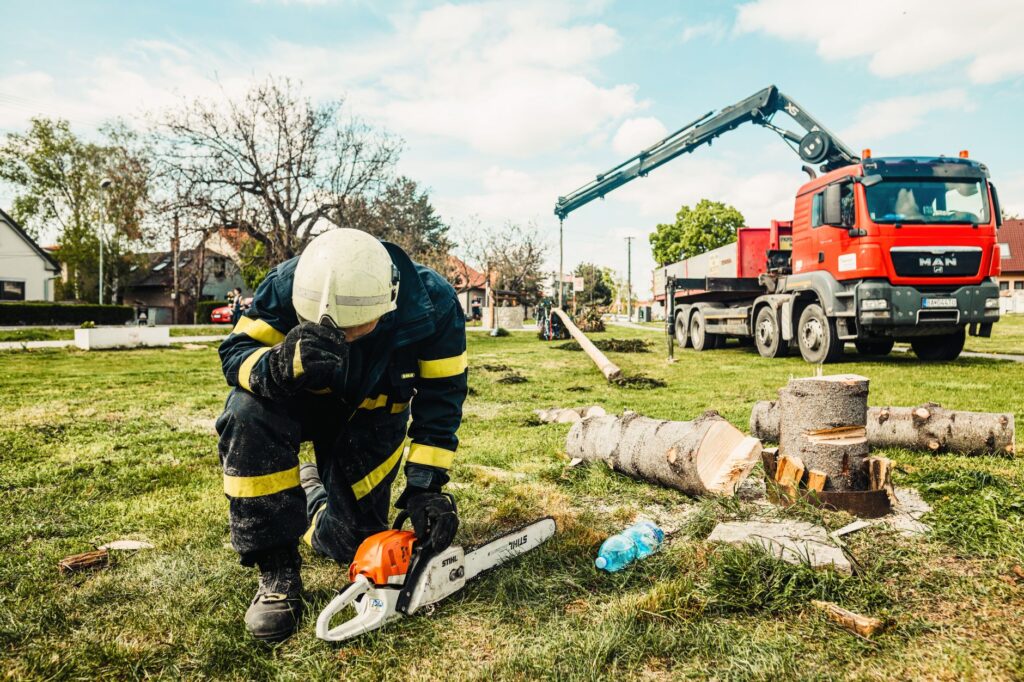
Most heat stress resolves with consistent watering and patience. Call a certified arborist for an in-person assessment if you see any of the following: continued decline after two to three weeks of proper deep watering, bark that’s splitting or peeling away from the trunk, fungal growth at the base, or a lean or root-zone heaving that wasn’t there before. Those signs point past ordinary drought stress toward root damage, girdling roots, or a secondary pest or pathogen taking advantage of a weakened tree — situations where a soil probe and a hose won’t be enough.
It’s also worth a call if the stressed tree is large enough that a structural failure would land on your house, a driveway, or a neighbor’s property — the stakes for waiting are higher than for a small ornamental. The Tree Care Industry Association maintains a directory of accredited tree care companies if you want to verify credentials before anyone climbs into your canopy. Most of the time, though, the fix for a heat-stressed Middletown tree is the least glamorous kind: water it right, leave it alone, and give it the rest of the season to come back.
Photo credits: Featured image by hubbugaye on Pexels; Section 1 by Kevin Early on Pexels; Section 2 by Julia Filirovska on Pexels; Section 3 by Gustavo Fring on Pexels; Section 4 by www.kaboompics.com on Pexels; Section 5 by Kampus Production on Pexels; Section 6 by ha ha on Pexels; Section 7 by Helena Jankovičová Kováčová on Pexels.