Middletown's #1 Tree Expert Company
FREE Inspection & Estimate | Certified Arborists | Trimming, Pruning, Removal, More!
Sponsored
The Tree Is Coming Down. Is a Permit Coming First?
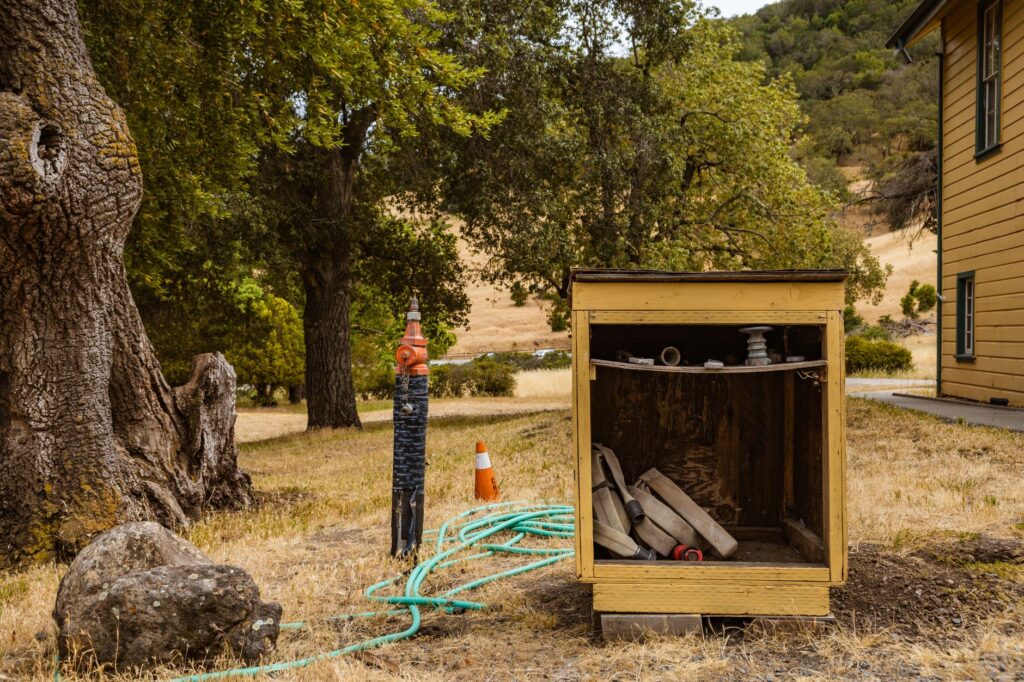
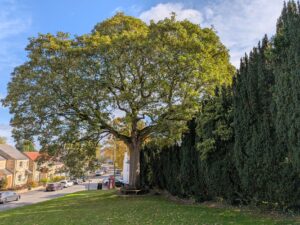
Every July I get some version of the same call. A homeowner in Lincroft or Port Monmouth is finally putting in the pool, the deck, or the shed they’ve been planning all spring, and there’s a 60-foot white oak (Quercus alba) standing exactly where the contractor needs to dig. “Can you just take it down this week?” they ask. The honest answer is almost always: not until we check with the township first.
Middletown Township regulates tree removal on private property, and the rules catch a lot of homeowners off guard. Nobody expects to need paperwork to deal with a tree in their own backyard — but the township’s current ordinance means an unpermitted removal can turn a simple landscaping decision into a code violation, a fine, and in some cases a required replacement planting you didn’t budget for.
This isn’t Middletown being difficult for its own sake. It’s part of a broader shift across New Jersey, and understanding why the rule exists makes it a lot easier to work with instead of around.
Why Middletown Regulates Tree Removal at All
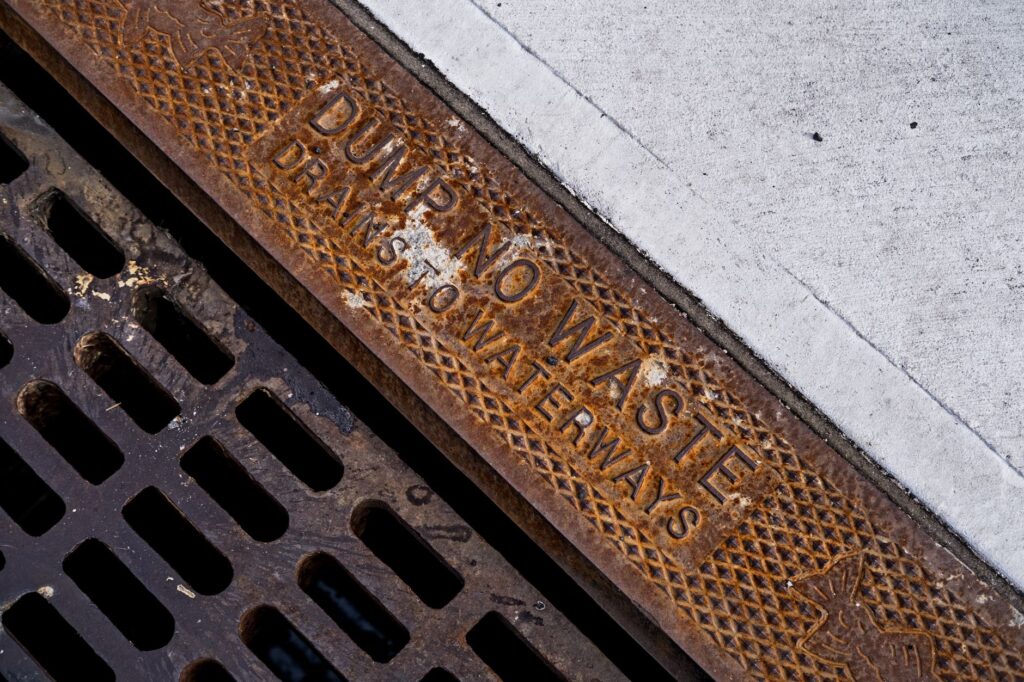
Most homeowners assume tree ordinances are about aesthetics — keeping a leafy street leafy. That’s part of it, but the bigger driver in Middletown, and across New Jersey generally, is stormwater. In late 2022, the NJ Department of Environmental Protection’s municipal stormwater permit program began requiring towns to adopt community-wide tree removal and replacement rules as a condition of their stormwater discharge permits. Tree canopy slows and absorbs rainfall before it ever reaches a storm drain; every mature oak or maple removed from a residential lot is, in the DEP’s math, a little more runoff headed for the Bayshore and the Navesink and Shrewsbury watersheds.
Middletown’s tree removal and replacement ordinance is the township’s response to that mandate. It applies specifically to the removal of trees on developed and undeveloped land, and it’s layered on top of the older provisions in the township code that establish the Shade Tree Commission and govern street trees. Practically speaking, that means the rule you need to know about isn’t just “don’t cut down street trees” — it’s a permitting step for a much wider range of private removals than most people expect.
What Actually Requires an Application
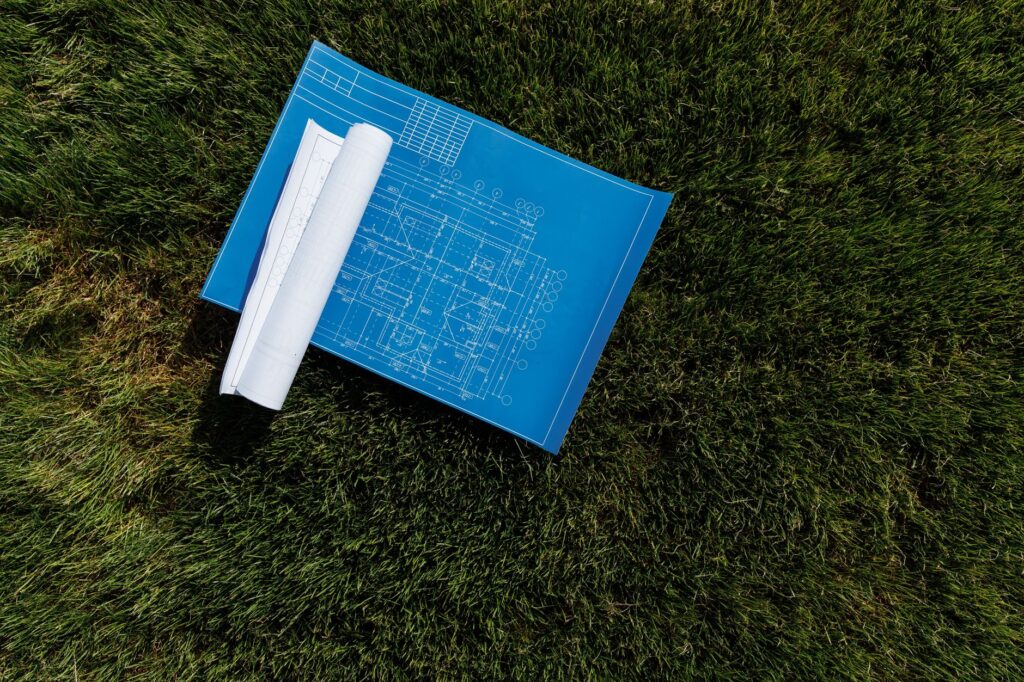
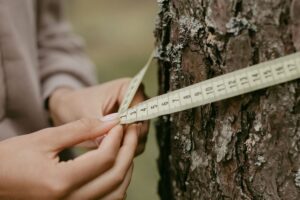
The trigger isn’t just size, though diameter at breast height (DBH) matters for how the removal is classified. In practice, removing a tree of meaningful size on a residential lot in Middletown means filing an application, generally through the township’s permitting portal, before any cutting starts. The application typically needs a property survey or sketch showing where the tree sits relative to structures and lot lines, along with the species and approximate diameter.
Smaller residential lots — properties around 10,000 square feet or less with an existing home already on them — are often exempt from the ordinance’s replacement requirement, meaning you may not have to plant a new tree to offset the one you’re removing. But that exemption is usually about replacement, not about the application itself. You still typically need to notify the township and go through the review step even on a small suburban lot, which surprises a lot of Chapel Hill and Lincroft homeowners who assumed the rule only applied to builders and developers.
Removal in an environmentally sensitive area — wetlands, wetland buffers, dune areas near the Bayshore, or land under a conservation easement — is a separate and stricter conversation, and often isn’t something a straightforward application resolves. If your property backs up to a tributary or sits near tidal wetlands, that’s a call to make before you call anyone with a chainsaw.
Middletown's #1 Tree Expert Company
FREE Inspection & Estimate | Certified Arborists | Trimming, Pruning, Removal, More!
Sponsored
The Exceptions That Actually Matter
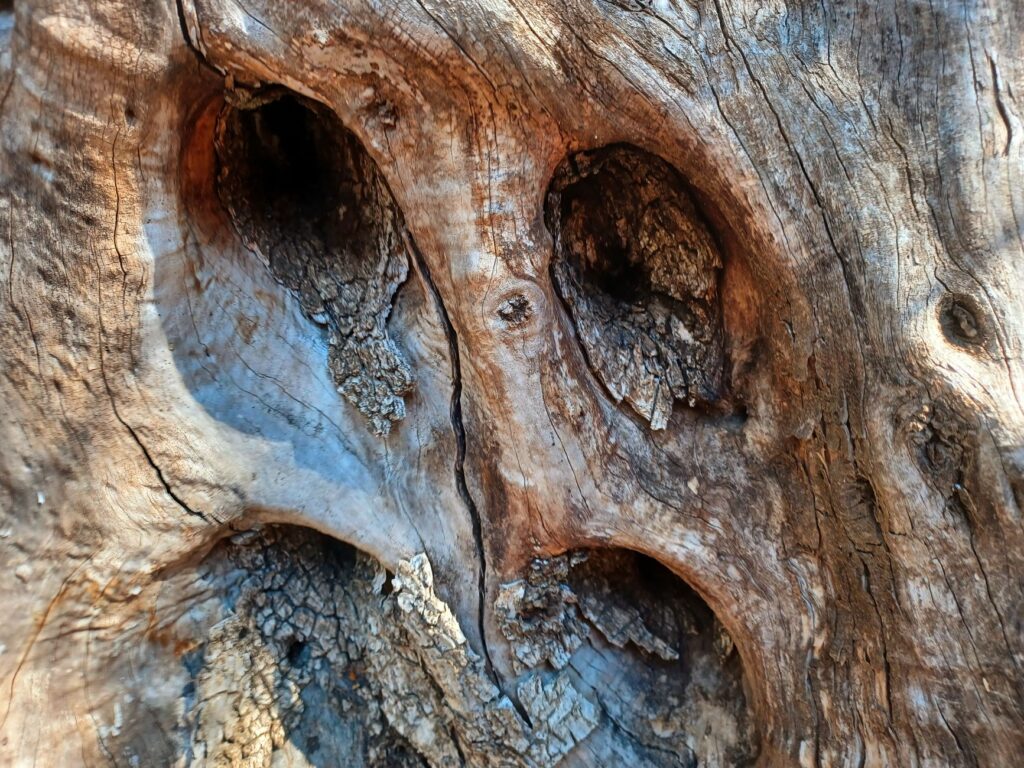
The good news: Middletown’s ordinance, like most New Jersey municipal tree ordinances, isn’t designed to stop you from removing a genuinely hazardous tree. Dead, diseased, storm-damaged, and invasive-species trees are typically handled under an exemption or an expedited path, often without a replacement obligation, provided there’s documentation to back it up.
That documentation is exactly where a certified arborist earns their fee. A written hazard assessment — noting decay, root failure, dieback, or storm damage — is usually what the township wants to see before waiving the standard review. The International Society of Arboriculture outlines what a proper hazard evaluation covers, and it’s worth having that assessment in hand before you file anything, even for a tree that looks obviously far gone to you. “Obviously dead” to a homeowner and “documented hazard” to a code office are not always the same standard.
Active agricultural land also tends to be treated differently under these ordinances, since farm operations fall under separate state protections. But for the typical residential lot in Middletown, the exemptions exist for trees that are already a liability — not for a healthy tree that’s simply in the way of a new patio.
What Happens If You Skip the Step
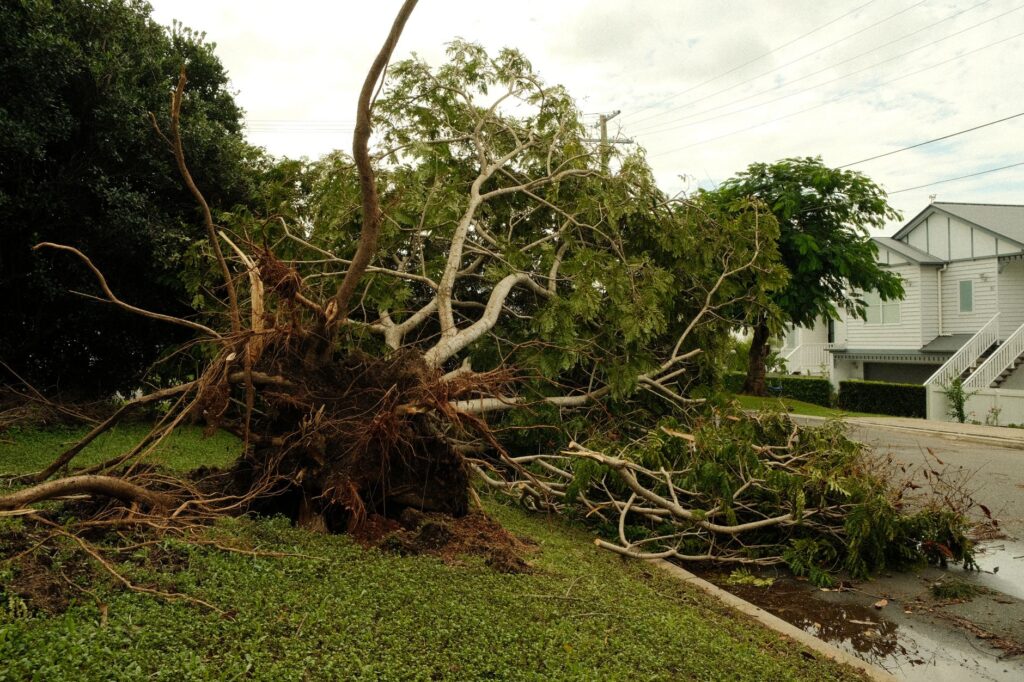
Middletown Township, like most municipalities enforcing these ordinances, has fine schedules for unpermitted removal, and code enforcement does follow up on complaints — a neighbor noticing a mature tree gone overnight is a common trigger. Beyond the fine itself, an after-the-fact violation can require a mitigation planting, sometimes at a size or quantity larger than what a pre-approved removal would have required. In other words, skipping the paperwork rarely saves money; it usually costs more once it’s discovered.
There’s also a practical wrinkle worth knowing about if a storm is involved. After a nor’easter or a summer microburst takes a limb or an entire tree down, emergency removal for safety reasons is generally treated differently than a planned removal — you’re not expected to file an application before clearing a tree that’s on your roof. But if the tree is still standing and merely storm-damaged, rather than down, it’s worth getting that hazard documented before removal so there’s no ambiguity about which category it falls into.
How to Actually Get This Right
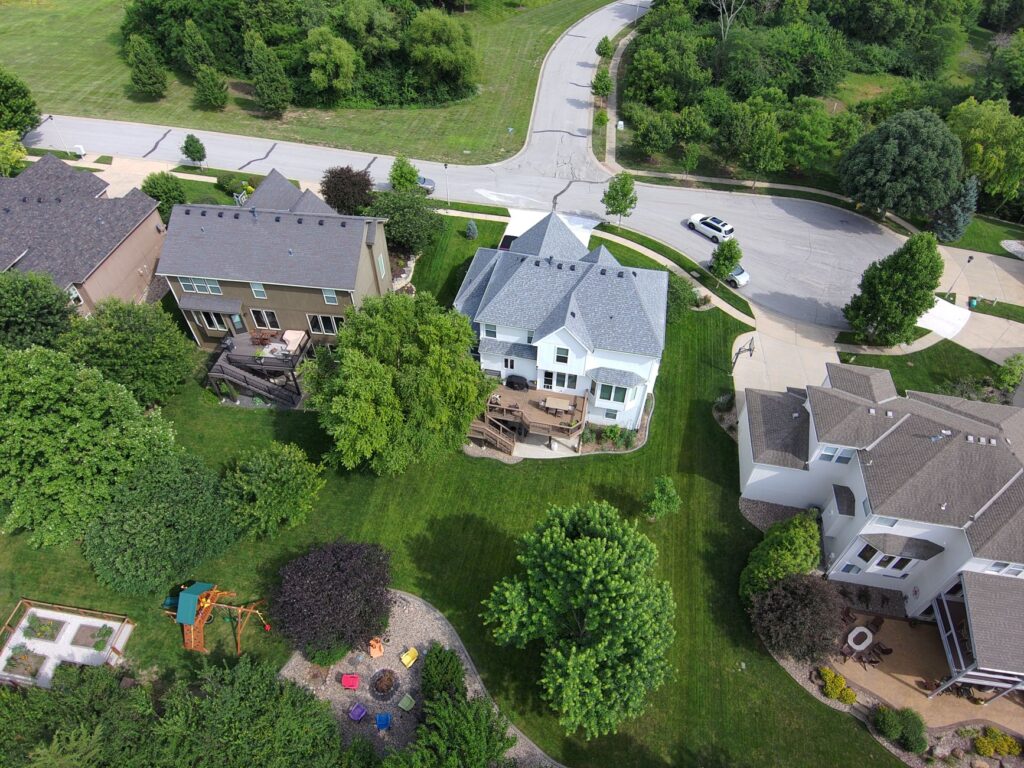
Before you schedule removal of anything beyond a small ornamental, a few steps save real headaches:
- Check the tree’s location against your property survey — proximity to lot lines and easements changes what applies.
- Call Middletown’s code enforcement or zoning office, or check middletownnj.org, to confirm current application requirements before you commit to a removal date.
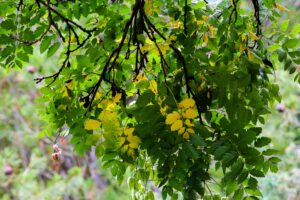
- If the tree is questionable — declining canopy, visible cavities, fungal conks at the base, leaning — get a certified arborist’s written assessment first. It protects you either way: it supports an exemption if the tree qualifies, and it gives you an honest picture if it doesn’t.
- Build the permitting timeline into your project schedule. A pool or deck contractor’s start date shouldn’t be the thing forcing a rushed, unpermitted removal.
None of this is designed to make homeowners feel like they need a lawyer to deal with their own yard. It’s designed to slow down the handful of cases — a healthy shade tree removed on a whim, a wetland buffer cleared without anyone checking — that the ordinance actually exists to catch.
Middletown's #1 Tree Expert Company
FREE Inspection & Estimate | Certified Arborists | Trimming, Pruning, Removal, More!
Sponsored
When to Call a Pro
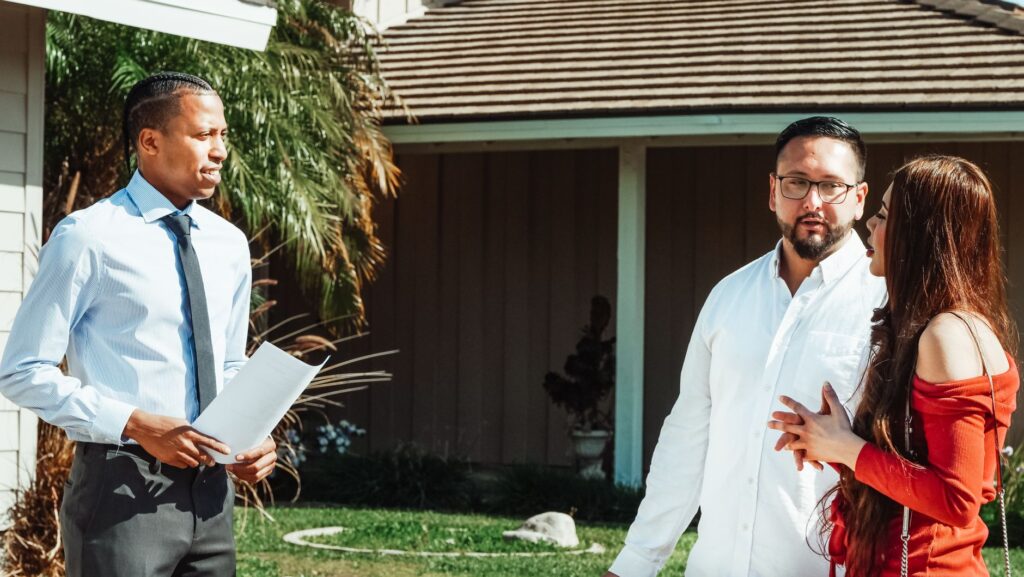
If you’re staring down a tree removal decision this summer — whether it’s driven by a construction project, storm damage, or a tree that’s simply been declining for a few seasons — the fastest way through the process is usually the same move: get a certified arborist to look at the tree before you touch the permitting portal at all.
A proper assessment tells you which category you’re actually in — routine removal, hazard exemption, or something that needs a closer look because of a wetland buffer or a large DBH — and gives you documentation the township will actually accept. It also protects you from the worst outcome, which isn’t a fine. It’s removing a tree that didn’t need to come down, or leaving one standing that genuinely was a hazard, because nobody looked closely enough to tell the difference.
Middletown’s trees are worth the extra step either way. Whether you end up filing an application, qualifying for an exemption, or deciding the tree can wait another season, a certified arborist’s assessment is the one part of this process that pays for itself no matter which direction you go.
Photo credits: Featured image by Pavel Danilyuk on Pexels; Section 1 by Robert So on Pexels; Section 2 by Malcolm Garret on Pexels; Section 3 by Thirdman on Pexels; Section 4 by Antoine Conotte on Pexels; Section 5 by April Yang on Pexels; Section 6 by David McBee on Pexels; Section 7 by Kindel Media on Pexels.