Middletown's #1 Tree Expert Company
FREE Inspection & Estimate | Certified Arborists | Trimming, Pruning, Removal, More!
Sponsored
The Call I Get Right After the Adjuster's Call
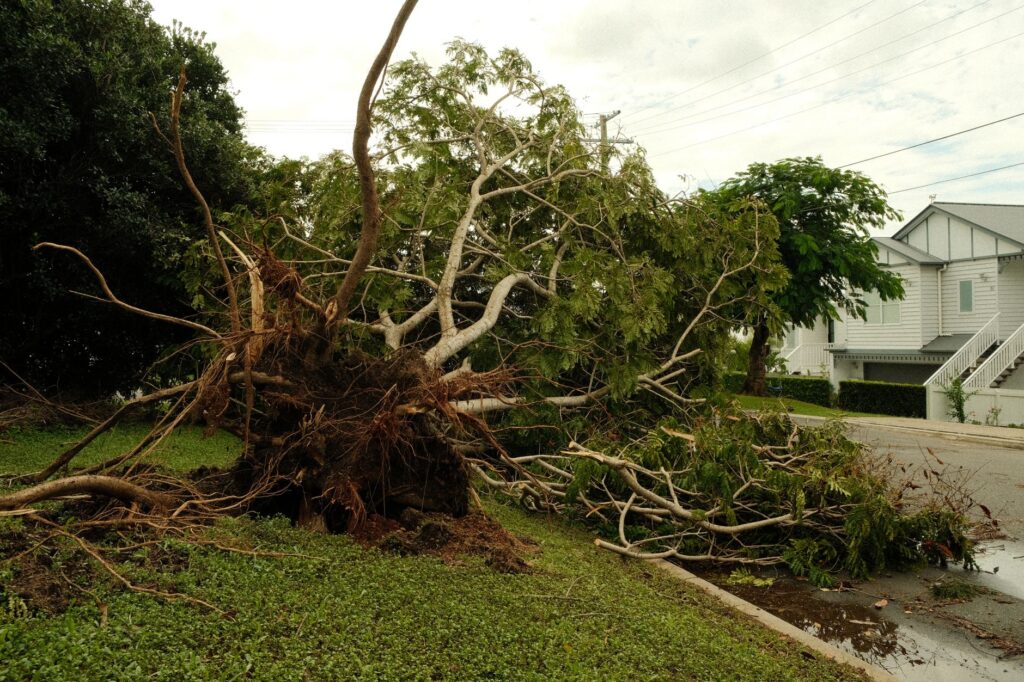
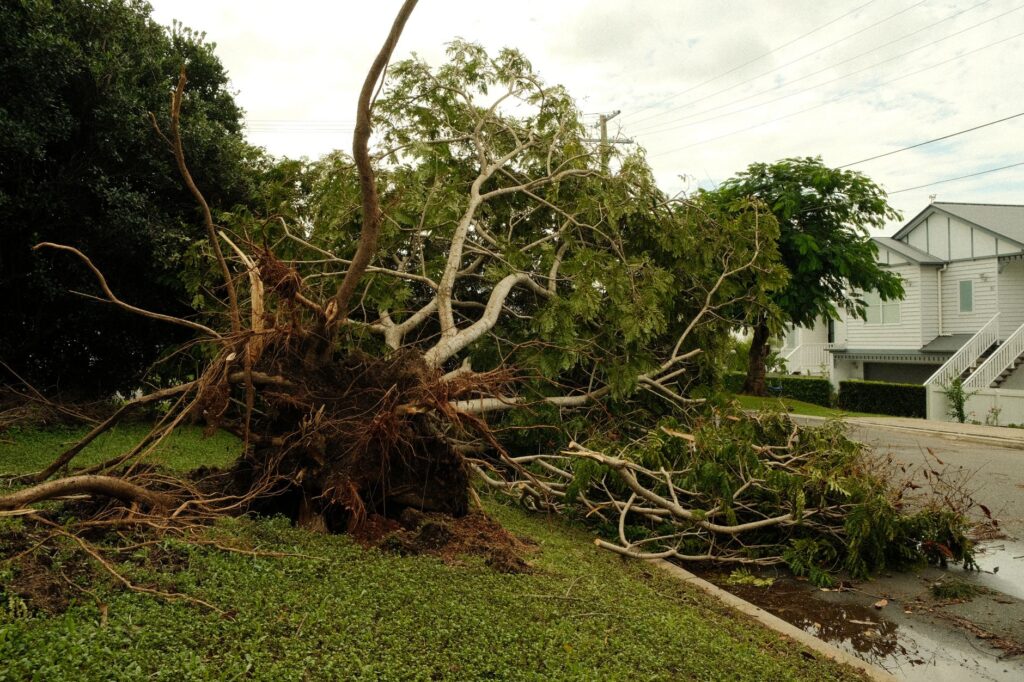
Every year, usually right after a summer squall rolls off Raritan Bay or a nor’easter works its way up the Bayshore, I get a phone call that starts the same way: “A tree came down on my property, and I have no idea what my insurance is actually going to pay for.” Sometimes it’s their own white oak (Quercus alba) that split in the wind. Sometimes it’s the neighbor’s silver maple that leaned over the fence line for years before it finally let go. Either way, the homeowner has usually already called their agent before they’ve called me — and the answers they got were vague.
That confusion is understandable. Insurance policies are written by lawyers, tree risk is assessed by arborists, and the two worlds rarely talk to each other until something’s already on the ground. In a township like Middletown, where mature trees line older neighborhoods from Lincroft to Port Monmouth and storm exposure is a fact of life along the coastal plain, knowing the shape of your coverage before a storm hits is worth far more than scrambling to understand it after.
This isn’t legal or insurance advice — every policy and every carrier is different, and you should always confirm specifics with your own agent. But after two decades of walking properties the week after a storm, I can tell you what tends to be true across most standard homeowners policies in New Jersey, and where the real gaps usually are.
Whose Tree It Was Usually Matters Less Than You Think
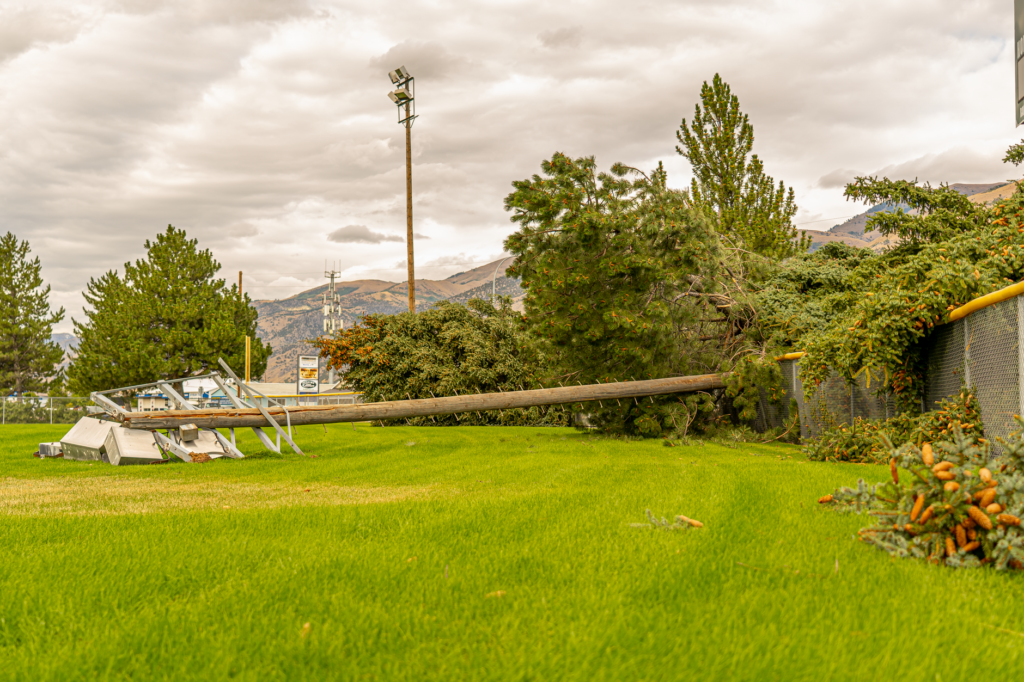
The first thing homeowners want to know is: whose tree was it, and does that determine whose insurance pays? For storm damage, the surprising answer is usually no. Most homeowners insurance in New Jersey covers wind and storm damage to your own dwelling and other structures regardless of which yard the tree started in. If a neighbor’s pin oak blows over in a nor’easter and lands on your garage, your own policy is typically the one that responds first — not theirs.
This is rooted in what’s often called the “Act of God” principle: when a healthy tree fails during a storm event with no prior warning signs, the law generally treats the failure as an unforeseeable natural event rather than something the tree’s owner is liable for. Courts have consistently protected property owners from liability for storm damage caused by trees that showed no visible signs of decay, disease, or structural weakness beforehand.
That protection has a hard limit, though, which is exactly where the next call I get usually comes from.
Where the Act of God Defense Falls Apart
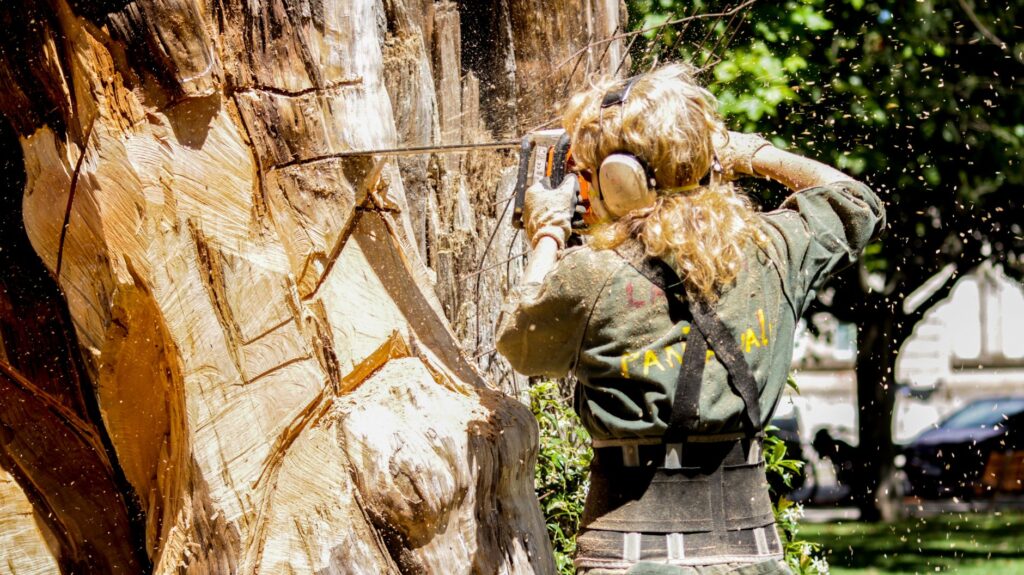
The moment a tree’s owner knew — or reasonably should have known — that a tree was hazardous, the calculus changes. If there’s a documented history of dead limbs, a fungal conk at the base, a visible lean that’s worsened over seasons, or a prior warning from a tree service or town inspector, and nothing was done about it, that owner can be found negligent when the tree finally fails. In that scenario, their liability policy — not just the affected neighbor’s own coverage — can be on the hook for the damage.
This is where a written hazard assessment from a professional matters more than most homeowners realize, both before and after a failure. The International Society of Arboriculture’s guidance on hazard trees lays out the visual indicators — cavities, root plate heaving, deadwood in the canopy, included bark at major unions — that separate an ordinary storm loss from a documented, foreseeable risk. If you’ve had a tree formally assessed and flagged as hazardous and chose not to act, that report can work against you in a claim. If you had a clean assessment on record, it can work in your favor.
Middletown's #1 Tree Expert Company
FREE Inspection & Estimate | Certified Arborists | Trimming, Pruning, Removal, More!
Sponsored
The Coverage Gaps Nobody Reads Until It's Too Late
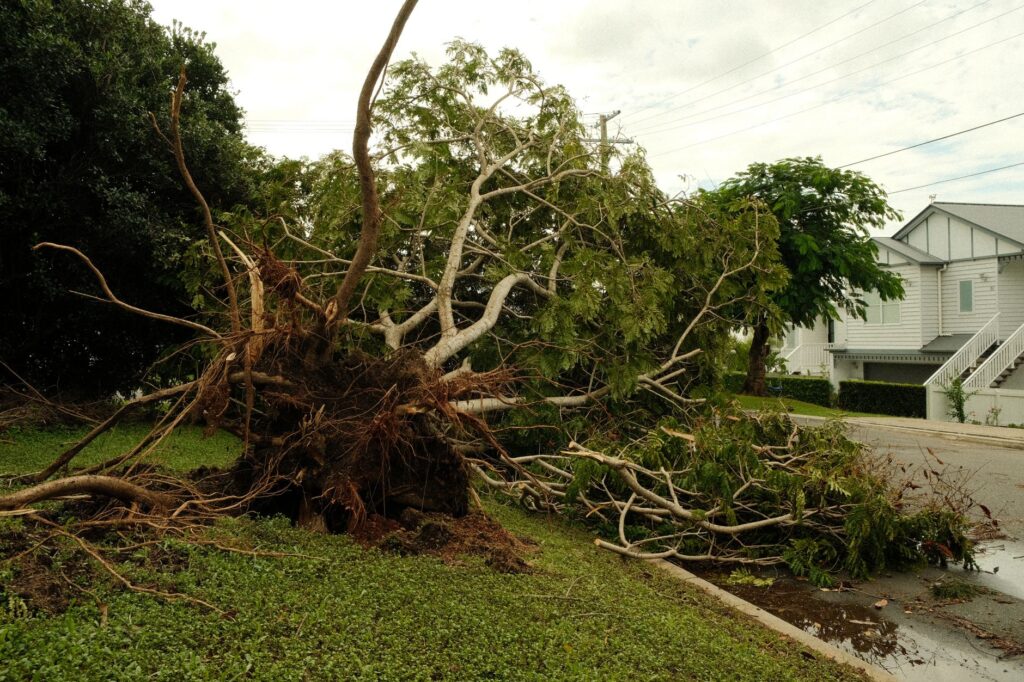
Even when a claim is clearly covered, most homeowners are surprised by what isn’t. A few patterns I see constantly on Middletown properties:
- Debris removal caps. Many policies cap tree debris removal at a flat dollar amount — often a few hundred to around a thousand dollars — even if the actual cost of removing a mature downed oak runs several times that.
- Landscaping is a sub-limit, not full replacement. Losing a specimen tree that took forty years to grow is rarely reimbursed anywhere near its actual value to the property — most policies pay a modest per-tree amount toward replacement, not restoration.
- No damage, no removal coverage. If a tree falls in the yard but doesn’t hit a structure, fence, or vehicle, many policies won’t pay to remove it at all — that cost often falls entirely on the homeowner.
- Pre-existing hazard exclusions. If an insurer can show the tree was already known to be diseased, dead, or leaning before the loss, they may deny the claim outright, treating it as a maintenance failure rather than a covered peril.
None of this is unique to Middletown, but our exposure to coastal wind events and older tree stock in established neighborhoods makes these gaps more likely to matter here than in a lot of inland New Jersey towns.
When It's the Neighbor's Tree — and Nobody Agrees
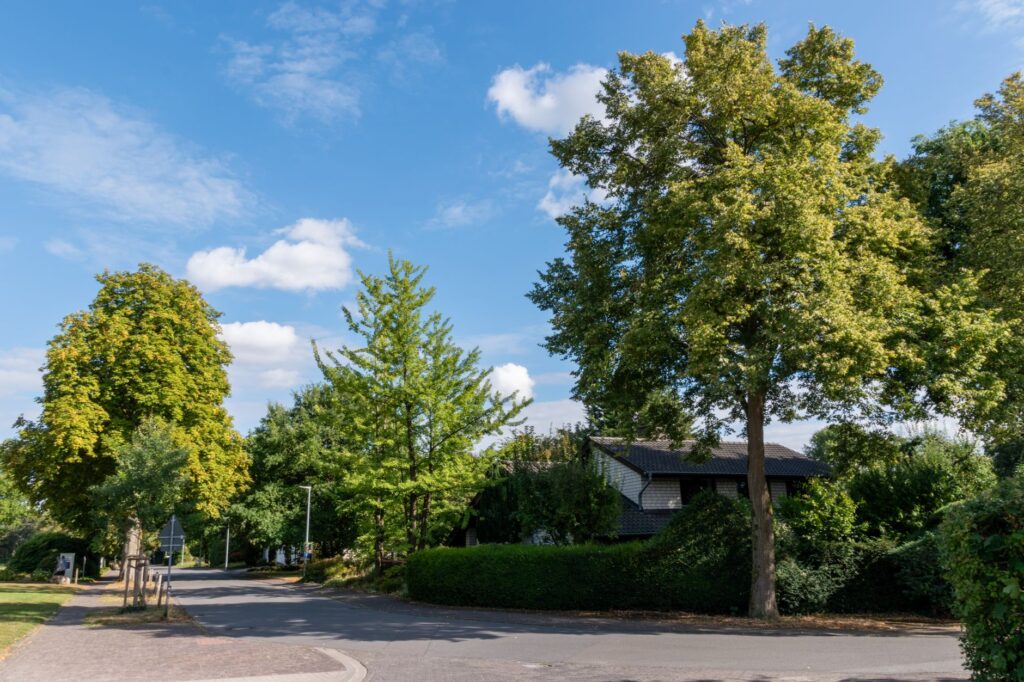
Boundary-line trees generate more neighborly friction than almost anything else in a residential township. New Jersey generally treats a tree as belonging to whoever’s property its trunk originates on, even if the canopy or roots cross the line. That ownership question matters for who’s responsible for maintenance, but as covered above, it doesn’t automatically determine who pays after a storm.
Where things get genuinely contentious is when one neighbor believes the other’s tree was obviously hazardous and ignored, while the tree’s owner insists it looked perfectly healthy right up until it came down. This is exactly the kind of dispute where a professional, dated assessment — done before the storm, not after — becomes the deciding piece of evidence. Companies accredited through the Tree Care Industry Association’s accreditation program follow documented, standardized risk assessment protocols specifically so that this kind of report holds up when it’s needed.
What to Actually Do Before Storm Season, Not After
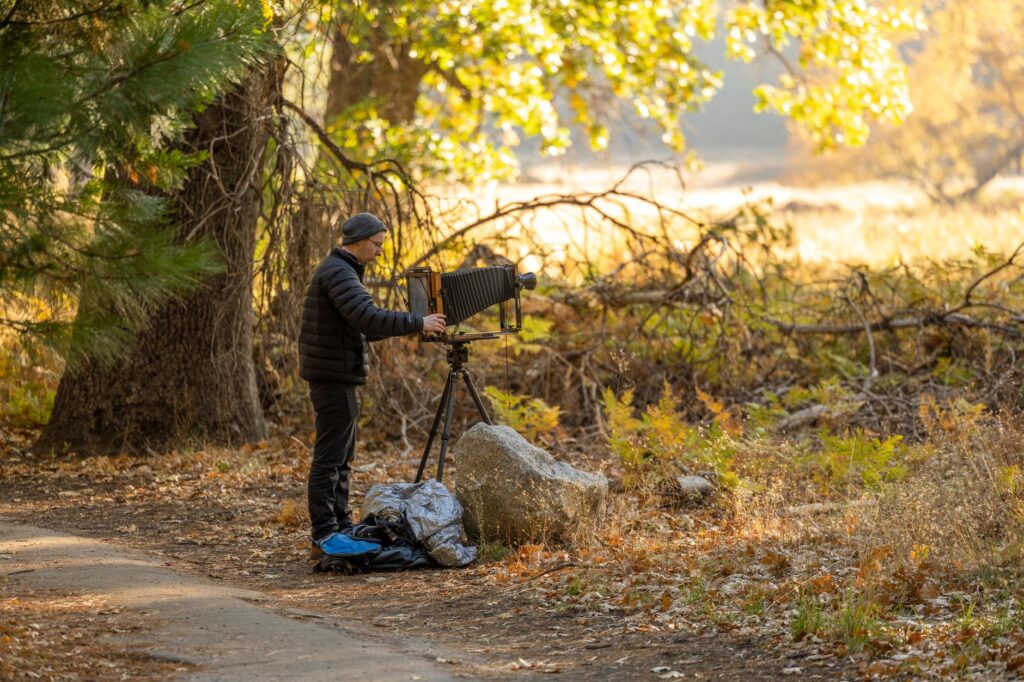
The homeowners who come out of storm season with the least stress are almost never the ones with the healthiest trees — they’re the ones with the best paper trail. A few things worth doing this summer, well ahead of the fall storm window:
- Walk your property and photograph every mature tree from multiple angles, dated, stored somewhere other than your phone alone.
- Have any tree with visible dieback, a lean, cavities, or fungal growth at the base formally assessed by a certified arborist — a written report is worth far more than a verbal opinion if a claim ever needs it.
- Call your insurance agent and ask directly what your debris removal limit and landscaping sub-limit actually are — most homeowners have never once looked at these numbers.
- Review the Rutgers Cooperative Extension’s guidance on assessing tree risk around the home so you know what warning signs to look for between formal assessments.
None of this prevents a tree from falling. It does mean that when one does, you’re arguing from documentation instead of memory — which is the difference between a smooth claim and a denied one.
Middletown's #1 Tree Expert Company
FREE Inspection & Estimate | Certified Arborists | Trimming, Pruning, Removal, More!
Sponsored
When to Bring in a Certified Arborist
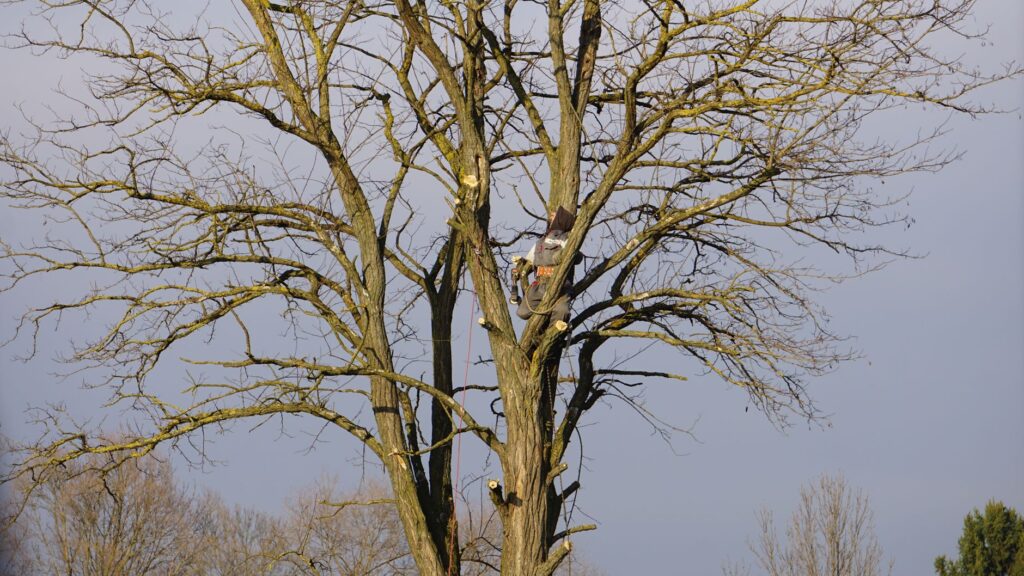
If you’ve got a tree you’ve been quietly worried about — a lean that seems a little more pronounced each year, a canopy that’s thinning unevenly, mushrooms showing up at the base every fall — that worry is worth acting on before the next big blow comes through the Bayshore, not after. A proper risk assessment from a certified arborist does two things at once: it may catch something you can still address through pruning, cabling, or removal, and it creates the exact kind of dated, professional record that protects you if a claim question ever comes up.
Insurance will sort out who pays. But nobody’s policy replaces a hundred-year-old oak, and no adjuster can tell you whether a tree is actually sound. That part’s still a judgment call worth getting from someone trained to make it — before the storm decides for you.
Photo credits: Featured image by April Yang on Pexels; Section 1 by April Yang on Pexels; Section 2 by Castorly Stock on Pexels; Section 3 by Gastón Mousist on Pexels; Section 4 by April Yang on Pexels; Section 5 by Sergej ***** on Pexels; Section 6 by Stephen Leonardi on Pexels; Section 7 by Dmytro Glazunov on Pexels.