Middletown's #1 Tree Expert Company
FREE Inspection & Estimate | Certified Arborists | Trimming, Pruning, Removal, More!
Sponsored
A Pattern You Should Never Ignore in Your Oak Canopy
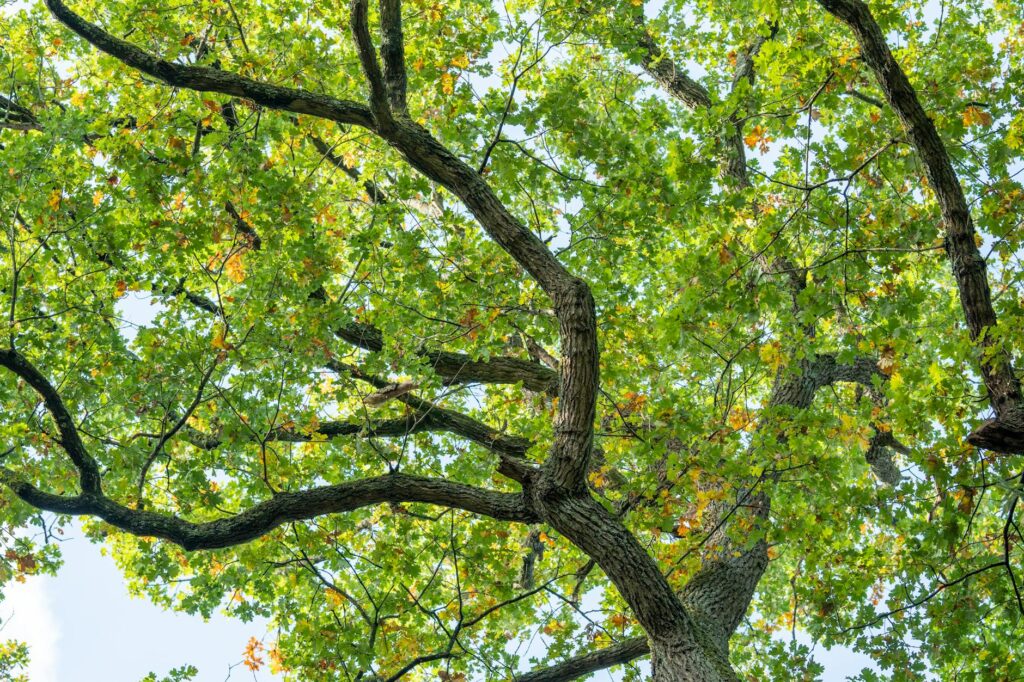
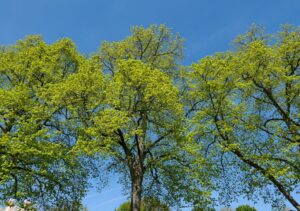
Walk any wooded neighborhood in Middletown this month — along the Navesink Highlands, through the back roads of Lincroft, or near the wooded corridors flanking Hartshorne Woods Park — and you may notice something unsettling. Trees that looked healthy in April, with leaves fully out and a deep green canopy overhead, are now showing wilting or browning branches at the very tops. A few weeks later, those upper branches go bare. By midsummer, sections of the crown become dead poles sticking up over an otherwise leafy tree.
Most homeowners assume this is drought, late-season storm damage, or just a rough year. But that pattern — crown dieback starting at the top and progressing steadily downward — is the hallmark of a different problem entirely: the two-lined chestnut borer (Agrilus bilineatus). And in May 2026, Middletown’s oak population is unusually vulnerable to it.
The reason comes down to cumulative stress. After several years of spongy moth defoliation sweeping through Monmouth County — stripping oaks bare in June, forcing them to push a second flush of leaves on depleted carbohydrate reserves — many of our trees are running on empty. Add recurring summer droughts, compacted soils in developed neighborhoods, and the general wear of coastal storms, and you have a population of stressed oaks that are exactly the kind of host this beetle has evolved to find. If you have mature oaks on your property, this is the moment to understand what you are up against.
Meet Agrilus bilineatus: A Native Beetle With a Damaging Strategy
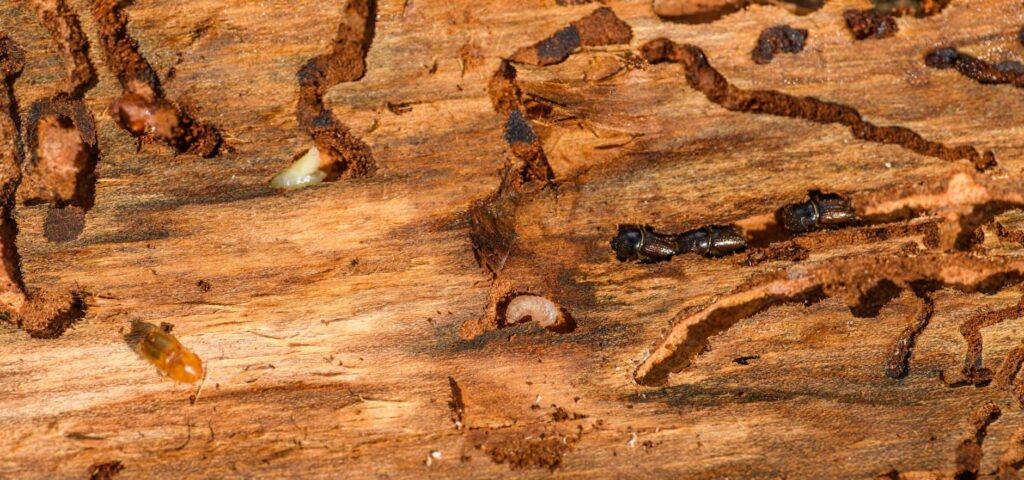
The two-lined chestnut borer is a native North American beetle in the family Buprestidae — the metallic wood borers. Its scientific name is Agrilus bilineatus, and the common name comes from two pale yellowish stripes running down its dark, iridescent wing covers. Adults are small, roughly a third of an inch long, and easy to overlook on bark. You are unlikely to see the beetle itself. What you will see is the damage it leaves behind.
Adults emerge in late May and June, roughly coinciding with full oak leaf-out here in Monmouth County. They mate and lay eggs in the bark crevices of stressed or weakened oaks. The eggs hatch into larvae that bore through the outer bark into the cambium — the thin living layer just beneath the bark — where they excavate winding, serpentine galleries as they feed. Those galleries effectively girdle the tree, cutting off water and nutrient flow above the feeding zone. Branches above the infestation starve and die, which is why the dieback always appears at the crown’s top first and works its way down.
The life cycle typically takes one year, though in cooler conditions some individuals require two. By the time you notice the characteristic D-shaped exit holes in the bark — the signature left by all Agrilus species when adults chew their way out — the damage to that portion of the tree is already complete. According to the USDA Forest Service Forest Insect and Disease Leaflet on the two-lined chestnut borer, this beetle is classified as a stress-induced secondary pest: healthy, vigorous trees can typically fend off light infestations, while already-weakened trees often cannot mount an adequate defense.
Why Middletown's Oaks Are Especially Vulnerable Right Now
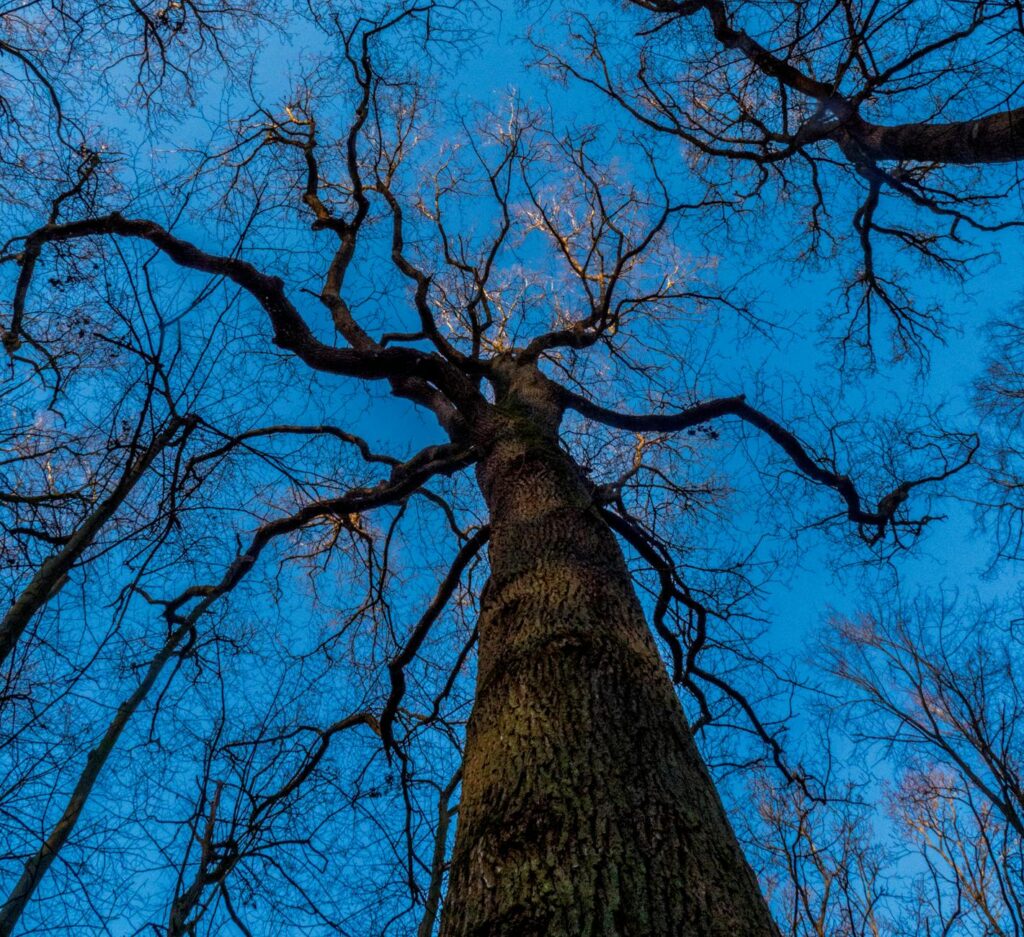
The two-lined chestnut borer does not choose its victims at random. It follows chemical signals released by stressed trees — volatile compounds that broadcast a tree’s weakened physiological state like a distress beacon. Right now, after multiple seasons of compounding pressures, many of Middletown’s oaks are broadcasting exactly that signal.
The spongy moth (Lymantria dispar dispar) defoliation events that hit Monmouth County hard over the past several years were particularly punishing to white oaks (Quercus alba), scarlet oaks (Q. coccinea), and chestnut oaks (Q. montana) — all prime hosts for the borer. When a tree is completely defoliated in June, it must draw on stored carbohydrate reserves to push a second flush of leaves. Do this two or three years running and those reserves become critically depleted. The tree has less energy to produce wound-response chemicals, less capacity to flood larval galleries with defensive resin, and less resilience to mount any meaningful counter-offense against an invasion.
Layer on top of that the recurring summer droughts Monmouth County has experienced, compacted urban and suburban soils in neighborhoods like Lincroft and Chapel Hill, and root zone disturbance near expanding development corridors closer to the Bayshore — and you have a significant share of Middletown’s oak population quietly teetering. According to the Rutgers Plant Diagnostic Laboratory, stress from multiple overlapping factors is consistently among the primary conditions reported when borer infestations are confirmed in New Jersey trees. This May, every mature oak in your yard deserves a fresh look.
Middletown's #1 Tree Expert Company
FREE Inspection & Estimate | Certified Arborists | Trimming, Pruning, Removal, More!
Sponsored
How to Spot a Two-Lined Chestnut Borer Infestation
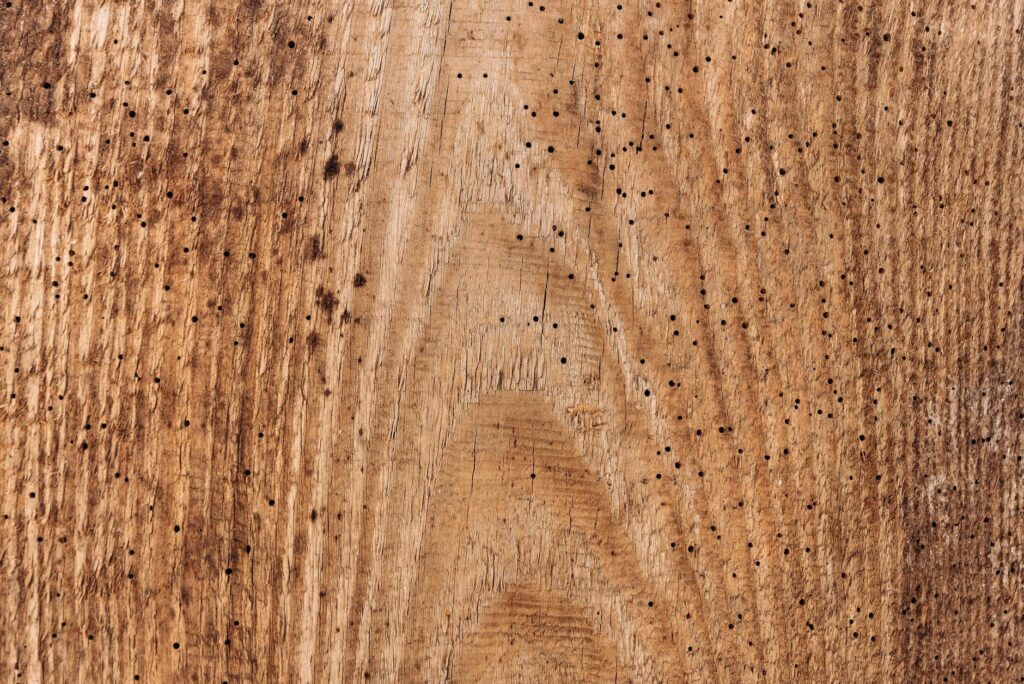
The first visible symptom is almost always at the top of the tree. One or two major scaffolding branches in the upper crown will begin to wilt and flag — leaves drooping, yellowing, then browning while the rest of the canopy still looks green and healthy. Many homeowners see this in July or August and attribute it to drought or leaf scorch. But if the browning is clearly emanating from specific large branches rather than uniformly across the canopy, and it began in May or June, that pattern is meaningful and worth investigating immediately.
As the infestation progresses over multiple seasons, additional sections of crown die back — always from the top downward. The tree looks like it is losing its crown from above while the lower branches hold on longer. Without intervention and improved tree health, a heavily infested, seriously stressed oak can lose its entire crown over two to four years.
Up close, look for these diagnostic signs on the bark of affected branches or the upper trunk:
- D-shaped exit holes, roughly the diameter of a pencil tip, punched cleanly through the outer bark — the most diagnostic sign of any Agrilus species
- Serpentine or S-shaped galleries visible if you carefully peel back a small section of bark in a discolored area — cream-colored, packed with fine frass and winding tightly through the cambium
- Bark that appears to crack, blister, or separate slightly from the wood in the affected zone
- Woodpecker foraging concentrated in one section of the trunk — woodpeckers follow larvae and their damage pattern can reveal an infestation before other signs appear
Finding D-shaped exit holes together with serpentine galleries beneath the bark is as close to a confirmed field diagnosis as you will get without a laboratory. The critical next question is how far the infestation has spread and whether the tree has realistic prospects of recovery.
What You Can Do — and What Won't Work
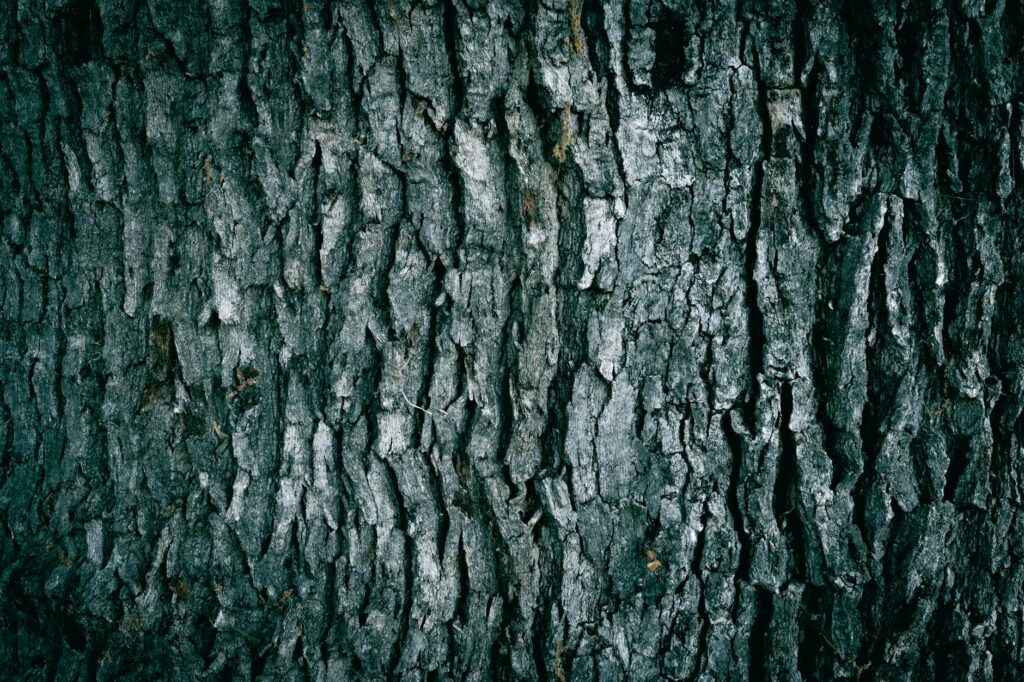
I want to be direct about this: once a two-lined chestnut borer infestation is actively underway in a significantly stressed tree, there is no reliable chemical rescue. The systemic insecticide approach that works reasonably well for emerald ash borer in relatively healthy ash trees is far less effective here. A tree that is already too stressed to translocate systemic treatments efficiently through its vascular system cannot deliver adequate concentrations to where they need to go. The larval galleries also physically disrupt the very vascular tissue the product needs to move through. Chasing the insect with chemistry in a severely compromised tree is usually an expensive disappointment.
What you can do — and should do immediately — is address every additional source of stress the tree is carrying:
- Deep, infrequent watering during dry spells — the goal is to wet the soil to a depth of 10 to 12 inches through the root zone, not just dampen the surface. A slow soaker hose or drip irrigation run for 90 minutes along the drip line outperforms a quick pass with a sprinkler every time.
- Proper mulching — a 3-to-4-inch ring of coarse wood chip mulch extending out to the drip line (not piled against the trunk) dramatically improves soil moisture retention, moderates root zone temperature, and suppresses competing turf grass that robs soil moisture.
- Stop unnecessary wounding — mowing too close to the trunk, driving equipment over root zones, or cutting roots during landscaping projects all add physiological stress that weakens the tree’s defenses further.
- Fertilize carefully — excess nitrogen stimulates lush, thin-walled tissue that borer larvae feed on readily. If you suspect nutritional deficiency, have the soil tested before applying anything.
The International Society of Arboriculture consistently emphasizes that management of secondary borers should focus first on improving and sustaining tree vigor — not on treating the insect itself — because a truly healthy tree has natural defenses that a stressed one lacks entirely. Raise the tree’s health and you change the equation.
Prevention: Protecting Your Oaks Before the Borers Find Them
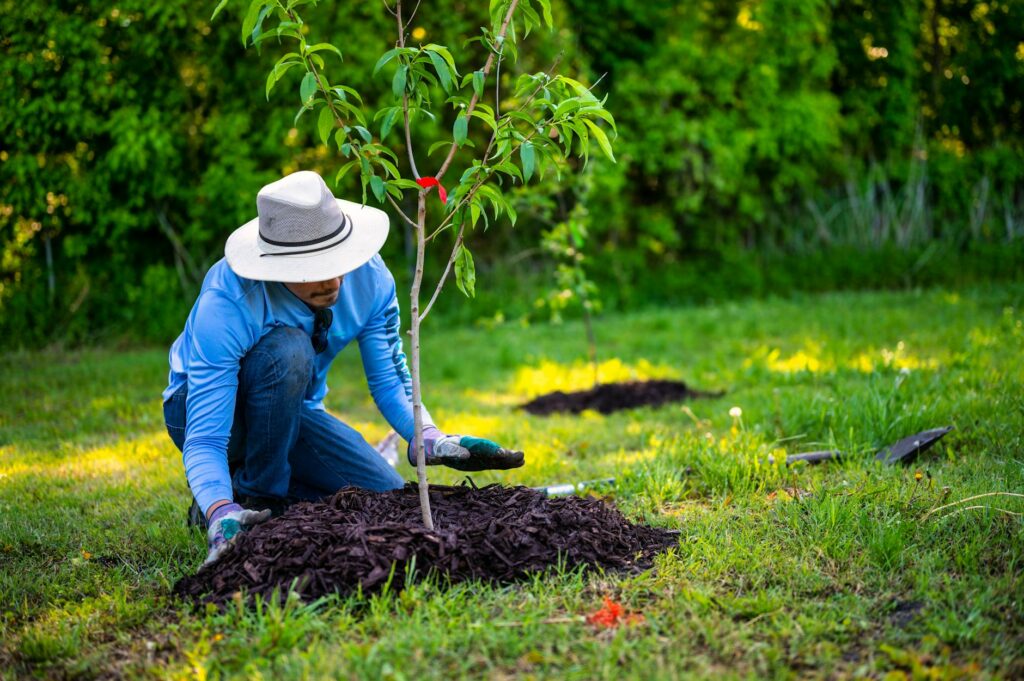
The most powerful tool against two-lined chestnut borer is a tree that is too vigorous to be an easy target. That sounds simple, but it requires consistent attention over years — not a single emergency intervention. If you have mature oaks anywhere on your property, now — in May, before adult beetles are actively flying and laying eggs — is exactly the right time for a thorough assessment.
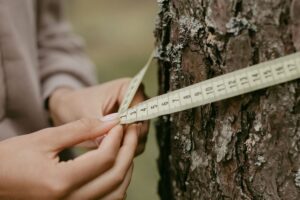
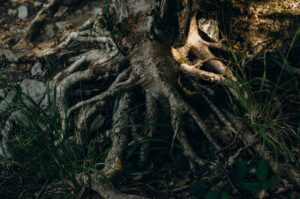
Walk each oak carefully and note stress indicators: crown thinning anywhere in the canopy, any dieback at the top (even minor), bark abnormalities or areas where the outer bark looks discolored or slightly lifted, girdling roots visible at the flare, and evidence of soil compaction in the root zone (compacted soils crack, repel water, and rarely have the loose, friable texture that oak roots need to thrive). Trees showing multiple stress factors deserve immediate priority.
For oaks that came through the spongy moth years with their crowns fully intact and are pushing vigorous new growth this spring — dense leafout, good dark color, no visible branch failures — your job is to maintain what you have. Keep the root zone properly mulched, water during extended dry spells, and avoid any disturbance within the drip line. These are the oaks most likely to produce a strong resinous defense when borer adults show up in June.
Check every two weeks through June, particularly any tree that showed even mild thinning this spring. Early detection is not just useful — it is the difference between an arborist who has real options and one who can only confirm what you already suspected. The sooner a limited infestation is identified, the more of the tree can realistically be saved.
Middletown's #1 Tree Expert Company
FREE Inspection & Estimate | Certified Arborists | Trimming, Pruning, Removal, More!
Sponsored
Summary: When to Call a Certified Arborist
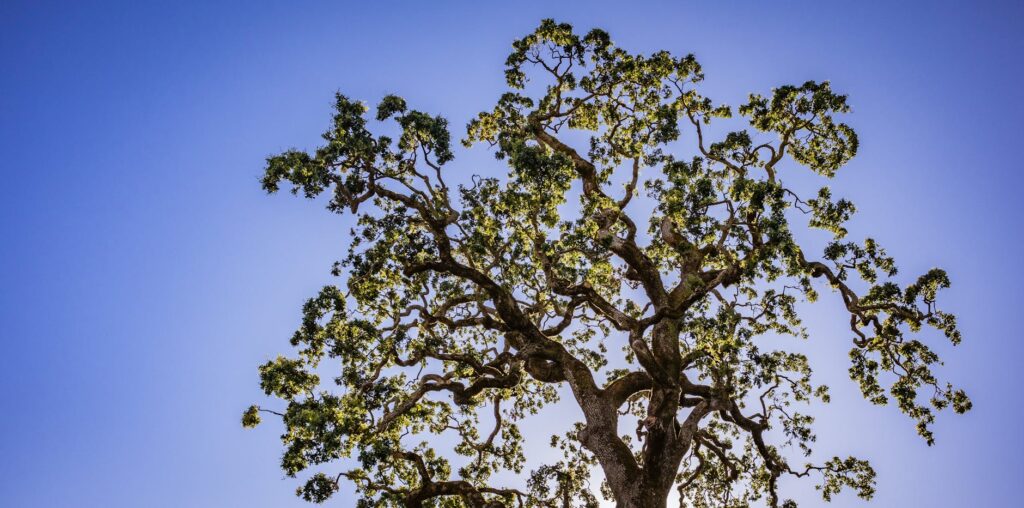
If you have a mature oak — a white oak, scarlet oak, or chestnut oak — and you are seeing any top-down crown dieback this spring, do not wait to see how the summer unfolds. The window between early infestation and irreversible structural decline in a stressed tree can be far narrower than most homeowners expect, and every month of delay reduces what an arborist can do for you.
A certified arborist can confirm whether two-lined chestnut borer is the culprit, assess how much of the tree is realistically salvageable, and build a care plan focused on restoring tree vigor. In cases where the infestation is still localized to a few large branches, targeted removal of those sections combined with aggressive stress-reduction work can give the tree a genuine fighting chance. In others, the honest professional recommendation will be removal — particularly if the tree has lost more than 50 percent of its crown or poses a falling hazard to the house or a neighboring property.
Either way, earlier is better. Middletown’s mature oaks are irreplaceable. A white oak that has stood for a century near the Navesink cannot be replanted on any timeline that means something to the people living under it today. If something looks wrong in your oak canopy this May, get a professional set of eyes on it before the summer is over.
Photo credits: Featured image by Usman Younas on Pexels; Section 1 by Masood Aslami on Pexels; Section 2 by Petr Ganaj on Pexels; Section 3 by L&Co N’gatsé on Pexels; Section 4 by Вадим Биць on Pexels; Section 5 by Wyxina Tresse on Pexels; Section 6 by Alfo Medeiros on Pexels; Section 7 by Robert So on Pexels.