Middletown's #1 Tree Expert Company
FREE Inspection & Estimate | Certified Arborists | Trimming, Pruning, Removal, More!
Sponsored
The Limb That Fell From a Clear Sky
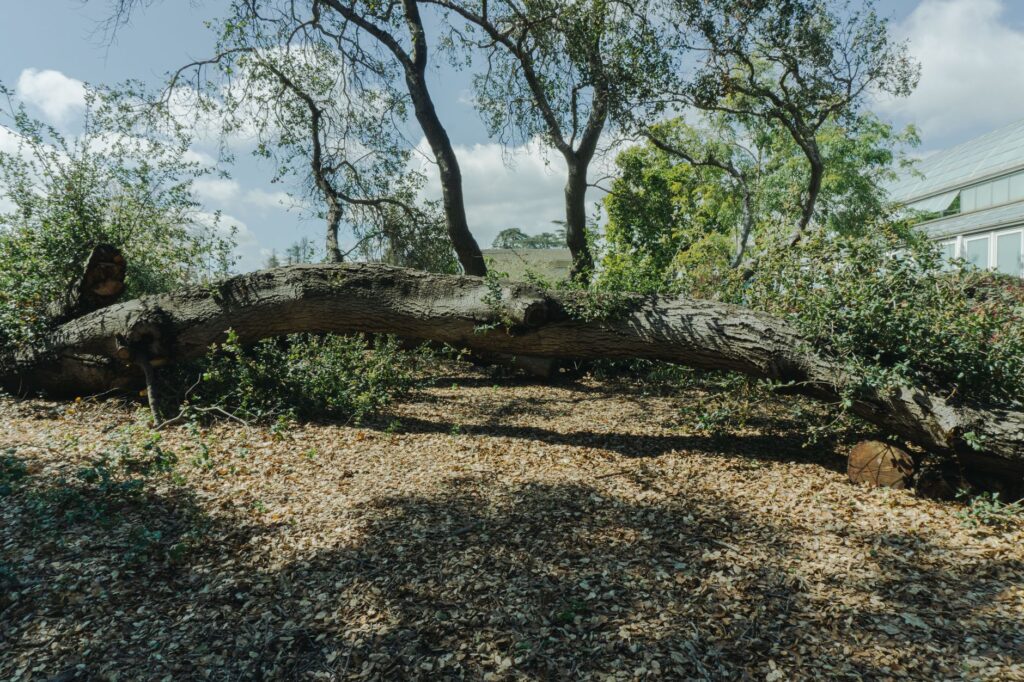
Picture a still, humid afternoon in Lincroft or Chapel Hill—the kind of August day the Bayshore serves up with no breeze at all, just heat sitting heavy over the yard. Then, without warning, a crack splits the quiet and a limb the size of a young tree comes down across the driveway. No storm passed through. No wind advisory went out. The forecast, if anyone checked it, called for nothing but sun.
It sounds like a freak accident, but it isn’t rare, and it isn’t random. Arborists have a name for it: Summer Branch Drop, sometimes called sudden limb drop or summer limb failure. It shows up almost exclusively in hot, still weather, which makes late July through September—right now—the exact window when Middletown Township’s big shade trees are most likely to produce one.
This piece covers what Summer Branch Drop actually is, why a limb with no visible defect can fail on a calm day, which trees around Middletown are most prone to it, and what a homeowner can reasonably do about a risk that, by definition, gives almost no warning.
What Summer Branch Drop Actually Looks Like
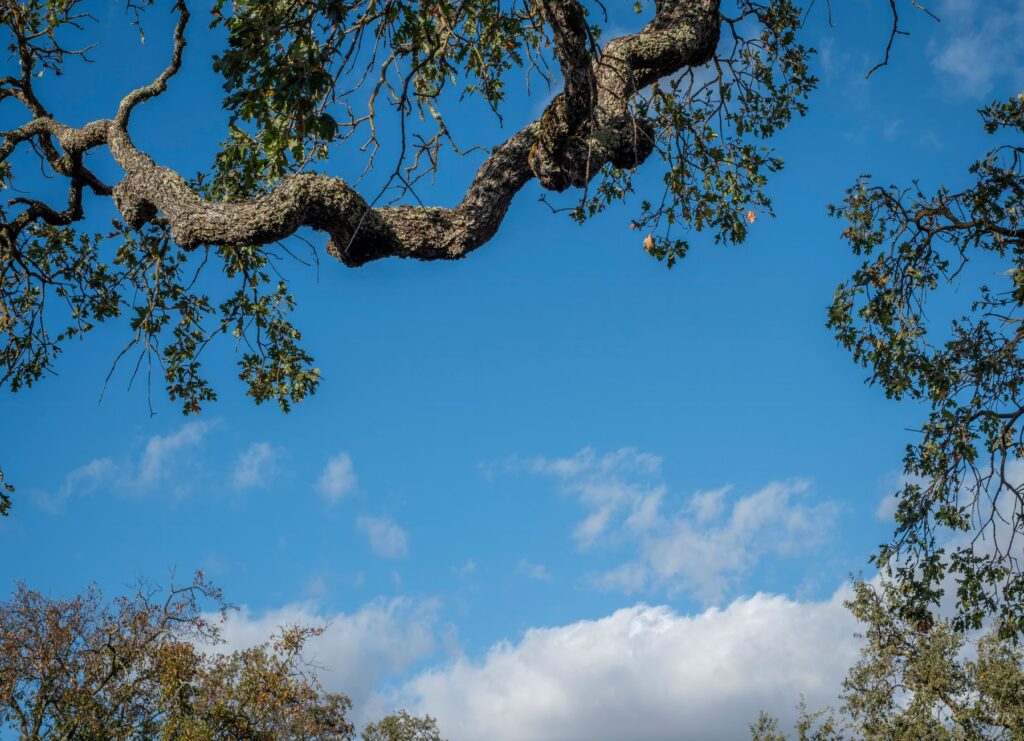
The International Society of Arboriculture describes Summer Branch Drop as the sudden, unanticipated failure of a tree branch with little or no discernible defect, most often on long, horizontal branches during warm temperatures. That last detail is what makes it unsettling: this isn’t a dead limb finally letting go, or a branch with an obvious crack that a homeowner walked past all spring. These limbs are typically fully leafed out, green, and structurally unremarkable right up until the moment they aren’t.
There’s also a telltale forensic detail that separates it from ordinary storm damage. Wind failures usually snap a branch at the collar, right where it meets the trunk or a larger limb. Summer Branch Drop tends to fail three to twelve feet out along the branch itself—a clean, mid-limb failure that has nothing to do with the attachment point.
The timing pattern is consistent, too. Incidents cluster on hot, calm afternoons and evenings, exactly the still, muggy conditions New Jersey’s coastal plain produces in late summer when a sea breeze off Raritan Bay doesn’t quite make it inland.
Why a Healthy-Looking Limb Just Lets Go
Here’s the honest answer: nobody fully agrees on the mechanism yet. Researchers who study it acknowledge there’s no single confirmed cause, only a set of overlapping theories that keep showing up in the same weather.
One theory ties it to the sequence of the season—a wet spring that fuels a strong flush of new growth, followed by a hot, dry summer that suddenly can’t support the water demand that growth created. Another points to the branch itself: during a still, hot afternoon, water flow within a long horizontal limb can lag behind what the leaves are transpiring, dropping turgor pressure in the wood fibers right at the point of greatest bending stress from the limb’s own weight. A related idea involves a buildup of ethylene in heat-stressed tissue, which can weaken the wood locally. None of these fully explains it alone; the more likely picture is a tree already living close to its physiological limit, pushed over the edge by a run of hot, dry days.
Rutgers Cooperative Extension’s guidance on managing heat stress in landscape plants and its broader drought resources for New Jersey both point to the same underlying issue: a tree’s ability to move water fast enough on a demanding day is central to how much stress its wood is carrying, whether anyone can see it or not.
Middletown's #1 Tree Expert Company
FREE Inspection & Estimate | Certified Arborists | Trimming, Pruning, Removal, More!
Sponsored
Which Middletown Trees Are Most at Risk
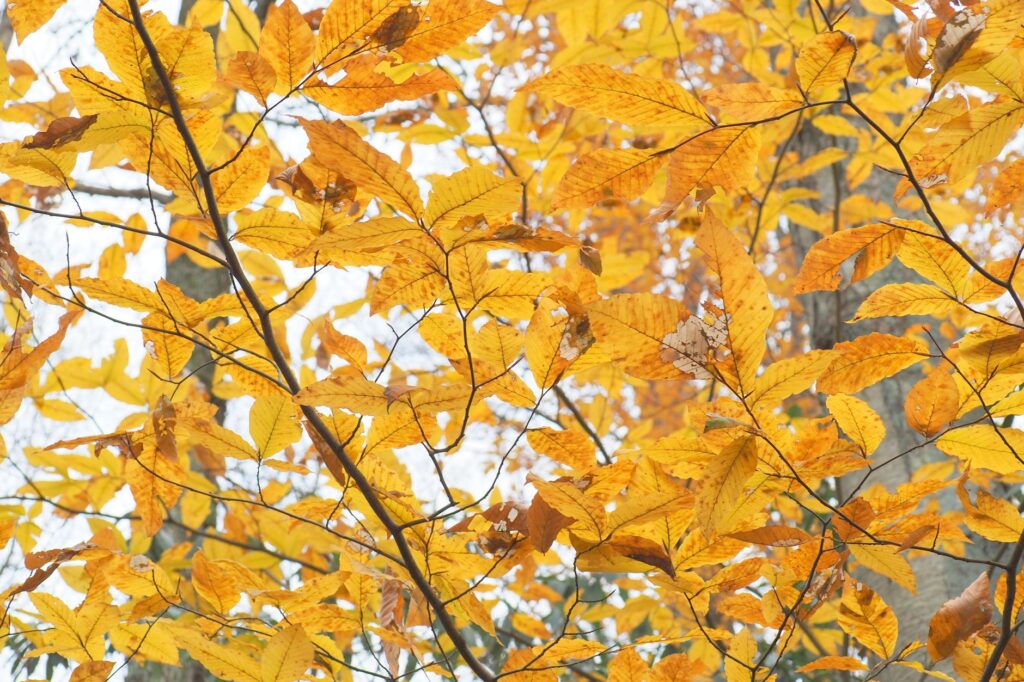
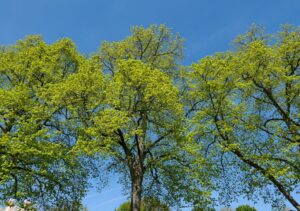
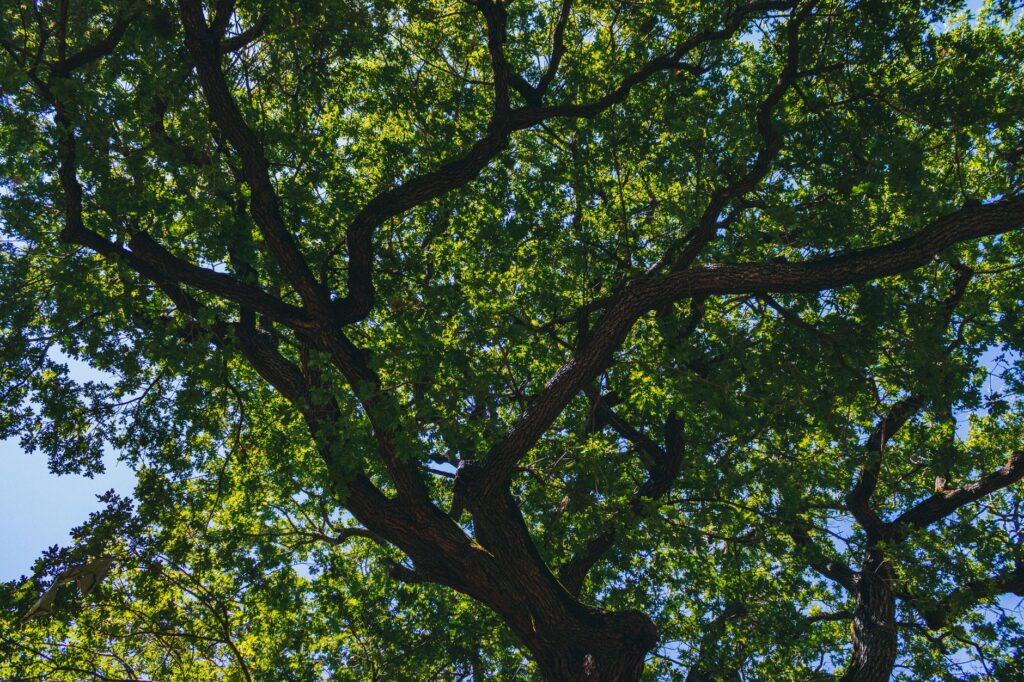
Some species show up in the case histories far more than others: American beech (Fagus grandifolia), the various oaks (Quercus) that dominate Middletown’s older streets, American elm, and sycamore all have a habit of throwing out long, heavy, horizontal limbs—exactly the shape most associated with this failure pattern.
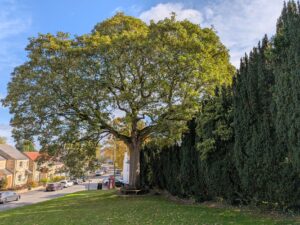
Location matters as much as species. A beech or oak that grew up open, alone in a lawn in Lincroft, Navesink, or Chapel Hill, tends to develop long, unsupported limbs reaching far from the trunk to chase light in every direction. A tree that grew up crowded in a wooded stand near Hartshorne Woods, by contrast, usually self-prunes those lower limbs and ends up with a more compact, less exposed crown. The open-grown lawn tree, ironically the one Middletown homeowners tend to prize most for its shade, is the higher-risk shape.
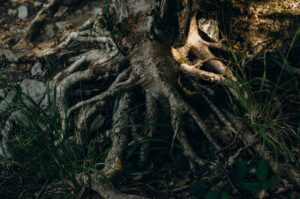
Age and recent stress compound the risk. Older trees, trees coping with this year’s stretches of heat and dry soil, and trees still recovering from construction disturbance or years of compacted soil around the root zone are all more likely to be running a water deficit on the exact kind of afternoon that triggers a failure.
What a Homeowner Can Actually Do About It

The most useful thing a homeowner can do isn’t inspection—it’s watering, and specifically watering the right way. A tree under chronic water stress is a tree with less margin on a hot, still afternoon. Deep, infrequent soaking that reaches well below the surface does far more for a mature tree’s internal water balance than a quick daily sprinkle that only wets the top few inches of soil. Rutgers’ heat-stress guidance linked above lays out the same principle for landscape plants generally, and it applies directly to the root zone under a big shade tree.
Simple awareness helps too. On the hottest, stillest August afternoons and evenings—the exact conditions tied to this failure pattern—it’s worth thinking twice about parking a car, setting up a patio table, or letting kids play directly under a long, heavy horizontal limb from an old beech or oak. That’s not paranoia; it’s matching behavior to a known, if uncommon, risk window.
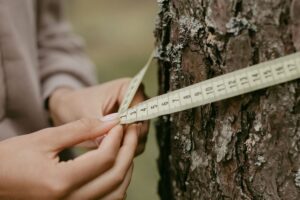
A periodic walk around the dripline is worth doing, noting any limb with unusually heavy end-weight hanging over a driveway, roof, or patio. But it’s important to be honest about the limits of a homeowner’s own eyes here: Summer Branch Drop is defined by the absence of an obvious defect, so a visual check from the ground will miss most of what actually matters.
When to Bring in a Certified Arborist
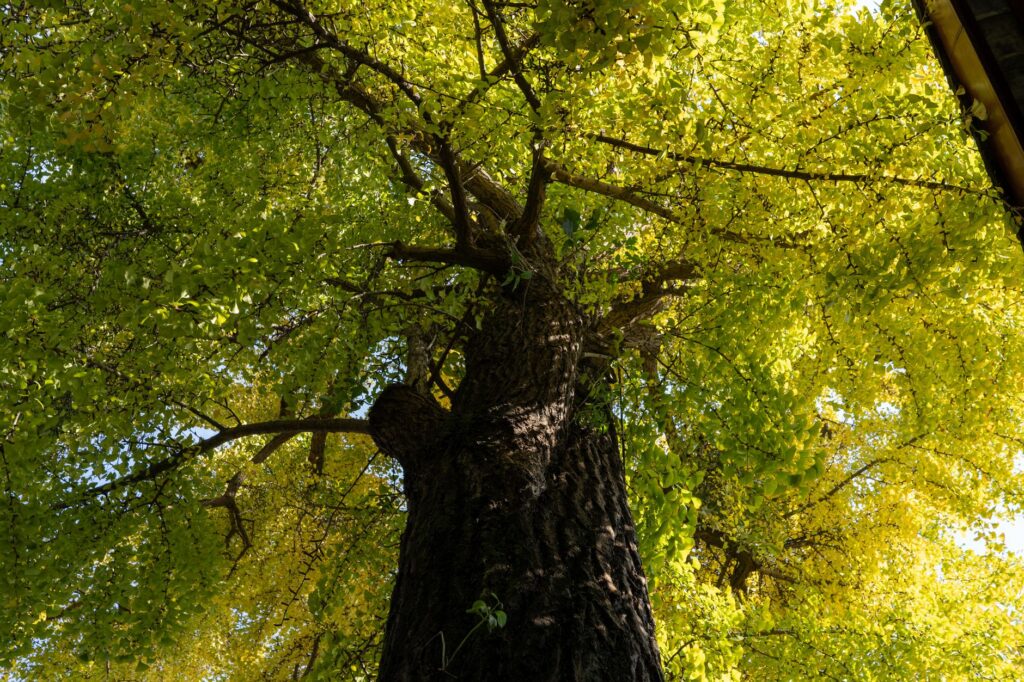
Because these failures so often show no warning sign a homeowner could reasonably catch, a periodic professional look at the canopy matters more than symptom-spotting from the ground. Arborists who hold the ISA’s Tree Risk Assessment Qualification are trained specifically to evaluate limb structure, end-weight, and load risk in ways that go well beyond checking for dead wood.
Depending on what that assessment finds, a certified arborist might recommend end-weight reduction on a long horizontal limb, selective crown thinning to reduce sail area and load without changing the tree’s overall shape, or cabling and bracing on a limb with a history of heavy growth over a driveway or roofline. In some cases, the right move is simply documenting the tree’s condition for insurance purposes if a valuable limb overhangs a structure.
For homeowners weighing whether this is worth the call, the ISA’s consumer guide on why and when to hire an arborist is a useful starting point, including what credentials and insurance to ask for before anyone climbs into a tree over a house.
Middletown's #1 Tree Expert Company
FREE Inspection & Estimate | Certified Arborists | Trimming, Pruning, Removal, More!
Sponsored
The Takeaway for This August
Summer Branch Drop isn’t a reason to eye every big tree on the block with suspicion—it’s an uncommon event, and most mature trees in Middletown will get through this August the same way they’ve gotten through the last twenty. But it’s real, well documented, and it peaks in exactly the hot, still weather the region is sitting in right now.
The practical defenses are modest: water deeply and infrequently during dry stretches rather than lightly and often, stay mindful of what’s parked or seated under long horizontal limbs on the stillest, hottest afternoons, and treat a big old beech or oak with a heavy limb over the driveway as worth a professional look. A canopy risk assessment from a certified arborist before the next heat wave is a small, cheap step compared to what a single failed limb can do to a car, a roof, or a fence line.
Photo credits: Featured image by İdil Ceren Çelikler on Pexels; Section 1 by Phu Huynh on Pexels; Section 2 by David McElwee on Pexels; Section 3 by Michael S on Pexels; Section 4 by Gene Samit on Pexels; Section 5 by Taryn Elliott on Pexels; Section 6 by Peter Xie on Pexels; Section 7 by SAIF SIDDIQUE on Pexels.