
Middletown's #1 Tree Expert Company
FREE Inspection & Estimate | Certified Arborists | Trimming, Pruning, Removal, More!
Sponsored
The Acorns Started Early This Year
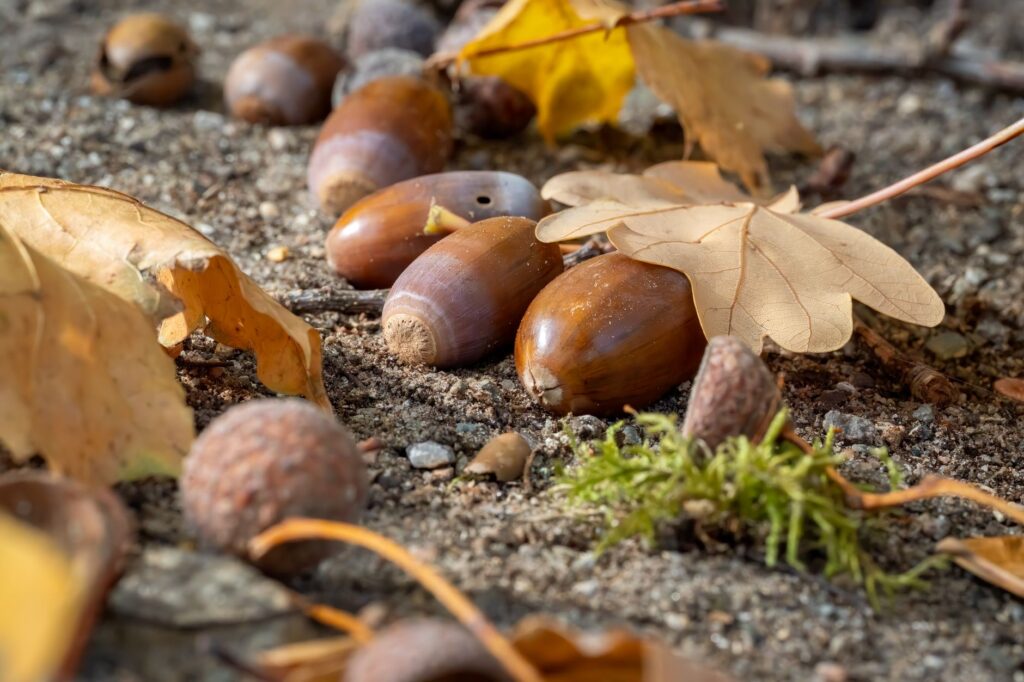
Walk under almost any mature oak in Middletown Township this week — in a Lincroft backyard, along the trails at Poricy Park, under the canopy at Thompson Park — and the ground tells the same story. Acorns everywhere, weeks ahead of the usual September drop, thick enough to roll an ankle on a driveway or dent a windshield parked underneath. Neighbors are asking each other the same question: is this normal?
It is, and it isn’t. What’s happening across the region right now is a mast year, a season when oaks produce far more seed than usual, synchronized across a whole stand of trees at once. It’s a real, documented phenomenon in Quercus species, and New Jersey’s oaks — white oak (Quercus alba), pin oak (Quercus palustris), red oak (Quercus rubra), and the rest of the state’s nineteen native oak species — are in the middle of one.
For a Middletown homeowner, a heavy acorn year is mostly a curiosity and a cleanup chore. But the biology behind it says something real about how a tree budgets its energy, and it’s worth understanding — both to appreciate what’s happening overhead and to know when a heavy seed crop is ordinary tree behavior versus a sign worth a second look.
What a Mast Year Actually Is
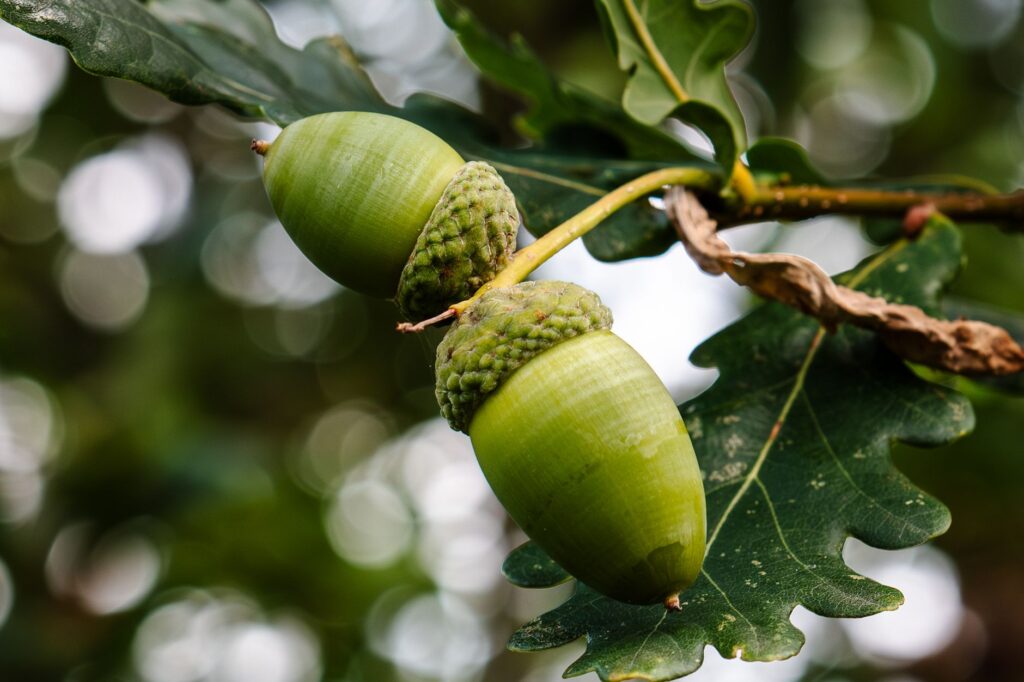
Most years, an oak produces a modest, fairly predictable number of acorns. In a mast year, the same tree — and, critically, most of the oaks around it, regardless of species — can produce ten to twenty times its typical seed crop. A single large white oak can drop thousands of acorns in a mast year, compared to a few hundred in an ordinary one.
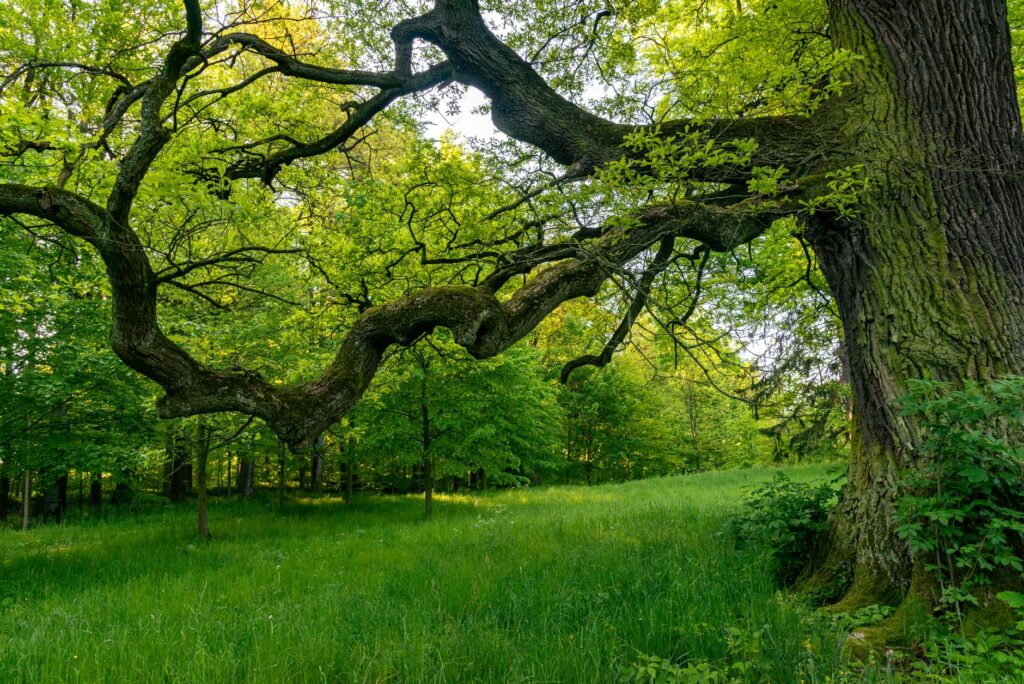
The synchronization is the strangest part. Oaks scattered across a whole township don’t coordinate by any signal scientists have fully identified, yet they still tend to boom and bust together over a two-to-five-year cycle. A tree in a Belford yard and one in a Hartshorne Woods stand a few miles away can both go heavy in the same season without any obvious shared trigger like rainfall alone explaining it.
This isn’t unique to New Jersey. It’s a pattern documented across oak, beech, and hickory populations throughout the eastern United States, and it’s been studied by foresters and ecologists for decades without settling every open question about how it works.
Why Oaks Do This

There’s no single confirmed trigger, but a few overlapping ideas keep showing up in the research, and they’re not mutually exclusive.
One leading explanation is predator satiation — the idea that producing an overwhelming glut of acorns in one synchronized year means squirrels, deer, chipmunks, and turkeys simply can’t eat them all, so more seeds survive to germinate than would in a year of modest, steady production that wildlife populations can fully consume every season. A lean year in between keeps those seed-predator populations from building up enough to consume every acorn a tree could ever produce.
A second factor is resource accumulation. Producing that much seed is expensive. A tree needs to bank several years of carbohydrate reserves before it can afford a mast crop, which is part of why the booms don’t happen every year — the tree is essentially saving up.
Weather plays a role too, though it’s more of a switch than a full explanation. A late spring frost can wipe out flowers before pollination happens at all, while a warm, dry stretch during flowering the previous spring can improve pollination success. Some researchers also connect masting to stress from prior drought or heat years, with a tree potentially investing more heavily in reproduction as a hedge when growing conditions have been difficult. None of these fully explains masting on its own; the honest answer is that it’s a real, well-documented pattern whose precise trigger is still being studied.
Middletown's #1 Tree Expert Company
FREE Inspection & Estimate | Certified Arborists | Trimming, Pruning, Removal, More!
Sponsored
What It Means for the Trees Themselves
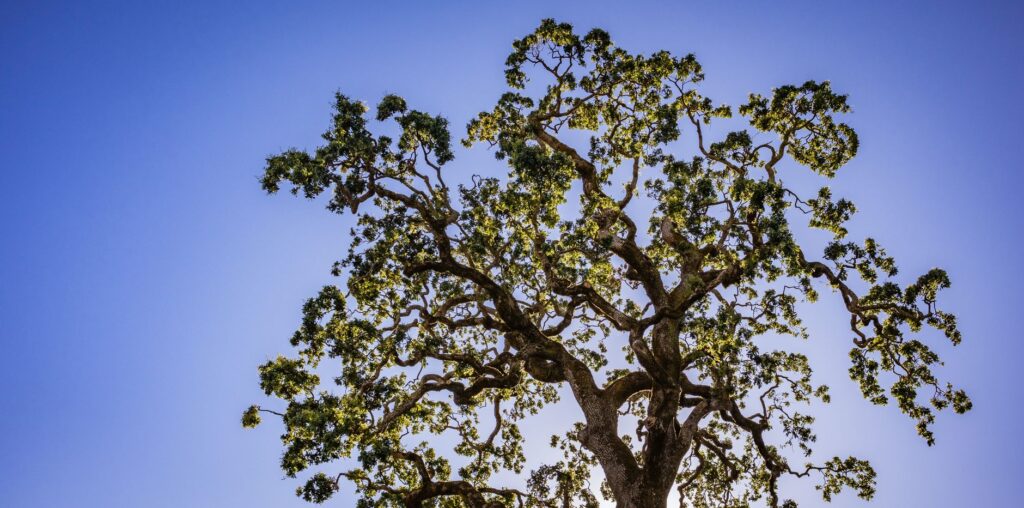
A heavy mast year is demanding work for a tree, and it’s fair to ask whether it’s a sign of stress rather than simply abundance. The answer is usually no — but the distinction matters, and it comes down to looking past the acorns to the rest of the canopy.
A tree having a normal, healthy mast year should still have a full, dense crown of green leaves, normal leaf size, and no unusual dieback in the small twigs at the ends of branches. The acorn crop is heavy, but everything else about the tree looks like business as usual. That’s masting.
What’s worth a second look is a tree carrying an unusually heavy acorn or seed crop alongside a thin, sparse canopy, undersized leaves, significant dead branch tips, or bark that looks stressed. In some species, a stressed or declining tree can put out a surprisingly heavy final seed crop as a last reproductive effort before serious decline — sometimes informally called a stress crop. It looks similar from the ground, but the tree around it tells a different story. If a Middletown oak is dropping an unusual number of acorns and also showing canopy thinning, premature leaf drop, or dead wood that wasn’t there last year, that combination is worth having a certified arborist take a look at, rather than chalking the whole thing up to a normal mast year.
The Ripple Effect Through Middletown's Woods and Yards
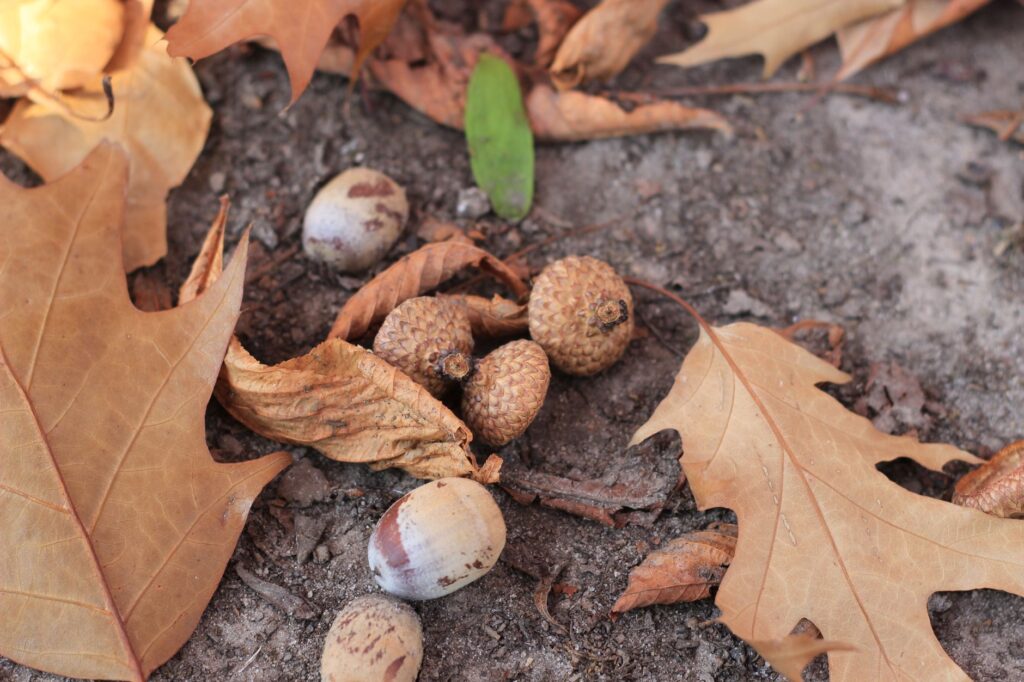
A mast year doesn’t stay contained to the trees that produce it. It moves through the whole local food web, and Middletown’s mix of backyard oaks and larger wooded tracts — Hartshorne Woods Park, Poricy Park, Cheesequake State Park — means residents are likely to notice the downstream effects even if they never connect them back to this year’s acorn crop.
Deer, squirrels, chipmunks, and wild turkeys all key their reproduction and winter survival partly to acorn abundance, and a heavy mast year generally means better winter survival and stronger reproduction the following spring for several of these species. Researchers have also traced a documented lag effect: a big mast year can be followed a year or two later by a spike in white-footed mouse populations, since acorns are a major food source for them — and mouse population booms have in turn been linked to increases in tick abundance the following season. It’s a useful reminder that what looks like a small local event under one tree is really one node in a much longer ecological chain.
None of this is a reason for alarm. It’s simply the ordinary rhythm of an oak-dominated landscape, playing out a little more visibly than usual this year.
Living With a Heavy Acorn Year
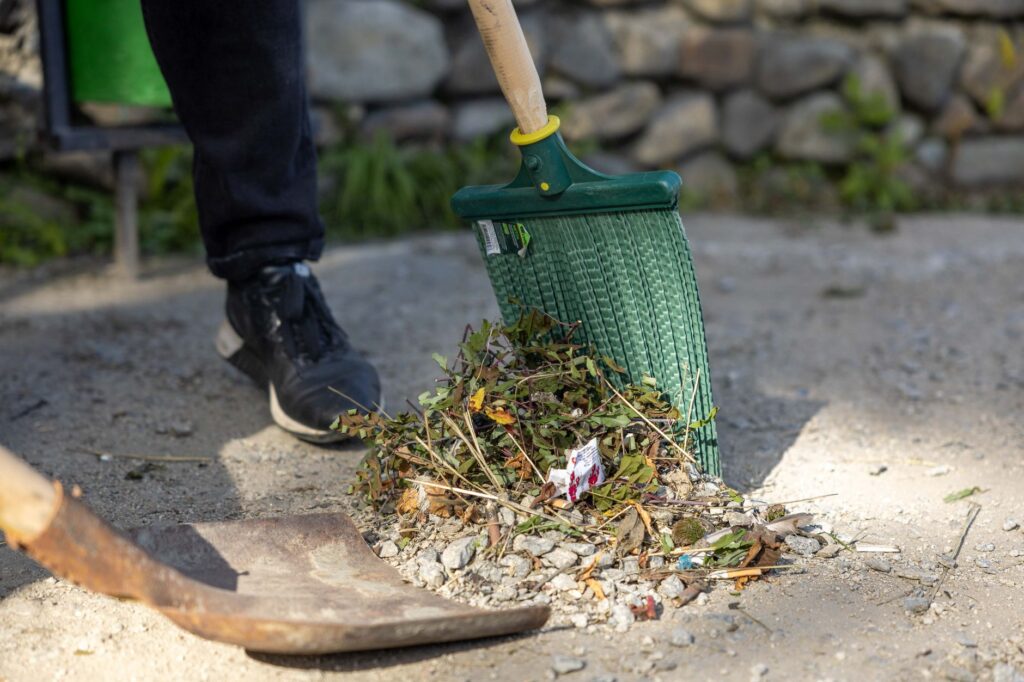
For most Middletown homeowners, the practical side of a mast year is simple housekeeping. A thick layer of acorns on a walkway or driveway is a genuine slip hazard, worth a regular sweep or a pass with a lawn sweeper rather than letting it accumulate. On mowed lawns, acorns can be a minor nuisance for the mower blade but aren’t harmful to the grass.
One thing worth avoiding: don’t rake that season’s acorn litter into a thick pile at the base of the tree as makeshift mulch. Piled organic debris against the trunk holds moisture against the bark and can invite the same rot problems as a mulch volcano. A thin, even layer of mulch out at the drip line, kept a few inches clear of the trunk itself, is still the right approach regardless of how heavy this year’s seed drop has been.
It’s also not a year to panic-fertilize a tree because it’s “working hard.” A healthy oak producing a normal mast crop doesn’t need supplemental feeding on the strength of its acorn count alone — more often, deep watering during dry stretches does more for a mature tree’s reserves than fertilizer does.
Middletown's #1 Tree Expert Company
FREE Inspection & Estimate | Certified Arborists | Trimming, Pruning, Removal, More!
Sponsored
When Abundance Is Worth a Second Opinion
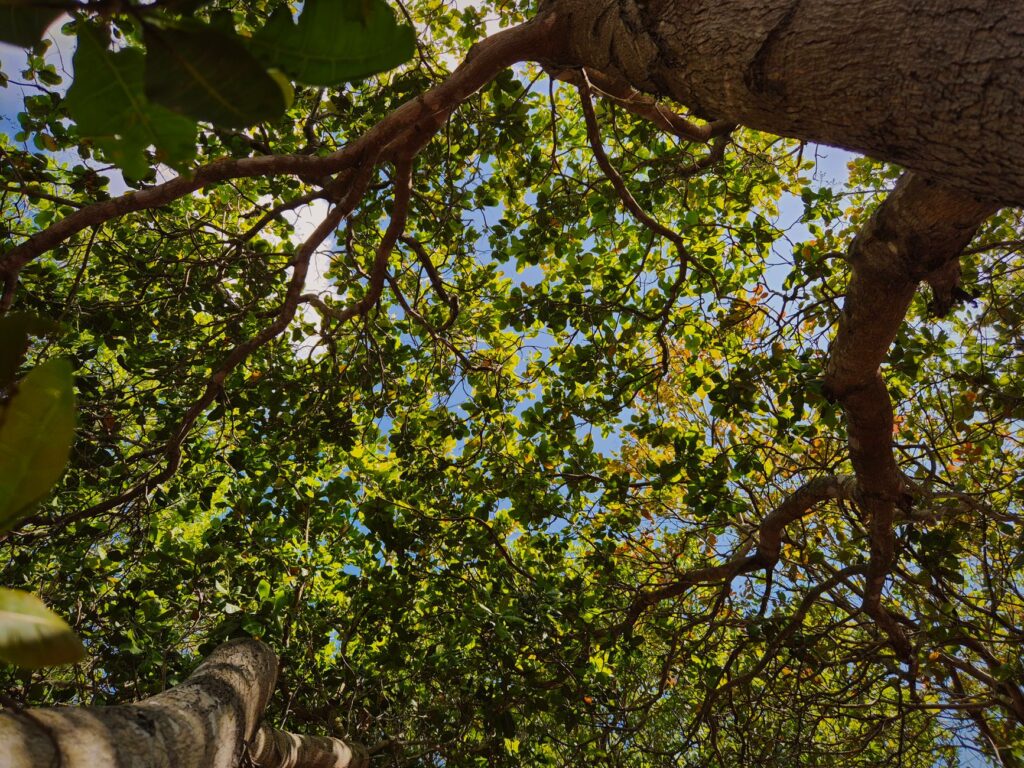
A heavy acorn drop on its own is nothing to worry about — it’s one of the more visible, if under-discussed, rhythms of an oak’s life, and most Middletown yards with mature oaks will experience a season like this every few years. The trees doing it are, in the great majority of cases, simply healthy oaks having a good reproductive year.
The exception is a tree combining an unusually heavy seed crop with real canopy decline — thin foliage, dead branch tips, early leaf drop, or bark changes that weren’t there in past seasons. That combination is worth a proper look from a certified arborist, who can tell the difference between an oak that’s thriving and banking energy for the future and one that may be making a last large investment in seed before decline sets in.
Either way, this year’s heavy acorn crop is a good excuse to actually look up into the canopy of the big oaks around a Middletown property — not just at the ground beneath them. More on tree health monitoring from the USDA Forest Service and general canopy assessment guidance from the International Society of Arboriculture’s tree owner resources is a good starting point for homeowners who want to understand what a healthy oak canopy should look like year over year. Rutgers Cooperative Extension’s New Jersey Agricultural Experiment Station is another solid resource for anyone who wants to dig deeper into what’s driving this year’s mast crop across Monmouth County.
Photo credits: Featured image by Gundula Vogel on Pexels; Section 1 by Ar kay on Pexels; Section 2 by Radosław Krupa on Pexels; Section 3 by Chris F on Pexels; Section 4 by Robert So on Pexels; Section 5 by Natalia Sevruk on Pexels; Section 6 by Sergei Starostin on Pexels; Section 7 by Lan Nguyen Tran on Pexels.