

Middletown's #1 Tree Expert Company
FREE Inspection & Estimate | Certified Arborists | Trimming, Pruning, Removal, More!
Sponsored
Most Tree Care in Middletown Happens Too Late
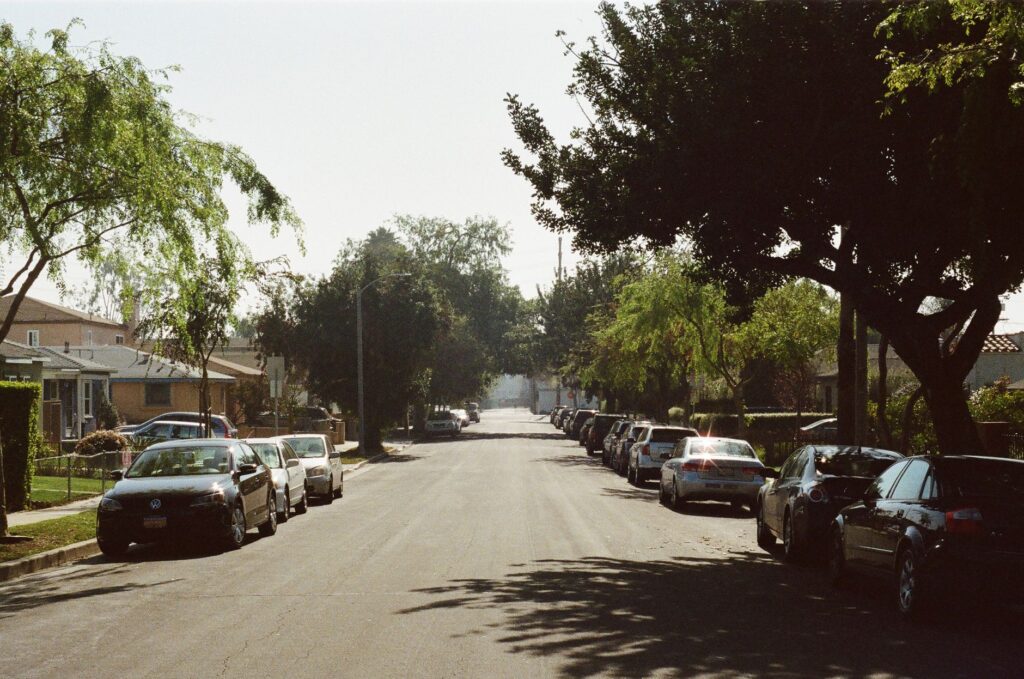
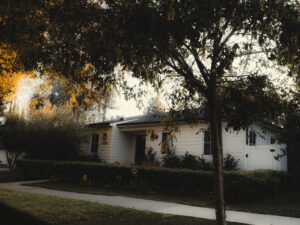
Walk down almost any street in Middletown Township — Lincroft’s older lots, the postwar blocks near Port Monmouth, the shaded lanes around Thompson Park — and the pattern repeats itself. A tree gets attention when a limb cracks in a nor’easter, when a trunk starts leaning after a wet spring, or when the leaves come in thin and pale and something is obviously, visibly wrong. By the time any of that happens, the tree has usually been under stress for years.
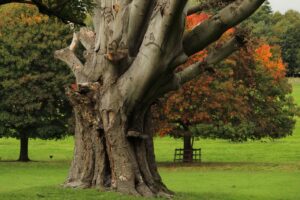
That reactive pattern is understandable. Trees are patient, and a stressed tree in year two looks almost identical to a healthy one. But it’s also backwards. The trees that make it to maturity in this area — the big white oaks (Quercus alba) and tulip poplars (Liriodendron tulipifera) that shade Middletown’s older neighborhoods — didn’t get there by accident. Somewhere along the way, someone paid attention to the soil, the roots, and the structure long before there was a visible problem to react to.
Preventive tree care isn’t a product or a single service. It’s a shift in when attention gets paid — from after a symptom shows up to on a schedule, regardless of how the tree looks. For Middletown’s mix of glacial-outwash sand near the Bayshore and heavier clay-loam further inland, that shift matters more than it does in a lot of places, because both soil types create slow, invisible stress long before a tree shows it above ground.
It Starts Underground, Not in the Canopy
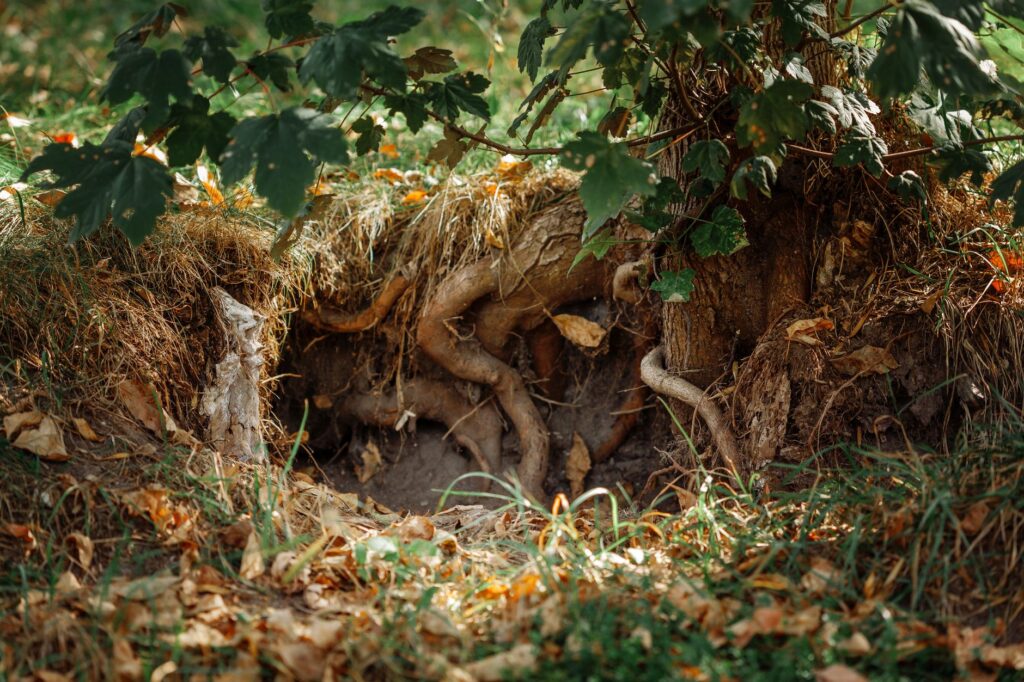
Homeowners tend to watch the part of the tree they can see — the leaves, the branches, the bark. But the piece that determines whether a tree thrives or slowly declines is almost entirely out of sight: the root zone. Roughly 90% of a tree’s fine, water-absorbing roots sit in the top 12 to 18 inches of soil, spread out well beyond the canopy’s edge, not straight down under the trunk. Anything that compacts, paves, or disturbs that shallow zone has an outsized effect on the whole tree.
In Middletown, that root zone takes a beating in ways that aren’t always obvious. Foot traffic and mower wheels compact soil over years. Driveway and patio projects sever roots that took decades to grow. Turf grass planted right up to the trunk competes with tree roots for the same water and nutrients. None of this kills a tree in one season — it accumulates, the way USDA Forest Service research on urban tree stress has documented for years, until a drought, storm, or minor injury finally pushes an already-weakened tree past what it can recover from.
Prevention here is straightforward but easy to skip: keep the critical root zone mulched instead of turfed, avoid compacting the soil with heavy equipment or repeated foot traffic, and think about root protection before any excavation project, not after. A soil test every few years — something the Rutgers NJAES Soil Testing Lab offers at low cost — tells you what’s actually happening below the surface instead of guessing from what the canopy looks like.
Structural Pruning While a Tree Is Still Young
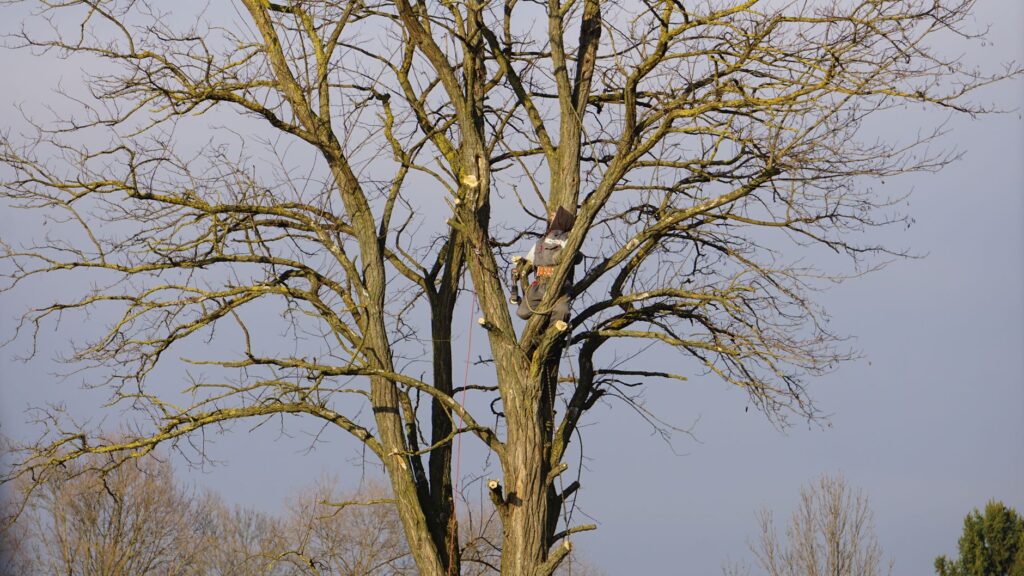
The single highest-leverage preventive move available to a Middletown homeowner is also one of the cheapest: structural pruning on a young tree, done well before it’s mature. A newly planted tree has multiple stems competing to be the leader, branches that cross and rub, and unions that will either become strong or become a future failure point — and at five or ten years old, correcting any of that takes a few well-placed cuts. Wait until the tree is forty feet tall and those same corrections mean removing large limbs, which the tree tolerates far worse.
Codominant stems — two trunks of similar size growing from nearly the same point — are the classic example. Left alone, they often develop included bark at the union instead of strong wood, and that union becomes a likely failure point in exactly the kind of high-wind event Middletown sees every hurricane season and nor’easter. Caught early, a young tree with codominant stems just needs one leader favored and the competing stem reduced. That’s a preventive fix. The alternative — cabling or bracing a mature tree with the same defect — is a treatment for a problem that structural pruning could have avoided in the first place.
The International Society of Arboriculture’s guidance on pruning young trees is a useful reference for what this actually involves. The short version: a young tree benefits from light, structural pruning every two to three years for its first decade, not a single dramatic correction later.
Middletown's #1 Tree Expert Company
FREE Inspection & Estimate | Certified Arborists | Trimming, Pruning, Removal, More!
Sponsored
Reading the Signs Before They're Obvious
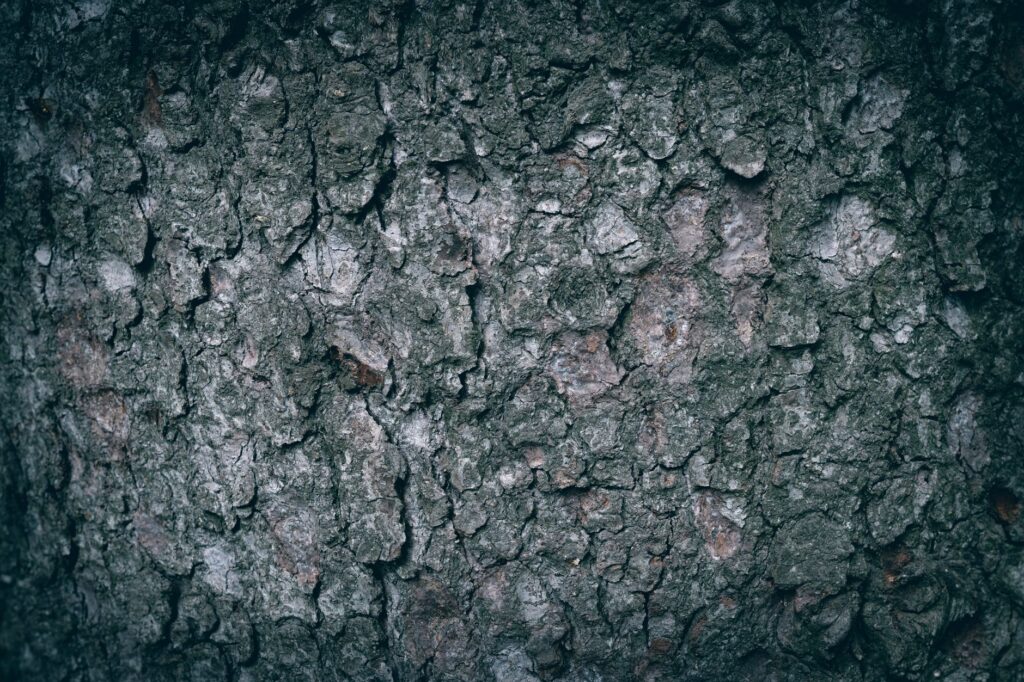
Preventive care also means checking on a schedule rather than waiting for a tree to announce a problem. A few habits catch issues early enough to matter:
- Look at the base of the trunk once a season. New cracks, oozing sap, mushroom-like conks, or soil that’s suddenly mounding away from the trunk are all early signals worth a second look.
- Track canopy density year over year. A tree that’s noticeably thinner than it was two summers ago — even without dead branches yet — is usually already under stress.
- Watch how the tree handles the first real dry stretch each summer. Early leaf drop or scorched margins before August is typically a tree telling you its root system can’t keep up, not a sign of the season alone.
- Note anything that changed nearby. A new driveway, a grading project, a utility trench, or fill dirt added to raise a low spot near a mature tree’s root zone are all events worth flagging even if the tree looks fine that same year — the decline often shows up three to five years later.
None of this requires special equipment, just a consistent look at the same tree over time. It’s the difference between catching a problem while it’s a pruning job and catching it after it’s a removal.
Where Prevention Becomes a Professional's Job
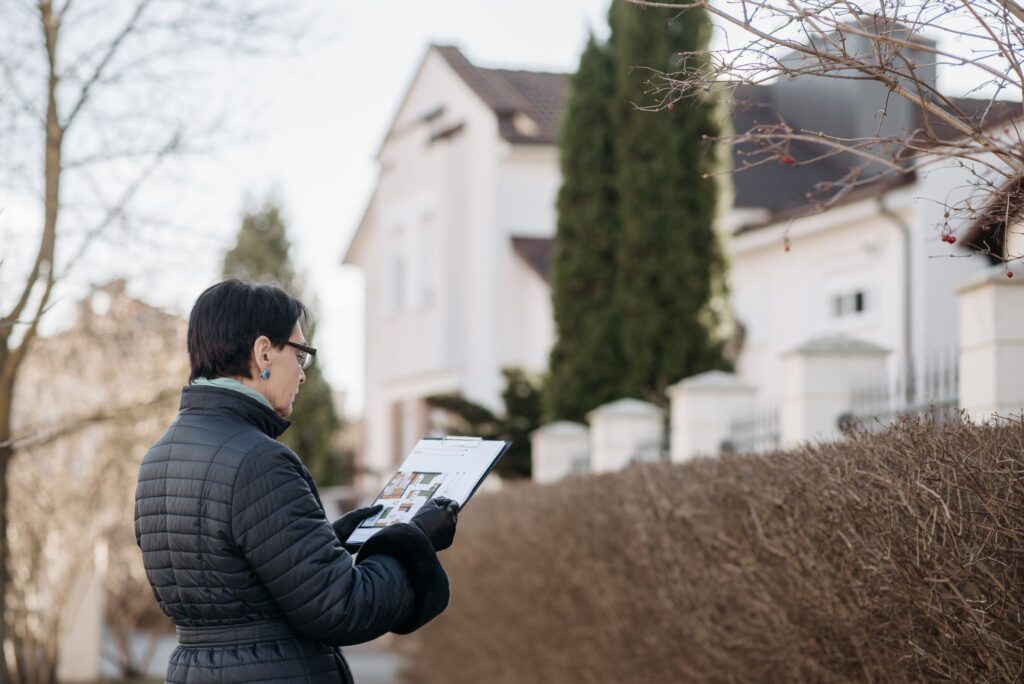
Some preventive work is genuinely DIY — mulching correctly, watering deeply during dry stretches, keeping mowers and string trimmers away from the trunk. But a real preventive program for a mature or valuable tree usually involves a certified arborist at some point, because several of the more effective interventions require training and equipment a homeowner won’t have.
A professional risk assessment — the kind that follows Tree Care Industry Association standards — looks at structural defects, root health, and site conditions together, not just whatever’s visible from the ground. Early cabling on a tree with a structural weakness, done before any crack or lean has developed, is a very different intervention than emergency bracing after storm damage. Soil aeration or decompaction around a mature tree’s root zone — sometimes done with an air spade to avoid cutting roots — can reverse years of compaction that a homeowner would never diagnose on their own.
The pattern worth remembering: preventive professional work is scheduled and calm. It happens on a normal Tuesday, not the morning after a storm. If the first call to an arborist is also the first time anyone has looked closely at a given tree, that’s not really prevention anymore — it’s triage that happened to arrive before a failure instead of after one.
Late Summer Is a Natural Checkpoint
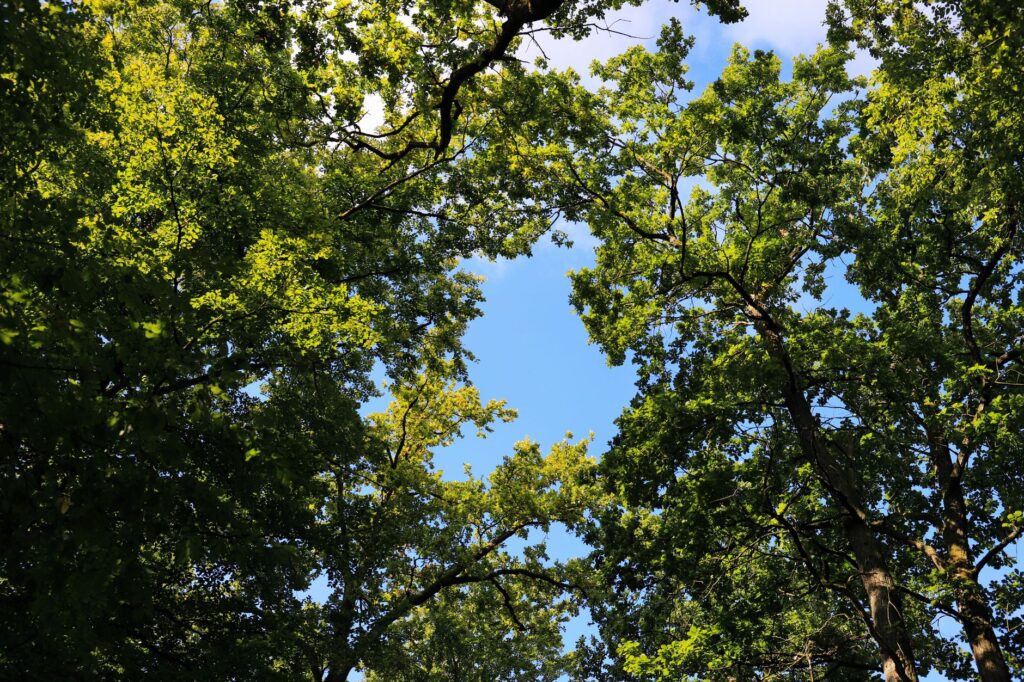
Late August sits at a useful hinge point in the Middletown tree year. The stress of peak summer heat is mostly behind us, the fall planting and pruning window is a few weeks out, and any tree that struggled this season is showing it now — thin canopy, early leaf drop, dieback in the outer crown — while there’s still time to plan a response before dormancy.
It’s a reasonable moment to walk the property with a fresh eye. Note which trees came through August looking strong and which didn’t. That short list of ones that struggled is exactly what should get a closer look — and possibly a professional assessment — once the fall pruning window opens in October and November.
Middletown's #1 Tree Expert Company
FREE Inspection & Estimate | Certified Arborists | Trimming, Pruning, Removal, More!
Sponsored
Prevention Is Cheaper Than Recovery
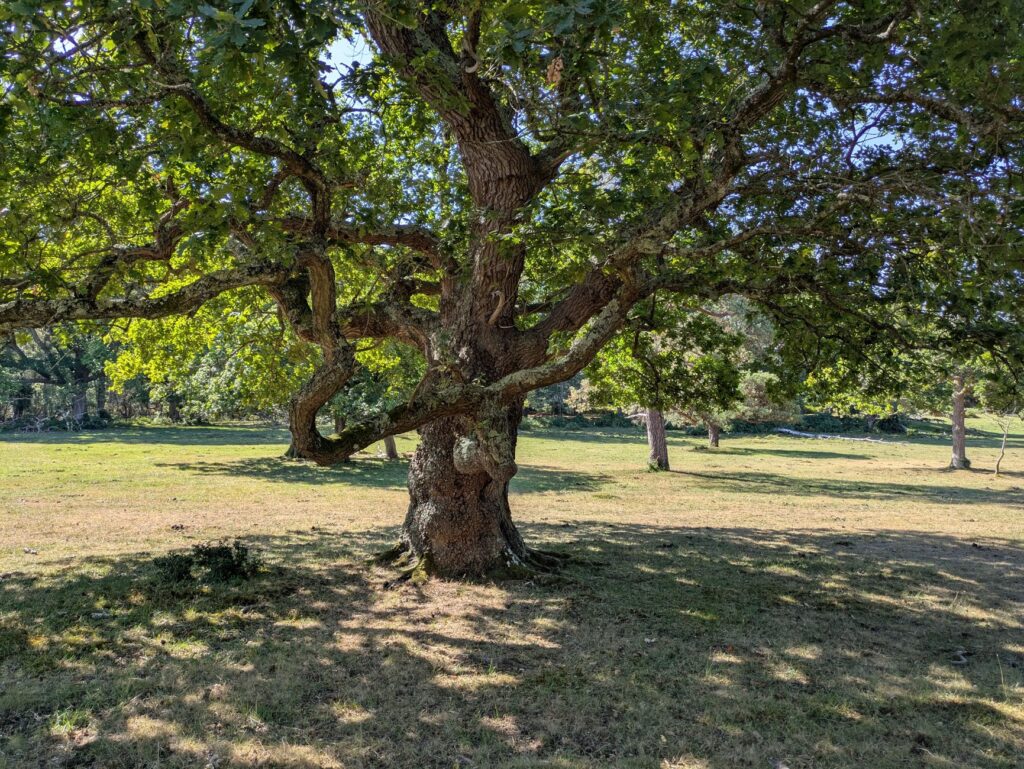
Every mature, healthy tree in Middletown Township got there through some combination of good luck and good decisions made early and often — decisions about soil, structure, and attention that were made well before there was any visible reason to worry. The trees that end up needing emergency removal after a storm are rarely trees that failed randomly; more often, they’re trees that were already compromised in ways nobody was checking for.
A homeowner doesn’t need to turn tree care into a hobby to get most of the benefit. Mulch correctly, avoid compacting the root zone, structurally prune young trees while it’s easy, and take a real look at each tree once or twice a year instead of only when something looks wrong. For anything beyond that — a tree with a structural concern, a root zone that’s taken damage from nearby construction, or simply a valuable mature tree that’s never had a professional look — a certified arborist can put together an actual preventive plan rather than waiting for the next emergency call. That’s the whole difference: prevention is scheduled, and it’s almost always cheaper, in money and in the tree itself, than what comes after waiting too long.
Photo credits: Featured image by Liudmyla Shalimova on Pexels; Section 1 by Jaymantri on Pexels; Section 2 by Julia Filirovska on Pexels; Section 3 by Dmytro Glazunov on Pexels; Section 4 by Wyxina Tresse on Pexels; Section 5 by Pavel Danilyuk on Pexels; Section 6 by Christina & Peter on Pexels; Section 7 by David Allen on Pexels.