
Middletown's #1 Tree Expert Company
FREE Inspection & Estimate | Certified Arborists | Trimming, Pruning, Removal, More!
Sponsored
A Photo Record Your Middletown Trees Will Thank You For
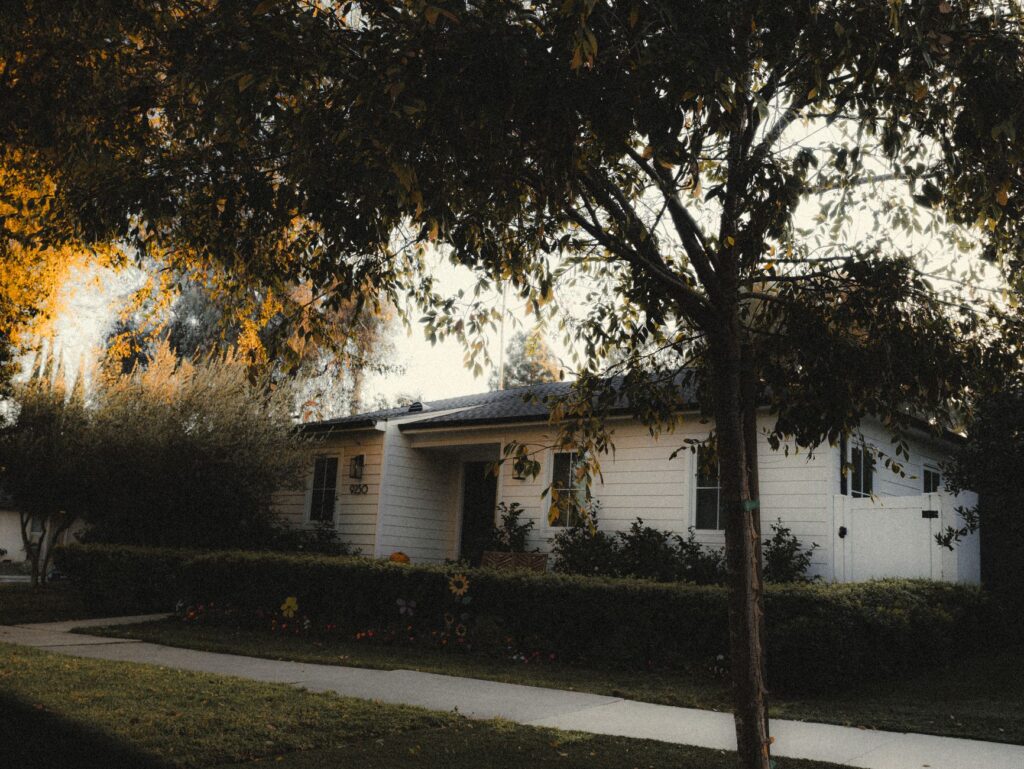
Every few years a Middletown homeowner calls after a storm with the same sentence: the tree was fine last month. Maybe it was. But when a white oak drops a limb across a driveway or a red maple comes down on a shed, the question that follows is almost never about the tree. It is about proof. What did it look like before, who knew about it, and what had been done?
Late October is the best time of year to build that record. The leaves are coloring or down, so you can see branch structure, the ground is soft enough to show root flare and soil changes, and winter nor’easters are still weeks away. A single afternoon with a phone and a notebook gives you something that no insurance adjuster, neighbor, or township official can argue with: dated evidence of the condition of your trees.
This is not about building a legal case against anyone. It is about owning a simple, honest baseline for the trees on your property. Think of it as the same habit as keeping a home inventory, except the items are alive and change every year.
What to Photograph, and From Where
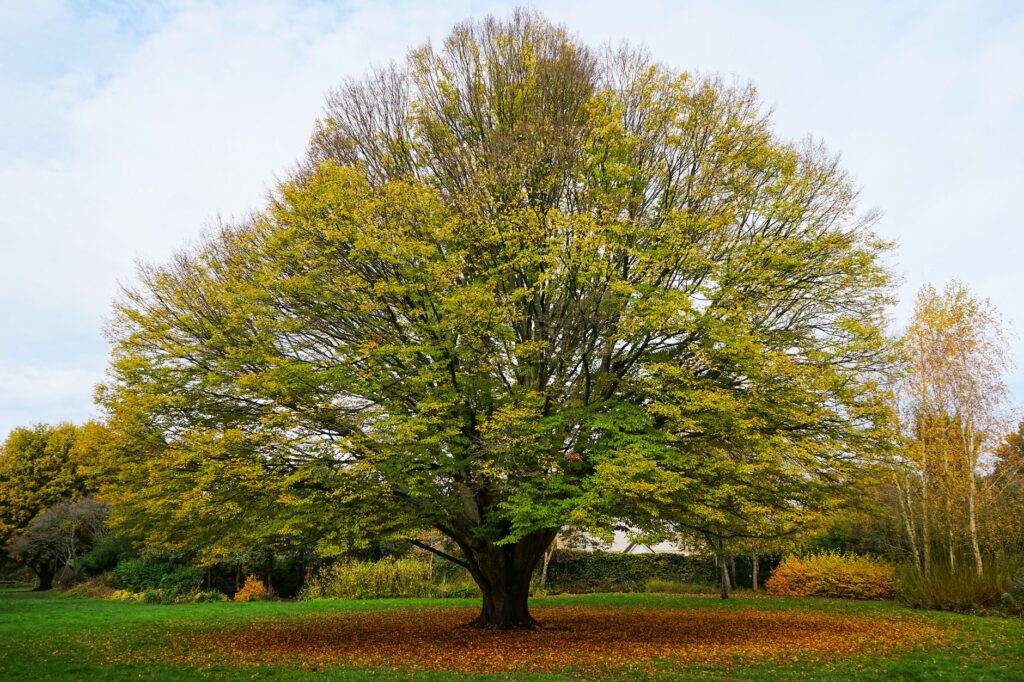
Start with the whole tree. Stand far enough back to get the full crown, trunk, and base in one frame, ideally from two directions at roughly right angles. Include a fixed landmark such as a house corner, fence post, or mailbox so the tree’s size and lean are obvious later. Repeat this for every tree within falling distance of a structure, driveway, utility line, or property line.
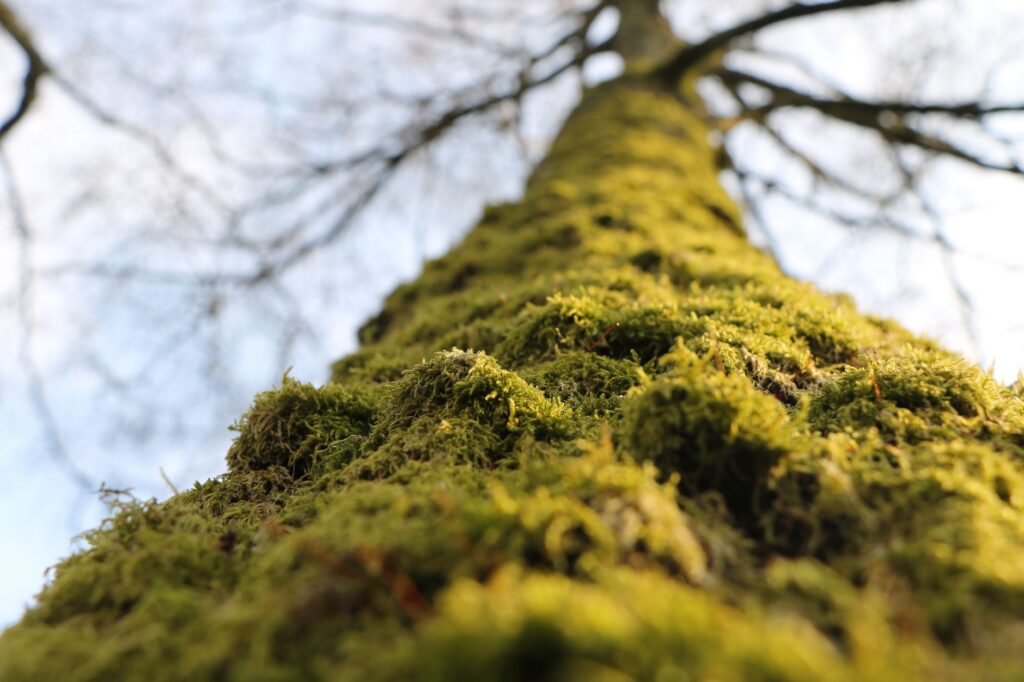
Then move in close. Shoot the root flare where the trunk meets the soil, any visible surface roots, wounds, cavities, cracks, fungal growth, and the spots where major limbs attach. A coin or a pen laid next to a crack or conk gives scale. If you notice dead branches or hangers, photograph those from below looking up, because that is the angle you will need to compare against later.
Finally, capture context. Take a wide shot showing the tree and whatever it could hit, and a shot of the ground under the canopy so any mulch, grade change, or construction scar is visible. Phones stamp the date and location in the file data automatically, but it is worth keeping the originals rather than screenshots or messaging copies, which often strip that information.
Why Condition Records Matter After a Storm
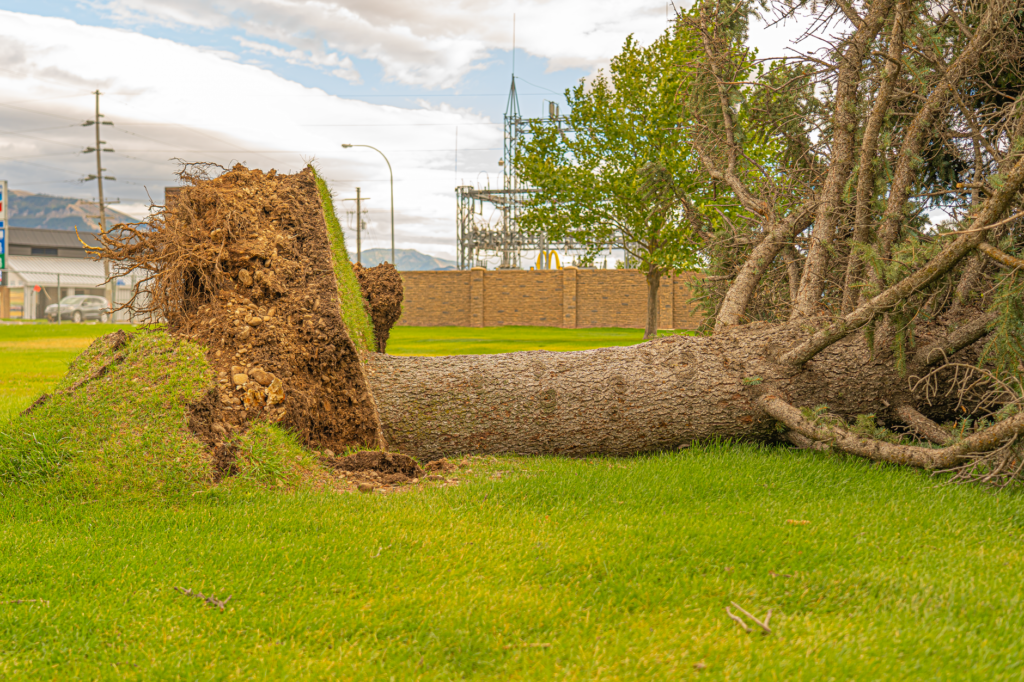
Property insurance generally responds to sudden damage, such as a healthy tree toppling in a storm, and treats long-term neglect differently. Policies vary a great deal, and the language in yours is what counts, but the pattern is common enough that it is worth understanding in plain terms: how a tree looked and what was known about it beforehand can shape how a claim is read.
A dated photo set helps in both directions. If a sound-looking tree fails in a nor’easter, photographs showing no visible decay support the point that this was a sudden event. If a tree already had a visible problem and you can show you took reasonable steps, such as an arborist visit, that shows good faith rather than indifference. Either way, you are replacing guesswork with a record.
The same records help with the other half of the storm cleanup problem, which is disputes. When a tree crosses a property line and damages something, each side tends to remember the tree differently. A calm folder of dated pictures from before the storm tends to settle more arguments than any amount of memory.
Middletown's #1 Tree Expert Company
FREE Inspection & Estimate | Certified Arborists | Trimming, Pruning, Removal, More!
Sponsored
Keep a Simple Written Log Alongside the Photos

Photos tell you what a tree looked like. A short written log tells you what you did about it. Use a notebook, a phone note, or a spreadsheet, and keep it boring on purpose. For each tree, record the species if you know it, roughly where it stands on the lot, the date of your photos, and anything you noticed that day.
Then add the action items as they happen. Pruning dates, who did the work, whether an arborist inspected the tree, any treatments, any storm damage, and any cleanup receipts all belong here. Even a line like “October 25, noticed deadwood in the upper crown of the front maple, scheduled an inspection” shows a pattern of paying attention. The International Society of Arboriculture’s consumer site, Trees Are Good, is a useful place to learn the vocabulary for what you are seeing, from codominant stems to included bark.
If you already own a home inventory spreadsheet for insurance, add a tab for trees. Put the folder of photos in a cloud account as well as on your phone, because phones get lost, and a record that disappears with the device is not much of a record.
Signs Worth Writing Down When You Look Closely
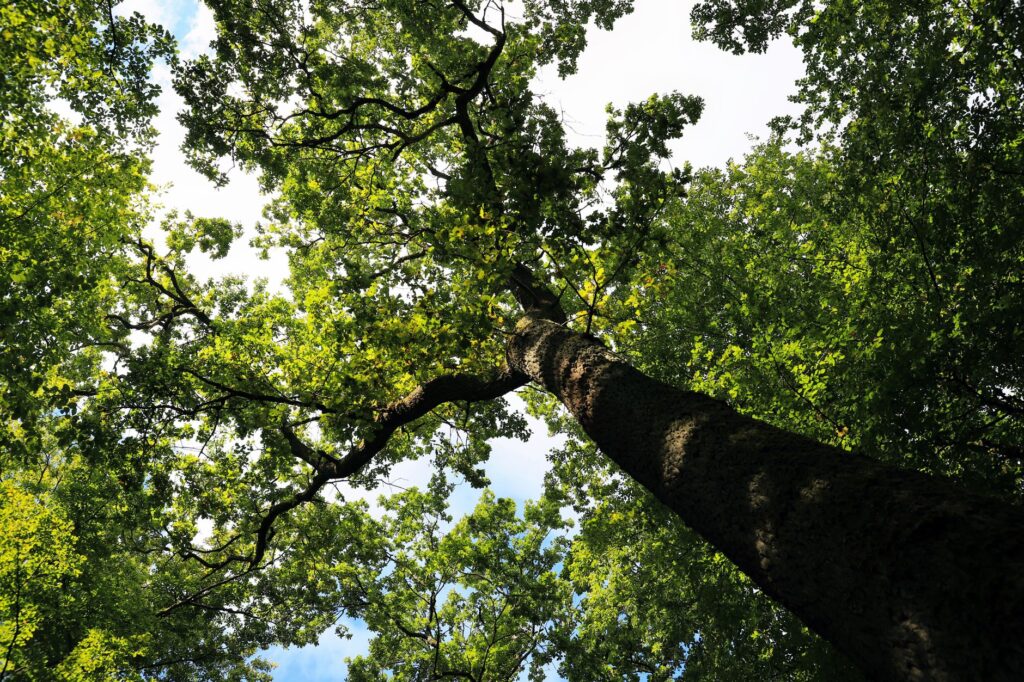
You do not need to diagnose anything. You just need to notice. Cracks in the trunk or at a branch union, mushrooms or shelf fungi at the base, a lean that looks new, soil heaved up on one side, deadwood in the crown, cavities, oozing sap, and sudden thinning are all worth a photograph and a line in the log. So is anything that has changed since last year’s pictures, which is the real value of doing this annually.
Local conditions add their own risks. Middletown’s Bayshore neighborhoods deal with salt spray, saturated soils, and strong coastal wind, and inland yards on clay loam can hold water around roots. The Rutgers New Jersey Agricultural Experiment Station publishes plant and tree health fact sheets for the state that help you match what you see to likely causes before you call anyone.
One note on risk. A tree with a visible defect over a house, play area, or driveway is not a photo-and-forget situation. Write it down, but also treat it as a reason to schedule a professional look this season rather than next year. The photograph documents the concern; it does not make the tree any safer.
Public Rules and Paperwork Worth Filing With the Photos

Your tree file is also the right place to keep the paperwork that touches your trees. If you have ever pulled a permit for removal, kept a township letter about a street or right-of-way tree, or received a utility notice about line clearance, put a copy in the same folder. Middletown Township has its own rules about tree removal and replacement, and the Middletown Township website is the place to check the current requirements before any significant work.
It is also smart to keep your arborist paperwork together: written estimates, inspection notes, and proof that the person you hired was licensed. New Jersey licenses tree experts and tree care operators, and the state’s forestry program, the NJ Forest Service, is a reasonable starting point for understanding how professional tree work is regulated in the state.
None of this is exciting reading, but a tidy folder shows its worth the one time you need it. When an adjuster, a township inspector, or a buyer asks what you know about that big tree out front, you hand over a folder instead of a guess.
Middletown's #1 Tree Expert Company
FREE Inspection & Estimate | Certified Arborists | Trimming, Pruning, Removal, More!
Sponsored
When to Call a Certified Arborist About What You Found
Once you have walked the property and filed your photos, sort the trees into three piles. The first is healthy and unremarkable, which only needs a fresh set of photos next fall. The second has something worth watching, such as a small cavity or a minor lean, which deserves a note and a re-check after the next big storm. The third has a defect over a target, meaning something that could hit a house, car, or person. Those need a professional now.
A certified arborist can do a proper risk assessment, which is far more than a glance from the ground. They look at structure, decay, root health, site conditions, and what the tree could strike, and they can tell you whether pruning, bracing, monitoring, or removal makes sense. Many will also write up findings, and that written assessment is exactly the kind of document that belongs in your folder. You can find credentialed professionals through the ISA’s Find an Arborist tool.
Do the walk-around this week, while the weather is mild and the schedules are open. A photo record takes an hour, an arborist visit takes a little longer, and together they turn the next nor’easter from a surprise into something you are at least prepared to document.
Photo credits: Featured image by Eliezer Muller on Pexels; Section 1 by Mike Bird on Pexels; Section 2 by Milbela on Pexels; Section 3 by Castorly Stock on Pexels; Section 4 by Polina ⠀ on Pexels; Section 5 by Christina & Peter on Pexels; Section 6 by cottonbro studio on Pexels; Section 7 by Matheus Bertelli on Pexels.