Middletown's #1 Tree Expert Company
FREE Inspection & Estimate | Certified Arborists | Trimming, Pruning, Removal, More!
Sponsored
Every October the Same Question Comes Up
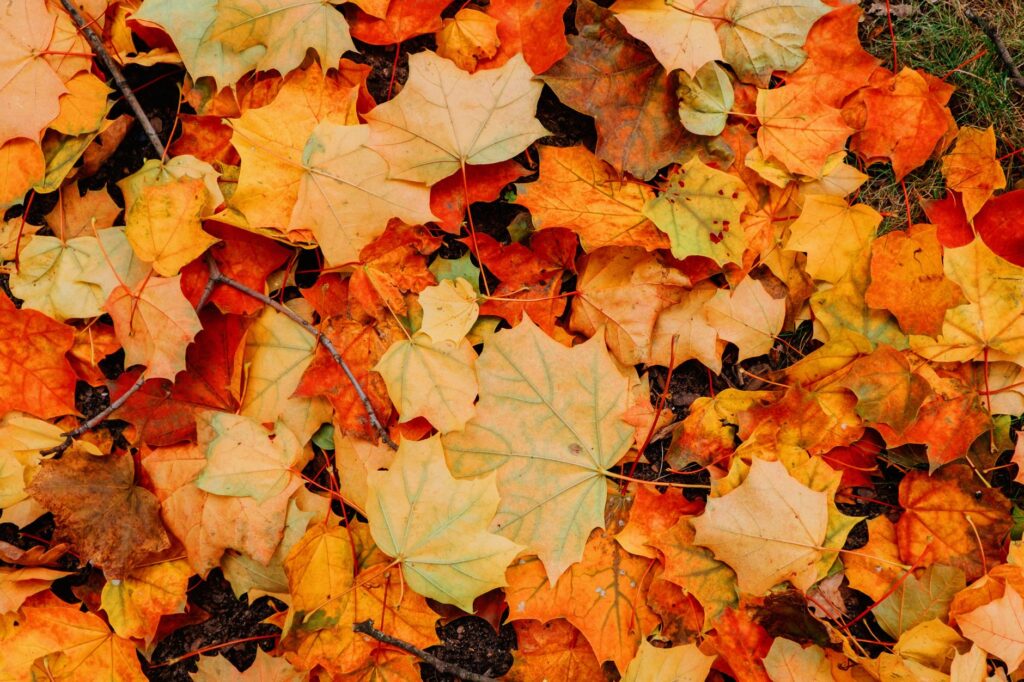
Somewhere around the third week of October, the same question starts coming up on Middletown streets, usually shouted over a leaf blower: what are you supposed to do with all of this? The red maples along the Bayshore have dropped, the white oaks are turning bronze, and the tulip poplars are shedding yellow leaves by the bucketful. By Halloween the lawn disappears under a layer that looks tidy for about a day and a half.
The honest answer is that there is no single right answer, because leaves are not a problem or a gift. They are a material, and what works depends on how many you have, what species dropped them, and what is growing underneath. A thin scatter of oak leaves on a mulched bed is a different situation from six inches of silver maple on fescue.
This guide walks through the options a Middletown Township homeowner actually has: leaving leaves in place, mowing them in, raking them into beds, composting, and hauling them away. We will also cover the two situations where leaves should leave the property no matter what, and the one mistake that does real damage to the tree itself. Most of it is easy, free, and kinder to your trees than the usual weekend routine.
What Leaf Litter Actually Does for a Tree
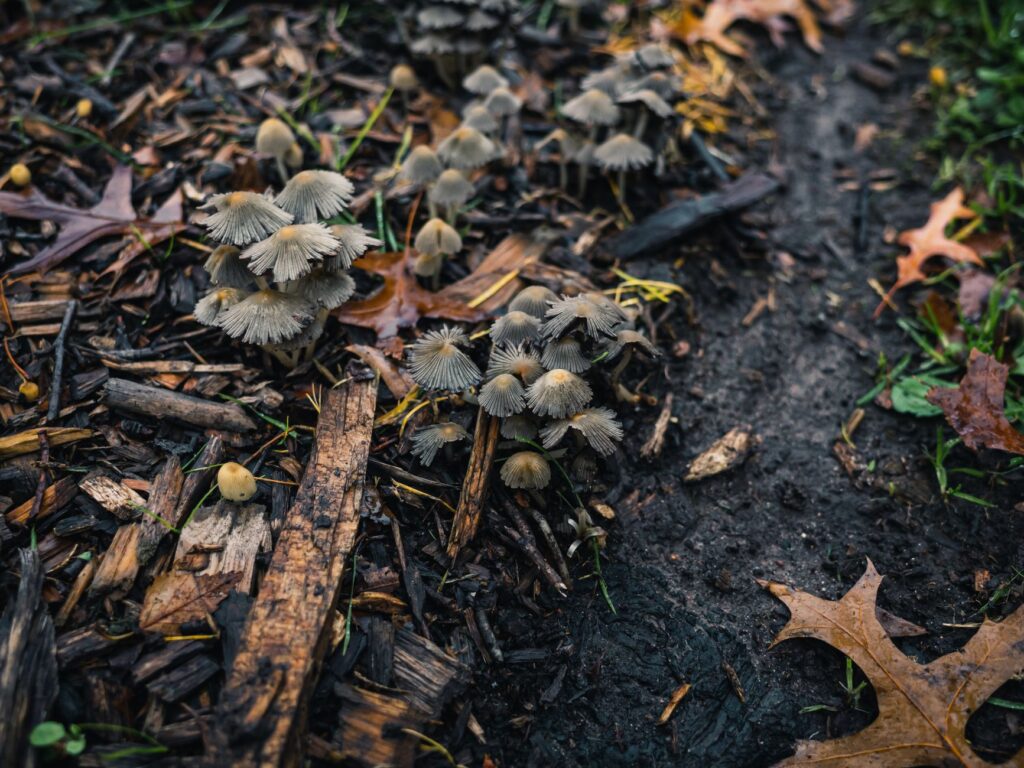
In a forest nobody rakes. Leaves fall, break down over a year or two, and feed the soil that grew them. Rutgers Cooperative Extension, the state’s land-grant outreach service, has long encouraged homeowners to treat fallen leaves as a resource rather than waste, and you can browse its landscape guidance at Rutgers NJAES. The reasoning is simple. A tree pulls minerals out of the soil all summer and parks a share of them in its leaves, and when those leaves decompose the minerals go back where they came from.
A layer of leaf litter also behaves like a free mulch. It moderates soil temperature, slows evaporation after a dry spell, and keeps the surface from crusting over in a hard rain. Earthworms and soil fungi do the slow work of turning it into organic matter, which is exactly what Middletown’s clay-loam soils tend to lack near the surface.
There is a wildlife side too. Native bees, fireflies, and a long list of moth and butterfly species overwinter in leaf litter as eggs, larvae, or pupae. Thin leaf cover under shrubs and trees at the back of the lot costs you nothing and carries a surprising amount of the local food web through the winter. The catch is that the same layer that helps at a woodland edge can smother a lawn, so the goal is to put the leaves in the right place, not to leave them everywhere.
Mowing Leaves Into the Lawn
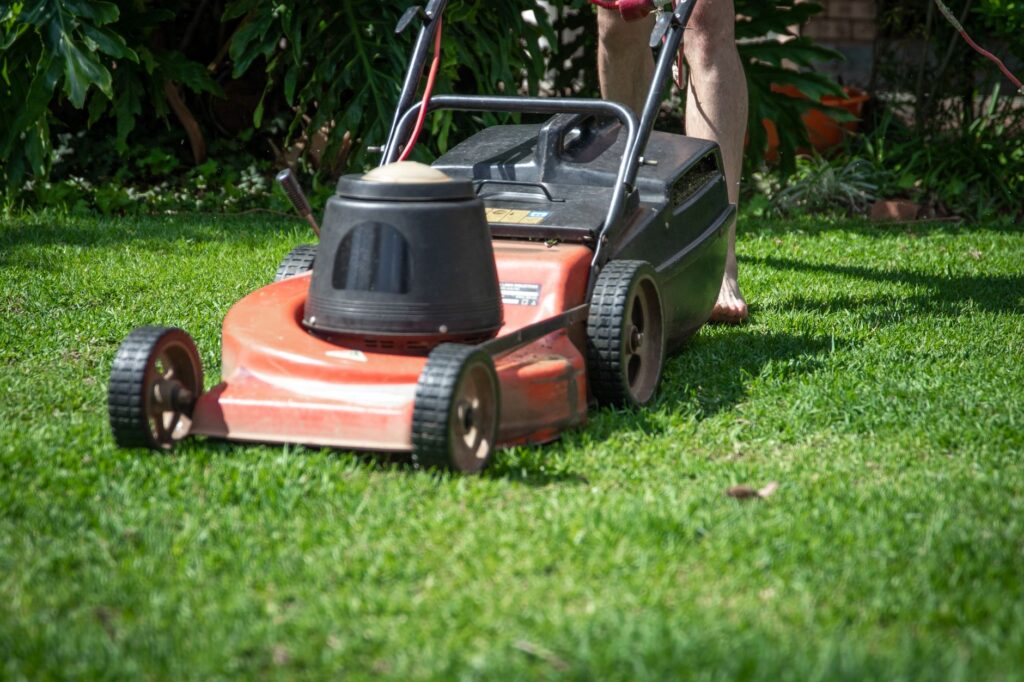
The easiest option for most yards is the one that takes no extra equipment. When the leaf layer is light enough that you can still see grass through it, run the mower over it once or twice and leave the shredded pieces where they land. Chopped small, the leaves slip down between the grass blades, break down over the winter, and return nutrients to the turf.
The rule of thumb is that you should still be able to see the lawn after you mow. If shredded leaves are lying in a solid mat, make another pass or bag the surplus and move it to a bed. A mulching blade helps, and so does mowing when the leaves are dry, since wet leaves clump and stick to the deck.
Turf programs at land-grant universities have tested this approach on home lawns for years and generally find no harm to the grass, as long as the layer is not buried deep. Your trees benefit indirectly. A healthy, unstressed lawn gives you less reason to scrape the soil bare or fight the turf around the base of a trunk.
One practical note for the older neighborhoods around Lincroft and Navesink, where mature oaks and tulip poplars drop leaves in huge volume. You may need to mow the same patch three or four times across November rather than once. That is normal, and it is still faster than raking.
Middletown's #1 Tree Expert Company
FREE Inspection & Estimate | Certified Arborists | Trimming, Pruning, Removal, More!
Sponsored
Putting Leaves to Work Under Trees and Shrubs
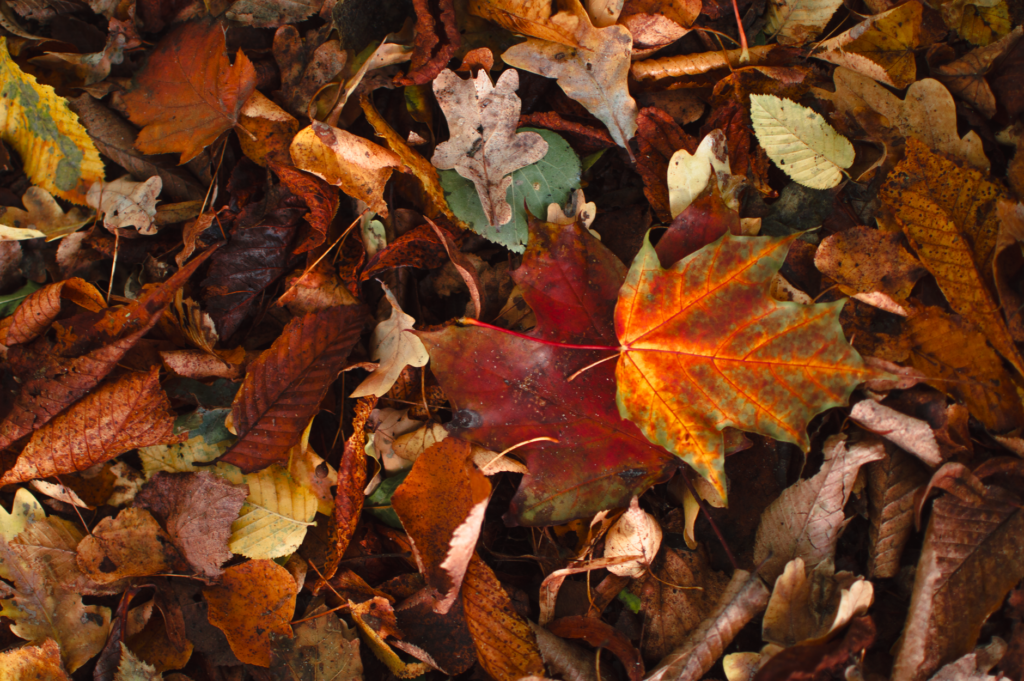
The second easy option is moving leaves into planting beds and under shrubs, where they act as mulch. Shredded leaves work best because whole leaves, especially broad maple leaves, can mat together and shed water instead of absorbing it. A couple of passes with the mower or a leaf shredder fixes that.
A depth of two to three inches is plenty. More than that and you start to restrict oxygen exchange at the soil surface, which matters for the fine feeder roots living in the top few inches. Anyone who has read our earlier piece on mulch volcanoes will see the pattern: the material is fine, the pile-up against the trunk is the problem. The same advice applies here, and the homeowner pages at Trees Are Good, run by the International Society of Arboriculture, lay out the mulching basics clearly.
Here is a short checklist for leaf mulch under Middletown trees:
- Shred the leaves first so they do not mat.
- Spread them two to three inches deep, no more.
- Pull the layer back three to six inches from the trunk so the root flare stays visible and dry.
- Extend it out toward the drip line if you can, since that is where most active roots live.
- Refresh it once a year rather than piling a new layer on top of an old one.
If you already put down wood chips in the spring, you do not need to add leaves on top. Think of leaves as a free top-up for beds that look thin, not as a requirement.
The Two Cases Where Leaves Should Leave the Yard
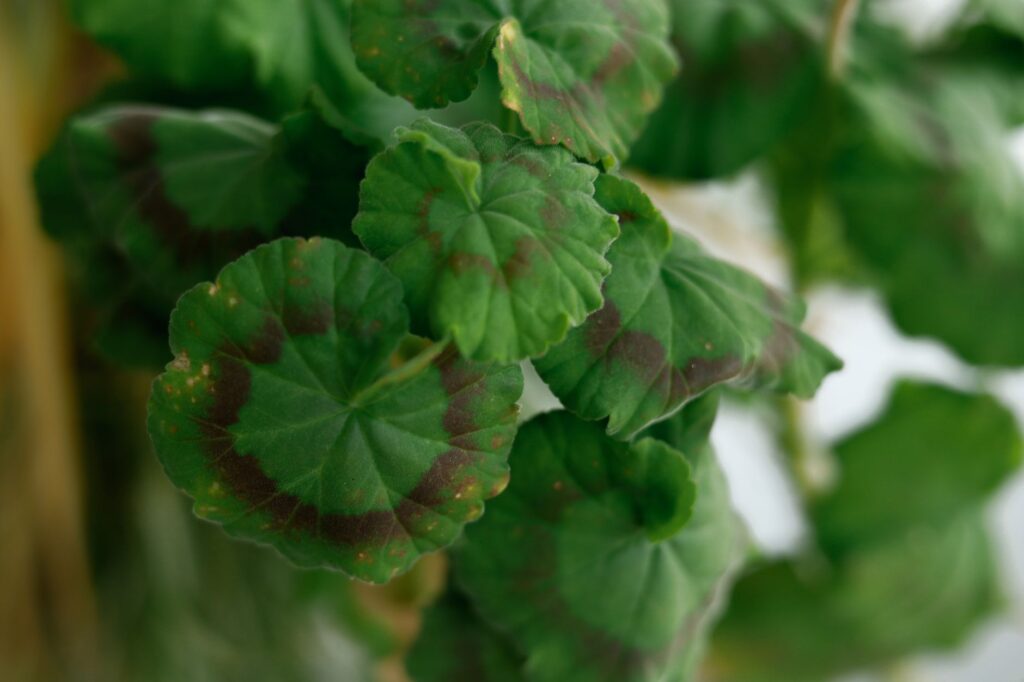
Not every leaf deserves to stay. Some fungal diseases carry over the winter on fallen foliage and reinfect the tree the following spring, so removing the source really does cut down next year’s trouble. The classic example in our area is apple scab on crabapples, and anthracnose on dogwoods and sycamores works much the same way. If a tree had obvious leaf spotting or early browning this summer, bag those leaves and send them out with the trash or to a municipal composting program rather than mulching them back in.
The second case is the leaves of a tree that had an insect problem. Scale, certain leaf miners, and some galling insects spend part of their life cycle on or in fallen leaves. When in doubt, ask your county extension office, keep the pest-free leaves for mulch, and bag the questionable ones.
The New Jersey Forest Service, part of the state Department of Environmental Protection, publishes plant health information for residents at the NJ DEP forestry pages. It is a sensible place to start if you are unsure what a spotted leaf means. And if a tree has declined badly, that is the point to call a certified arborist and have it looked at in person rather than guessing from the lawn.
Healthy leaves from healthy trees almost never need to leave the property. Only the diseased minority does.
The Mistake That Hurts the Tree: Leaves Against the Trunk
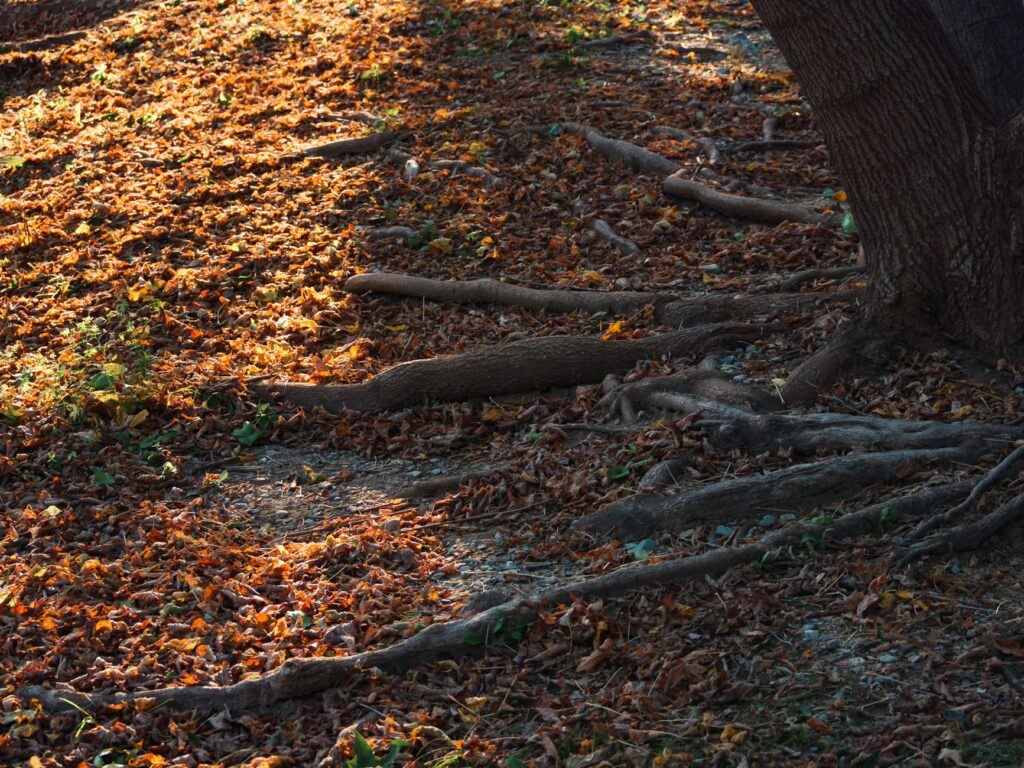
Of everything homeowners do with fall leaves, the habit that actually harms trees is pushing them up against the trunk. A thick pile of damp leaves against the bark and root flare holds moisture against tissue that is built to stay dry. Over time that invites decay, can hide girdling roots or fungal conks from view, and gives voles and mice a sheltered place to chew on young bark all winter.
It happens easily. You rake leaves toward the tree because the tree is in the middle of the lawn, you stop at the trunk, and the pile stays there. The fix is simply to rake away from the trunk. Leave a clear ring around the base, the same ring you would keep clear of mulch.
Young trees need the most protection. A tree in its first five years has thin bark and a small root system, so a leaf pile that would do nothing to an old white oak can damage a newly planted red maple. If you planted this fall, check the base again after the first few windy weeks and clear away anything that has blown in.
For a quick reference on what the base of a healthy tree should look like, the International Society of Arboriculture has a library of plain-language material. The basic picture is a flare that is visible above the soil, not buried by anything.
Middletown's #1 Tree Expert Company
FREE Inspection & Estimate | Certified Arborists | Trimming, Pruning, Removal, More!
Sponsored
Leaf Removal, Compost, and When to Call a Pro
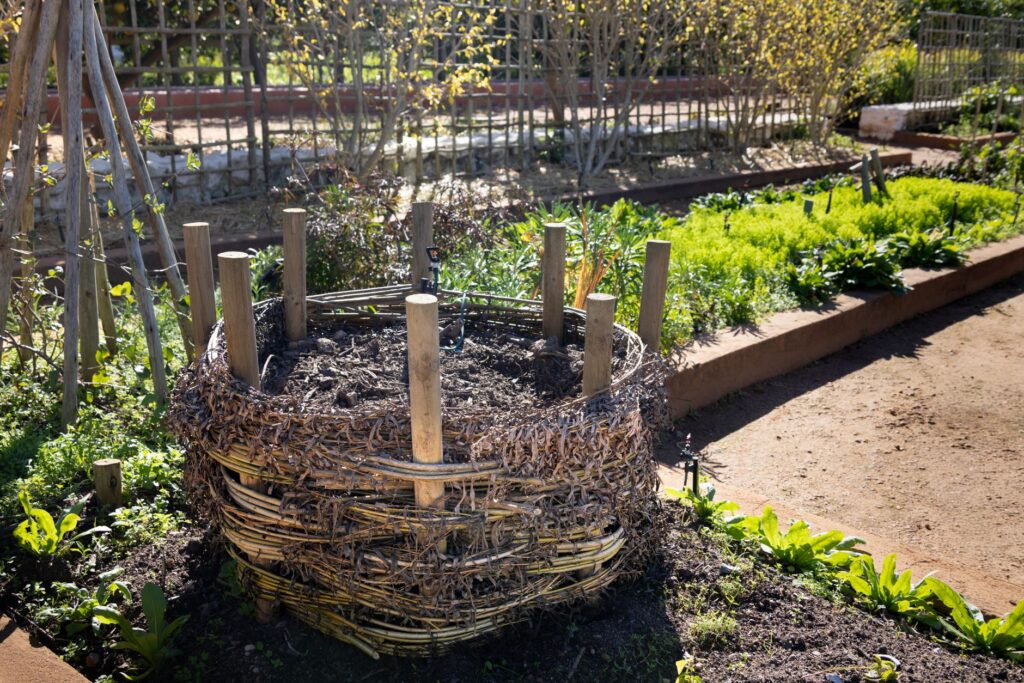
Some yards simply produce more leaves than any lawn or bed can absorb. A big tulip poplar over a modest lot, a row of silver maples, or a pair of mature oaks can drop several cubic yards. In that case the usual options are a compost pile, a corner of the property where leaves can break down on their own, or township collection. Check the Middletown Township website at middletownnj.org for the current leaf pickup schedule and bagging rules, since they change from season to season. Do not blow or rake leaves into the street or onto storm drains, where they clog drainage and wash into local waterways.
A simple leaf compost is just a wire cage or a loose heap. Shredded leaves break down faster, and mixing in grass clippings or a little soil helps. Expect a year or so for finished leaf mold, which is a wonderful soil conditioner for beds and vegetable gardens.
If leaves are piling up because the tree is shedding more than it should, pay attention. Heavy early leaf drop, branches that carry brown leaves long after their neighbors have turned, or a thin canopy compared with last year can point to stress, disease, or root trouble. A certified arborist can walk the property, look at the crown and base, and tell you whether it is a normal autumn or a warning. The USDA Forest Service also publishes research and guidance for tree owners at fs.usda.gov.
For most Middletown yards the plan is easy: mow the light stuff, mulch the beds, keep the trunks clear, bag the diseased leaves, and call a pro if the tree itself looks wrong. The leaves will take care of the rest.
Photo credits: Featured image by Cup of Honey Lemon on Pexels; Section 1 by Julia Filirovska on Pexels; Section 2 by Sonny Sixteen on Pexels; Section 3 by Magda Ehlers on Pexels; Section 4 by Janinki Design on Pexels; Section 5 by Esra Erdem on Pexels; Section 6 by Rain Lü on Pexels; Section 7 by Magda Ehlers on Pexels.