Middletown's #1 Tree Expert Company
FREE Inspection & Estimate | Certified Arborists | Trimming, Pruning, Removal, More!
Sponsored
Why Your Driveway Is Covered in Acorns, and What a Mast Year Is
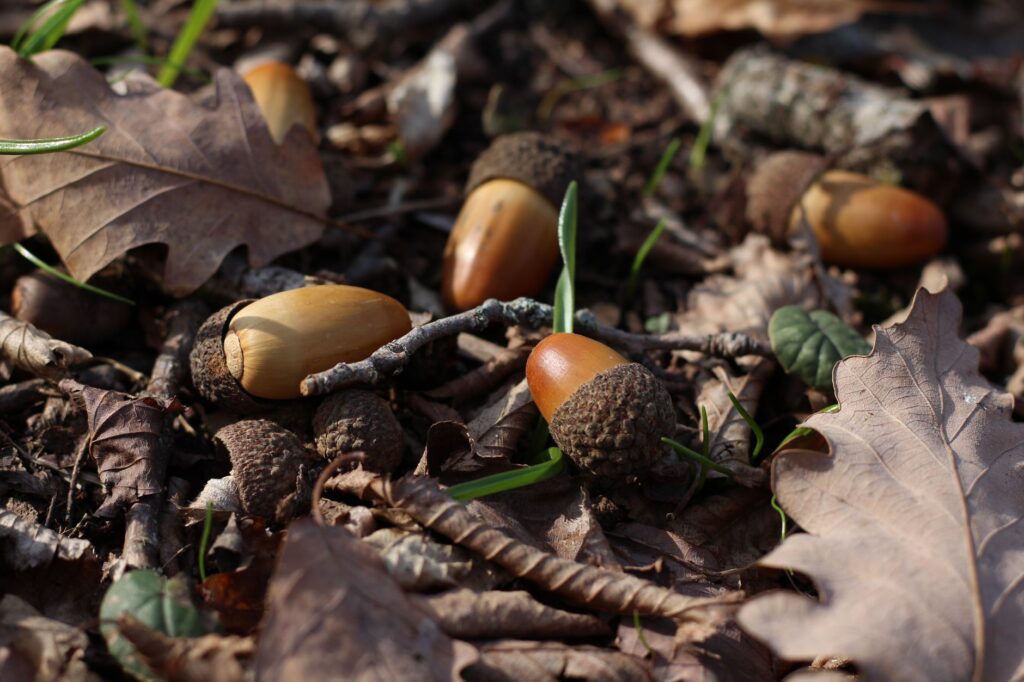
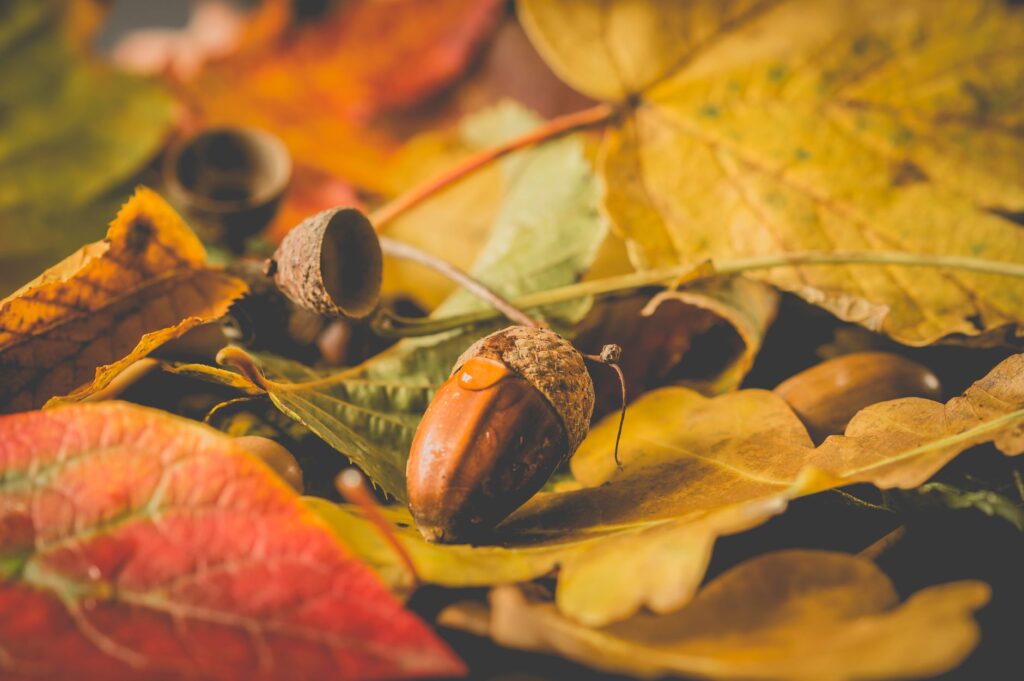
If you have walked across a Middletown driveway this month and felt acorns rolling under your shoes like ball bearings, you have met a mast year. Oaks do not drop the same number of acorns every autumn. Some years a mature tree sheds a modest scattering, and other years the ground under it looks cobbled. Foresters call the heavy years mast years, and the word covers the nuts of oaks, hickories, beeches and other nut bearing trees.
Around the Bayshore the usual suspects are red oak (Quercus rubra), white oak (Quercus alba), black oak and pin oak (Quercus palustris), with scarlet oak mixed in on the sandier lots. Each of them follows its own rhythm, which is why one block can be buried in acorns while the next street over seems quiet.
The short version is that a big acorn year is not a sign of sickness. A heavy crop is normal biology, and it is worth understanding before you reach for a rake or start worrying about the tree.
A mast year is a year when most oaks in an area produce an unusually large crop at the same time. The tree is not trying to feed squirrels. Scientists generally explain the pattern as a reproductive strategy: if every tree produced the same moderate crop every year, seed eaters would eat nearly all of it. By making a huge crop only now and then, oaks overwhelm the animals and leave plenty of acorns uneaten to sprout.
Producing that much fruit is expensive. Acorns are packed with fats and carbohydrates the tree has to make from its stored energy, so a big crop tends to be followed by a thin one while the tree rebuilds its reserves. That is why you often see a boom and then a quiet year, though the pattern is irregular and no one can predict it exactly.
The USDA Forest Service studies oak regeneration and acorn production across the eastern United States, and its researchers document how variable crops are from tree to tree and year to year. In practical terms, expect real swings rather than a steady annual yield, and do not read too much into one heavy or light season.
Weather, Age and Species: What Drives the Crop
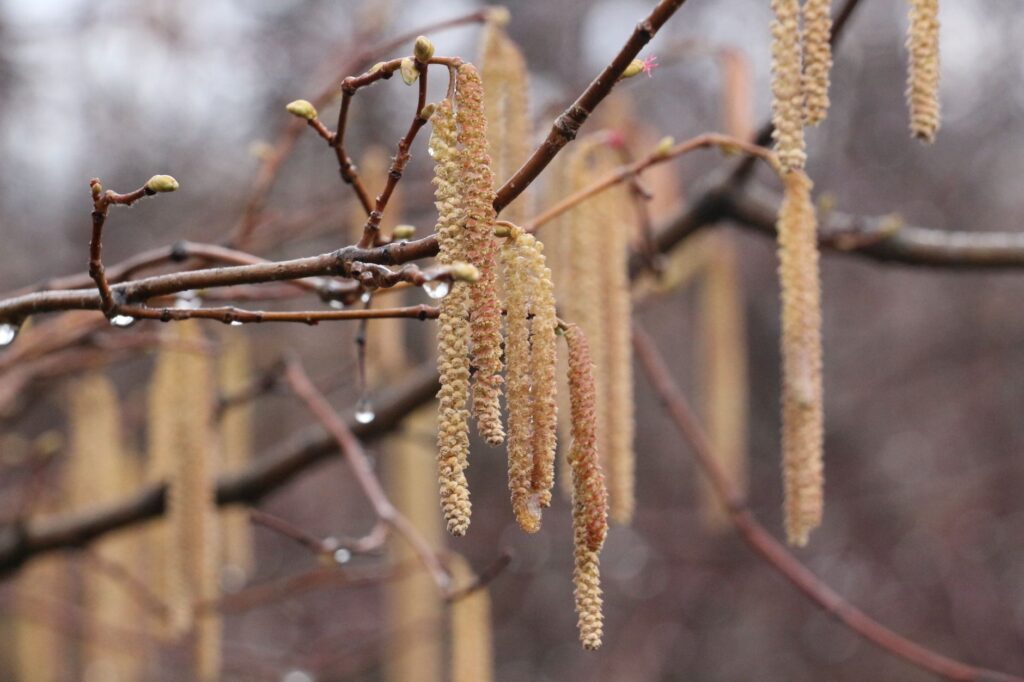
Several things line up behind a big acorn year. Oaks flower in spring, and the weather during those few weeks matters a great deal. A late frost can kill the flowers, heavy rain can wash out pollination, and a calm, mild spell lets the wind carry pollen from tree to tree. Drought in summer can also cause developing acorns to drop early, which is why a dry August sometimes means a thin fall.
Oaks also differ in how fast they mature a crop:
- White oak group trees, including white oak and chestnut oak, ripen acorns in a single growing season, so one spring’s weather largely decides that fall’s crop.
- Red oak group trees, including red, black, scarlet and pin oak, take two seasons, so the acorns you see this fall started forming last year.
- Young trees generally bear little. Many oaks do not produce meaningful crops until they are several decades old, and the heaviest producers are usually mature, full crowned trees with healthy roots.
This is one reason a stressed oak may bear light crops, and also a reason an unusually heavy crop on a declining tree deserves a second look. Some trees under stress put out a large crop of seed, which is worth noting if the leaves, twigs or bark are also telling you something is wrong.
The Wildlife Banquet in Your Yard
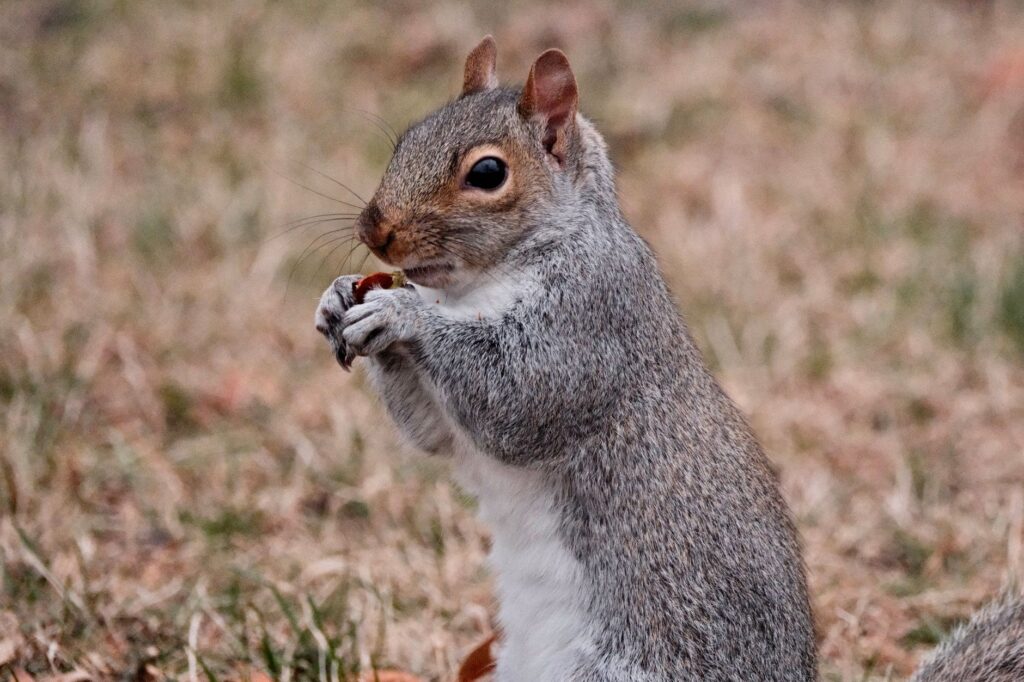
For wildlife, a mast year is a feast. Gray squirrels, chipmunks, white tailed deer, wild turkeys, blue jays and woodpeckers all eat acorns, and many of them cache or bury more than they eat. Jays and squirrels forget some of their stashes, which is how a lot of new oaks end up planted in lawns and hedgerows without anyone digging a hole.
New Jersey wildlife managers track how food supplies affect animals through the winter. The NJ Division of Fish and Wildlife publishes information on the state’s wildlife, and acorn abundance is one of the factors that influences how well deer, turkeys and small mammals do over the cold months.
You may also notice more squirrel activity in your trees and along fences in a heavy year, plus more chewed shells on decks and railings. That is normal seasonal behavior. It fades when the acorns are gone, and there is rarely a reason to treat it as a problem with the tree.
If deer are already browsing your young trees, a heavy acorn year can draw even more of them into the yard. Fencing or trunk guards on small trees are cheap insurance through the winter.
Middletown's #1 Tree Expert Company
FREE Inspection & Estimate | Certified Arborists | Trimming, Pruning, Removal, More!
Sponsored
Cleaning Up Without Hurting Your Lawn or Your Back
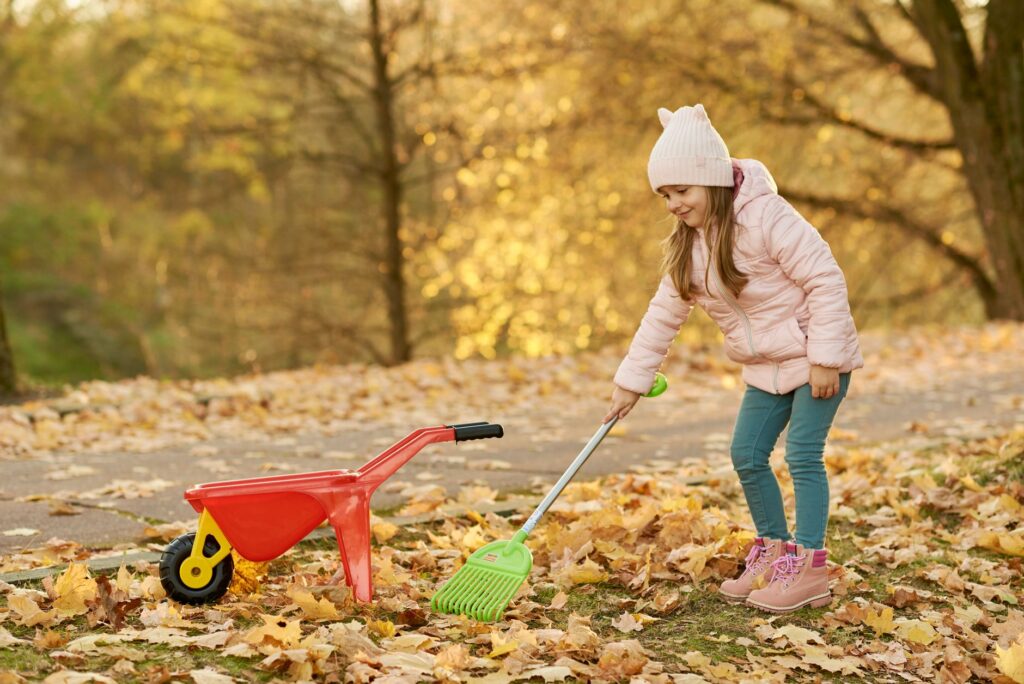
The practical side of a mast year is cleanup. Acorns on a driveway or walkway are a genuine slip hazard, especially when they are wet or mixed with leaves, and a heavy fall can ping off a car or a roof. Sweep high traffic areas often, and consider a rolling nut gatherer, which lets you pick up acorns without bending over.
On the lawn, a thick layer of acorns can smother turf if left through winter, and mowers can launch them. Rake or gather them before you mow, and do not run a mower or string trimmer over a heavy layer.
Some pointers that help:
- Wear shoes with a firm sole when you walk under heavy producers, since acorns roll underfoot.
- Keep gutters clear, because acorn caps and leaves clog downspouts quickly in a heavy year.
- Compost acorns or add them to a brush pile, where they feed wildlife and break down over time.
- Bag only what you must. Leaf litter and fallen nuts both return nutrients to the soil, a theme in the home landscape guidance from Rutgers NJAES.
Never climb on a wet roof or a ladder to clear acorns in a hurry. A few acorns in a gutter are not an emergency.
Should You Plant the Acorns? A Reality Check

Every mast year, homeowners ask whether they should plant a few acorns. You can, and it is a satisfying project, but the odds are against you. Squirrels and deer will dig up or eat many of them, and a seedling in a lawn faces mowers, drought and heavy competition from grass. Oaks also grow a deep taproot early in life, so a seedling is difficult to move once it is established.
If you want to try it, gather sound, heavy acorns with the cap removed and discard any with tiny holes, which usually means an insect larva is inside. Plant them a couple of inches deep in a protected spot, ideally in fall, and shield them with wire cages. White oak group acorns sprout quickly in autumn, while red oak group acorns generally need a cold winter first.
Keep realistic expectations about the tree you are starting. A white oak or red oak is a very large, long lived tree. Before you plant one, think about how close it will be to the house, the septic area, power lines and the neighbor’s property line, because a seedling that is charming at six inches is a major structure at sixty years.
Reading What the Crop Says About Your Tree
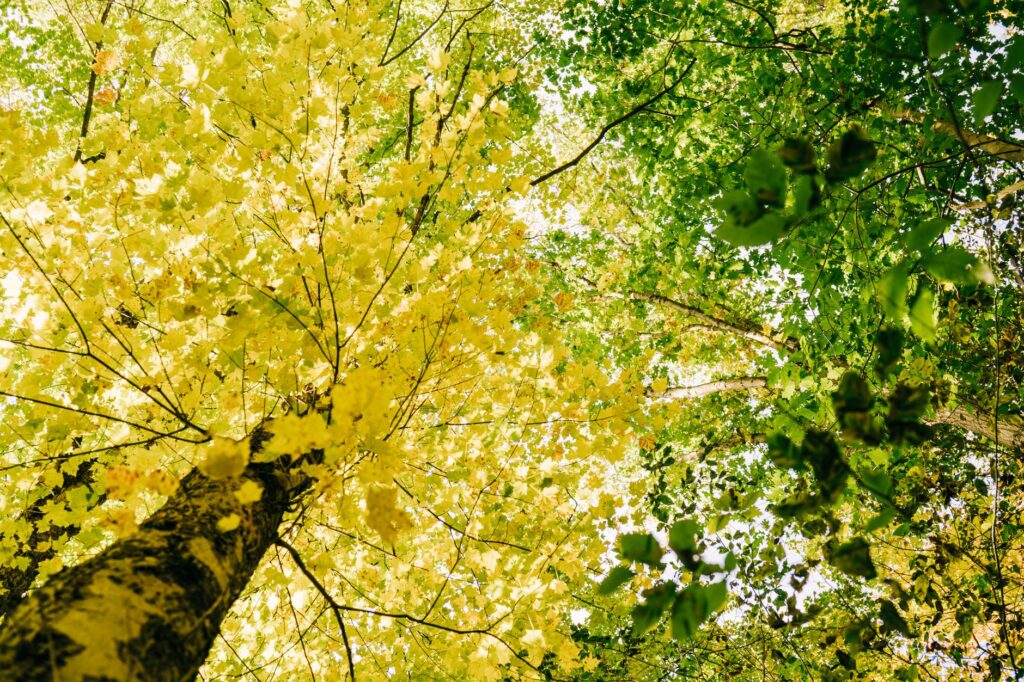
A large acorn crop on its own tells you very little. A healthy oak can bear heavily, and so can an old one. What matters is whether the rest of the tree looks right. Take a few minutes this fall to look at the whole crown rather than only the ground.
These signs, seen together with a heavy crop, are worth a closer look:
- Thin or sparse leaves in the upper crown compared with earlier years.
- Dead twigs or branches in the outer canopy, especially on only one side.
- Mushrooms or conks at the base of the trunk or on exposed roots.
- Bark that is cracking, peeling in sheets or weeping dark fluid.
- Leaves that dropped early or turned brown rather than coloring normally.
Oaks in Middletown face real pressures, from drought and compacted soil to defoliating insects and root disease. A tree that is stressed from those causes does not need to be removed, but it benefits from an honest evaluation. The ISA tree owner guidance is a good starting point for the basics of caring for a mature tree.
Middletown's #1 Tree Expert Company
FREE Inspection & Estimate | Certified Arborists | Trimming, Pruning, Removal, More!
Sponsored
When to Call a Certified Arborist
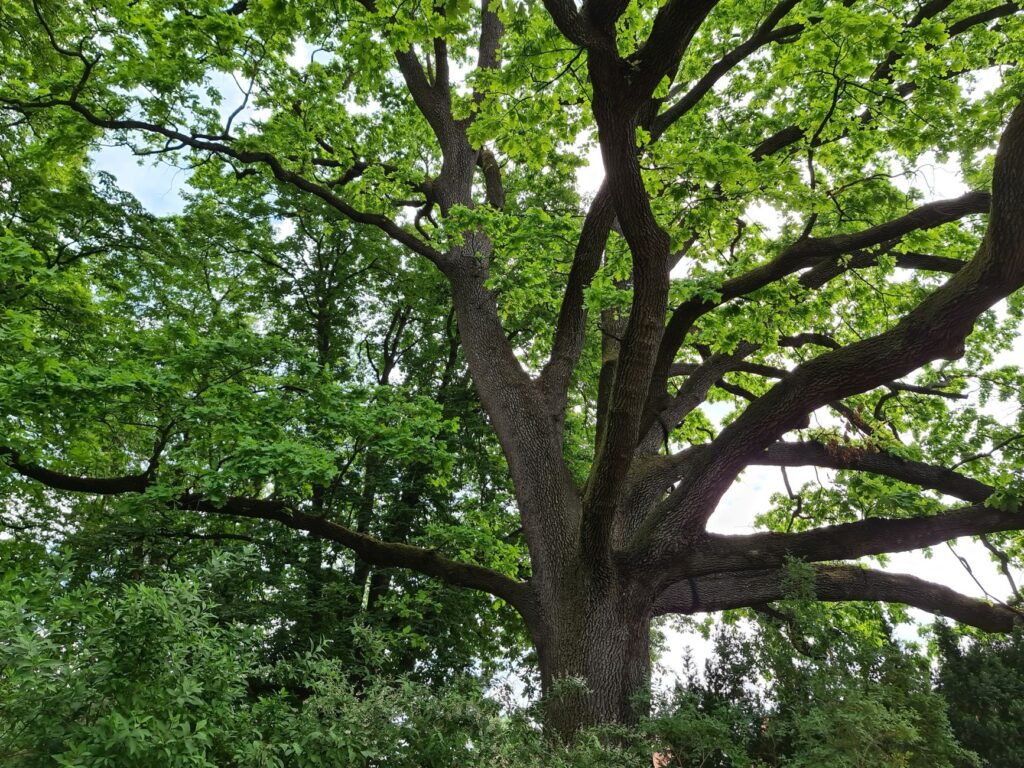
Most mast years are simply a nuisance, and the best response is a rake and some patience. Still, a heavy acorn year is a good prompt to look at your oaks with fresh eyes, since you are already outside and the leaves are still partly on the tree.
Call an ISA Certified Arborist if you see dieback in the crown, fungus at the base, a lean that is new, or large dead limbs over the house, driveway or play area. An arborist can climb or use binoculars to assess the canopy, probe suspect areas and recommend practical steps such as deadwood removal, soil care or monitoring. If a tree turns out to be declining, you get time to plan instead of reacting after a storm.
Because the work is high risk, hire someone properly licensed and insured, and ask for a written scope before anything begins. Otherwise, enjoy the show. An oak that drops a mountain of acorns is doing exactly what oaks have done in this region for thousands of years.
Photo credits: Featured image by Ylanite Koppens on Pexels; Section 1 by Zura Narimanishvili on Pexels; Section 2 by behzad kazemi on Pexels; Section 3 by Michael Solo on Pexels; Section 4 by Polesie Toys on Pexels; Section 5 by Ron Lach on Pexels; Section 6 by Jessica Lewis 🦋 thepaintedsquare on Pexels; Section 7 by Usman Younas on Pexels.