
Middletown's #1 Tree Expert Company
FREE Inspection & Estimate | Certified Arborists | Trimming, Pruning, Removal, More!
Sponsored
A Splash of Color That Shouldn't Be There Yet
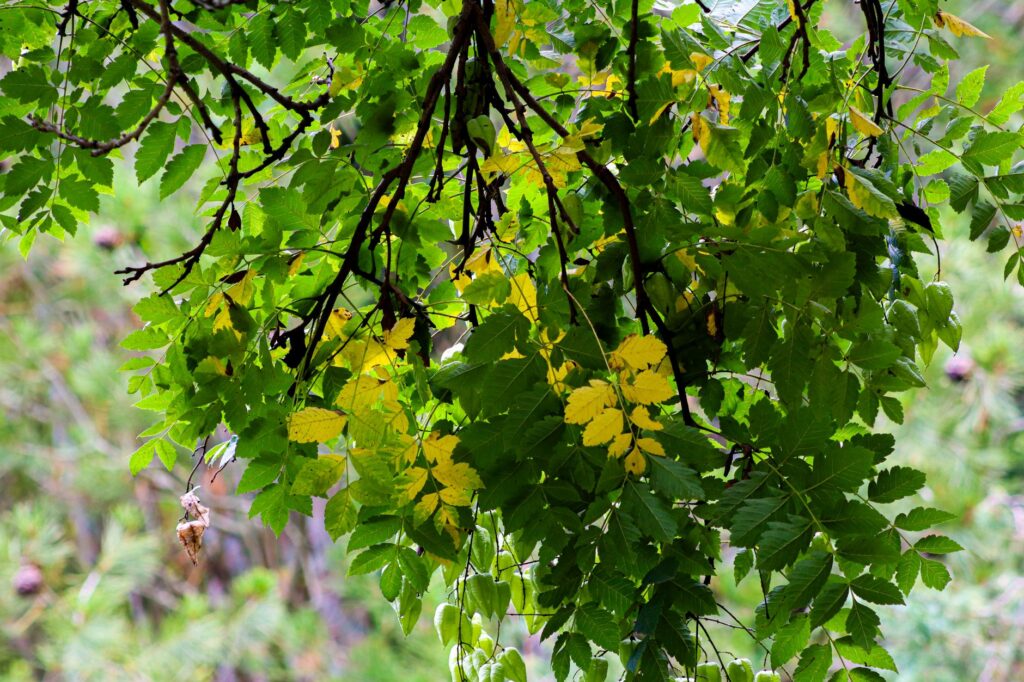
Drive down almost any street in Middletown Township in the last week of August and you’ll spot it: a tulip poplar (Liriodendron tulipifera) dropping handfuls of butter-yellow leaves onto a driveway, or a red maple (Acer rubrum) with one whole limb turned scarlet while the rest of the canopy is still summer green. Homeowners tend to notice it the same way — a little alarmed, a little curious, wondering whether their tree just decided to get an early start on autumn.
Sometimes that’s exactly what’s happening, and it’s nothing to worry about. Other times, early color is one of the clearest signals a tree can send that something below ground or inside its vascular system isn’t working the way it should. The trick is telling the two apart, and it starts with understanding what actually triggers a tree to change color in the first place.
This is a diagnostic skill worth having if you own trees on the Bayshore or anywhere in Middletown, because by the time a tree’s whole canopy is obviously distressed, the underlying problem has usually been building for a season or two already. Catching it in August, while the tree is still mostly green, gives you and an arborist far more options than waiting until October.
What Normal Fall Color Timing Actually Looks Like
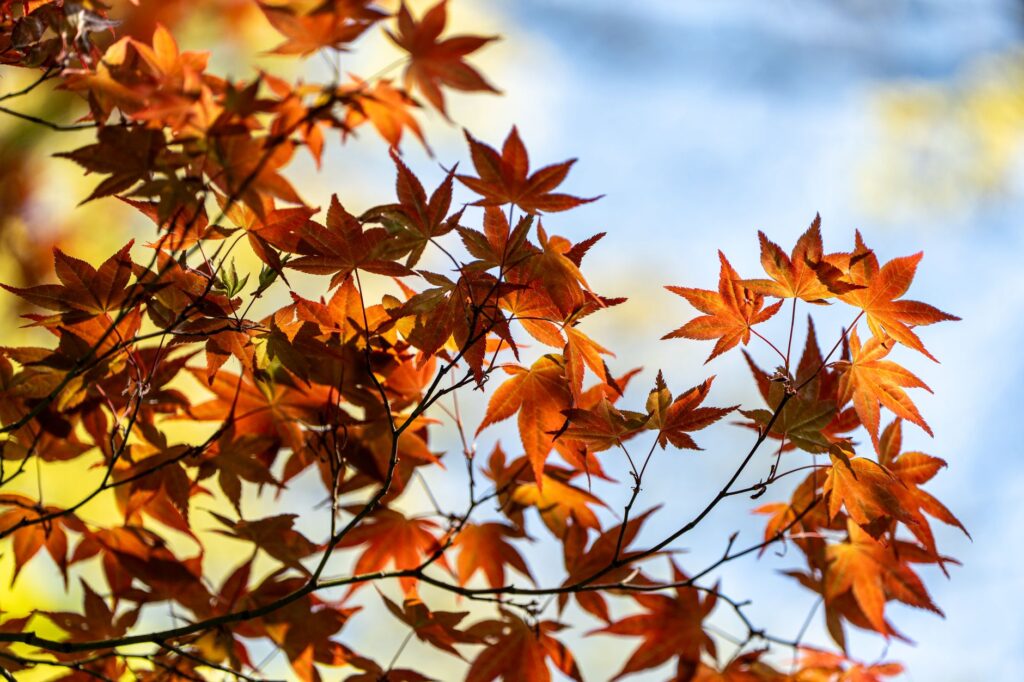
Color change is triggered primarily by shortening daylight, not temperature — a tree’s leaves respond to photoperiod cues that tell it the growing season is ending, at which point it stops producing chlorophyll and the underlying yellow and orange pigments already in the leaf become visible. In Middletown, that process typically doesn’t get going in earnest until mid-to-late September, with peak color arriving in October. The USDA Forest Service’s explanation of fall color is a good primer on the biology if you want the full mechanism.
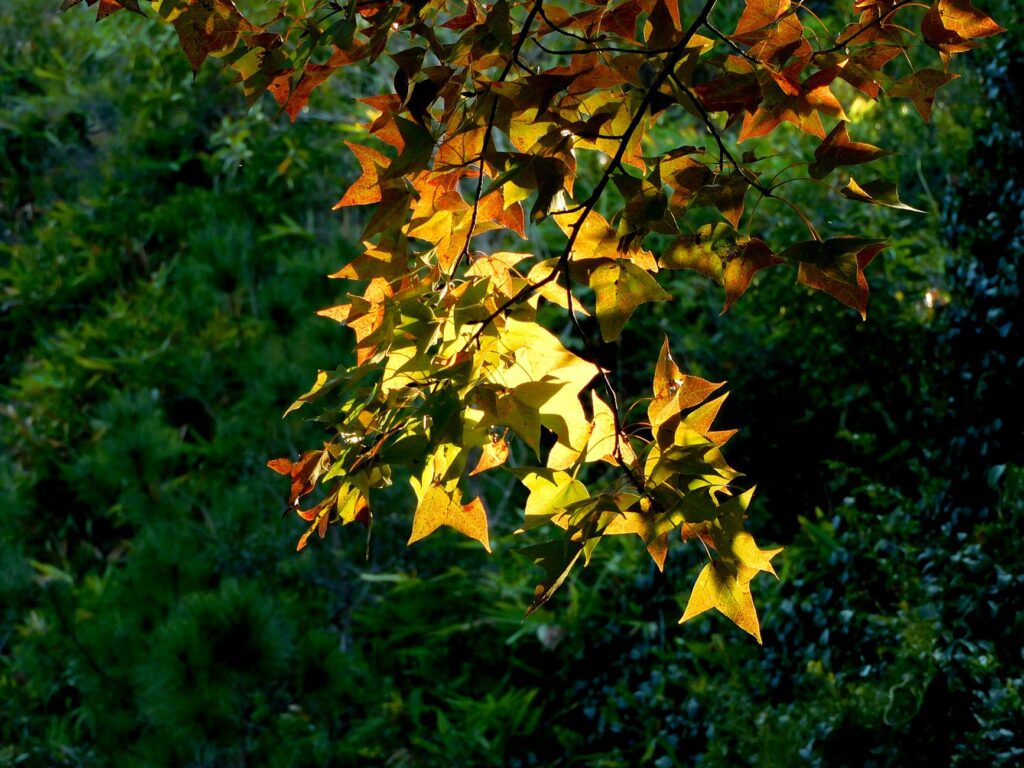
Species matter too. Sweetgum (Liquidambar styraciflua) and tulip poplar are both known for coloring up — or dropping leaves outright — a few weeks ahead of oaks and most maples even in a completely healthy year. If you’ve got one of these species and it’s showing scattered yellow in late August, that alone isn’t a red flag. What matters is the pattern: is it a few leaves scattered evenly through the canopy, or is it concentrated, sudden, and spreading fast?
The distinction that separates normal early color from a stress response comes down to three things: whether the color is showing up weeks ahead of that species’ typical schedule, whether it’s confined to one section of the tree rather than distributed evenly, and whether leaves are dropping while still partly green rather than fully senescing first.
Drought Stress: The Most Common Culprit
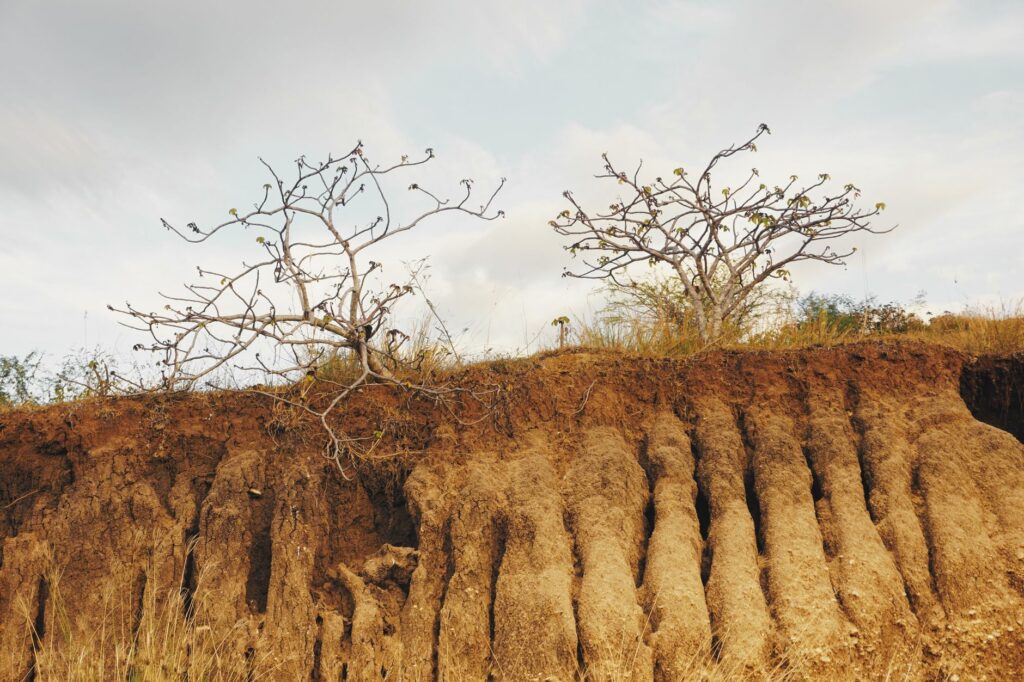
When soil moisture drops and a tree can’t pull enough water up through its roots to keep pace with what it’s losing through its leaves, it has a defense mechanism: shed leaves early to cut water loss and protect the canopy that remains. This is a survival strategy, not a disease, but it’s still a sign the tree is running a deficit it can’t sustain.
Middletown’s rainfall this summer has been uneven block to block — some yards have gotten regular thunderstorm coverage while others, particularly on sandier or south-facing lots, have gone drier stretches without much relief. Trees growing in full sun with limited root space, street trees boxed in by pavement, and anything planted within the last three to five years are the most likely candidates for drought-triggered early color, since their root systems haven’t yet reached the depth and spread of an established tree.
The tell is usually whole-canopy involvement rather than a single limb, and leaves that are uniformly faded or yellowing rather than showing the sharper reds and oranges of a genuinely healthy fall display. Rutgers NJAES has useful guidance on recognizing drought stress in landscape trees and adjusting watering accordingly — deep, slow watering at the dripline once or twice a week is generally more effective than frequent shallow watering.
Middletown's #1 Tree Expert Company
FREE Inspection & Estimate | Certified Arborists | Trimming, Pruning, Removal, More!
Sponsored
What's Happening Underground: Compaction and Girdling Roots

A lot of Middletown sits on clay-loam soils that drain slowly and compact easily — under foot traffic, parked cars, construction equipment, or even repeated mowing along the same path. Compacted soil squeezes the air pockets a root system needs to function, which chokes off both water uptake and the oxygen roots need to respire. A tree in compacted soil can show the exact same symptoms as one in a straightforward drought, even during a summer with adequate rainfall, because the water simply can’t reach the roots that need it.
Girdling roots are a related but distinct problem, especially common in trees that were container-grown or planted too deep. A root that circles around the trunk instead of growing outward will, as both the root and the trunk thicken with age, eventually choke off the tree’s own vascular tissue at that point — cutting off water and nutrient flow to whatever’s above it. This is one of the more common causes of the one branch is turning color and the rest of the tree looks fine pattern, because the girdling is often restricting flow to just one section of the canopy rather than the whole tree.
Neither of these problems is visible from the driveway. Diagnosing them usually means excavating around the root flare to look for roots that should be spreading outward but are circling back instead, or probing the soil to check compaction at various points around the root zone. It’s specialized enough work that it’s worth bringing in a certified arborist rather than guessing.
When It's Disease, Not Stress
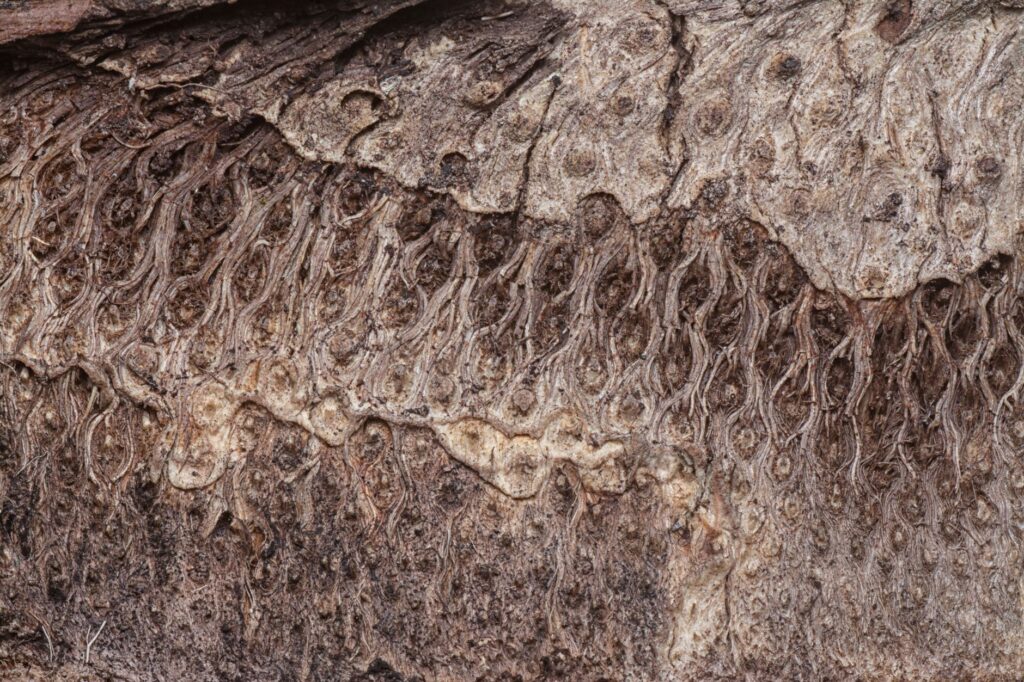
Vascular diseases can produce a very similar visual signature to root problems — localized, sudden color change, often on one side of the tree or in one section of the canopy — because they work the same way, by blocking the tree’s internal plumbing. Verticillium wilt is one example that shows up in Middletown’s maples and other susceptible species, causing sudden wilting or color change in individual branches while the rest of the tree looks normal.
Canker diseases and various bark or trunk infections can do something similar by damaging the cambium layer just beneath the bark, which is where a tree moves water and sugars between roots and canopy. A careful look at the bark and branch collar near the affected section — checking for sunken areas, oozing, cracked bark, or dead patches — often turns up the source before you ever need lab testing.
This is the category where DIY diagnosis reaches its limit. Distinguishing a vascular disease from a root-zone problem usually requires tissue sampling or a trained eye that’s seen the difference many times before. The International Society of Arboriculture’s arborist verification tool is a reliable way to confirm you’re working with someone who actually holds current ISA certification before they climb your tree or take samples.
A Simple Way to Check Your Own Tree

Before assuming the worst, a homeowner can run through a short checklist. Start by noting the pattern: is the color spread evenly through the canopy, or concentrated in one limb or one side of the tree? Even, whole-canopy fading points toward water or soil issues; a sharply localized patch points toward a vascular or root-zone problem on that specific side.
Next, check soil moisture at root depth rather than just the surface — push a screwdriver or a soil probe six to eight inches down near the dripline (not right against the trunk). If it meets stiff resistance in dry soil, that’s a compaction signal as much as a drought one. If the tree hasn’t had a deep watering in the last two weeks and the soil is dry at that depth, start there: a slow soaker hose run for an hour or two at the dripline, once or twice a week, does more good than a quick daily sprinkle.
Also take a look at what’s changed nearby in the last one to three years — new pavement, a driveway extension, a fence installed close to the root zone, or heavier equipment parked over the roots during a renovation. Root damage from construction or grade changes often doesn’t show up in the canopy until a season or two later, which makes it easy to miss the connection. The Middletown Township website has permit and code information worth checking if any nearby work involved excavation close to a protected tree’s root zone.
None of this replaces a professional assessment, but it gives you a much better starting point for that conversation — and it can tell you within a few minutes whether what you’re looking at is likely to resolve on its own with better watering, or whether it’s worth getting eyes on the tree sooner rather than later.
Middletown's #1 Tree Expert Company
FREE Inspection & Estimate | Certified Arborists | Trimming, Pruning, Removal, More!
Sponsored
When Early Color Is Worth a Second Opinion
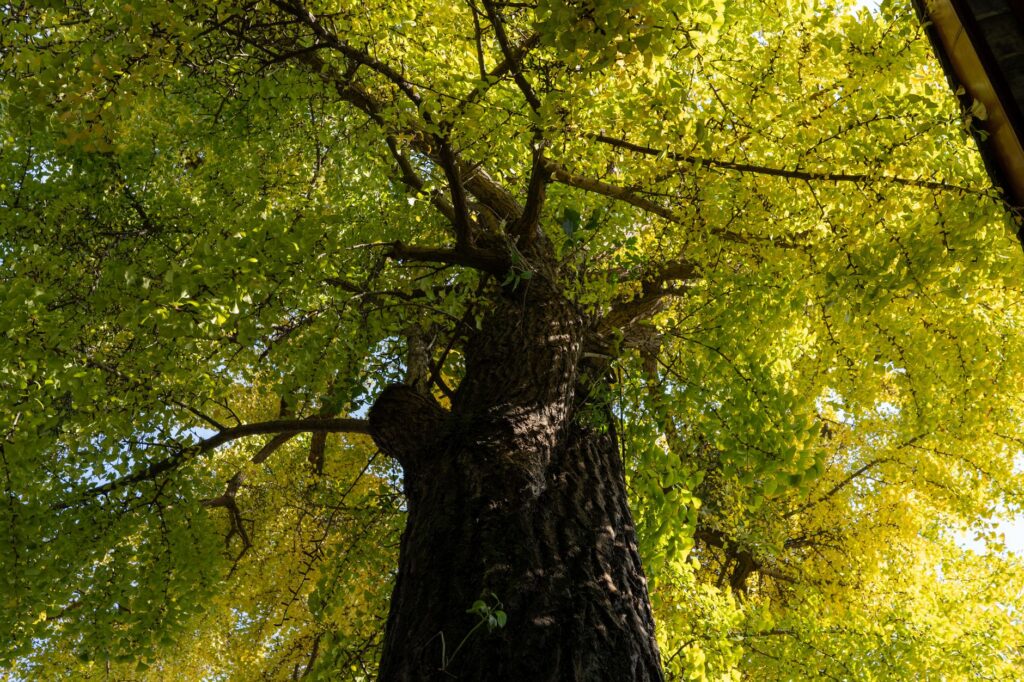
A little early color scattered through a tulip poplar or sweetgum in late August, spread evenly and not accompanied by dieback, is usually just that species doing what it does — no cause for concern. What separates a routine observation from something worth acting on is speed, pattern, and scope: color that’s spreading week to week, concentrated on one limb or one side of the tree, or paired with thinning canopy, dead twigs, or bark damage nearby.
A certified arborist assessment at this stage is inexpensive relative to what it can prevent. Catching a girdling root, a compacted root zone, or an early-stage vascular disease in August, while the tree still has most of its canopy and reserves intact, gives it a real chance to recover with corrective pruning, root zone work, or adjusted watering. Waiting until the whole tree is visibly declining narrows those options considerably.
If you’re not sure which category your tree falls into, that uncertainty is itself a reasonable reason to have it looked at. A trained eye can usually tell within a few minutes of walking the root zone and inspecting the bark whether you’re looking at a watering fix or something that needs more attention — and either way, you’ll know instead of guessing through the rest of the season.
Photo credits: Featured image by Karen F on Pexels; Section 1 by Robert Schwarz on Pexels; Section 2 by John Lee on Pexels; Section 3 by Fandy Much on Pexels; Section 4 by Liudmyla Shalimova on Pexels; Section 5 by SweeMing YOUNG on Pexels; Section 6 by Tima Miroshnichenko on Pexels; Section 7 by Peter Xie on Pexels.