
Middletown's #1 Tree Expert Company
FREE Inspection & Estimate | Certified Arborists | Trimming, Pruning, Removal, More!
Sponsored
When the Sky Goes Green, It's Too Late to Start Your Paper Trail
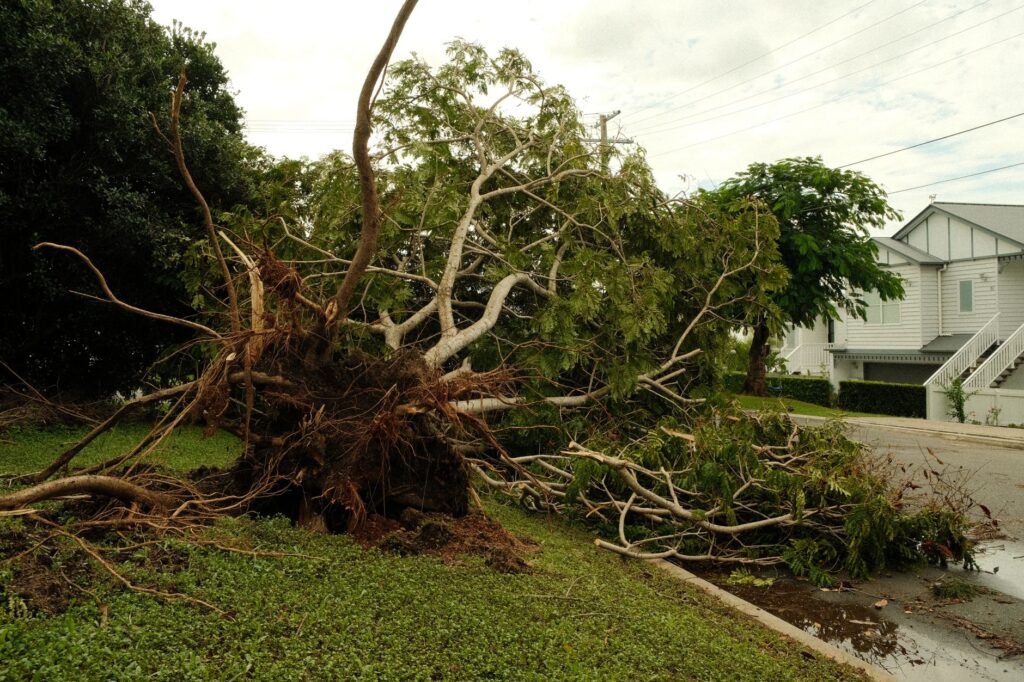
Every June in Middletown Township, storm season opens for business. By the time a fast-moving line of thunderstorms rolls across Raritan Bay or an inland tornado warning goes out over the Bayshore, most homeowners are already reacting — not preparing. The call I get most often after a storm isn’t “what do I do about this fallen limb?” It’s “will my insurance cover this?”
The answer almost always comes down to one thing: documentation. Homeowners who took photos, secured written assessments, and kept records before the storm almost always have a smoother claims process. Those who didn’t are often stuck arguing with their insurer — or worse, their neighbor — about whether damage was pre-existing or caused by the event.
Mid-June is the ideal moment for this in Middletown. The spring growing season has just revealed which trees leafed out well and which are struggling. Summer storms are building — we’ve already seen punishing thunderstorms roll off the Atlantic this year, and the season’s real peak hasn’t arrived yet. Some trees came through the winter and wet spring showing genuine stress, and those are exactly the ones worth documenting carefully right now, before a storm makes the situation much harder to sort out.
This guide covers exactly what to document, how to do it, and why each piece of paper — or photo album — could matter before you file a single claim.
Take Stock First: Building a Simple Tree Inventory

You don’t need a spreadsheet with Latin names and diameter measurements to build a useful tree inventory. For most Middletown homeowners, a simple walkthrough of your property with a notes app or a piece of paper is enough to start. If you want to go deeper, the USDA Forest Service’s i-Tree program offers free tools that let homeowners assess and even estimate the economic value of their urban canopy — a number that can be useful in a claim or a property dispute.
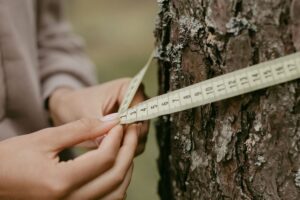
For each significant tree — anything with a trunk diameter above roughly four inches at chest height — note the species if you know it, or a simple description: “large red maple in the back corner,” “tulip poplar along the south property line.” Note the approximate height and, more importantly, the distance from your home, your neighbor’s structures, the power line, and any other features on the property. A tree leaning toward your garage from 30 feet away presents a very different risk profile than one leaning away from everything in your back lawn.
Pay particular attention to trees on or near your property line. New Jersey law on shared or boundary trees is nuanced, and having a clear record of where each tree physically stands before a dispute arises is genuinely protective. Middletown has seen plenty of post-storm neighbor disagreements, and a clear pre-storm inventory puts you well ahead of most homeowners in those conversations.
This entire process takes about 30 minutes and costs nothing — but it becomes the foundation for everything else in this guide.
The Photo Walk: What to Capture and How to Store It

A photo is the single most powerful tool in a property owner’s documentation toolkit — and almost nobody takes them before a storm. The key is specificity. A single wide-angle shot of a tree in your yard tells a claims adjuster almost nothing. A series of targeted images tells a complete story.
For each tree on your inventory, take at least three types of photos: a full-tree shot showing its overall structure and lean, a close-up of the base where the root flare meets the soil (this is where structural problems most often originate), and detail shots of anything unusual — a crack in the bark, a cavity, a hanging dead limb, a co-dominant stem with visible bark compression between two trunks. The International Society of Arboriculture’s homeowner guidance on hazard trees is a practical resource for understanding what to look for while you’re out there shooting.
Timestamp everything. Your phone’s camera records this automatically in the image metadata if location services are on, creating a digital record that’s very difficult to dispute. After you shoot, back the photos up to a cloud service — Google Photos, iCloud, or a shared drive folder — so they’re not lost if your phone or computer is damaged in the same storm.
Repeat this photo walk every spring and every fall. A before-and-after comparison carries far more weight than either set of photos alone. A June photo showing an intact tree with no visible cracks becomes extremely useful if the same tree fails in August.
Middletown's #1 Tree Expert Company
FREE Inspection & Estimate | Certified Arborists | Trimming, Pruning, Removal, More!
Sponsored
Documenting Pre-Existing Conditions Before a Storm Makes Them Worse
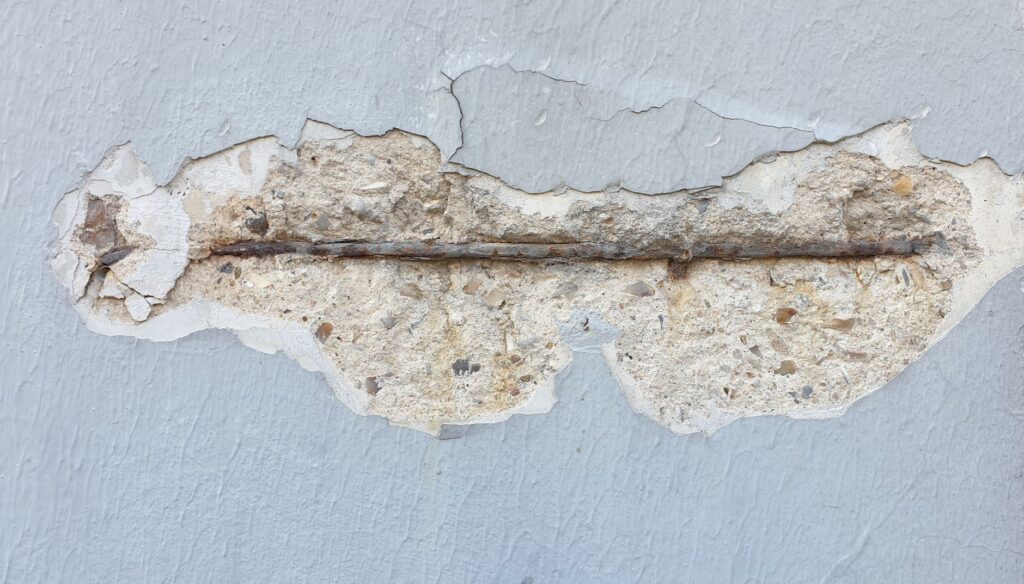
One of the most damaging misunderstandings in storm damage claims is the assumption that anything that breaks in a storm is automatically “storm damage.” Insurers — and courts — often see it differently. If a tree had a pre-existing structural defect that a reasonable property owner could have identified and addressed, the storm may be considered a triggering event rather than the underlying cause. That can shift liability toward the owner who failed to act on a known hazard.
This is exactly why documenting problems before a storm matters as much as documenting them after. If there’s a dead limb hanging over your driveway, photograph it today — in June — before storm season is in full swing. Note the date. Send yourself a short email describing what you observed. This creates a timestamped record of when the issue first appeared and whether you were aware of it. If you plan to address it (which you should), document that work afterward as well.
Things worth photographing as potential pre-existing conditions include: significant cracks or splits in the main trunk or major branches; co-dominant stems with included bark between them; cavities or hollowed sections in the trunk; mushrooms or conks growing from the base or root zone (these often indicate internal decay); and any pronounced lean that has developed or worsened since last year. Rutgers Cooperative Extension’s sustainable landscapes resources offer helpful context on tree structure and stress that can help you interpret what you’re seeing before you call a professional.
Trees in the older neighborhoods near Lincroft and Belford, and along coastal bluffs near Atlantic Highlands, tend to carry more age-related stress than young street trees. If you have mature canopy on your property — the kind that makes Middletown’s neighborhoods genuinely beautiful — it’s worth treating it like the asset it is.
The Arborist Assessment: Your Most Valuable Pre-Storm Document

A written arborist assessment is the gold standard of tree documentation. Unlike your own photos and notes, a report signed by an ISA Certified Arborist carries professional credibility that claims adjusters, attorneys, and neighbors can’t easily dismiss. It establishes the condition of a tree at a specific point in time and puts a qualified professional’s judgment on record.
A proper assessment covers the tree’s overall structural condition, identifies any visible hazards, and makes specific recommendations — remove, prune, cable, or monitor. If your tree was assessed, found to be in sound condition, and then fails in a storm, that assessment significantly limits your exposure. If it was assessed, found to have a defect, and you had the recommended work done, you’ve demonstrated due diligence. Either outcome creates a document you can point to.
For Middletown homeowners with mature trees close to structures — a white oak (Quercus alba) canopy overhanging a roofline, a tulip poplar (Liriodendron tulipifera) with a co-dominant stem 40 feet up, an aging wild cherry on a property line — a periodic professional assessment isn’t an extravagance. It’s intelligent risk management. A basic assessment typically costs far less than a single insurance deductible, and having an established relationship with a certified arborist means you have someone to call first when a storm does come through.
Your Neighbor's Tree and Your Property: Putting It in Writing
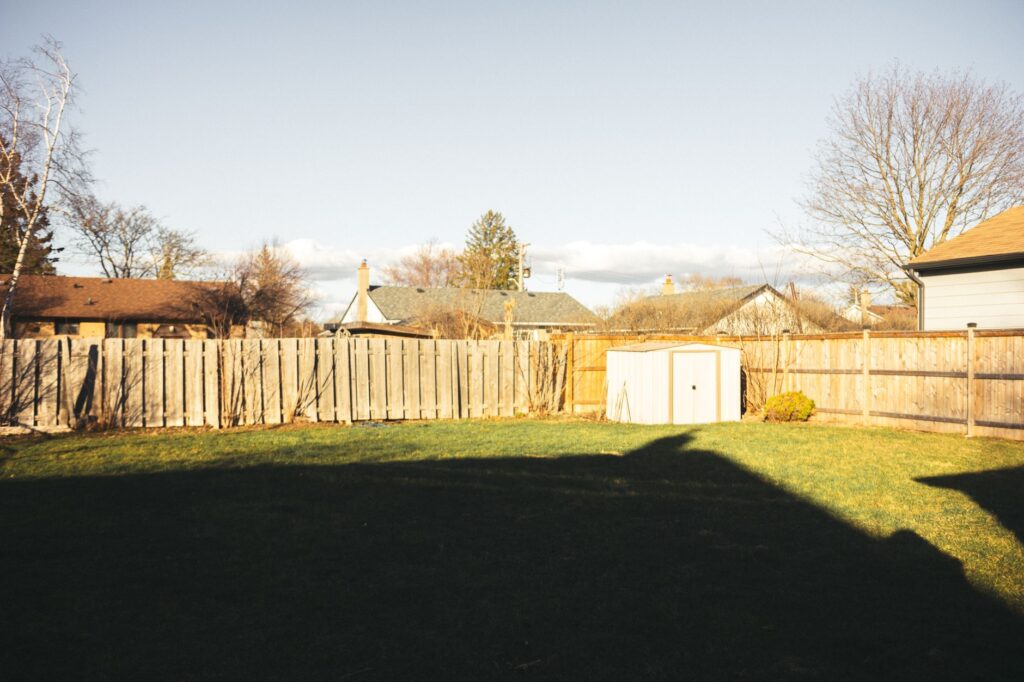
Some of the most difficult post-storm situations I see in Middletown involve trees that stand on one property but clearly threaten another. New Jersey law on this subject is nuanced — in most cases, a neighbor whose healthy tree falls and damages your property isn’t automatically liable. But the calculus changes when the tree had a visible defect, when the owner had been notified about the hazard, and when they failed to act.
This is why written communication matters. If you believe a neighbor’s tree poses a genuine risk to your home or family, it’s worth sending a polite, written notification — a letter or a clearly worded email — stating your concern in calm, factual terms. This creates a timestamped record that you communicated the risk before damage occurred. The tone doesn’t need to be adversarial to be effective: “I wanted to mention the large silver maple along our shared property line. I noticed some deadwood in the upper crown and wanted to loop you in before storm season.” A friendly note is both neighborly and legally protective.
Keep copies of all correspondence. If a municipality, utility, or HOA is responsible for a tree near your home — trees along township roadways in Middletown are sometimes the Township’s responsibility — send written notice to the appropriate party and retain your copy. The Middletown Township website has contact information for Public Works and other departments that handle tree-related concerns along public rights-of-way. A documented conversation costs nothing and can matter enormously if that tree comes down on your fence in July.
Middletown's #1 Tree Expert Company
FREE Inspection & Estimate | Certified Arborists | Trimming, Pruning, Removal, More!
Sponsored
Summary: Start Your Paper Trail Before the Next Storm Rolls In
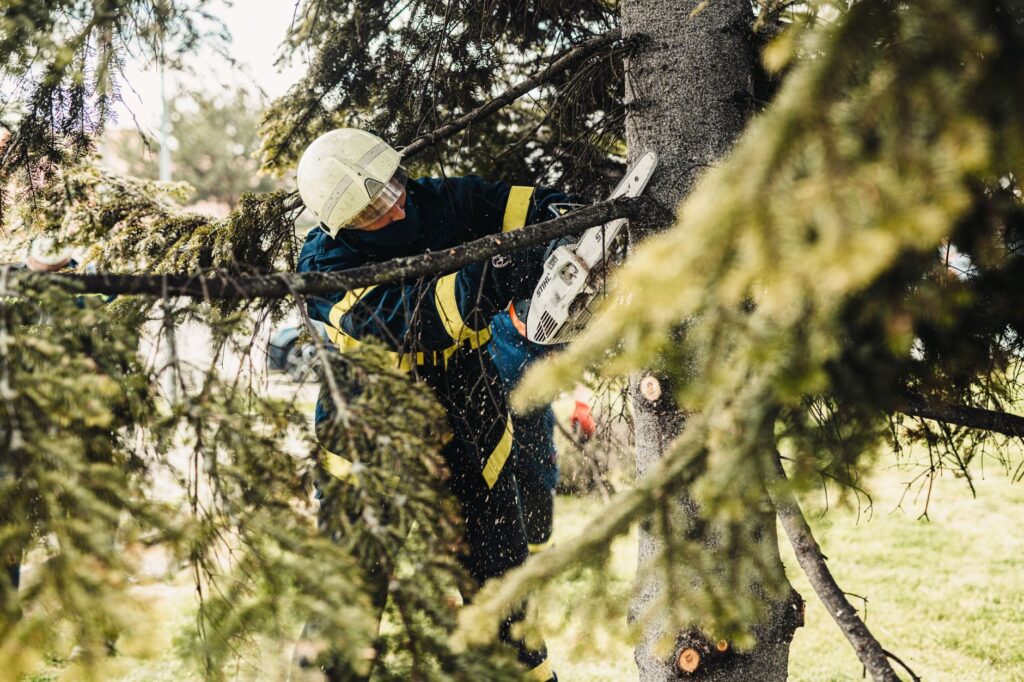
The most prepared Middletown homeowners aren’t the ones who react fastest after a storm. They’re the ones who spent an hour in June walking their property with a phone, taking photos, and writing down what they saw. A simple tree inventory, a dated photo album backed up to the cloud, a note about that worrisome limb over the garage — this small investment builds a paper trail that can protect you with your insurer, with your neighbor, and in court if it ever comes to that.
If you have mature trees close to your home, your neighbor’s structures, power lines, or other features — especially any showing signs of stress or structural concern — mid-June is exactly the right time to have a certified arborist take a look. A professional assessment before peak storm season gives you both peace of mind and a document worth having. The ISA Certified Arborist credential is the benchmark to look for: these are professionals who have passed a rigorous examination and commit to continuing education in tree care and risk assessment.
The trees in Middletown’s older neighborhoods and along the Bayshore are a genuine asset — to property values, to air quality, to the character of the community. A modest amount of preparation now is the most reliable way to ensure that a summer storm remains a temporary inconvenience rather than an expensive, drawn-out ordeal.
Photo credits: Featured image by Veronika Bykovich on Pexels; Section 1 by April Yang on Pexels; Section 2 by RDNE Stock project on Pexels; Section 3 by Markus Spiske on Pexels; Section 4 by Krakograff Textures on Pexels; Section 5 by Gustavo Fring on Pexels; Section 6 by Shazard R. on Pexels; Section 7 by Helena Jankovičová Kováčová on Pexels.