Middletown's #1 Tree Expert Company
FREE Inspection & Estimate | Certified Arborists | Trimming, Pruning, Removal, More!
Sponsored
Salt, Wind, and Sandy Soil: The Bayshore Tree Challenge
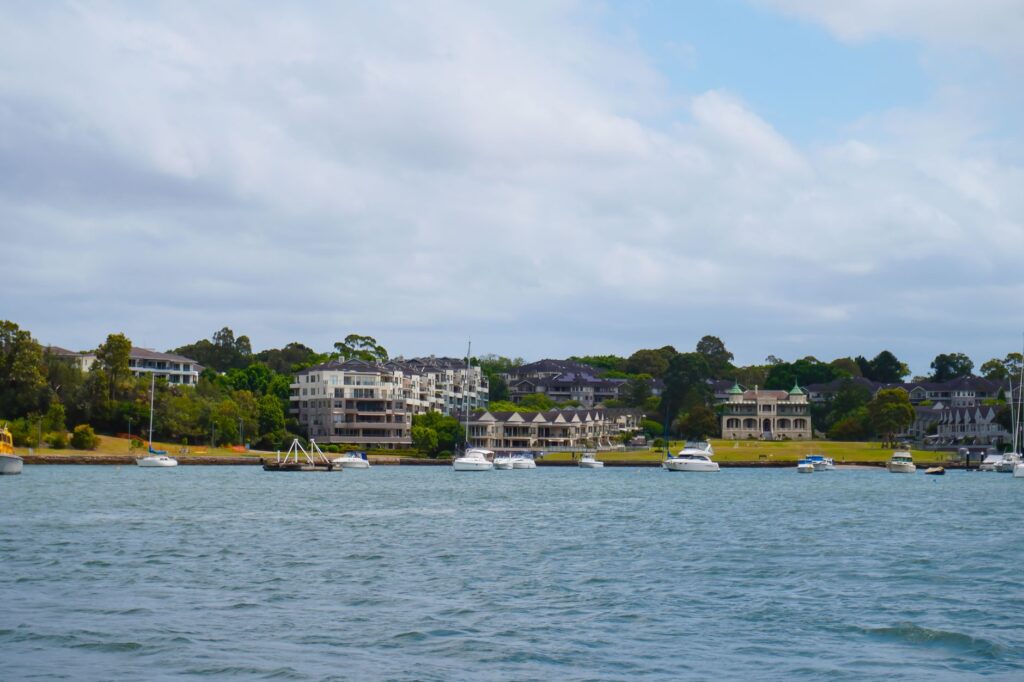
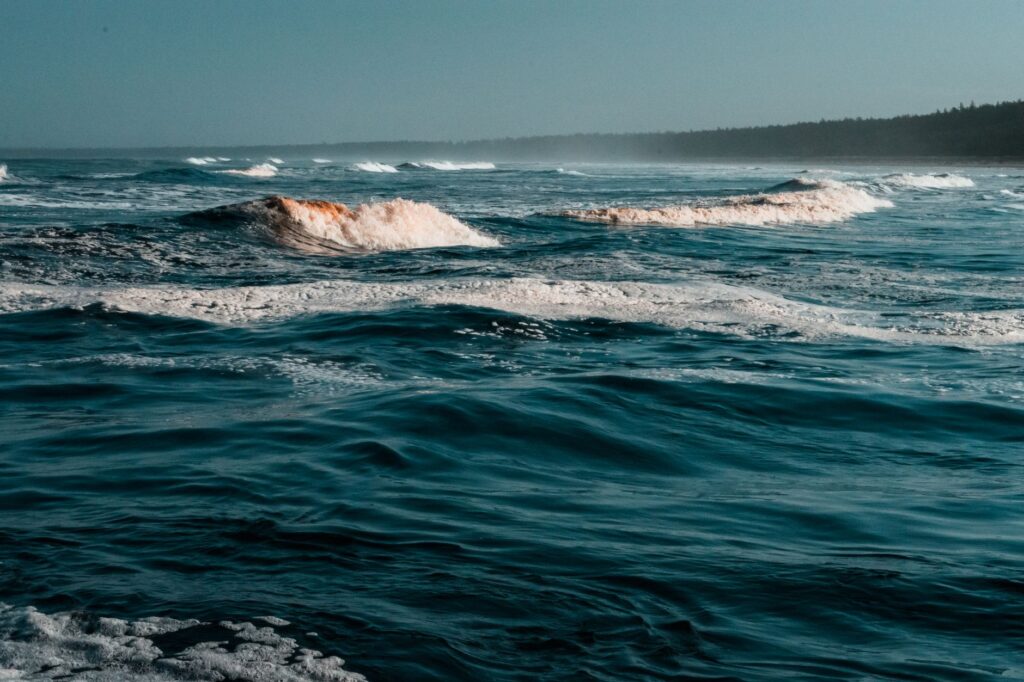
If you own property near Leonardo, Port Monmouth, or anywhere along Middletown’s stretch of Raritan Bay, your yard plays by different rules. The wind is relentless through the winter months, the soil near the waterline tends toward sandy and fast-draining, and that east-facing exposure means salt spray can reach your trees during any storm with an onshore wind. I’ve worked with dozens of homeowners along the Bayshore — from the bluffs above Sandy Hook to the low-lying lots near Port Monmouth harbor — and the number-one mistake I see is planting the wrong tree in the wrong place.
A sugar maple (Acer saccharum) that would be gorgeous in Lincroft turns into a stressed, browning mess two blocks from the bay. A flowering cherry that thrives inland looks like it’s been torched by mid-summer. The coastal environment in Middletown isn’t harsh in the way that the Pine Barrens are harsh — but it has its own rules, and ignoring them costs homeowners years of failed landscaping and repeated replacement costs.
The good news: there are trees genuinely built for this. Some of the most handsome and ecologically valuable trees in New Jersey are native right here along the Raritan Bayshore — and they’ll outlast any ornamental you try to coax into the wrong conditions. This guide walks you through what works, what fails, and what to think about before you dig the first hole.
What Salt Actually Does to Your Trees — Spray vs. Soil
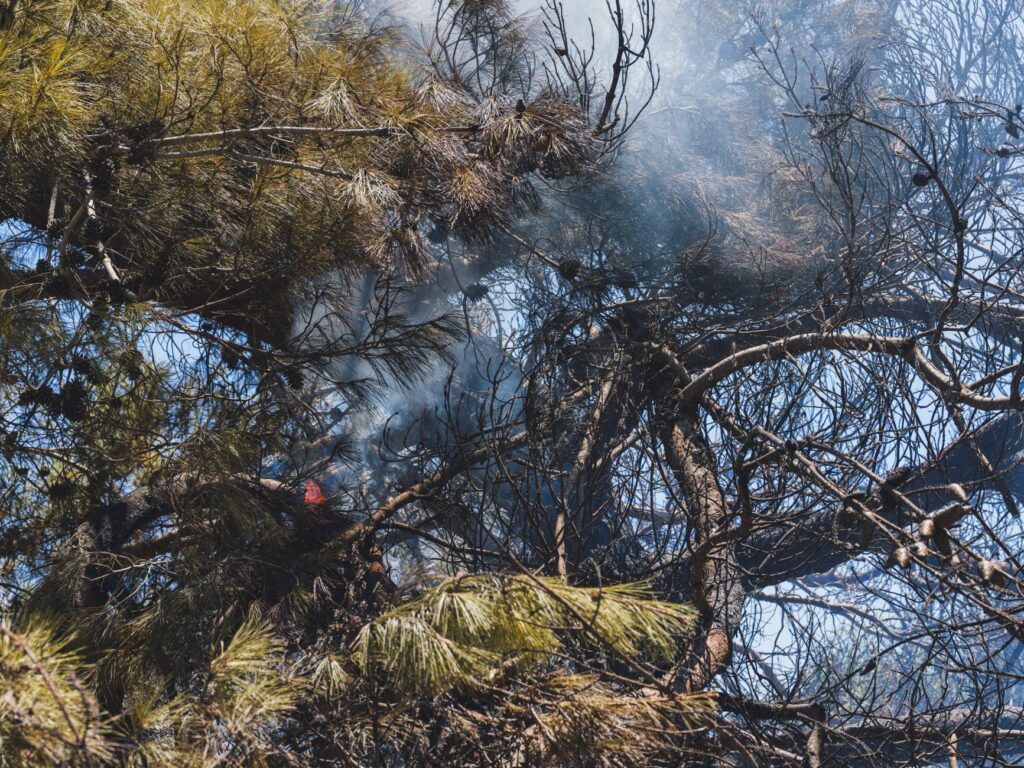
Salt damages trees through two distinct pathways, and knowing which one your property faces changes everything about how you plant and what you select.
Salt spray — the fine mist carried off Raritan Bay during storms and strong easterlies — deposits sodium chloride directly onto leaf surfaces and into bud tissue. Even a modest spray event can cause foliar burn, scorched margins, and premature leaf drop. Conifers and broadleaved evergreens are especially vulnerable because they hold leaf tissue through winter when salt exposure is at its peak. The damage looks deceptively like drought stress or even a fungal issue, which leads many homeowners to misdiagnose it and reach for the wrong remedy.
Soil salinity is a separate problem. On low-lying lots — particularly in Port Monmouth and Leonardo, where the water table sits shallow and storm surge occasionally overtops the shoreline — salt accumulates in the root zone over time. Soil salinity interferes with a tree’s ability to take up water through osmosis: the soil solution becomes saltier than the root tissue, effectively pulling water out of the roots rather than letting the tree absorb it. This is sometimes called physiological drought — the tree is thirsty even when the soil appears moist. Rutgers Cooperative Extension maintains resources on salt-tolerant plants for New Jersey landscapes and distinguishes between species that handle spray exposure versus those that tolerate root-zone salinity — because those two lists are not identical.
Native Trees Built for the Bayshore
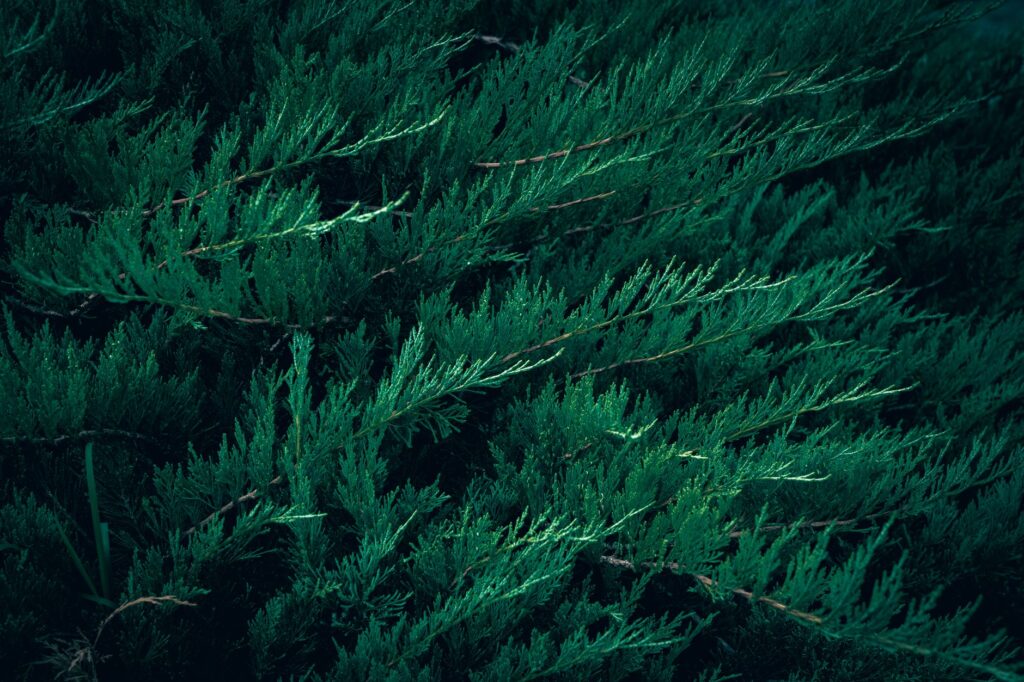
Native species earned their place in Monmouth County through thousands of years of adaptation. For Bayshore properties specifically, a handful of natives stand well above the rest.
Eastern red cedar (Juniperus virginiana) is probably the single toughest tree you can plant near the bay. It tolerates spray, soil salinity, dry and sandy conditions, and wind exposure better than almost any other NJ native. Its dense, dark-green foliage holds color year-round, provides privacy screening, and offers critical winter cover and food for wildlife — cedar waxwings especially. One caveat: don’t plant it near apple or crabapple trees, as it’s the alternate host for cedar-apple rust.
Pitch pine (Pinus rigida) is the workhorse of the Jersey Shore. You’ll find it holding sandy dunes and thin, acidic soils throughout the coastal plain. It’s not a graceful ornamental — its branching is irregular and it develops a rugged, asymmetric habit — but it is essentially indestructible in the right setting. Its thick, furrowed bark helps it survive fire, let alone salt. Pitch pine connects your yard to the broader ecology of the NJ coastal plain in a way that few ornamental trees can match.
Black gum (Nyssa sylvatica) brings something pitch pine cannot: spectacular fall color. One of the first trees to turn in September, it shifts from glossy dark green to scarlet and deep purple in a matter of days. Black gum tolerates wet soils — including the seasonally flooded lots near tidal areas in Middletown — and handles moderate spray exposure well. It also supports a diverse insect community through its tiny flowers, making it a strong ecological anchor tree. The NJ DEP Forest Service recognizes it as a key native species of the coastal plain ecosystem.
Sweetbay magnolia (Magnolia virginiana) is native to coastal plain wetlands throughout New Jersey, including Monmouth County. It’s semi-evergreen — retaining some leaves through mild winters — with creamy white, lemony-scented flowers in June. It won’t stand up to full salt spray exposure, but in a buffered position set back from the shoreline, it’s a beautiful and resilient choice whose shallow-rooted habit suits the seasonally wet soils common on Bayshore lots.
Middletown's #1 Tree Expert Company
FREE Inspection & Estimate | Certified Arborists | Trimming, Pruning, Removal, More!
Sponsored
A Few Non-Natives Worth Considering
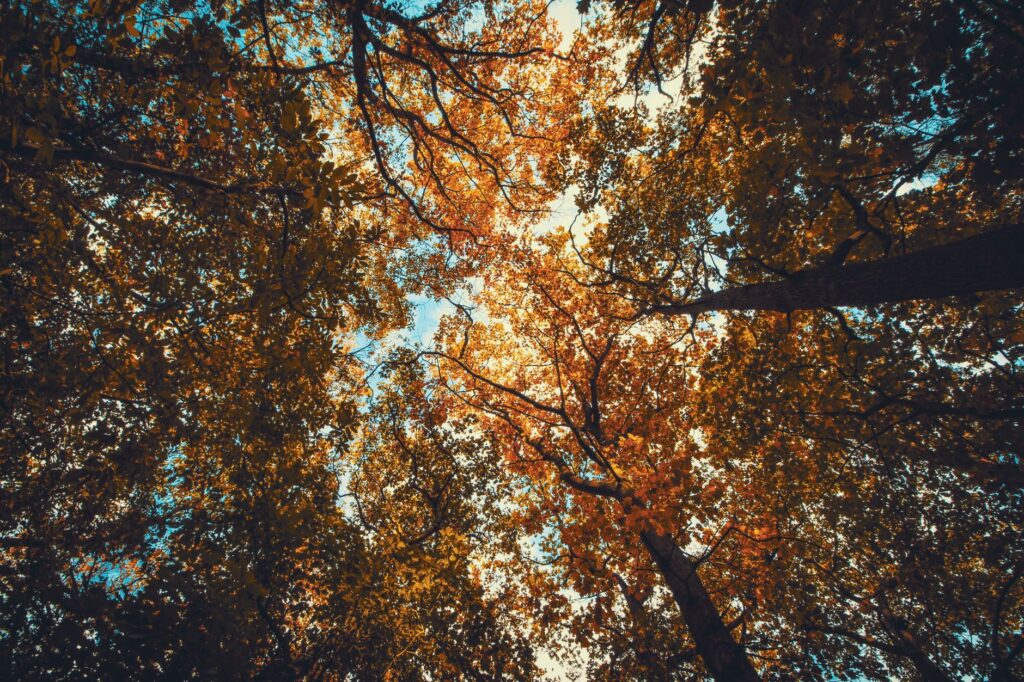
A handful of non-natives also perform well on Bayshore properties and are worth considering when you need a specific form or function that native species can’t quite provide.
Hackberry (Celtis occidentalis) is one of the most underrated trees in the northeast. It handles a remarkable range of conditions — dry or wet, clay or sand, full spray or sheltered site — and produces small berries that birds actively seek. Its corky, warted bark is distinctive and striking. Hackberry makes an excellent choice when you need a mid-sized canopy tree (40-60 feet at maturity) and nothing else seems to fit the conditions you’re dealing with.
Honey locust (Gleditsia triacanthos inermis) — specifically the thornless cultivated forms — is genuinely salt-tolerant and adapts easily to compacted, poor soils. It casts dappled rather than deep shade, which is useful when you want canopy cover without sacrificing the lawn underneath. The compound leaves drop in fall as tiny leaflets that mostly disappear into the grass, reducing cleanup considerably.
American holly (Ilex opaca) bridges the gap between evergreen screening and ornamental interest. It handles moderate salt spray well when sited behind a first row of conifers as a buffer, and provides year-round structure plus winter berries for birds. Hollies are slow-growing but exceptionally long-lived, and a mature specimen on a Bayshore property becomes a genuine landscape anchor over decades. The International Society of Arboriculture consistently emphasizes right-tree-right-place matching as the foundation of successful urban and suburban planting — for coastal NJ conditions, holly often checks all the right boxes.
What Not to Plant Near Raritan Bay
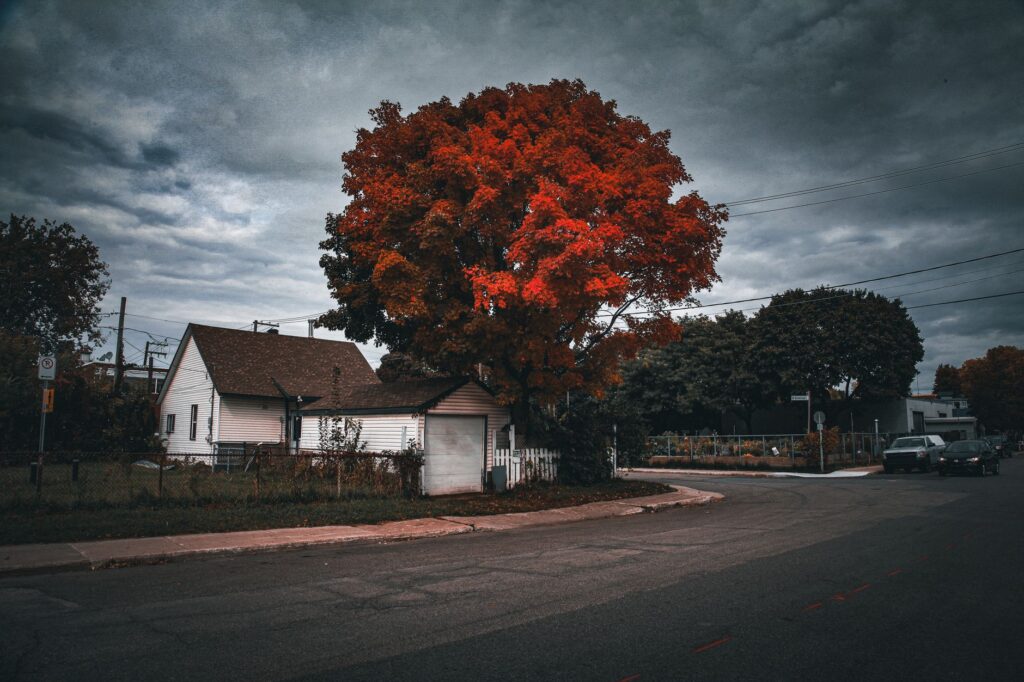
Part of my job is talking homeowners out of a tree they’ve already fallen in love with at the nursery. A few common species simply don’t hold up on the Bayshore, regardless of how healthy they look in a container in June.
Sugar maple (Acer saccharum) is the classic Bayshore mistake. Beautiful in inland Middletown — Lincroft, Navesink, the rolling upland neighborhoods — but a chronic underperformer near the water. Salt spray causes severe leaf scorch by mid-summer, and sugar maples want deep, well-drained loam, not the sandy or seasonally wet soils common on coastal lots. If you’ve watched a neighbor’s sugar maple look worse every year despite regular care, salt exposure is likely the culprit.
Flowering cherries (Prunus varieties) are another frequent disappointment. They’re planted for spring bloom, but many cultivars begin dropping leaves by August after even modest coastal exposure. They’re also short-lived under stress: under ideal inland conditions they might reach 20-25 years, but on a Bayshore lot with thin soil and salt spray, expect a decade or less before the decline becomes undeniable.
White pine (Pinus strobus) surprises people — it looks tough, but it’s actually quite sensitive to salt spray. Needles turn brown and shed from the inside out after exposure. Austrian pine (Pinus nigra) is somewhat more salt-tolerant, but it carries an increasing burden of fungal disease in our region that makes it a poor long-term investment. If you want a pine on a Bayshore property, pitch pine is the correct choice — not white, not Austrian.
Planting and Site Prep for Coastal Conditions
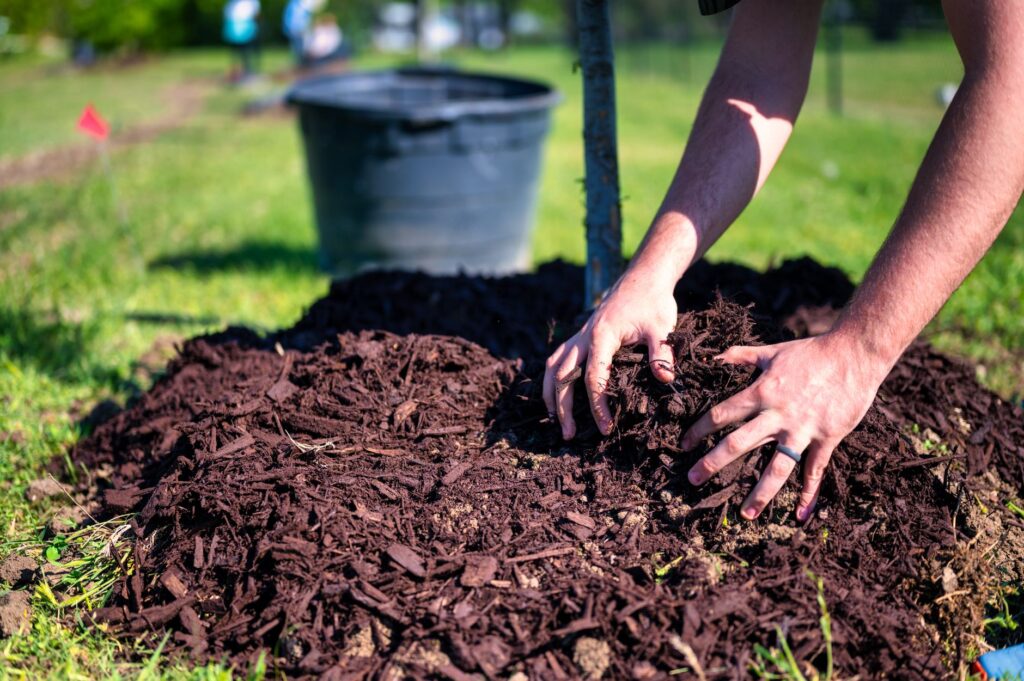
Getting the species right is step one. Getting the planting right matters equally — the best-matched tree still fails if it goes in the ground incorrectly or in a position that overwhelms its tolerance.
On Bayshore properties, soil preparation often means adding organic matter to improve water retention in sandy soils, or improving drainage on low-lying lots that sit near sea level. In either case, a 3-to-4-inch layer of shredded hardwood mulch extending well beyond the drip line — kept several inches away from the trunk itself — moderates soil temperature and retains moisture between rain events. Mulch matters more on coastal properties than most homeowners realize, and it’s one of the most effective things you can do after planting.
For the most exposed positions, think about layered planting. A front row of tolerant evergreens — eastern red cedar, or even salt spray rose (Rosa rugosa) as a shrub buffer — can shield a second row of less tolerant species from the worst of the spray. This mirrors how natural coastal plant communities actually organize themselves: the most hardened species at the leading edge, more sensitive plants sheltered behind them. Mimicking that structure in your landscape can make a meaningful difference in the survival rate of mid-tolerance species.
Planting depth is non-negotiable in any environment, but salt-stressed trees have no margin for additional setbacks. The root flare must sit at or slightly above grade. If you’re inheriting a Bayshore property with trees already in poor health, having an arborist check the root collar — and whether a too-deep original planting contributed — can reveal a correctable problem before the tree declines any further.
Middletown's #1 Tree Expert Company
FREE Inspection & Estimate | Certified Arborists | Trimming, Pruning, Removal, More!
Sponsored
When to Call an Arborist About Your Bayshore Property
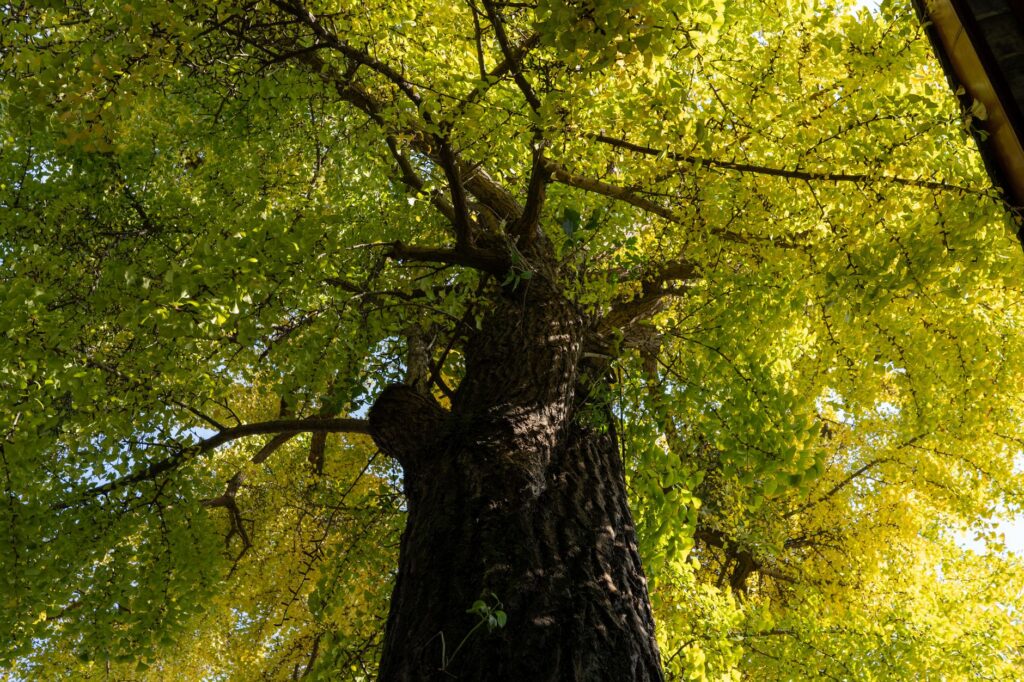
Choosing the right tree for a Bayshore lot in Middletown is one of the most consequential landscape decisions you’ll make. A well-matched tree — an eastern red cedar in a wind-scoured position, a black gum where the soil gets seasonally wet, a hackberry when you need flexible mid-sized canopy — will reward you for decades with minimal care. The wrong choice means repeated replacements, chronic stress management, and a yard that never quite looks the way you hoped.
If you’re not sure whether existing trees are suffering from salt exposure versus disease or drought stress, a site evaluation from a certified arborist can sort it out quickly. The symptoms overlap enough that misdiagnosis leads to the wrong treatment — and wasted money on fertilizers or fungicides when the real problem is sitting in the soil or carried on the wind.
If you’re planning new plantings on a Bayshore property, having an arborist assess the site before you buy anything is time well spent. A conversation about your specific exposure level, soil type, and the microclimate of your particular lot can prevent years of disappointment. The right tree in the right place asks almost nothing of you once it’s established. The wrong one demands constant attention — and usually still fails.
Photo credits: Featured image by Tara Robinson on Pexels; Section 1 by Talha Resitoglu on Pexels; Section 2 by Engin Akyurt on Pexels; Section 3 by Wyxina Tresse on Pexels; Section 4 by Tom Swinnen on Pexels; Section 5 by Alex Albert on Pexels; Section 6 by Alfo Medeiros on Pexels; Section 7 by Peter Xie on Pexels.