
Middletown's #1 Tree Expert Company
FREE Inspection & Estimate | Certified Arborists | Trimming, Pruning, Removal, More!
Sponsored
Why a Tree Is the Most Fitting Memorial Day Tribute in Middletown
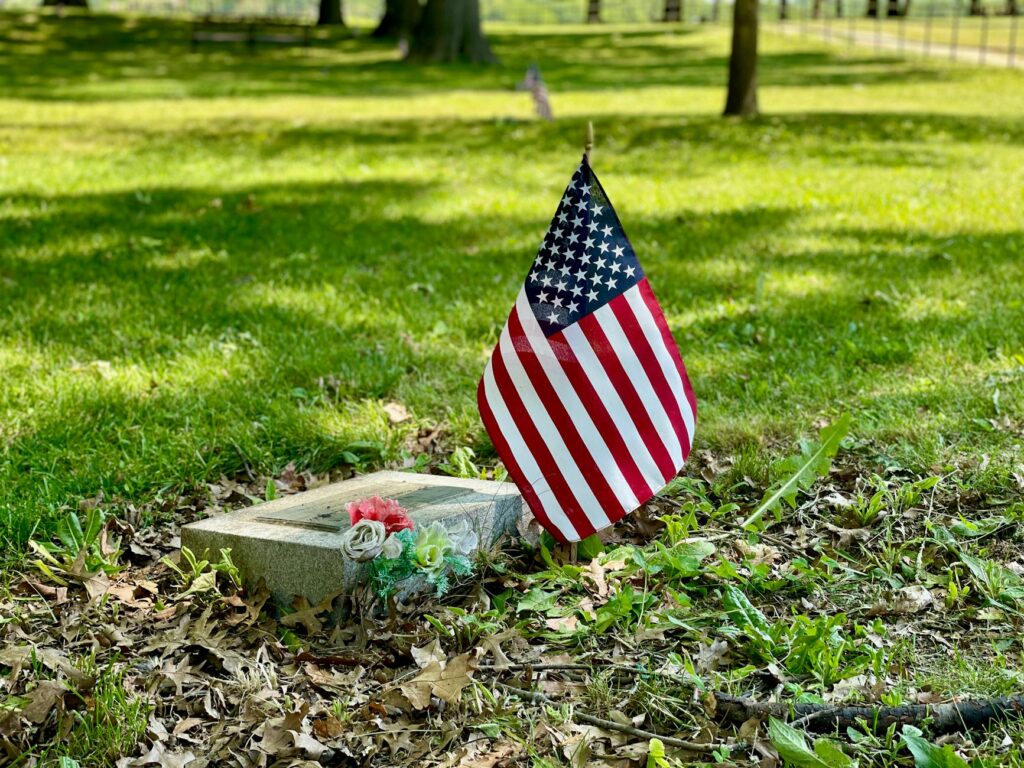
By the time you read this, the flags will already be in at Fair View Cemetery. The parade route down Kings Highway will be set. Charcoal grills across Lincroft, Belford, and Atlantic Highlands will be heating up for the unofficial first weekend of Bayshore summer. Memorial Day in Middletown looks a lot of ways — but for the families I work with as a certified arborist, it often looks like a small phone call asking the same quiet question: “We’d like to plant a tree for someone. What should we put in?”
I get more of those calls the week of Memorial Day than any other week of the year. Some are for veterans. Some are for parents, grandparents, a child, a friend. The reason people call an arborist instead of just driving to the garden center is that they sense — correctly — that this tree is not the same as the dogwood out by the mailbox. They want it to live a long time. They want it to mean something. And in Monmouth County, that takes the right species, the right spot, and a planting done right.
This piece is a guide for the Middletown homeowner thinking about exactly that. A living memorial is one of the oldest American traditions there is, and done well, it will outlive every other tribute you can buy.
Living Memorials: An American Tradition Older Than the Republic
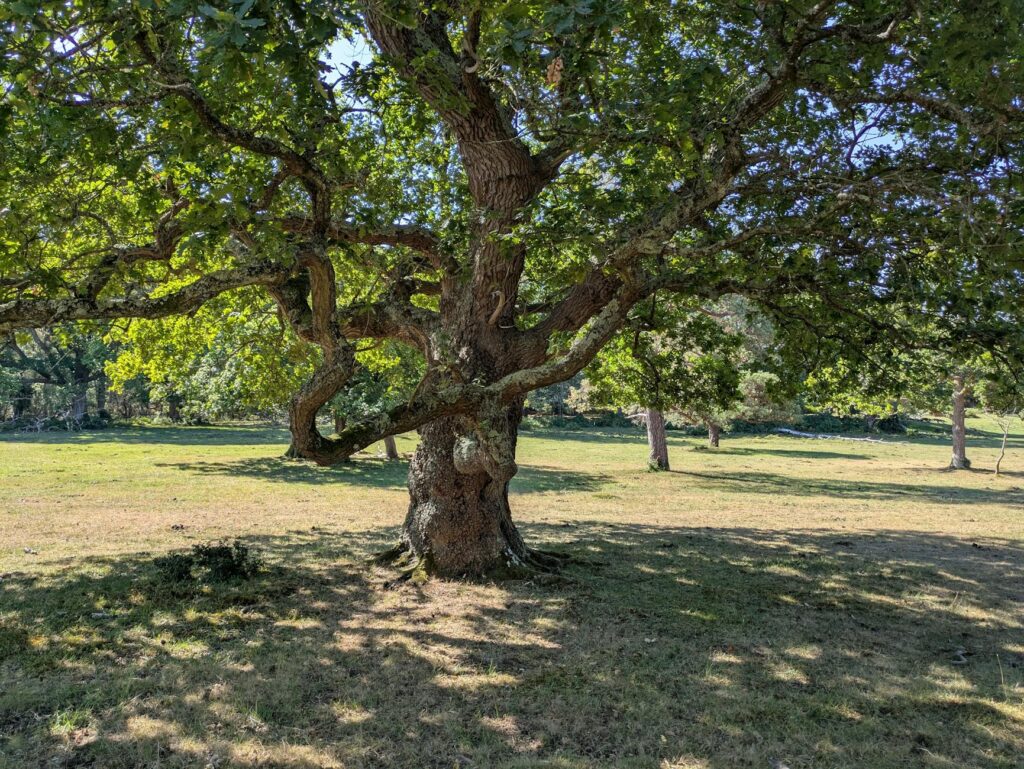
The idea of planting a tree to mark a person or a moment is older than this country. Colonial towns gathered under “Liberty Trees” before the Revolution — the most famous a great elm on Boston Common. Across the Mid-Atlantic, Civil War communities planted memorial groves on courthouse lawns. After the First World War, towns in New Jersey and across the Northeast planted long avenues of elms and oaks to honor the men who didn’t come back. Many of those trees, where Dutch elm disease and storms haven’t taken them, are still standing.
The tradition got a modern boost after 9/11, when the USDA Forest Service launched the Living Memorials Project and helped seed more than a hundred community tree-planting memorials around the country. New Jersey was one of the most active states in that program. And there’s a particular reason the living memorial idea runs deep in this state — Joyce Kilmer, the poet who wrote the line every American school child still half-remembers (“I think that I shall never see / A poem lovely as a tree”), was born in New Brunswick and killed in action in France in 1918. He was 31. There’s a rest stop named after him on the Turnpike. There’s a national forest named after him in North Carolina. And every tree planted in his memory between 1918 and today is a quieter version of the same idea.
Planting a memorial tree in your Middletown yard puts you in that long line.
Why a Tree Outlasts Every Other Kind of Memorial
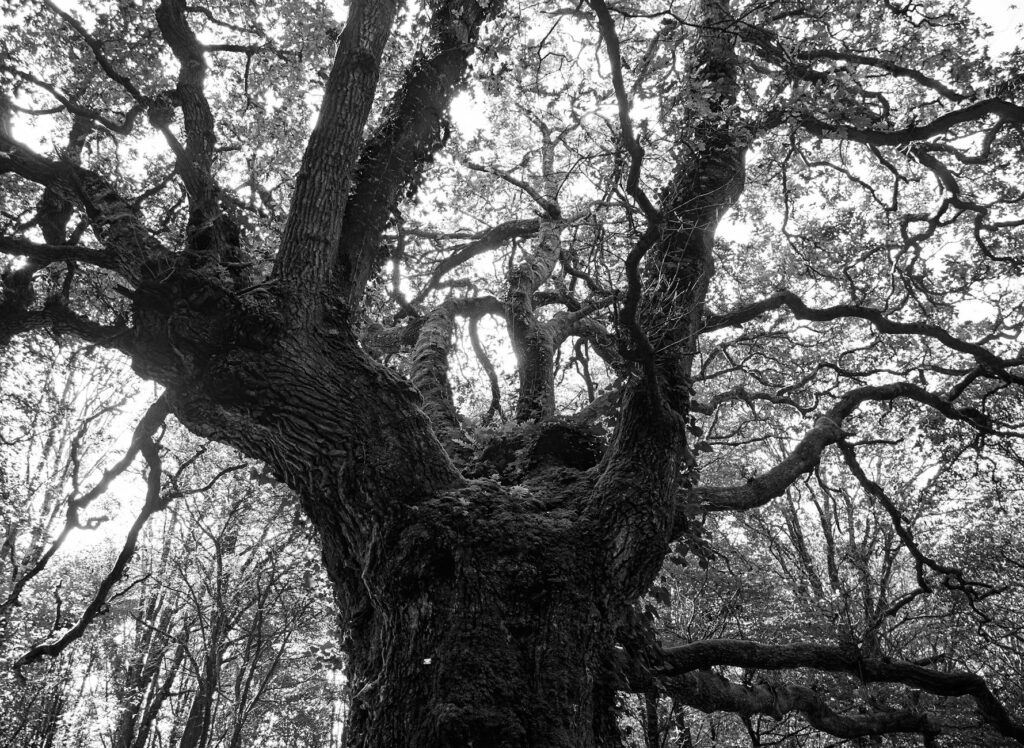
Stone weathers. Metal corrodes. Photographs fade. A tree, planted well in the right place, does the opposite — it gets bigger, stronger, and more meaningful with every year that passes. The biology of why is worth understanding before you pick what to plant.
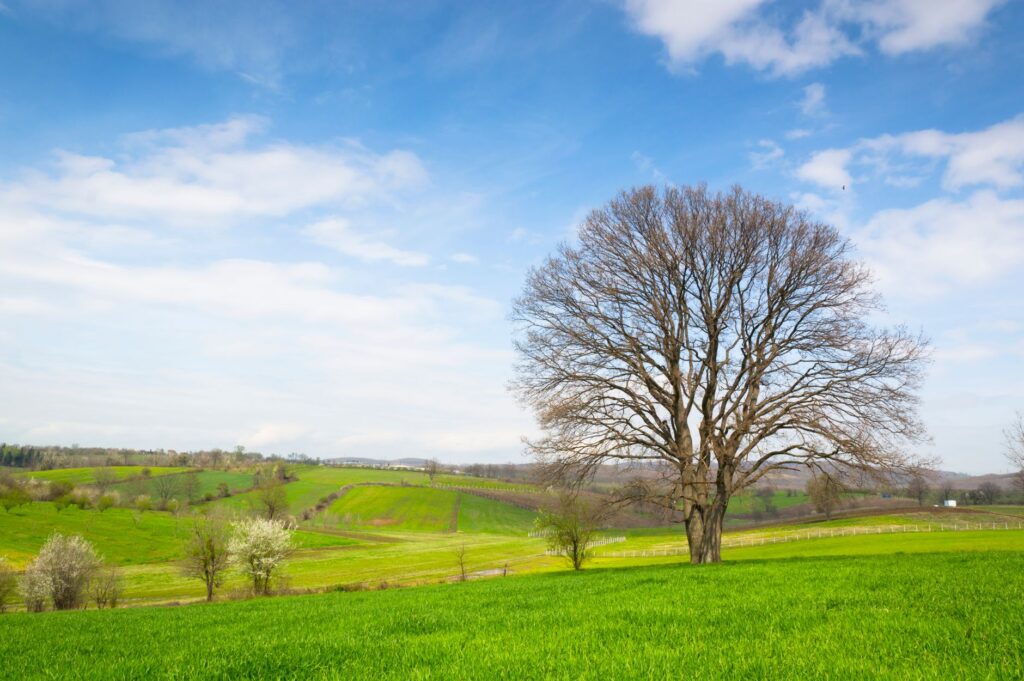
Trees compartmentalize damage rather than heal it the way we do. A white oak (Quercus alba) on a Middletown property can lose limbs in a nor’easter, survive a lightning strike, host generations of squirrels and woodpeckers, and keep adding rings for three or four centuries. The Salem Oak in Salem County, NJ — a famous white oak under which John Fenwick reportedly negotiated land with the Lenape — lived close to 600 years before finally falling in 2019. The copper beeches at Hartshorne Woods Park, the white oaks scattered through Tatum Park, the towering tulip poplars on old Lincroft properties — many are pushing 200 years. A child standing next to your memorial tree at next year’s barbecue could be standing next to it as a great-grandparent.
That kind of timeline only works, however, if you pick the right tree for our soils and climate. A weeping cherry will not live 200 years. A Bradford pear will split in fifteen. The species you choose is the single biggest decision in this whole project.
Middletown's #1 Tree Expert Company
FREE Inspection & Estimate | Certified Arborists | Trimming, Pruning, Removal, More!
Sponsored
Native Species Worth Planting as a Living Memorial in Middletown
For a tree you want to outlive you, native species win every time. They’re adapted to Monmouth County’s growing season, our soil, our humidity, and our pests. Rutgers Cooperative Extension keeps a useful overview of native plant selection for New Jersey landscapes that’s worth bookmarking. A short list of what I recommend most often for memorial plantings in Middletown:
- White oak (Quercus alba) — the patriarch. 60–80 feet at maturity, 300-plus year lifespan, deeply rooted, storm-resistant. Needs space and full sun. The right tree for a big yard.
- Sugar maple (Acer saccharum) — 200-plus year lifespan, brilliant orange-red fall color, dense shade. Loves well-drained inland soils. Outstanding choice for properties in Lincroft, Holmdel-adjacent neighborhoods, and parts of Middletown Village.
- American beech (Fagus grandifolia) — smooth gray bark that many families treasure. 200–300 year lifespan. Slow but steady. Be aware of beech leaf disease in the region — your arborist should evaluate before planting.
- Eastern redbud (Cercis canadensis) — smaller yard? This is the one. Blooms purple-pink right around Memorial Day weekend in New Jersey, which makes the anniversary timing extraordinary. 50–70 years is typical.
- American holly (Ilex opaca) — the official state tree of New Jersey. Evergreen, slow-growing, long-lived, and native to the Bayshore. A particularly fitting choice if the person being honored had any tie to the Jersey Shore.
- Eastern white pine (Pinus strobus) — 200-plus years, evergreen, soft silhouette. Wonderful in a larger yard, especially as part of a quiet corner.
What I steer people away from for a memorial tree: Bradford pear, Norway maple, weeping willow, and Leyland cypress. The first two are invasive in New Jersey, and the latter two are short-lived in our conditions. A memorial tree that splits in a derecho fifteen years from now is not the tribute anyone wants.
Picking the Right Spot in Your Middletown Yard
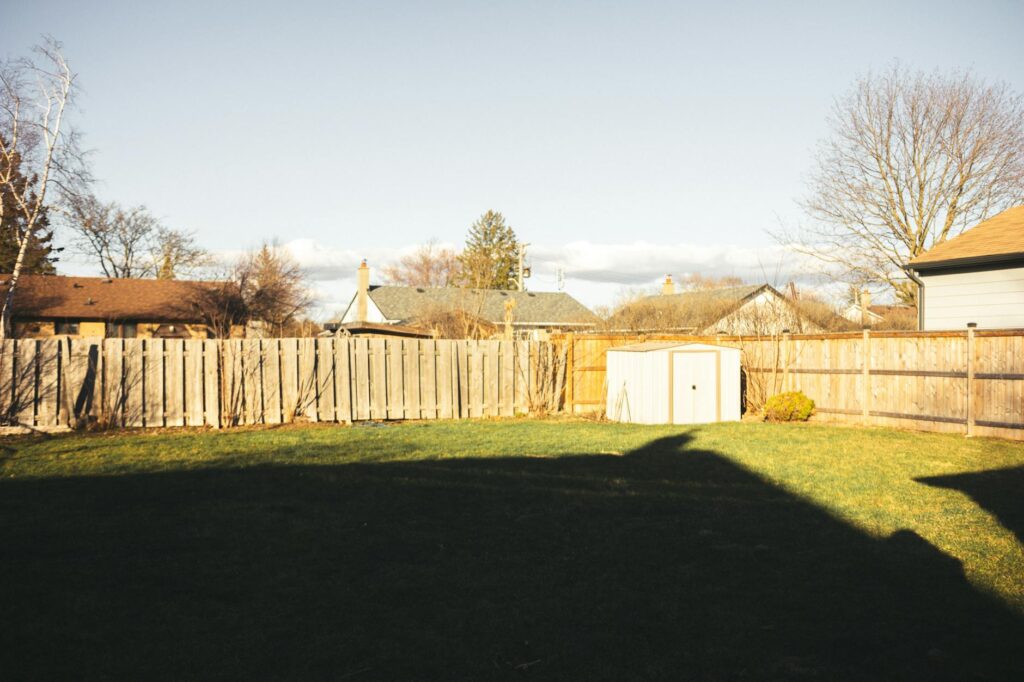
The spot matters as much as the species. The single most common mistake I see is a beautiful tree planted in a place where it cannot survive — too wet, too dry, too shaded, too close to a foundation, or directly under utility lines. Before you dig, think through five things.
Sun. Most of the species above want six hours of direct sun. A memorial oak tucked into the shade of an existing big tree will struggle for decades and never reach its potential.
Soil and drainage. Middletown soils run from sandy and fast-draining near the Bayshore in Port Monmouth, Belford, and Leonardo to dense clay-loam inland near Lincroft and Tinton Falls. After a heavy rain, watch where water sits in the yard. A spot that holds standing water for more than 24 hours is wrong for almost every species on the list above.
Mature size. A white oak will eventually shade 70 feet of yard. Picture the tree at full size before you plant — not the sapling in the pot. Keep large species at least 25 feet from the house and well clear of overhead lines. The New Jersey Forest Service publishes useful guidance on right-tree-right-place choices for Monmouth County conditions.
What’s already growing. Walk the neighborhood. The species that look healthy and old on the block next to yours are the species that are happy in your soil. That’s free site analysis.
Meaning. Where will you see it? A memorial tree you walk past every morning gives more back than one tucked behind the garage.
How to Plant a Memorial Tree So It Actually Lives
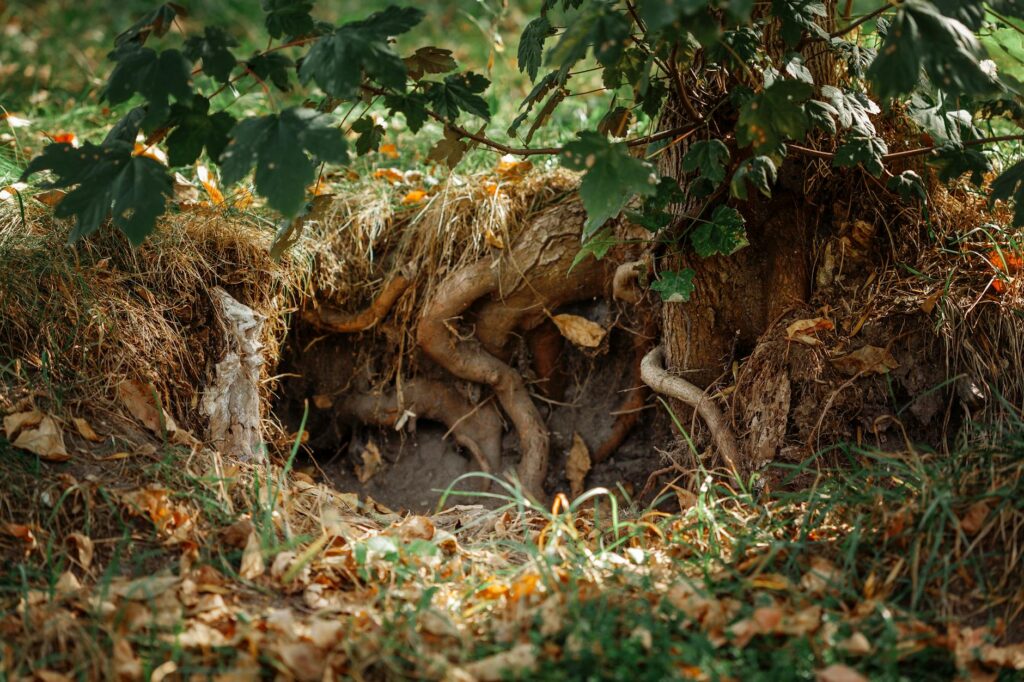
This is where most memorial trees succeed or fail, and almost all of it happens in the first three weeks. The international standard for tree planting is well-documented by the International Society of Arboriculture, and the bullets below are a quick distillation for a Middletown homeowner doing it themselves.
- Find the root flare. This is the spot where the trunk widens out into the roots. On most nursery trees it’s buried under two to four inches of media. Brush it off until you see it. That flare must end up at or just above final soil grade — not below.
- Dig wide, not deep. Two to three times the width of the root ball, and no deeper than the height from the flare to the bottom of the ball. The most common killer of new trees in Monmouth County is planting too deep.
- Don’t amend the backfill. Native soil only. Amended planting holes create a “pot effect” that traps water and discourages roots from expanding outward.
- Mulch 2–3 inches deep in a wide donut. Never against the trunk. The volcano-shaped mulch piles you see all over Middletown rot bark and invite voles.
- Water deeply. Fifteen to twenty gallons a week for the first two full growing seasons, more in July and August. Bayshore wind dries a young tree out fast.
- Stake only if needed, and remove the stakes after one growing season — trees that can’t sway never develop strong wood.
If you want a marker, a small stone at the base or a discreet plaque in the mulch ring works beautifully. But the tree itself is the memorial. It does not need anything else.
Middletown's #1 Tree Expert Company
FREE Inspection & Estimate | Certified Arborists | Trimming, Pruning, Removal, More!
Sponsored
When to Plant Yourself and When to Call a Certified Arborist

A homeowner with a strong back and a Saturday morning can absolutely plant a one-to-two-inch caliper tree from a reputable nursery. If that’s your plan, follow the guide above and you’ll be ahead of 80 percent of new plantings in Monmouth County.
What an ISA-certified arborist adds for a tree of this significance — one you want to live longer than you will — is a site evaluation that catches the things you can’t see. Soil compaction from past construction. A buried utility line. Drainage problems three feet down. A subtle disease or pest pressure in the neighborhood that should rule certain species out. Beech leaf disease, oak wilt, and emerald ash borer have all reshaped what we recommend for Middletown plantings in just the last few years. For a memorial tree, a brief consultation before you buy — and again after planting — is the difference between a tree that lives 50 years and a tree that lives 300.
However you do it, the tradition itself is the point. Plant the tree this Memorial Day. Water it through July and August. Take a photo of it every year on the same date. In thirty years, somebody much younger than you will stand under it and understand exactly what you meant.
Photo credits: Featured image by Adem Percem on Pexels; Section 1 by Paul Buijs on Pexels; Section 2 by David Allen on Pexels; Section 3 by Alexandr Meadow on Pexels; Section 4 by Boys in Bristol Photography on Pexels; Section 5 by Shazard R. on Pexels; Section 6 by Julia Filirovska on Pexels; Section 7 by Kindel Media on Pexels.