Middletown's #1 Tree Expert Company
FREE Inspection & Estimate | Certified Arborists | Trimming, Pruning, Removal, More!
Sponsored
Middletown's Favorite Spring Tree Has a Problem
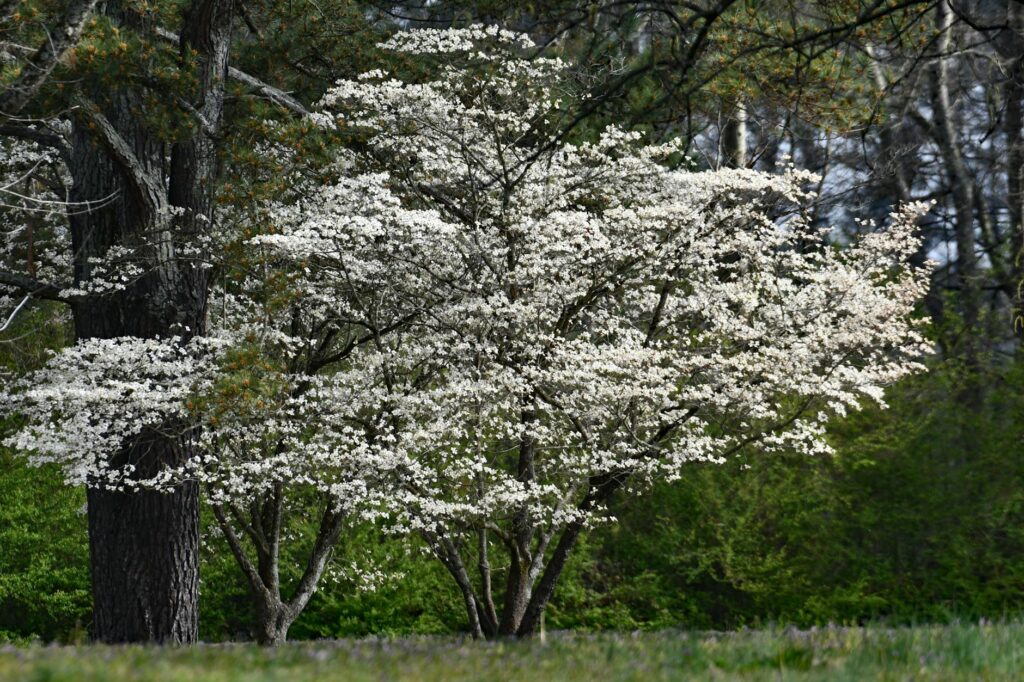
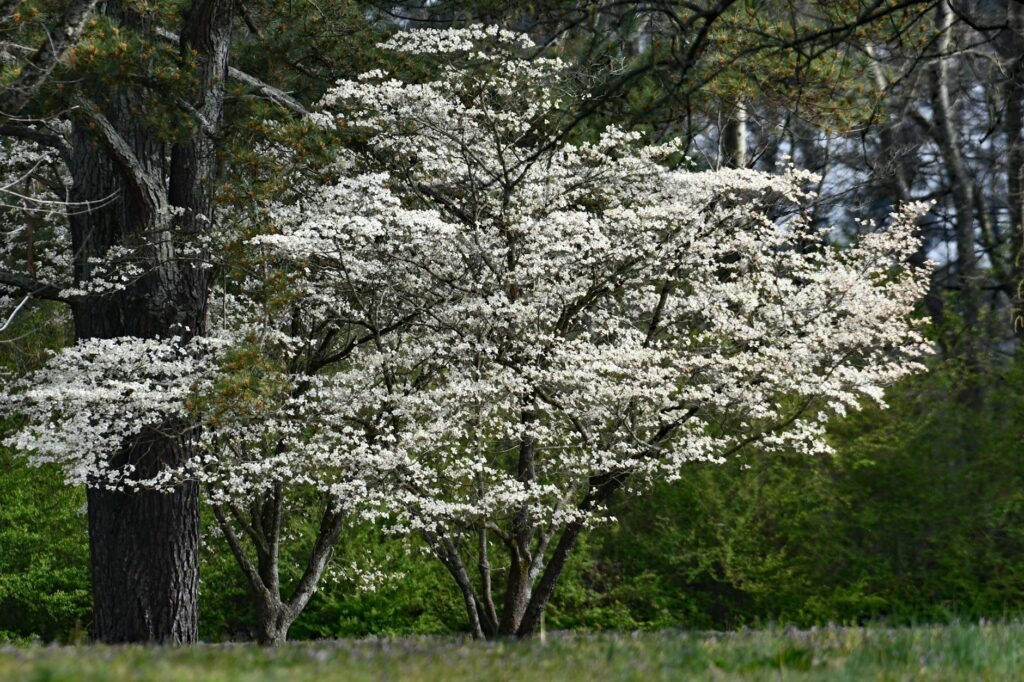
Every spring, the flowering dogwood (Cornus florida) turns Middletown into something close to a postcard. From the wooded neighborhoods near Poricy Park to the edge of Hartshorne Woods in Atlantic Highlands, those white and pink bracts open right around the time forsythia fades — usually the third or fourth week of April. It is the tree that signals spring has actually arrived in Monmouth County.
But this year, pay close attention to what comes after the bloom. If your dogwood’s leaves are emerging with tan, water-soaked blotches that quickly spread and turn brown, if shoot tips are wilting and dying back, if you’re noticing clusters of dead twigs in the lower crown — you’re almost certainly looking at dogwood anthracnose, a serious fungal disease that has been killing native flowering dogwoods across the Mid-Atlantic for more than four decades.
Late April and May are when this disease makes its most visible move. The cool, wet conditions that define a typical Monmouth County spring are exactly what the fungus needs to spread aggressively through new leaf tissue. Knowing what you’re looking at — and acting quickly — is the difference between a manageable situation and losing the tree entirely.
The Fungus That Changed the Eastern Landscape
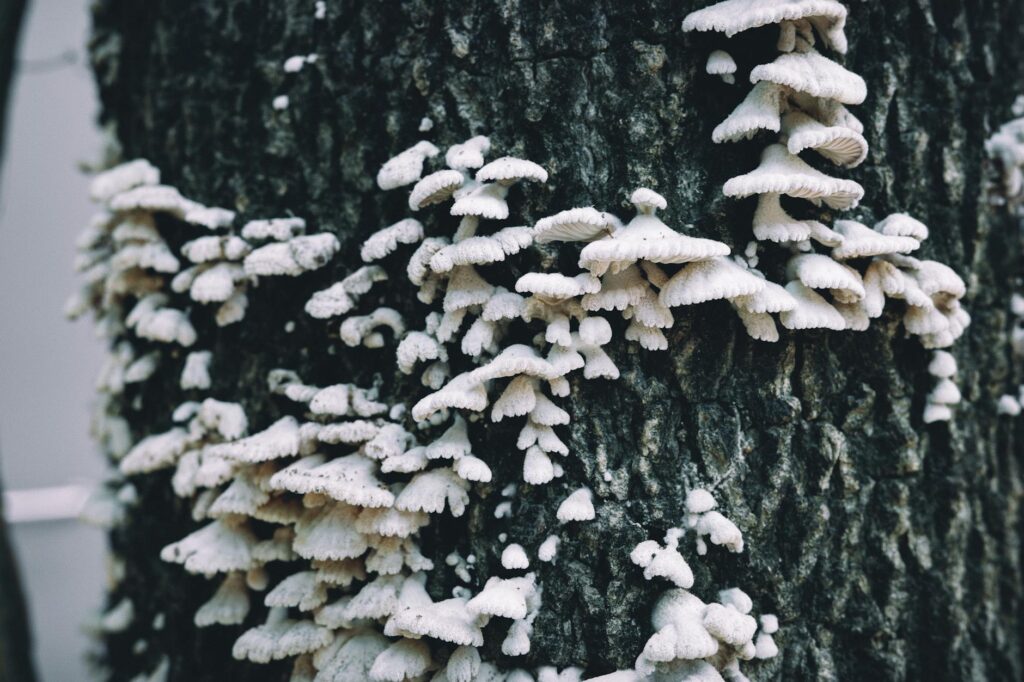
Dogwood anthracnose is caused by Discula destructiva, a fungus that wasn’t formally named until 1991 — despite the fact that it had been quietly devastating flowering dogwood populations since at least the late 1970s. It was first observed in New York and the Pacific Northwest simultaneously around 1978, and by the early 1990s it had swept through the Mid-Atlantic and into the Southeast, killing native dogwoods in forests from Maine to Georgia.
What makes Discula destructiva so dangerous is the way it attacks the tree systemically. Most leaf-spot fungi hit foliage and stop — the tree looks rough for a season and recovers. Dogwood anthracnose doesn’t stop at the leaves. The fungus moves from infected leaf tissue down through the petiole into the twig, killing shoot tips and progressing toward scaffold branches and eventually the main trunk. Sunken, discolored bark cankers form wherever the fungus kills cambium tissue, girdling branches and — in advanced cases — the trunk itself.
According to the USDA Forest Service’s identification and control guide for dogwood anthracnose, the disease has eliminated a significant proportion of native Cornus florida throughout eastern U.S. forests. In some mid-Appalachian sites, understory dogwood populations have declined by 80 percent or more. This is not a cosmetic problem — left unchecked, dogwood anthracnose kills trees, sometimes within just a few years of first symptoms appearing.
Reading the Symptoms on Your Tree This Spring
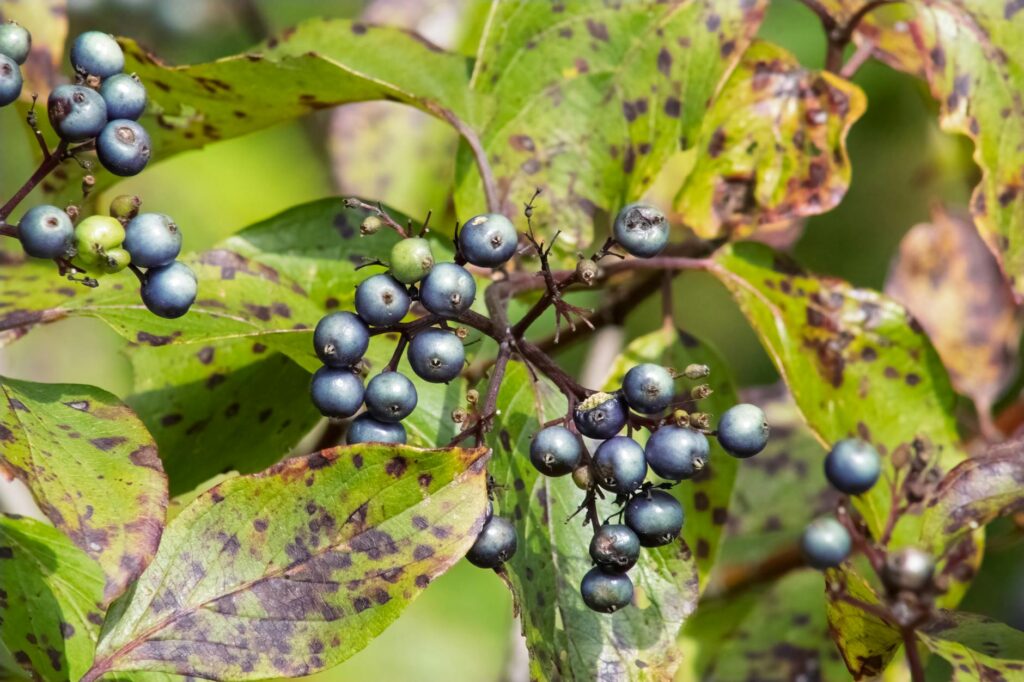
Knowing the symptom sequence is critical because dogwood anthracnose is frequently confused with other, far less serious leaf-spot diseases. Here’s what to look for as leaves expand through late April and May:
- Leaf spots with tan or brown centers and reddish-purple borders. Spots often start at leaf margins and tips, then expand rapidly during wet weather to cover large portions of the leaf blade.
- Blighted shoot tips. Infected shoots die from the tip downward — you’ll see a cluster of brown, wilted leaves stuck on dead twigs, persisting long after healthy leaves have expanded.
- Retained dead foliage through winter. Healthy trees drop their leaves cleanly in fall. Anthracnose-infected trees often hold mummified, infected leaves on dead shoots through winter and into the following spring. Those retained leaves are a primary source of fresh spores the next season.
- Epicormic sprouts from the lower trunk. As upper crown health declines, the tree pushes masses of small shoots from its base and lower trunk — a visible stress response and one of the clearest signs of advancing disease.
- Bark cankers on twigs and branches. Sunken, discolored areas where the fungus has killed cambium tissue. Cankers girdle and kill everything above them.
If you’re seeing primarily small leaf spots without any shoot dieback or retained dead foliage, the culprit may be spot anthracnose (caused by Elsinoe corni), a much less destructive disease. The presence of shoot blight and clinging dead growth almost always points to Discula destructiva.
Middletown's #1 Tree Expert Company
FREE Inspection & Estimate | Certified Arborists | Trimming, Pruning, Removal, More!
Sponsored
Why Middletown's Climate Creates the Perfect Infection Window
Discula destructiva thrives under conditions that describe a typical Middletown spring almost exactly: cool temperatures, extended wet periods, and persistent high humidity. Spores germinate and penetrate new leaf tissue during budbreak and the early leaf-expansion phase — which is exactly where we are right now in late April, with leaf tissue still soft and vulnerable.
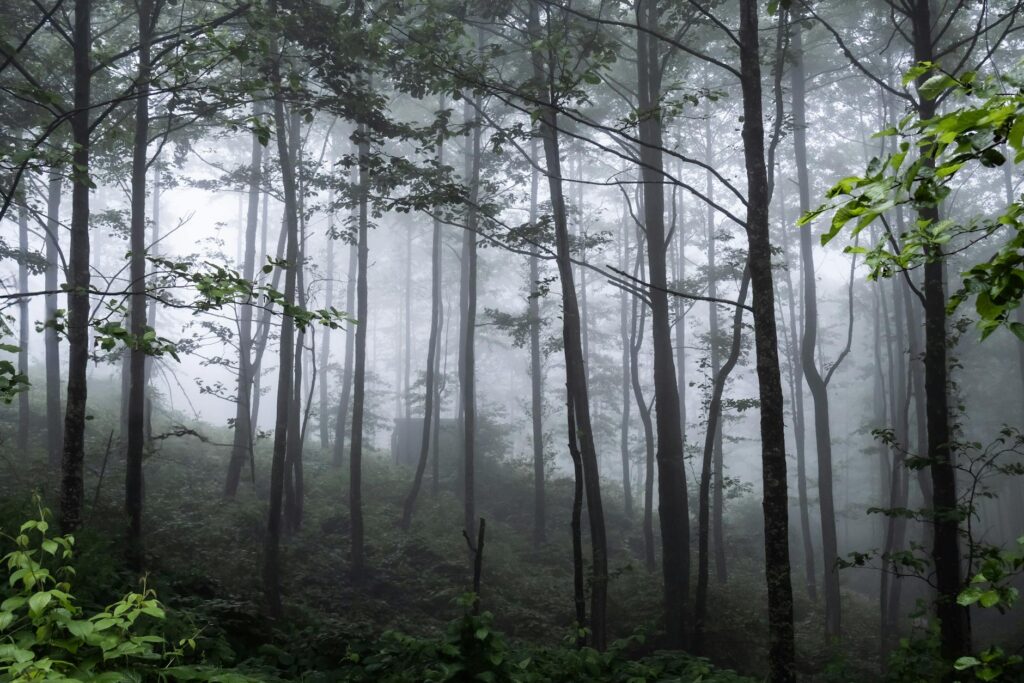
Proximity to Raritan Bay and the Shrewsbury and Navesink Rivers means coastal Middletown properties experience persistently high humidity and frequent morning fog through spring and early summer. That surface moisture stays on leaf tissue long enough for spore germination and infection. Properties along the Bayshore corridor through Port Monmouth, Keansburg, and Leonardo carry particularly high exposure.
There’s a local factor that matters enormously beyond general humidity: shade. Research has consistently shown that dogwoods growing in deep shade suffer far more severe anthracnose infection than those growing in full sun or at forest edges. Shaded trees have longer leaf wetness duration after rain and reduced air movement — both of which favor the fungus. The Rutgers NJAES ornamental disease management guidelines document that cool, wet spring conditions dramatically increase infection pressure. Many Middletown residential lots feature large mature canopy trees overhead — precisely the dense-shade situation that pushes dogwoods into highest-risk territory.
A dogwood planted in a sunny, open spot with good air circulation is a fundamentally different disease-risk scenario than the same tree tucked under a canopy of oaks and maples on a north-facing slope. Site matters as much as the weather.
What Actually Works: Cultural Controls and Fungicide Options
If your dogwood is in the early or middle stages of disease — still carrying a significant living crown without heavy trunk cankering — there are practical steps that can stabilize the infection and protect new growth.
Start with cultural management:
- Sanitation. Rake and dispose of fallen leaves each autumn — do not compost them. Infected leaves carry spores that reinfect the tree the following spring. Prune out dead and dying twigs you can reach and dispose of them off the property.
- Winter pruning. Remove dead and dying branches during late dormancy (January through early March), before bud swell. Sterilize pruning tools between cuts with a diluted bleach solution or 70 percent isopropyl alcohol.
- Improve air circulation. If the tree sits in deep shade under a heavy canopy, consult an arborist about whether selectively thinning neighboring trees is practical. Reducing leaf wetness duration is one of the highest-leverage interventions available.
- Eliminate overhead irrigation. If you irrigate your landscape, switch to drip or soaker hoses around dogwoods. Sprinklers that wet foliage extend the infection window substantially.
- Mulch properly. Apply a 3-inch layer of organic mulch over the root zone, keeping it a few inches away from the trunk base. A healthy, unstressed tree tolerates disease pressure far better than one struggling with root competition and moisture stress.
Fungicide programs: For trees with active infection or high disease risk, a preventive fungicide program timed to budbreak is often effective at protecting new tissue. Registered active ingredients include propiconazole, thiophanate-methyl, and mancozeb. Applications begin at bud swell and continue through full leaf expansion — typically three to four sprays at 10- to 14-day intervals. Fungicides protect new growth; they cannot cure wood or bark already colonized by the fungus. For large trees, application requires professional equipment.
If you’re considering replacement or companion planting, Kousa dogwood (Cornus kousa) shows substantially higher resistance to Discula destructiva than our native Cornus florida. Several Rutgers-developed hybrid dogwoods (Cornus × rutgersensis cultivars, sometimes sold as the Stellar series) combine the beautiful branching habit of the native species with improved resistance — worth asking about at a reputable local nursery.
Treat or Remove? Knowing When a Tree Is Past Saving
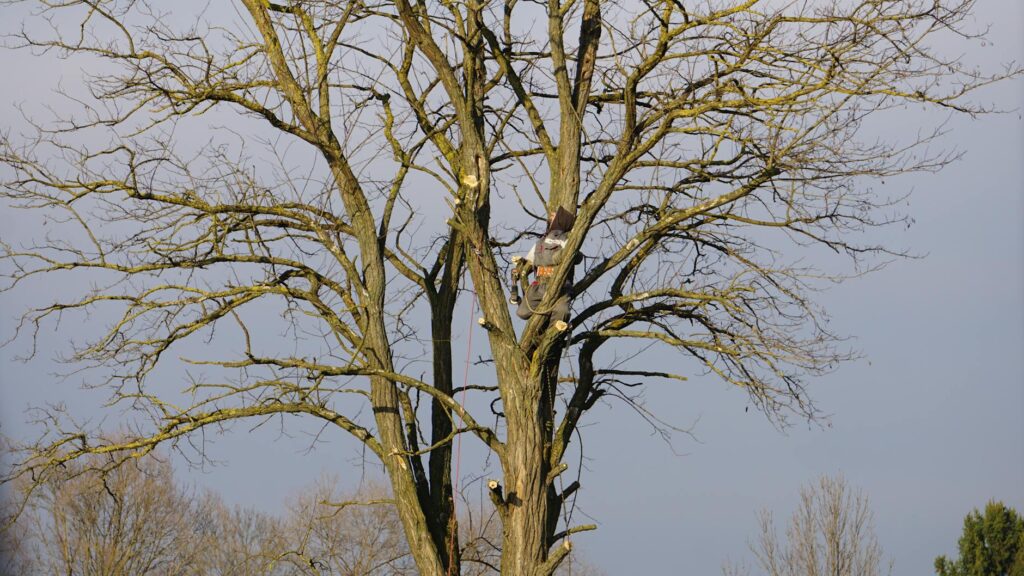
One of the harder conversations in this work is telling a homeowner that the dogwood they’ve watched bloom every April for two decades has crossed the line from treatable to terminal. There are reliable indicators that treatment is unlikely to succeed:
- More than half the crown is dead or in active dieback
- Cankers are present on the main trunk, especially if they’re beginning to girdle it
- The only actively growing tissue is the epicormic sprout mass from the trunk base
- The tree has shown two or more years of progressive decline despite sanitation and fungicide management
In these situations, removal and replanting is the practical choice. The good news: a newly planted Kousa dogwood or a disease-resistant hybrid, properly sited in full sun or bright partial shade with good air movement, will thrive where a shaded, stressed Cornus florida struggled. Sometimes removal is an opportunity to reconsider what tree actually belongs in that spot given the site conditions.
If you’re uncertain whether your tree is salvageable, don’t guess. An ISA-certified arborist can assess the extent of cankering, evaluate crown health, and give you an honest prognosis. The International Society of Arboriculture’s Find an Arborist tool is the fastest way to locate a credentialed professional in Monmouth County.
One practical note on cleanup: if you remove a diseased dogwood, do not chip the wood for mulch and spread it around other ornamentals on the property. Discula destructiva can persist in infected wood debris and potentially contribute to reinfection of nearby susceptible trees.
Middletown's #1 Tree Expert Company
FREE Inspection & Estimate | Certified Arborists | Trimming, Pruning, Removal, More!
Sponsored
Act This Spring — Dogwood Anthracnose Moves Fast
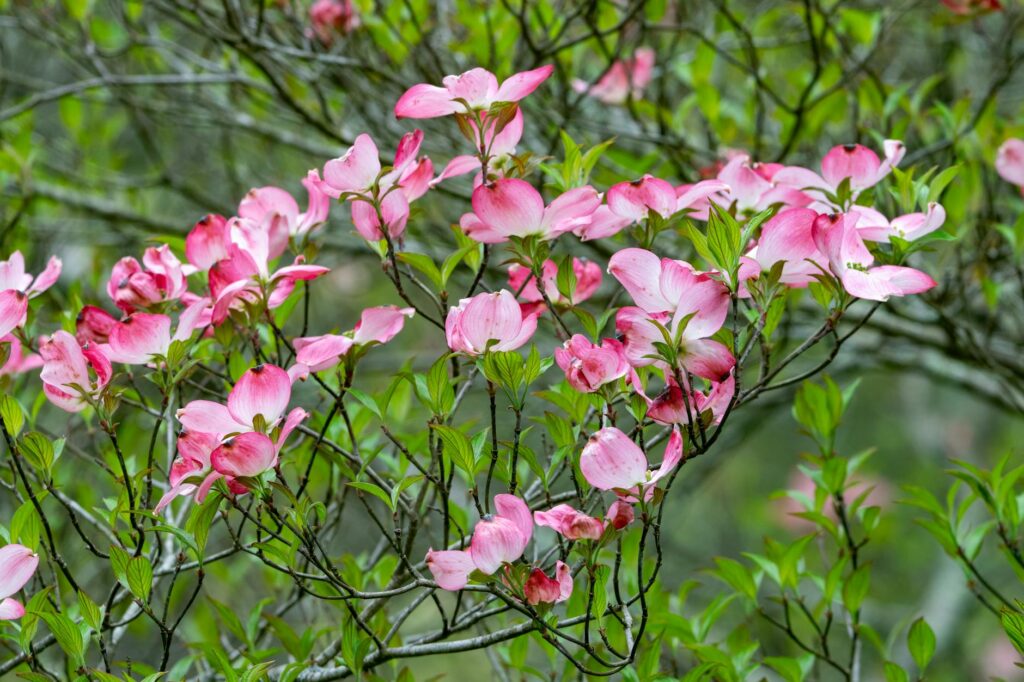
Flowering dogwoods are among the most beloved trees in Middletown’s residential landscape, and they’re worth fighting for. But dogwood anthracnose rewards early action and punishes delay. The leaf-spot infections showing up this week in late April can become significant crown dieback by midsummer and active trunk cankering by next spring. The disease doesn’t pause between seasons.
If your Cornus florida is showing even early symptoms right now — expanding leaf spots, wilted shoot tips, retained dead foliage from last year — this week is a good week to begin sanitation and to evaluate whether a preventive fungicide program is warranted. The infection window is open right now, and each warm, wet day adds more fungal pressure on new tissue.
If you’re not sure what you’re looking at — or if the tree has clearly been in decline for a season or two already — a consultation with an ISA-certified arborist is exactly the kind of step that pays for itself. A trained eye can tell you within a single site visit whether you’re dealing with manageable early anthracnose, a tree worth treating aggressively, or one that has advanced beyond the point where treatment makes sense. Spring doesn’t wait, and neither does Discula destructiva.
Photo credits: Featured image by Brian Forsyth on Pexels; Section 1 by Brian Forsyth on Pexels; Section 2 by Tony Wu on Pexels; Section 3 by Tim Dusenberry on Pexels; Section 4 by Yeşim Çolak on Pexels; Section 5 by Dmytro Glazunov on Pexels; Section 6 by Dmytro Glazunov on Pexels; Section 7 by Beth Fitzpatrick on Pexels.