
Middletown's #1 Tree Expert Company
FREE Inspection & Estimate | Certified Arborists | Trimming, Pruning, Removal, More!
Sponsored
The Eggs Are Hatching: What Late April Means for Your Trees
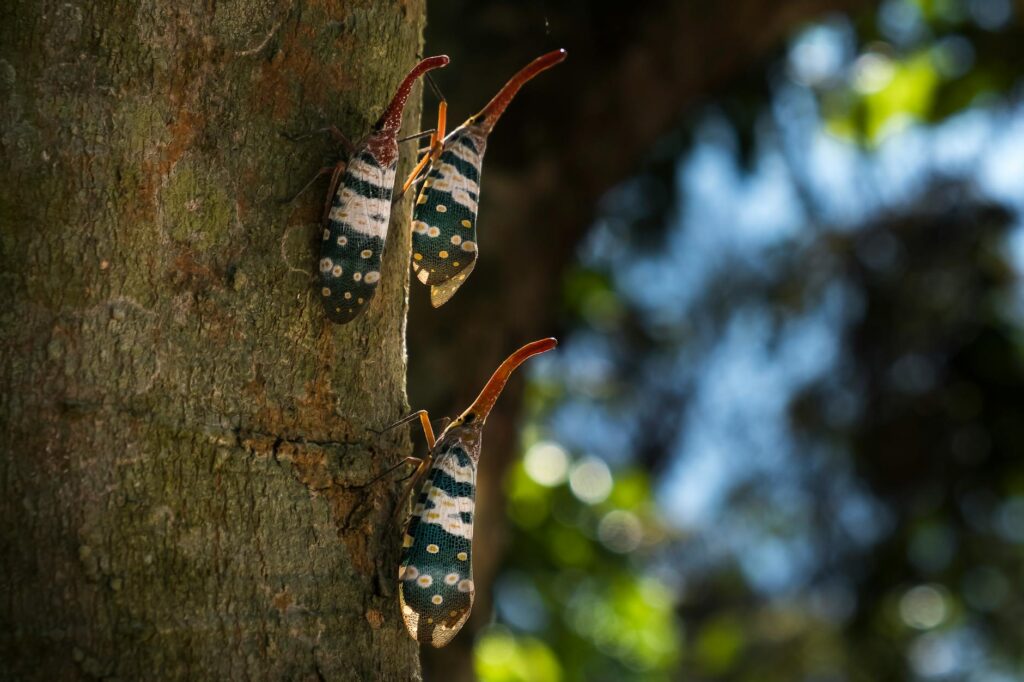
Walk outside this weekend and run your hand along the bark of the maple, cherry, or birch in your backyard. If you find clusters of tiny black insects — about a quarter-inch long, jet black with crisp white spots — crawling toward the canopy, you’re meeting the spotted lanternfly (Lycorma delicatula) at its most vulnerable moment. Right now, in late April, egg masses laid last autumn across Middletown Township are cracking open, and the first-instar nymphs that emerge are already feeding on your trees.
Monmouth County has been inside New Jersey’s spotted lanternfly quarantine zone for several years, meaning this pest is firmly established in our landscape. The pressure along the Bayshore corridor — in Leonardo, Port Monmouth, and the woodlands ringing Poricy Park — has intensified each season. If you haven’t thought about spotted lanternfly since last summer’s adults plastered themselves to your siding, now is the time to act. Early-stage nymphs are far easier to manage than the winged adults that will appear by late July, and a few hours of focused effort this April can make a genuine difference in how your trees hold up through summer and into fall.
What Is Spotted Lanternfly and Why It Matters to Middletown Trees
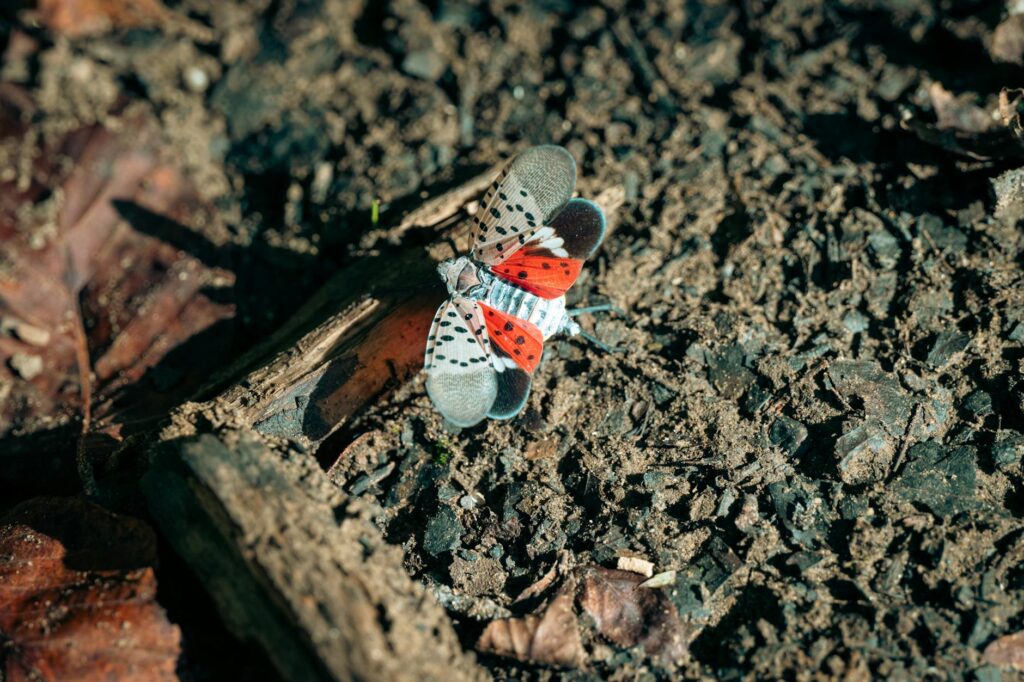
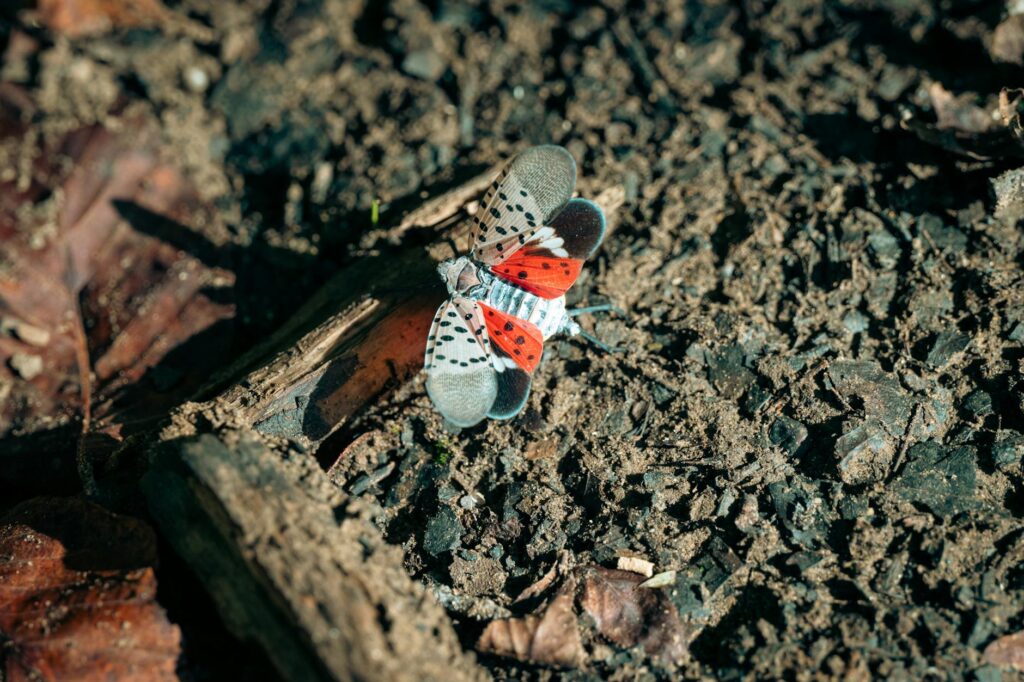
The spotted lanternfly arrived in the United States from its native range in China, India, and Vietnam, first confirmed in Berks County, Pennsylvania in 2014. It’s a planthopper — not a true fly — that feeds by driving its piercing mouthparts into the phloem of woody plants and extracting the sugary sap the tree depends on to move nutrients from its canopy to its roots. The insect doesn’t kill trees outright in a single season, but heavy infestations over multiple years weaken the tree’s defenses, reduce photosynthetic capacity, and leave it vulnerable to secondary fungal pathogens and opportunistic insects.
The feeding also produces large quantities of honeydew — a sticky, sugar-rich excretion that coats leaves, patio furniture, cars, and anything below the canopy. That honeydew quickly grows black sooty mold, which further blocks sunlight from reaching leaves. On ornamental trees and in garden settings, the aesthetic damage is severe within a season. On fruiting trees — cherries, plums, apples — the economic and ecological consequences compound year over year. Rutgers NJAES maintains the most current research and management guidance on spotted lanternfly for New Jersey property owners, and their resources are worth bookmarking before the summer population peaks.
How to Scout Your Middletown Property Right Now
The most important thing you can do this weekend is a slow, deliberate walk around your property looking for two things: unhatched egg masses and newly emerged nymphs. Egg masses look like a smear of dried gray mud — roughly an inch long — with a faint pattern of rows beneath the surface when you look closely. They’re laid on smooth, flat surfaces: tree bark, fence posts, stone walls, outdoor furniture, play equipment, the underside of deck railings, and even the frames of vehicles parked for extended periods. If the surface looks scratched or the mud-like covering has flaked away in rows, those eggs have already hatched.
First-instar nymphs are small enough that many homeowners walk right past them. They’re about a quarter inch long, jet black with a clean row of white dots running along their sides and abdomen. They tend to aggregate — look for clusters working their way up a trunk in the morning, when they’re most active. By the second and third instars (late May into June), they’ll develop vivid red patches. By late July, they’re winged adults capable of traveling significant distances.
Pay particular attention to property edges: fence lines, the backs of sheds, any stands of Ailanthus trees (more on those below). Residential neighborhoods near the Poricy Park and Tatum Park buffer areas have seen consistent SLF pressure, and populations spill easily from park edges into adjacent yards. Stone retaining walls along driveways and patios are favorite egg-laying surfaces — run your eye along every horizontal surface at a comfortable height.
Middletown's #1 Tree Expert Company
FREE Inspection & Estimate | Certified Arborists | Trimming, Pruning, Removal, More!
Sponsored
Tree of Heaven: The Invasive Tree Fueling Middletown's SLF Problem
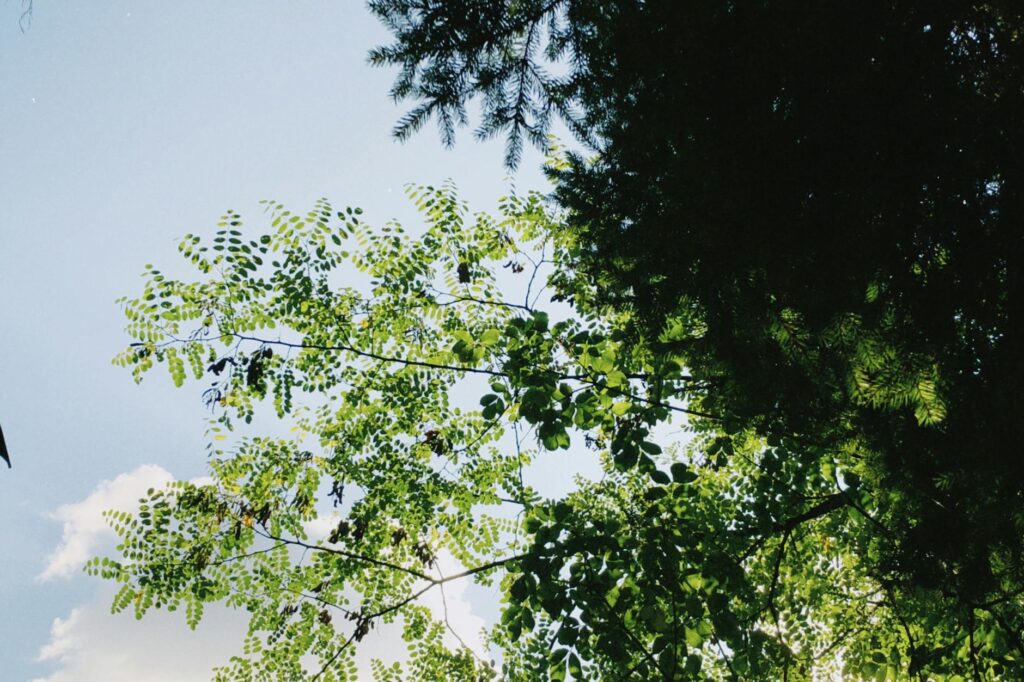
If you’re serious about reducing spotted lanternfly pressure on your property and in your neighborhood, you need to understand Ailanthus altissima — the tree of heaven. This fast-growing invasive tree from China serves as spotted lanternfly’s preferred reproductive host. SLF will feed on dozens of plant species, but it completes its life cycle most successfully on Ailanthus. Wherever tree of heaven grows, it acts as a magnet for SLF adults, which concentrate their egg-laying on or near it. Remove the Ailanthus and you fundamentally change the dynamics of your local SLF population.
Tree of heaven is broadly established across Middletown Township. You’ll find it colonizing stream edges, roadsides, fence rows, and the back corners of residential lots — anywhere soil has been disturbed. It grows rapidly, produces thousands of winged seeds annually, and sprouts aggressively from the root crown when cut without stump treatment. Many homeowners don’t recognize it as a tree at all — its large pinnately compound leaves look vaguely like staghorn sumac or black walnut — until it’s 30 feet tall and the SLF egg mass count around it is in the dozens.
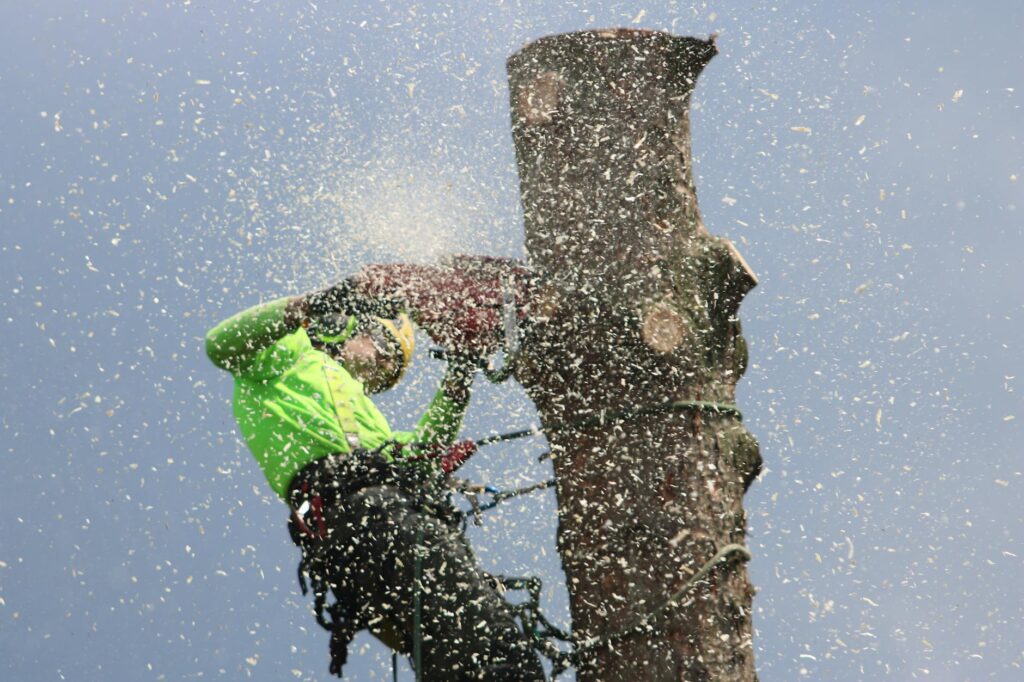
The NJ DEP Division of Parks and Forests has actively targeted Ailanthus removal as part of its forest restoration programs statewide. On private property in Middletown, systematic removal paired with immediate stump treatment to prevent resprouting is one of the highest-impact actions you can take against spotted lanternfly. A certified arborist can assess whether mechanical removal, cut-surface herbicide treatment, or a basal bark application is the right approach for your situation.
What You Can Do Right Now to Protect Your Trees
Late April nymphs are susceptible to several management approaches that become far less effective once the insects develop wings. Here is what you can realistically accomplish this month:
- Scrape egg masses. Use a stiff card or putty knife to scrape egg masses into a container of rubbing alcohol or hand sanitizer. Seal and dispose in the trash. This is time-consuming but genuinely effective when you can reach the masses — focus on eye-level surfaces first.
- Sticky bands with wildlife protection. Adhesive bands wrapped around trunks can intercept nymphs as they climb, but they also trap songbirds, small mammals, and beneficial insects. Always wrap sticky bands with wire mesh or netting so that only insects smaller than the mesh can contact the adhesive. Check and replace bands frequently throughout the season.
- Contact insecticides for nymph clusters. Neem oil or insecticidal soap applied directly to nymph aggregations is effective for small infestations. Coverage is the key — the product must physically contact the insect to work, so thorough spraying of the lower trunk and surrounding vegetation is necessary.
- Systemic treatments for high-value trees. If you have a mature red maple, black walnut, or other prized specimen that has faced heavy SLF pressure for multiple seasons, a licensed pesticide applicator can provide soil-drench or trunk injection systemic insecticides that move through the tree’s vascular system. These applications are most effective when timed appropriately and are best left to professionals licensed under NJ law.
The USDA Forest Service invasive species program provides research-backed management information that complements state-level guidance. And regardless of your management approach, if you’re in Monmouth County you’re inside New Jersey’s quarantine zone — moving plant material, firewood, or outdoor equipment without checking for egg masses can spread the infestation to new areas. Sightings can be reported directly to the New Jersey Department of Agriculture.
Which Middletown Trees Face the Greatest Risk
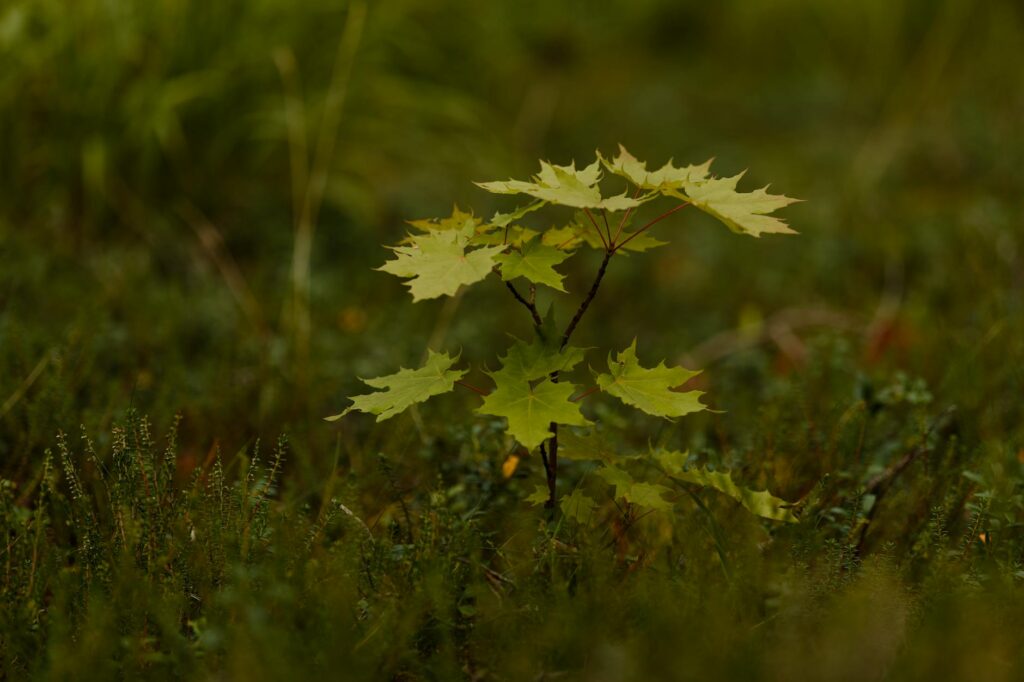
Spotted lanternfly has documented host associations with over 70 plant species in North America, but some of Middletown’s most beloved trees are near the top of the preference list. Black walnut (Juglans nigra), which grows naturally along the moist bottomlands of the Navesink River corridor and Poricy Brook drainage, is among the most heavily impacted species. Researchers have documented significant canopy decline and even mortality in black walnut under sustained, multi-season SLF feeding pressure — and black walnut is a tree that can’t be easily replaced in the landscape.
Red maple (Acer rubrum) and silver maple are highly attractive to SLF adults during the summer feeding peak, and they’re abundant in Middletown — front yards, stream corridors, the edges of every school parking lot and commercial strip. Wild cherry (Prunus serotina), ornamental crabapple, and plum are also heavily targeted. If you’re growing grapes, hops, or other vining crops, expect intense feeding pressure from late July onward. Tulip poplar (Liriodendron tulipifera), common across the township, shows moderate to heavy attractiveness to adult SLF.
On the more resilient side, oaks generally show better tolerance under SLF pressure, and conifers like pitch pine are less preferred hosts. But any tree carrying multiple years of sustained SLF feeding stress will show weakened annual growth, increased susceptibility to opportunistic fungi, and reduced winter hardiness. The ISA’s property management guidelines at TreesAreGood.org offer a solid framework for understanding how to support overall tree health when pest pressure is a recurring factor.
Middletown's #1 Tree Expert Company
FREE Inspection & Estimate | Certified Arborists | Trimming, Pruning, Removal, More!
Sponsored
Summary / When to Call a Pro
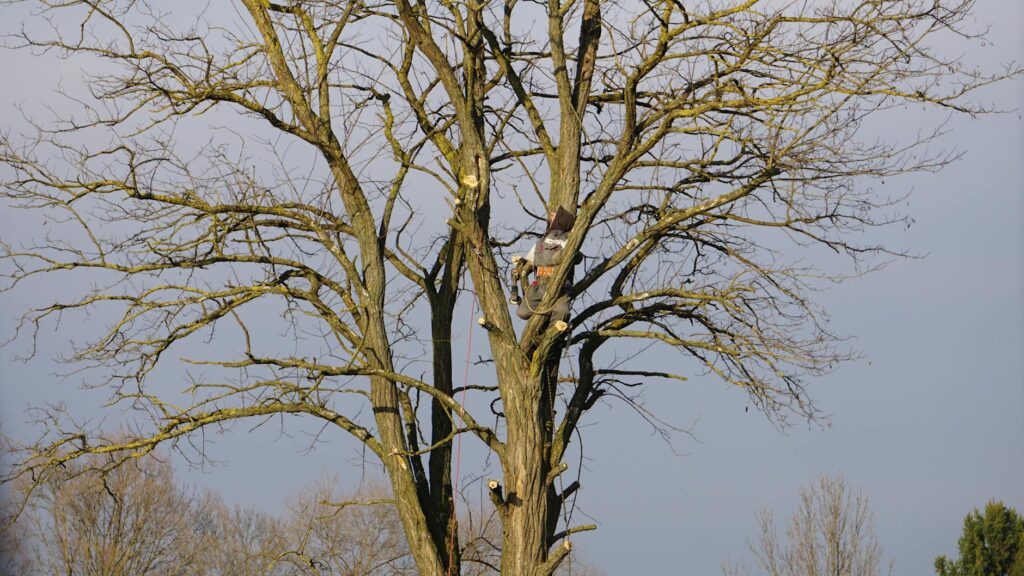
Late April is the narrowest and most productive window in the entire spotted lanternfly year. The nymphs are small, relatively immobile, and concentrated close to where the eggs were laid. A few hours of careful inspection and egg mass removal this weekend can meaningfully reduce what you’ll be managing in August when the winged adults are congregating in your canopy and coating your deck with honeydew.
That said, spotted lanternfly management on mature trees — particularly when systemic treatments are warranted, or when tree of heaven removal and stump treatment are part of a longer-term strategy — is genuinely professional work. A certified arborist can assess the overall health of your trees, identify signs of prior-season SLF stress that may be compounding other issues, recommend an integrated pest management approach calibrated to your specific property, and legally apply systemic treatments that aren’t available at the hardware store.
If you’ve noticed progressive thinning in a canopy that was full a few seasons ago, unusual quantities of black sooty mold residue on surfaces below your trees, or a heavy concentration of egg masses this spring, those are signals worth acting on before another summer of feeding pressure pushes the damage further. The earlier you catch it, the more options you have.
Photo credits: Featured image by Chris F on Pexels; Section 1 by Quang Nguyen Vinh on Pexels; Section 2 by Chris F on Pexels; Section 3 by Marcin Manka on Pexels; Section 4 by nana on Pexels; Section 5 by Henk Schuurmans on Pexels; Section 6 by Lauri Poldre on Pexels; Section 7 by Dmytro Glazunov on Pexels.