Middletown's #1 Tree Expert Company
FREE Inspection & Estimate | Certified Arborists | Trimming, Pruning, Removal, More!
Sponsored
The Dead Tree I Told a Homeowner to Keep
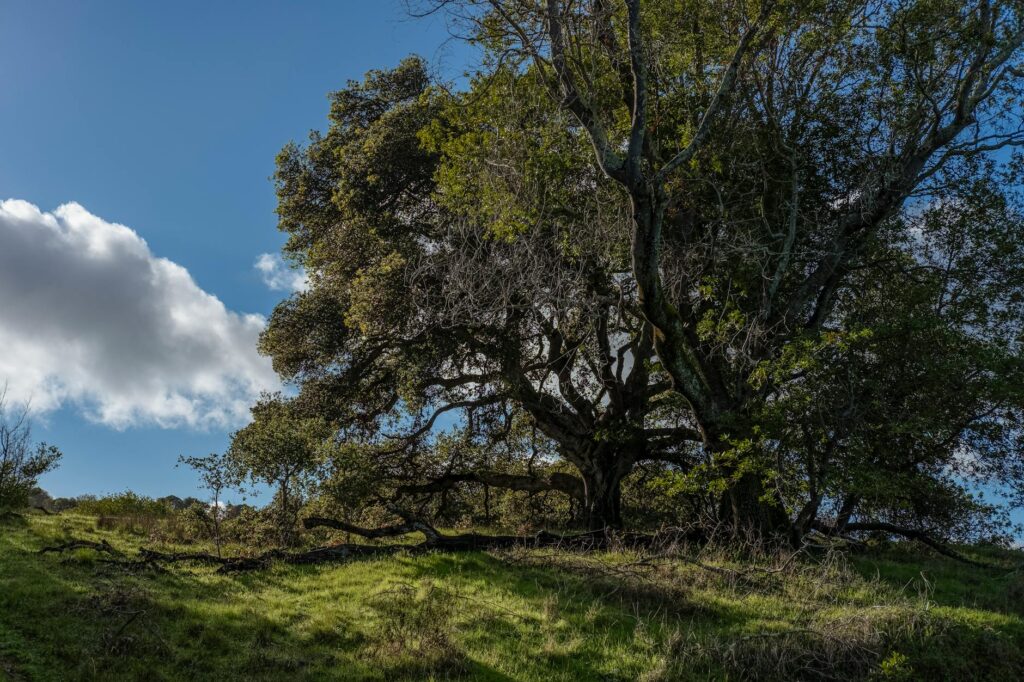
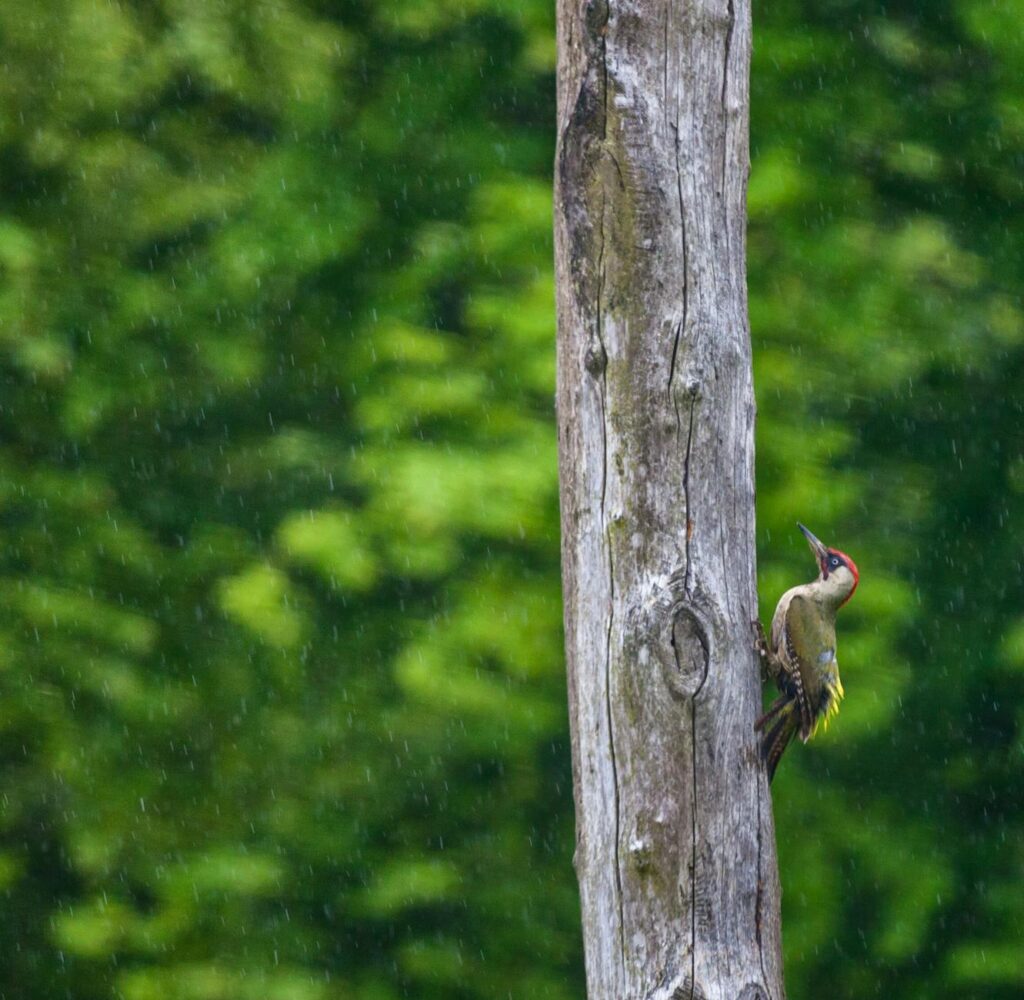
Last April I walked a property off Navesink River Road where the owner had called me out to price the removal of a tall, dead red oak (Quercus rubra) at the back of the lot. It was a striking tree — bark sloughing, pale silver trunk against the new green woods behind it, and a line of fresh woodpecker holes up and down the main stem. The homeowner assumed it needed to come down. By the end of the walk, I’d talked her into keeping it standing, recommended a forty-percent canopy reduction to make it safe, and she ended up with what ecologists call a wildlife snag. Two springs later, a pair of pileated woodpeckers nests in it every year.
That outcome surprised her — most people assume an arborist’s answer to a dead tree is always take it out. It isn’t. A dead or declining tree in the right spot, handled correctly, is sometimes the single most ecologically valuable thing on a Monmouth County property. The question is never dead or alive; it’s where is it, what’s around it, and can we make the safety math work. This month, with nesting season kicking off across Middletown, is a good time to think carefully before you pick up the chainsaw.
What a Snag Actually Is — And Why the Woods Need Them
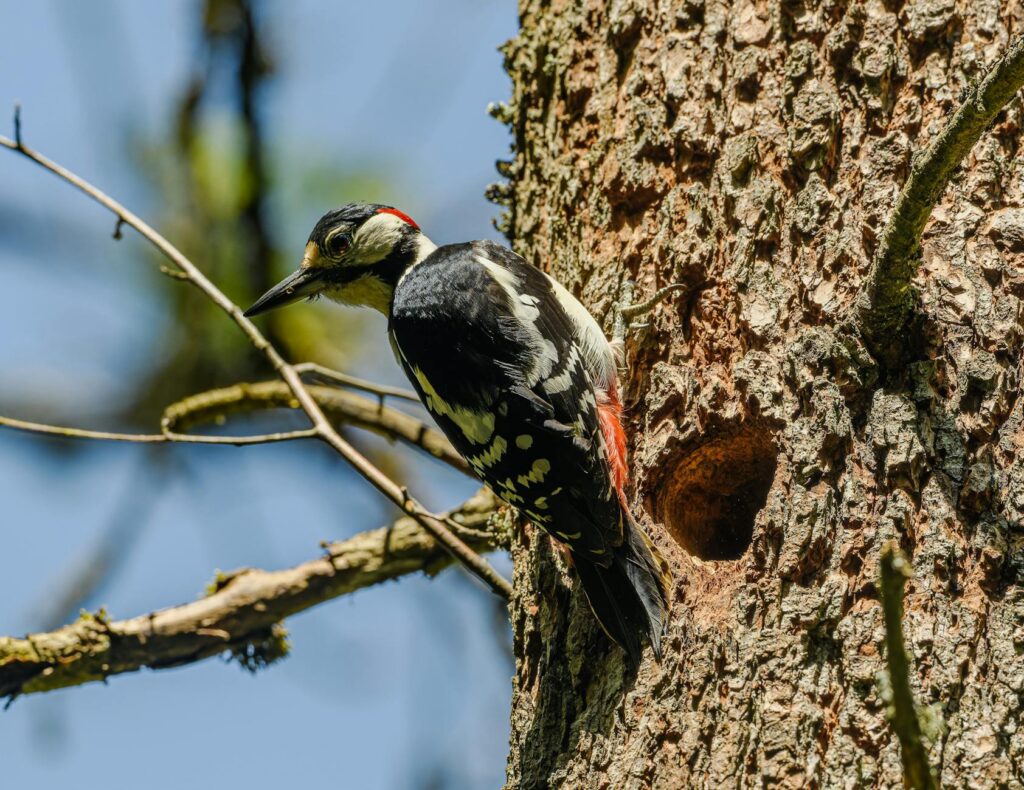
In forestry and wildlife biology, a snag is a standing dead or partially dead tree, typically with most or all of its bark intact and structural wood still sound enough to stay upright for years. The terminology matters because snags are a recognized category of habitat, not just dead trees waiting to fall.
The USDA Forest Service and most state wildlife agencies treat snags as a keystone forest feature. Dead wood decays in stages, and each stage supports different organisms — fresh snags feed wood-boring beetles, which feed woodpeckers, which excavate cavities, which are then used and enlarged by secondary cavity nesters like owls, bluebirds, flying squirrels, and bats. A live tree takes sixty years to grow. A snag takes twenty to fifty years to fully cycle through all of that habitat value.
The New Jersey Forest Service and NJ DEP’s Division of Fish and Wildlife both recognize the habitat deficit our developed landscapes create when every dead tree comes down. Monmouth County’s suburban forests in particular are snag-poor. We’ve been over-efficient about removing them.
The Wildlife You're Supporting in Middletown, Specifically
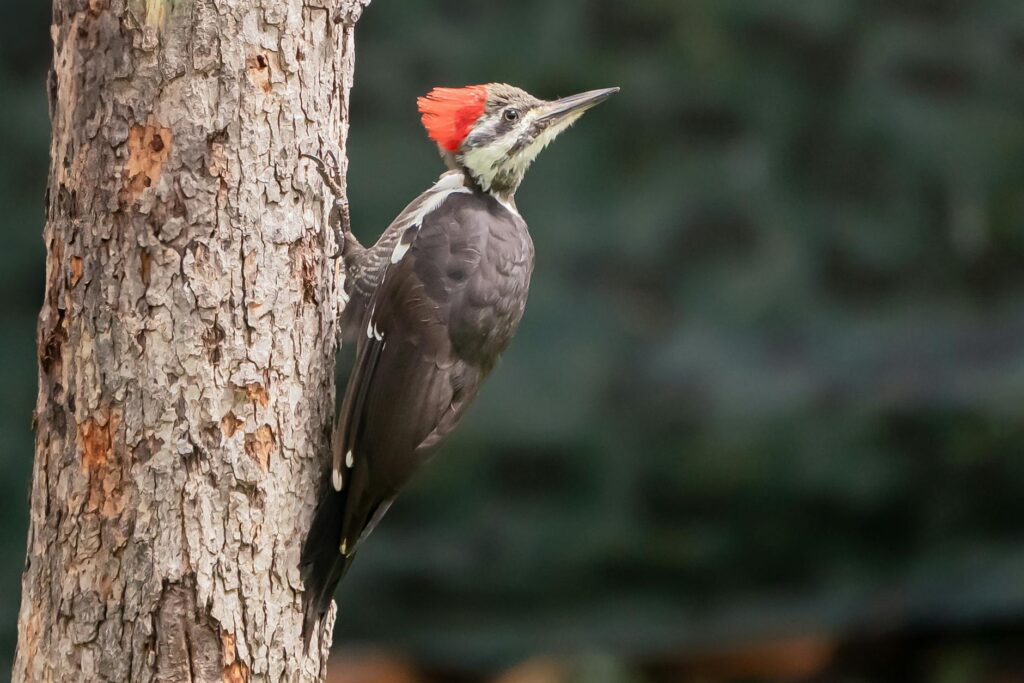
This isn’t abstract. The species that use snags in Middletown’s backyards, woodlots, and park edges are the ones homeowners say they love seeing. Leave a snag standing in the right place and you are directly supporting:
- Pileated, red-bellied, downy, and hairy woodpeckers — all Middletown nesters, all cavity excavators
- Eastern screech owls — use old woodpecker holes for nesting, and I hear them trilling along the Navesink almost every April
- Great crested flycatchers — secondary cavity nesters that show up right around Mother’s Day
- Eastern bluebirds and tree swallows — will take natural cavities over nest boxes when available
- Big and little brown bats — roost behind loose bark, and both species are in steep decline in NJ
- Northern flying squirrels — yes, they’re here, and yes, they use tree cavities year-round
- Native bees, beetles, and fungi — the less glamorous base of the food web
The Cornell Lab of Ornithology’s overview of dead-wood habitat is a good primer if you want the bigger picture. A snag in your Lincroft or Navesink backyard is doing real ecological work, the kind a manicured lawn never will.
Middletown's #1 Tree Expert Company
FREE Inspection & Estimate | Certified Arborists | Trimming, Pruning, Removal, More!
Sponsored
The Safety Math: When a Snag Works and When It Doesn't
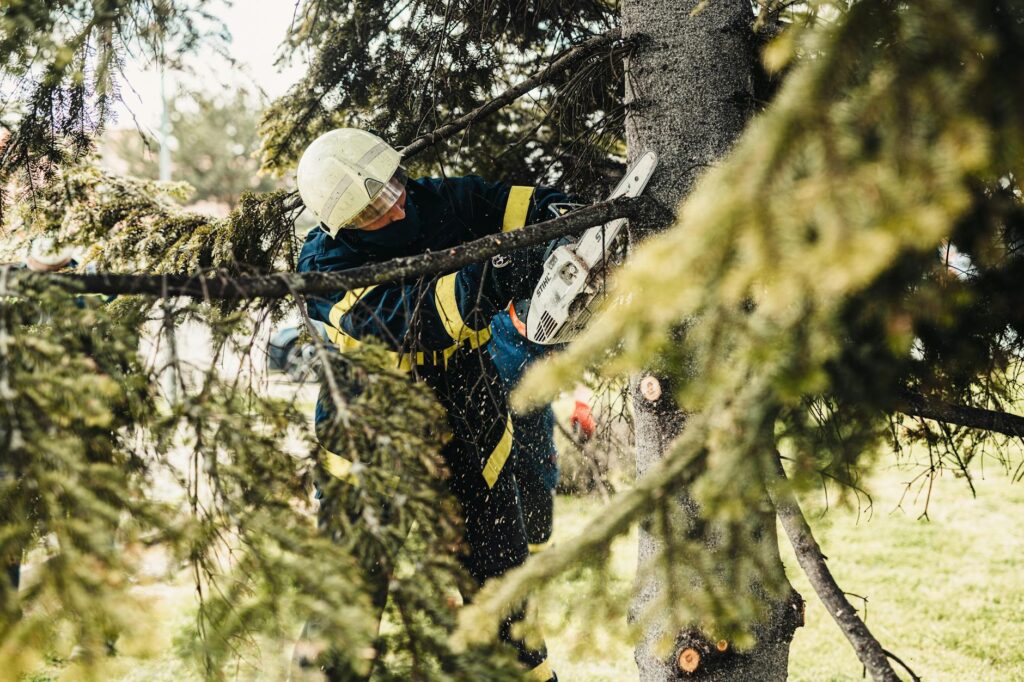
Keeping a snag is never a default answer. It’s a calculation. The question I walk through with every homeowner is: if this tree, or any major piece of it, failed tomorrow, what would it land on?
Draw a circle around the base of the tree with a radius equal to its height, plus about ten percent. That’s the realistic fall zone, and anything inside it is a potential target. Then I look at:
- Structures — house, garage, shed, fence, neighbor’s property
- Use patterns — driveway, walkway, play area, patio, pool, firepit
- Utilities — overhead wires, service drops, septic fields
- Condition — is the decay advanced enough that failure is likely, and in what direction?
A snag in the center of a wooded half-acre with no targets in the fall zone is usually an easy keep. A snag leaning toward a child’s swing set is an easy remove, no matter how much habitat value it has. Most Middletown properties are somewhere in the middle, and that’s where the next step matters.
Converting a Hazard Tree Into a Habitat Snag
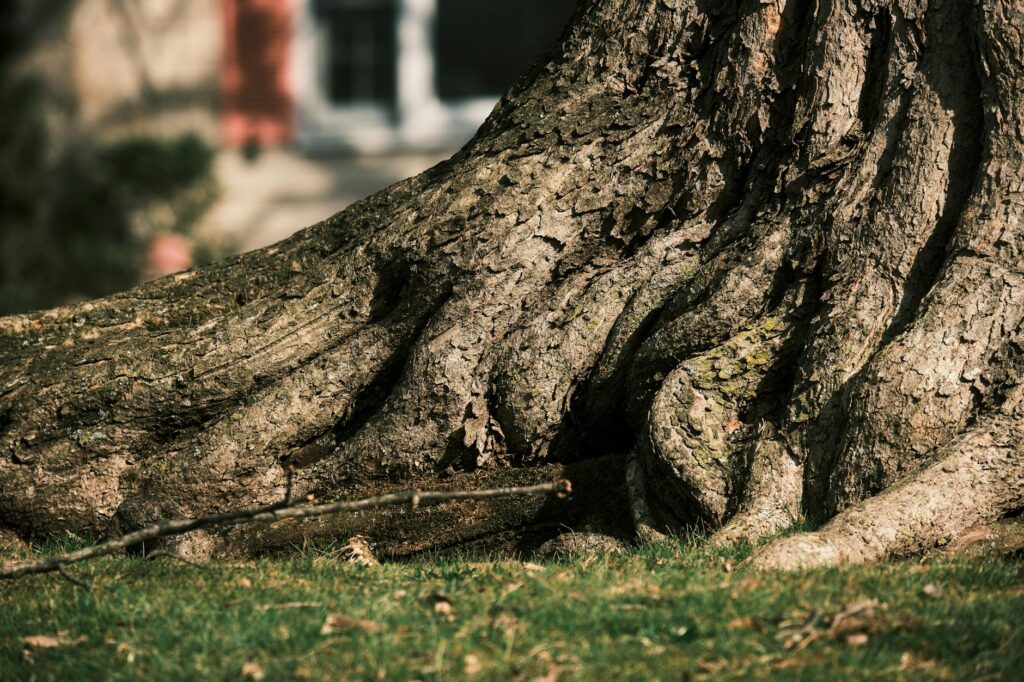
Here’s where a good arborist earns their fee. Instead of removing the tree entirely, you can have the crown reduced — taking the tree down to a short, stable trunk that can’t hit anything important — while leaving the lower fifteen to twenty-five feet of the stem standing as habitat. Foresters call it snag creation, and it’s a recognized practice.
A typical job looks like this: reduce a forty-foot dead oak to eighteen or twenty feet. Remove any limbs with obvious failure risk. Leave the cavity-bearing sections of trunk intact. Where possible, preserve the loose bark on the south and west faces, since that’s where bats roost. Sometimes we’ll deliberately leave a few short stubs at the top — two to four feet — to serve as perches for hawks and future woodpecker work.
The result is a stable stub snag with a fall zone no larger than a shrub bed, that still delivers ninety percent of the habitat value the full tree would have. I’ve put them in yards in Lincroft, Atlantic Highlands, and along the Bayshore. Done well, they’re almost sculptural.
The International Society of Arboriculture’s wildlife and trees guide is the best short reference I’ve found for homeowners, and it’s free.
When to Say No: Properties Where This Doesn't Work
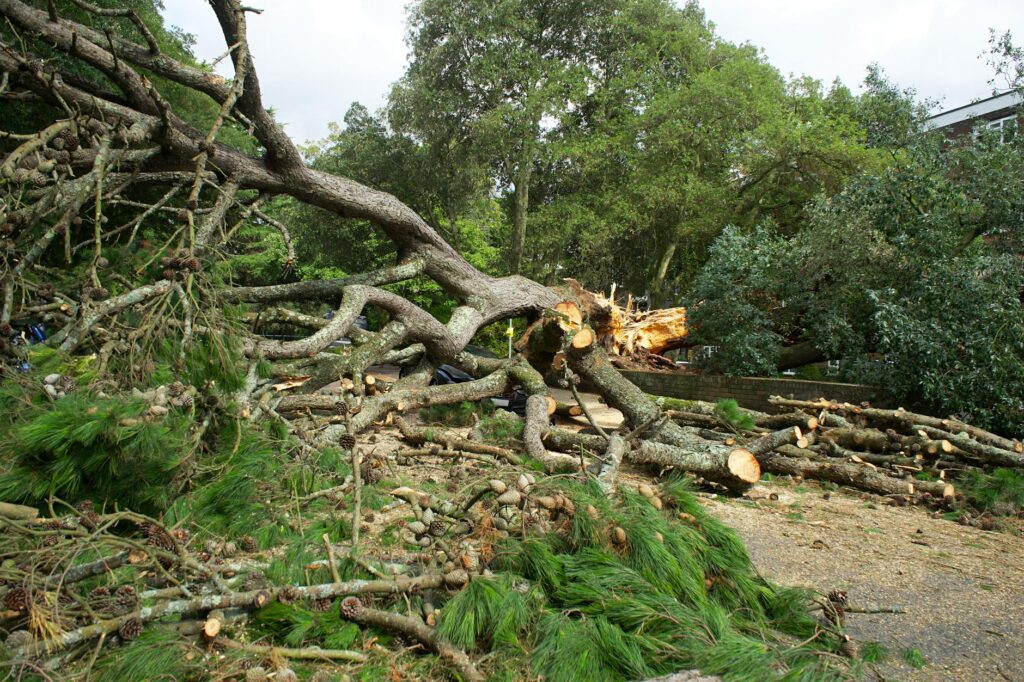
I will not recommend keeping or creating a snag in these situations, and you should be wary of anyone who does:
- Tight suburban lots with no safe fall zone. If the tree’s height is more than the distance to the nearest structure, even a reduction usually isn’t worth the risk math.
- Ash trees killed by emerald ash borer. EAB-killed ash becomes dangerously brittle, fast. The wood shatters rather than bending. I treat these differently from other dead trees and almost always recommend full removal.
- Trees with significant root-plate decay or a lean toward a target. Crown reduction doesn’t fix a failing base.
- HOA or municipal frontage where the tree is the responsibility of someone else. Check the rules before you act — Middletown Township’s tree ordinance does regulate certain removals, and HOA covenants can go further.
- Properties being prepared for sale. Fair or not, buyers see a dead tree and flinch. Keep the snag long-term or plan to remove before listing.
Timing matters too. April through July is peak nesting season in Monmouth County. Even if you’ve decided to remove a snag, if it’s actively being used by cavity nesters, waiting until late August is the right move ecologically and — for migratory species protected under the federal Migratory Bird Treaty Act — sometimes the legally prudent one.
Middletown's #1 Tree Expert Company
FREE Inspection & Estimate | Certified Arborists | Trimming, Pruning, Removal, More!
Sponsored
Summary and When to Call a Certified Arborist
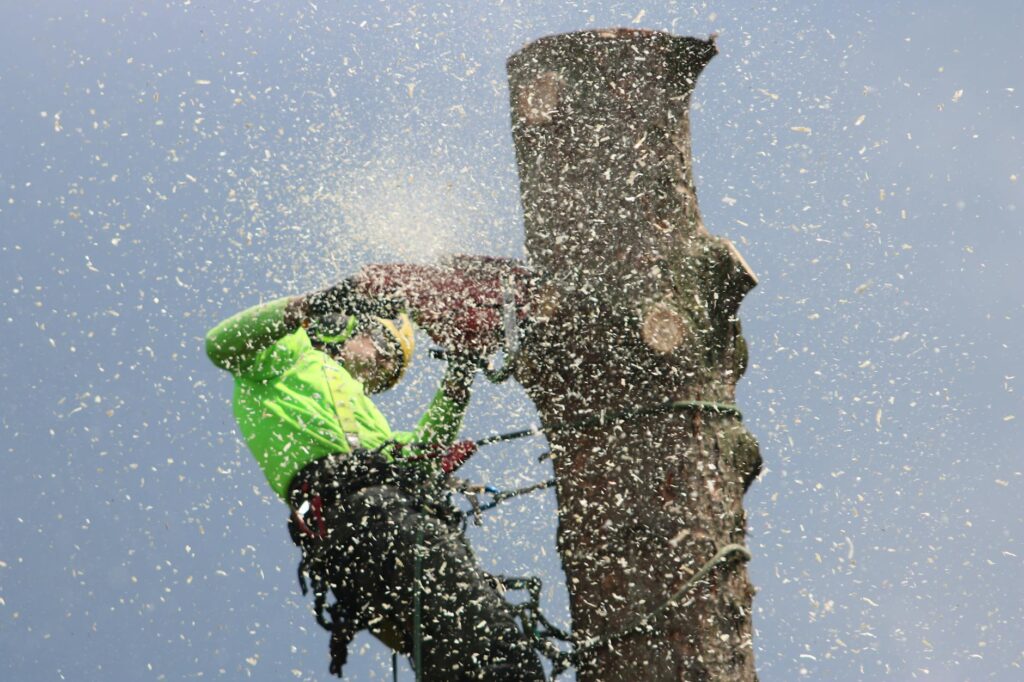
Not every dead tree is a problem, and not every dead tree is a gift. The call depends on what’s in the fall zone, what shape the tree is in, and what species it was to begin with. Handled right, a snag in a Middletown yard is a working piece of habitat that can outlast most of the living trees on the property. Handled wrong, it’s a lawsuit.
A one-hour site visit from an ISA-certified arborist can usually settle the question. They’ll assess condition, measure targets, and tell you honestly whether the tree is a candidate for reduction to a habitat snag or needs to come all the way down. If reduction is the move, they’ll know how to leave the right structure standing — cavities intact, bark preserved where bats want it, stubs at the right heights. If removal is the move, they’ll time it around nesting season if that’s realistic.
Before you take down anything dead on your property this spring, get a second opinion. The birds in your backyard next summer might depend on it.
Photo credits: Featured image by Z D on Pexels; Section 1 by David McElwee on Pexels; Section 2 by Petr Ganaj on Pexels; Section 3 by Glenda Thompson on Pexels; Section 4 by Helena Jankovičová Kováčová on Pexels; Section 5 by Malcolm Garret on Pexels; Section 6 by Mike Bird on Pexels; Section 7 by Henk Schuurmans on Pexels.