
Middletown's #1 Tree Expert Company
FREE Inspection & Estimate | Certified Arborists | Trimming, Pruning, Removal, More!
Sponsored
The Six-Week Window Middletown Homeowners Are About to Miss
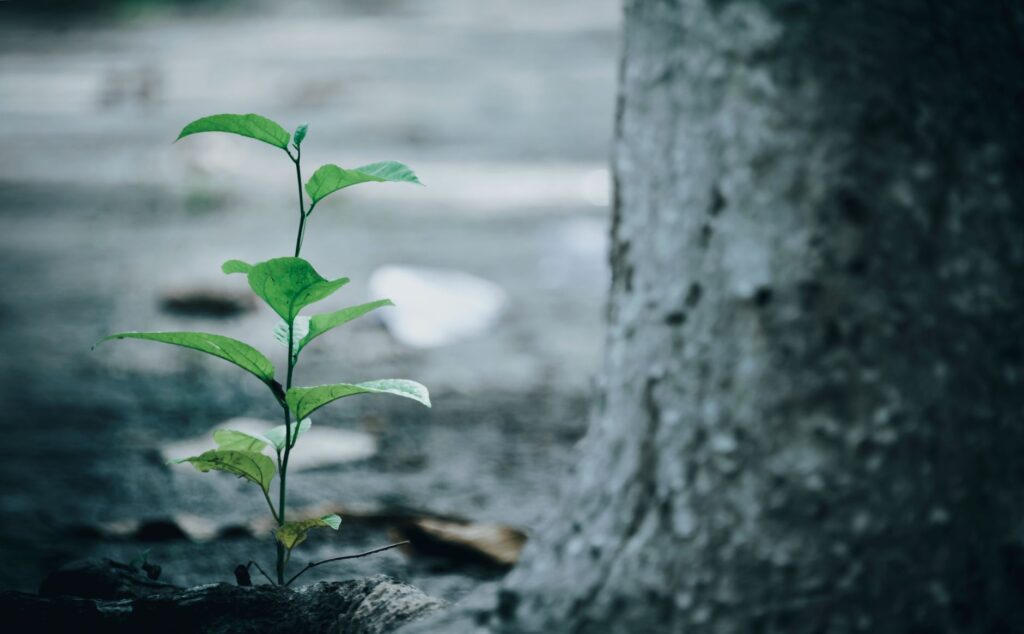
By the first week of October, the bucks working through the wooded edges around Hartshorne Woods Park, Tatum Park, and the overgrown parcels along the Bayshore have already shed the velvet off their antlers. What’s left is bare, bony antler that itches to be scraped against something, and a young tree’s smooth bark is a far more satisfying target than the thick, furrowed trunk of a mature oak.
If you planted a maple, dogwood, or ornamental fruit tree in your Middletown yard this spring or during the fall planting window, its trunk is exactly the size and texture a buck prefers for this ritual. I see the damage every November — a homeowner walks out to find bark shredded in long vertical strips, sometimes all the way around the trunk, on a tree that looked perfectly healthy a week earlier.
The good news is that this is one of the most preventable forms of tree damage I deal with all year. A few dollars of wire mesh and twenty minutes of work, done now, before the rut hits its peak in November, is usually all it takes.
What a Buck Rub Actually Does to a Tree
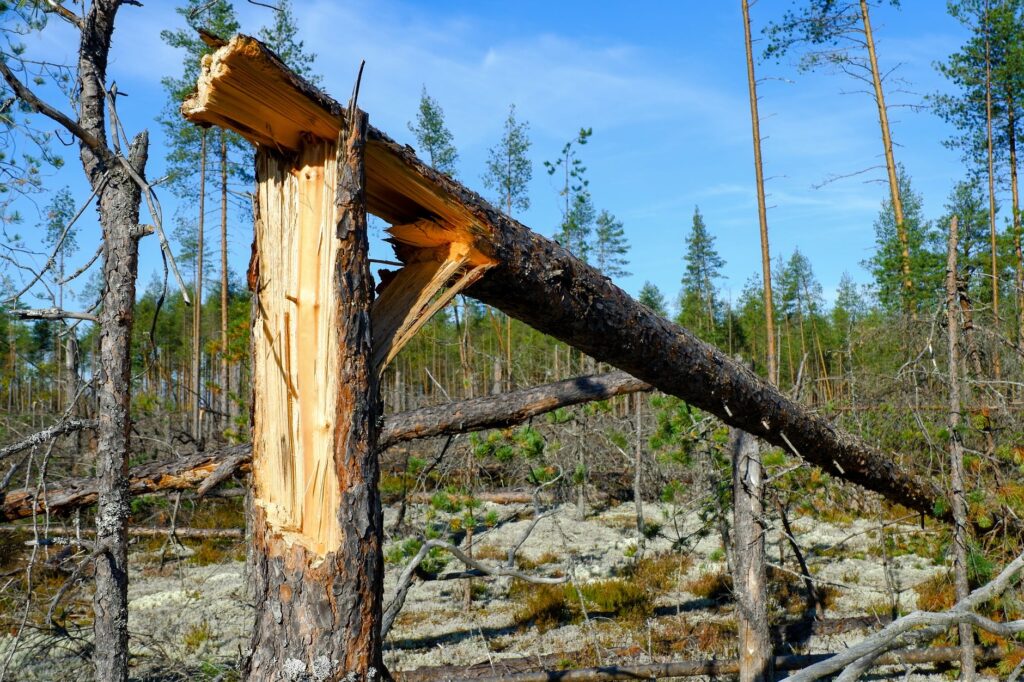
Rubbing isn’t random. Bucks use trunks to scrape velvet off their new antlers in early fall, then keep rubbing through the rut to deposit scent from glands on their forehead, marking territory and signaling dominance to other deer. The damage lands low — typically one to three feet above the ground — and it’s the vertical, shredded look of the bark that gives it away, as opposed to the horizontal gnaw marks voles leave at the base of a trunk in winter, or the browsed-off buds and twigs you’d see higher up the canopy from ordinary deer feeding.
The damage that matters is to the cambium, the thin layer of actively dividing cells just under the bark that moves water and sugars up and down the trunk. A light rub that only scuffs the outer bark is cosmetic. A rub that strips the cambium in a complete ring around the trunk girdles the tree — it cuts off the plumbing between roots and canopy just as effectively as a chainsaw cut, except it happens slowly enough that the leaves can still look fine for weeks or even into next spring before the tree goes into decline. For background on how dense New Jersey’s deer population actually is and why this behavior is so common here, Rutgers NJAES’s overview of white-tailed deer status and management in New Jersey is worth a look.
Which Trees in Your Yard Are Actually at Risk
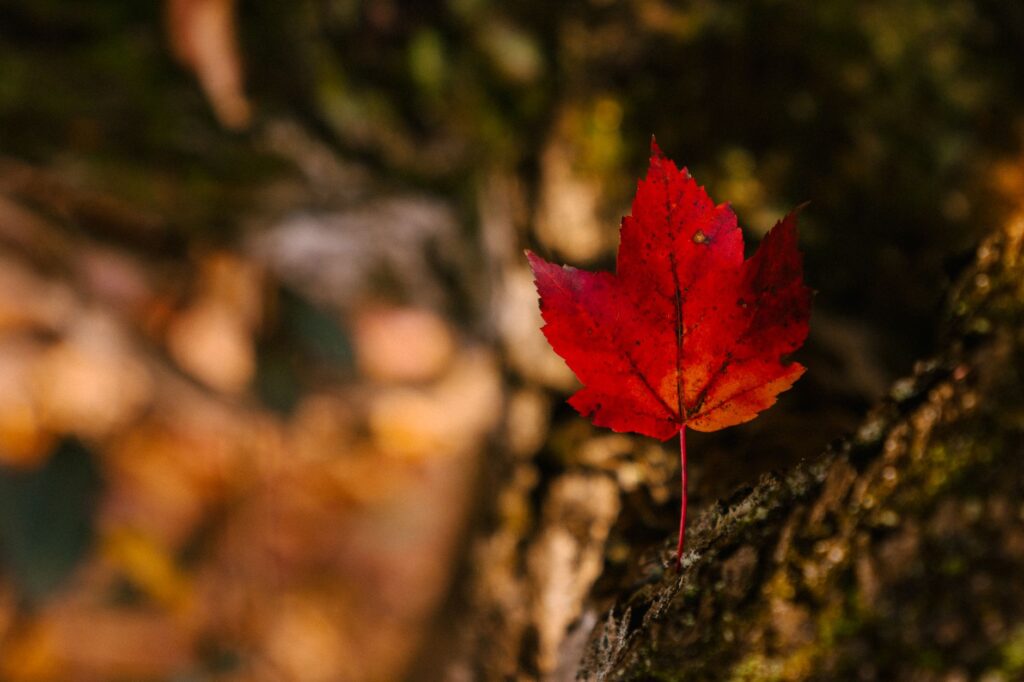
Bucks aren’t picky about species so much as bark texture and trunk diameter. Anything with smooth, thin bark and a trunk under roughly five or six inches across is fair game — that covers most trees planted in the last two to four years. In Middletown yards, I see the heaviest rub damage on red maple (Acer rubrum), flowering dogwood (Cornus florida), river birch, and ornamental fruit trees like cherry and crabapple. Newly planted native species from a fall planting project are especially vulnerable simply because they’re new and thin-barked, with no history of damage to make you think to check them.
Take a walk around the property now and flag every tree under that six-inch threshold, especially anything near a wood line, a drainage easement, or an unfenced side yard where deer travel. Trees close to the house, in full view of windows and foot traffic, usually get left alone. Trees tucked along a property line or screened by shrubs are where I find the damage.
Middletown's #1 Tree Expert Company
FREE Inspection & Estimate | Certified Arborists | Trimming, Pruning, Removal, More!
Sponsored
Building a Trunk Guard That Actually Works
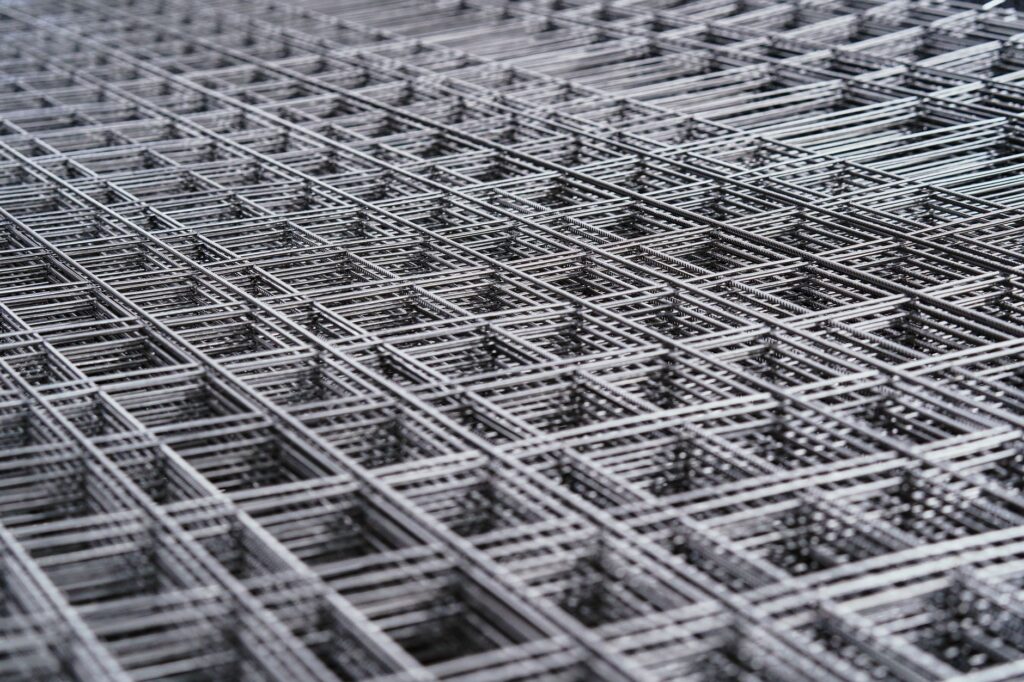
Physical barriers beat every other method by a wide margin. For a young tree worth protecting, wrap the trunk in a cylinder of welded wire mesh or hardware cloth at least five to six feet tall, set it a few inches out from the bark so a buck can’t press it flat against the trunk, and stake it at two or three points so it can’t be knocked loose. For smaller ornamentals, a rigid corrugated plastic trunk guard or spiral wrap sized for the trunk diameter works, though it needs to come off and be resized as the tree grows — a guard left on too long and too tight can girdle the tree just as effectively as the deer would have.
- Install guards now, before the rut peaks in November, not after you spot the first rub.
- Leave enough clearance around the trunk that mesh doesn’t touch the bark directly.
- Check guards monthly for slippage, and loosen or replace any that are starting to bind the trunk as it thickens.
- Remove guards in spring once antlers have dropped and the rut is well over, so the trunk isn’t held in constant moisture against the bark all summer.
Research summarized by the USDA Forest Service on preventing deer damage to trees consistently ranks physical exclusion — fencing and trunk cages — above every other method homeowners try.
Why Repellent Sprays Disappoint Most Homeowners
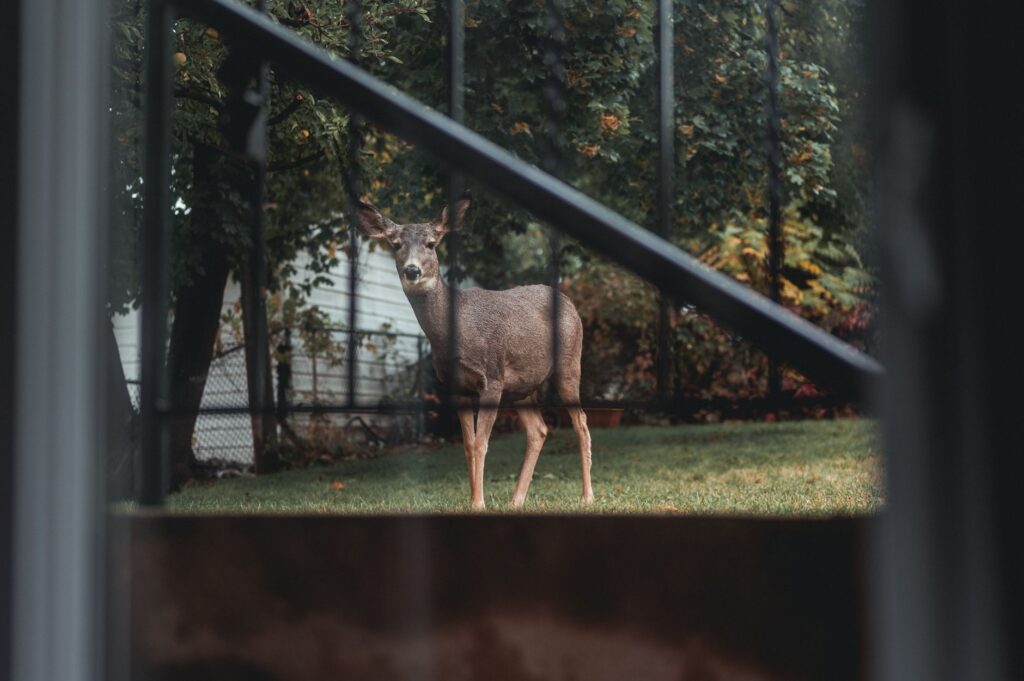
Spray-on deer repellents and homemade remedies like bar soap or bags of human hair hung from branches get recommended constantly, and I understand the appeal — they’re cheaper and faster than building a cage. But they address browsing far better than they address rubbing, and even for browsing they’re inconsistent. Most repellents are water-soluble, which means a single Bayshore rainstorm washes off whatever protection you had and you’re back to reapplying on a weekly schedule through the entire rut.
For a tree you actually care about losing, I’d treat repellents as a secondary layer at best, maybe useful on trees too numerous to cage individually, and put your real effort into a physical barrier on anything young and valuable.
Monmouth County's Rut Timeline, and What to Do If You're Already Too Late

Antler rubbing in New Jersey typically begins in early September as velvet comes off, builds through October as bucks start seeking and chasing, and peaks through November into mid-December as the rut itself plays out. That means early October — right now — is the last comfortable window to get guards up before damage really accelerates.
If you’ve already found a fresh rub, assess it before deciding what to do. Measure roughly how much of the trunk’s circumference has been stripped down to bare wood. Damage covering less than about a quarter of the circumference usually seals over on its own as the tree compartmentalizes the wound, and the tree carries on with little more than a scar. Damage that wraps half the trunk or more is a different story — the vascular tissue supplying that side of the canopy is compromised, and you may see dieback on that side next season even though the tree looks fine through the rest of this fall.
Middletown's #1 Tree Expert Company
FREE Inspection & Estimate | Certified Arborists | Trimming, Pruning, Removal, More!
Sponsored
Summary: When to Handle It Yourself and When to Call a Pro
Protecting a young tree from deer rub is genuinely DIY-friendly — a trip to the hardware store for wire mesh and stakes, and twenty minutes per tree, is usually the whole project. Do it this week for anything thin-barked and under six inches in trunk diameter, and plan to check and adjust guards monthly through the season.
Where it’s worth bringing in a certified arborist is after the fact: if a specimen tree you value already has significant rub damage, particularly anything approaching half the trunk’s circumference, an arborist can evaluate whether the tree is likely to recover, whether pruning back the affected side will help it compartmentalize the wound, or whether it’s declining enough to plan a replacement. ISA’s tree owner resources are a good place to start if you want a second opinion or help finding a certified arborist near Middletown before deciding.
Photo credits: Featured image by Andrew Patrick Photo on Pexels; Section 1 by Min An on Pexels; Section 2 by sergeispas on Pexels; Section 3 by Marta Wave on Pexels; Section 4 by Willians Huerta on Pexels; Section 5 by David Guerrero on Pexels; Section 6 by Mike Ralph on Pexels; Section 7 by Helena Jankovičová Kováčová on Pexels.