Middletown's #1 Tree Expert Company
FREE Inspection & Estimate | Certified Arborists | Trimming, Pruning, Removal, More!
Sponsored
The House Call Most Middletown Trees Never Get
Most Middletown homeowners call an arborist the way they call a plumber — after something is already wrong. A limb comes down in a nor’easter, a canopy that was full and green in June looks thin and bronze by August, or a trunk starts weeping somewhere it shouldn’t. By the time any of that is visible, whatever caused it has usually been building for two or three growing seasons already.
A plant health care program, often shortened to PHC, works the other direction. Instead of waiting for a symptom to show up, a certified arborist checks the same tree on a recurring schedule — not once, but season after season — looking for the small, unremarkable changes that precede the dramatic ones. It is closer to a yearly physical than an emergency room visit, and it is one of the least understood services a tree care company offers, mostly because nothing about it looks urgent while it’s happening.
What a Plant Health Care Program Actually Involves
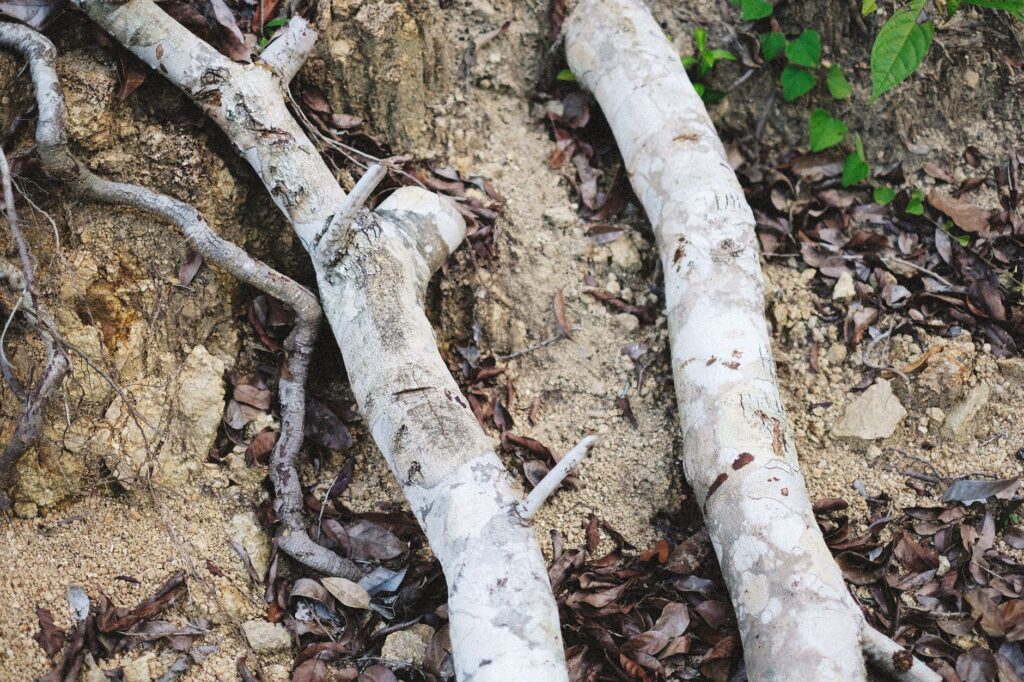
A PHC program is not a single visit with a longer checklist. It’s a series of visits, usually two to four a year, timed to the seasons rather than to a complaint. A typical cycle includes a dormant-season structural look (branch architecture, deadwood, included bark, cavities visible once leaves are down), a spring scouting visit timed to egg hatch and bud break for common local pests, a summer check for canopy density, leaf color, and drought stress, and a fall visit that reads the season’s cumulative wear before winter.
Soil is part of the cycle too. Many PHC programs pull a soil sample every few years rather than every visit, since pH, nutrient levels, and organic matter don’t swing much season to season — but a baseline matters, because it’s the only way to know whether a fertilization or amendment plan is actually doing anything. Homeowners can also submit a sample directly through Rutgers NJAES’s Soil Testing Laboratory, which is useful context to bring to that conversation even outside a formal program.
What a Monitoring Program Catches That a Casual Glance Misses
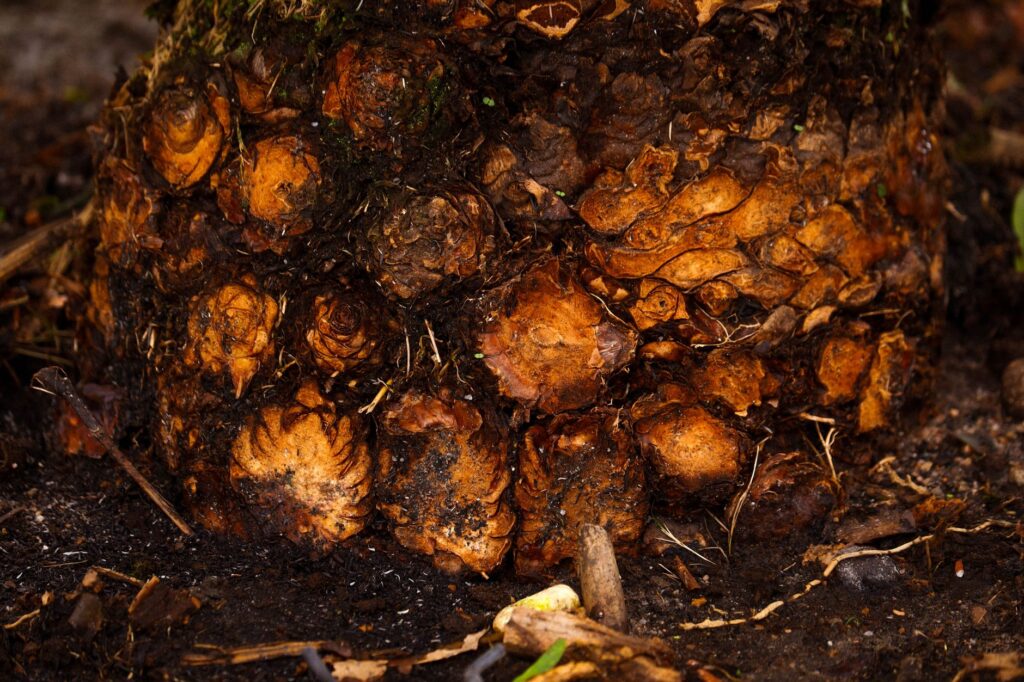
The value of repeated visits isn’t really the individual checklist items — a homeowner can look at bark and count leaves too. It’s the comparison across time. A single visit sees a snapshot; a program sees a trend, and trends are where tree problems actually live.
A girdling root, for instance, rarely looks alarming the first year it’s visible at the soil line. It looks alarming the fourth year, once it has visibly flattened one side of the trunk — by which point reversing it is much harder. Early-stage insect pressure is the same story: egg masses or first-instar larvae are easy to miss and easy to treat, while the same infestation six weeks later is obvious and much more expensive to manage. Canopy thinning of five or ten percent a year is nearly invisible in any single season, but it’s unmistakable viewed across three consecutive spring visits. A program built around comparison is built to catch exactly these slow-moving problems before they become the kind that end with a chainsaw.
Middletown's #1 Tree Expert Company
FREE Inspection & Estimate | Certified Arborists | Trimming, Pruning, Removal, More!
Sponsored
Why Middletown's Trees Carry More Risk Factors Than Most
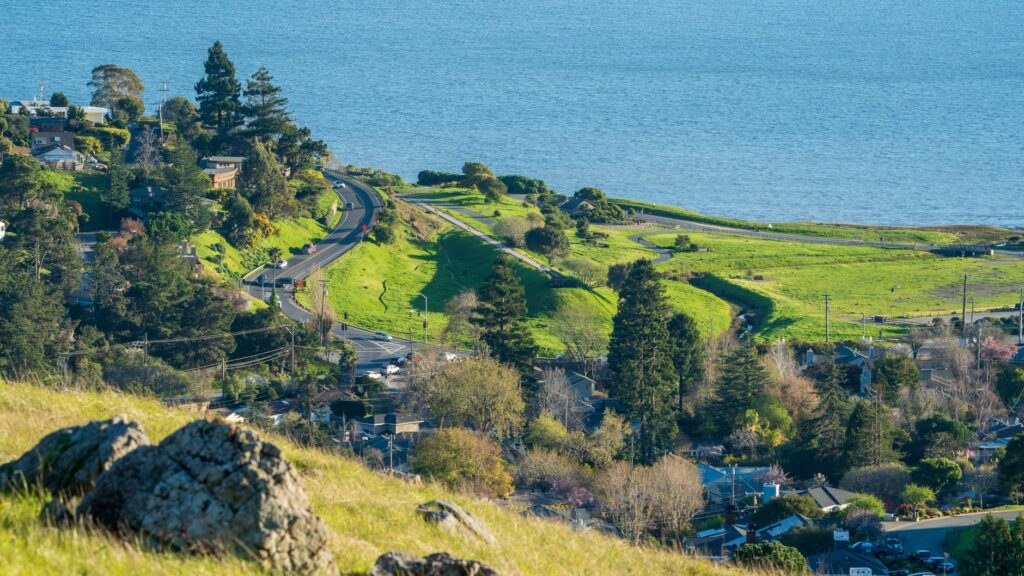
Preventive monitoring matters more here than in a lot of places, because Middletown Township asks more of its trees than a uniform suburban lot would. Soils shift block to block — heavier clay-loam inland around Lincroft and Chapel Hill, sandier and more saline closer to Port Monmouth, Leonardo, and the Bayshore fringe along Raritan Bay. A tree that’s thriving on one side of town can be quietly struggling a mile away under conditions that look identical from the street.
Add in salt spray and occasional tidal flooding near the water, root disturbance from the steady pace of local construction and additions, and a rotating cast of pest pressure that has included spotted lanternfly, emerald ash borer, and spongy moth in recent years, and the result is a tree population carrying more simultaneous stressors than its canopy usually shows. The USDA Forest Service’s Urban and Community Forestry Program points to exactly this layering of stress as the reason urban and suburban trees often decline faster than their forest counterparts — not one dramatic event, but several ordinary ones stacking up unnoticed.
A Monitoring Program Isn't the Same Thing as a One-Time Assessment
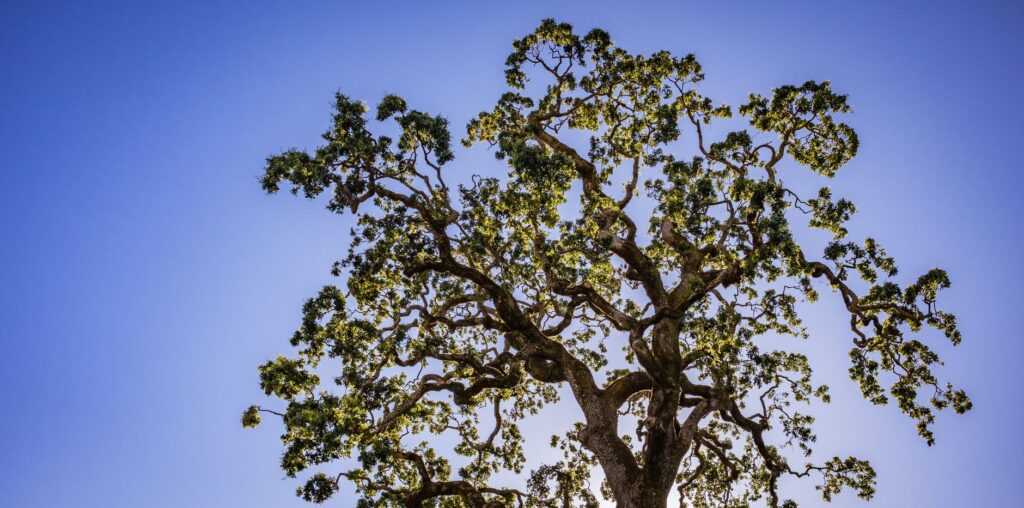
It’s worth separating this from a tree risk assessment, which is also something an arborist does and also useful — but it’s a different tool. A risk assessment answers one question well: is this specific tree, right now, a hazard that needs attention. It’s a snapshot, and a good one.
A PHC program answers a slower question: is this tree’s overall condition improving, holding steady, or declining, and why. The first visit in a monitoring program essentially exists to create a baseline — photographs, measurements, notes on canopy density and known defects — against which every later visit gets compared. Without that baseline, an arborist showing up for a single visit years apart has no way to know whether what they’re seeing is new or has always been there. The Tree Care Industry Association’s guidance on hiring a tree care company is a reasonable starting point for homeowners trying to tell the difference between a company that documents this way and one that doesn’t.
What Homeowners Can Do Between Professional Visits

A formal PHC program is the most thorough version of this, but the underlying habit — look at the same trees regularly and keep track of what changes — is one any Middletown homeowner can borrow for free. It doesn’t require expertise, just consistency and a phone camera.
- Walk the same path around each major tree each season and take a photo from the same spot — differences show up faster side by side than from memory.
- Check the base of the trunk where it meets the soil for flare, mulch buildup, or roots that look like they’re circling rather than radiating outward.
- Note canopy density in full leaf — a tree that looks noticeably thinner than it did the previous July is worth a second look even if nothing else seems wrong.
- Keep a simple log of storm damage, pruning work, and anything an arborist has already flagged, so the next visit — yours or a professional’s — isn’t starting from zero.
None of this replaces a trained eye, but it builds exactly the kind of record a professional program is designed to keep, and it means a homeowner arrives at that first real assessment with real information instead of a vague sense that something seems off.
Middletown's #1 Tree Expert Company
FREE Inspection & Estimate | Certified Arborists | Trimming, Pruning, Removal, More!
Sponsored
When the Casual Check Isn't Enough
The self-checks above are good at catching that something has changed. They’re not good at explaining why, and that’s where the line to a certified arborist sits. A trunk flare that looks buried, a canopy that’s visibly thinner than last year, bark that’s splitting somewhere new, or soil that stays wet or cracks badly every season are all reasonable reasons to ask whether a particular tree would benefit from a structured monitoring plan rather than another one-off call.
The International Society of Arboriculture’s tree owner resources are a solid place to start that conversation, and most ISA-certified arborists working around Middletown can scope a monitoring schedule to a single high-value tree or a whole property. The goal either way is the same: catch the boring problem while it’s still boring, instead of meeting it for the first time as an emergency.
Photo credits: Featured image by Peter Xie on Pexels; Section 1 by Pavel Danilyuk on Pexels; Section 2 by Alexey Demidov on Pexels; Section 3 by Manh Cuong Le on Pexels; Section 4 by ERod Photos on Pexels; Section 5 by Robert So on Pexels; Section 6 by Greta Hoffman on Pexels; Section 7 by Mohan Nannapaneni on Pexels.