
Middletown's #1 Tree Expert Company
FREE Inspection & Estimate | Certified Arborists | Trimming, Pruning, Removal, More!
Sponsored
The Biggest Line Item Nobody Puts on the Inspection Report
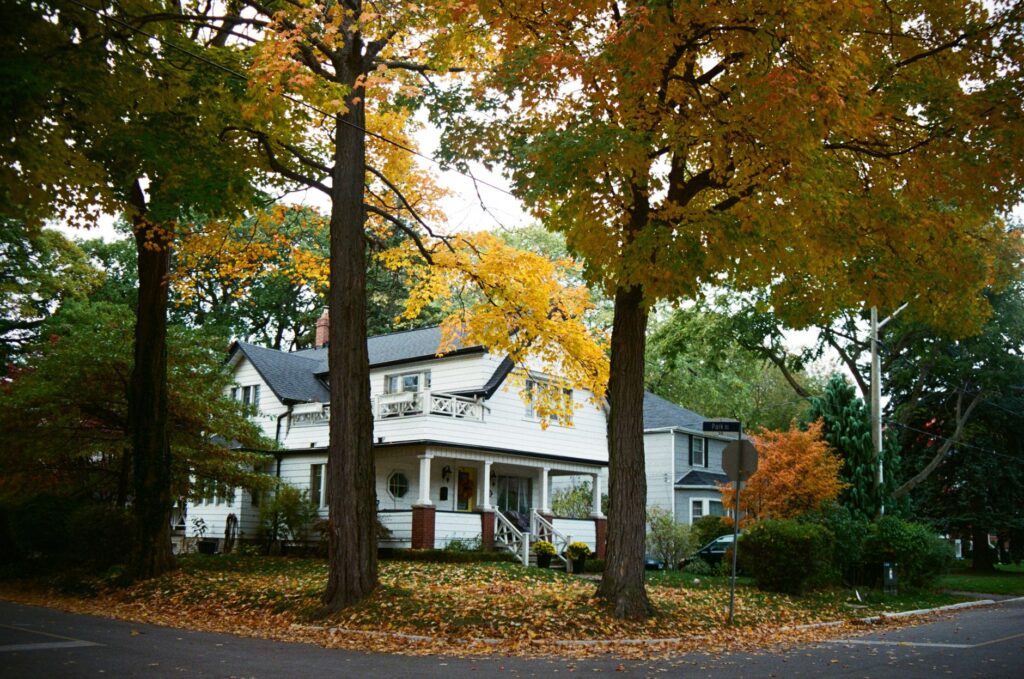
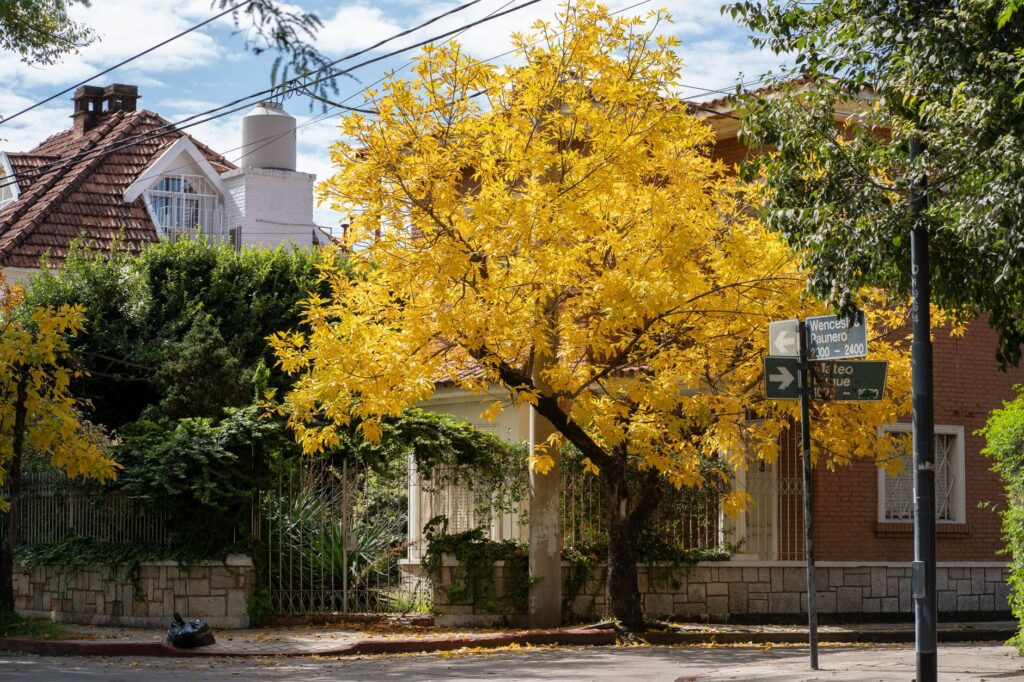
A buyer walking through a Middletown listing in October usually notices the same things: the kitchen, the roof, the age of the furnace. The trees tend to register as scenery. A tall white oak by the driveway or a pair of silver maples along the back fence reads as a selling point, and often it is one. What rarely shows up is any written opinion about whether those trees are healthy, structurally sound, or likely to cost five figures to manage over the next decade.
A standard home inspection looks at the building. Most inspectors will note a limb touching the roof or a tree growing against the foundation, but a general inspection is not a tree assessment, and the report will say so in the fine print. That leaves a real gap, because on a typical Monmouth County lot of a third to half an acre, the mature trees can represent more risk and more value than almost any single component of the house.
Fall is a useful time to close that gap. Leaves are still on, so a buyer can judge canopy density and color, but early leaf drop and dieback are starting to reveal problems that were hidden in July. If a purchase is on the table this season, the trees deserve a place on the checklist.
What Mature Trees Do for Property Value
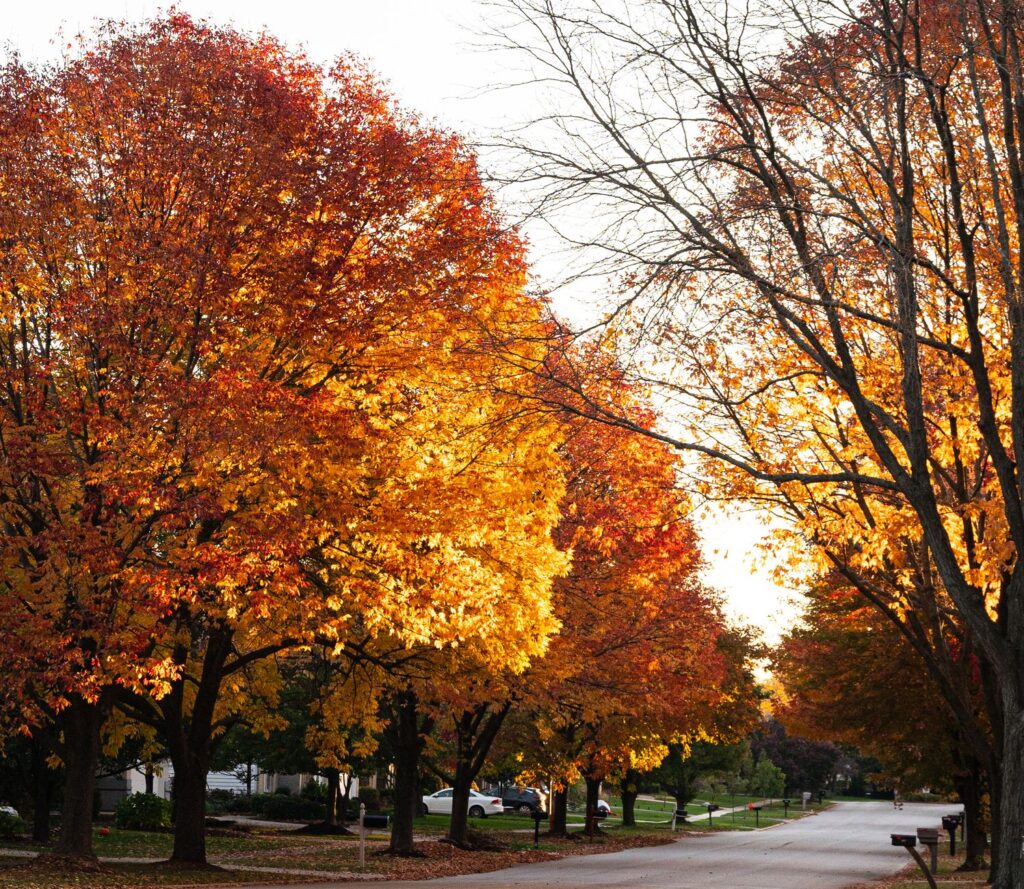
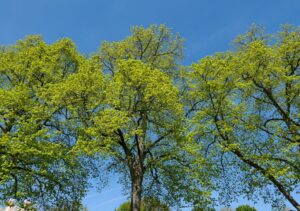
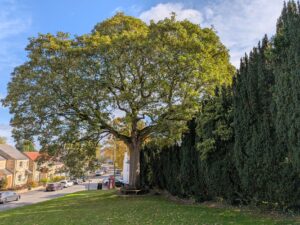
The upside is worth stating plainly, because it explains why the question matters. The International Society of Arboriculture’s homeowner site, Trees Are Good, describes how healthy, well-placed mature trees add to property value, lower cooling costs through shade, and make a street more appealing to prospective buyers. A well-kept canopy is among the features that make older Middletown neighborhoods such as Lincroft and parts of Navesink feel established rather than newly built.
The key phrase is healthy and well placed. A mature tree in good structural condition, at a sensible distance from the house, is an asset. The same tree with a large internal cavity, a history of topping, or roots lifting a driveway can quietly become a liability. The difference is not visible from the sidewalk, which is why a buyer who assumes every big tree is a bonus can end up with an expensive surprise.
Size also cuts both ways when something goes wrong. A fifty-foot tree that fails does far more damage than a twenty-foot one, and removing it costs far more. In a Bayshore town where nor’easters arrive with real regularity, that tradeoff is not theoretical.
Reading the Trees From the Driveway: A Buyer's First Pass
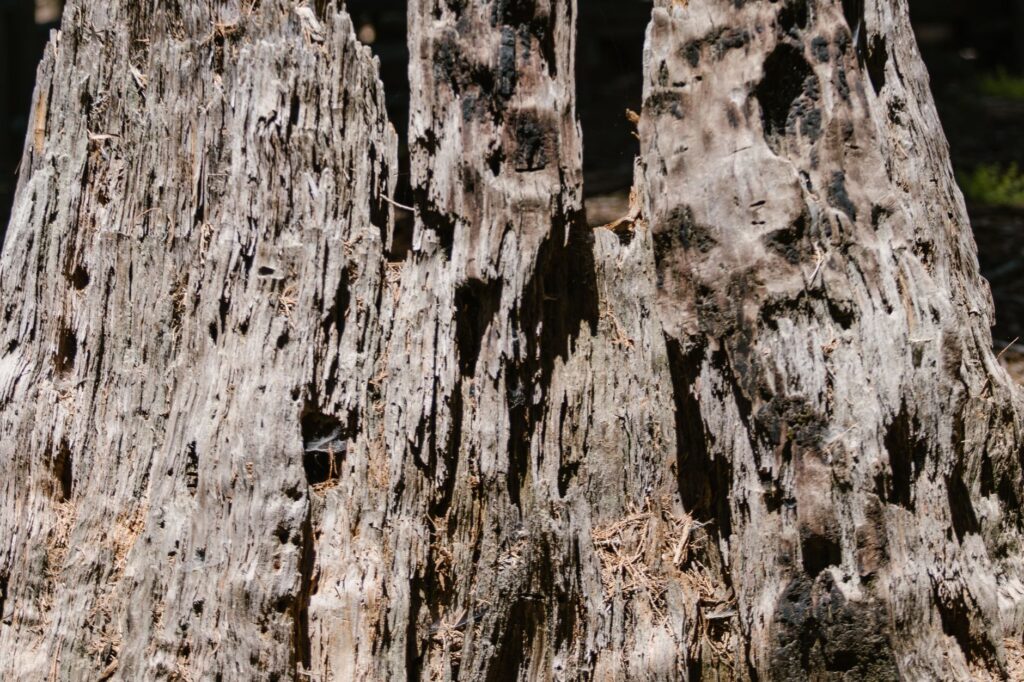
Before paying for any professional opinion, a buyer can learn a lot in fifteen minutes on foot. Walk the whole property and look at each large tree from at least two sides, because a defect on the north side of a trunk will not show from the front walk.
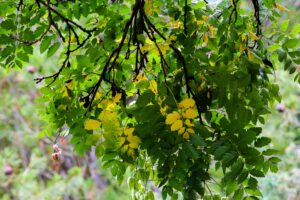
- Dead branches in the crown. Bare, brittle-looking limbs among otherwise full foliage are the easiest warning sign to see in early October.
- Fungal growth at the base. Shelf-like conks or clustered mushrooms on the trunk flare or roots often point to internal decay.
- Cracks, seams, or sunken areas on the trunk. Vertical cracks and long seams suggest structural stress or old damage.
- A lean that looks recent. Soil heaved up on one side, or roots pulled out of the ground, means the tree has been moving.
- Two trunks joined in a tight V. Codominant stems with bark squeezed between them are a common failure point in older maples.
- Wounds and old cuts. Flush cuts, stubs, and large pruning scars from decades ago may be decayed behind the surface.
None of these findings means a tree has to come down. They mean the tree should be looked at by someone qualified before the deal closes, not after.
Middletown's #1 Tree Expert Company
FREE Inspection & Estimate | Certified Arborists | Trimming, Pruning, Removal, More!
Sponsored
Where the Roots Go: Foundations, Septic, and Pavement
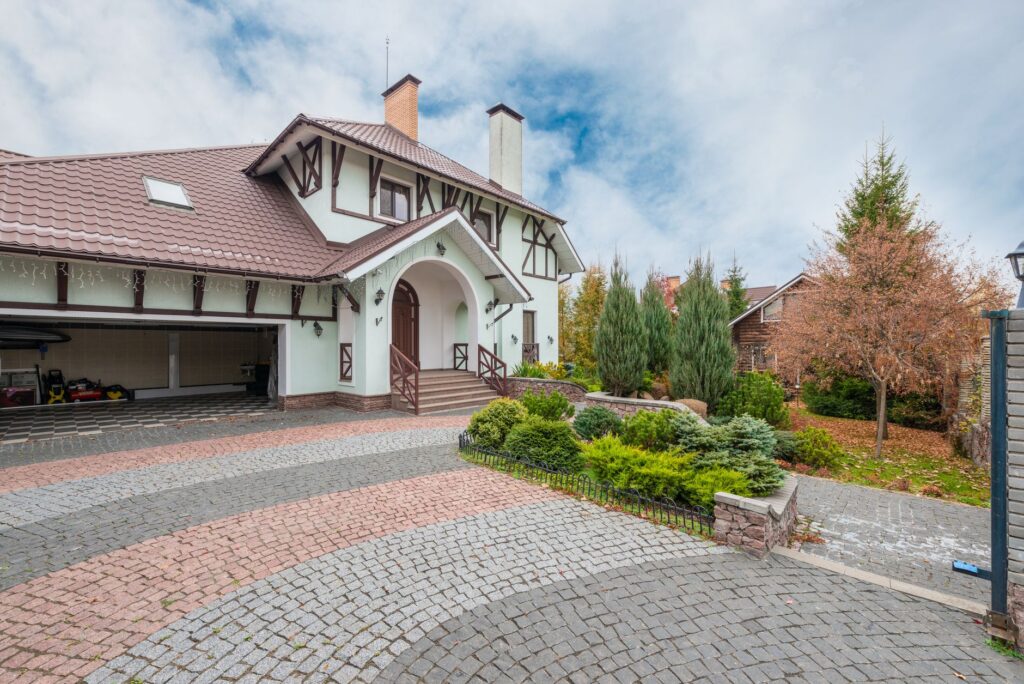
What happens underground matters as much as what is visible above it. Large trees near a house are not automatically a threat to the foundation, but roots will follow moisture, and they exploit leaking pipes, failed laterals, and poorly drained soil. A buyer on a property with a septic system, which is still common in parts of Middletown Township, should look at how close the large trees stand to the tank and field, because roots can clog and damage them.
Driveways, walkways, and patios tell a story too. Heaved pavers or a cracked slab next to a big trunk usually means surface roots are growing under the hardscape. Repairing it can mean cutting roots, and cutting the wrong roots on a mature tree can destabilize it. The ISA’s guidance on hiring an arborist is a good primer on why root work in particular should be evaluated by a credentialed professional rather than handled casually.
Grade changes matter as well. If previous owners added fill soil, built up a patio, or regraded around a tree, the root collar may be buried. Buried root collars are a slow-moving problem that can take years to show up as decline, and they are the kind of history a seller may not think to mention.
What a Professional Tree Assessment Actually Tells You
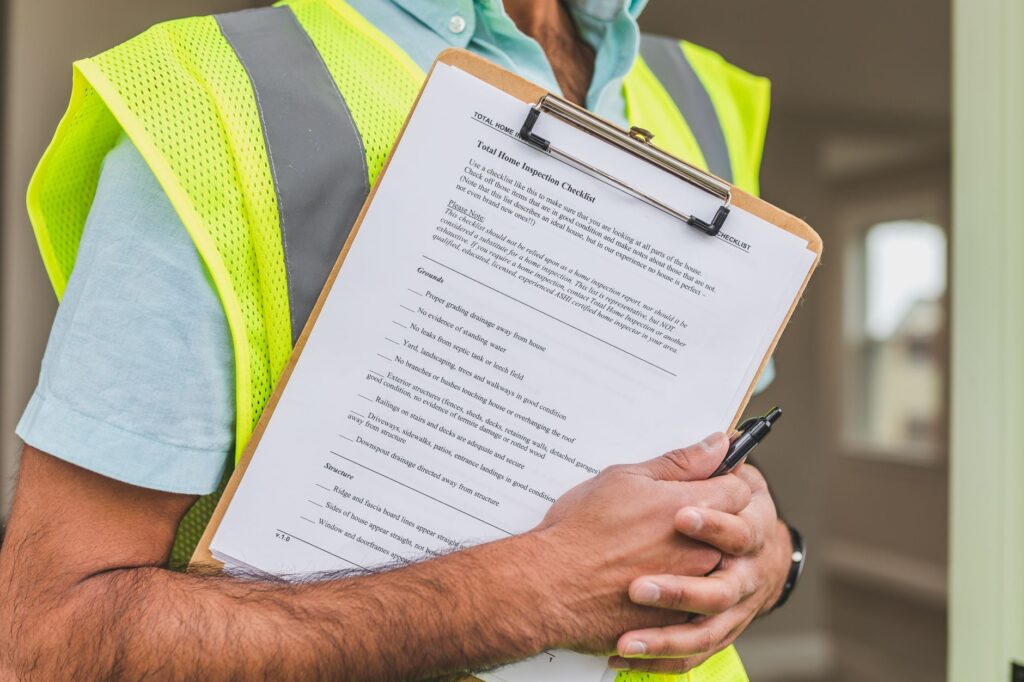
When a walkthrough turns up anything concerning, or when the property simply has several large trees close to the house, a formal tree risk assessment is a reasonable investment. The ISA’s Tree Risk Assessment Qualification exists specifically to credential arborists in this kind of evaluation, using a standardized method that considers the likelihood of failure, the likelihood of impact, and the consequences if something does fall.
The consequences part is what makes the exercise useful for a buyer. A decayed tree in the far corner of a lot, nowhere near a structure, is a very different situation from the same tree over a bedroom. An assessment weighs the target, not only the tree, and it can produce practical outputs: monitor, prune, cable, or remove, along with a rough sense of timing.
The ISA’s overview of tree risk assessment explains the basic levels of review, from a quick visual look to more detailed examination. For a pre-purchase situation, the written findings are what matter. They give a buyer something concrete to bring to the negotiating table, and something to compare against the seller’s disclosure.
Using What You Learn: Negotiation, Budgeting, and Timing

A buyer who finds a problem tree has several options, and they are rarely all-or-nothing. If the assessment shows a tree that needs removal, the cost can often be reflected in the price or handled through a credit at closing. If the findings show manageable issues such as deadwood or a weak union that can be cabled, the buyer can budget the work as part of the first year of ownership. If a tree is simply healthy and well placed, the report becomes a reason to feel good about the purchase.
Local rules also belong in the budget. Middletown Township regulates the removal of certain trees, and a project that looks simple on paper may involve a permit or replacement requirements. A buyer planning to remove a large tree soon after closing should confirm the current township requirements before assuming it is a quick job. Costs for large-tree work in Monmouth County vary widely depending on access, proximity to wires and structures, and the condition of the tree, so written quotes from more than one qualified company are worth gathering.
Insurance deserves a quick conversation with an agent too. Policies differ on what they cover when a tree damages a house, and a documented, professionally assessed tree can make a difference in how a claim is viewed later. Keep copies of any assessment with the closing paperwork.
Middletown's #1 Tree Expert Company
FREE Inspection & Estimate | Certified Arborists | Trimming, Pruning, Removal, More!
Sponsored
When to Call a Pro Before You Sign

The simplest rule is this: if a property has large trees within falling distance of the house, a garage, a play area, or a driveway where cars park, have them looked at by a certified arborist before closing. The same goes for any tree showing dead limbs, fungal growth, trunk cracks, a recent lean, or a history of heavy pruning. A short inspection and a written report cost a small fraction of an emergency removal or a roof repair.
Look for an ISA Certified Arborist, and ideally one with the Tree Risk Assessment Qualification, who can explain findings in plain language and put them in writing. Be wary of anyone who recommends removal on the spot without explaining why, and equally wary of anyone who waves off obvious defects. A good assessment tells you what the tree is doing, how likely it is to cause harm, and what your realistic options are.
Healthy mature trees are one of the best things about a Middletown property. A few hours of due diligence in the fall, with the leaves still on and the evidence still visible, is how a buyer finds out which ones are keepers before the keys change hands.
Photo credits: Featured image by Tomás Asurmendi on Pexels; Section 1 by Tiemy Pixel on Pexels; Section 2 by Mahesh Mohan on Pexels; Section 3 by RDNE Stock project on Pexels; Section 4 by Max Vakhtbovych on Pexels; Section 5 by RDNE Stock project on Pexels; Section 6 by RDNE Stock project on Pexels; Section 7 by Any Lane on Pexels.