Middletown's #1 Tree Expert Company
FREE Inspection & Estimate | Certified Arborists | Trimming, Pruning, Removal, More!
Sponsored
Why Roots Lift Walks and Driveways in Middletown
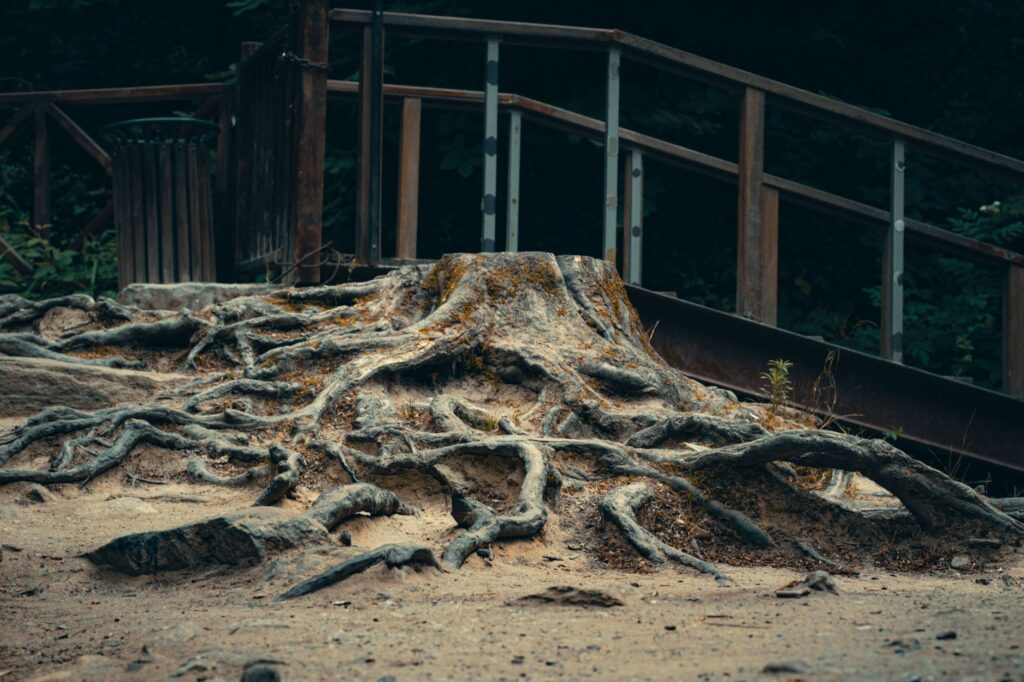
Walk almost any older street in Middletown Township, from Lincroft to Port Monmouth, and the pattern repeats: a slab of sidewalk tilted up an inch or two, a crack running toward a maple or oak, and a homeowner wondering whether the tree has to go. In most cases it does not. The tree is rarely the villain it appears to be, and the right response depends on understanding what the roots are actually doing under the pavement.
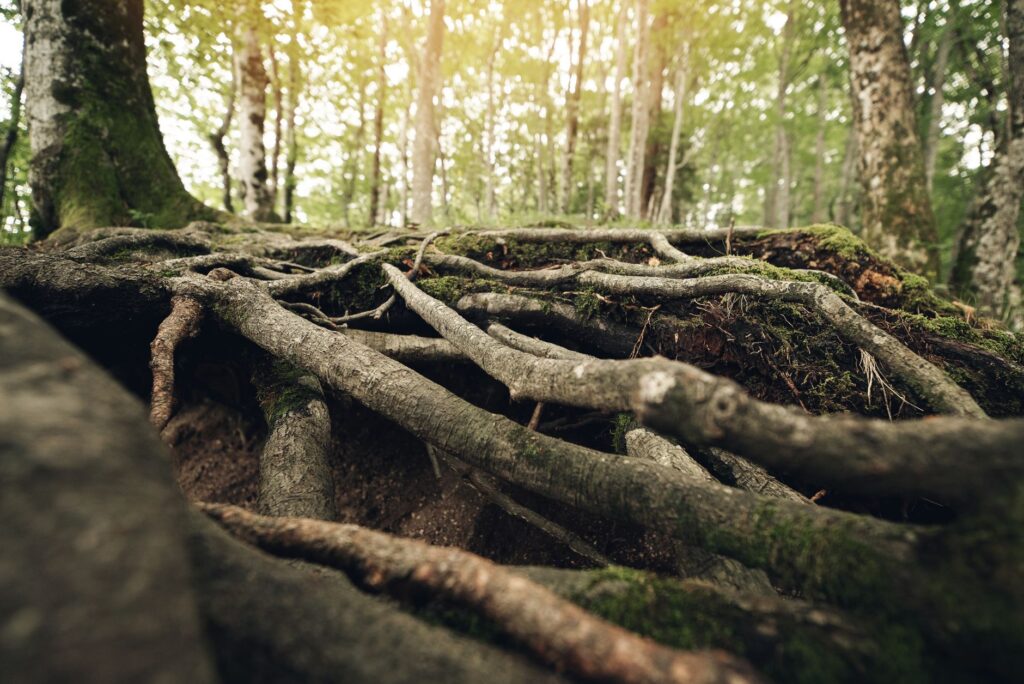
Roots do not seek out concrete. They grow where oxygen and moisture are available, and in compacted suburban soil that is often the top few inches, right under the base course of a walk or driveway. Gravel and sand laid beneath pavement drain well and hold air, which makes that strip attractive to roots. As a root thickens year after year, it presses upward against a slab that cannot flex.
The International Society of Arboriculture’s tree owner guide to roots explains that most tree roots live in the upper foot or two of soil and spread far wider than the canopy. That shallow, wide habit is exactly why pavement damage is so common around mature street trees and yard trees alike.
Middletown’s mix of sandy Bayshore soils and heavier clay-loam inland adds a twist. In sandy ground near Leonardo and Belford, roots run shallow chasing moisture. In denser soil around Chapel Hill, they stay near the surface because deeper layers hold little oxygen. Either way, the pavement ends up sitting on the most root-friendly layer in the yard.
Reading the Damage Before Deciding Anything
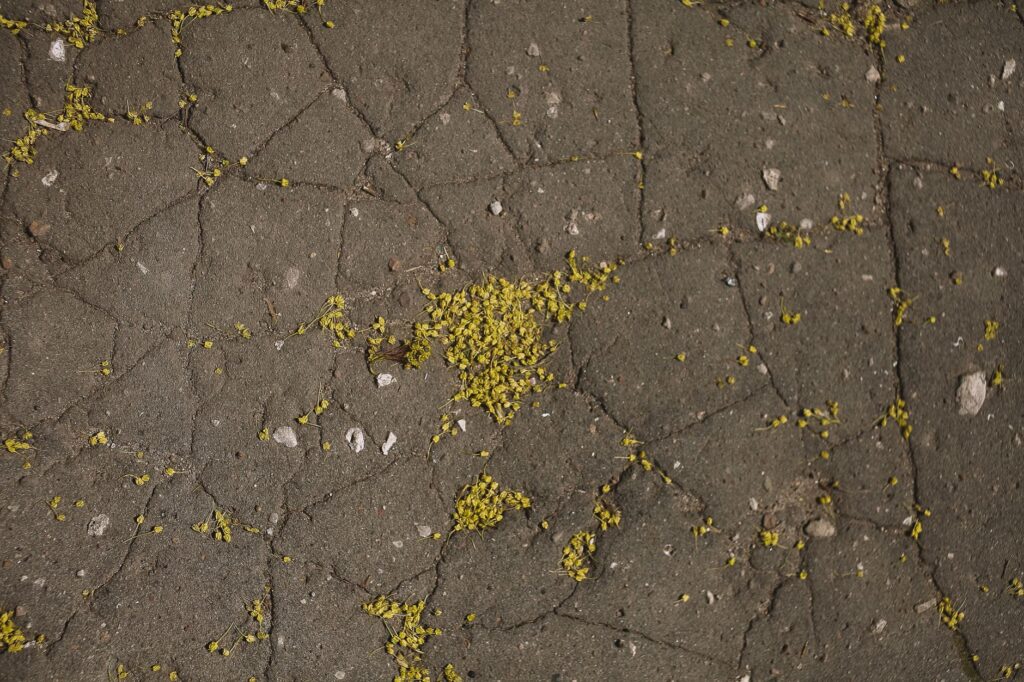
Before anyone reaches for a saw or a grinder, it helps to measure what is happening. Lifted pavement falls into a few distinct situations, and each one points to a different fix.
- Small lift under an inch. A slight edge-to-edge difference is mostly a trip hazard, not a structural problem for the tree or the slab.
- Hairline or surface cracks. These often come from freeze and thaw cycles, not roots at all, and may have nothing to do with the nearest tree.
- Slab lifted more than an inch. This is the point where roots are almost certainly involved and the slab may need to be lifted, ground, or replaced.
- Visible surface roots at the edge. Roots rising above the soil beside a driveway usually mean the major structural roots are close, which limits how much can be cut safely.
A practical first step is to photograph the damage with a tape measure or ruler in the frame and note the date. That record helps compare next spring, and it is also useful if a municipal sidewalk notice or insurance question comes up later. Measure the trunk diameter about four and a half feet above the ground as well, since the distance from the trunk to the pavement matters more than almost anything else when judging whether a root can be cut.
It is also worth checking whether the lift is new. A slab that rose slowly over a decade is a very different case from one that jumped after a wet autumn or a storm that rocked the tree. Sudden movement near a leaning trunk is a hazard signal, not a paving problem, and belongs with a certified arborist right away.
Why Cutting the Root Is Not Always the Answer
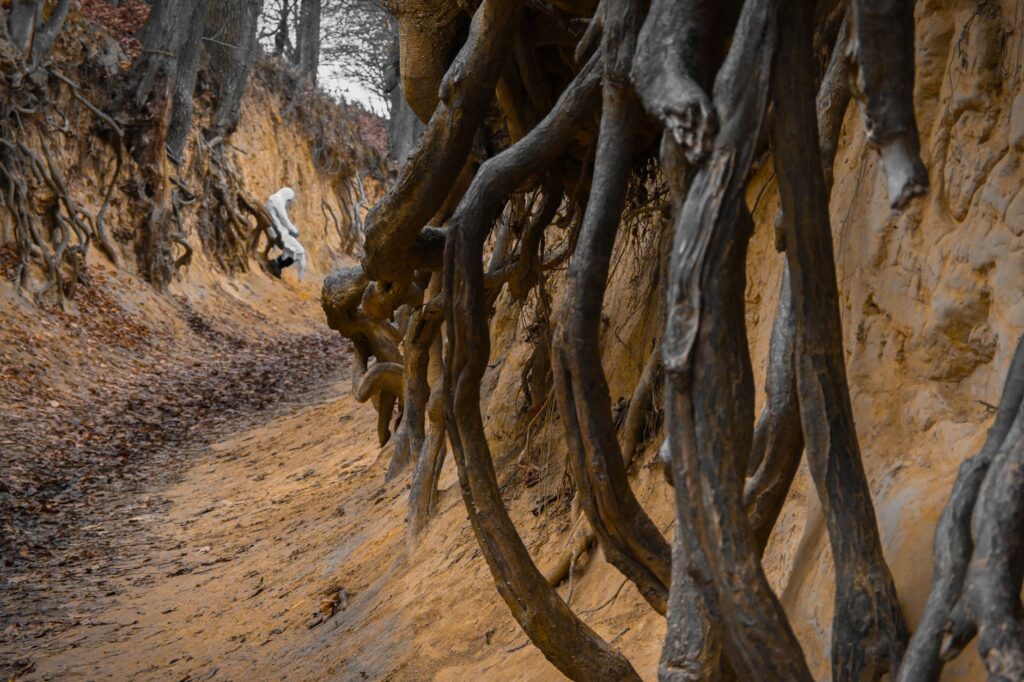
The most common instinct is to chop the offending root flush with the pavement. Sometimes that works, but it carries real costs, and the size of the root is the deciding factor. Large structural roots do two jobs: they anchor the tree against wind, and they carry water and stored energy. Removing a big one can leave a tree both weaker and thirstier.
The ISA guidance on trees and hardscape notes that cutting roots close to the trunk can destabilize a tree and open large wounds that decay can enter. A common rule of thumb among arborists is to avoid cutting roots larger than about two inches in diameter, and to stay well away from the trunk, ideally several times the trunk diameter. Many Middletown trees, especially mature oaks and tulip poplars, have roots that exceed that size right where the damage appears.
The anchoring risk is highest on the Bayshore, where nor’easters push hard against trees with a lot of canopy. A tree that loses a significant share of its windward roots to a trenching job may look fine for a season and then fail in the first strong storm. That delay between the cut and the failure is why root damage is often blamed on the wrong cause.
Small roots are a different story. Roots under an inch or so, cut cleanly with a sharp saw or pruner, generally close over and the tree compensates. The line between small and structural is the whole decision, and it is hard to judge by eye when the root runs out of sight under the slab.
Middletown's #1 Tree Expert Company
FREE Inspection & Estimate | Certified Arborists | Trimming, Pruning, Removal, More!
Sponsored
Fixes That Protect Both the Tree and the Pavement
When the roots are too big to cut, the pavement usually has to adapt rather than the tree. There are several approaches, and many cost far less than removing a healthy shade tree.
- Grinding the high edge. A concrete grinder can take down a small lip in an hour and removes the trip hazard without touching the roots.
- Slab replacement with a ramp. Replacing one slab and shaping it to ramp over the root keeps both in place, a method many municipalities accept for sidewalks.
- Flexible paving. Rubber, permeable pavers, or a bridge of gravel and pavers lets the root keep growing without cracking rigid material.
- Rerouting the path. Curving a walkway a foot or two around a large root can solve the problem permanently.
- Bridging with an air gap. A slab or footing set on piers over the root lets it pass beneath without being cut or compressed.
For driveways, narrowing the paved width on the tree side or switching a short stretch to gravel can relieve pressure while keeping car access. For a failing sidewalk in the public right-of-way, the Township sets its own rules about who repairs what and which trees may be disturbed, so the Middletown municipal office is the right place to ask before any work starts.
Whichever fix is chosen, the tree benefits when the soil around it stays uncompacted. Parking on the root zone, stacking materials, or running a skid steer across it can do more damage than the original lift ever did.
Preventing the Problem on New Plantings
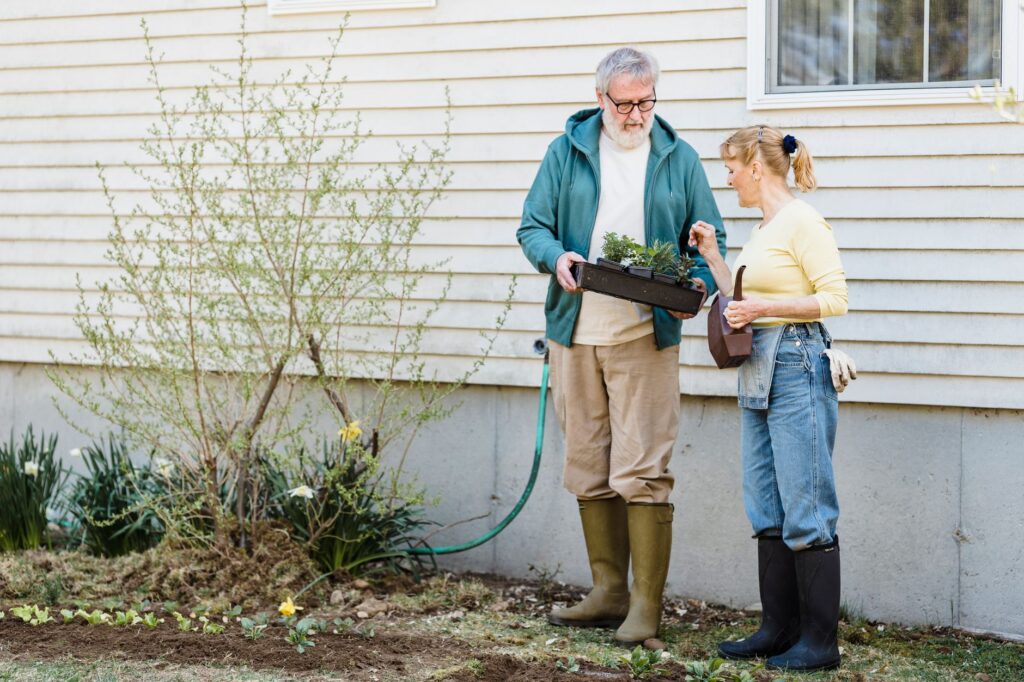
The cheapest time to avoid pavement damage is before the tree is planted. Many of the worst cases in Middletown trace back to large-growing trees planted two or three feet from a walk, a spot that could never hold a 60-foot shade tree.
Species choice and spacing make most of the difference. Large trees such as red maple, pin oak, and tulip poplar need generous room, while smaller trees suit narrow strips and tight side yards. A common planning guide is to give a large shade tree at least eight to ten feet of open soil to the nearest pavement, and more where space allows. Fast-growing species with aggressive surface roots, including silver maple and willows, are a poor match for slim planting strips.
Planting depth matters as well. A tree set too deep or surrounded by compacted fill tends to send roots outward and upward, searching for oxygen. Setting the root flare at or slightly above the surrounding grade and loosening a wide planting area encourages roots to grow down and out in the soil rather than under the walk.
Deep, infrequent watering also helps. Roots that find steady moisture only at the surface stay at the surface, so a slow soak that wets the soil to a foot or more teaches them to spread deeper over time.
What About Pipes and Foundations?
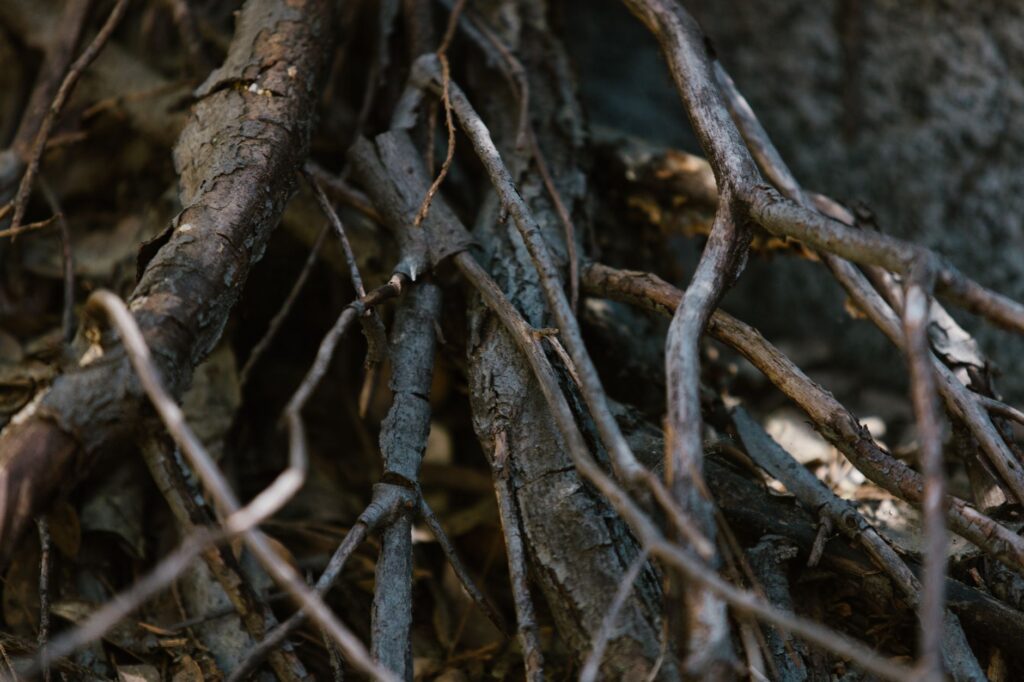
Pavement is only part of the worry. Many homeowners also ask whether roots will crack a foundation or invade a sewer line. The honest answer is that healthy roots do not break solid, intact pipes or concrete, but they will exploit existing cracks, loose joints, and leaks that release moisture and nutrients.
Older clay and cast iron sewer laterals, common in some of Middletown’s older neighborhoods, have joints that let water seep out, and roots follow that moisture. Septic fields draw roots for the same reason. If a line backs up repeatedly, a camera inspection will show whether roots entered through a failed joint, and the better long term fix is usually repairing the pipe, not removing the tree.
Foundations are rarely harmed by roots directly. The larger issue is soil moisture: a thirsty tree in clay-rich soil can shrink the ground during a dry summer, and the soil then swells again when rain returns. The Rutgers Cooperative Extension guide to hiring a tree care professional is a useful starting point for understanding what an assessment of that kind should include and how to compare qualified professionals.
Keeping large trees a sensible distance from the house, and keeping gutters and downspouts directing water away from the foundation, reduces nearly all of these concerns.
Middletown's #1 Tree Expert Company
FREE Inspection & Estimate | Certified Arborists | Trimming, Pruning, Removal, More!
Sponsored
When to Call a Certified Arborist
Most small lifts and cracks can be handled with grinding, patching, or a short path change. Some situations are different, and a certified arborist’s judgment is worth having before anything is cut.
It makes sense to call when a root over two inches in diameter is involved, when the damaged slab sits close to the trunk, when the tree leans or the soil has heaved beside the base, or when the tree already shows dieback or thin leaves. A qualified arborist can assess whether a root can be removed safely, whether the tree is stable enough to keep, and which pavement option puts the least stress on its structure. In Middletown, ask whether a township permit applies, since some trees are regulated even on private property.
The goal is not to choose between the sidewalk and the tree. In nearly every case, a bit of patience, careful measurement, and a creative paving solution lets a long-lived shade tree and a safe walkway share the same yard, which also tends to protect the property value that mature trees add to a Middletown street.
Photo credits: Featured image by Emrecan Dora on Pexels; Section 1 by Nguyen Huy on Pexels; Section 2 by Nikita Nikitin on Pexels; Section 3 by Sylwia Bartyzel on Pexels; Section 4 by Phoebe Buffay on Pexels; Section 5 by Greta Hoffman on Pexels; Section 6 by RDNE Stock project on Pexels; Section 7 by Robin Godefridi on Pexels.