
Middletown's #1 Tree Expert Company
FREE Inspection & Estimate | Certified Arborists | Trimming, Pruning, Removal, More!
Sponsored
Why Winter Is Quietly the Easy Season for Heavy Tree Work
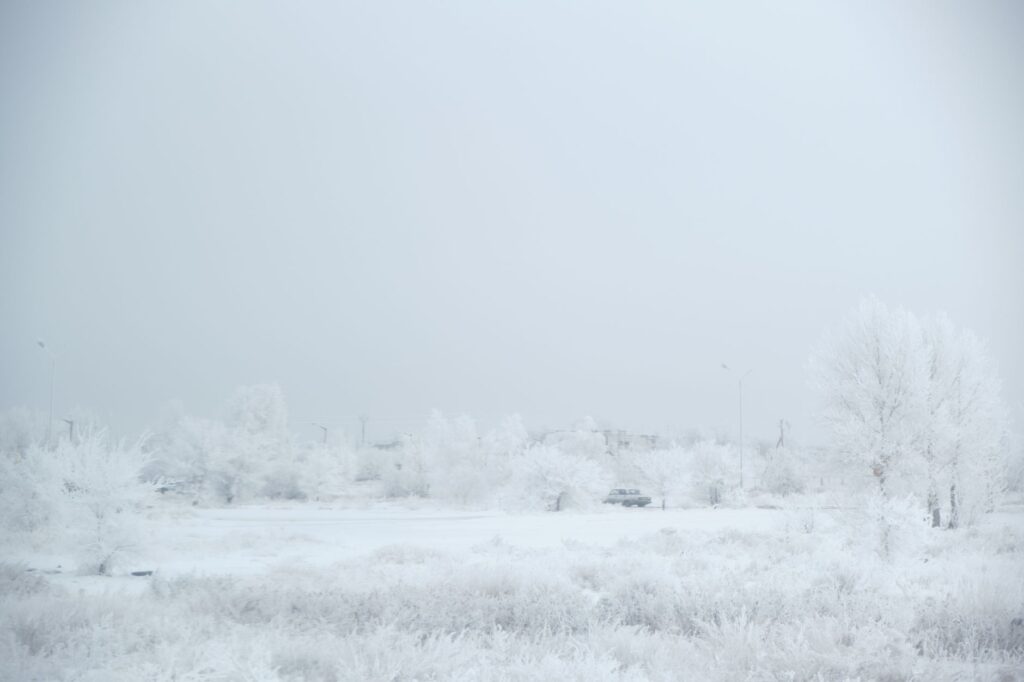
Most Middletown homeowners picture tree work as a summer job, with chainsaws, chippers and a crew in T-shirts. In practice, a good share of the heavy work on large trees is scheduled between late November and March, and the reason has less to do with the tree than with the ground underneath it. Frozen soil behaves like a temporary road, and that changes how much damage a removal or a big pruning job does to your yard.
Here on the Raritan Bayshore the winter pattern is uneven. A hard cold snap can lock the top several inches of soil solid for a week, then a nor’easter or a mild spell turns the same lawn to mud by the weekend. That stop-and-start rhythm is why the question of when to schedule heavy work is worth understanding before a limb comes down or a dead tree has to go.
This guide explains what frozen ground does for tree work, what it does not do, and how to judge whether your yard is actually ready for equipment. It is general information for Middletown Township homeowners, not a substitute for an on-site look from a certified arborist.
What Frozen Soil Does for Your Lawn and Roots
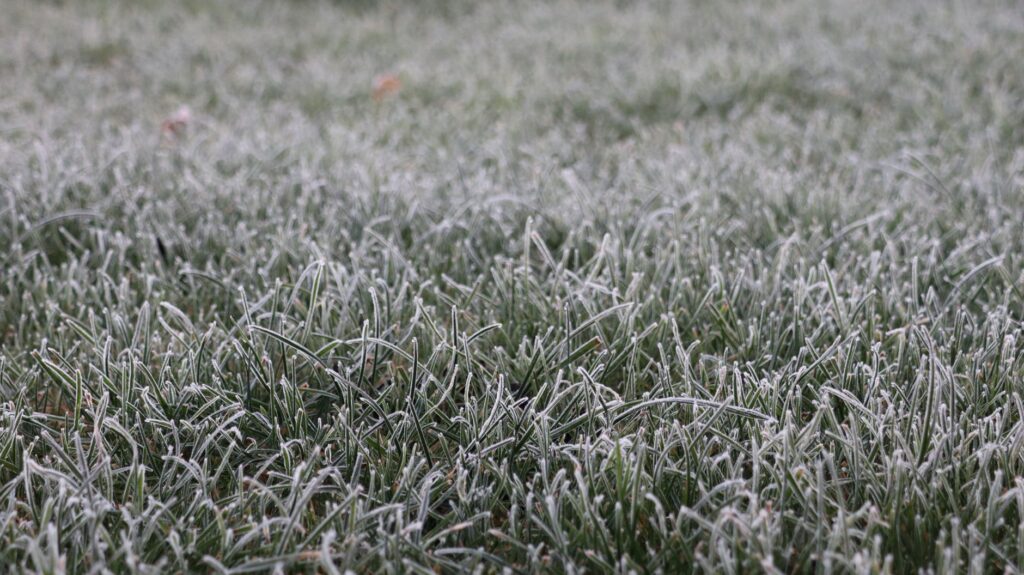
Wet, unfrozen soil is soft because it is full of tiny air pockets and water-filled pores. When a truck, a lift or a stump grinder rolls across it, those pockets collapse. That is compaction, and it is one of the slowest-healing injuries a landscape can take. Compacted soil holds less oxygen, drains poorly and resists new root growth for years. The ISA’s consumer site, Trees Are Good, explains in detail how construction traffic and heavy loads over a root zone can undermine a tree’s health long after the work is finished, and the same logic applies to tree crews (ISA guidance on trees and construction).
Frozen ground carries weight differently. Ice binds the soil particles together, so loads spread across the surface instead of squeezing the pore spaces shut. Lawn turf is also dormant in winter, so a rut that does appear is less likely to tear out actively growing grass. Add the fact that a deciduous tree is dormant and its fine feeding roots are quiet, and winter becomes a forgiving window for equipment access.
There is a practical bonus for the homeowner as well. Frozen turf does not smear, and drivable ground means a crew can often reach a backyard tree without laying down extra plywood mats or tearing up a side gate. That can matter on the tighter lots in Lincroft, Belford and Port Monmouth, where the only way to the back of the property runs along the foundation.
The Catch: Frozen Does Not Mean Frozen Solid

The weak point in the whole idea is that Monmouth County winters rarely give a long, steady freeze. A crust that holds a person walking across the lawn at seven in the morning may be soft slush at two in the afternoon, and the layer below can stay wet and unfrozen all winter. Frost depth along the coast is usually shallower and more variable than it is inland or farther north, because the bay and ocean keep temperatures swinging.
A simple way to check is the screwdriver test. Push a long screwdriver straight down at the spot where equipment would travel. If it stops within an inch or two and the soil rings hard when you step on it, the ground is carrying weight. If it slides in six inches with little effort, it is a mud job wearing a frost costume, and heavy machinery will leave deep ruts and compact the soil below.
Watch the weather as well as the thermometer. Several nights in a row below freezing, with daytime highs that stay near or below freezing, build a solid surface. One cold night after a week of rain does not. The New Jersey State Climatologist at Rutgers publishes monthly temperature normals that show how often Middletown’s winter days hover near freezing (Rutgers Office of the NJ State Climatologist monthly norms), which is a useful reality check on how many truly frozen days to expect.
Good arborists build this uncertainty into a schedule. Many will pick a date and keep a second one in reserve, or wait for a cold stretch before bringing in the heavy gear. If a contractor insists on rolling a loaded truck across thawed lawn to hit a calendar date, that is a reason to ask questions.
Middletown's #1 Tree Expert Company
FREE Inspection & Estimate | Certified Arborists | Trimming, Pruning, Removal, More!
Sponsored
Seeing the Tree Clearly: The Leaf-Off Advantage
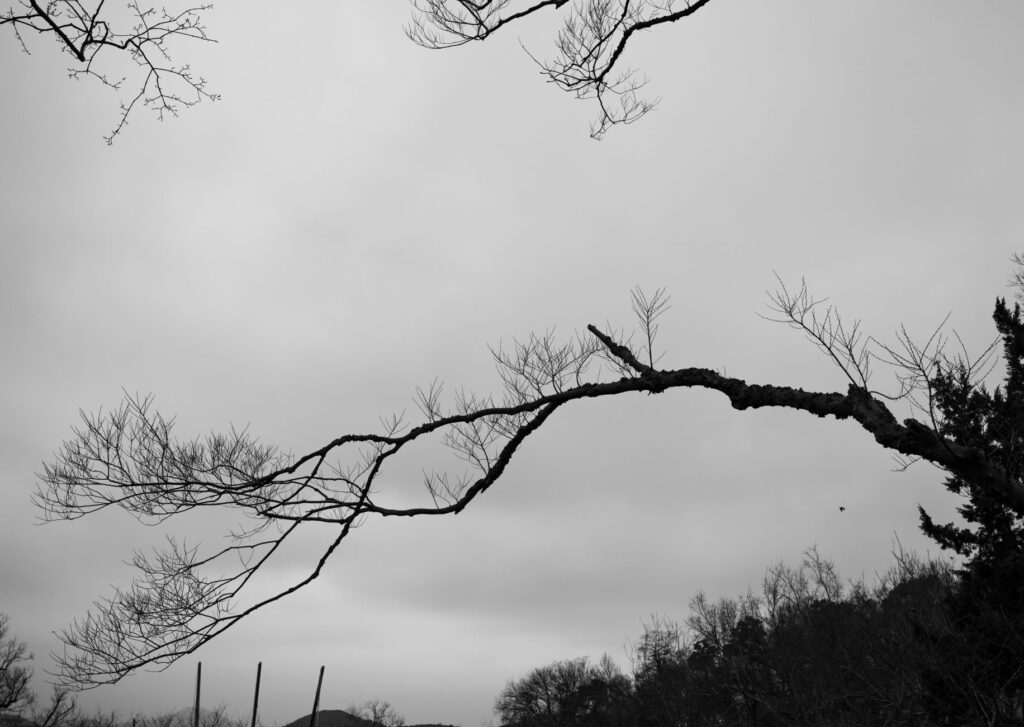
Ground conditions are only half of the case for winter work. The other half is visibility. With the leaves down, the whole structure of a tree is exposed: the branch unions, the dead wood, the crossing limbs, the old wounds and the way one big leader pulls over a neighbor. Arborists can read a tree in January in ways that are hard in July, when the canopy hides the details.
This is especially useful on the species common across Middletown, including white oaks, red maples, tulip poplars and Norway maples. Dead twigs and hanging stubs that blend into green summer foliage stand out against a winter sky. Cavities, seams and the swollen collars of old pruning cuts are easier to find, and so is the shape of a canopy that has grown unevenly toward the light.
Dormant pruning also keeps cuts away from the active insect and disease seasons for many trees. Wounds made in winter are open when few pathogens are spreading, and the tree seals them with its spring growth. For most shade trees that is a good arrangement, although a few species, such as maples and birches, bleed sap in late winter, which looks alarming but is mostly cosmetic.
If you want an arborist to evaluate a tree, a clear winter day is a perfectly good time. The ISA’s consumer pages describe what a thorough tree risk assessment includes, and they are a useful primer before the appointment (ISA tree risk management guide for owners).
Where Winter Work Does Not Make Sense
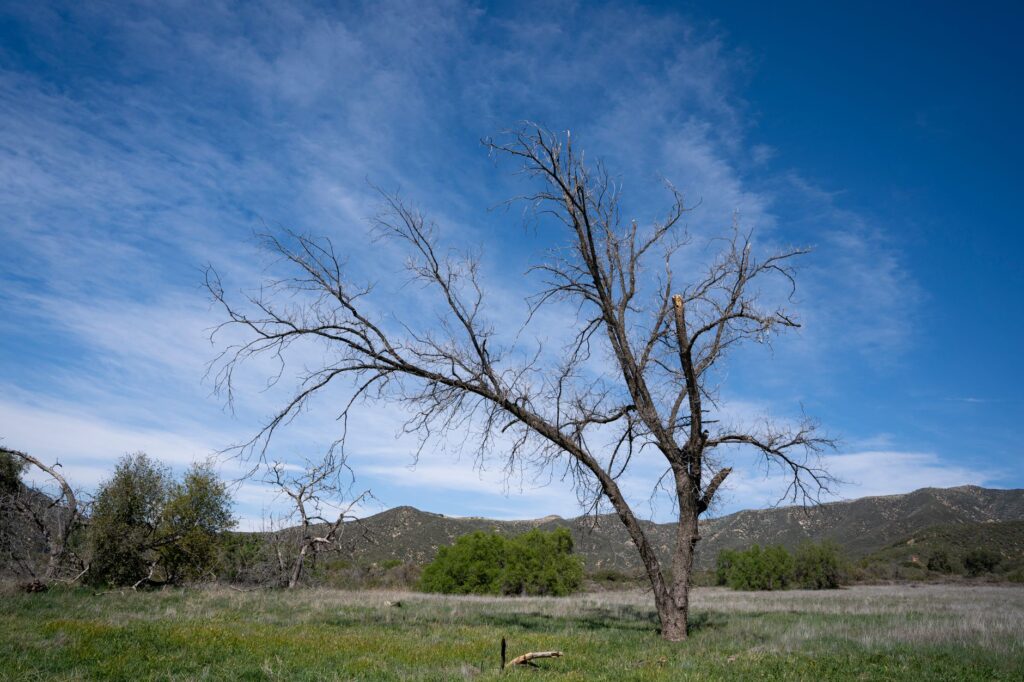
No season is perfect, and winter has real limits. The biggest is that some jobs depend on conditions that only exist at other times of year. Treatments applied through leaves, soil drenches that rely on active root uptake, and some pest controls need a growing tree, so they are scheduled for spring and summer. Planting is also better in fall or spring, when roots can establish.
Winter is a poor choice for work on a tree that is already failing. A leaning tree, a split trunk or a limb hanging over a roof cannot wait for the perfect frost, and storm damage rarely arrives on a convenient schedule. In those cases the priority is safety, not lawn protection, and a crew will use mats, plywood or smaller equipment to limit the damage on soft ground.
Wet snow and ice add a different hazard. Branches loaded with ice are under tension, and cutting them can send wood in unexpected directions. A job that looks routine on a bare, dry day can turn dangerous after an ice event. Ladders, climbing lines and bucket trucks are also less forgiving on glazed bark and slick ground, so crews postpone work when conditions turn icy.
- Good winter candidates: planned removals, structural pruning of large dormant shade trees, deadwood removal, and clearing trees over fence lines or sheds.
- Better left for another season: fertilizing, most pest treatments, planting, and pruning spring-flowering shrubs and trees before they bloom.
- Do not wait: any tree leaning after a storm, cracked limbs over a structure, or a tree with heaved roots.
Sorting a job into one of those groups before you call helps you describe it clearly and judge whether a proposed schedule makes sense.
Preparing Your Yard Before the Crew Arrives
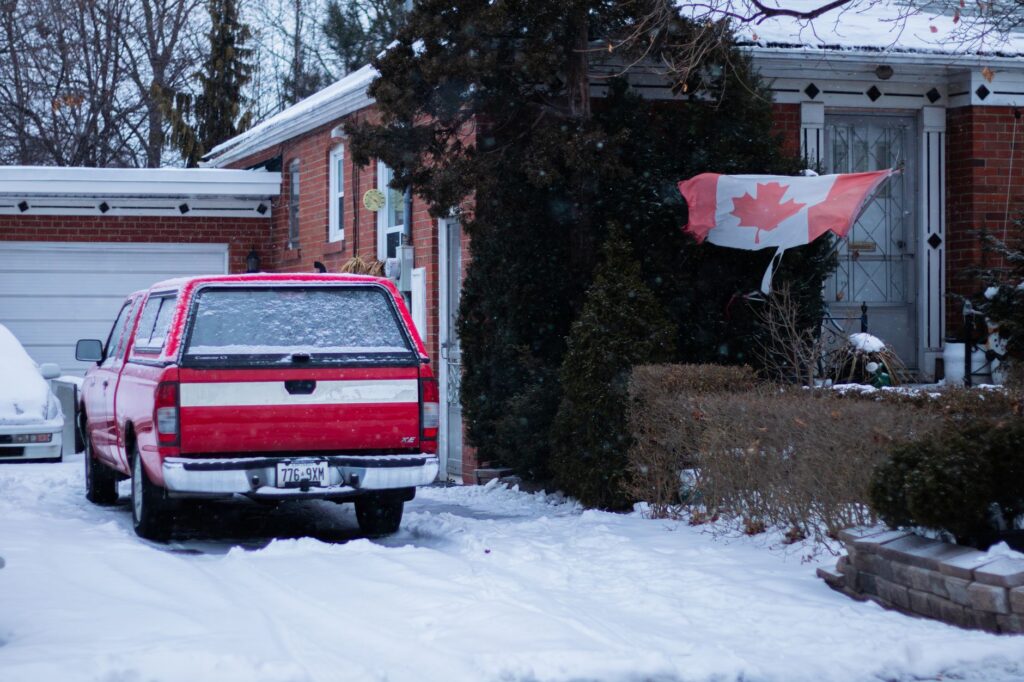
A few small steps make winter work go better and protect more of your property. None of them require tools beyond what most homeowners already own, and all of them reduce the chance of an unpleasant surprise.
- Clear the access route. Move cars, trash bins, patio furniture, planters and play equipment away from the path and the drop zone.
- Mark what is buried. Irrigation lines, invisible dog fences, septic components and shallow drain pipes can be crushed by equipment. Flag them, and call 811 if there is any digging involved.
- Walk the route with the arborist. Agree on where the truck will drive, where logs and brush will go, and which beds or young trees need protection.
- Ask about ground protection. Plywood sheets or composite mats spread load over soft spots, and a good crew will bring them without being asked.
- Photograph the yard beforehand. Dated photos of the lawn, walks and tree make any later conversation about damage straightforward.
Do not forget the neighbors. If equipment has to cross a shared driveway or the work will drop debris over a property line, a quick heads-up avoids trouble. Check the local rules as well. Middletown Township regulates the removal of some trees through its ordinance, so confirm whether your project needs a permit before the work is scheduled.
Middletown's #1 Tree Expert Company
FREE Inspection & Estimate | Certified Arborists | Trimming, Pruning, Removal, More!
Sponsored
Summary: When to Call a Certified Arborist
Frozen ground is a real advantage for tree work in Middletown, but only when the ground is truly frozen. It reduces compaction, protects dormant turf and often gives easier access, and the leafless canopy makes it simpler to see what a tree actually needs. It is not a reason to put off urgent work, and it is not a promise that every January job will be gentle on your lawn.
Call a certified arborist if you are planning a removal, if a large tree needs structural pruning, or if a tree has cracked, leaned or dropped limbs. Ask whether the person holds ISA certification and what New Jersey licensing applies to the work, and ask how the crew will protect the soil if conditions turn soft. The ISA’s guide to hiring an arborist covers the credentials, insurance and written estimate you should expect (ISA guide to hiring an arborist).
A good arborist will tell you honestly whether to schedule the work now, wait for a cold stretch or hold off until spring. That kind of conditional advice is a sign they are watching the tree and the ground, not just the calendar.
Photo credits: Featured image by Ruslan Alekso on Pexels; Section 1 by Jacek Pobłocki on Pexels; Section 2 by Torsten on Pexels; Section 3 by Chris F on Pexels; Section 4 by ym z on Pexels; Section 5 by Soly Moses on Pexels; Section 6 by Anurag Jamwal on Pexels; Section 7 by Petr Ganaj on Pexels.