Middletown's #1 Tree Expert Company
FREE Inspection & Estimate | Certified Arborists | Trimming, Pruning, Removal, More!
Sponsored
Where Free Wood Chips Come From and Why Homeowners Are Offered Them
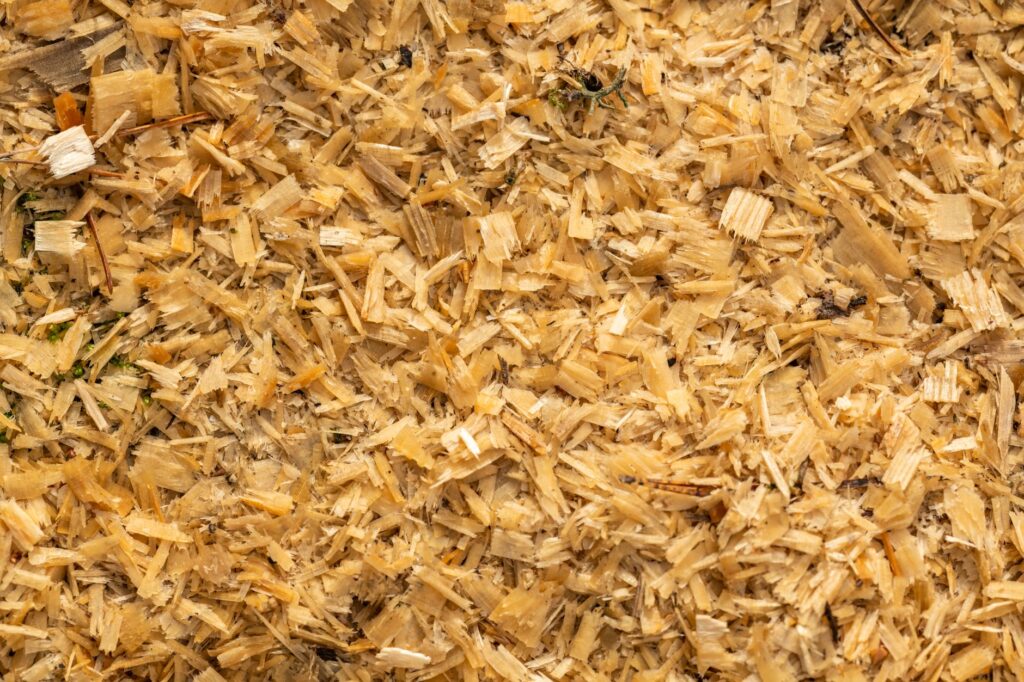
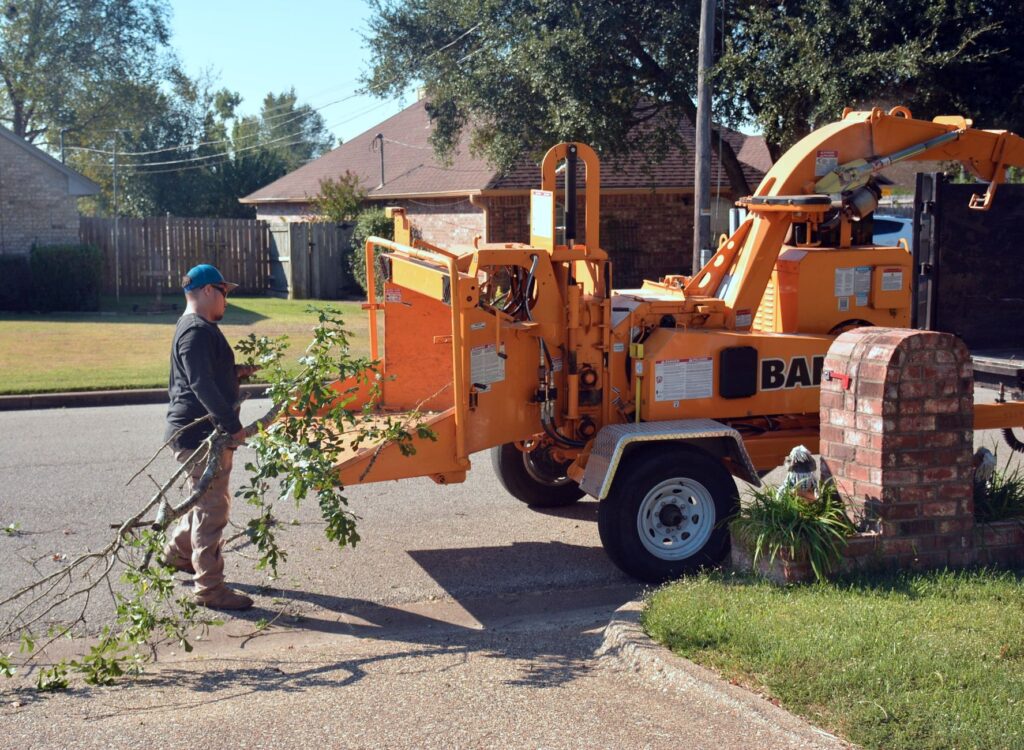
Every fall and winter, a familiar scene plays out along Middletown streets: a tree crew finishes a job, the chipper runs for a few more minutes, and a pile of fresh, fragrant wood chips is left in the driveway or offered to whoever wants them. For a homeowner staring at bare garden beds in November, a free load of mulch sounds like an easy win. Often it is. But chips are not all the same, and the pile steaming at the curb may be something quite different from the bagged product on a garden center shelf.
Arborist chips are a mixed product. They are made from whatever came down that day: branches, trunk sections, leaves, twigs, sometimes vines. A load from a healthy red maple prune looks nothing like a load from a decaying, fungus-ridden oak. Understanding what is in the pile, and what it can do around the trees you care about, is the difference between a good soil amendment and an expensive mistake.
This guide walks through what fresh chips really are, why they help trees, where they can cause trouble, and how to spread them so a Middletown yard benefits. Late fall is actually a good time to think about it, since roots stay active in cool soil well after the leaves drop.
Why Wood Chips Are So Good for Tree Roots
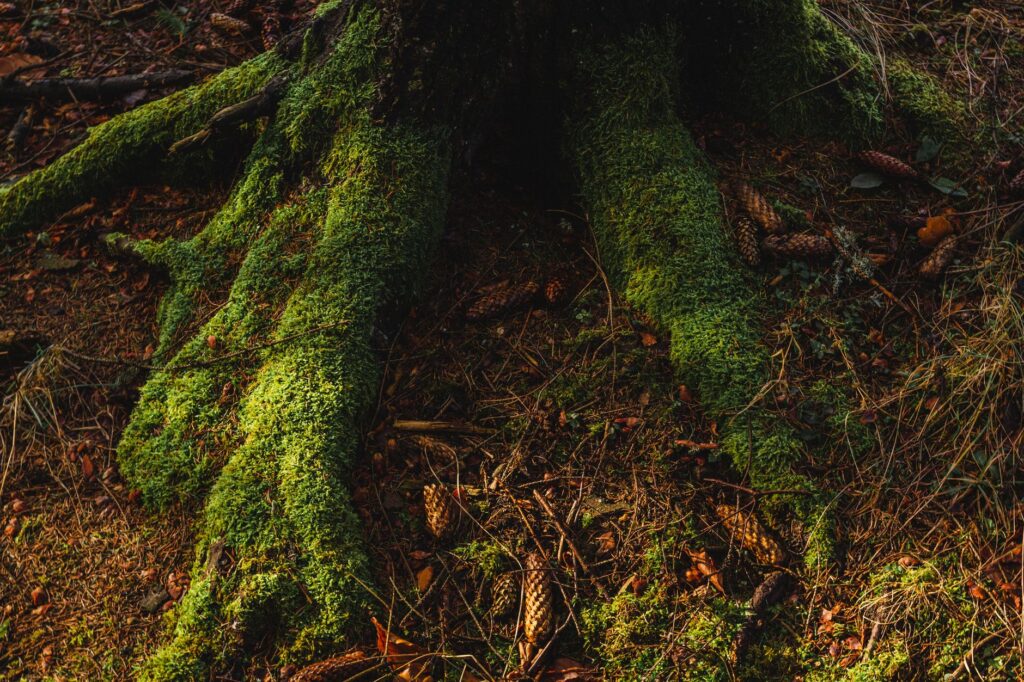
Forest trees never see bare soil. Leaves, twigs and rotting wood pile up on the ground and form a spongy layer that holds moisture, buffers temperature and feeds the organisms that feed the tree. A ring of wood chips imitates that layer. According to the mulching guidance from the International Society of Arboriculture, a proper mulch layer conserves soil moisture, moderates soil temperature, reduces competition from turf and weeds, and adds organic matter as it breaks down.
Those benefits matter in Middletown for specific reasons. Clay-loam soils inland compact easily under foot traffic and mowers, and a chip layer takes the pounding instead of the soil. Sandier ground near the Bayshore drains fast, so mulch that slows evaporation helps young trees survive dry spells. Chips also keep a mower and string trimmer away from the trunk, which prevents one of the most common wounds on suburban trees.
Wood chips are also gentler on soil biology than many dyed or heavily processed mulches. Fungi and bacteria colonize the chips slowly, and earthworms pull the finished material down into the topsoil. Over a few seasons, the ground under a chip ring becomes darker, looser and richer than the lawn around it.
The Nitrogen Myth and What Actually Happens in the Soil
One of the most repeated worries about fresh chips is that they will steal nitrogen from the soil and starve the tree. The worry has a grain of truth. Microbes that break down wood do use nitrogen, and if you dig fresh chips into a vegetable bed, the seedlings can yellow for a while. That is why gardeners are told to keep raw wood out of the planting zone of annual crops.
Spread on the surface around an established tree, the picture changes. The decomposition happens at the boundary between the chips and the soil, in just the top fraction of an inch. Tree roots feed deeper than that, and the nitrogen tie-up stays largely in the mulch layer rather than reaching the root zone. Extension guidance such as the Rutgers NJAES mulch fact sheet treats surface-applied wood mulch as a standard, beneficial practice for trees and shrubs when it is applied at the right depth.
The practical rule is simple. Use fresh chips on top of the soil around trees, shrubs and perennial beds. Do not till them in. If you want chips for vegetable garden paths, fine, but leave the planting bed itself alone until the wood has aged for a year or so.
Middletown's #1 Tree Expert Company
FREE Inspection & Estimate | Certified Arborists | Trimming, Pruning, Removal, More!
Sponsored
What Is Really in the Pile: Species, Disease and Walnut Warnings
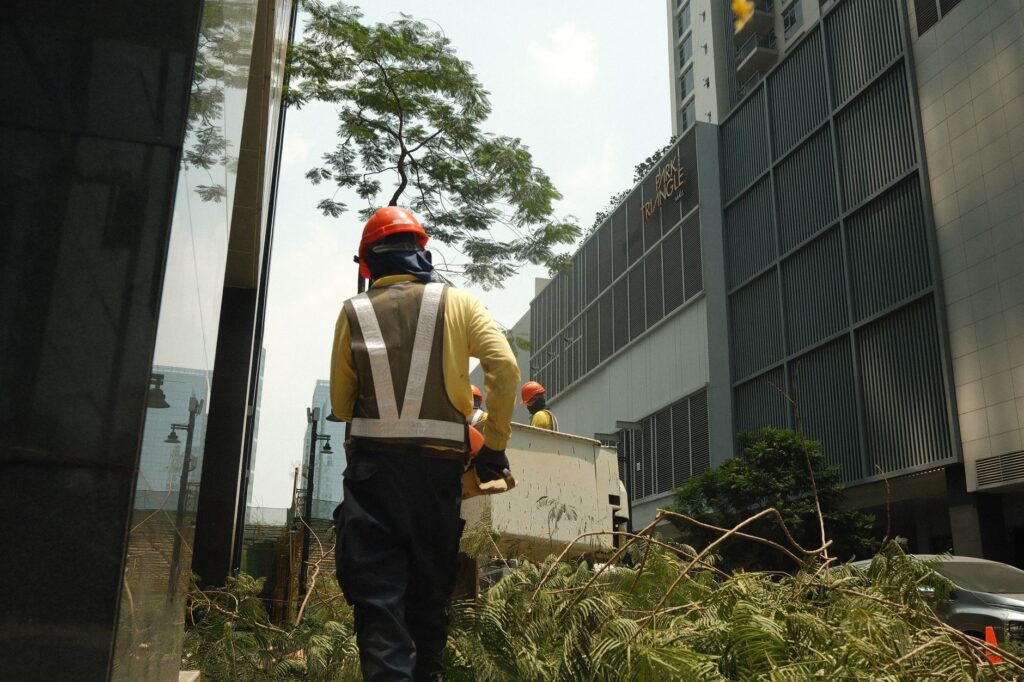
Because arborist chips are a grab bag, it pays to ask the crew what they were cutting. Chips from healthy trees are almost always fine. Chips from trees that were removed for disease deserve more caution. Material from a tree killed by a root rot, canker or wilt can carry fungal spores, and while the risk to a healthy neighboring tree is usually low, it is not zero. Avoid putting chips from a diseased tree around the same species, and when in doubt, ask.
Insect pests are another consideration. Invasive insects such as emerald ash borer and spotted lanternfly have shaped how New Jersey handles moving wood, so never accept logs or large chunks of wood alongside the pile and carry them to a new area as firewood. The USDA Forest Service urban forestry program tracks the major invasive pests and the guidance that surrounds them, and it is worth a look before you move any raw wood off a job site.
Black walnut deserves its own warning. Walnut roots and wood produce juglone, a compound that can stunt tomatoes, azaleas and some other plants. Walnut chips are best kept away from the vegetable garden and ornamental beds. Poison ivy is the other classic hitchhiker: chips made from vine-covered trees can still carry the irritating oils, so wear gloves and long sleeves when handling a pile of unknown origin.
How Deep, How Wide and How Close to the Trunk
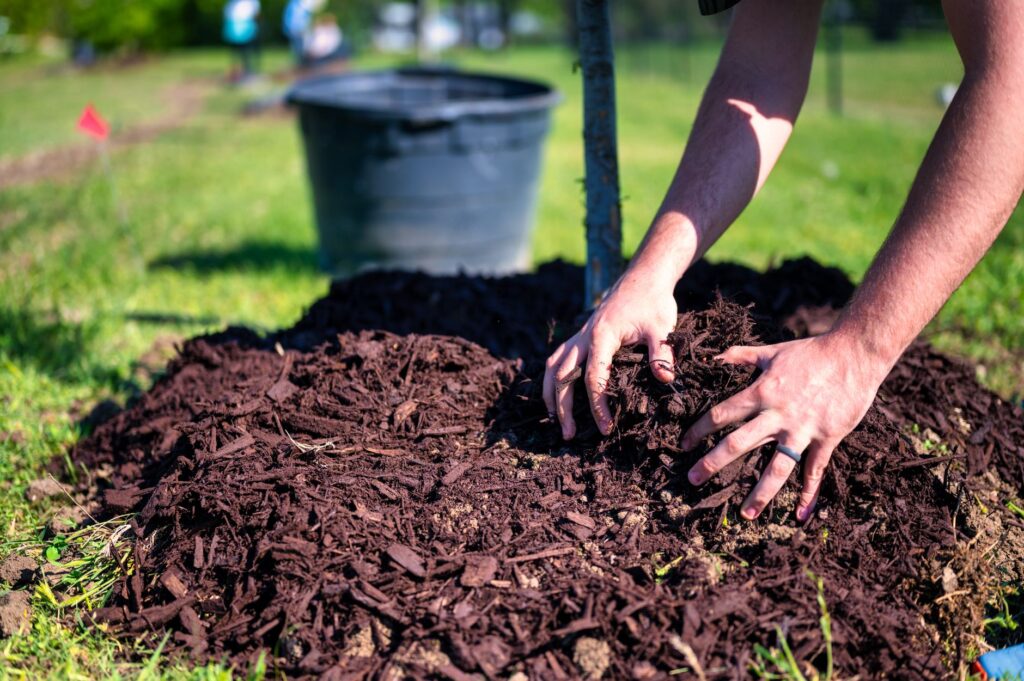
Even the best chips can hurt a tree when they are piled wrong. The classic mistake is the mulch volcano, a cone of material heaped against the trunk. Constant moisture against bark invites rot, hides girdling roots, and gives voles and mice a sheltered place to chew through the bark over the winter. A pile that looks tidy from the street can be quietly damaging the tree it surrounds.
The standard guidance is consistent across the International Society of Arboriculture and university sources: spread chips about two to four inches deep, widen the ring as far as you can manage, and pull the material back so that the trunk flare stays exposed. A few inches of bare space at the base of the trunk is plenty. On a young tree, a ring at least three feet across is a good start. On a mature oak, the more of the root zone you cover, the better.
Keep the layer even. Thick patches of six inches or more can smother shallow roots, especially in the heavier soils found inland, where drainage is already slow. If you have an older bed that has grown too deep over the years, rake it back and thin it out rather than adding another fresh layer on top.
Timing, Delivery and Handling Tips for Middletown Yards
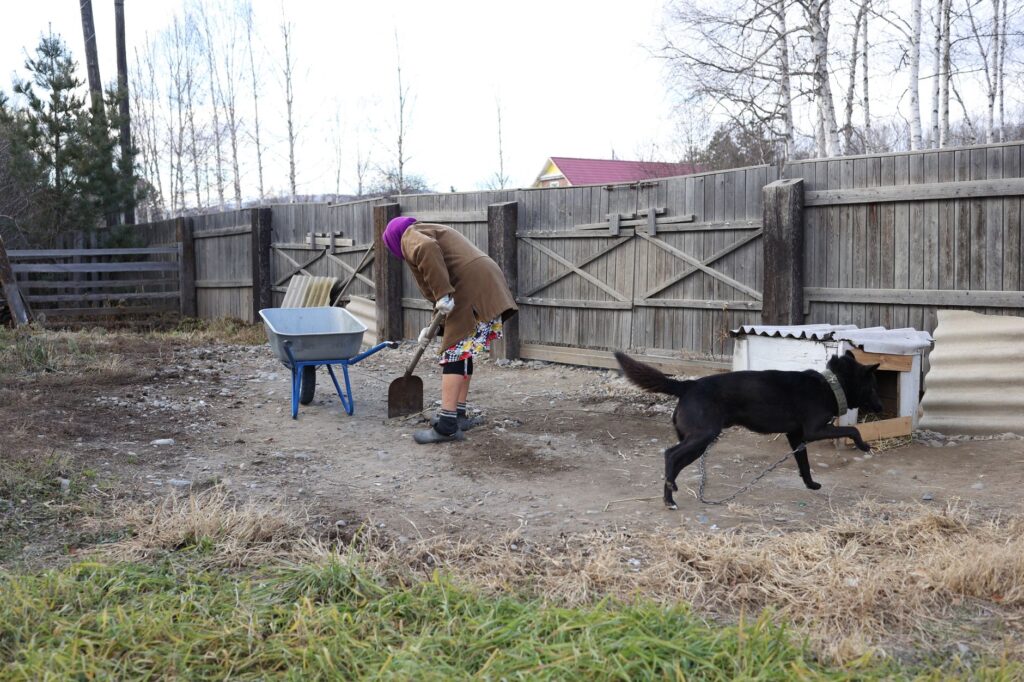
Fresh piles generate heat. A big mound of chips left sitting for weeks can get hot inside, develop a sour smell, and in extreme cases even smolder. Move a delivery within a week or two, and keep it away from the house, decks and any wooden structure. Spread it in thin layers rather than leaving a single heap.
November is a reasonable time to mulch. The soil is still warm enough for roots to take advantage of the moisture retention, and a fresh layer helps moderate the freeze and thaw swings that stress shallow roots through a New Jersey winter. If the ground is already frozen, the chips will still do their work, but wait for a thaw to rake out the details around the trunk.
If you do not need the whole load, consider sharing it. Neighbors are often glad to take a few wheelbarrow loads, and the Monmouth County Park System is a useful starting point for learning about local green spaces. Whatever you do not use, do not dump it into a wooded lot or stream corridor, where it can smother native plants.
Middletown's #1 Tree Expert Company
FREE Inspection & Estimate | Certified Arborists | Trimming, Pruning, Removal, More!
Sponsored
When Mulch Questions Point to a Bigger Tree Problem
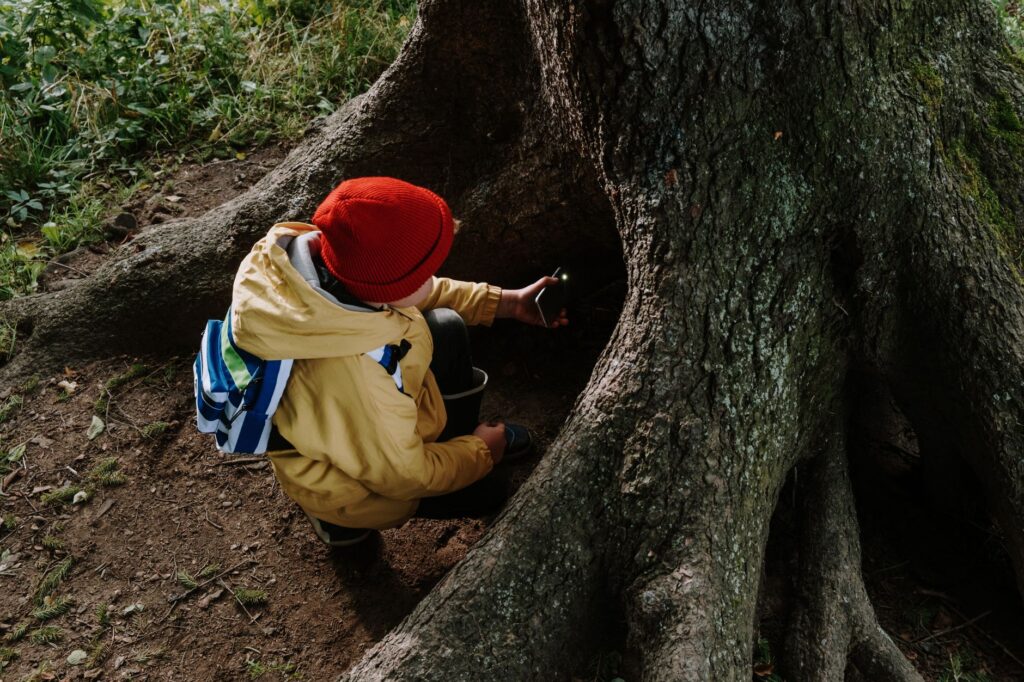
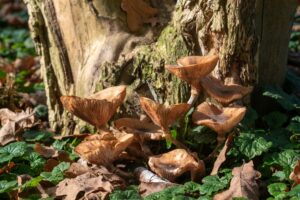
Sometimes the reason a homeowner starts thinking about mulch is that something looks wrong: bare soil exposing surface roots, a trunk with a sunken base, thin canopy, or mushrooms ringing the base. Mulch can improve conditions, but it cannot fix structural defects or established decay. If a tree is leaning, has cracks at the base, or shows a sudden change in canopy density, a certified arborist should look at it before you invest in a new bed.
The same goes for any tree near a house, driveway or power line. A free pile of chips is a nice perk, but it is not a substitute for a professional assessment of whether a tree is safe. An ISA certified arborist can tell you whether the roots are healthy under an old mulch layer, whether soil has been piled too high, and whether a pruning or removal plan makes sense before winter storms arrive.
Used well, free wood chips are one of the best things a Middletown homeowner can do for a tree. Keep them shallow, keep them off the trunk, know what is in the pile, and call a certified arborist when the tree itself, not just the bed around it, raises questions.
Photo credits: Featured image by NSU MON on Pexels; Section 1 by Petr Ganaj on Pexels; Section 2 by Timotei Dumbrăveanu on Pexels; Section 3 by John Robertson on Pexels; Section 4 by Grace on Pexels; Section 5 by Alfo Medeiros on Pexels; Section 6 by Ivan Babydov on Pexels; Section 7 by cottonbro studio on Pexels.