
Middletown's #1 Tree Expert Company
FREE Inspection & Estimate | Certified Arborists | Trimming, Pruning, Removal, More!
Sponsored
Why a Shovel Is the Most Dangerous Tool Near a Tree
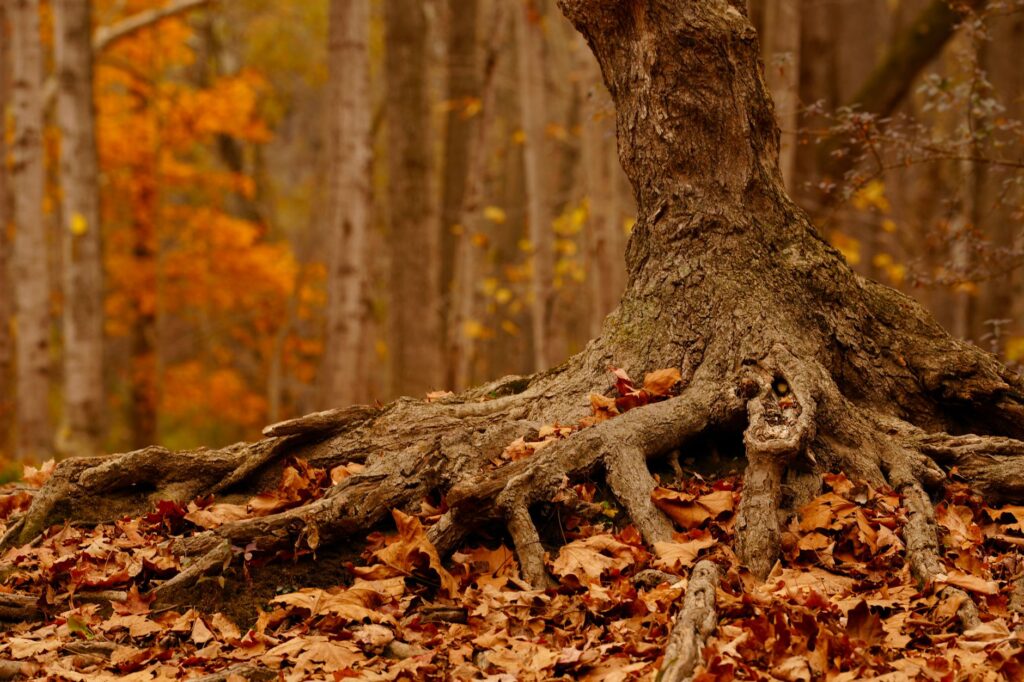
Ask a Middletown homeowner what hurts a tree and the answers come quickly: storms, borers, a bad prune. Far fewer people name the quiet one, which is digging. A new fence line, a trench for a sprinkler or a gas line, a patio base, a pool excavation, even a weekend of planting beds can slice through more roots than the tree can afford to lose. Nothing falls over that afternoon, so the damage goes unnoticed.
That delay is what makes it so costly. The International Society of Arboriculture notes that construction injury may take many years to show and can be deadly, because small injuries accumulate until the tree slides into a decline that is hard to reverse. Its overview of how construction damages trees lists root damage, soil compaction and trunk wounds among the main causes.
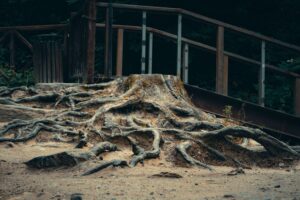
Most of the roots that feed a tree sit in the top foot or two of soil, spread far wider than the canopy. A single trench can cut a pie slice out of that network in minutes. The rest of this article walks through how to dig near a tree with some care, and how to find out what is already buried before the first blade goes in.
Where the Roots Actually Are
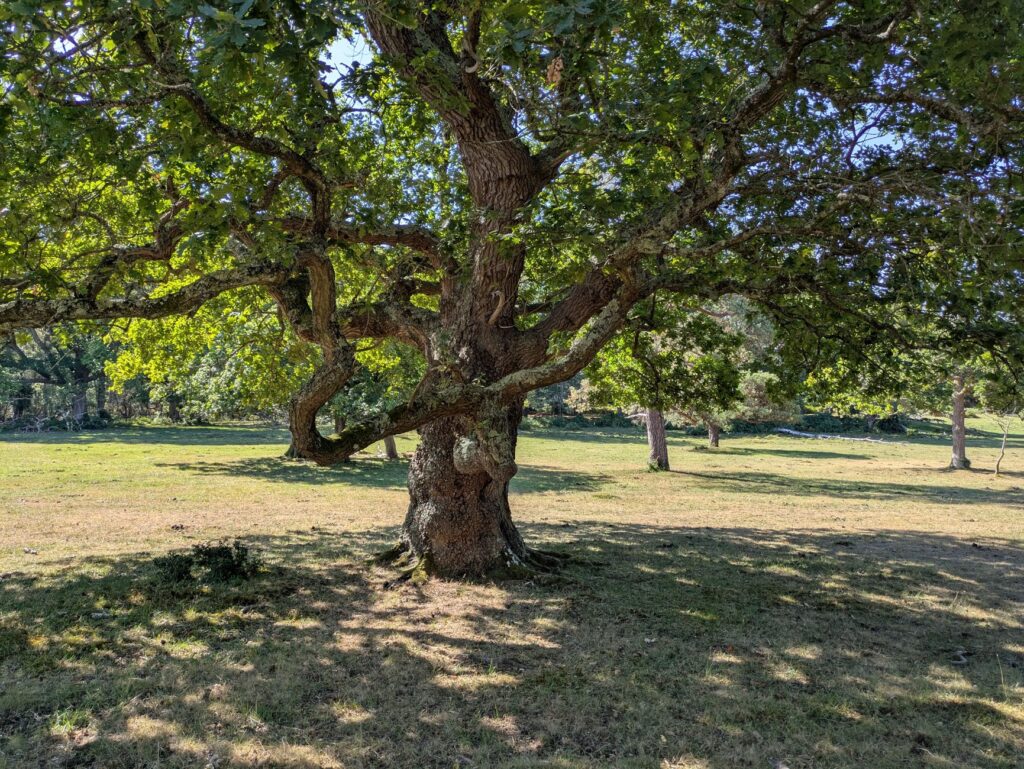
The most common mistake is measuring the root zone by the trunk. Roots do not stop at the drip line, the circle on the ground under the outermost branches. They commonly reach well past it, and in the sandy and clay-loam soils across Middletown Township they spread outward rather than down, because oxygen and moisture are concentrated near the surface.
Arborists describe a smaller area called the critical root zone, the portion of the root system essential to the tree’s health and stability. The ISA’s guide to avoiding tree damage during construction recommends having an ISA Certified Arborist define a tree protection zone early, with specific limits on activity inside it. That is professional language, but the homeowner version is easy enough: the bigger the trunk, the farther away your digging should stay.
A rough field rule many arborists use is to allow about one foot of distance from the trunk for every inch of trunk diameter, measured at chest height. A 20 inch white oak (Quercus alba) therefore has a sensitive zone reaching roughly 20 feet out. That is a rule of thumb, not a guarantee, and species, soil and site history all shift it. It does show how little room a typical suburban lot leaves between a big tree and the work.
Call 811 Before Any Digging, Including Yours

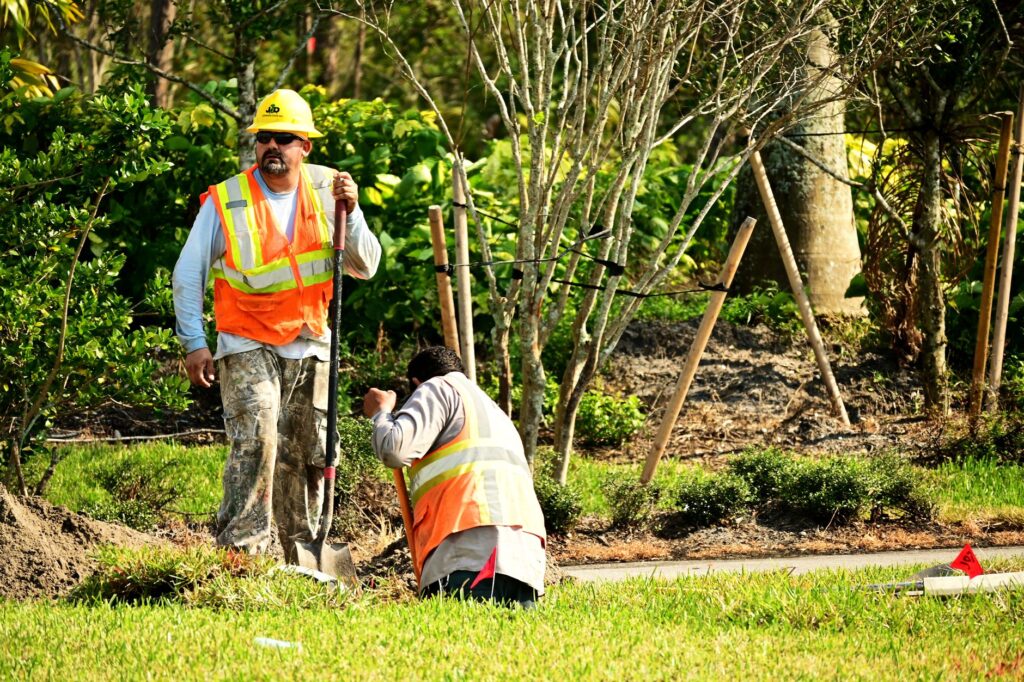
Before any root question, there is a safety one. Gas, electric, water, sewer and communications lines run under many Middletown yards, and a shovel or a post-hole digger can find them. New Jersey’s one call system is reached by dialing 811, and the call is free for homeowners as well as contractors. Utilities then send crews to mark the approximate location of their lines with paint or flags. The mark-out takes a few business days, so call well ahead of the day you plan to dig and ask what notice period applies when you call.
The same call helps the tree. Once you know where the lines run, you can route a trench, a fence or a patio around a major root zone rather than through it, and you can avoid the worst case where a utility crew later digs a repair trench through your tree’s root plate. The ISA’s guidance on tree and utility conflicts points out that underground lines eventually need repair or replacement, and the excavation for that work can harm or even kill trees. Planning around the lines now saves the tree from that later surprise.
Remember that the mark-out shows where utilities are, not where the roots are. Paint on the lawn says nothing about the tree, so the root questions still need your own attention.
Middletown's #1 Tree Expert Company
FREE Inspection & Estimate | Certified Arborists | Trimming, Pruning, Removal, More!
Sponsored
How Many Roots Can a Tree Lose?
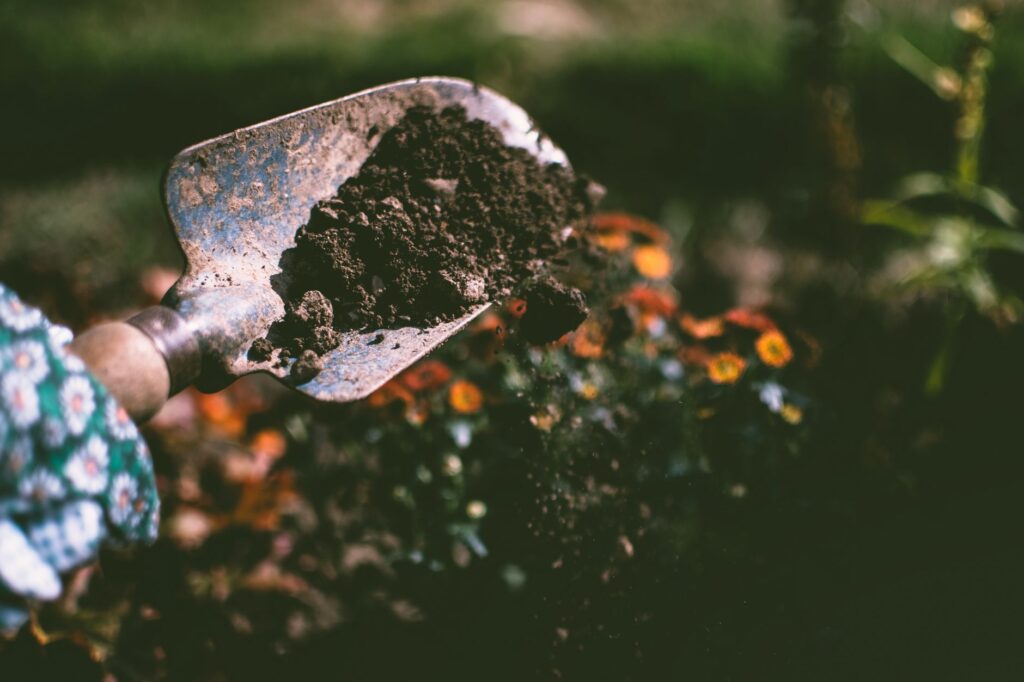
There is no single safe number, and anyone who quotes one confidently is guessing. Tolerance depends on the species, age, vigor, soil and how the cuts are made. Oaks and many maples tolerate some loss better than beech, tulip tree or dogwood, which resent disturbance. A young, vigorous tree recovers more easily than a stressed one near the end of its lifespan.
What matters just as much as how many roots is which roots. Cutting small, fibrous feeder roots far from the trunk hurts less than severing a large structural root close to the trunk. Large roots hold the tree upright, and a deep cut on one side can leave a tree with a lean or a failure risk that only shows up in a coastal windstorm. Roots torn or crushed rather than cleanly cut heal poorly and invite decay.
- Dig by hand within the sensitive zone rather than using a trencher or mini excavator.
- Make clean cuts with sharp pruners or a saw if a root has to go, never ripping or tearing it.
- Leave large roots alone whenever the trench can bend around them.
- Do not dig on more than one side of the trunk if you can avoid it.
If a project would cut roots thicker than a few inches near the trunk, that is the moment to stop and get an arborist’s assessment rather than hope.
Fences, Patios, Pools and Sprinklers: Safer Ways to Do Each
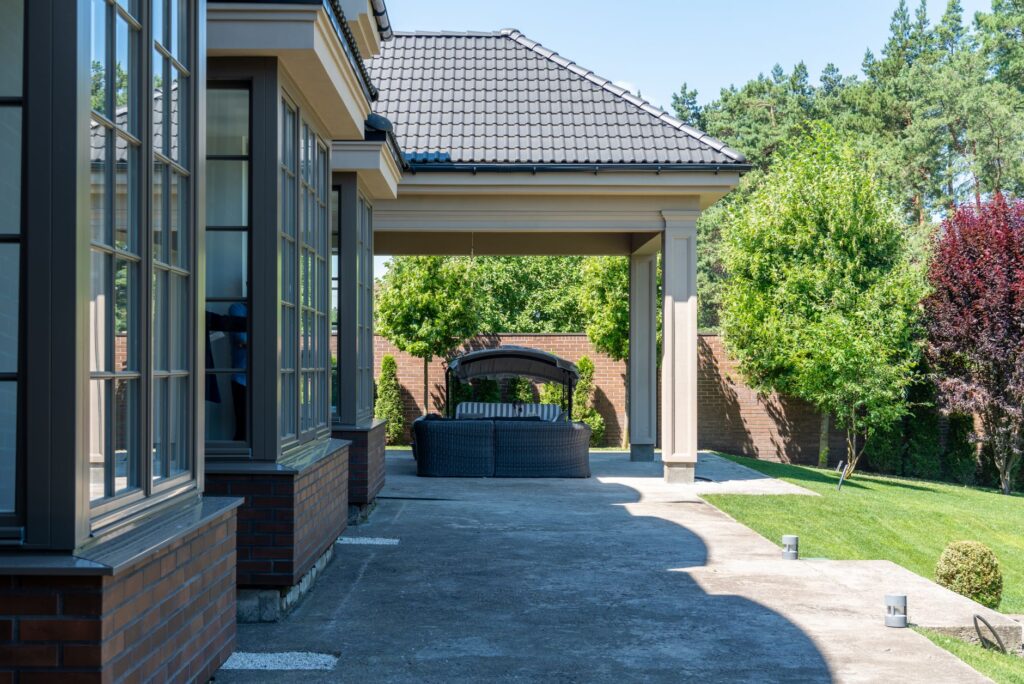
Each common project has a gentler method. For fences, post holes dug by hand can be shifted a few inches to miss a major root, and a fence can be built with spacing that lets a growing trunk and root flare pass through rather than forcing every post into a fixed line. Pier or helical footings that disturb less ground may suit a tight spot.
For patios and walkways, avoid stripping the lawn and grading down near the trunk. Adding or removing soil within the root zone can damage roots, as the ISA warns, and even an extra few inches of fill can suffocate the root collar. A raised walkway on a permeable base, or pavers set on a thin layer without deep excavation, are kinder to nearby roots than a poured concrete slab with a compacted base.
Pools and large additions are another scale of problem. Heavy equipment compacts the soil, and compacted soil slows root growth and limits water and oxygen. Tracks, trucks and stockpiled materials all do the same damage whether they sit over the roots for a day or a month. Fencing off a protection zone before work begins is one of the cheapest steps in the whole project.
For irrigation, lay lines where roots are sparse and use hand tools or a narrow trench, running lines in a radial pattern rather than in a circle that would cut every root as it goes around the tree. Your township’s website, at middletownnj.org, is the place to check whether a project needs a permit or whether tree rules apply to your lot.
Warning Signs Your Tree Is Struggling After Digging
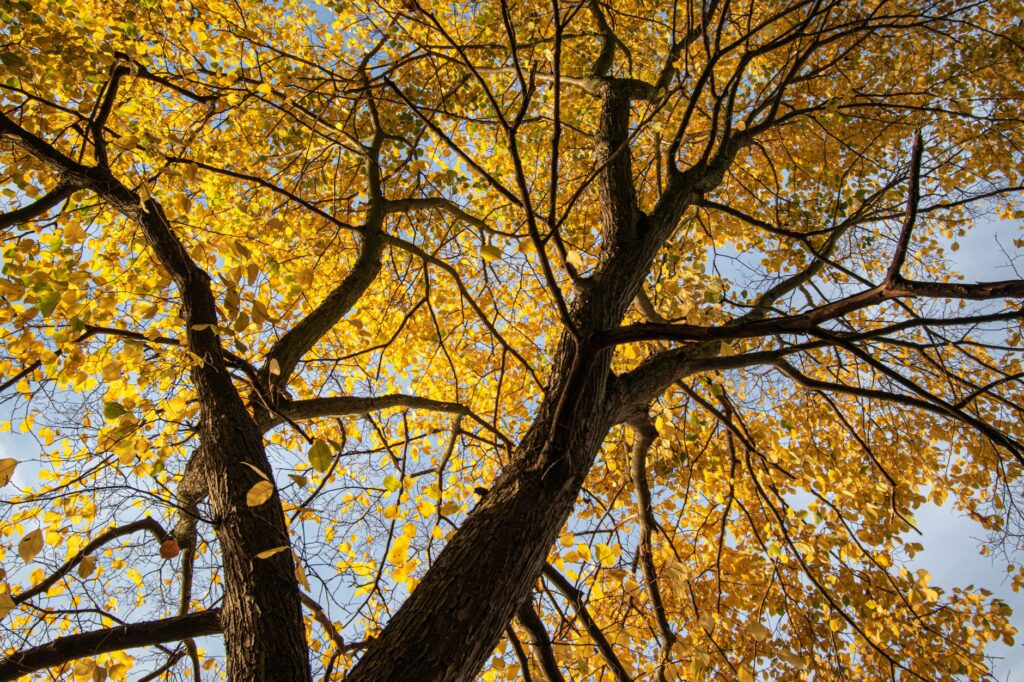
If the work has already been done, watch the tree closely for the next two or three growing seasons. Symptoms often appear slowly: smaller than normal leaves, thin or off-color foliage, early fall color, dieback at the tips of branches, or an unusually heavy crop of seeds or acorns as the tree tries to reproduce while stressed. On the Bayshore, the added stress of salt spray and wind can make these signs show up sooner.
Structural warning signs matter just as much. A new lean, soil lifting or cracking on one side of the trunk, or fungal growth near the base can mean roots are failing. A tree that looked fine in July and tips in a November nor’easter may have lost its anchor roots to a trench dug two summers earlier. Hazard assessment of this kind is a job for a certified arborist, and the US Forest Service’s urban and community forestry program is one place to read about why the health of city and suburban trees matters to whole neighborhoods.
The best things you can do for a stressed tree are not dramatic. Water deeply during dry spells, keep a wide mulch ring that is not piled against the trunk, avoid fertilizing a stressed tree unless a test shows a need, and give it time. Recovery is measured in years.
Middletown's #1 Tree Expert Company
FREE Inspection & Estimate | Certified Arborists | Trimming, Pruning, Removal, More!
Sponsored
Summary: Plan the Dig Before You Plan the Project

Digging near a tree is not forbidden, but it works best when planned. Dial 811 first and let the utilities mark their lines. Estimate where the critical roots run, using trunk diameter as a guide. Keep heavy equipment and stockpiles off the root zone, dig by hand where the roots are thick, and cut cleanly when a cut cannot be avoided.
The decisions that matter most come before the first shovelful: where the fence goes, how deep the patio base is, which way the irrigation line runs. A few feet of adjustment on paper can save a tree that took sixty years to grow. If a project will touch the root zone of a large or valuable tree, ask a certified arborist to look at the plan before the work starts, since they can define a protection zone and suggest alternatives at a point when changes are still cheap.
Photo credits: Featured image by Nelson Axigoth on Pexels; Section 1 by Lovedeep Singh on Pexels; Section 2 by David Allen on Pexels; Section 3 by Mark Agard on Pexels; Section 4 by Lisa Fotios on Pexels; Section 5 by Max Vakhtbovych on Pexels; Section 6 by Karolina on Pexels; Section 7 by RDNE Stock project on Pexels.