
Middletown's #1 Tree Expert Company
FREE Inspection & Estimate | Certified Arborists | Trimming, Pruning, Removal, More!
Sponsored
Why October Pruning Quietly Costs You Next Spring's Flowers
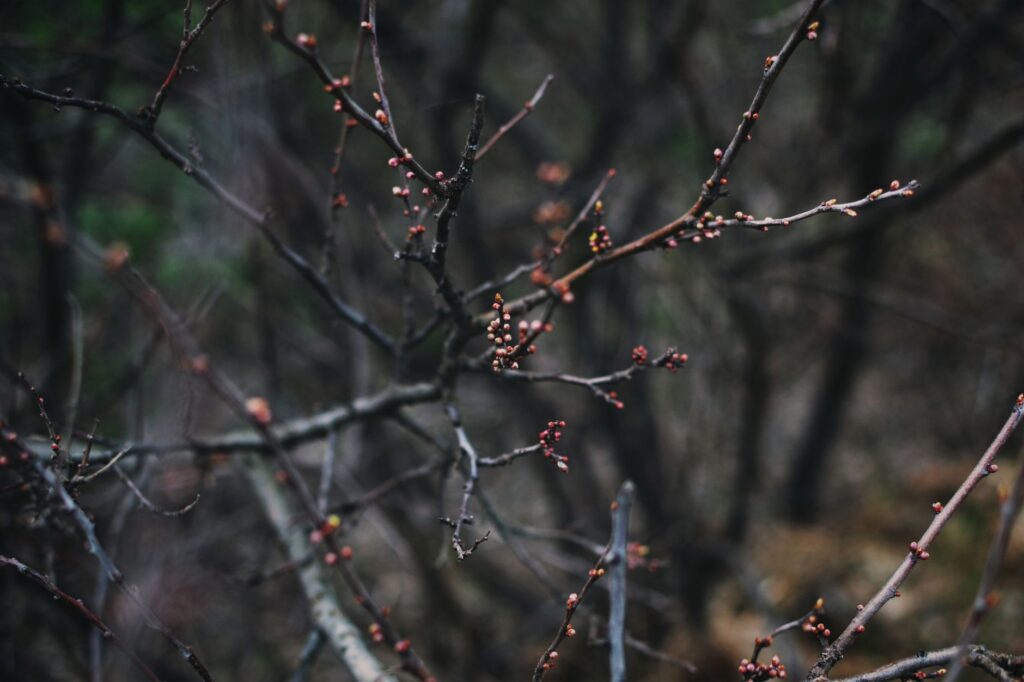
Every October, a certain kind of Middletown homeowner walks the yard with loppers in hand. The leaves are coming down, the weather finally feels like working weather, and the flowering dogwood by the front walk looks a little scraggly. It seems like the perfect time to tidy up. The tree, however, has been busy since midsummer, and what looks like a stray twig today may be the very spot where next May’s blossoms are already waiting.
Here is the part that surprises people: most of the spring-flowering trees you see around the Bayshore, from dogwoods and redbuds to crabapples, cherries, and magnolias, set their flower buds the previous summer. By the time the leaves drop in a Monmouth County fall, those buds are fully formed, tightly wrapped, and sitting on the branches until warm weather unlocks them. Cut the branch, and you cut the show.
This guide walks through how to tell which trees are on that schedule, why timing matters for the tree’s health as well as its looks, and how to prune a flowering tree without sacrificing either one. If you have ever wondered why a neighbor’s crabapple is covered in pink while yours produced three sad flowers, the answer may be a pair of pruning shears and a calendar.
Spring Bloomers Set Their Buds Months in Advance
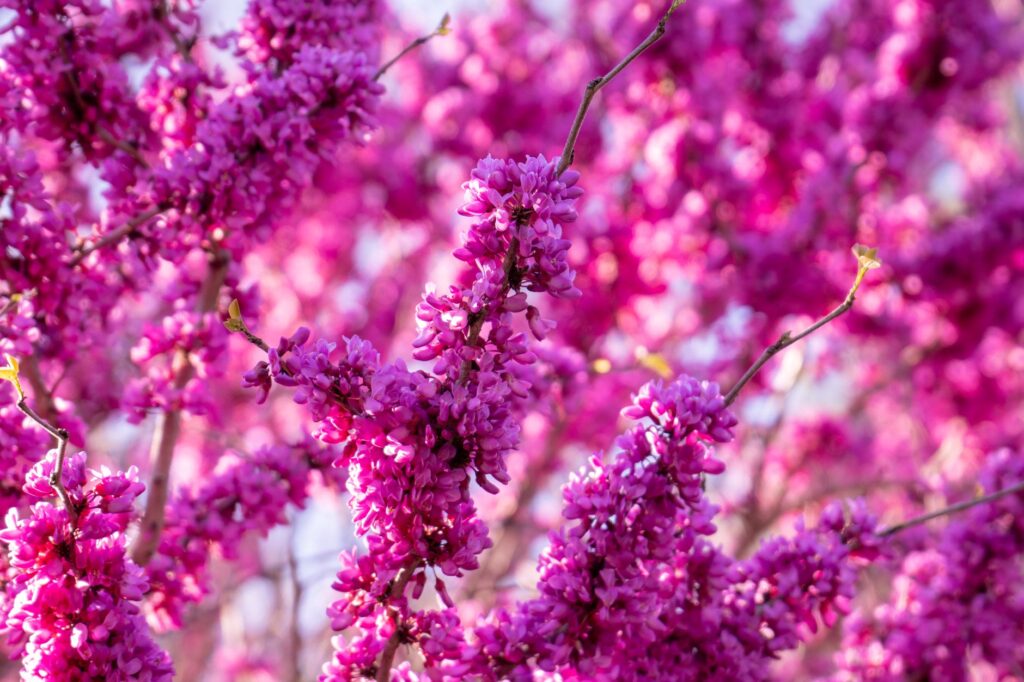
Botanists divide flowering trees into two broad camps, and the camp your tree belongs to decides when you can safely prune. The first camp blooms on old wood. These trees form flower buds on last year’s growth, usually in late summer, and carry them through winter. The second camp blooms on new wood, producing buds on growth that emerges in the same season they flower. Pruning rules are nearly opposite for the two groups, which is why a one-size-fits-all calendar fails so often.
In Middletown yards, the old-wood group includes most of the trees people plant for spring color:
- Flowering dogwood (Cornus florida) and kousa dogwood
- Eastern redbud (Cercis canadensis)
- Ornamental crabapples and flowering cherries
- Star and saucer magnolias
- Serviceberry and fringetree
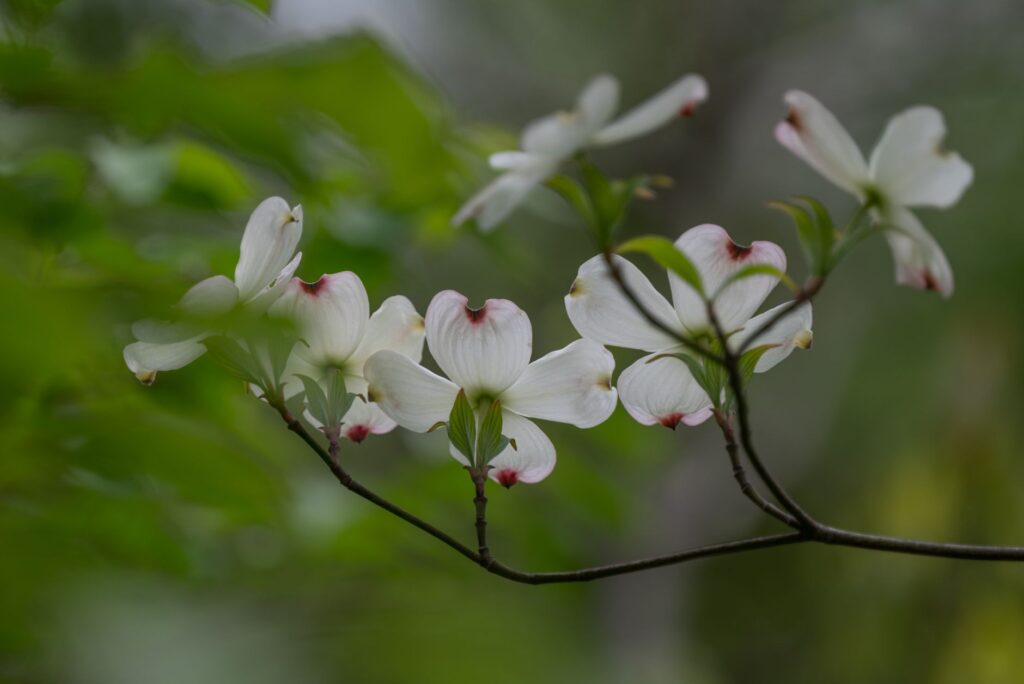
On these trees, the plump, rounded buds near branch tips are usually flower buds, while the slimmer, pointed buds are leaf buds. Once the foliage falls, you can often tell them apart from the ground. A dogwood, for example, carries tiny button-shaped flower buds at the end of each twig through the entire winter. Remove the twig tip, and you have removed the flower.
New-wood bloomers are less common in this part of New Jersey, but they include summer-flowering species like crape myrtle in sheltered yards and smooth hydrangea in the understory. Those can tolerate late winter cuts because the flowers are produced after the pruning wound has had a chance to start closing.
If you are not sure which camp your tree is in, the safest assumption for any tree that blooms before June is that it sets buds the summer before. The Rutgers New Jersey Agricultural Experiment Station publishes plant-specific guidance for the state, and it is a good place to confirm a species before you cut.
The Tree's Side of the Story: Wounds and the Fall Calendar
Flowers are only half of the argument against pruning too early or too late. The other half is the tree’s ability to seal a cut. Every pruning wound is an open door, and trees do not heal the way skin does. Instead they compartmentalize, walling off the damaged wood behind chemical and structural barriers so decay stays contained. That process depends on the tree having energy to spend, and the tree’s energy budget changes sharply across the season.
In early fall, a tree is still moving sugars from its leaves down into roots and stems for winter storage. That is a delicate transition, and large pruning cuts at this stage remove foliage that is still working. Late fall is a little better, but wound closure basically stops once temperatures fall, so a cut made in November sits exposed through the entire cold season before the tree can begin to respond in spring.
Fungal spores are also in the air during autumn. Many decay organisms release spores in the damp, cool weather typical of a Bayshore October, and fresh wounds on susceptible species such as crabapple and cherry give them an easy way in. A cut made at the wrong moment is not just a lost flower. It can become a long-term decay column that weakens a limb years later.
The International Society of Arboriculture’s tree owner guidance on pruning makes the same point plainly: the reason for each cut should be clear before the saw touches the branch, and timing is one of the biggest factors in how well a tree recovers.
Middletown's #1 Tree Expert Company
FREE Inspection & Estimate | Certified Arborists | Trimming, Pruning, Removal, More!
Sponsored
A Species-by-Species Guide for Middletown Yards
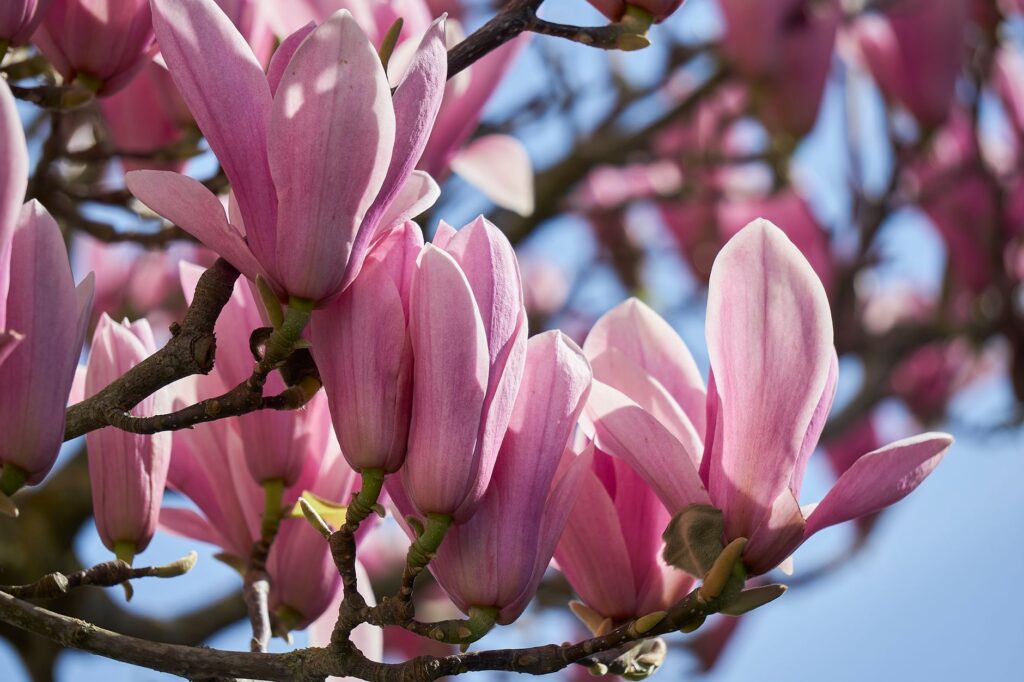
Because so many different trees share a Middletown streetscape, it helps to think through the common ones individually. None of these are rules carved in stone, since weather and tree condition always matter, but they describe the safest default timing for the area.
Dogwoods and redbuds. These understory trees rarely need much pruning at all. Remove dead wood and crossing branches right after the flowers fade in late spring, which gives the tree the whole growing season to heal. Avoid fall cuts entirely unless a limb is dead or hazardous.
Crabapples and flowering cherries. These are prone to fast-growing water sprouts and are also susceptible to fire blight and canker diseases. Prune soon after bloom, and prefer dry weather so wounds are not soaked with spores. Fall pruning is a particularly poor choice for them.
Magnolias. Magnolias dislike heavy pruning in any season, and their thick, fleshy roots and wood close wounds slowly. Make small cuts right after flowering and leave the rest of the tree alone.
Serviceberry and fringetree. Both are native and well suited to coastal New Jersey soils. They tolerate light thinning right after bloom and need little else.
If a species is not on this list, a quick look at its bloom time will tell you most of what you need. Bloom before June means prune right after flowering. Bloom in summer usually means prune in the dormant season.
What You Can Safely Cut This Fall
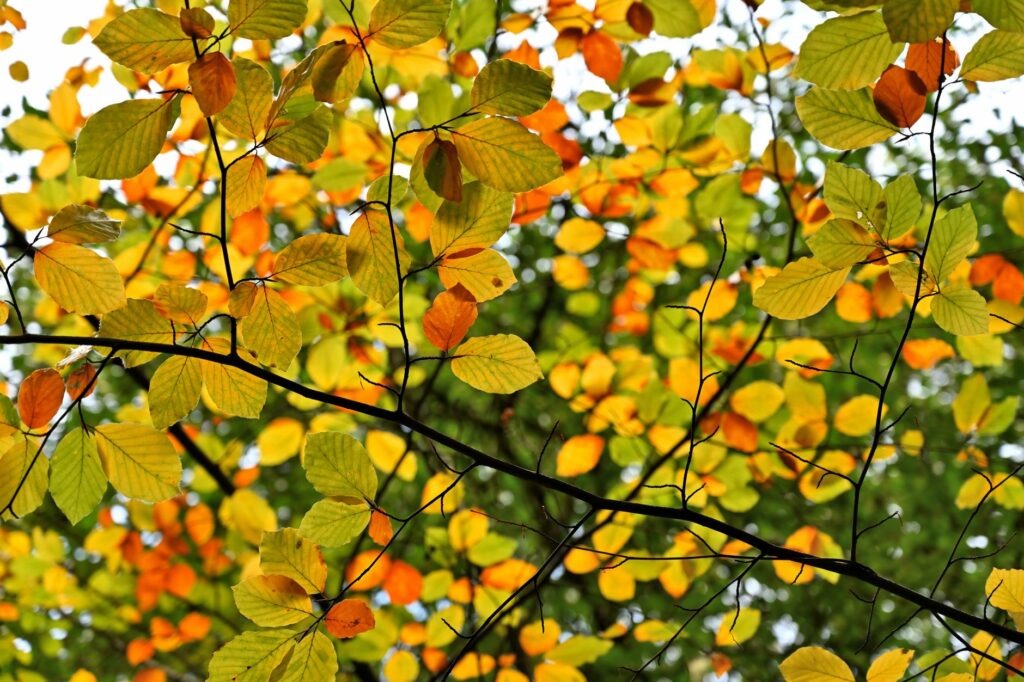
None of this means you have to ignore your flowering trees until May. There are a handful of cuts that make sense at any time of year, because the risk of leaving the problem in place is greater than the risk of the wound.
- Dead branches. A branch with no live buds and no green tissue under the bark is already gone. Removing it does not cost the tree anything and keeps decay from spreading from the dead stub.
- Broken or hanging limbs. Storm damage from a nor’easter does not wait for the pruning calendar. A torn limb should be cleanly removed back to the branch collar.
- Diseased wood. Cankered or blighted branches should come out as soon as they are identified, ideally in dry weather with disinfected tools.
- Hazards over structures. A large limb hanging above a roof or a driveway is a safety call rather than a cosmetic one.
For everything else, wait. If you want a clearer picture of what your tree needs, fall is actually a wonderful time to look without cutting. With the leaves down, the branch structure is fully visible. You can see crossing limbs, narrow crotches, rubbing branches, and deadwood that the summer canopy hides. Take photographs or make notes, then plan the work for late spring, right after the flowers fade, when the tree is ready to heal.
The ISA’s page on pruning mature trees is a useful reference for what is reasonable to remove and how much. A common guideline is to keep any single year’s removal under about a quarter of the live crown, and mature trees often need far less than that.
Common Mistakes That Cost Middletown Trees Their Blooms
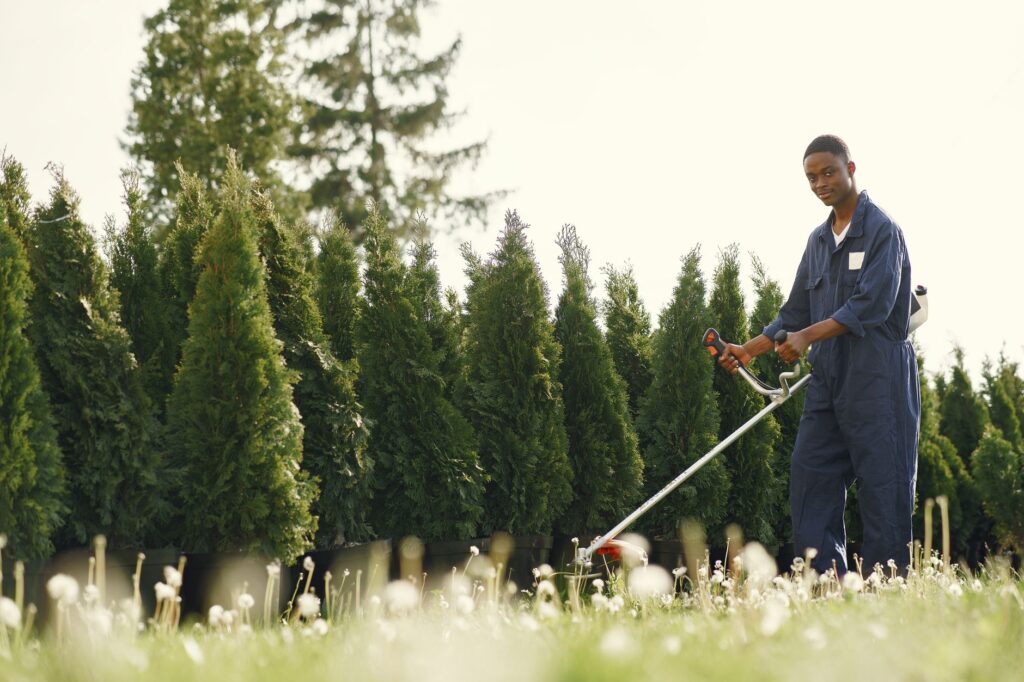
Over the years, the same handful of mistakes turn up again and again when a flowering tree stops blooming. Most of them trace back to good intentions.
Shearing instead of pruning. Cutting every branch tip to the same height with hedge trimmers removes the buds that would have flowered and encourages dense, twiggy regrowth that blooms poorly. Flowering trees should be thinned selectively, not sheared like a hedge.
Topping. Cutting a tree back to stubs to control its size may seem efficient, but it produces a burst of weak water sprouts and removes years of flower-bearing wood. It also creates large wounds that struggle to close. The same logic that applies to shade trees applies here.
Heavy fall fertilizer. Nitrogen in the fall can push soft growth that does not harden before frost and can reduce flower bud formation. If a tree needs feeding, a soil test is a far better starting point than guessing.
Assuming a tree is dying because it did not bloom. A poor bloom year can come from a late frost, a dry summer the year before, or too much shade as neighboring trees mature. Before blaming pruning, check for these other causes.
The USDA Forest Service maintains a helpful overview of urban and community forestry resources that cover tree care basics, including how pruning, fertilizing, and site conditions affect tree health over many years.
Middletown's #1 Tree Expert Company
FREE Inspection & Estimate | Certified Arborists | Trimming, Pruning, Removal, More!
Sponsored
When to Call a Certified Arborist

Most small flowering trees can be managed by a careful homeowner with sharp hand pruners and a little patience. Some jobs, though, are better handled by a certified arborist, particularly where safety, structure, or tree health is at stake.
Consider a professional assessment when:
- A limb is too large or too high to cut safely from the ground
- Branches are close to power lines, which are never a do-it-yourself zone
- A tree shows cankers, oozing sap, or sudden branch dieback and you are not sure of the cause
- You are weighing a major structural correction, such as reducing a heavy limb over the house
- A tree is old, valuable, or has been topped in the past and needs a rehabilitation plan
Look for someone credentialed through the International Society of Arboriculture, and ask them to explain how and when they would make each cut. A good arborist will talk about branch collars, timing, and how much live crown they plan to remove. Anyone who offers to top a tree or cut everything in a single visit is a red flag.
Remember that Middletown Township has its own rules about tree removal and permits, so it is worth confirming requirements on the township website before any major work on a significant tree.
In the end, the best pruning plan for a flowering tree is a calm one. Spend the fall looking and learning, mark the branches you would like to deal with, and then wait for the flowers to finish next spring. The tree will repay the patience with a better bloom, a stronger structure, and many more seasons in your yard.
Photo credits: Featured image by Chris F on Pexels; Section 1 by Darya Grey_Owl on Pexels; Section 2 by Duy Anh Nguyen on Pexels; Section 3 by Aurora Aguilar on Pexels; Section 4 by Richard REVEL on Pexels; Section 5 by Patrick Nizan on Pexels; Section 6 by Gustavo Fring on Pexels; Section 7 by Tima Miroshnichenko on Pexels.