
Middletown's #1 Tree Expert Company
FREE Inspection & Estimate | Certified Arborists | Trimming, Pruning, Removal, More!
Sponsored
A Different Kind of Storm Season Begins
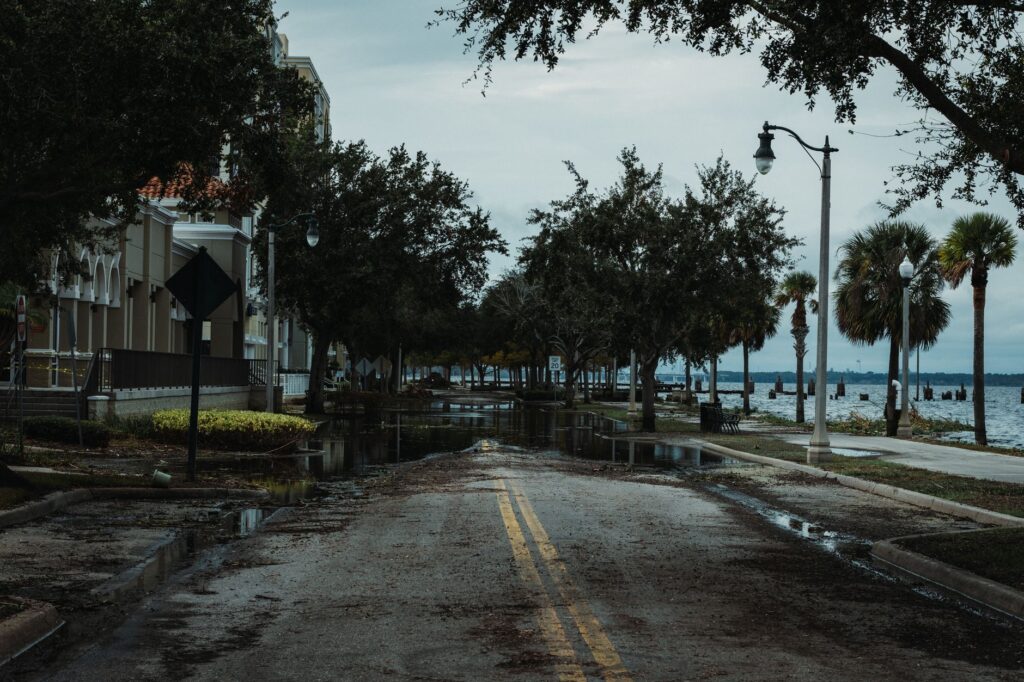
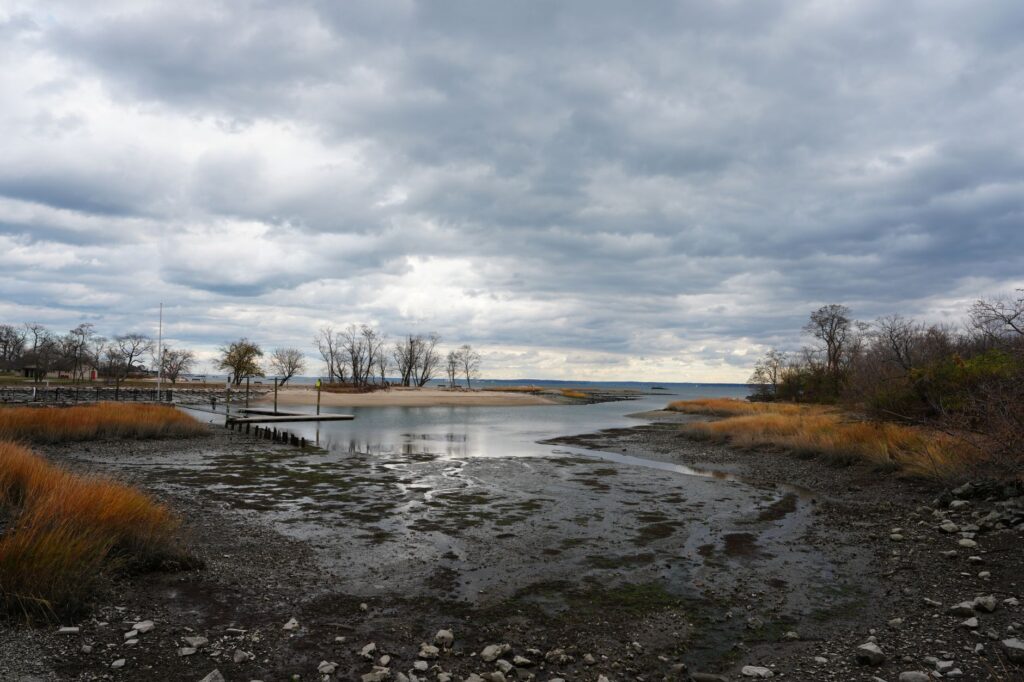
The nor’easter that soaked the Bayshore in late September gave Port Monmouth and Leonardo a preview of what’s coming. Gusts along the Jersey Shore pushed past 70 mph in the most exposed spots, streets flooded on the high tide cycles, and more than a few homeowners found limbs down the next morning that had sailed through every thunderstorm since May. That’s the pattern worth paying attention to as October settles in: the storms that threaten Middletown’s trees for the next six months are built differently than the ones that threatened them all summer.
A summer thunderstorm or a tropical system arrives fast, dumps its energy in an hour or two, and moves on. A nor’easter sits offshore, spins slowly, and can batter the same stretch of coastline for a day or more. For a tree, those are two very different mechanical problems, and the one that’s starting now is, in several specific ways, the harder one.
Why a Twelve-Hour Storm Is Worse Than a Two-Hour One
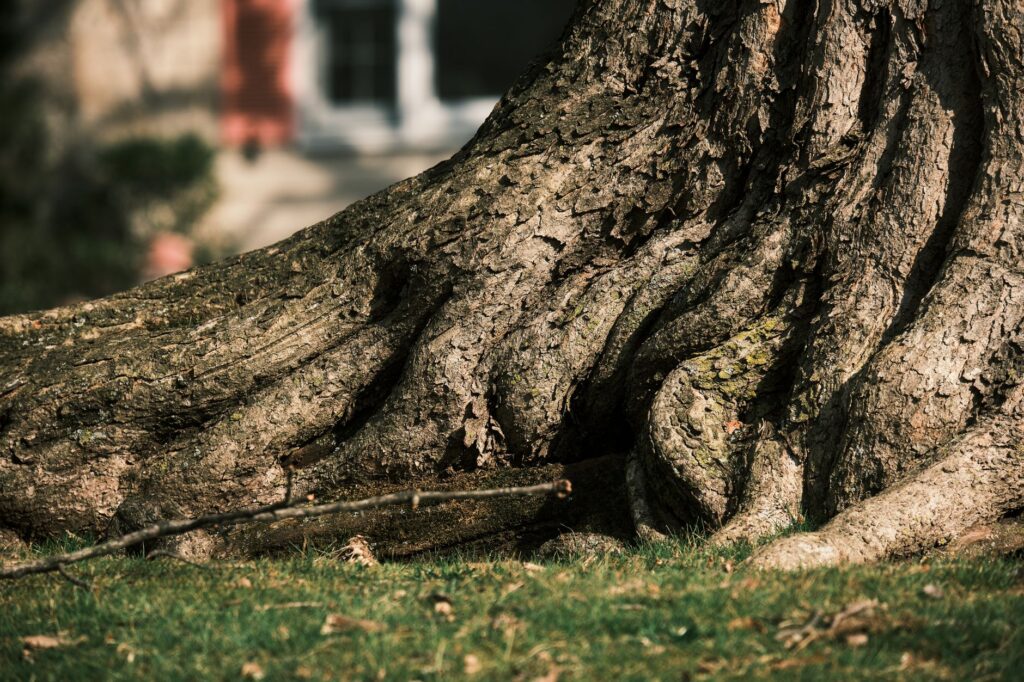
Wind doesn’t have to be especially strong to bring a tree down if it has enough time to work. A single hard gust tests a tree’s strength. Twelve or eighteen hours of sustained wind from the same general direction tests its endurance, and endurance is where saturated Bayshore soil starts to fail a tree that would have handled a short squall just fine.
Research on wind-related tree failure consistently points to duration and soil saturation as multipliers, not just wind speed on its own. Once the ground is fully waterlogged, the fine roots that normally grip the soil lose their purchase, and a tree can start to rock at the base long before the wind reaches damaging speeds. The USDA Forest Service’s overview of storm-related tree damage describes this combination of uprooting, breakage, and defoliation as the typical signature of a long-duration wind event, distinct from the sharp, localized damage microbursts and tornado-like winds cause in summer.
Middletown’s clay-loam soils hold water longer than the sandier ground, which is exactly why a nor’easter’s slow soak matters more here than a fast-moving July downpour ever does.
The Wind Direction Your Tree Was Never Built For
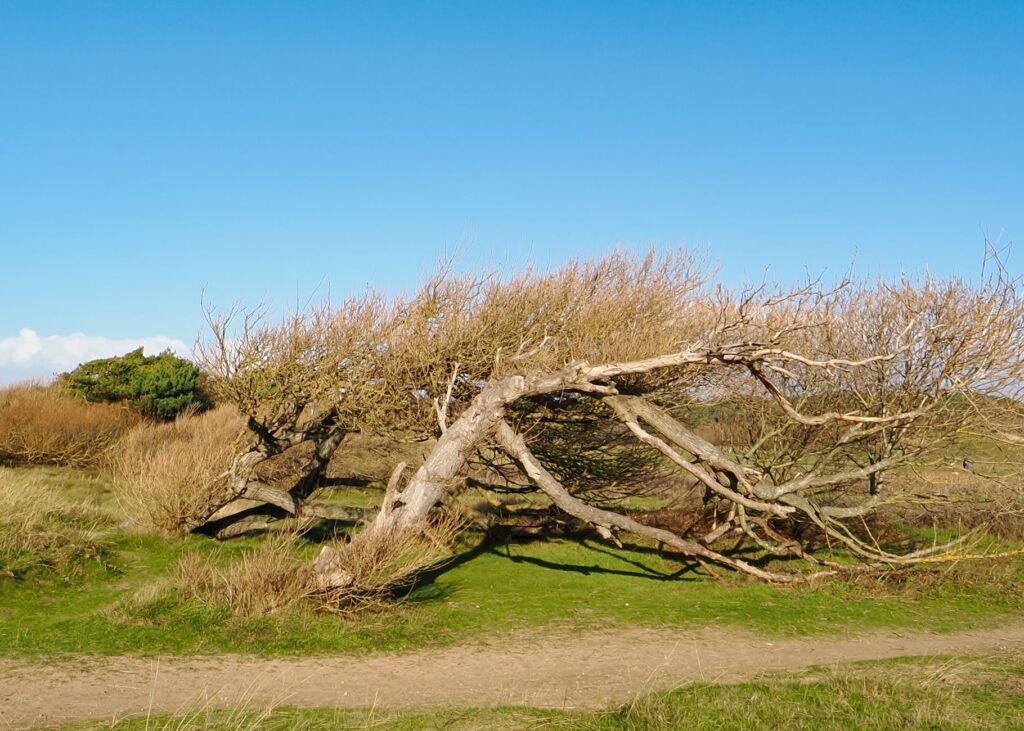
Trees are not symmetrical structures, even when they look it. Years of prevailing wind from the southwest shape a tree’s root plate, trunk taper, and branch architecture to resist pressure from that direction. Arborists sometimes call this wind firmness, and it’s a real, measurable adaptation: a tree literally grows reaction wood and thickens roots on the side that takes the most routine loading.
A nor’easter attacks from the opposite quadrant. Wind out of the northeast or east loads a trunk and root system from the side that’s had the least practice holding steady, which is part of why trees that shrugged off a summer squall can fail in a nor’easter with a lower peak wind speed. Along the Bayshore, this gets worse with open exposure. Yards in Port Monmouth, Leonardo, and parts of Belford that face Raritan Bay and Sandy Hook Bay have nothing upwind to slow a northeast wind down before it reaches the canopy. The ISA’s guide to managing tree hazards lists lean, root plate movement, and one-sided canopy loss among the warning signs worth checking for after a storm comes from an unusual direction, and that’s precisely the direction nor’easters bring.
Middletown's #1 Tree Expert Company
FREE Inspection & Estimate | Certified Arborists | Trimming, Pruning, Removal, More!
Sponsored
October's Extra Problem: The Leaves Haven't Left Yet
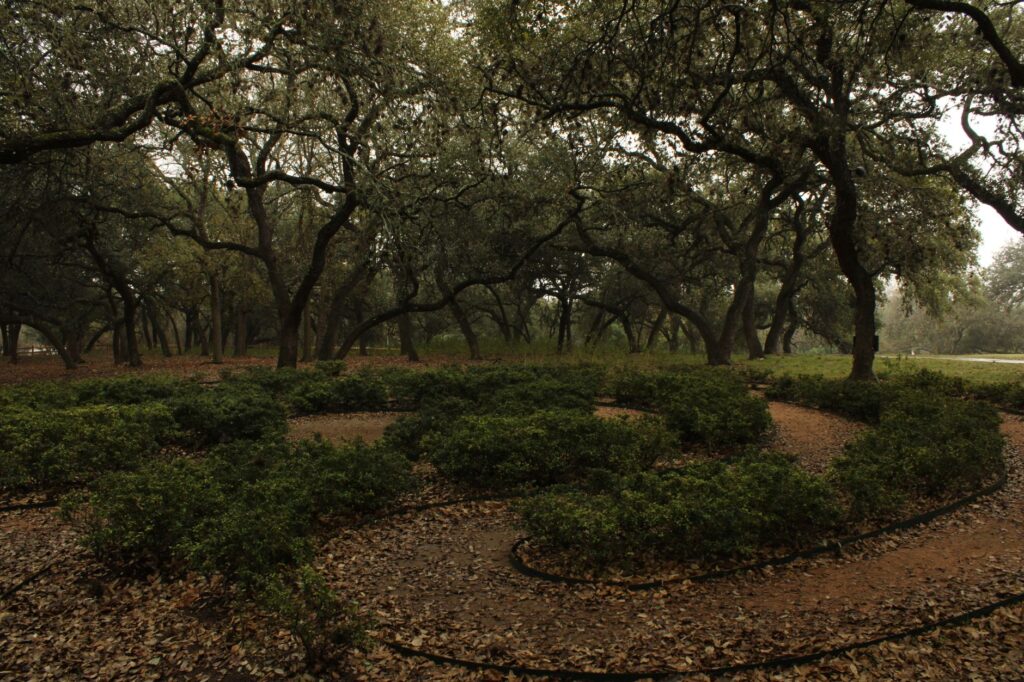
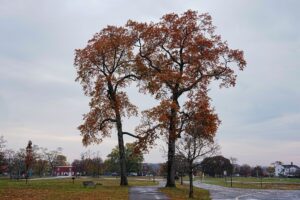
By January, a bare tree offers wind almost nothing to grab. In early October, most of Middletown’s oaks, maples, and beeches are still fully leafed, and a full canopy acts like a sail, catching wind load across every square foot of leaf surface instead of letting it slip through bare branches.
That makes the window between the first nor’easter and the bulk of leaf drop one of the more dangerous stretches of the year for branch failure and uprooting, especially for species that hold their leaves late. Oaks and beeches are notorious for this; they’ll often still be green and full when a mid-autumn coastal storm rolls through, carrying far more sail area than a red maple that’s already dropped half its canopy. It’s one more reason a storm in early October can do more damage than the same wind speed would in late November, after most trees have thinned themselves out naturally.
A 15-Minute Pre-Nor'easter Walk-Around
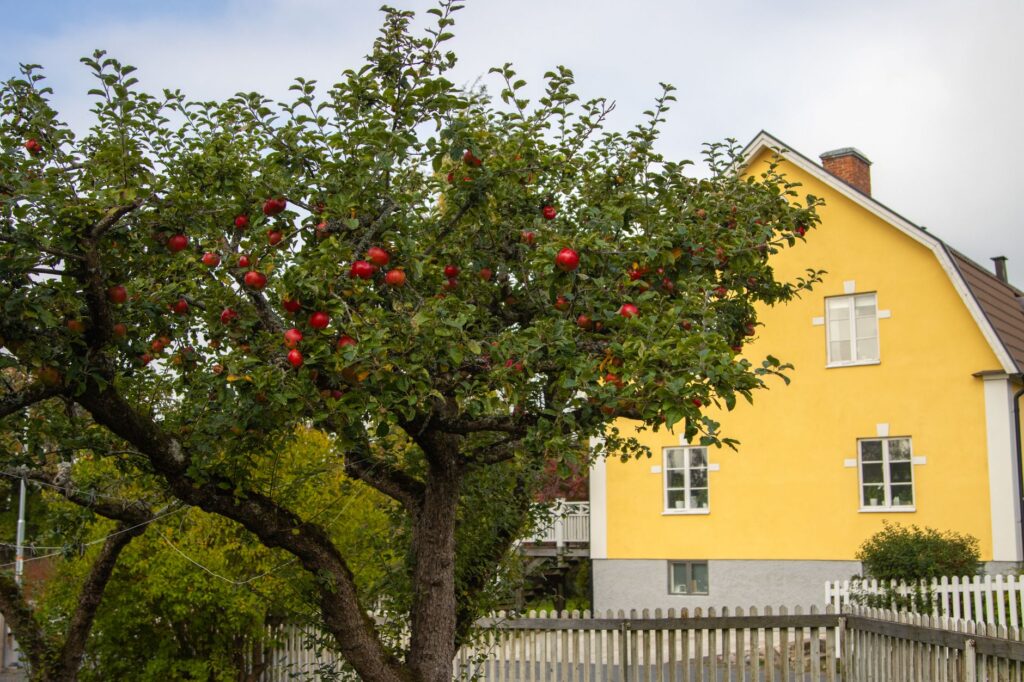
None of this requires special equipment, just a slow walk around every tree on the property with a critical eye, ideally before the next coastal storm is already on the forecast. A few things are worth checking every single time:
- Look up for hung or broken limbs still caught in the canopy from a prior storm — these fall with very little additional wind.
- Check any existing cables or braces for rust, loose hardware, or bark that’s grown tightly around the fitting.
- Walk the base of the trunk for new soil cracking, heaving, or a root plate that looks lifted on one side — early signs of an anchorage problem.
- Confirm downspouts and sump discharge lines aren’t aimed at the root zone, which concentrates the saturation that weakens anchorage in the first place.
- Check stakes and ties on any tree planted within the last two to three years; a loose or overly tight tie can do real damage in sustained wind.
Anything found on this walk-around is useful information even if it doesn’t need immediate action. A phone photo with a date on it is worth having before the next storm, not after.
When the Walk-Around Turns Up Something You Shouldn't Touch
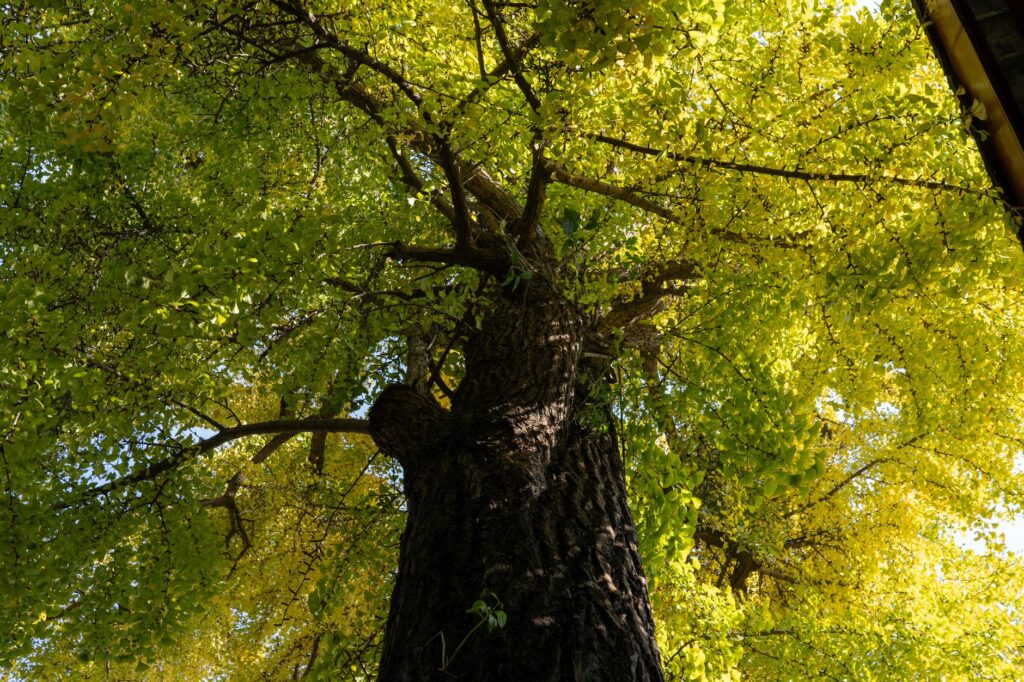
Most of what a homeowner finds during that walk-around is fine to simply note and watch. A few findings are not: a new lean in the trunk, soil that’s cracked or lifted around the base, large dead limbs positioned over the house or driveway, mushroom conks growing from the trunk or root flare, or a cable and brace system that looks corroded or improperly installed.
Any of those call for a certified arborist’s assessment rather than a homeowner’s judgment call, and the distinction matters for liability as much as safety — a documented professional risk assessment carries weight that “it looked fine to me” does not if a limb does come down on a neighbor’s property. Rutgers Cooperative Extension’s guide to hiring a tree care professional is a useful starting point for understanding the difference between a general tree care operator and a Licensed Tree Expert qualified to perform that kind of risk assessment, which is the credential worth asking for when a hazard looks ambiguous.
Middletown's #1 Tree Expert Company
FREE Inspection & Estimate | Certified Arborists | Trimming, Pruning, Removal, More!
Sponsored
Riding Out Nor'easter Season
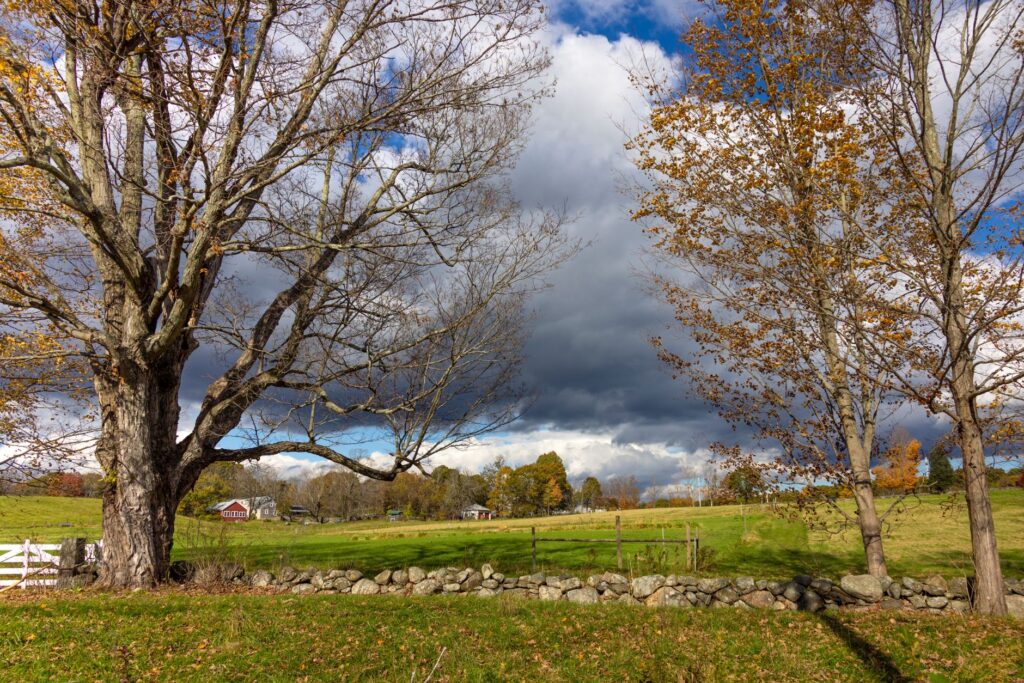
Nor’easter season runs through the winter and well into spring, which means the storm that hit the Bayshore in late September was an opening act, not an isolated event. The trees that come through it best are usually the ones that got a slow, unhurried look before the wind arrived, not after.
A short walk around the yard after every forecast update, a close look at any tree with existing hardware or a history of lean, and a willingness to call in a certified arborist when something looks off the usual pattern will do more for a Middletown property than almost anything else this season. When storm damage does happen despite all of that, the Tree Care Industry Association’s guidance on cleaning up storm-damaged trees is a good reminder of why that cleanup, too, is often safer left to someone trained for it. The goal all winter is the same: catch the small problem in October so it never becomes the big one in February.
Photo credits: Featured image by David Kanigan on Pexels; Section 1 by Connor Scott McManus on Pexels; Section 2 by Malcolm Garret on Pexels; Section 3 by Marian Florinel Condruz on Pexels; Section 4 by Omar Castro on Pexels; Section 5 by Efrem Efre on Pexels; Section 6 by Peter Xie on Pexels; Section 7 by Mohan Nannapaneni on Pexels.