Middletown's #1 Tree Expert Company
FREE Inspection & Estimate | Certified Arborists | Trimming, Pruning, Removal, More!
Sponsored
The Tree You Want May Not Fit the Yard You Have
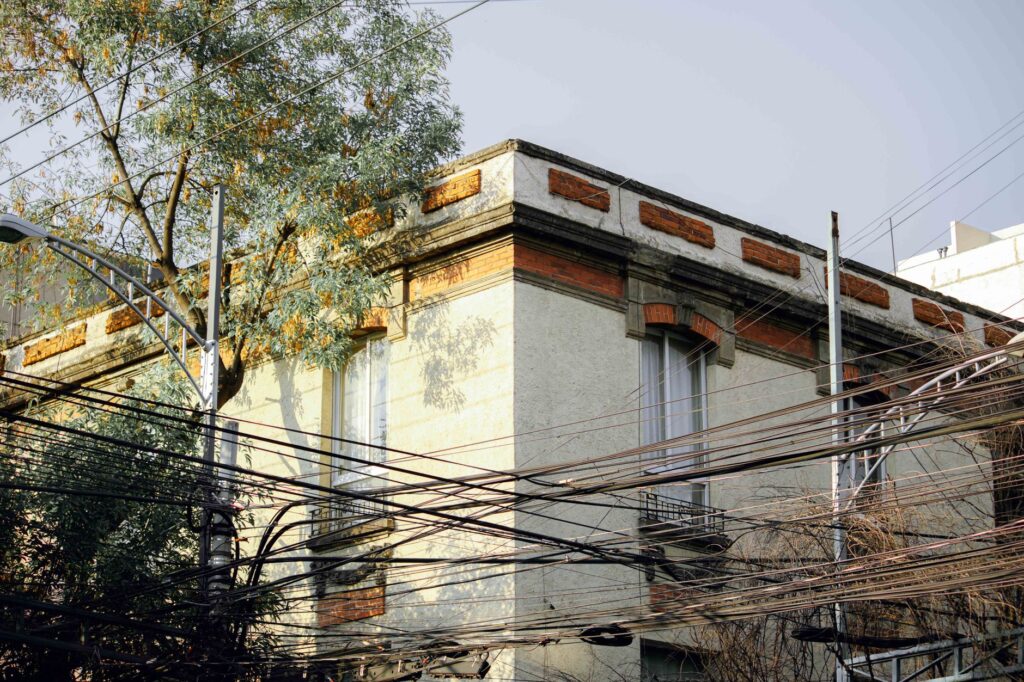
If you’ve spent any time on the residential streets of Leonardo, Port Monmouth, or the older neighborhoods off Route 36 near the Raritan Bay, you know the story: beautiful homes, modest yards, and overhead utility lines running just above roofline height. The impulse to plant a tree — for shade, for privacy, for the simple pleasure of watching something grow — collides with the reality of a 40-foot right-of-way and a bucket truck with PSE&G’s number on the door.
It’s one of the most common conversations I have with Middletown homeowners. Someone picks up a red maple sapling at a nursery because it looks perfect at three feet tall and costs twenty dollars, not realizing that in fifteen years it will be pushing sixty feet into the utility lines. Half its canopy gets sheared every few years in directional pruning that leaves the tree disfigured and structurally compromised. The homeowner wonders what went wrong. The answer is almost always: the wrong tree went in the wrong spot.
Here’s the good news — New Jersey’s native plant palette includes some genuinely excellent small trees that stay under twenty-five feet, look extraordinary through all four seasons, and thrive in Middletown’s clay-loam soils, coastal humidity, and occasional Nor’easter winds. The key is knowing which ones to choose before you dig the hole. Early June, when nurseries are fully stocked and the planting window is still open before summer heat sets in, is the right time to act — with the right information.
Start With What's Above — and What's Below
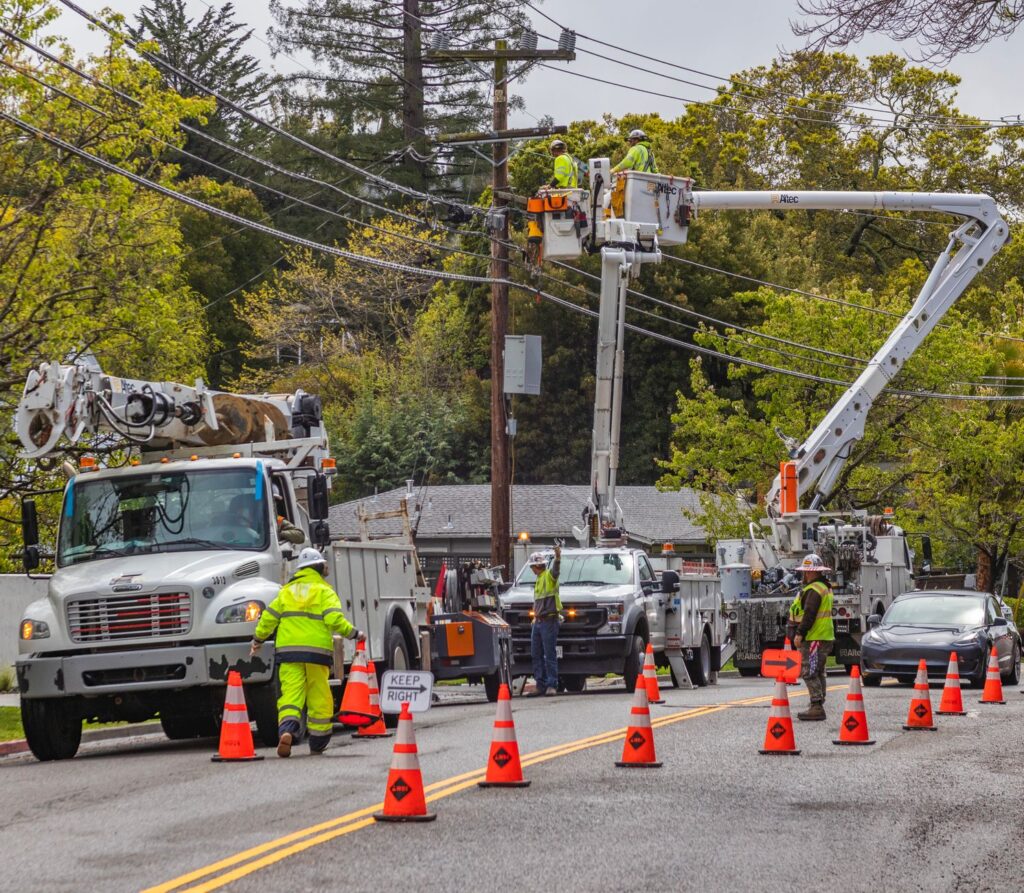
Before you select a species, you need to know two things: the clearance overhead and what’s running underground. Most residential utility lines in Middletown run between 25 and 40 feet above grade, depending on whether you’re dealing with primary or secondary distribution lines. The standard guidance from arborists and utilities is to plant nothing under those lines that will grow taller than half their height — meaning most utility strips are appropriate only for trees that top out below 20 feet at maturity.
When utilities practice directional pruning to keep trees out of energized lines, the results are rarely attractive. A naturally vase-shaped tree that gets half its canopy sheared flat develops weak, brushy regrowth, becomes more prone to branch failure in storms, and looks permanently mutilated. Planting a large tree under wires isn’t saving money — it’s deferred removal costs and years of watching something you love look terrible. The International Society of Arboriculture’s guide to picking the right tree is an excellent starting framework for thinking through site constraints before species selection.
Underground utilities are the second constraint. In New Jersey, call 811 before you dig to have buried lines marked — gas mains, water lines, and cable runs are more common in Middletown’s established neighborhoods than most people expect. Knowing what’s below tells you where roots can expand freely, and where they can’t. Once you understand your vertical and horizontal envelope, you can choose a tree that fits the space rather than one you’ll fight forever.
The Best Native Small Trees for Middletown Yards
The good news is that New Jersey’s native plant palette includes some of the best small trees in the eastern United States. These species evolved here, which means they’re adapted to Monmouth County soils, our freeze-thaw cycles, our humidity, and our pest pressure — without the chemical inputs that exotic ornamentals often require to look their best. Native trees also support local food webs in ways that imported species simply don’t: serviceberries feed robins and cedar waxwings in June; fringe tree fruits sustain migrants in late summer.
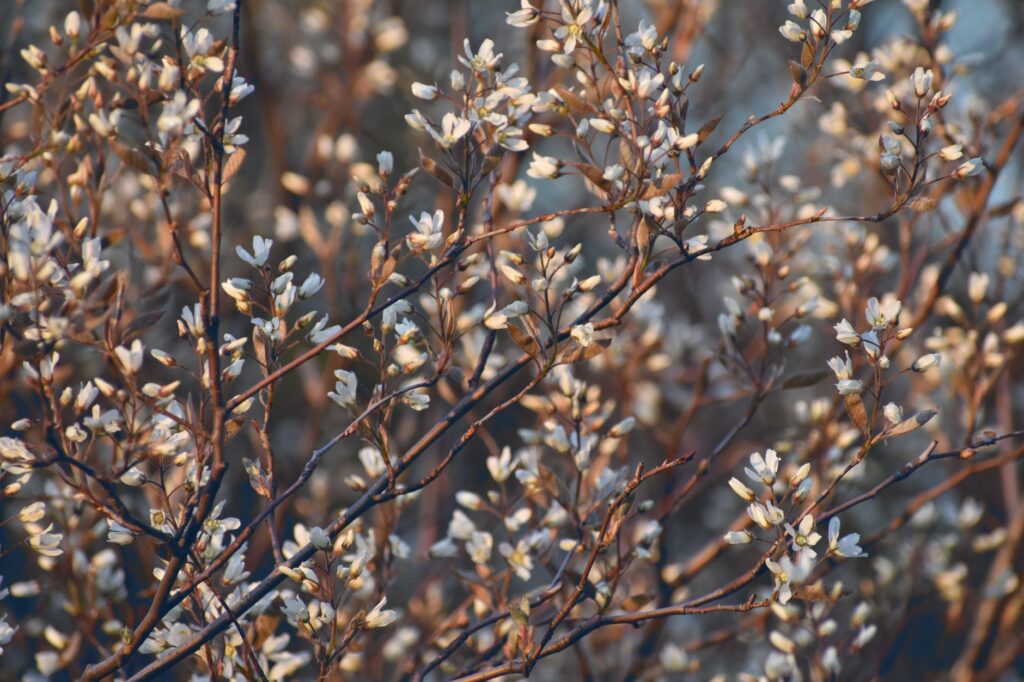
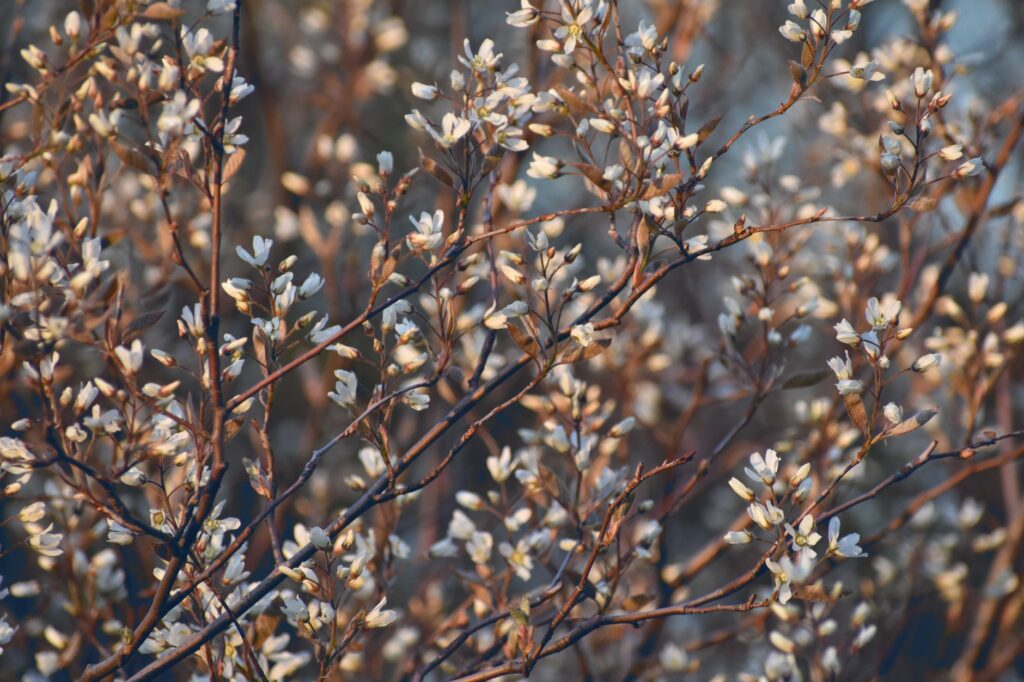
Serviceberry (Amelanchier canadensis) is my first recommendation for most constrained Middletown yards. It tops out at 15 to 25 feet, produces stunning white flowers in April before the leaves emerge, then sweet purple-red berries in June that birds descend on immediately. Fall color is reliably orange-red. It tolerates clay soils and partial shade, making it suitable for the north side of a house where other trees struggle. Plant it where the spring bloom is visible from a window.
American Fringe Tree (Chionanthus virginicus) is underused and spectacular. It grows to 15 to 20 feet, with clouds of white, fragrant, strap-like flowers in late May — a mature specimen in full bloom stops people in their tracks. It’s slow-growing, meaning it won’t outgrow a tight space quickly, and it tolerates Middletown’s moisture-variable clay soils better than most ornamentals. Fringe trees are dioecious, so female plants produce small, olive-like blue fruits that birds return for in late summer.
Sweetbay Magnolia (Magnolia virginiana) is a semi-evergreen native reaching 10 to 20 feet in our climate, excellent for tight spaces near the Bayshore where retained winter foliage adds year-round privacy. Creamy white, lemon-scented flowers bloom in June and continue sporadically through summer. It performs well in consistently moist soils — those low spots in Middletown yards where other trees drown are often ideal for sweetbay. Rutgers NJAES guidance on native trees for New Jersey landscapes identifies sweetbay as one of the most versatile native small trees for residential use in our region.
Eastern Redbud (Cercis canadensis) pushes the upper limit at 20 to 30 feet, but many cultivars stay closer to 20, and the growth rate is slow enough to be manageable in a constrained space. In April, before any leaves appear, the branches and trunk itself erupt in rose-pink flowers — it’s one of the most dramatic native displays in the Monmouth County landscape. The large, heart-shaped leaves provide good summer shade, and fall color is a clear yellow.
Middletown's #1 Tree Expert Company
FREE Inspection & Estimate | Certified Arborists | Trimming, Pruning, Removal, More!
Sponsored
What the Nursery Tag Isn't Telling You
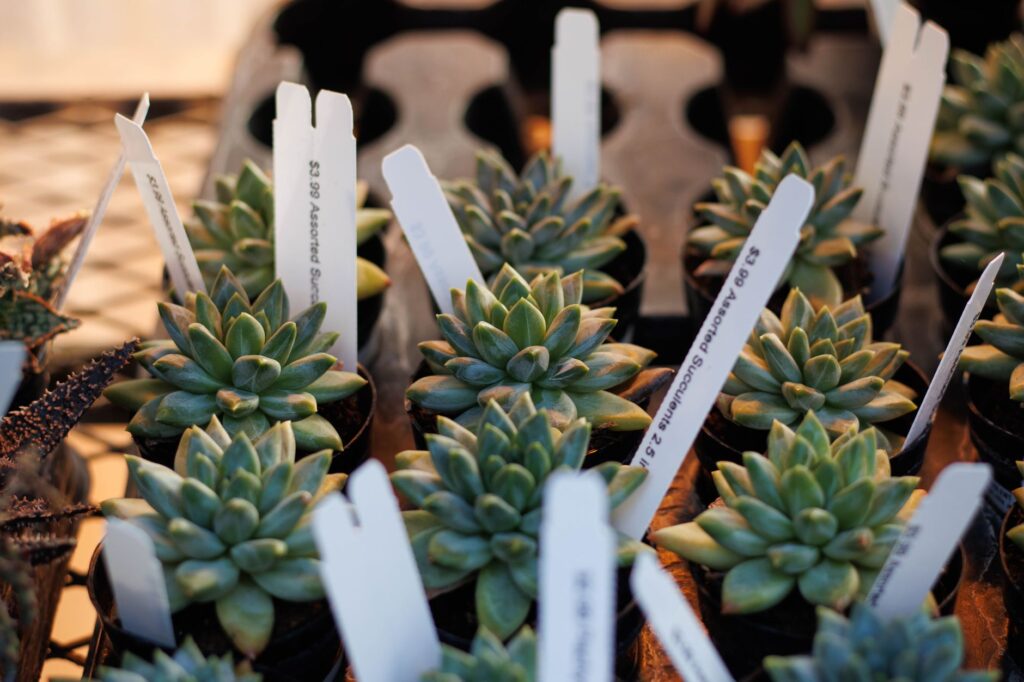
Here’s a problem I see regularly in Middletown yards: someone planted a tree described on the tag as “10–12 feet” without understanding that figure referred to 10-year height, not mature height. Or they chose a cultivar labeled “compact” or “dwarf” that still reaches 40 feet — just more slowly. The nursery industry’s labeling isn’t always as clear as homeowners deserve, and the marketing copy on tags is written to sell trees, not to protect your utility clearance.
When evaluating a tree at a nursery, ask specifically for the mature height and verify it against an independent source. The USDA Plants Database and state extension publications are more reliable than tag copy. The New Jersey Division of Forestry’s resources include species sheets with honest mature size ranges for our specific climate, without the sales incentive to minimize those numbers.
Also look carefully at the root flare before purchasing — the visible widening at the base of the trunk where it transitions to roots. A tree that has been in its container too long may already have girdling roots circling the base. When you free the root ball from the container, the outer roots should be spiraling outward and down, not wrapping tightly around the trunk base. Girdling roots at installation are a slow strangulation problem that can take a decade to manifest in the canopy — and by the time you see symptoms above ground, the damage below may be irreversible. A few minutes inspecting the root ball before purchase can save years of watching a tree fail.
Bayshore Properties and the Salt-Air Factor

If you’re in Leonardo, Port Monmouth, Belford, or anywhere within a half-mile of Raritan Bay, salt-air exposure is a genuine factor in tree selection. Salt spray coats leaf surfaces during onshore winds, disrupts transpiration, and over time causes tip dieback, early leaf drop, and chronic stress. You may not see direct salt damage every year, but trees sited in salt-prone zones that aren’t tolerant will simply look worse and decline faster than their potential suggests.
Of the native small trees above, serviceberry has reasonably good salt tolerance for a broadleaf species. Eastern red cedar (Juniperus virginiana), while an evergreen that reaches 30 to 40 feet at maturity, is one of the most salt-tolerant native trees in our region and does excellent work as a windbreak or privacy screen at Bayshore properties — worth considering if you have the space. For ornamental value in a salt-exposed zone, American holly (Ilex opaca) is another native that handles coastal conditions gracefully, provides year-round interest, and stays in the 15 to 30 foot range depending on cultivar. The berries feed cedar waxwings and mockingbirds through winter and into early spring.
Avoid birches, beeches, and most maples in salt-exposed locations. Their thin-barked surfaces and sensitive foliage react poorly to sustained salt spray. Red maple (Acer rubrum) has some tolerance but is better suited to yards set back from the water. The Monmouth County Park System’s coastal plantings at Hartshorne Woods provide good local examples of what thrives in our varied coastal-to-inland gradient — a walk there on a free afternoon is genuinely useful research before committing to a species.
Planting in Middletown's Clay-Loam: What to Do Differently
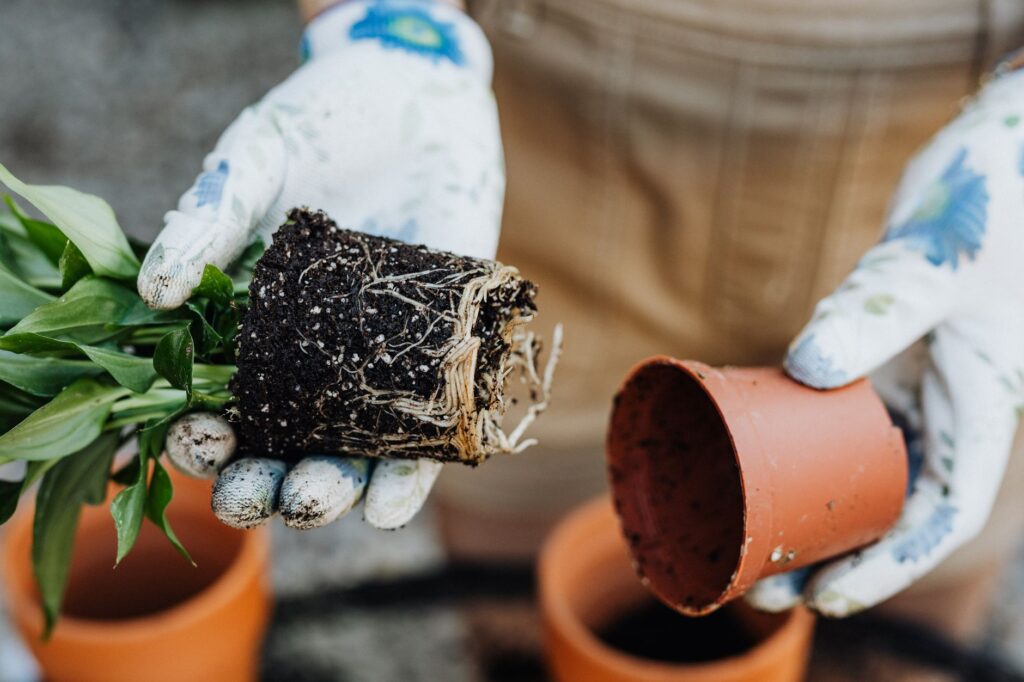
Middletown Township’s soils vary from sandier outwash near the Bayshore to heavier clay-loam in the interior neighborhoods around Lincroft and Atlantic Highlands. Clay soils hold moisture well — which sweetbay magnolia and serviceberry both appreciate — but they drain slowly, which can suffocate the fine root hairs a newly planted tree needs to establish. Knowing your soil type before planting makes a real difference in first-year survival and long-term health.
The most important rule for planting any tree in clay-heavy soil: plant shallow. The root flare — that visible widening at the base of the trunk — should sit at or slightly above the existing grade, never buried. In clay soils, planting even three inches too deep creates a zone where roots can’t exchange gases properly. I’ve dug up ailing trees in Middletown yards and found the root flare buried six inches underground by a well-meaning homeowner who thought they were protecting the roots. They were slowly suffocating them instead.
Amending backfill with compost is appropriate for heavy clay soils, but keep the amendment at roughly 10 to 20 percent of the total backfill volume. If you create a dramatically amended pocket surrounded by dense native clay, roots may circle back into the amended zone instead of expanding outward — you’ve built a large underground container. Mulch the planting area with 3 to 4 inches of wood chip mulch extending to the drip line, keeping it pulled back two to three inches from the trunk base to allow gas exchange at the root flare.
Deep, infrequent watering is critical for the first two growing seasons. A slow trickle for 30 to 45 minutes twice a week delivers water at root depth rather than keeping just the top inch moist. A soaker hose looped around the drip line is more effective than overhead watering and reduces fungal pressure on the foliage during Middletown’s humid summers.
Middletown's #1 Tree Expert Company
FREE Inspection & Estimate | Certified Arborists | Trimming, Pruning, Removal, More!
Sponsored
Summary: Getting the Selection Right from the Start
If your yard has a utility line overhead, a salt-air exposure, or a constrained footprint, the right small tree planted correctly will deliver decades of beauty, shade, wildlife habitat, and real property value. The wrong tree in the wrong spot delivers years of pruning bills, a disfigured canopy, and an eventual removal call. The species covered here — serviceberry, American fringe tree, sweetbay magnolia, and eastern redbud — represent some of the best of what New Jersey’s native plant palette offers for tight residential spaces. Native small trees also tend to outperform exotic ornamentals over time precisely because they’re adapted to the conditions they’re living in.
If you’re uncertain about a specific site — what’s underground, how close the lines actually are, whether your drainage pattern is too wet or too dry for a given species — consulting a certified arborist before you plant is genuinely worth the time. An arborist can assess the site, identify existing root zone limitations from past construction or buried infrastructure, and give you a realistic shortlist of species that will thrive where you want to plant. The ISA’s Find an Arborist tool is the quickest way to locate a certified professional in Monmouth County. Getting the selection right at the start is far less expensive than removing a struggling tree five years down the road.
Photo credits: Featured image by Physical Pixel on Pexels; Section 1 by Ali Alcántara on Pexels; Section 2 by Robert So on Pexels; Section 3 by Physical Pixel on Pexels; Section 4 by Grant Allen on Pexels; Section 5 by David Kanigan on Pexels; Section 6 by www.kaboompics.com on Pexels; Section 7 by Grant on Pexels.