Middletown's #1 Tree Expert Company
FREE Inspection & Estimate | Certified Arborists | Trimming, Pruning, Removal, More!
Sponsored
A Tree Lands on the Car: Who Actually Pays?
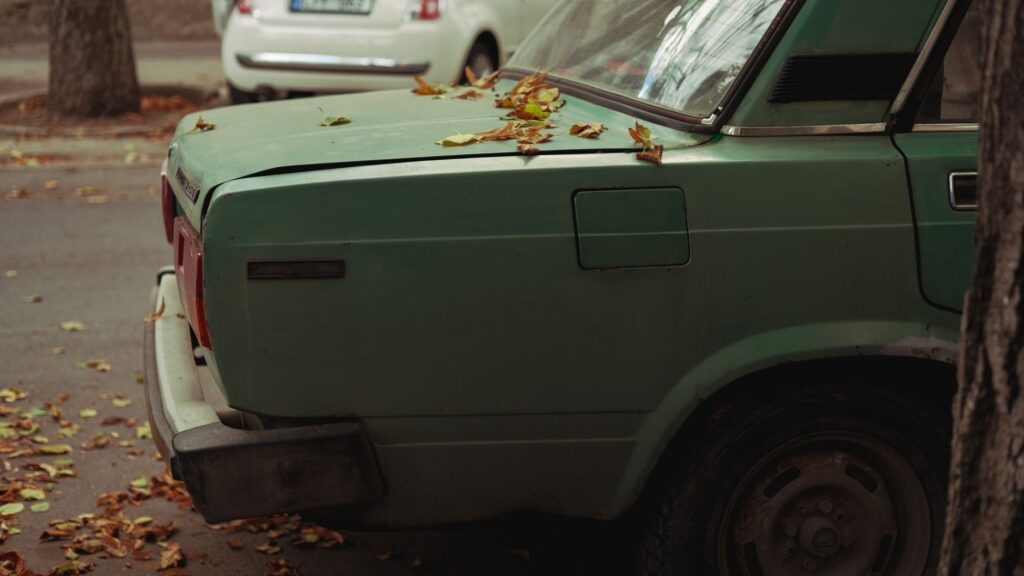
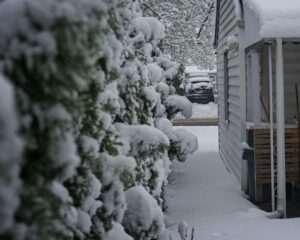
The call usually comes after a nor’easter or a heavy wet snow. A limb has come down across a parked car in a Middletown driveway, and the owner is standing in the cold wondering whose problem this is. The tree belongs to one household, the car belongs to another or the same one, and the bill seems to belong to nobody in particular until someone reads the policies.
The answer depends on whose car it is, whose tree it is, and why the tree failed. In most ordinary storm cases the car owner’s own auto policy responds first, not the tree owner’s homeowners policy. That surprises people, who assume the owner of the tree is automatically at fault.
This guide walks through how the pieces usually fit together for a Monmouth County household: which coverage on a car policy applies, when a tree owner can be held responsible, what to photograph before anything is moved, and when a certified arborist’s written opinion matters. It is general information, not legal or insurance advice, and your own policy language always controls.
Comprehensive Coverage: The Part of Your Auto Policy That Handles Trees

Auto policies are built from separate coverages. Collision pays when your car hits something or rolls. Comprehensive pays for damage from events other than a collision. The Insurance Information Institute describes comprehensive coverage as protection against theft and damage from causes such as fire, flood, vandalism, hail, and falling rocks or trees, in its auto insurance basics overview.
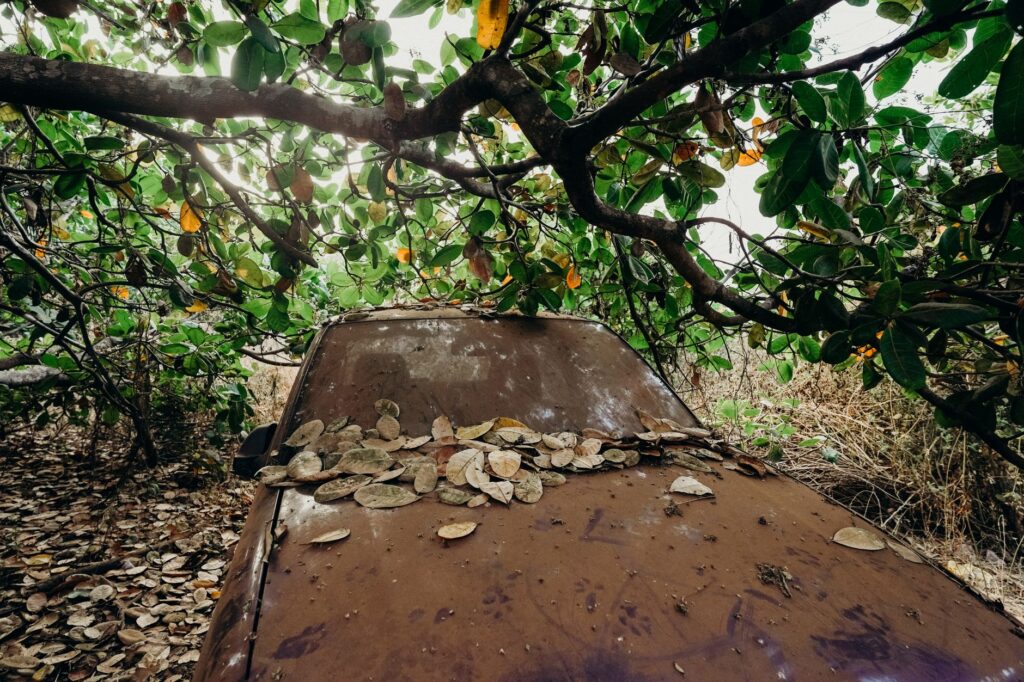
That means a branch that drops onto a parked car is generally a comprehensive claim, whether the tree stood on your lot, your neighbor’s lot, or a street verge. Fault matters less than most people expect, because comprehensive pays for the loss to your own vehicle regardless of who owned the tree.
Two practical limits are worth knowing:
- Comprehensive is optional unless a lender or lessor requires it, so check that you actually carry it.
- You pay the deductible, and the payout is based on the car’s market value, not what you paid for it.
If the car is older and the deductible is high, the claim may not be worth filing for minor damage. A cracked windshield from a twig is a different calculation than a crushed roof, and some policies treat glass separately.
When the Tree Owner Can Be Held Responsible
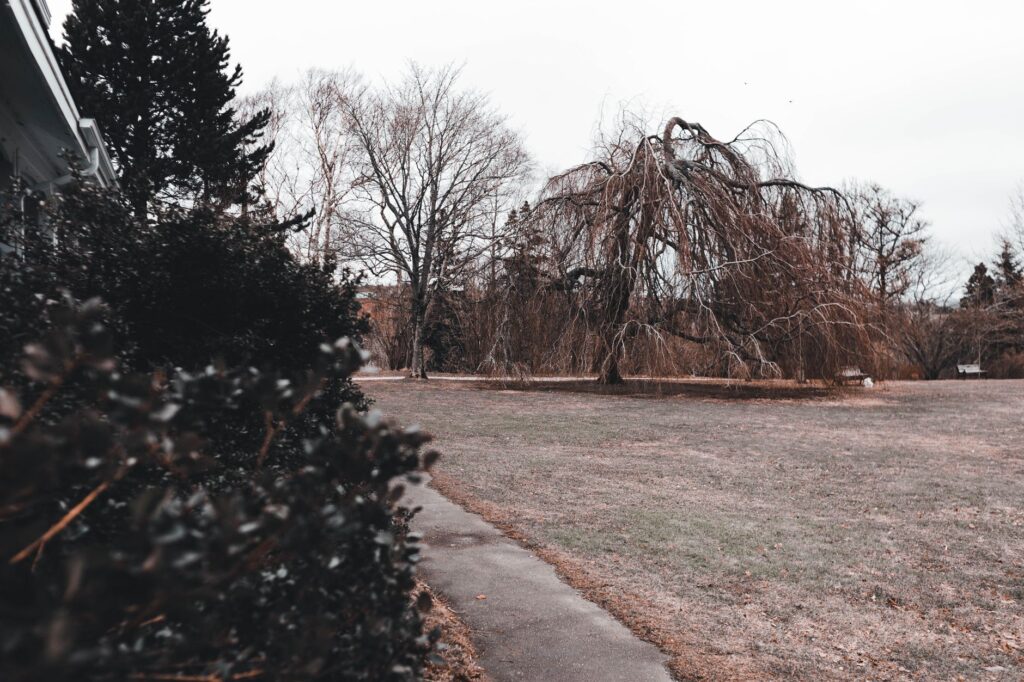
Weather is the usual explanation, and a healthy tree failing in an unusual storm is generally treated as an accident rather than anyone’s negligence. The picture changes when a tree was visibly dead, diseased, or structurally compromised and the owner had reason to know it. A large dead limb hanging over a neighbor’s driveway for two seasons is a very different situation from a sound oak split by a gust.
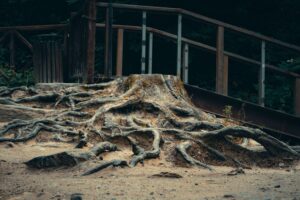
That is why the condition of the tree before the failure carries so much weight. Cracks, fungal conks at the base, hollow trunks, long dead branches, and leaning with lifted soil are all things a reasonable owner might be expected to notice. The International Society of Arboriculture explains how professionals evaluate these warning signs in its tree risk assessment guidance for owners.
If a neighbor’s tree with known problems damages your car, your own comprehensive coverage can still pay you first. Your insurer may then pursue the tree owner’s homeowners policy to recover its costs, a process called subrogation. You do not have to fight that out alone, but you should tell your insurer everything you know about the tree’s earlier condition.
Middletown's #1 Tree Expert Company
FREE Inspection & Estimate | Certified Arborists | Trimming, Pruning, Removal, More!
Sponsored
Your Own Trees: Why Documentation Is Cheap Protection

Homeowners are on the other side of this question too. If your tree fails and damages a neighbor’s car, whether anyone blames you often rests on what you can show about the tree’s earlier condition. A dated photo of a healthy canopy, a note from an inspection, or an arborist’s written report all help establish that you were paying attention.
A simple routine works for most Middletown yards:
- Photograph each large tree on the property once a year, in leaf and again in winter.
- Keep receipts and notes from any pruning, cabling, or treatment.
- Act on obvious problems rather than hoping the next storm skips your street.
- Ask a certified arborist to put a hazard finding in writing, especially if the tree overhangs a driveway, road, or neighbor’s property.
This also helps if a limb does fall on your own vehicle. A record of reasonable care supports your claim and keeps the conversation with an adjuster straightforward. Prevention is far cheaper than any claim, and removing a dead limb costs a small fraction of a crushed roof.
What to Do in the First Hour After the Branch Falls
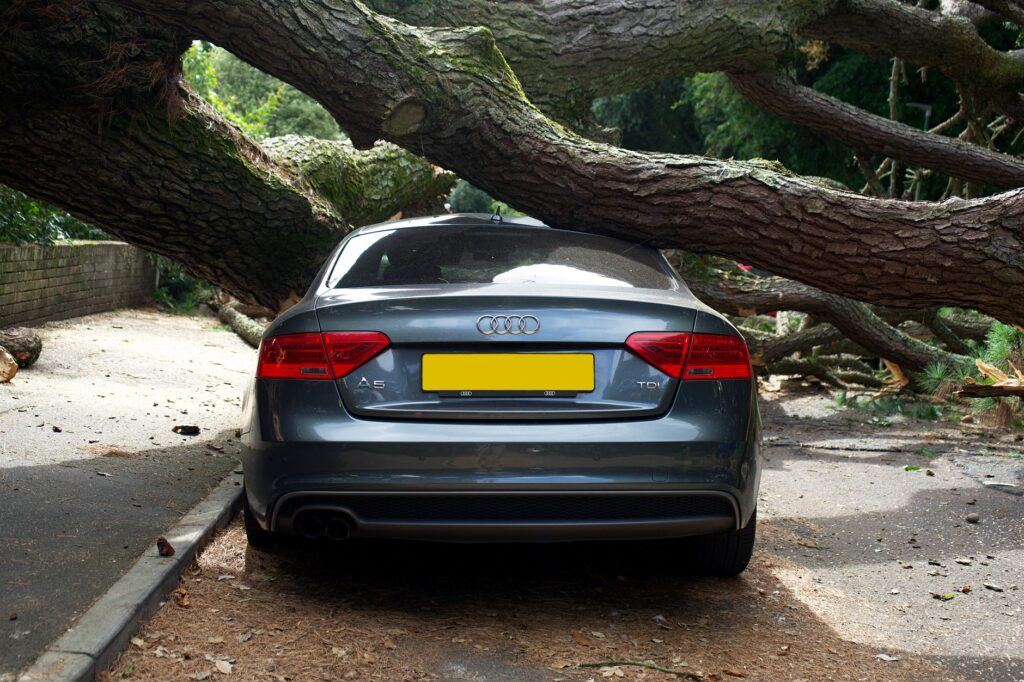
Safety comes first. A limb resting on a car may still be under tension, may be tangled in a service wire, or may be partly supported by other branches that could drop. If any wire is touched by the tree, stay back and call the utility and emergency services rather than approaching.
Once the area is safe, work through these steps in order:
- Take wide and close photographs of the tree, the break point, the limb, and the vehicle before anything is moved.
- Note the date, time, and the weather that day.
- Call your insurer promptly. The Insurance Information Institute walks through the usual steps in its guide to filing a property claim, including photographing damage, keeping a list, and preparing for the adjuster’s visit.
- Take reasonable steps to prevent further damage, such as covering a broken window, and keep receipts.
Do not rush to have the limb hauled off before the adjuster sees it unless it blocks a road or presents a hazard. The break point itself can show whether the wood was sound or decayed, and that evidence disappears quickly once a crew cuts the tree up.
Reading the Break: What the Wood Tells an Adjuster
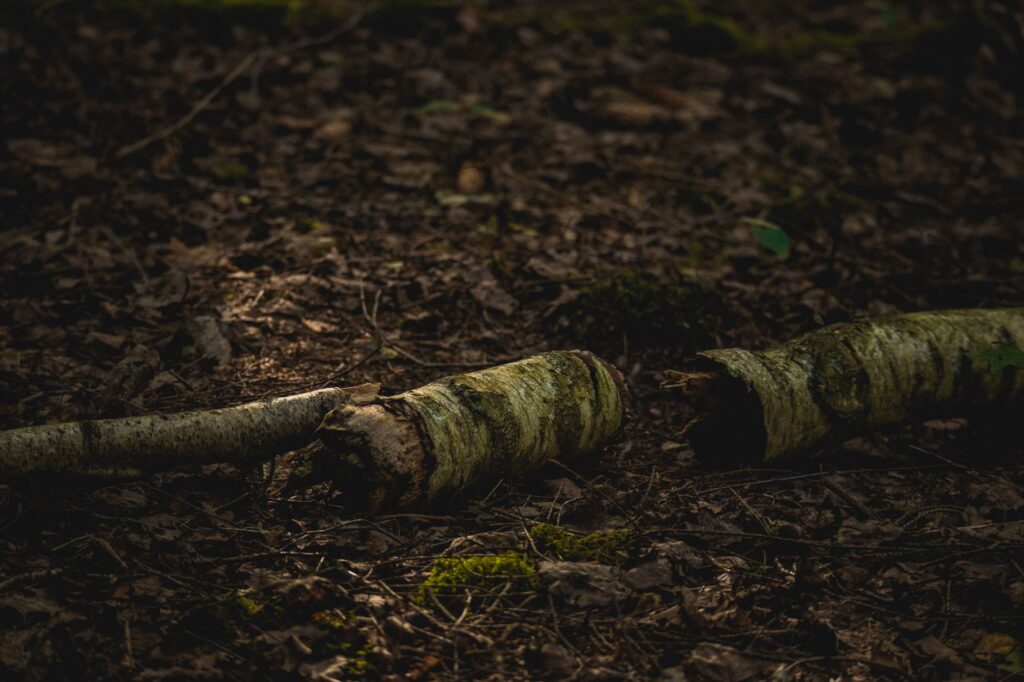
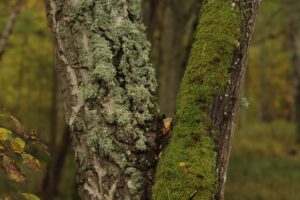
Failures leave clues. A fresh, bright, fibrous break through solid wood points to a healthy limb that simply met more force than it could take. A dark, crumbly, or hollow break, old cracks stained from earlier moisture, or fungal growth near the wound points to decay that was developing for years.
Rutgers Cooperative Extension has long supported Jersey homeowners with practical guidance on tree health, and its fact sheet library is a good starting point for understanding common problems that weaken trees. Sorting those signs out for a specific failure is still a job for a trained eye, because several issues can look similar from the ground.
An independent arborist’s note about the cause can matter if there is a dispute over whether the failure was a storm accident or neglected decay. It can also help you decide what to do with the rest of the tree, since a limb that broke from decay often means other limbs are affected too.
Middletown's #1 Tree Expert Company
FREE Inspection & Estimate | Certified Arborists | Trimming, Pruning, Removal, More!
Sponsored
When to Call a Certified Arborist
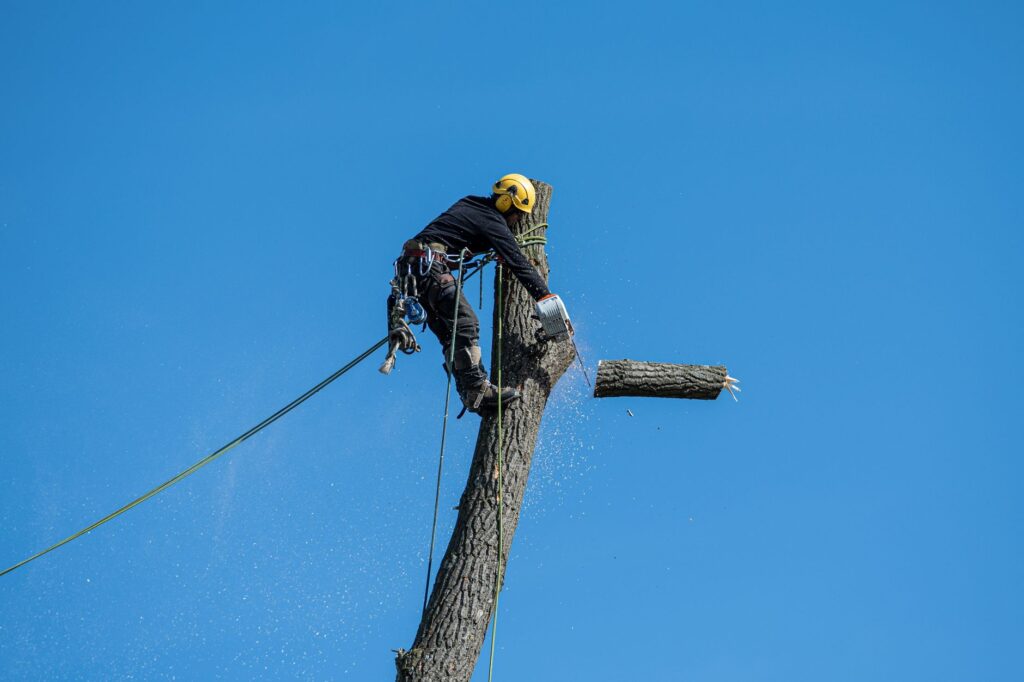
After a loss like this, the open question is usually the tree itself. Is it safe to leave standing, does it need major pruning, or does it need to come down? Making that decision under the pressure of an insurance timeline leads to rushed choices.
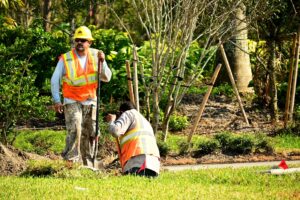
A certified arborist can assess whether the remaining structure is sound, document the cause of the failure, and explain options in plain terms. The ISA offers advice on how to choose someone qualified in its guide to hiring an arborist. Look for credentials, proof of insurance, and a written scope of work before anyone climbs.
Keep in mind that a township permit may apply to removing a large tree, and an arborist can help you sort out that step. Contact your insurer if you are unsure whether tree removal is covered under your policy, because some policies cover removing a tree that has fallen on a structure but not one that merely stands at risk. A good professional assessment now is far cheaper than a second claim after the next storm.
Photo credits: Featured image by cottonbro studio on Pexels; Section 1 by Nichita Grimovici on Pexels; Section 2 by Khwanchai Phanthong on Pexels; Section 3 by Erik Mclean on Pexels; Section 4 by Quang Nguyen Vinh on Pexels; Section 5 by Mike Bird on Pexels; Section 6 by kublizz on Pexels; Section 7 by Jacky on Pexels.