Middletown's #1 Tree Expert Company
FREE Inspection & Estimate | Certified Arborists | Trimming, Pruning, Removal, More!
Sponsored
The Can of Tar in Every Middletown Garage
After a September storm rolls through the Bayshore and drops a limb or two, most Middletown yards end up with at least one fresh wound on a tree — a torn stub from a broken branch, or a clean cut where a homeowner removed a hanging limb before it could do worse. The instinct that follows is almost universal: cover it up. Somewhere in a garage or shed there’s usually an old can of black pruning tar or wound paint, left over from a parent’s or grandparent’s era of tree care, and it feels like the responsible thing to do — like putting a bandage on a scrape.
That instinct is understandable, and it was standard advice for most of the twentieth century. It’s also, according to decades of forestry research, one of the more persistent myths in home tree care. A tree doesn’t heal a wound the way skin does, and the products sold for generations to “protect” a cut often interfere with the very process a tree uses to defend itself.
There’s one narrow, real exception worth knowing about, which is part of why the myth has been so hard to kill. But for the overwhelming majority of pruning cuts and storm wounds on a Middletown property, the can of tar should stay on the shelf.
Why the Bandage Idea Made Sense — and Why It's Wrong
The logic behind wound dressing is easy to follow: a cut exposes raw wood, raw wood looks vulnerable, and covering it should keep out insects, water, and decay fungi. This is exactly how it works with human skin, and for a long time, arborists and foresters assumed a tree’s cambium and heartwood worked on the same basic principle.
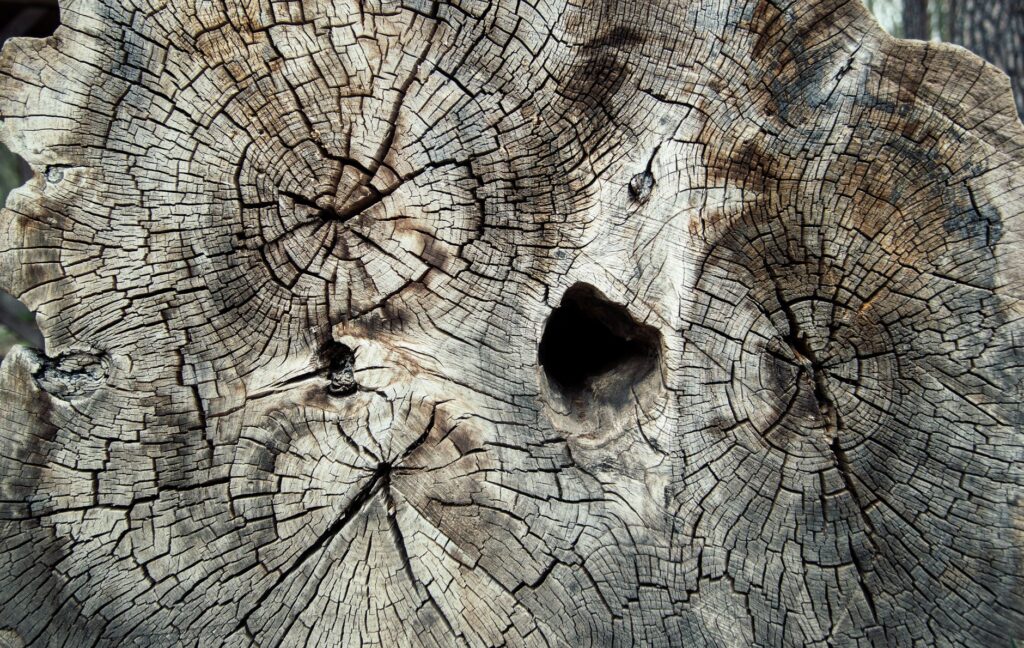
They don’t. A tree has no living tissue underneath a wound the way skin does — the wood exposed by a cut is already dead or dying tissue, and the tree’s actual response happens at the wound’s edges, not underneath a coating. Trees defend an injury through a process researchers call compartmentalization, chemically and physically walling off the damaged area from the still-living wood around it, then growing new wood over the wound from the outside in. Painting or tarring the surface doesn’t participate in that process at all — the tree’s real defense system is happening somewhere the sealant can’t reach.
University forestry programs have tested wound dressings against untreated cuts for decades, and the consistent finding is that treated and untreated wounds close and compartmentalize at essentially the same rate. The dressing isn’t helping. In a meaningful share of cases, it’s making things measurably worse.
How a Sealed Wound Can Trap Trouble Inside
The core problem with most wound dressings is moisture. Wood that’s freshly cut needs to dry and begin forming its natural protective barrier at the surface. A layer of tar, asphalt-based paint, or shellac seals moisture in rather than keeping it out, creating a damp, dark, relatively warm pocket right against the wood — close to ideal conditions for the fungi that cause internal decay.
Sealants also tend to crack or peel unevenly over a season or two of freeze-thaw cycles and summer heat, which is arguably the worst outcome of all: by then the coating has often trapped moisture underneath for months while giving a homeowner false confidence that the wound was handled. A cracked, aged wound dressing can hide developing decay from view for years, right up until a branch that looked fine from the ground fails during a storm.
- Wound dressings can trap moisture against the cut surface instead of letting it dry naturally.
- They don’t reach or assist the tree’s actual compartmentalization process, which happens at the cellular level around the wound edge.
- Cracking coatings can mask early decay signs that a bare, visible wound would otherwise show.
Both the USDA Forest Service and university extension research have reached the same conclusion: for ordinary pruning cuts and storm wounds, a clean, correctly made cut left open to air is more likely to close well than one covered in dressing.
Middletown's #1 Tree Expert Company
FREE Inspection & Estimate | Certified Arborists | Trimming, Pruning, Removal, More!
Sponsored
The One Real Exception: Oak Wilt
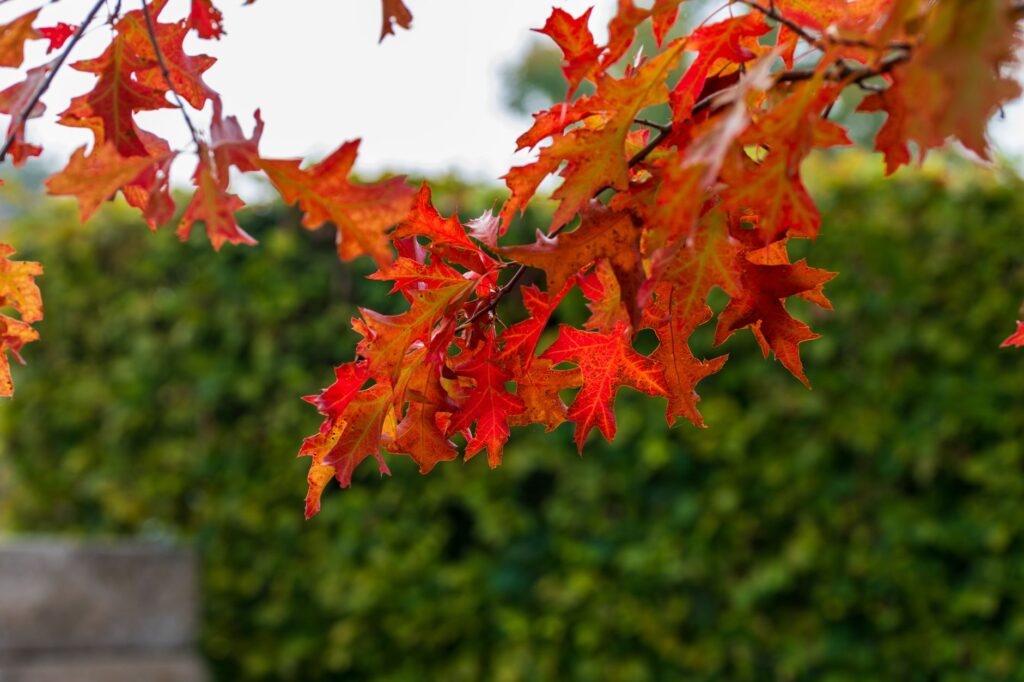
The exception is specific enough that it explains why wound dressing never fully disappeared from arborist toolkits. Oak wilt, a fungal disease that can kill a red oak group tree within weeks of infection, spreads in part through sap-feeding beetles that are drawn to the smell of fresh cuts and wounds on oaks. If an oak in the red oak group — including pin oak, red oak, and scarlet oak, all common around Middletown — is wounded or pruned during the beetles’ active season, immediately covering that specific wound with a pruning sealant can help block the beetles from reaching exposed sap and introducing the fungus.
This is a narrow, disease-specific precaution, not a general pruning practice. It applies to oaks, during a defined risk window, for the specific purpose of blocking an insect vector — not because the sealant helps the wound heal. Outside of oak wilt risk periods, or on species other than oaks, the same practice offers no comparable benefit and carries the moisture-trapping downsides described above.
The NJ DEP Forest Service and regional extension programs recommend avoiding oak pruning entirely during the highest-risk months when possible, and reserving wound sealant for exactly this circumstance rather than applying it as a routine habit across every tree in a yard.
What Actually Helps a Wound Close Well
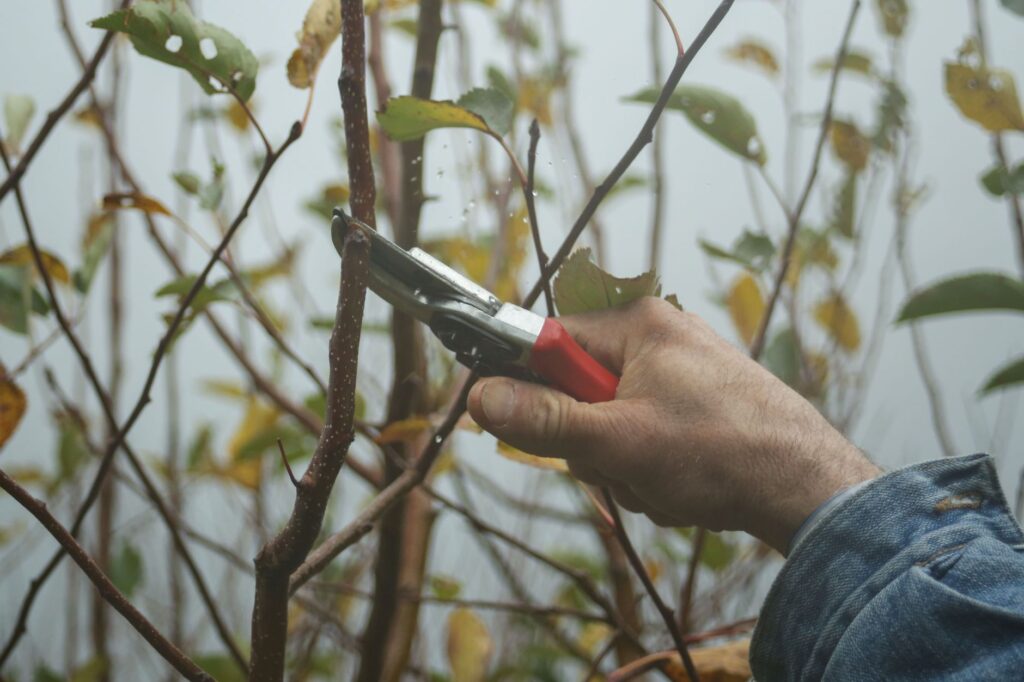
If sealant isn’t the answer, the real factors that determine how well a wound heals are the size, placement, and cleanliness of the cut itself — decided at the moment the cut is made, not afterward. A cut made just outside the branch collar, the slightly swollen ring of tissue where a branch meets the trunk, allows the tree to form its natural boundary and grow callus tissue over the wound efficiently. A flush cut made too close to the trunk, or a ragged tear left by a storm-broken limb, removes or damages that collar and leaves a much larger, slower-healing wound behind.
For a torn or jagged storm wound, the most useful thing a homeowner can do isn’t to seal it — it’s to clean up the tear with a proper follow-up cut back to sound wood at the correct point, so the tree has a clean edge to work from rather than shredded tissue. This is exactly the kind of correction a certified arborist evaluates after any storm that leaves broken limbs, since a bad follow-up cut can undo the benefit of an otherwise healthy tree’s own defenses.
Pruning during a tree’s dormant season, when practical, also tends to produce cleaner closure than cuts made during peak growing season, since a tree isn’t simultaneously managing active sap flow and pest pressure around the fresh wound. The International Society of Arboriculture publishes specific guidance on correct cut placement that any certified arborist follows as standard practice.
After This Season's Storm Damage
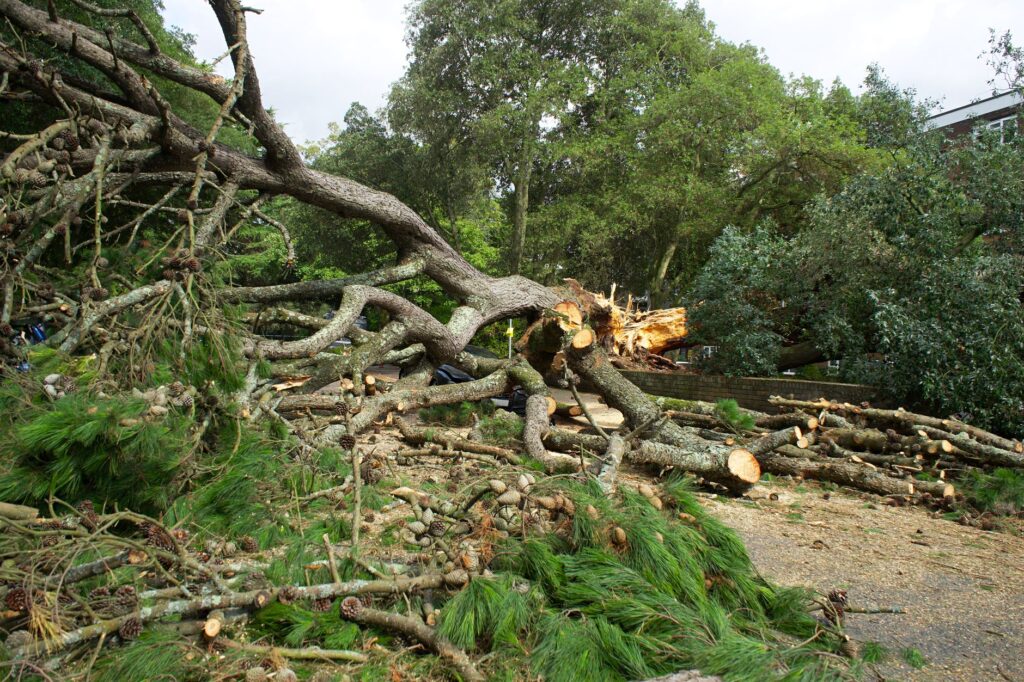
For most Middletown homeowners surveying storm damage this September, the practical takeaway is simple: resist the urge to seal a fresh cut or torn limb, and instead focus on whether the wound itself needs correcting. A clean cut on a healthy tree, left alone, is already doing what it needs to do. A ragged tear is worth a follow-up visit from a certified arborist who can make a proper corrective cut rather than leaving it as-is or covering it with a product that won’t help.
The one question worth asking before reaching for anything is species and timing: is this an oak, and is it currently within a high-risk window for oak wilt transmission in the area? If not, the wound is almost always better off bare. If there’s any doubt, a certified arborist can make that call in a few minutes on-site, and it’s a far more useful five-minute consultation than a coat of tar that will still be cracking on that branch a decade from now.
Middletown's #1 Tree Expert Company
FREE Inspection & Estimate | Certified Arborists | Trimming, Pruning, Removal, More!
Sponsored
When to Call a Certified Arborist
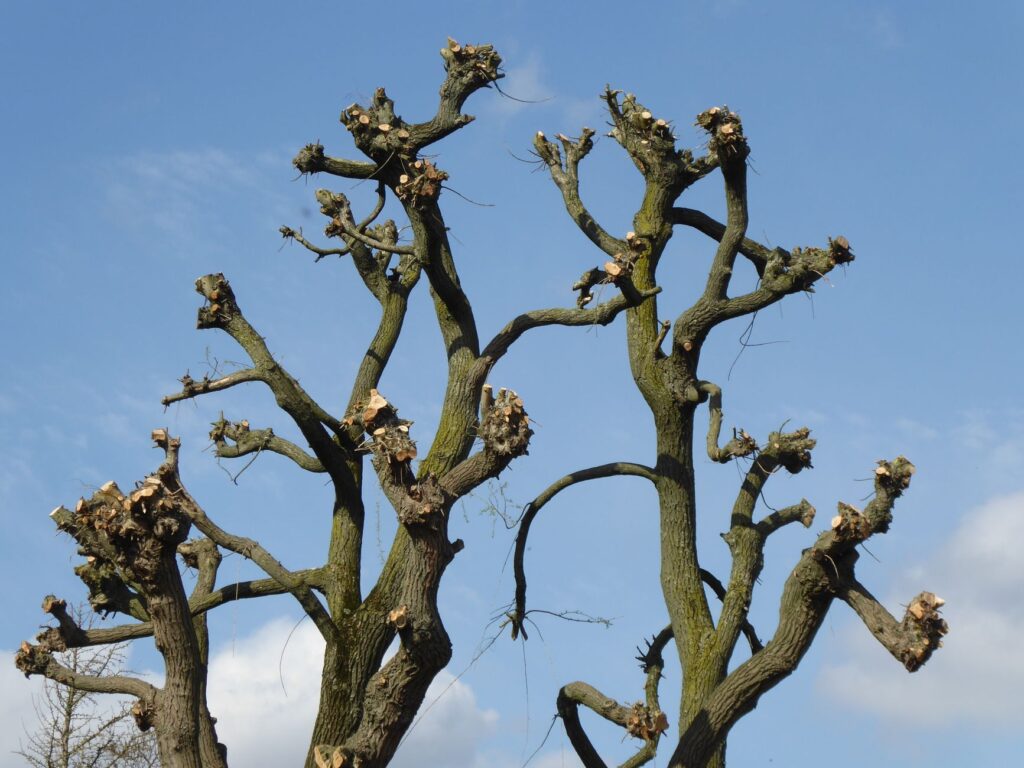
Any storm-related wound larger than a few inches across, any torn or splintered limb rather than a clean cut, and any wound on an oak during the growing season are all good reasons to bring in a certified arborist rather than handling it solo. The assessment itself is quick, and getting the follow-up cut right the first time matters far more to a tree’s long-term health than anything applied to the surface afterward.
Trees carry the scars of pruning decisions for the rest of their lives, whether those decisions were made well or poorly. A properly placed cut left to close naturally will typically look better and structurally sound within a few growing seasons. A wound treated with the wrong product, on the wrong species, at the wrong time, can hide a problem that doesn’t show itself until a limb comes down in a storm years from now — the exact outcome the sealant was supposed to prevent in the first place.
Photo credits: Featured image by Boryslav Shoot on Pexels; Section 1 by Eva Bronzini on Pexels; Section 2 by wal_ 172619 on Pexels; Section 3 by Wyxina Tresse on Pexels; Section 4 by Sergej ***** on Pexels; Section 5 by Maria Turkmani on Pexels; Section 6 by Mike Bird on Pexels; Section 7 by Timothy Huliselan on Pexels.