Middletown's #1 Tree Expert Company
FREE Inspection & Estimate | Certified Arborists | Trimming, Pruning, Removal, More!
Sponsored
When the Wet Spring Becomes an Enemy of Your Trees
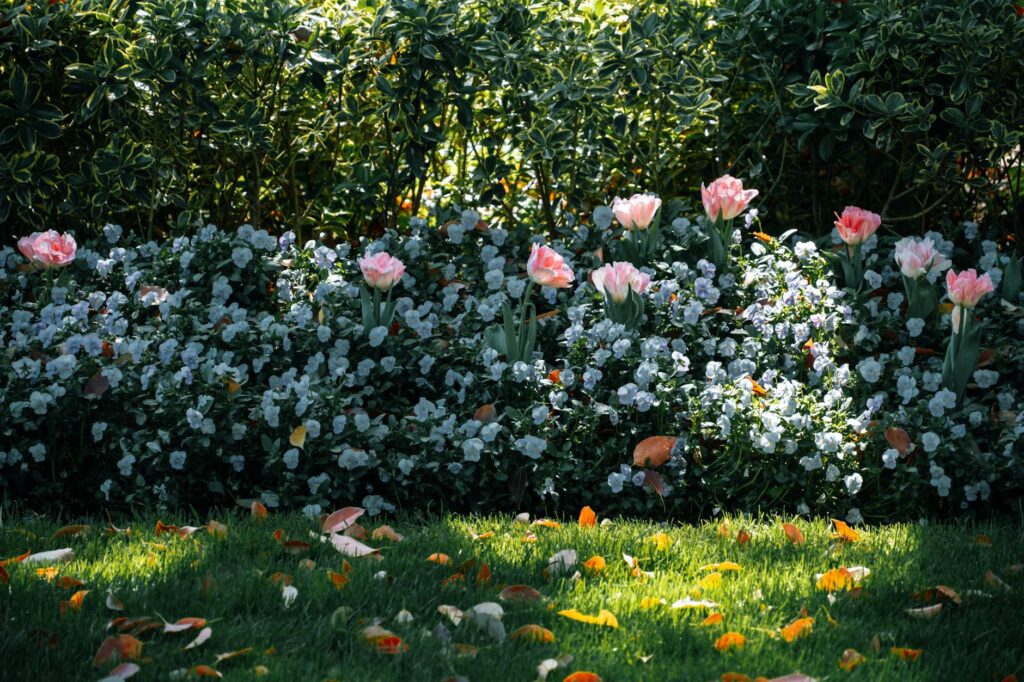
After the soggy March and April Middletown just came through, I’ve been getting calls from homeowners across Lincroft, Leonardo, and Port Monmouth about trees and shrubs that simply look off. Leaves yellowing before they should. New growth wilting on warm afternoons even when the soil is still damp to the touch. Bark at the base of a prized ornamental cherry or a wall of rhododendrons has turned dark and mushy right at the soil line.
Most of the time, the culprit isn’t drought. It isn’t insects. It’s a water mold most homeowners have never heard of: Phytophthora (pronounced fy-TOFF-thora). This genus of soil-borne pathogen thrives in exactly the conditions Monmouth County delivers every wet spring — saturated clay soils, poor drainage, cool temperatures, and standing water that lingers around tree roots for days at a time.
Phytophthora root and crown rot is one of the most underdiagnosed killers in NJ landscape trees. Homeowners spend money on fertilizer, pesticides, and supplemental watering — not realizing that adding moisture to an already-infected root zone accelerates the decline. By the time you notice the above-ground symptoms, root and crown tissue can already be severely compromised. May is the month when those symptoms finally become visible, and acting before summer heat masks the problem is critical.
What Is Phytophthora — and Why Wet Soil Is Its Perfect Home
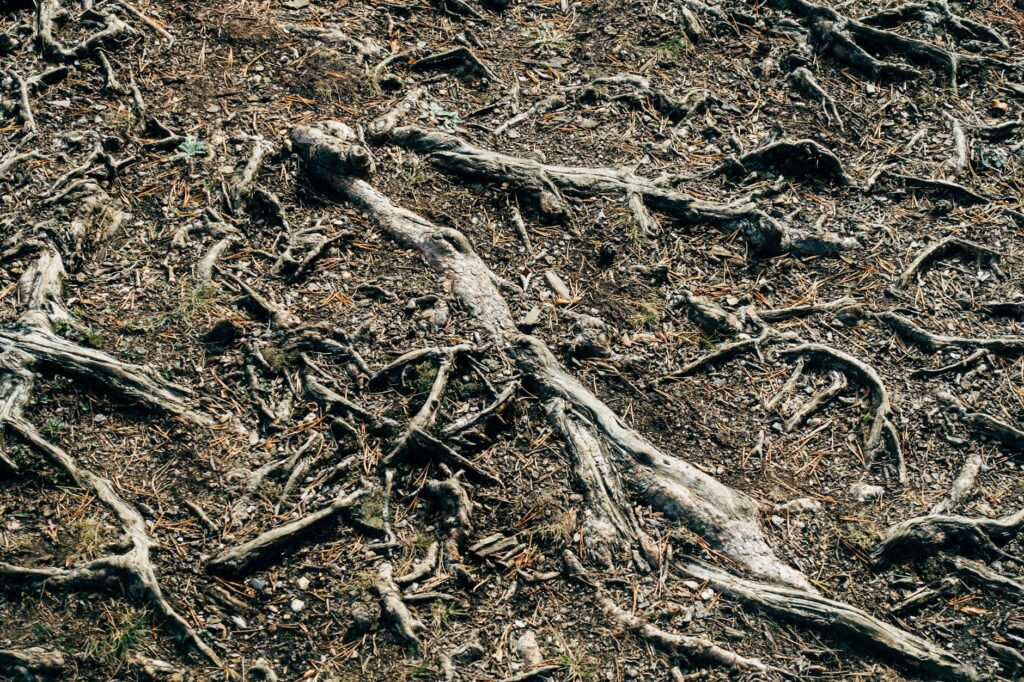
Phytophthora is not technically a fungus, though it behaves like one and is often treated as such. It belongs to a class of organisms called oomycetes — water molds more closely related to algae than to true fungi. That distinction matters because many broad-spectrum fungicides are largely ineffective against it. What drives Phytophthora is water: the organism produces swimming spores called zoospores that are released into saturated soil and literally swim toward tree roots, following chemical signals from the root tips.
In Middletown’s heavy clay soils — especially in lower-lying neighborhoods near the Bayshore and along drainages near Poricy Brook — water perches above the clay layer for extended periods after rain. When root crowns sit in saturated soil for 48 to 72 hours repeatedly over a spring, conditions become near-ideal for Phytophthora establishment. The pathogen infects the cambium and phloem — the living tissue just under the bark — at or below the soil line. This cuts off the tree’s ability to transport sugars from leaves to roots, slowly starving the root system.
Once established, Phytophthora can persist in the soil for years, releasing new zoospores every time the ground saturates. Rutgers NJAES has documented this pathogen extensively in New Jersey landscapes; their fact sheet FS548: Diagnosing and Controlling Phytophthora in the Home Garden is the best local reference for understanding its life cycle and spread patterns.
Which Middletown Trees and Shrubs Are Most Vulnerable
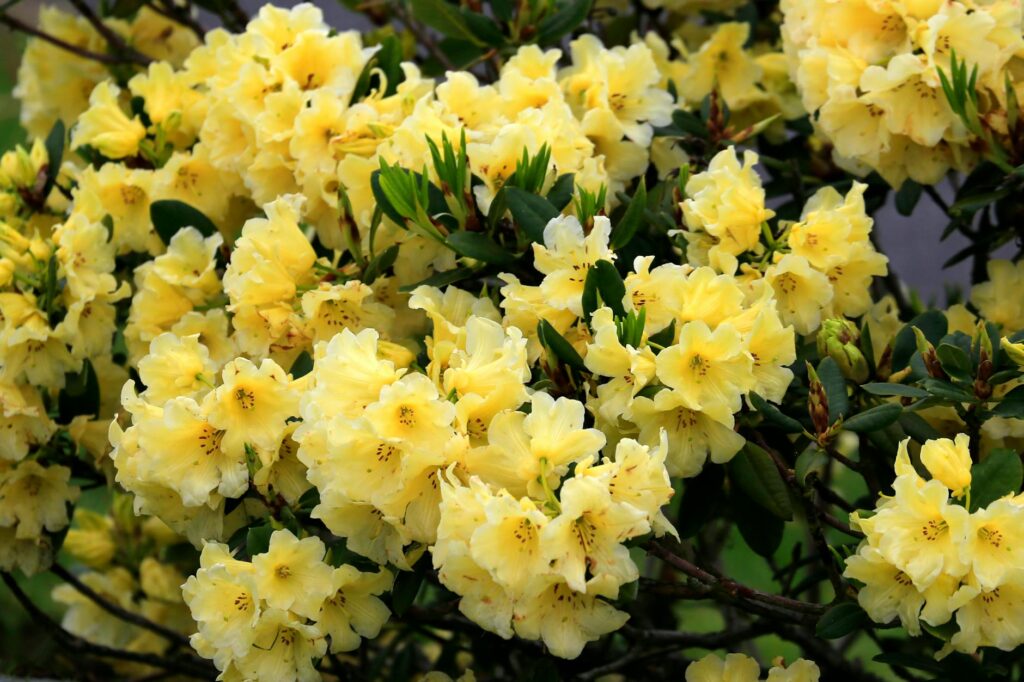
Phytophthora species are not picky, but certain plants in Middletown landscapes are significantly more susceptible than others. The species I see declining most often from this pathogen in Monmouth County include:
- Rhododendrons and azaleas — the most susceptible landscape shrubs in the region; Phytophthora cinnamomi causes devastating collar rot in wet soils
- Flowering cherries and ornamental plums (Prunus spp.) — especially common on newer subdivisions where drainage was never properly designed into the planting beds
- Dogwoods (Cornus florida) — already stressed by anthracnose in wet years, they have little reserve to fight a root infection on top of foliar disease
- American beech (Fagus grandifolia) — beech roots are notoriously shallow and sensitive to oxygen depletion in saturated soils, creating entry points for infection
- Saucer magnolia (Magnolia × soulangeana) — planted widely in Middletown residential landscapes, particularly vulnerable when installed in poorly drained foundation beds
- Arborvitae and hemlock — frequently planted as hedges and privacy screens in sites with inadequate drainage, often in foundation beds that trap moisture against the crown
- Norway and red maples — older specimens in low spots show progressive crown dieback as root systems fail from years of repeated saturation
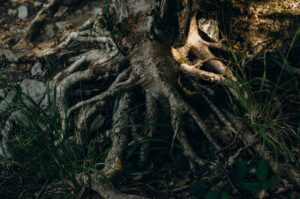
Trees planted too deeply — one of the most common installation errors in residential landscapes — are especially vulnerable, because the buried root flare sits in continuously anaerobic soil and is exposed to Phytophthora zoospores throughout every wet season.
Middletown's #1 Tree Expert Company
FREE Inspection & Estimate | Certified Arborists | Trimming, Pruning, Removal, More!
Sponsored
Recognizing Phytophthora Symptoms Before It's Too Late
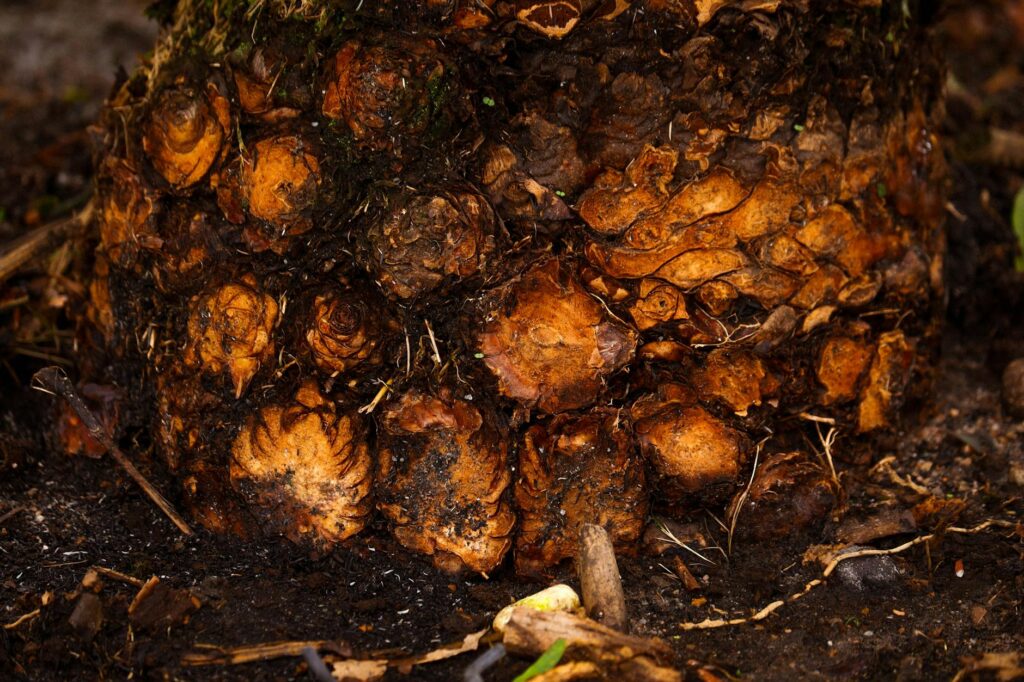
The difficult part about diagnosing Phytophthora is that the above-ground symptoms mimic many other problems — drought stress, winter injury, nutrient deficiency — and the real damage is happening underground where most homeowners never look. Here’s what to watch for this May:
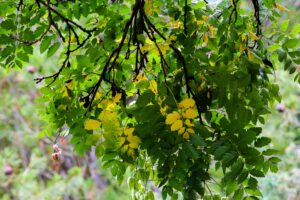
- Leaves that yellow or turn dull green, often beginning on one side or one branch cluster of the canopy
- Wilting that doesn’t respond to watering — or noticeably worsens with more irrigation
- Smaller-than-normal leaves and reduced shoot extension over two or more consecutive seasons
- Premature fall color appearing in July or August on otherwise leafed-out trees
- Sparse canopy with dead twigs scattered throughout, even when no storm damage explains it
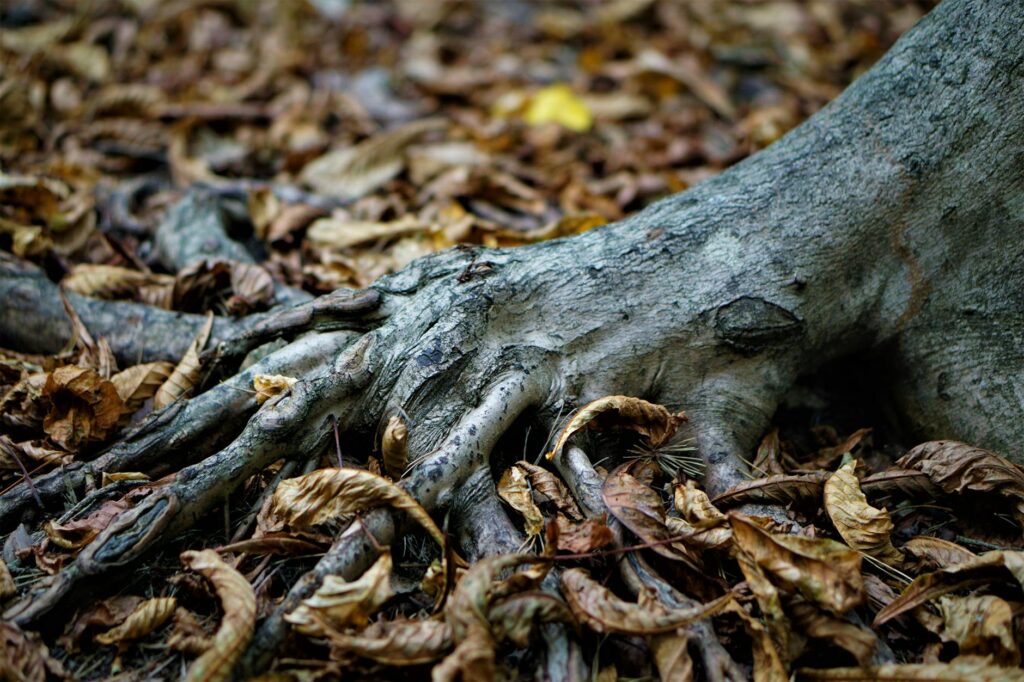
At the root crown — check this first: Scrape away a small patch of mulch and soil from the base of the trunk at the soil line. Look for dark brown or reddish-brown discoloration in the bark and the green-to-white cambium tissue just beneath it. Healthy tissue is cream or white; Phytophthora-infected tissue is dark, water-soaked, and often carries a faintly musty odor. On smaller shrubs like rhododendrons, this collar rot may extend several inches up the stem from the soil.
If you see that discoloration, the disease has already been underway for months or years. Getting a confirmed diagnosis before spending money on treatment is smart — submit a tissue or soil sample to a local plant diagnostic lab for testing. The International Society of Arboriculture (ISA) recommends a professional site assessment as the first step when root disease is suspected, since the drainage conditions that enabled the infection will determine whether any treatment holds long-term.
Why Middletown's Landscape Conditions Make the Problem Worse
Several factors specific to Middletown Township create a landscape environment where Phytophthora problems are more common and more severe than in better-drained regions of New Jersey.
Heavy clay subsoil: Much of Middletown sits on tight clay and silty clay loam soils with limited natural drainage capacity, especially in lower sections toward the Bayshore and along creek corridors near Poricy Brook and the Shrewsbury River drainage. During wet springs, that clay holds water for weeks after the last rainfall. Roots in those zones cycle between saturation and brief drying — exactly the pattern that maximizes zoospore activity.
Dense ornamental planting from the 1990s and 2000s: The planting trends of that era left thousands of Middletown properties with mature rhododendrons, azaleas, ornamental cherries, and arborvitae hedges installed in beds designed more for aesthetics than drainage. Many of those plants are now 20 to 30 years old and carrying the accumulated stress of repeated wet seasons. Their root systems have less reserve capacity to fight off a pathogen than young, vigorous plants would.
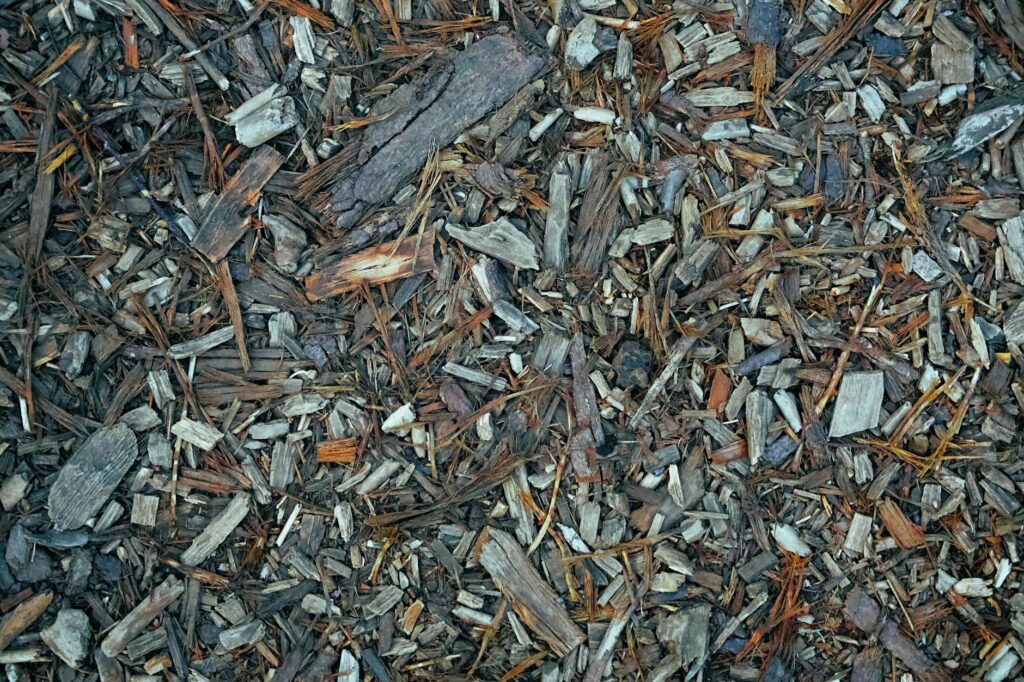
Mulch piled against trunks: Mulch volcanoes — thick mounds of wood chips packed against the root flare — keep the crown tissue moist through the entire growing season, even in dry summers. Rutgers NJAES addresses this directly in their fact sheet FS099: Problems With Over-Mulching Trees and Shrubs, noting that excessive mulch depth creates the consistently moist, low-oxygen environment at the root crown where Phytophthora and other root pathogens thrive.
Deep planting: Many ornamental trees and shrubs in Middletown were installed with their root flares buried 2 to 4 inches below grade — a common nursery and installation error. A buried flare keeps bark tissue in contact with moist soil year-round and eliminates the natural air-drying that healthy root crowns depend on.
Management Strategies: What Works and What Doesn't
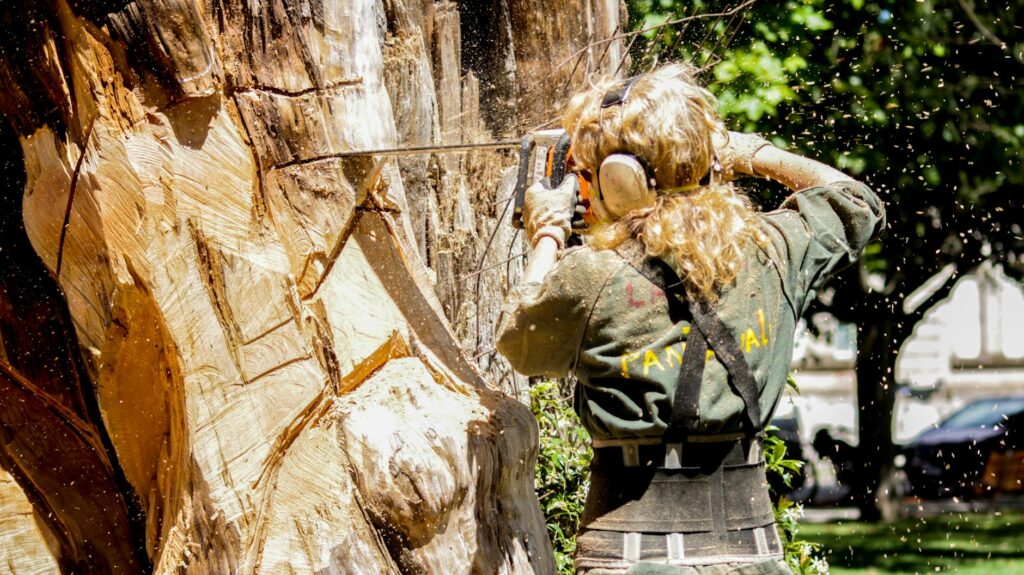
Once Phytophthora is established in a planting bed, eradication is not realistic — the pathogen can persist in soil for years regardless of what you do at the surface. But spread can be slowed, high-value trees can be supported, and future plantings can be made far more resistant with a few targeted changes.
Improve drainage first. This is the single most important step, and the one most homeowners skip. If the root zone stays saturated each spring, no treatment will hold. For individual trees, an arborist or landscape contractor can install French drains, regrade soil away from the root crown, or construct raised planting islands that keep the root flare above saturated zones. Raised planting — with the root flare visibly above the surrounding grade — is the most reliable prevention strategy there is.
Correct your mulch. Pull mulch back to 6 to 8 inches clear of the trunk flare and keep depth at 2 to 3 inches maximum. This alone can meaningfully reduce crown moisture and improve the microenvironment around the most vulnerable tissue.
Phosphonate treatments for high-value trees. Potassium phosphonate (phosphite) applied as a soil drench or trunk injection creates a systemic response in the tree that suppresses Phytophthora activity and stimulates the plant’s own defense pathways. This is not a cure but a well-documented management tool for trees worth saving. The USDA Forest Service TreeSearch database includes peer-reviewed research confirming phosphonate efficacy against Phytophthora in ornamental landscape applications. It works best when applied before the disease is severe, and when combined with drainage correction.
Remove and replace compromised plants strategically. If a rhododendron has full collar rot and a failing root system, removing it is more practical than treating it. Before replanting in the same spot, amend the soil to improve drainage and select a resistant species. Avoid replanting susceptible species like azaleas or ornamental cherries in known wet spots without addressing the underlying drainage first.
Middletown's #1 Tree Expert Company
FREE Inspection & Estimate | Certified Arborists | Trimming, Pruning, Removal, More!
Sponsored
When to Call a Certified Arborist

Phytophthora root and crown rot is a slow, silent problem that’s easy to misread until it’s advanced. If trees or shrubs in your Middletown landscape are declining in ways that don’t match the usual suspects — no visible pests, no obvious drought, adequate fertilization — look at the root zone before you look at the canopy. The damage almost always starts below grade.
The most productive early step is a site visit from a certified arborist who can assess drainage patterns, expose and evaluate the root crown, identify the species at risk in your specific planting beds, and — if the picture isn’t clear — arrange for laboratory confirmation. Acting on an assumption without a diagnosis wastes money and time, and in the case of Phytophthora, can mean adding water or fertilizer to a root system that’s already being destroyed by the disease.
For Middletown homeowners with mature rhododendrons, ornamental cherries, dogwoods, or magnolias, having that assessment done in May — before summer drying masks the saturated root conditions that developed this spring — is the right call. An arborist experienced in ornamental plant health can guide you through drainage corrections, phosphonate treatment schedules, or replanting plans that actually fit your site’s soil type, microclimate, and drainage characteristics. Getting ahead of this disease while symptoms are early is far less costly than losing a tree you’ve had for 25 years.
Photo credits: Featured image by Sony Shooter on Pexels; Section 1 by 虎 曼 on Pexels; Section 2 by Markus Winkler on Pexels; Section 3 by Jeffry Surianto on Pexels; Section 4 by Manh Cuong Le on Pexels; Section 5 by Mike Bird on Pexels; Section 6 by Gastón Mousist on Pexels; Section 7 by Kindel Media on Pexels.