Middletown's #1 Tree Expert Company
FREE Inspection & Estimate | Certified Arborists | Trimming, Pruning, Removal, More!
Sponsored
The Damage That Happens Between Sunset and Sunrise
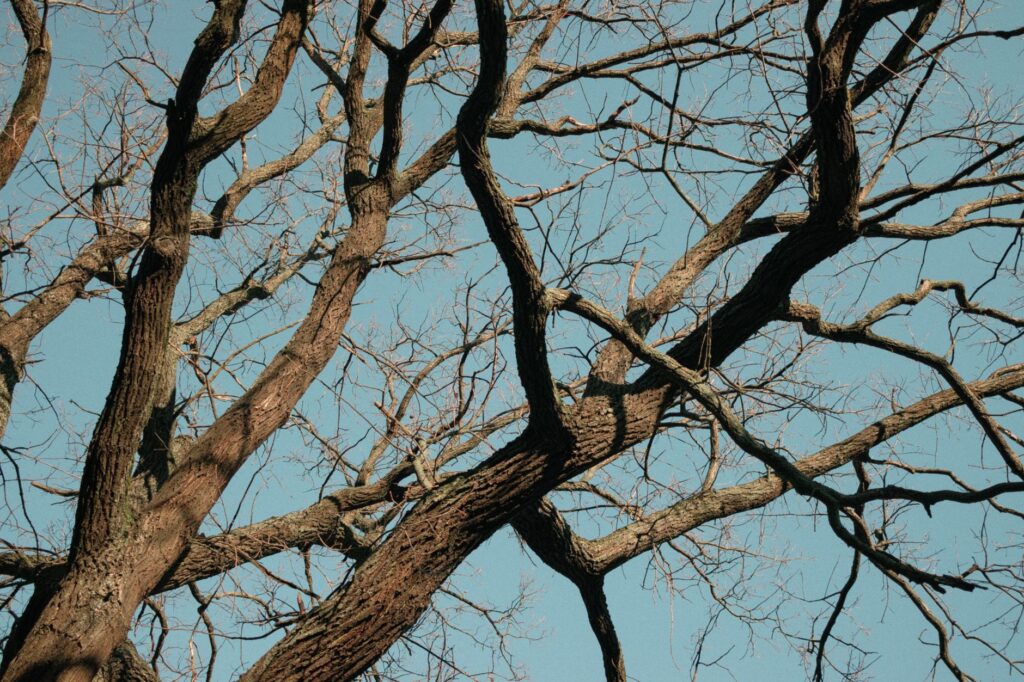
On a clear, cold afternoon in January, the south-facing bark of a young shade tree can run 40 degrees warmer than the shaded north side of the same trunk. An hour after sunset, that warmed bark drops back to air temperature just as fast. Multiply that swing across a winter’s worth of clear, cold days, and the wood and bark cells on that sun-exposed side start to fail. That’s the mechanism behind two of the most common trunk injuries seen on young trees in Middletown Township each spring: sunscald and frost cracks.
Late September and October are the right window to deal with this, not February. The trees most at risk are the ones planted in the last three to five years, and a lot of those sit in open, sun-exposed spots around Middletown — new-construction lots in Port Monmouth and Leonardo, street trees along wide Bayshore-facing roads, replacement trees in yards that lost a mature canopy to storm damage. None of them have the thick, corky bark of an old white oak yet, and none of them have neighboring trees to break the wind and shade the trunk in winter. A little prep now, before the first hard freeze, prevents a wound that would otherwise take years to close.
Sunscald: When the Bark Overheats, Then Freezes
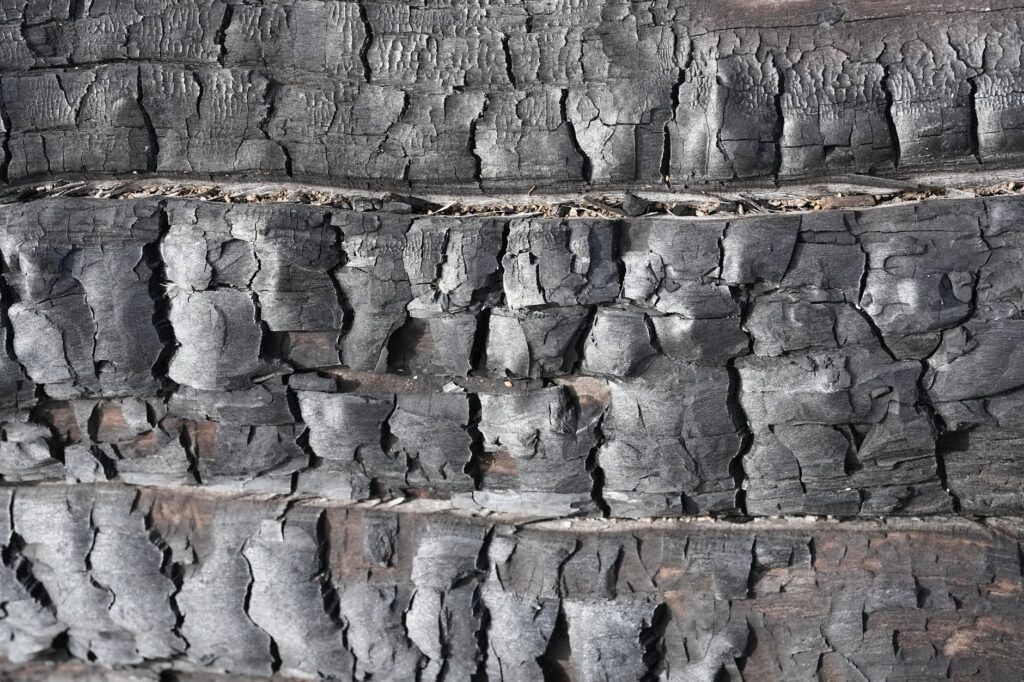
Sunscald shows up as a sunken, dried, or cracked patch of dead bark, almost always on the south or southwest face of the trunk, usually low, within a few feet of the ground. It starts in late winter, when direct sun on dark bark raises the tissue temperature enough to break dormancy locally — cells become metabolically active again. When the sun drops behind a tree line or a cloud, or when the sun simply sets, that same patch of bark can lose 30 to 50 degrees in well under an hour. Tissue that just came out of dormancy has no time to reharden, and it dies.
The damage doesn’t always show immediately. Often the bark looks fine through winter and then, sometime in late spring or summer, that patch dries out, splits, and peels away, exposing bare wood underneath. The International Society of Arboriculture’s tree owner resources list sunscald alongside drought and mechanical injury as one of the stress factors that opens a tree to secondary problems — wood decay fungi and boring insects both find bare, sun-killed bark an easy entry point.
Frost Cracks: The Split That Reopens Every Year
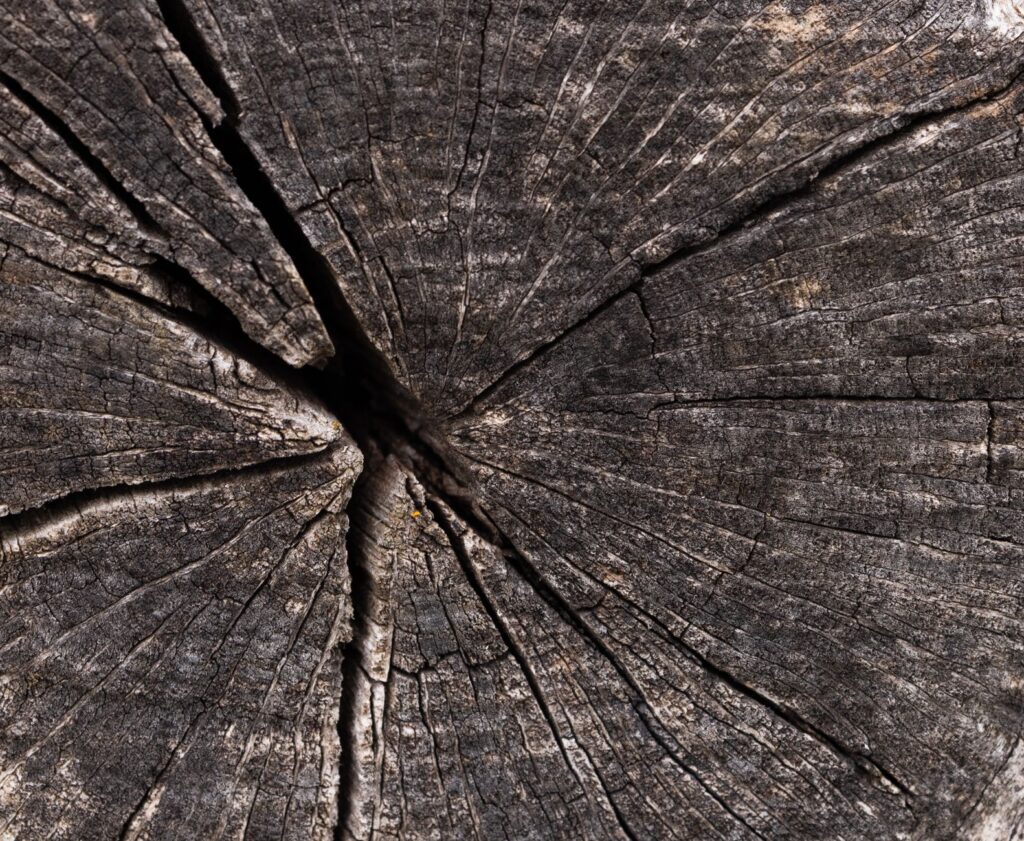
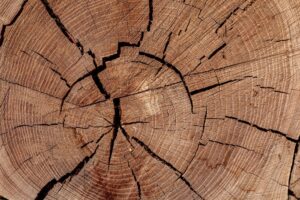
A frost crack is a different injury with a related cause. Instead of a patch of dead bark, it’s a vertical split running up the trunk, sometimes several feet long, that can appear (and occasionally sound) like it happened overnight during a hard cold snap. The outer wood and bark contract faster than the inner wood as temperatures drop quickly, and the resulting tension splits the trunk radially. It tends to happen on the same south or southwest-facing side of the tree as sunscald, and for the same reason: that’s the side with the widest daily temperature swing.
What makes frost cracks frustrating for homeowners is that they rarely heal cleanly. According to Rutgers’ guide to bark cracks on tree trunks, a crack caused by drought stress typically closes over almost completely and doesn’t reopen, but a true frost crack is far more likely to reopen along the exact same line in a future cold winter, sometimes for years, building a raised seam of callus tissue called a frost rib. The tree is trying to wall off the wound each time; the cold keeps reopening it before it can finish.
Middletown's #1 Tree Expert Company
FREE Inspection & Estimate | Certified Arborists | Trimming, Pruning, Removal, More!
Sponsored
Which Middletown Trees Are Actually at Risk
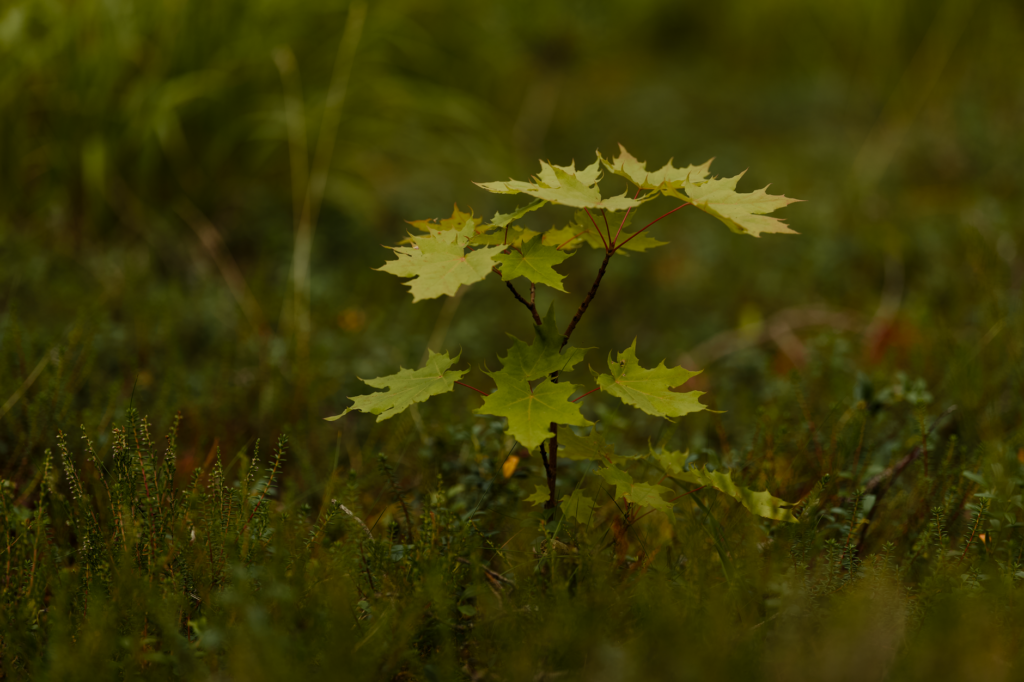
Bark thickness is the deciding factor, and it’s mostly a function of age and species. Trees under roughly five years old, regardless of species, have thin bark that hasn’t developed the insulating, corky layers a 40-year-old tree has. Thin-barked species carry the risk longer into maturity: red and Japanese maple, flowering and ornamental cherry, linden, honeylocust, and tuliptree are all more prone to both sunscald and frost cracking than thick-barked species like oak or hickory.
Location matters just as much as species. A young tree standing alone in an open lawn, especially one facing south or southwest toward open sky over Raritan Bay with nothing to break the wind or afternoon sun, is at far higher risk than the same species planted at the edge of a wooded lot with some afternoon shade. A recently transplanted tree is a special case worth flagging: a tree that spent its first years in a shaded nursery row and was just moved into a wide-open Middletown yard hasn’t had time to acclimate its bark to full winter sun exposure, which is exactly why nursery stock planted this fall needs protection its very first winter in the ground.
The Trunk Wrap: What Actually Works
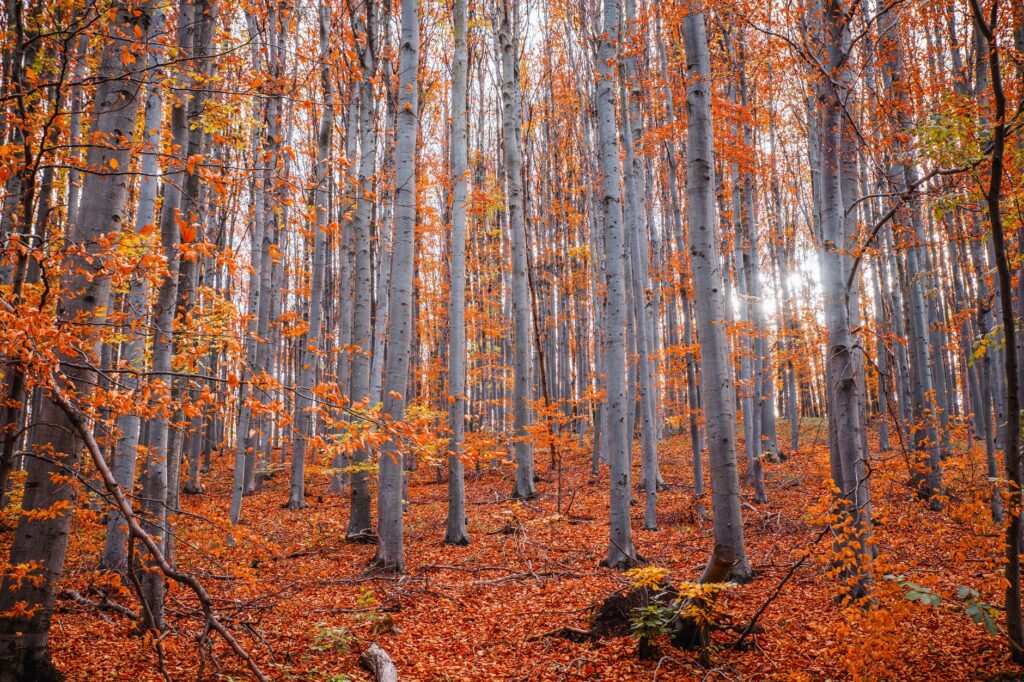
The standard, low-cost fix is a trunk guard or wrap, and timing and material both matter. Use a light-colored or white product — commercial crepe paper tree wrap or a white plastic spiral guard — never dark or brown wrap, which absorbs heat and can make the temperature swing worse instead of better. A few points worth getting right:
- Install before the first hard freeze, not after damage has already appeared — late October through mid-November is the right window for Middletown.
- Wrap from the base upward, overlapping each turn like roof shingles, so water sheds down and out rather than collecting underneath.
- Cover the trunk up to the first major branches, since sunscald and frost cracks both concentrate on the lower and mid-trunk.
- Remove the wrap completely by early spring, once hard freezes have passed — leaving it on into summer traps moisture against the bark and gives insects and rot a place to hide, and a forgotten wrap can eventually girdle the trunk as it grows.
Keeping the tree well hydrated into late fall helps too. A tree entering winter drought-stressed is measurably more vulnerable to both sunscald and frost cracking than one that went into dormancy with adequate soil moisture, so it’s worth running a slow soak at the root zone on any young or newly planted tree until the ground actually freezes.
What Else Helps, and What to Leave Alone
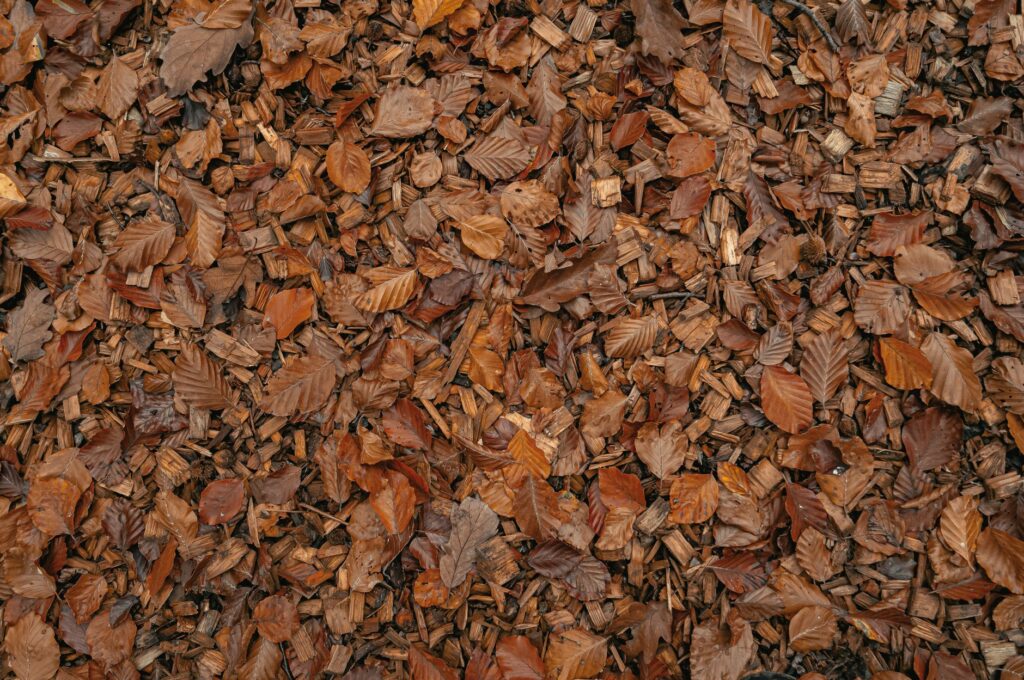
A 2 to 3 inch ring of mulch out to roughly the drip line, kept a few inches clear of the trunk itself, moderates soil temperature swings and helps retain the moisture that keeps bark more resilient — the USDA Forest Service’s urban and community forestry guidance treats consistent root-zone care as one of the biggest levers in getting a young tree successfully established through its first winters. It’s also worth checking for and avoiding trunk wounds from string trimmers and mower decks around the base — a fresh mechanical wound on the south side of a young trunk is one of the more common starting points for a frost crack the following winter, since the bark there is already compromised.
One thing not to do: don’t paint, seal, or caulk an existing crack or scald wound. Trees compartmentalize their own injuries through natural callus growth, and sealants trap moisture against the wound rather than letting it dry and close on its own. The tree’s own response is the treatment; the goal for a homeowner is just to prevent the next one.
Middletown's #1 Tree Expert Company
FREE Inspection & Estimate | Certified Arborists | Trimming, Pruning, Removal, More!
Sponsored
When to Let It Heal, and When to Call a Pro
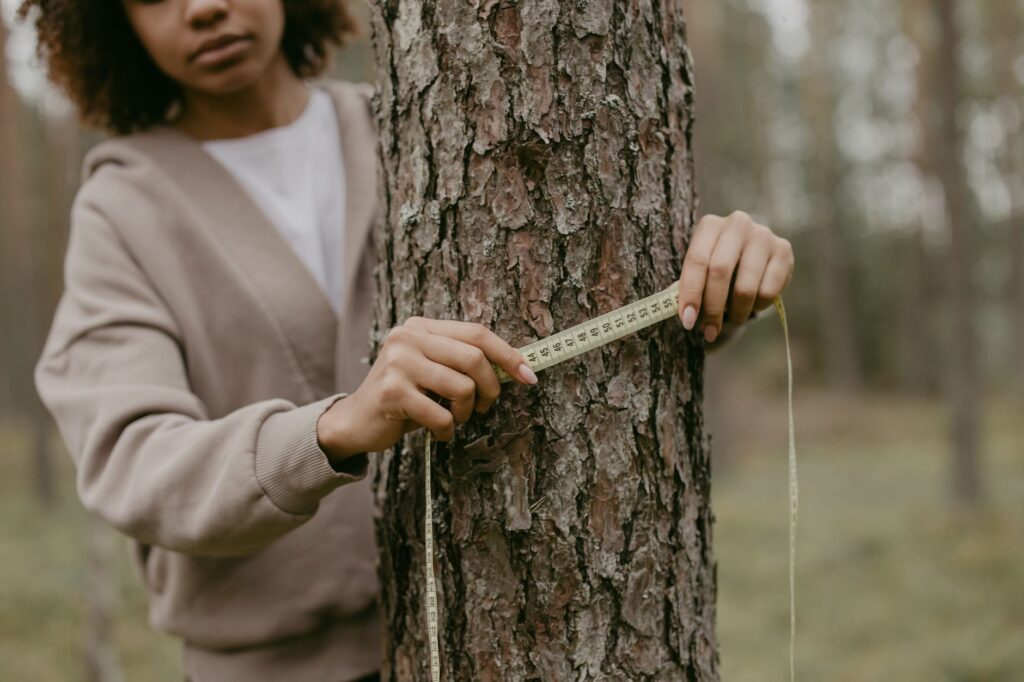
Most sunscald patches and frost cracks on an otherwise healthy tree are cosmetic setbacks, not death sentences. A young tree that gets wrapped this fall and next fall, and watered through dry spells, will typically outgrow the vulnerable window within three to five years as its bark thickens. Many existing cracks close most of the way on their own over a couple of growing seasons.
It’s worth having a certified arborist take a look, though, if a crack is deep enough to see heartwood, if it runs into a major branch union rather than staying on open trunk, if there’s dieback in the canopy directly above the wound, or if you notice sawdust-like frass or fresh insect activity in the opening. Those signs suggest the injury has become an entry point for decay or borers rather than a wound the tree is managing on its own. Catching it this fall, before the trees most at risk go through another exposed winter, is the cheapest and easiest point in the whole cycle to intervene.
Photo credits: Featured image by Imad Clicks on Pexels; Section 1 by Kris Møklebust on Pexels; Section 2 by Eve R on Pexels; Section 3 by Ellie Burgin on Pexels; Section 4 by Lauri Poldre on Pexels; Section 5 by David Bartus on Pexels; Section 6 by Lana Kravchenko on Pexels; Section 7 by cottonbro studio on Pexels.