Middletown's #1 Tree Expert Company
FREE Inspection & Estimate | Certified Arborists | Trimming, Pruning, Removal, More!
Sponsored
The Strip of Grass Nobody Thinks They Own
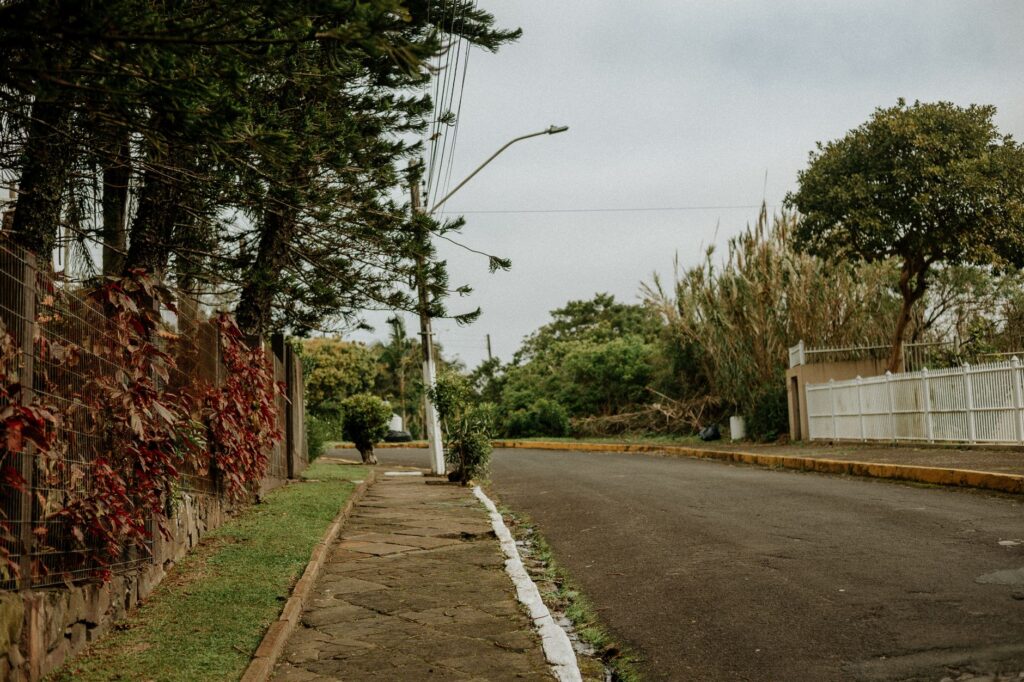
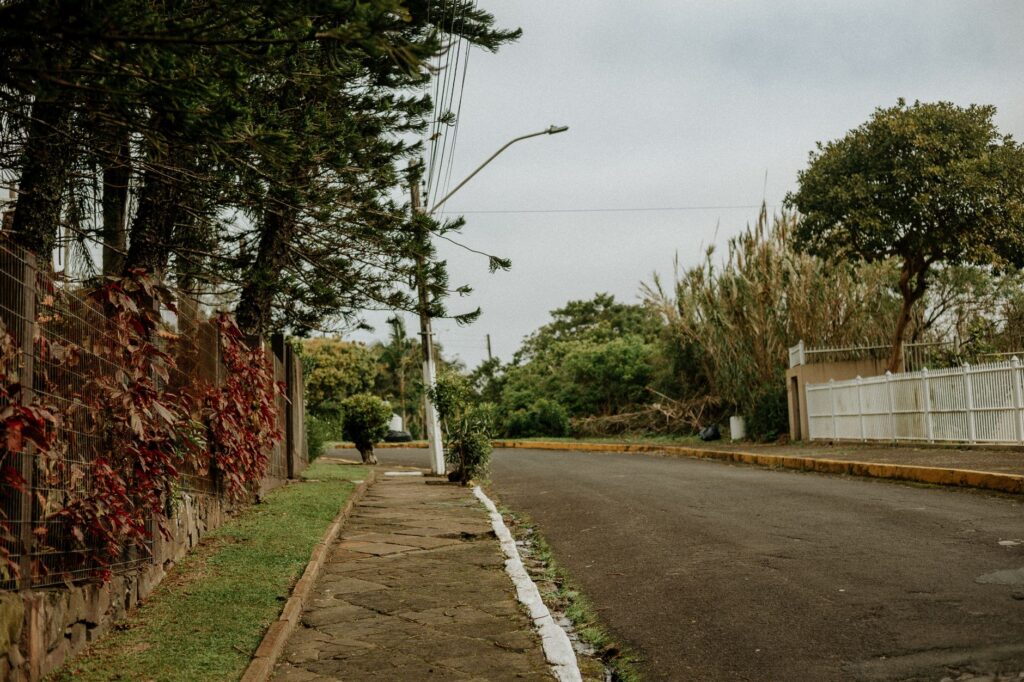
Every fall I get a version of the same phone call. A homeowner in Lincroft or Port Monmouth notices a dead limb hanging over the curb, shrugs, and figures it’s the township’s problem — after all, it’s growing in that narrow strip of grass between the sidewalk and the street, closer to the road than to the house. Surely that belongs to Middletown Township.
Most of the time, it doesn’t. In Middletown, the tree in that strip is very likely yours, and the ordinance that says so has been on the books since 2020. With hurricane season still active through November and a summer’s worth of storms already testing root systems across Monmouth County, now is the right week to figure out which trees on your property line are actually your responsibility — before a limb comes down and you’re finding out the hard way.
What Chapter 220 Actually Says
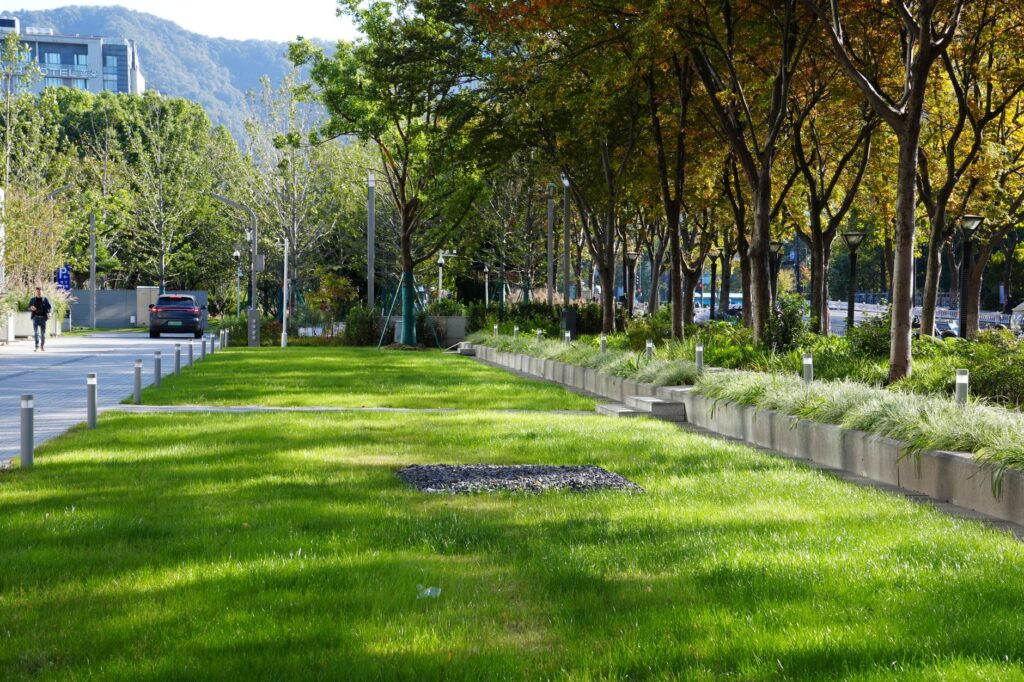
Middletown Township’s tree maintenance code, Chapter 220, adopted by Ordinance No. 823 in June 2020, draws the line simply: if a tree stands on your property, maintaining it is your job — and that responsibility explicitly extends into the public right-of-way, the strip of land running from your property line out to the edge of the paved roadway. That’s the planting strip, the grass median between sidewalk and curb, sometimes even a sliver behind the sidewalk itself, depending on how your lot was surveyed.
The township can and does regulate what happens to those trees — permits are required for removal above certain diameter thresholds, and there are separate rules for street trees versus shade trees on private lots. You can read the current removal regulations directly on the Middletown Township website. But regulation and ownership are two different things. The township deciding it wants a say in whether you cut a tree down doesn’t mean the township is the one keeping that tree pruned, inspected, or safe. That part is on the property owner.
This surprises people because street trees often look like public infrastructure — uniform species, evenly spaced, sometimes planted by a developer decades ago as part of a subdivision requirement. But unless Middletown specifically owns the parcel (true in some park frontages and a handful of dedicated tree lawns), the maintenance obligation runs with your deed, not with the township’s public works budget.
Who's Actually Liable When a Limb Comes Down
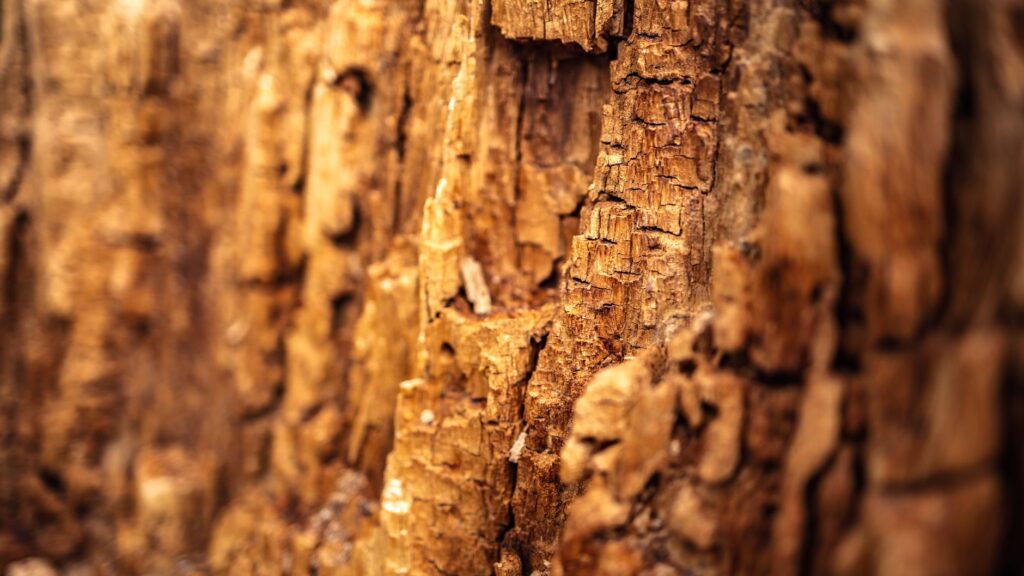
Ownership and liability aren’t quite the same question, and this is where I see the most confusion. New Jersey generally follows a negligence standard for fallen trees and limbs: a property owner isn’t automatically on the hook just because their tree failed. What matters is whether the owner knew, or reasonably should have known, that the tree was hazardous, and whether they did anything about it.
A healthy white oak (Quercus alba) that snaps a limb in a genuine microburst is usually treated as an unforeseeable event — the legal world sometimes calls this an “act of God,” and liability is hard to pin on the owner. But a tree with visible dieback, a cracked union, or a fungal conk at the base that nobody addressed for two seasons is a different story. If that tree fails and it turns out the hazard was visible and ignored, the owner’s inspection history becomes the whole case.
That’s true whether the failure happens onto a neighbor’s fence, a parked car, or a pedestrian on the sidewalk — and it’s true whether the tree is in your backyard or in that curbside strip Chapter 220 assigns to you. The location doesn’t change the standard. What changes the outcome is documentation: did you know, and did you act.
Middletown's #1 Tree Expert Company
FREE Inspection & Estimate | Certified Arborists | Trimming, Pruning, Removal, More!
Sponsored
Why This Matters More for Right-of-Way Trees
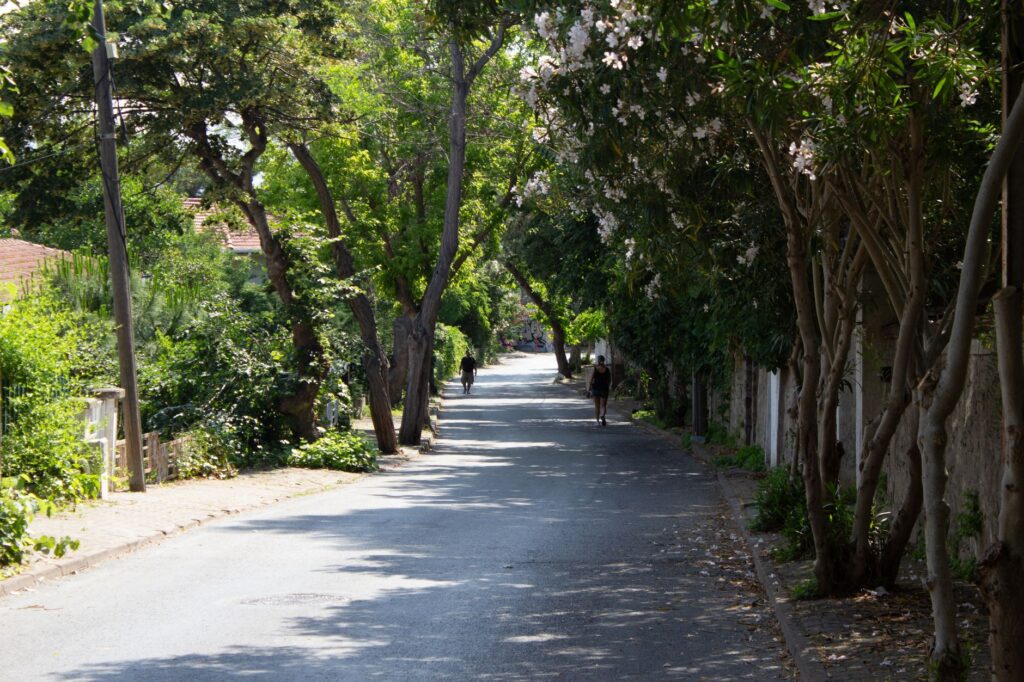
Backyard trees fail onto your own property most of the time, which keeps the dispute contained. Right-of-way trees are different — they overhang public sidewalks where school kids in Belford and Leonardo walk to bus stops every morning, and they drop limbs onto parked cars along residential streets in Chapel Hill and Lincroft. A hazard in that strip has more ways to become somebody else’s emergency, which is exactly the kind of tree an insurance adjuster or a plaintiff’s attorney will look at hardest after the fact.
It’s also the tree homeowners inspect least. People notice the oak leaning over their own roofline. They rarely walk out to the curb and actually look up at the honey locust (Gleditsia triacanthos) the developer planted along the sidewalk in 1987. New Jersey’s Urban & Community Forestry Program exists partly because so much of the state’s roadside canopy sits in this same ownership gray zone — you can see how the state frames municipal versus private responsibility for community trees on the NJDEP Urban and Community Forestry Program page.
A Five-Minute Curbside Check Before the Next Nor'easter
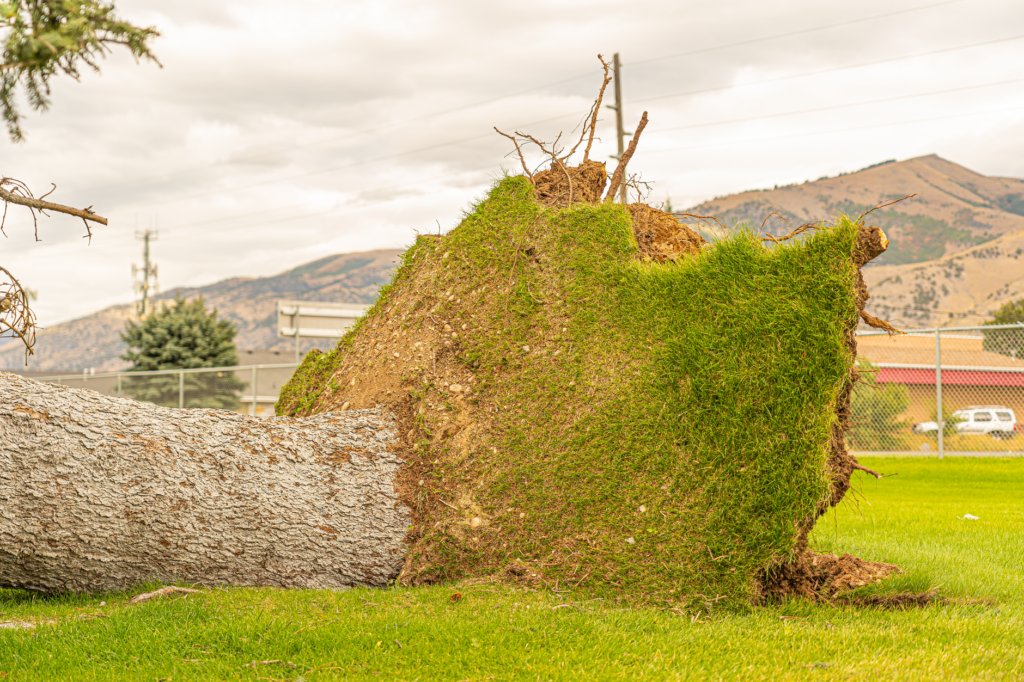
You don’t need a credential to do a basic visual pass on the trees along your own frontage. Walk out to the street, look up into the canopy from a few different angles, and check for the signs that separate a tree that’s fine from one that needs a professional look:
- Dead or bare branches with no leaves while the rest of the canopy is fully leafed out
- Deep cracks or vertical seams running down the trunk or a major limb union
- Mushroom-like conks or shelf fungi growing from the bark or exposed roots — a strong sign of internal decay
- A noticeable lean that wasn’t there a year or two ago, especially with soil heaving or cracking on the opposite side of the base
- Large limbs directly over the sidewalk, driveway apron, or a spot where cars regularly park
The International Society of Arboriculture maintains a clear, homeowner-friendly rundown of what separates a nuisance from a genuine hazard on its Trees Are Good hazard tree guide. If you check even two or three of those boxes on a curbside tree, that’s worth a call, not a wait-and-see.
If You Think It's Actually the Township's Tree
Sometimes it genuinely is. Trees within a dedicated municipal right-of-way parcel, along certain county roads, or on township park frontage can fall under public maintenance. If you’re not sure whether a curbside tree is yours or the township’s under Chapter 220, the Middletown Township Clerk’s office and the Shade Tree Commission can tell you definitively — it’s worth the phone call before you spend money on a tree that was never your obligation in the first place, and it’s worth it in the other direction too, so you’re not assuming the township will handle a hazard that’s legally sitting on your side of the line.
Either way, don’t guess based on how close the tree looks to the curb. Property lines in older Middletown neighborhoods don’t always match what the landscaping suggests, and a formal answer takes one conversation.
Middletown's #1 Tree Expert Company
FREE Inspection & Estimate | Certified Arborists | Trimming, Pruning, Removal, More!
Sponsored
When to Call a Certified Arborist
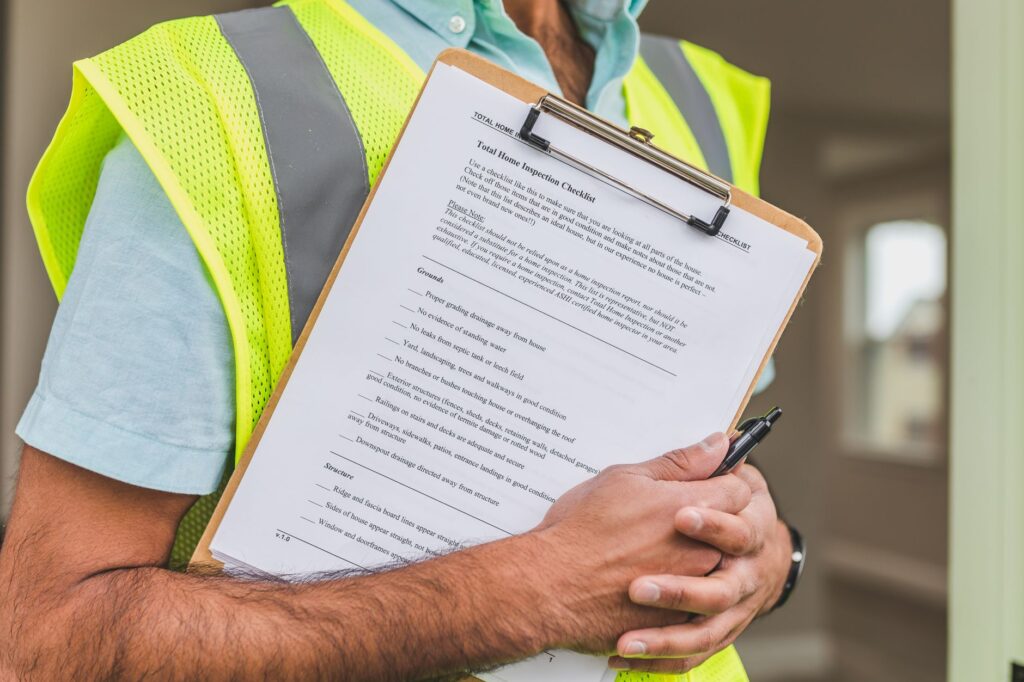
If your curbside check turns up a real concern — significant deadwood over the sidewalk, a crack you can fit a finger into, fungal growth at the root flare — that’s a job for a certified arborist, not a ladder and a pruning saw. Right-of-way trees are awkward to work safely: overhead utility lines, foot traffic, and the fact that a mistake there affects your neighbors and anyone walking past, not just your own yard.
A certified arborist can assess whether the tree needs pruning, cabling, monitoring, or removal, and can put that assessment in writing — which matters both for your own peace of mind and, if it ever comes to it, for showing you acted on what you knew. Rutgers Cooperative Extension has a straightforward guide on vetting a qualified tree care professional, worth a read before you hire anyone: How to Hire a Tree Care Professional. Whatever you decide, don’t let “it’s probably the township’s tree” be the reason a hazard over a public sidewalk goes unaddressed through another Middletown storm season.
Photo credits: Featured image by Maria Luiza Melo on Pexels; Section 1 by Maria Luiza Melo on Pexels; Section 2 by Leila Chen on Pexels; Section 3 by Marek Piwnicki on Pexels; Section 4 by Fatih Altuntaş on Pexels; Section 5 by Castorly Stock on Pexels; Section 6 by Сергей Мельничук on Pexels; Section 7 by RDNE Stock project on Pexels.