
Middletown's #1 Tree Expert Company
FREE Inspection & Estimate | Certified Arborists | Trimming, Pruning, Removal, More!
Sponsored
The Oak That's Older Than the Township Around It
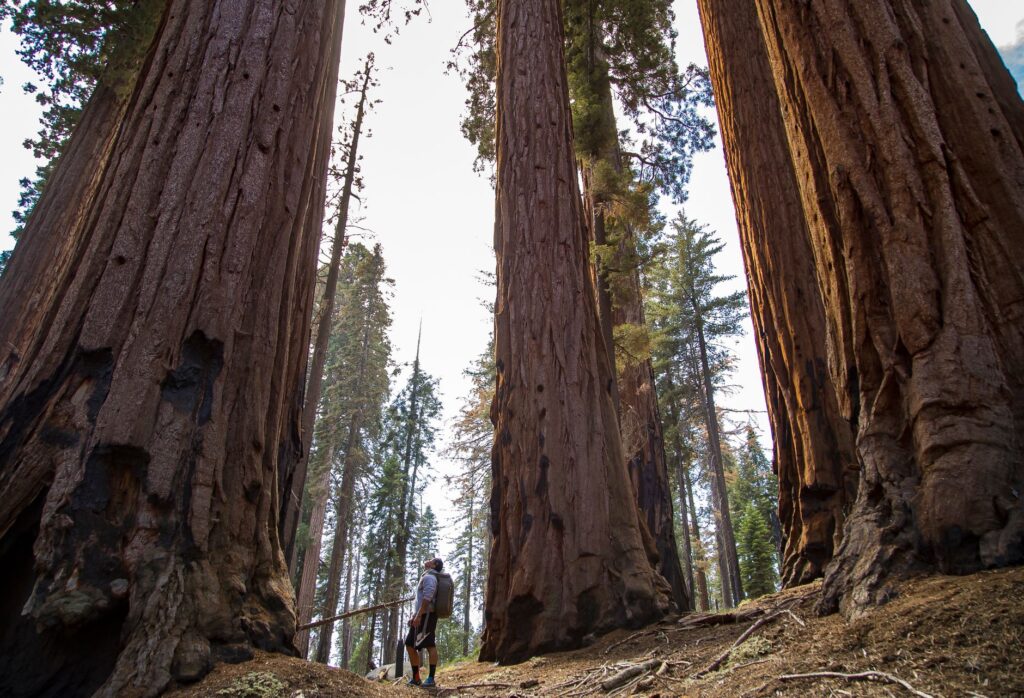
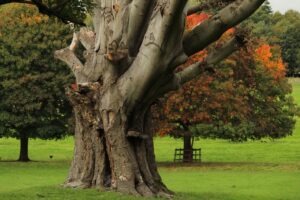
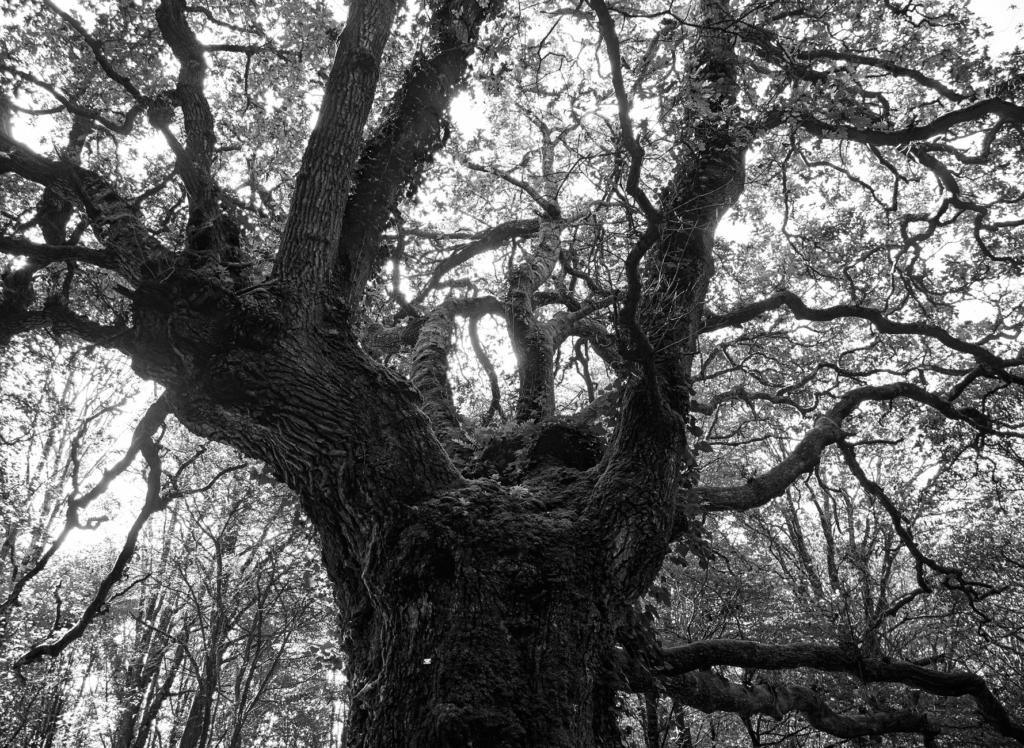
Walk the ridge trail at Hartshorne Woods Park on a clear fall morning, or drop down into the floodplain at Poricy Park, and sooner or later a tree stops you mid-stride. Not because it’s dying or leaning or doing anything dramatic — just because it’s big in a way that nothing else nearby is. The trunk is wider than a picnic table. The lowest limb is as thick as most trees ever get. Whatever was here before subdivisions and cul-de-sacs, that tree remembers it.
Most people’s reaction stops at a photo and a guess: that thing has to be two hundred years old. New Jersey actually has a formal answer to that curiosity. Since the 1930s, the New Jersey Forest Service has kept an official registry of the state’s largest and oldest trees, species by species, measured the same way every time. It’s a small, quiet program, but it exists for a real reason — and it gives Middletown Township homeowners a genuinely useful lens for thinking about the big trees already standing in their own yards.
How New Jersey Actually Scores a Champion Tree
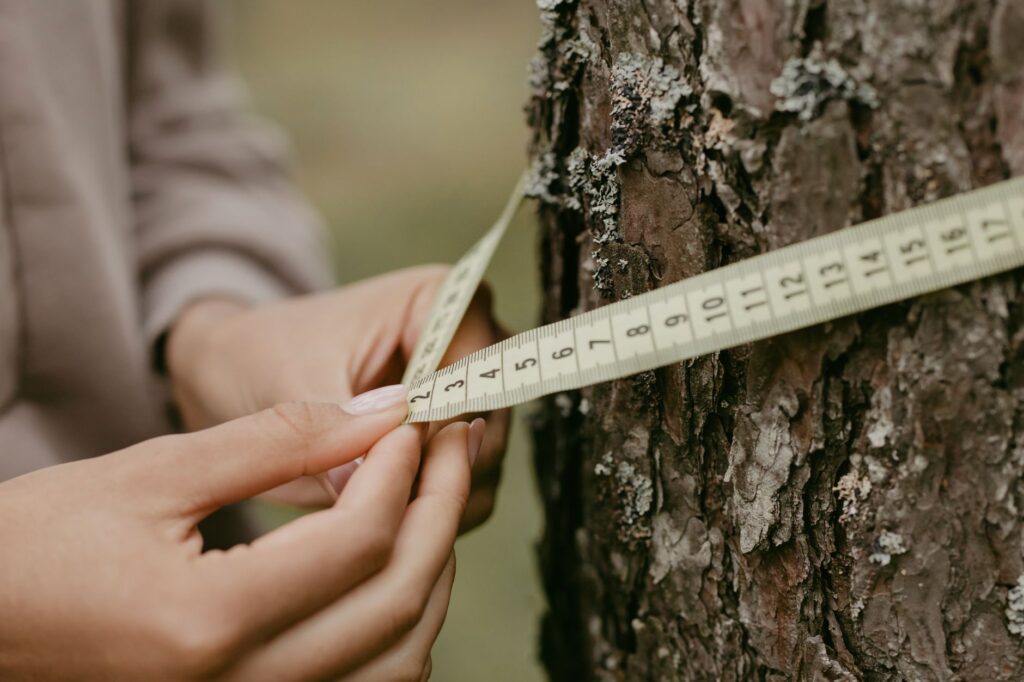
The math behind a “champion” designation isn’t a guess or a vibe — it’s a formula, and it’s the same one used nationally by American Forests. A tree’s total score, in points, is its trunk circumference in inches (measured at 4.5 feet above the ground, the standard “breast height”), plus its total height in feet, plus one-quarter of its average crown spread in feet. Add those three numbers together and you get the tree’s ranking against every other tree of its species in the state.
The New Jersey Big Tree Conservation Program, run through the state Forest Service, has used this system for nearly a century, and the registry now holds more than 400 trees across the state’s native and naturalized species. What makes it interesting for a Bayshore homeowner is that it isn’t limited to state parks or historic estates. Plenty of registry trees stand on ordinary residential lots, simply because someone measured, submitted the numbers, and turned out to be sitting on a record-holder without knowing it.
Heritage and Witness Trees Are a Different Category Entirely
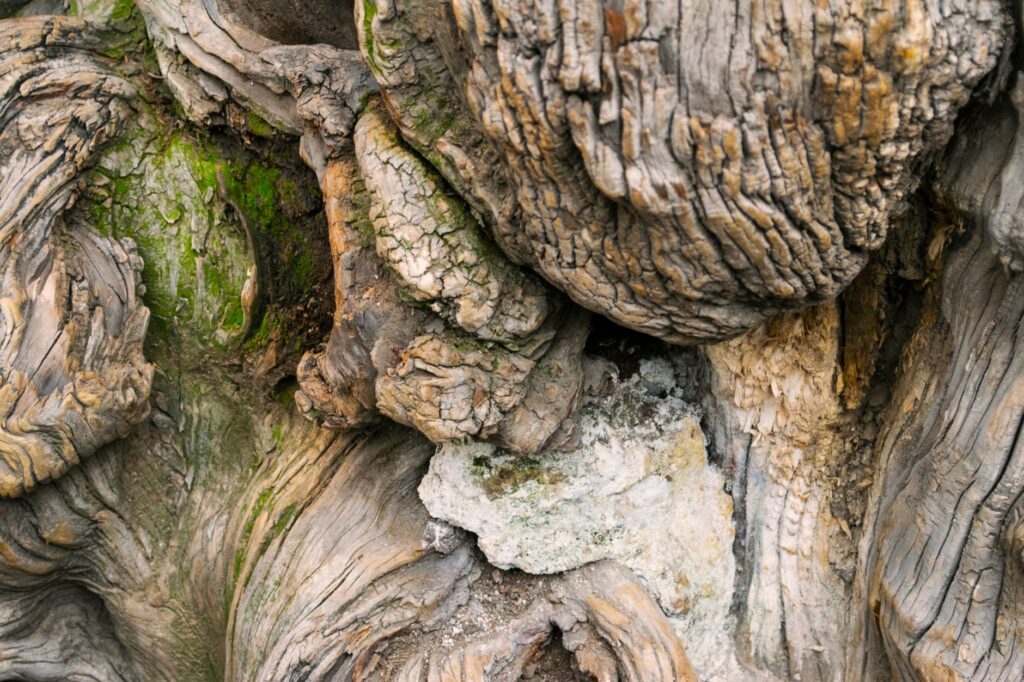
Not every remarkable tree in the state is a size champion, and the registry accounts for that. New Jersey also recognizes Heritage and Witness Trees — specimens whose significance is less about winning a measurement contest and more about what they’ve lived through. A witness tree might not have the largest trunk of its species, but it was standing before the surrounding land was cleared, farmed, or developed, which makes it a living record of a landscape that mostly no longer exists.
That distinction matters biologically, not just sentimentally. A tree that has survived a century or more on the same root system has typically weathered droughts, ice storms, and construction near its root zone that would have killed a younger, less-established tree. It has also had decades longer to support the kind of below-ground fungal partnerships and soil structure that a newly planted tree simply hasn’t had time to build. The International Society of Arboriculture points out that a large, mature tree’s ecological output — the stormwater it intercepts, the shade it casts, the wildlife it hosts — scales up dramatically compared to a young tree of the same species, which is exactly why these older specimens are worth identifying and protecting rather than treating as replaceable.
Middletown's #1 Tree Expert Company
FREE Inspection & Estimate | Certified Arborists | Trimming, Pruning, Removal, More!
Sponsored
What Grows Big Along the Bayshore, and Where to Look
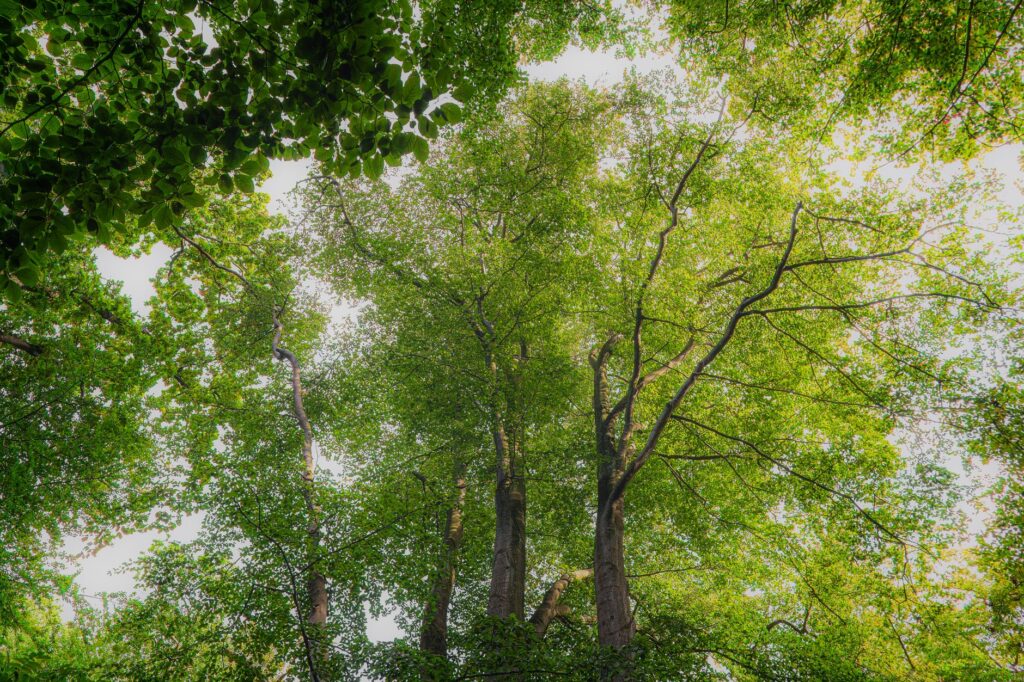
Monmouth County already holds its own entries in the state registry. A black ash currently shares the state co-championship, measured at roughly 93 feet tall with a trunk over four feet in circumference and a crown spread of 41 feet — numbers that put it in rare company for the species. That’s a reminder that champion-caliber trees aren’t only found in remote forests; they’re scattered through county parkland and old residential lots throughout this part of the state.
In Middletown specifically, the best odds of finding genuinely old, large specimens are in the places that were never cleared for farming or building — the steep, undevelopable slopes at Hartshorne Woods, the floodplain terraces at Poricy Park, and the older wooded sections of Tatum Park and Thompson Park, all managed as part of the Monmouth County Park System. White oak, American beech, tulip poplar, and black tupelo tend to be the species that reach the most impressive dimensions in this soil and climate, given enough time and enough room to spread a crown without competition.
A Truly Old Tree Needs a Different Kind of Care
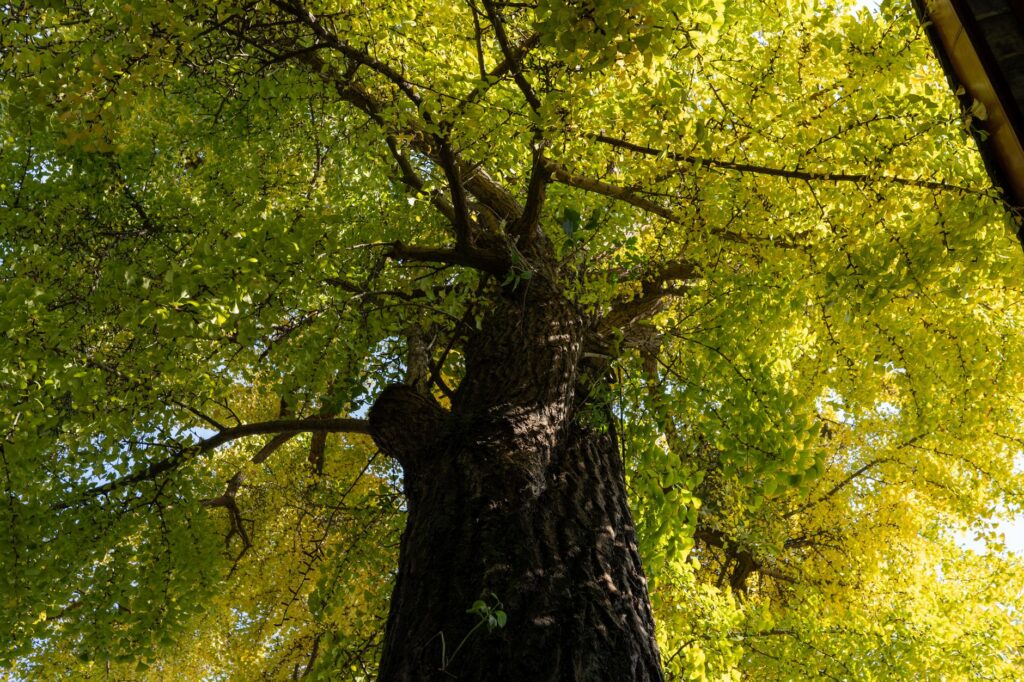
Size and age cut both ways. A champion-caliber tree carries decades of accumulated wounds, old pruning cuts, and internal decay pockets that a younger tree simply hasn’t had time to develop — which means the standard playbook for a twenty-year-old shade tree doesn’t automatically apply. Aggressive crown reduction that a young tree would recover from in a couple of growing seasons can put a genuinely old tree into decline it never fully reverses.
That’s the case for treating a big, old tree on a Middletown property as a preservation project rather than a maintenance chore. Retrenchment pruning — selectively reducing the outermost, most exposed growth while leaving the tree’s overall structure and lower canopy intact — is often a better long-term strategy than the kind of wholesale reduction that works fine on a younger, more resilient tree. Deadwood still needs to come out for safety, and any hazard limb over a house or driveway still needs attention regardless of the tree’s historic value. But the goal with a tree this size should be keeping it standing as long as possible, not managing it like every other tree in the yard.
Measuring Your Own Tree's Potential
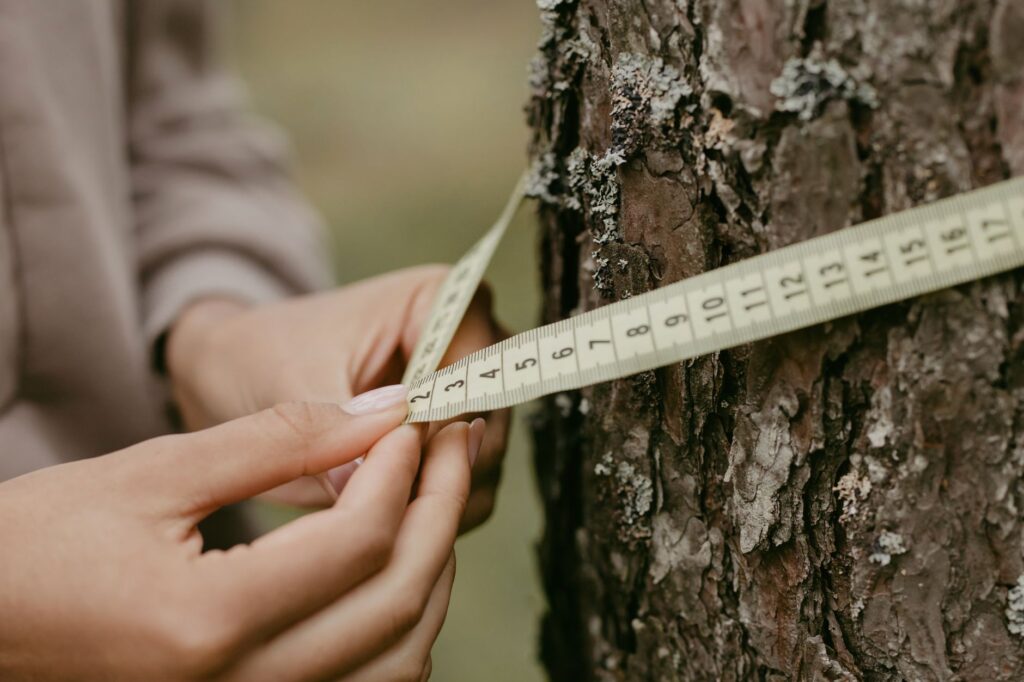
Finding out whether a tree in a Middletown yard is registry-worthy doesn’t require special equipment. Circumference is the easiest number: wrap a cloth tape measure around the trunk at 4.5 feet above ground level, on the uphill side if the ground slopes, and record the measurement in inches. Height takes a bit more care — a simple method is to hold a stick at arm’s length so it matches your own height, then step back until the stick’s length against the tree matches the tree’s apparent height, and use that ratio to estimate. Crown spread is the average of the widest point of the canopy and the narrowest point measured perpendicular to it, both in feet.
Add the circumference, the height, and one-quarter of the average crown spread, and that’s the tree’s point total. It won’t take a state forester to know whether the number is impressive — anything approaching, say, 300 points on an oak or beech is worth a second look. Homeowners who think they might have a genuine contender can submit a nomination through the state’s Big Tree program listed on the NJDEP site above, photos and measurements included.
Middletown's #1 Tree Expert Company
FREE Inspection & Estimate | Certified Arborists | Trimming, Pruning, Removal, More!
Sponsored
When to Bring in a Certified Arborist
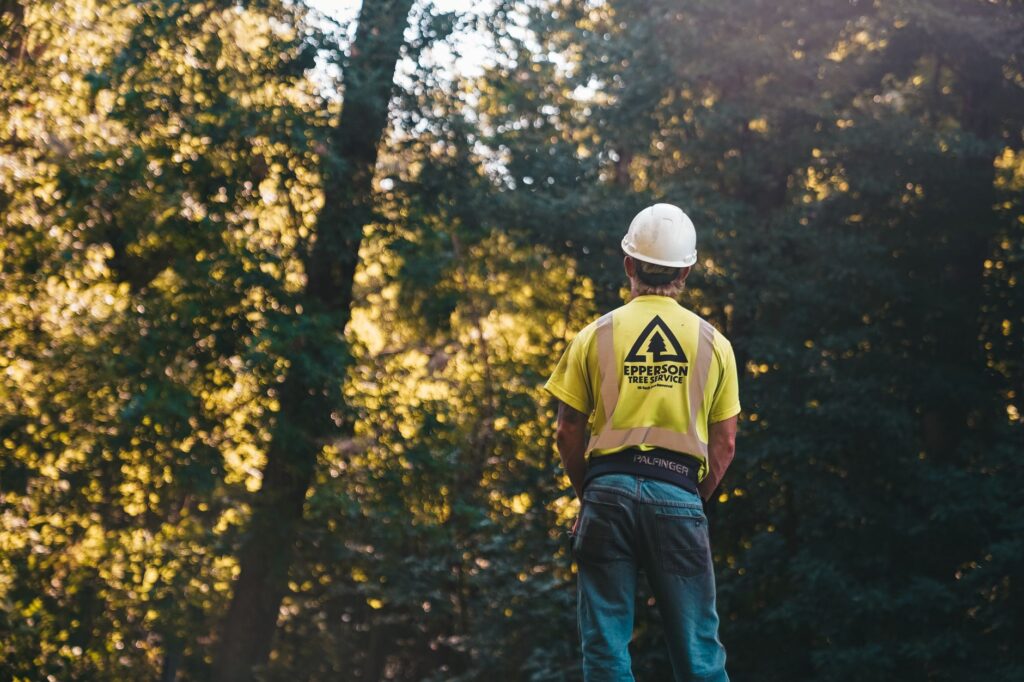
None of this replaces a professional eye. A tree old enough to be a genuine registry candidate is also old enough to have real structural questions that aren’t visible from the ground — internal decay, co-dominant stems under stress, root plate issues from decades of soil compaction or nearby construction. Before any significant pruning, before any construction or grading work happens near the root zone, and certainly before deciding a big old tree is more liability than asset, it’s worth having a certified arborist assess it in person.
Rutgers Cooperative Extension’s guide to hiring a tree care professional is a good starting point for finding someone qualified — credentials matter more with a tree like this than with an ordinary ornamental. A tree that’s stood for a century or more earned that status one growing season at a time. With the right care, and the right person making the calls about it, there’s no reason it can’t stand for another one.
Photo credits: Featured image by Alexandr Meadow on Pexels; Section 1 by Stephen Leonardi on Pexels; Section 2 by cottonbro studio on Pexels; Section 3 by zhang kaiyv on Pexels; Section 4 by Henrik Tuvesson on Pexels; Section 5 by Peter Xie on Pexels; Section 6 by cottonbro studio on Pexels; Section 7 by Grant on Pexels.