
Middletown's #1 Tree Expert Company
FREE Inspection & Estimate | Certified Arborists | Trimming, Pruning, Removal, More!
Sponsored
Find the Root Flare Before You Pick Up a Shovel
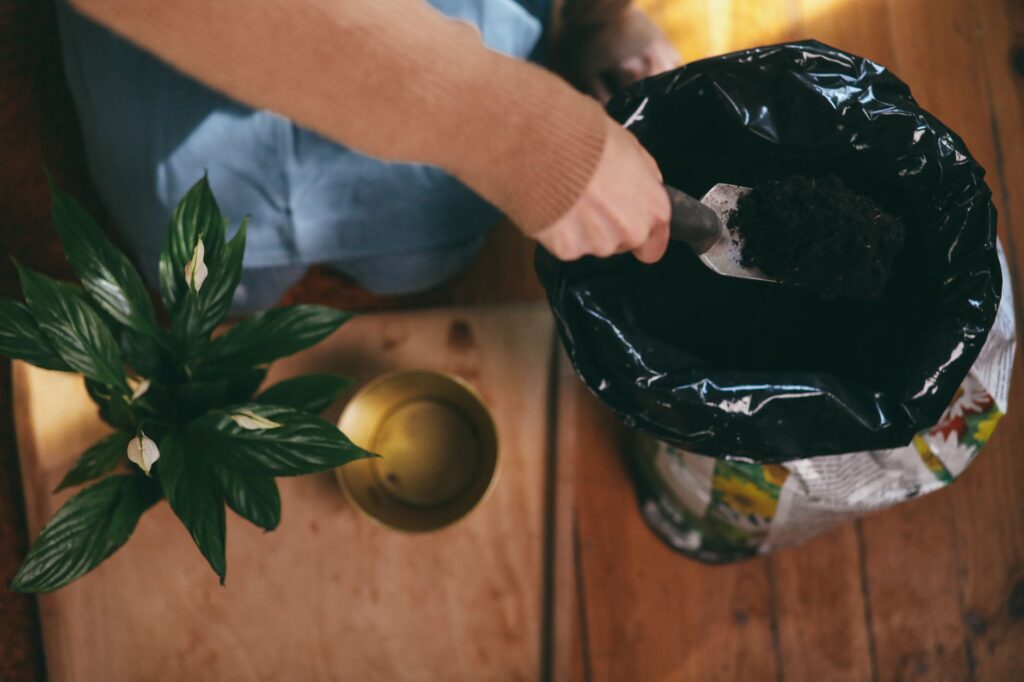
Most of the young trees I see struggling in Middletown yards were not killed by pests, drought, or deer. They were planted too deep. The mistake happens in the first ten minutes, it is invisible once the hole is filled, and the tree can spend five or ten slow years declining before anyone connects the dots.
The root flare is the key. It is the point near the base of the trunk where the straight stem begins to widen out into the main roots. On a healthy tree the flare sits at or just above the soil line. Bury it, and the bark of the lower trunk, which is built for air and not for wet soil, stays damp, invites rot, and sometimes sends roots circling around the trunk instead of outward.
Here is the catch for anyone buying from a nursery: the flare on a balled-and-burlapped or container tree is very often buried already, sometimes by several inches of soil added at the growing field or in the pot. The tag and the pot rim tell you nothing about where the flare really is. The first job, before you dig anything, is to find it with your fingers.
Late October is a good moment to be thinking about this. The fall planting window in coastal New Jersey runs until the ground freezes, and the soil is still warm enough for roots to keep growing well after the leaves drop. That makes now a very good time to plant, as long as it is done correctly.
How to Locate a Buried Flare on a Nursery Tree
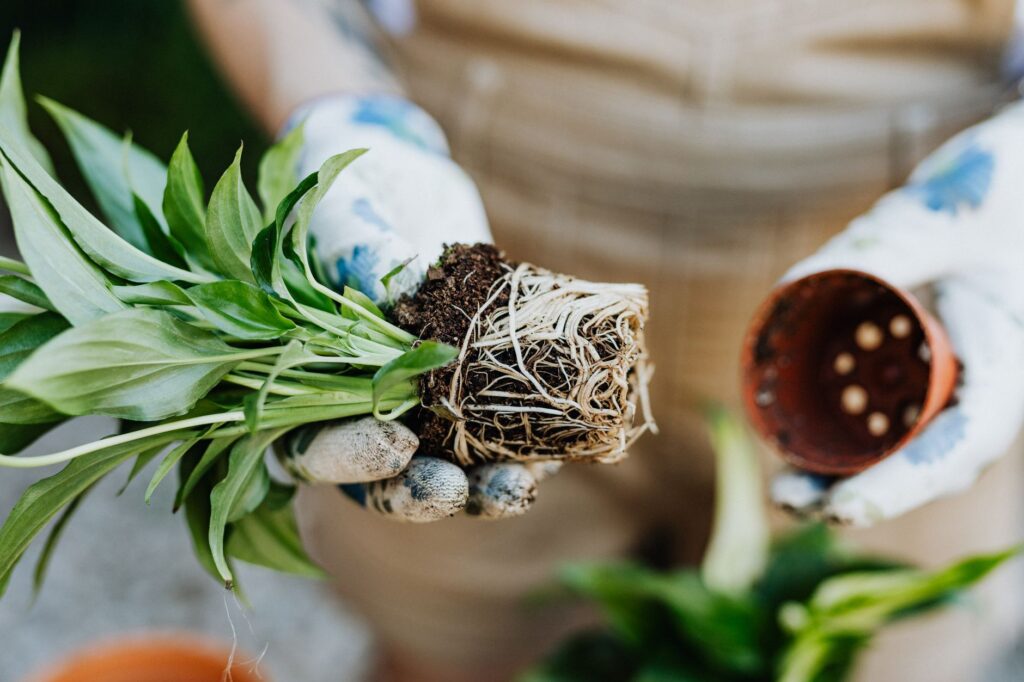
Set the tree on level ground and look at the trunk where it meets the soil in the container or the burlap ball. If you see a gradual widening with visible root buttresses, the flare is exposed and you are in good shape. If the trunk goes into the soil like a fence post, with no widening at all, the flare is buried.
Gently scrape away the top of the soil or the wire-and-burlap covering with your hand or a small trowel until you feel the first main roots turning outward. Keep going until you hit that point. In my experience the true flare is commonly two to four inches below the surface of the ball, and I have seen it as deep as six on trees that spent too long in a container.
While you are in there, check for these three problems:
- Circling roots wrapped around the outside of the root ball, which will eventually tighten into a girdle on the trunk.
- A tight twine or wire basket left on from the nursery, which can be cut away at planting.
- Soil mounded against the trunk above the true flare, which should simply be removed.
Cooperative Extension has long recommended checking for these defects at planting, and Rutgers NJAES is a sensible place to start for New Jersey-specific tree and shrub advice. If a tree has a heavy girdling root already visible at purchase, pick a different tree. It is cheaper than the work of fixing it later.
Dig Wide, Not Deep: The Right Hole for Middletown Soil
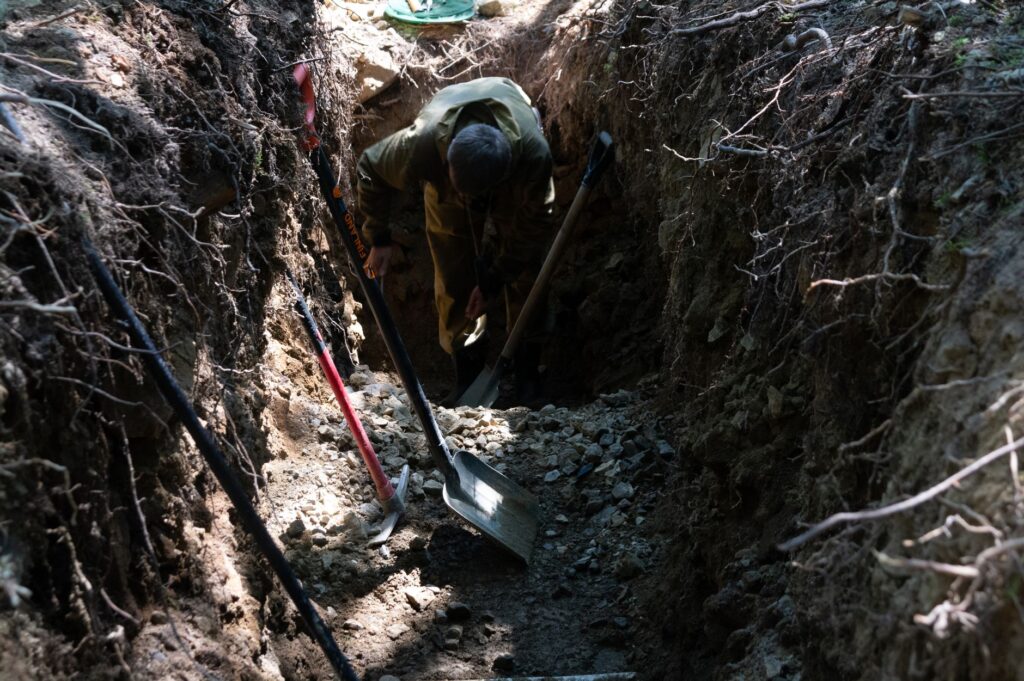
The rule that works almost everywhere is to dig the hole two to three times as wide as the root ball and no deeper than the distance from the bottom of the ball to the flare. That last part is where people go wrong. If the flare is three inches below the top of the ball, then the hole should be about three inches shallower than the ball is tall, so that the flare ends up at ground level or a touch above it.
Why wide instead of deep? Tree roots in suburban Monmouth County spend most of their lives in the top twelve to eighteen inches of soil, where oxygen and water meet. A wide, loosened planting area gives the roots an easy start outward. A deep hole just creates a bathtub, especially in the clay-heavy pockets we have across Middletown, where water can collect in the bottom of an over-dug hole and drown the roots.
The soils here vary more than people expect. Near the Bayshore it can be sandy and fast-draining, while a few miles inland some yards sit on dense clay-loam or on the greensand marl that runs through the county. A simple test helps: dig the hole, fill it with water, and see how long it takes to drain. If water is still standing after a day, you have a drainage problem that no amount of careful depth will cure, and you should consider planting on a slight mound or choosing a more wet-tolerant species.
Leave the soil at the bottom of the hole undisturbed and firm. Fluffed-up soil under the ball will settle and drop the tree lower than you intended after the first few rains.
Middletown's #1 Tree Expert Company
FREE Inspection & Estimate | Certified Arborists | Trimming, Pruning, Removal, More!
Sponsored
Setting the Tree and Backfilling Without Burying the Trunk
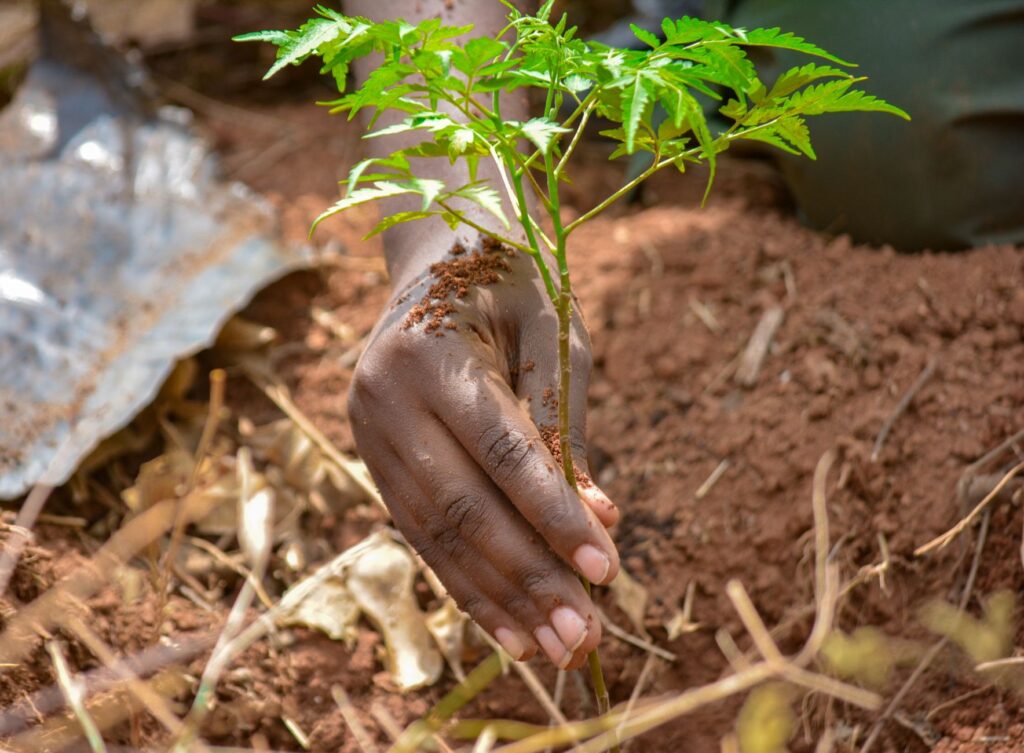
Lift the tree by the ball, never by the trunk, and set it in the hole. Then step back and look at it from two sides at ground level. The flare should be visible, with the top of the ball sitting at or very slightly above the surrounding grade. A half inch to an inch high is fine and usually wise, because the soil will settle.
Straighten the trunk before you fill, not after. Once you start backfilling, adjusting the lean means pulling the tree out of place. Rotate it so the best-looking side faces where you will see it most, and make sure no major branch is aimed at a window or a wire.
With the tree in place, cut and remove the top portion of any wire basket and twine, and fold back the burlap off the top of the ball. Natural burlap breaks down in time, but the synthetic versions do not, and any piece of it left near the trunk can wick moisture away from the roots. Backfill with the same soil that came out of the hole, breaking up big clods. Resist the urge to mix in a lot of compost or peat. A sharp boundary between rich amended soil and the surrounding native soil makes roots reluctant to leave the hole.
Water as you backfill, in stages, to settle the soil and collapse air pockets, rather than stomping on it. The educational site Trees Are Good and the USDA Forest Service both publish plain-language planting guidance that shows the correct depth, and they are worth a look before you start.
Mulch, Water, and Skip the Staking Unless You Need It
Once the soil is in, spread two to three inches of shredded hardwood mulch in a wide ring, and then pull it back so it does not touch the trunk. A mulch donut, with the trunk standing free in the middle, is the goal. A mulch volcano piled against the bark, the thing you see all over the township every spring, defeats everything you did to expose the flare. It holds moisture on the bark, hides pests, and encourages the same circling roots you were trying to avoid.
Watering is the other half of establishing a fall tree. A good rule is a slow, deep soak once a week through the end of the growing season if rain has been less than an inch, and keep it going until the ground freezes. A garden hose at a trickle for twenty or thirty minutes is better than a quick spray every day. Evergreens and any broadleaf trees that still hold leaves lose water through their foliage all winter, so a late soak in November helps them.
On staking: most trees under about two inches in trunk diameter that were planted properly do not need it, and a trunk that can sway a little builds stronger wood. If the site is windy, as many Bayshore properties are, a loose two-stake system with wide, flexible straps can help for the first year. Remove it at twelve months, because stakes left on longer cause girdling and weak trunk taper.
Fixing a Tree You Already Planted Too Deep
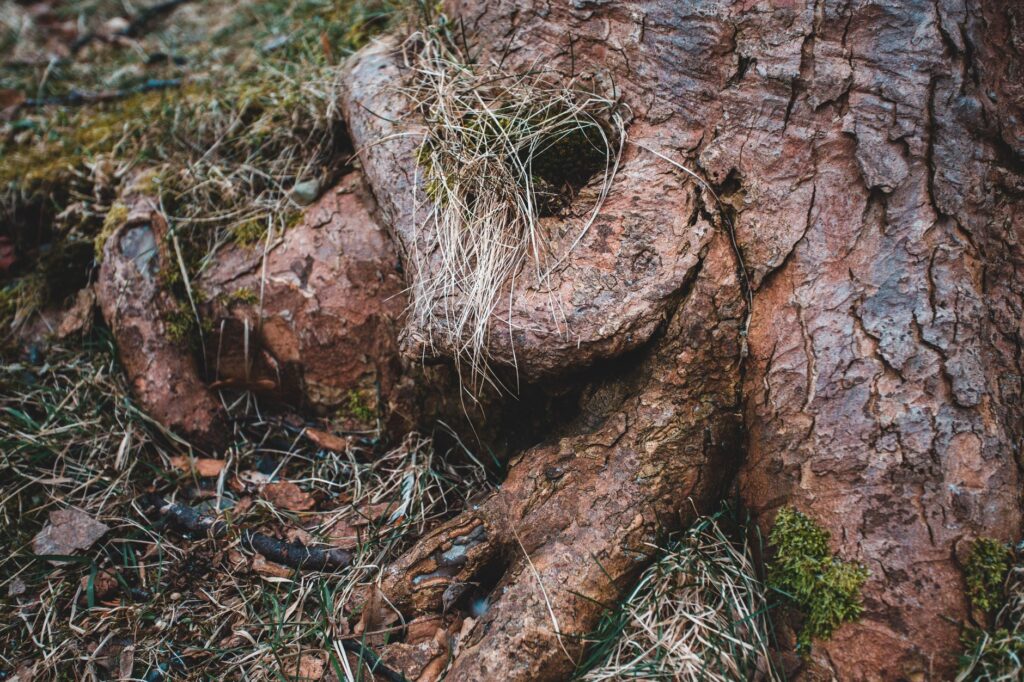
Not everyone is reading this before planting. If you have a tree that went in a year or three ago and the trunk goes straight into the ground with no flare, you may have a deep-planted tree. The symptoms are subtle: smaller leaves than a neighbor’s tree of the same species, early fall color, thin canopy, or bark that looks soft or darker near the soil line. Sometimes there are no symptoms at all until a stress year.
You can check it yourself. With a hand trowel, carefully brush away the soil and mulch at the base of the trunk, working outward from the bark, and look for the flare. If it is more than an inch or two below grade, the tree is deeper than it should be.
The remedy depends on how deep and how long. A few inches of excess soil or mulch can often be carefully removed by hand. Avoid sharp tools near the bark. On bigger problems, an arborist can use an air spade, a tool that blows soil away with compressed air without cutting roots, to expose the root crown and find any girdling roots that need to be cut. Air spading is the safest way to do it, and it is one of the services where a certified arborist earns their fee.
Middletown's #1 Tree Expert Company
FREE Inspection & Estimate | Certified Arborists | Trimming, Pruning, Removal, More!
Sponsored
When to Call a Certified Arborist
Planting a small tree is a very reasonable weekend project for a homeowner, and doing it at the right depth is mostly a matter of paying attention to one detail. Find the flare, dig wide and shallow, keep the mulch off the trunk, and water through the fall.
There are cases where it pays to bring in a professional. A large balled-and-burlapped tree can weigh several hundred pounds and is awkward to move safely. A tree going in near a septic field, utility line, or foundation needs a site assessment. A tree already declining after planting, with a trunk that looks like a telephone pole going into the ground, benefits from an inspection by someone trained to read root crowns.
For a recommendation, look for an ISA Certified Arborist. The International Society of Arboriculture keeps a searchable directory at isa-arbor.com that lets you find credentialed professionals in Monmouth County. An arborist can examine a questionable planting, uncover the flare, and tell you honestly whether the tree can be saved or whether it is better to start over with a better nursery specimen.
The best trees in Middletown ten and twenty years from now are the ones being planted correctly this fall. A few inches of soil, put in the right place, is the difference.
Photo credits: Featured image by Mark Stebnicki on Pexels; Section 1 by KoolShooters on Pexels; Section 2 by https://kaboompics.com/ on Pexels; Section 3 by Plato Terentev on Pexels; Section 4 by Frostee Lens Ug on Pexels; Section 5 by Magda Ehlers on Pexels; Section 6 by Erik Mclean on Pexels; Section 7 by Hanno on Pexels.