
Middletown's #1 Tree Expert Company
FREE Inspection & Estimate | Certified Arborists | Trimming, Pruning, Removal, More!
Sponsored
What's Really Under That Fence Post Hole
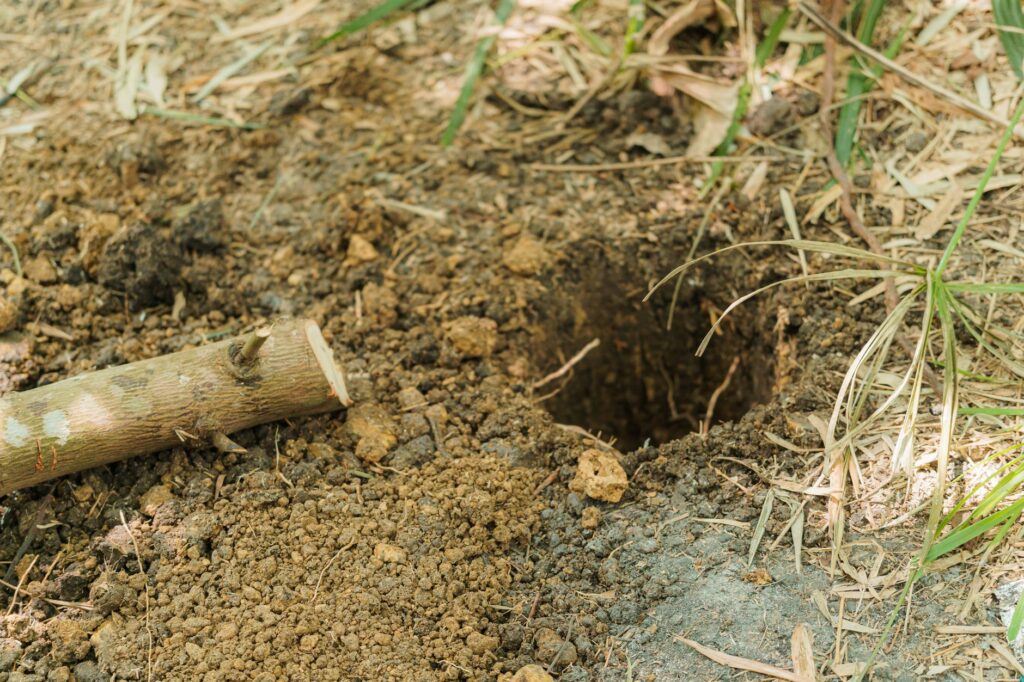
Dig a new fence post hole or a planting bed almost anywhere along the Poricy Brook corridor in Middletown Township and, a foot or two down, the color of the dirt often changes. It goes from ordinary brown topsoil to a heavier, greenish-gray clay flecked with tiny white fragments that look suspiciously like broken seashells. That’s because they are. That layer isn’t garden-variety subsoil — it’s a piece of a seafloor that settled there roughly 66 to 70 million years ago, when a shallow sea covered most of what is now the Jersey Shore.
That ancient seabed has a name — the Navesink Formation — and it’s exposed nowhere more famously than along the banks of Poricy Brook, inside Poricy Park itself. In fact, the formation takes its name from this stretch of Middletown, because the brook cuts through it so cleanly that geologists have studied the exposure here for well over a century. Most Middletown homeowners know Poricy Park for its fossil beds and its nature trails, not for anything to do with their own backyard trees. But the same greenish, mineral-rich marl that fossil hunters kneel in the brook to sift through often continues underground into the yards nearby — and it has a real, measurable effect on which trees settle in comfortably and which ones spend years struggling.
A Shallow Sea, Frozen in the Soil
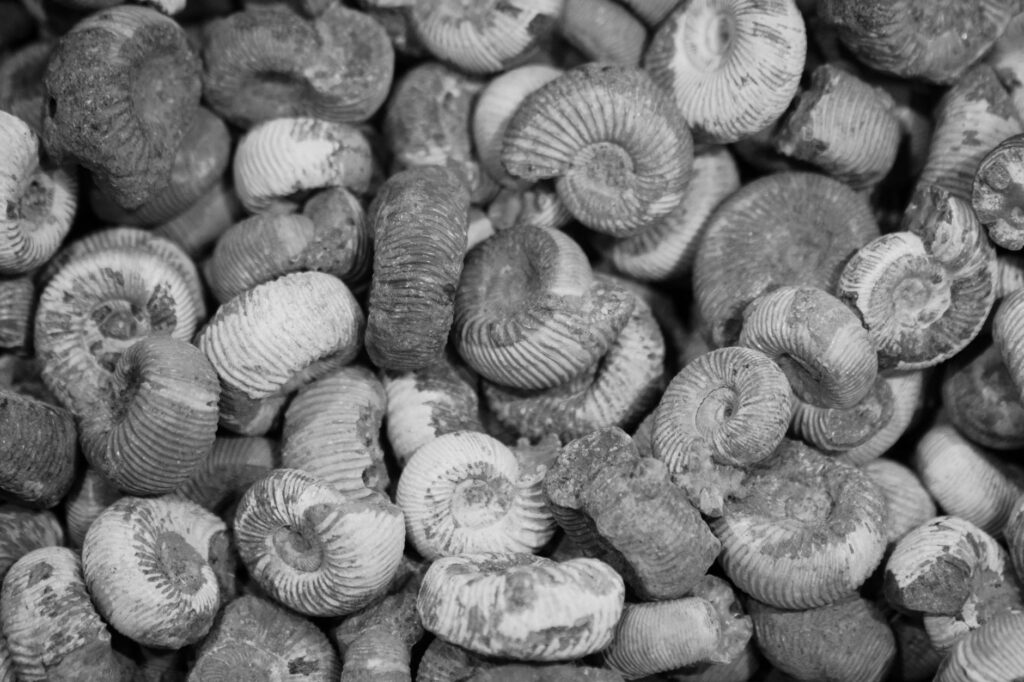
During the late Cretaceous period, the Atlantic Coastal Plain — including the ground under present-day Middletown — sat under a warm, shallow ocean. As that sea slowly retreated, it left behind layers of sand and mud rich in a mineral called glauconite, along with the shells, shark teeth, and other remains of the creatures that lived in it. Geologists call the resulting rock a glauconitic greensand marl, and where Poricy Brook has cut down through the modern landscape, it has exposed that ancient layer right at the surface.
The fossil beds along Poricy Brook are well documented by Middletown Township itself, and they’re a genuinely useful way to see, with your own hands, what’s sitting under parts of the township. It’s not an abstraction. The same marl that preserved a 70-million-year-old oyster shell in the brook bank is, in many yards nearby, the material a young tree’s roots have to grow through today.
Why an Old Seafloor Still Matters to a Living Tree
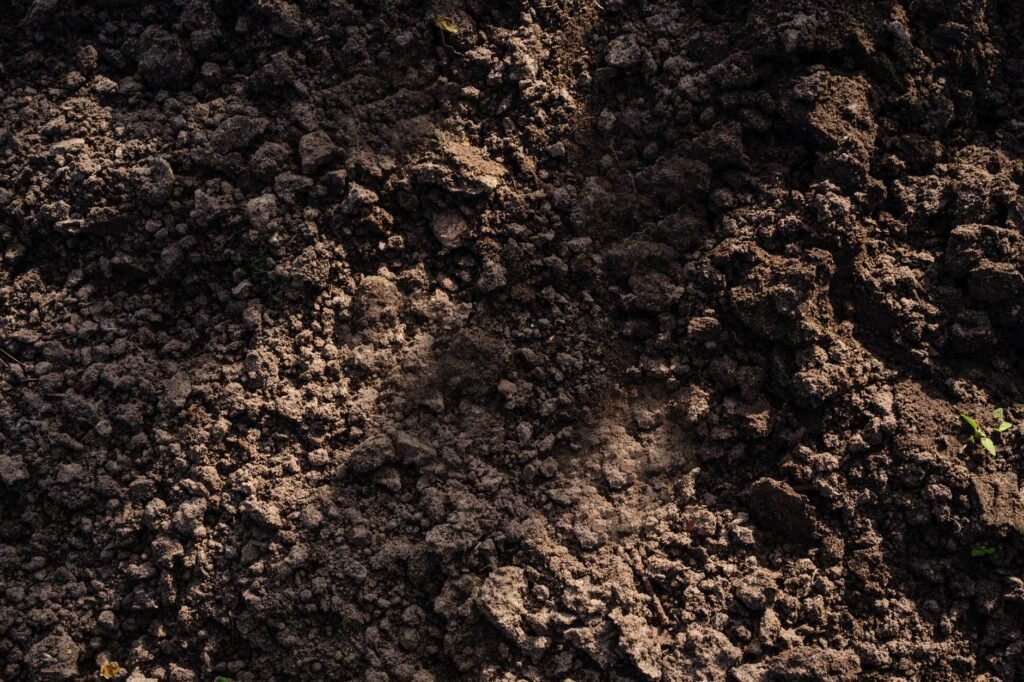
Glauconite itself is an iron- and potassium-rich clay mineral, and as it weathers it releases those minerals slowly into the surrounding soil. That’s not a bad thing — it’s actually why greensand marl has a long agricultural history in this part of New Jersey. Farmers in nearby Monmouth County communities were mining and spreading it on fields as a natural source of potash as far back as the late 1700s, prizing it for the fertility it added to otherwise thin coastal soils.
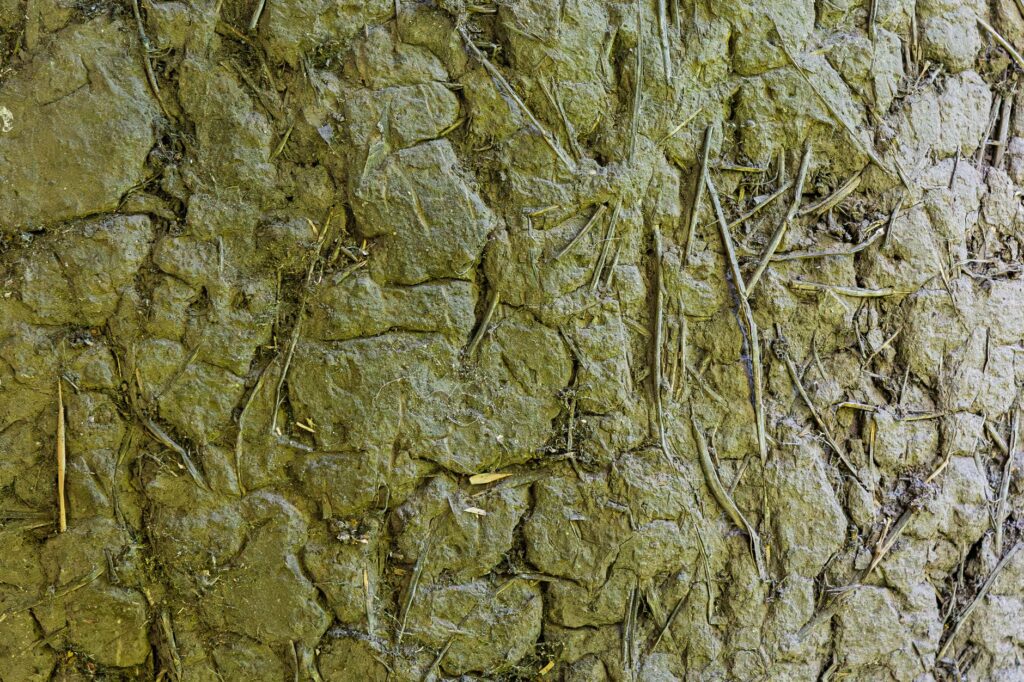
But glauconite-derived soil behaves differently than the sandy, fast-draining soils found closer to the immediate Bayshore. It tends to be heavier, finer-textured, and slower to shed water. When it’s freshly turned, it often looks almost olive-green before it oxidizes and browns in the sun — a visual giveaway that’s easy to spot in a fresh excavation for a foundation, pool, or new planting bed. For a homeowner, that trade-off is worth understanding before planting: the mineral content can support strong growth, but the drainage characteristics can work against a tree that isn’t suited to them. A soil that’s rich isn’t automatically a soil that’s easy to grow in.
Middletown's #1 Tree Expert Company
FREE Inspection & Estimate | Certified Arborists | Trimming, Pruning, Removal, More!
Sponsored
The Drainage Problem Hiding Under Rich Soil
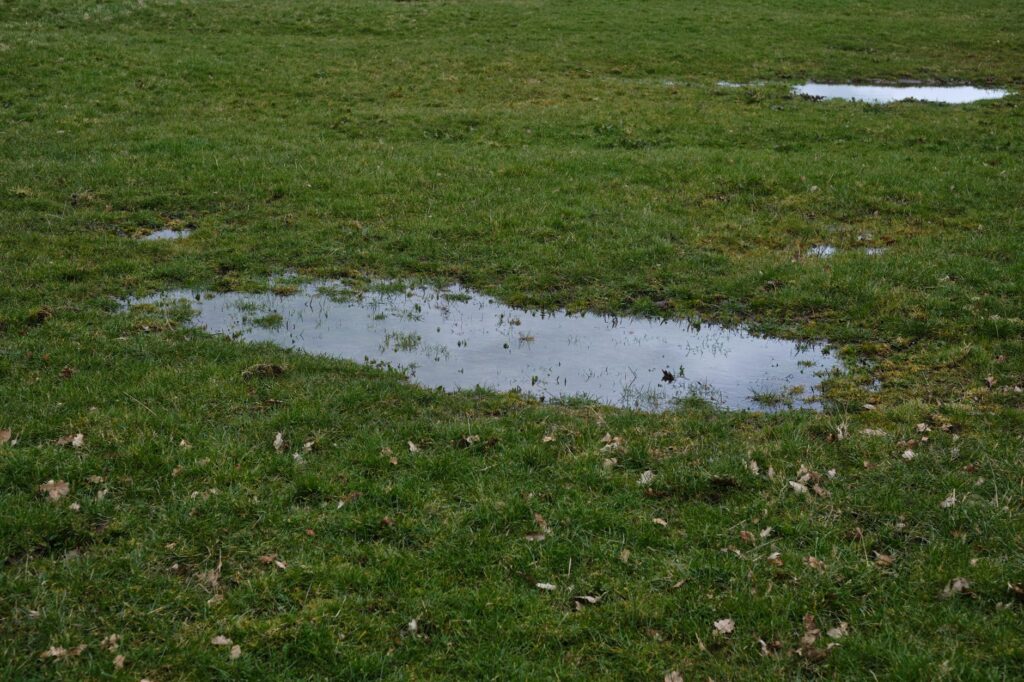
Heavier, clay-influenced soils compact more readily than sandy ones — under regular foot traffic, lawn equipment, or construction activity — and compacted marl-derived clay drains slowly. After a heavy rain or a nor’easter, water can sit in the upper root zone for days rather than hours, which starves roots of oxygen even though the tree looks fine from the outside. Later in the summer, that same soil can bake hard and crack, swinging from waterlogged to droughty within a few weeks. That swing is exactly the kind of stress that shows up years later as a thin canopy, early fall color, or dieback at the branch tips — long after the actual cause was buried and forgotten.
A simple way to check before planting is a basic drainage test: dig a hole about a foot deep, fill it with water, let it drain once, then fill it again and time how long it takes to empty. Water still standing after several hours is a sign of the kind of slow-draining, marl-influenced clay common near the Poricy Brook watershed. Rather than guess, it’s worth getting an actual reading — Rutgers Cooperative Extension of Monmouth County offers soil testing that can confirm texture and pH before a single tree goes in the ground.
Trees That Handle Marl Soil Well — and Ones That Don't
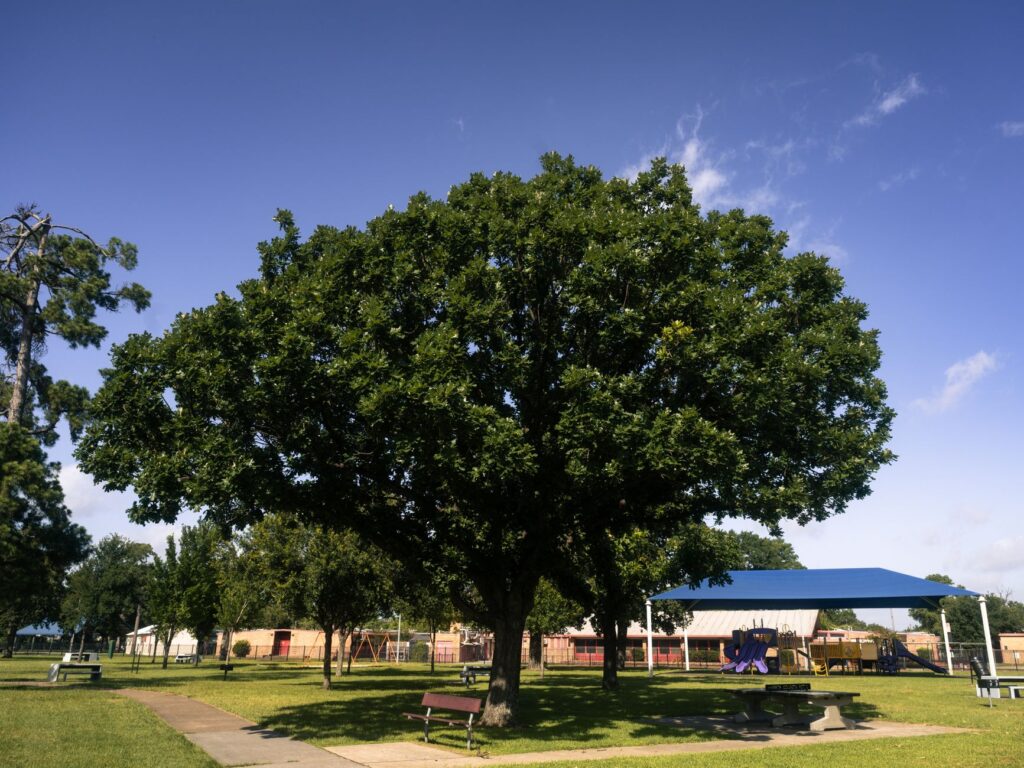
Some species are naturally built for exactly this kind of soil. Swamp white oak (Quercus bicolor) and pin oak (Quercus palustris) both evolved in seasonally wet, heavier-textured soils and tolerate the wet-then-dry swing common over Navesink Formation clay. Red maple (Acer rubrum) is about as adaptable as a shade tree gets, thriving in everything from swamp edges to compacted suburban lawns. River birch (Betula nigra) is another dependable choice where drainage is inconsistent, with the added benefit of attractive peeling bark.
On the other hand, species bred for sharp, fast-draining mountain or western soils often struggle here over time. Colorado blue spruce (Picea pungens) is a common example in Middletown yards — it can look healthy for several years before slowly declining as its roots sit in soil that simply never drains as fast as the species expects, opening the door to root rot. Matching the species to the soil, not just to what looks good at the garden center, makes the difference. The International Society of Arboriculture’s guide to choosing the right tree is a good starting point for weighing site conditions against species before buying.
Not Every Middletown Yard Sits on the Same Ground
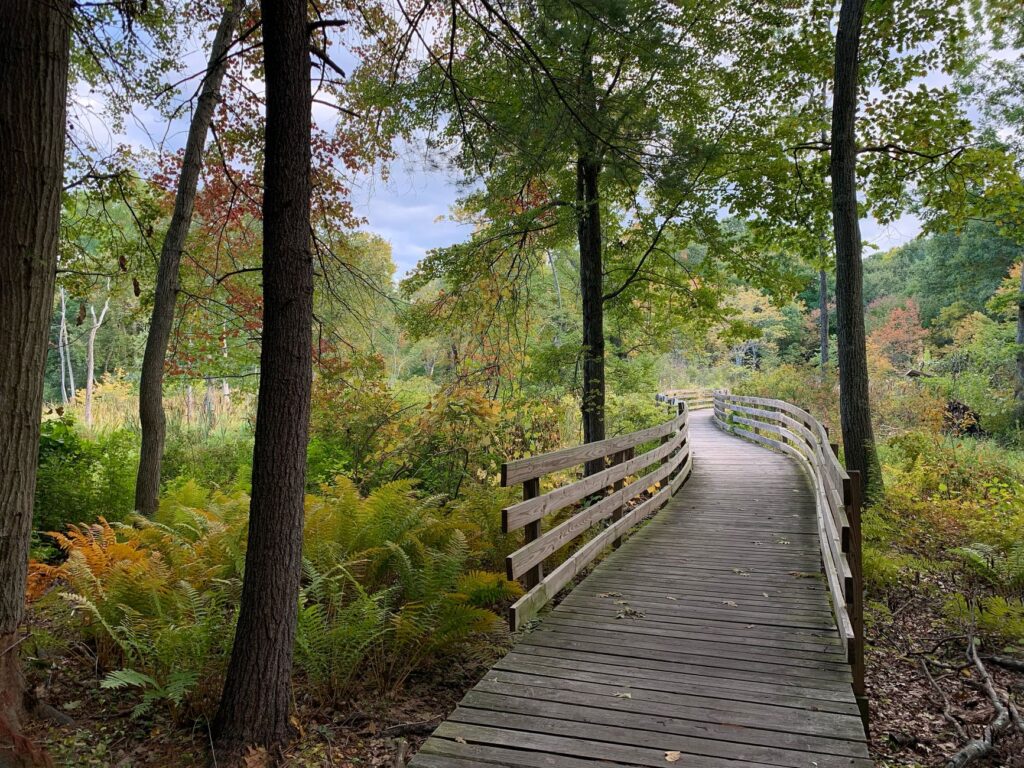
It’s worth being clear that the Navesink Formation isn’t uniform across the whole township. It’s most prominent and closest to the surface along the Poricy Brook corridor and the inland neighborhoods near Lincroft and Chapel Hill, where the brook has cut down into it over thousands of years. Move closer to the immediate Bayshore — toward Port Monmouth or Leonardo — and more recent, sandier deposits tend to sit on top, changing the picture again. Even within the same neighborhood, a low spot that collects runoff or a lot that was regraded during construction can carry the marl closer to the surface than the house next door.
That’s exactly why a soil test matters more than a neighborhood assumption. Two yards a half-mile apart can sit on genuinely different soil, and a species that thrives at one address can sulk at the other. For anyone curious what the marl actually looks like before deciding whether it applies to their own property, a walk through Poricy Park’s nature trails along the brook is a genuinely useful, free field trip.
Middletown's #1 Tree Expert Company
FREE Inspection & Estimate | Certified Arborists | Trimming, Pruning, Removal, More!
Sponsored
When It's Worth Bringing in a Certified Arborist
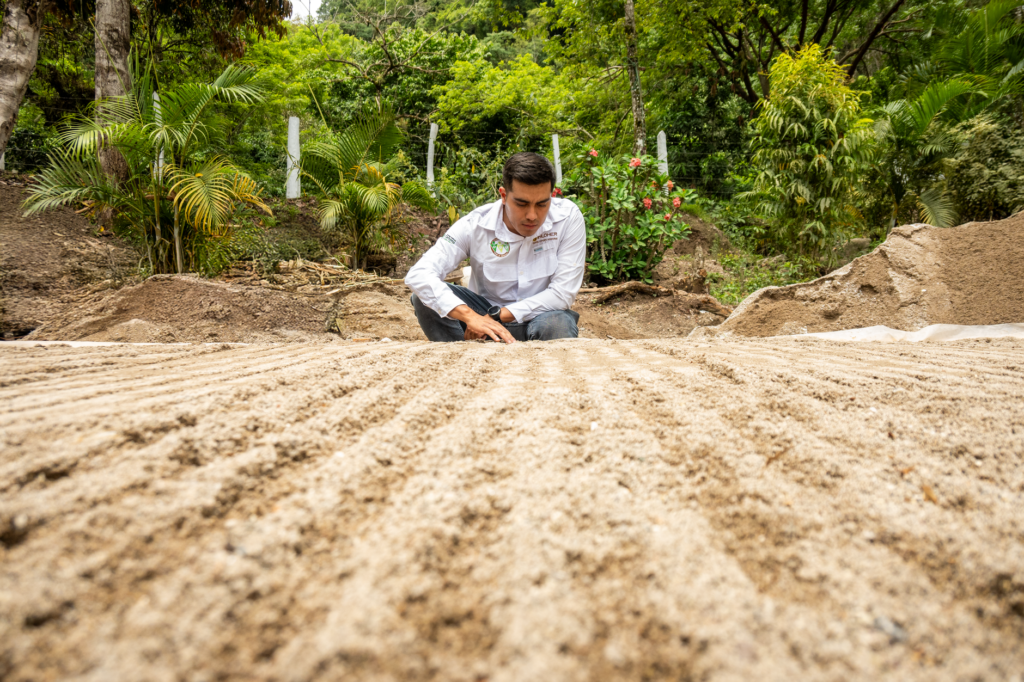
None of this is a reason to avoid planting — it’s a reason to plant with better information. A certified arborist evaluating a new planting site can read the same clues fossil hunters look for in Poricy Brook: soil color, texture, and drainage, translated into a species recommendation that will actually hold up for the next fifty years rather than the next five.
The ground under Middletown carries a longer memory than most homeowners realize. A tree planted today, on soil that last saw daylight when a shallow Cretaceous sea covered the Jersey Shore, deserves a species chosen with that history in mind — not a guess made at the nursery on a Saturday afternoon.
Photo credits: Featured image by Marcelo Gonzalez on Pexels; Section 1 by Nothing Ahead on Pexels; Section 2 by Budget Bizar on Pexels; Section 3 by Atlantic Ambience on Pexels; Section 4 by Rodion Kutsaiev on Pexels; Section 5 by Eddie O. on Pexels; Section 6 by Larry Jordan on Pexels; Section 7 by Irvin David on Pexels.