Middletown's #1 Tree Expert Company
FREE Inspection & Estimate | Certified Arborists | Trimming, Pruning, Removal, More!
Sponsored
The Same Tree, Two Different Yards
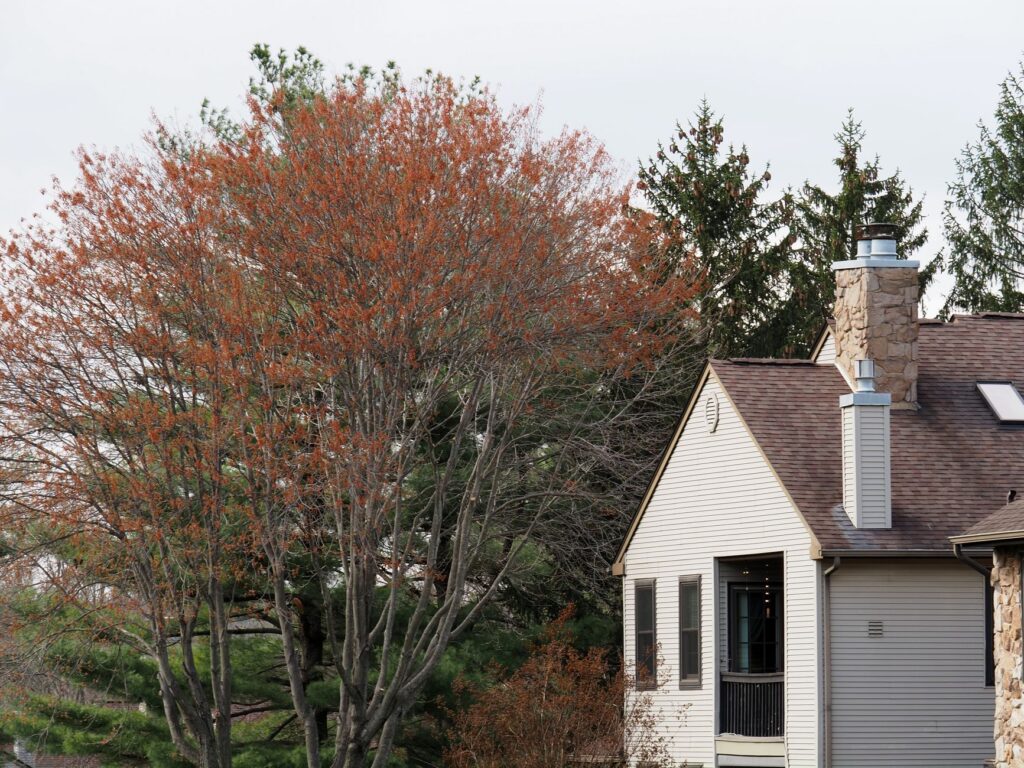
I get some version of the same phone call every October: a Lincroft homeowner plants a red maple that thrives, and a friend in Port Monmouth plants the identical tree from the identical nursery the same week — and three years later one is thriving while the other is struggling. Nine times out of ten, the difference isn’t the nursery stock, the planting crew, or luck. It’s what’s six inches under the lawn.
Middletown Township sits across a genuine seam in the region’s geology. Drive from the terraces around Lincroft and Holmdel Road down toward Port Monmouth, Leonardo, and the Bayshore, and you cross from old, well-drained coastal plain soil into younger, wetter ground shaped by Raritan Bay and the Shrewsbury River. Homeowners rarely think about this until a tree tells them, usually the hard way — yellowing leaves, slow growth, or a rootball that never quite lets go of the burlap because the hole it sat in stayed soggy all summer.
Fall is the best window to plant in New Jersey, and it’s also the best time to get species selection right, because a tree put in the ground this month has a full dormant season to grow roots before it has to face next summer’s heat. Before you buy anything, it’s worth understanding which side of that seam your yard sits on — and what it means for what you plant.
What's Actually Different About Middletown's Soil
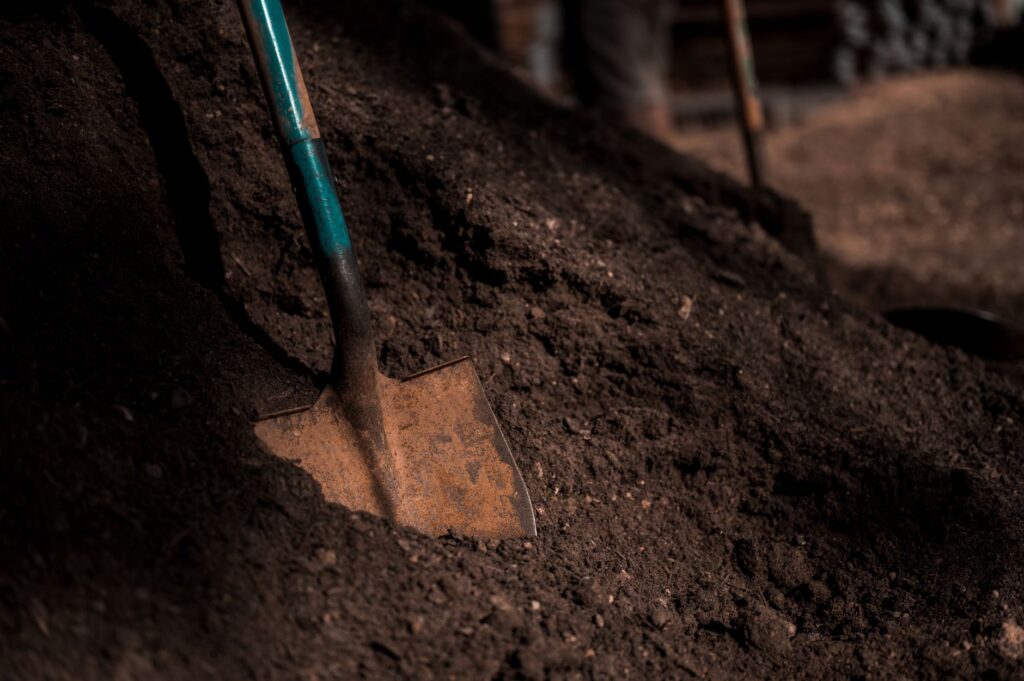
A lot of inland Middletown — Lincroft, the high ground around Tatum and Thompson Park, much of the Route 35 corridor — sits on old coastal plain terraces built from ancient river and ocean deposits. The soil that formed here, generally mapped as part of the Downer series or its close relatives, is deep, loamy, and drains well: sandy loam over a gravelly, sandy subsoil that lets water move through instead of sitting. It’s acidic, needs organic matter and sometimes lime, but it’s forgiving ground to plant in. The official USDA soil series description for Downer is a useful reference if you want the technical profile of what’s likely under an inland Middletown lawn.
Closer to Raritan Bay and the tidal reaches of the Shrewsbury and Navesink Rivers — Port Monmouth, Leonardo, parts of Belford and the lower Bayshore — the ground tells a different story. These soils formed in younger, flatter, often poorly drained material influenced by tidal flooding and a higher water table. Some patches are sandy and loose right at the surface but sit over layers that hold water; others are simply low-lying enough that the water table is close to the surface most of the year. A tree that wants its roots to dry out between waterings is going to sulk here, no matter how well it’s planted.
There’s also a wide middle band — areas with heavier, siltier, slower-draining loam that isn’t quite either extreme. If your yard has ever had standing water for more than a day after a hard rain, or your grass squishes underfoot in spring, that’s a clue you’re not on classic well-drained Downer ground.
Read Your Own Yard Before You Buy Anything
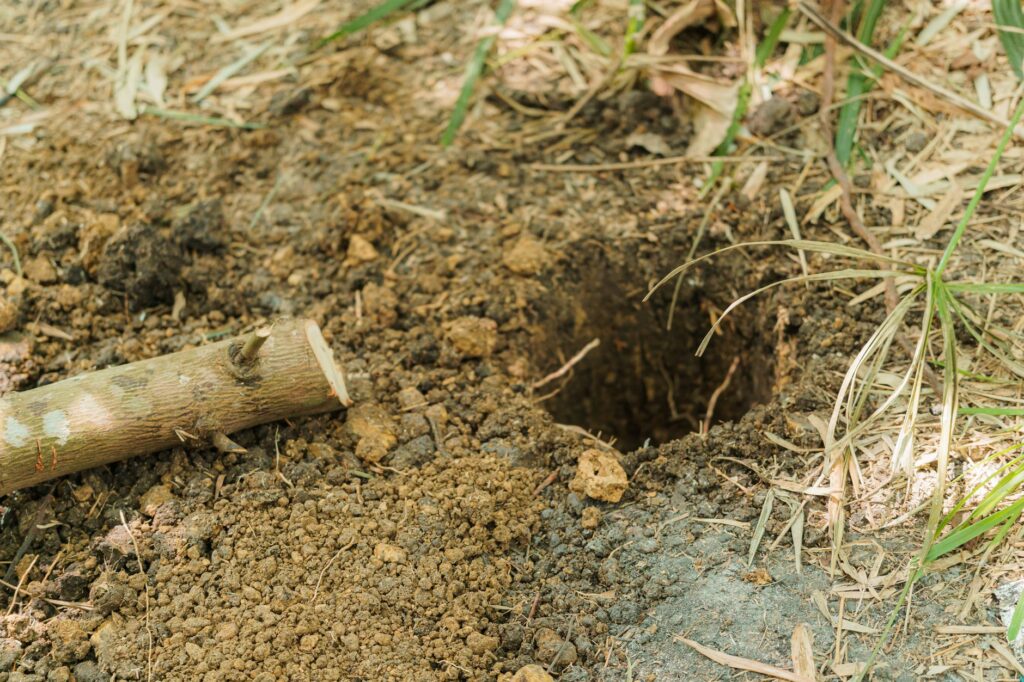
You don’t need a lab to get a useful read on your planting site. A simple percolation test tells you more than any soil map: dig a hole about 12 inches deep and 12 inches wide where you plan to plant, fill it with water, let it drain completely, then fill it again and time how long it takes to drain the second time. Water that disappears within a few hours means good drainage. Water still standing after 12-24 hours means you’re dealing with heavier or seasonally saturated ground — common in low spots near the Bayshore and in some of Middletown’s older clay-influenced yards.
A few other tells worth checking before you dig:
- Where does water pool or run after a heavy rain, and does it linger?
- What’s already thriving nearby — are the healthiest mature trees on the property in a low, damp corner or up on higher ground?
- Was the area ever regraded, filled, or compacted during construction? Fill soil drains very differently than the native profile beneath it.
- How close is the water table — does a fence post hole or utility trench nearby ever hit standing water?
Rutgers Cooperative Extension’s guidance on working with native and site-appropriate plants is a good next stop once you know your drainage — see their fact sheet on incorporating native plants into a residential landscape for how site conditions should drive species choice, not the other way around.
Middletown's #1 Tree Expert Company
FREE Inspection & Estimate | Certified Arborists | Trimming, Pruning, Removal, More!
Sponsored
Trees Built for Middletown's Well-Drained Inland Soils
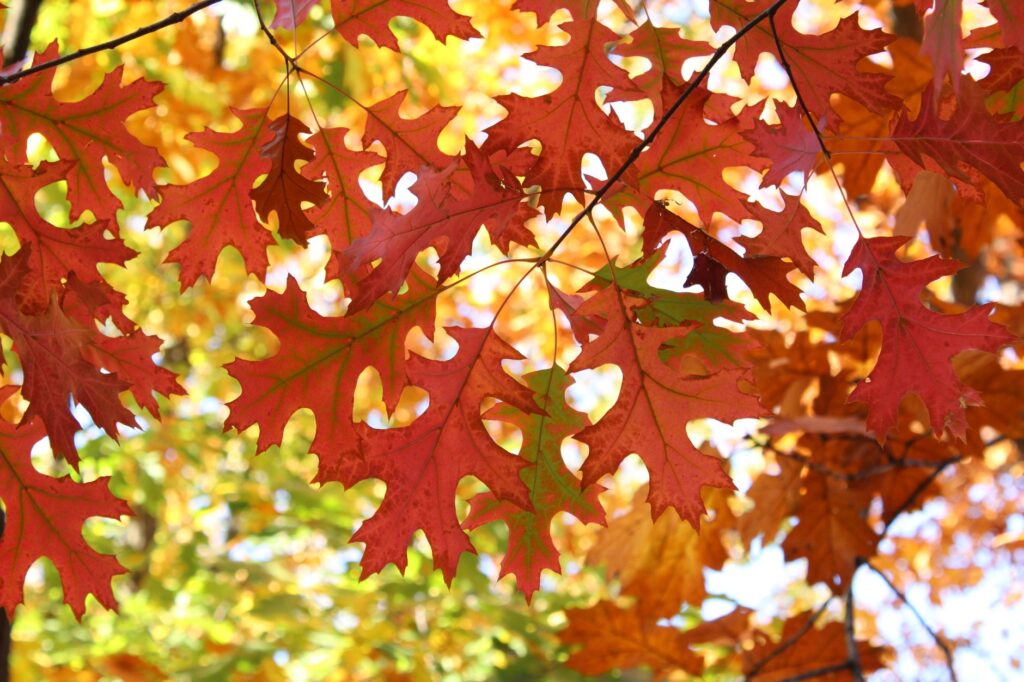
If your percolation test drained fast and your yard sits up on the terraces around Lincroft, Navesink, or the higher ground toward Holmdel, you have more options than most — but drainage that fast also means the soil dries out quicker in a drought, so deep-rooted, drought-tolerant species do best long term.
White oak (Quercus alba) is the signature tree of this terrain for a reason: it’s slow to establish but extraordinarily long-lived once its root system finds its footing in loose, well-aerated soil, and it’s the backbone of the older woodlots you’ll see around Holmdel Road and the Navesink watershed. For a faster-establishing shade tree on the same ground, American beech (Fagus grandifolia) and native hickories both do well once they’re a few years past transplant shock, provided the site isn’t compacted.
For smaller inland lots, serviceberry (Amelanchier canadensis) and American holly (Ilex opaca) both tolerate the acidic, sandy-loam profile without complaint, and holly in particular will handle either side of Middletown’s soil divide — it’s forgiving of both the drier terraces and the damper ground closer to the Bay.
Trees Built for the Wetter, Sandier Bayshore Fringe
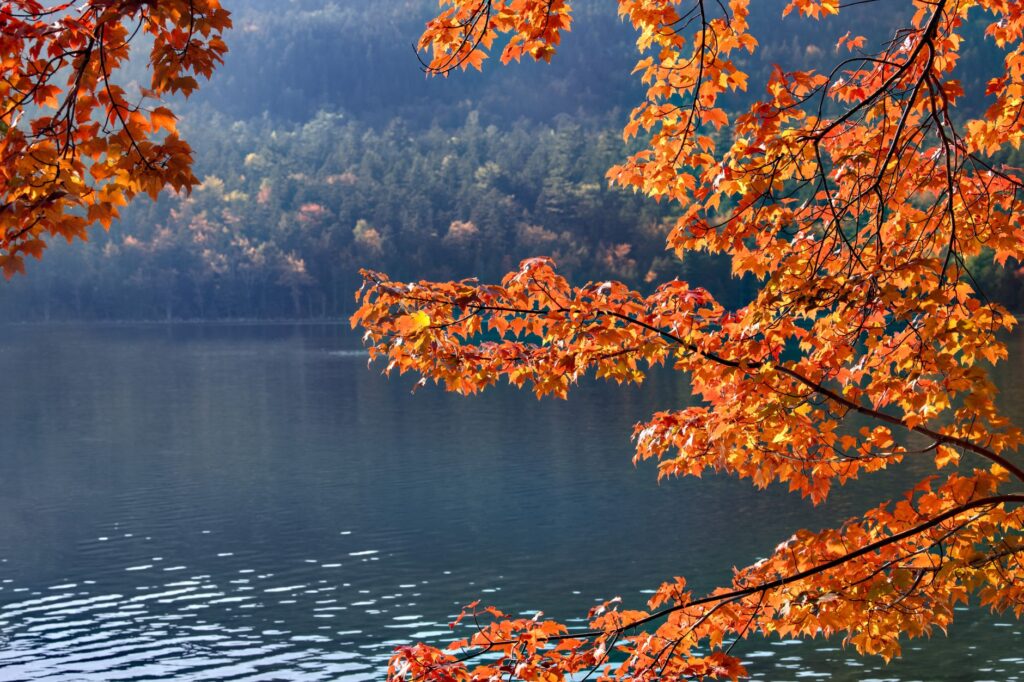
Closer to Port Monmouth, Leonardo, and the low ground along the Shrewsbury, the calculus flips: you want species that tolerate periodic saturation, a higher water table, and occasional salt exposure from storm tides, not species that need their roots to dry out.
Red maple (Acer rubrum) earns its ubiquity here — it’s one of the most flood-tolerant shade trees native to this region and handles everything from a soggy spring to a dry August without much drama. Black tupelo (Nyssa sylvatica) is an underused option for the same conditions: it’s comfortable in wet, poorly drained ground, colors early and brilliantly in fall, and is far less prone to the storm-limb failures that plague some faster-growing wet-site trees. American holly again earns a mention here for its salt and wind tolerance right up near the water.
What you want to avoid on this ground are species bred for upland, well-drained conditions — many ornamental cherries and most oaks other than pin oak or swamp white oak will struggle with wet feet for weeks at a time. The ISA’s consumer guide on choosing the right tree for your site walks through this kind of site-matching logic in more depth, and it’s worth a read before you commit to a species at the nursery.
Planting Depth and Fall Timing Matter More Than Soil Type
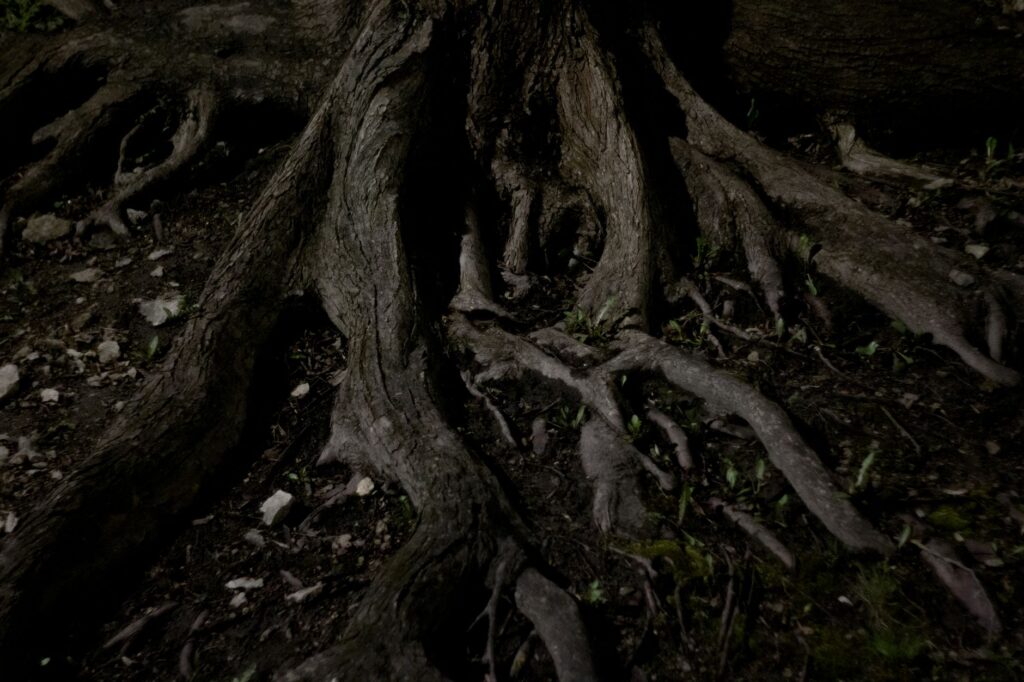
Whichever side of Middletown’s soil divide you’re on, the most common planting mistake I see cuts across both: trees going in too deep, with the root flare — the point where the trunk widens into its main roots — buried under mulch or backfill instead of sitting slightly above grade. A buried root flare suffocates roots and invites rot, and it’s just as damaging in fast-draining Lincroft loam as it is in Bayshore clay.
Fall planting works in Middletown’s favor either way. Soil temperatures stay warm enough for root growth well into November even after air temperatures drop, and a tree planted now spends the whole dormant season building roots instead of fighting summer heat stress the way a spring-planted tree does. The trade-off is that you still need to water through fall until the ground freezes, especially on the faster-draining inland soils where a newly planted tree can dry out even in cool weather.
The ISA’s planting guide covers the mechanics of proper planting depth and backfill in more detail, and it’s a good double-check before the shovel comes out, regardless of which soil you’re working with.
Middletown's #1 Tree Expert Company
FREE Inspection & Estimate | Certified Arborists | Trimming, Pruning, Removal, More!
Sponsored
When It's Worth Calling a Certified Arborist First
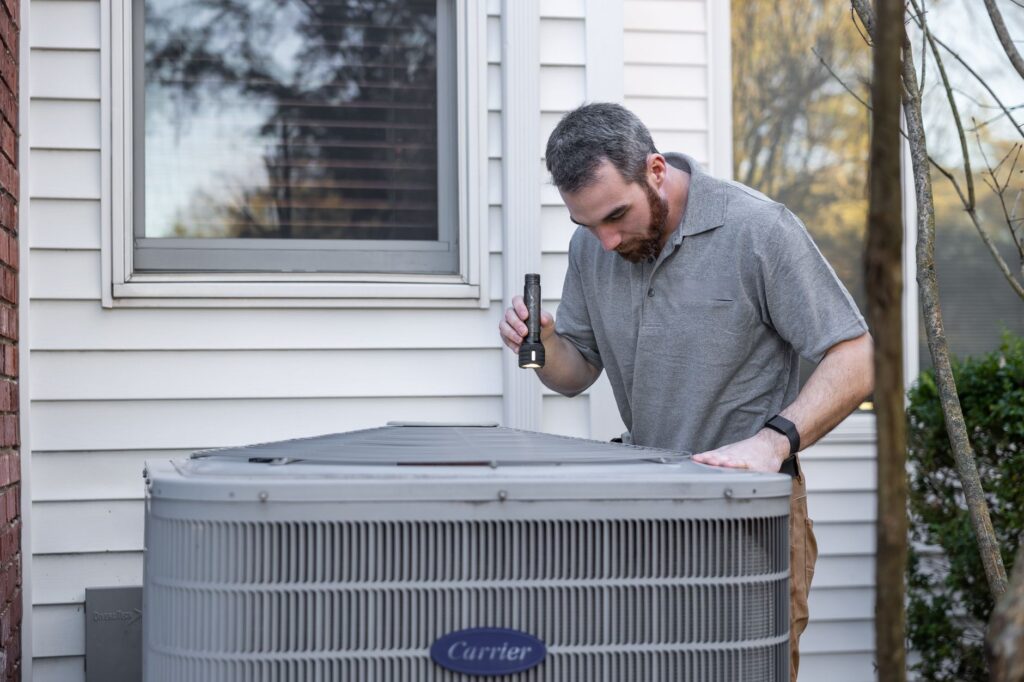
Most Middletown yards fall cleanly enough into one soil type or the other that a homeowner can make a confident planting decision with a percolation test and a little research. Where I’d bring in a certified arborist before you buy anything is on lots with a more complicated history — recent construction or regrading, fill soil of unknown origin, a yard that straddles a drainage swale, or a property near a wetland buffer where local ordinance may govern what and where you can plant.
A quick site assessment is also worth it if you’ve lost a tree on the property before and aren’t sure why, or if you’re planting something long-lived and expensive — a specimen oak or a mature-sized shade tree — where a wrong guess about drainage costs real money and years of growth. Getting the site right before the tree goes in the ground is far cheaper than replacing it in five years once the soil has made its verdict clear.
Photo credits: Featured image by Pixabay on Pexels; Section 1 by Gene Samit on Pexels; Section 2 by Alfo Medeiros on Pexels; Section 3 by Nothing Ahead on Pexels; Section 4 by EK Rivera on Pexels; Section 5 by Skyler Ewing on Pexels; Section 6 by Plato Terentev on Pexels; Section 7 by Kathleen Austin Kuhn on Pexels.